Continually Updated Clinical Reference
 
 
  All Sources     eMedicine     Medscape     Drug Reference     MEDLINE
 
eMedicine - Leprosy : Article by

Quick Find
Authors & Editors
Introduction
Clinical
Differentials
Workup
Treatment
Medication
Follow-up
Miscellaneous
References

Related Articles
Granuloma Annulare

Leishmaniasis

Neurofibromatosis

Psoriasis, Plaque

Sarcoidosis

Syphilis

Tinea Versicolor

Vitiligo

Xanthomas


Patient Education
Click here for patient education.


Author: Felisa S Lewis, MD, Resident Physician, National Capital Consortium Dermatology Program, Walter Reed Army Medical Center

Felisa S Lewis is a member of the following medical societies: American Academy of Dermatology, American Medical Association, and Women's Dermatologic Society

Coauthor(s): Theresa Conologue, DO, Physician, Department of Dermatology, National Capital Consortium, Walter Reed Army Medical Center; Elyse Harrop, MD, Clinical Instructor, Department of Dermatology, Metrohealth Medical Center

Editors: Terry L Barrett, MD, Director, Associate Professor, Department of Dermatology, Division of Dermatopathology and Oral Pathology, Johns Hopkins University School of Medicine; Michael J Wells, MD, Associate Professor, Department of Dermatology, Texas Tech University Health Sciences Center; Lester F Libow, MD, Dermatopathologist, South Texas Dermatopathology Laboratory; Catherine Quirk, MD, Clinical Assistant Professor, Department of Dermatology, Brown University; Dirk M Elston, MD, Director, Department of Dermatology, Geisinger Medical Center

Author and Editor Disclosure

Synonyms and related keywords: leprosy, Hansen's disease, Hansen disease, indeterminate leprosy, IL, tuberculoid leprosy, TT, borderline tuberculoid leprosy, borderline borderline leprosy, borderline lepromatous leprosy, lepromatous leprosy, LL, lepra reaction, reversal reaction, erythema nodosum leprosum, Lucio phenomenon


Background

Leprosy is a chronic granulomatous disease principally affecting the skin and peripheral nervous system. It is caused by infection with Mycobacterium leprae. Although much improved in the last 25 years, knowledge of the pathogenesis, course, treatment, and prevention of the disease continues to evolve. The skin lesions and deformities were historically responsible for the stigma attached to the disease. However, even with proper multidrug therapy (MDT), the consequent sensory and motor damage results in the deformities and disabilities associated with leprosy.

The earliest description of leprosy comes from India around 600 BCE. It was then described in the Far East around 400 BCE. In the fourth century, the disease was imported into Europe, where its incidence peaked in the 13th century. The disease has now nearly disappeared from Europe. Affected immigrants spread leprosy to North America.

Armauer Hansen discovered M leprae in Norway in 1873. It was the first bacillus to be associated with human disease. Despite this discovery, leprosy was not initially thought to be an infectious disease.

Humans are the primary reservoir of M leprae. Animal reservoirs of leprosy have been found in 3 species: 9-banded armadillos, chimpanzees, and mangabey monkeys.

Other eMedicine article on leprosy include the following:

Pathophysiology

Leprosy is not a highly infectious disease. The principal means of transmission is by aerosol spread from infected nasal secretions to exposed nasal and oral mucosa. Leprosy is not generally spread by means of direct contact through intact skin, although close contacts are most vulnerable. The incubation period is 6 months to 40 years or longer. The mean incubation period is 4 years for tuberculoid leprosy (TT) and is 10 years for lepromatous leprosy (LL).

The areas most commonly affected are the superficial peripheral nerves, skin, mucous membranes of the upper respiratory tract, anterior chamber of the eyes, and the testes. These areas tend to be cool parts of the body. Tissue damage depends on the degree to which cell-mediated immunity is expressed, the type and extent of bacillary spread and multiplication, the appearance of tissue-damaging immunologic complications (ie, lepra reactions), and the development of nerve damage and its sequelae.

M leprae is an obligate intracellular, acid-fast, gram-positive bacillus with an affinity for macrophages and Schwann cells. For Schwann cells in particular, the mycobacteria bind to the G domain of the alpha-chain of laminin 2 (found only in peripheral nerves) in the basal lamina. Their slow replication within the Schwann cells eventually stimulates a cell-mediated immune response, which creates a chronic inflammatory reaction. As a result, swelling occurs in the perineurium, leading to ischemia, fibrosis, and axonal death.

The genomic sequence of M leprae was only recently completed. One important discovery is that although it depends on its host for metabolism, the microorganism retains genes for the formation of a mycobacterial cell wall. Components of the cell wall stimulate a host immunoglobulin M antibody and cell-mediated immune response, while also moderating the bactericidal abilities of macrophages.

The strength of the host's immune system influences the clinical form of the disease. Strong cell-mediated immunity (interferon-gamma, interleukin [IL]–2) and a weak humoral response results in mild forms of disease, with a few well-defined nerves involved and lower bacterial loads. A strong humoral response (IL-4, IL-10) but relatively absent cell-mediated immunity results in LL, with widespread lesions, extensive skin and nerve involvement, and high bacterial loads. Therefore, a spectrum of disease exists such that cell-mediated immunity dominates in mild forms of leprosy and decreases with increasing clinical severity. Meanwhile, humoral immunity is relatively absent in mild disease and increases with the severity of disease.

Toll-like receptors (TLRs) may also play a role in the pathogenesis of leprosy.1 M leprae activates TLR2 and TLR1, which are found on the surface of Schwann cells, especially with TT. Although this cell-mediated immune defense is most active in mild forms of the disease, it is also likely responsible for the activation of apoptosis genes and, consequently, the hastened onset of nerve damage found in persons with mild disease. Alpha-2 laminin receptors found in the basal lamina of Schwann cells are also a target of entry for M leprae into these cells, while activation of the ErbB2 receptor tyrosine kinase signaling pathway has been identified as a mediator of demyelination in leprosy.2

The activation of macrophages and dendritic cells, both antigen-presenting cells, is involved in the host immune response to M leprae. IL-1beta produced by antigen-presenting cells infected by mycobacteria has been shown to impair the maturation and function of dendritic cells.3 Because bacilli have been found in the endothelium of skin, nervous tissue, and nasal mucosa, endothelial cells are also thought to contribute to the pathogenesis of leprosy. Another pathway exploited by M leprae is the ubiquitin-proteasome pathway, by causing immune cell apoptosis and tumor necrosis factor (TNF)alpha/IL-10 secretion.4

A sudden increase in T-cell immunity is responsible for type I reversal reactions. Type II reactions result from activation of TNF-alpha and the deposition of immune complexes in tissues with neutrophilic infiltration and from complement activation in organs. One study found that cyclooxygenase 2 was expressed in microvessels, nerve bundles, and isolated nerve fibers in the dermis and subcutis during reversal reactions.5

Frequency

United States

Approximately 6000 patients with leprosy live in the United States. Approximately 95% of these patients acquired their disease in developing countries. In the United States, 200-300 cases are reported each year. States with large immigrant populations (eg, California, New York, Florida) have the largest number of new cases. Small endemic foci exist in Texas, Louisiana, and Hawaii.

International

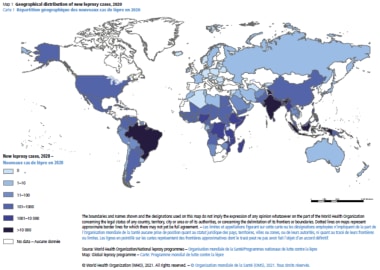
The worldwide prevalence of leprosy is reported to be just less than 1 case per 10,000 population. Most affected persons live in the tropics and subtropics. Six major countries in Asia, Africa, and South America have not achieved the goal of elimination (<1 case per 10,000 population). Approximately 77% of reported cases are found in 8 countries: Brazil, Democratic Republic of the Congo, India, Indonesia, Madagascar, Mozambique, Nepal, and the United Republic of Tanzania. Overall, the prevalence of the disease has decreased since the introduction of short-course MDT in 1982. The global annual detection rate has also been declining since 2001.

Mortality/Morbidity

If severe and left untreated, leprosy can cause clinically significant and debilitating deformity. Since 1943, when sulfone was introduced as the first effective treatment for leprosy, antibiotic treatment has dramatically improved patients' outcomes. Early diagnosis and effective antimicrobial treatment can arrest and even cure the disease.

Race

Leprosy occurs in persons of all races. African blacks have a high incidence of the tuberculoid form of leprosy. People with light skin and Chinese individuals tend to contract the lepromatous type of leprosy. Leprosy is endemic in Asia, Africa, the Pacific basin, and Latin America (excluding Chile). It is more a rural than urban disease.

Sex

In adults, the lepromatous type of leprosy is more common in men than in women after puberty, with a male-to-female ratio of 2:1. In children, the tuberculoid form predominates and no sex preference is reported. Women tend to have a delayed presentation, which increases rates of deformity.

Age

Leprosy has a bimodal age distribution, with peaks at ages 10-14 years and 35-44 years. The disease is rare in infants. Children appear to be most susceptible to disease and tend to have the tuberculoid form.


History

In general, leprosy affects the skin, peripheral nerves, and eyes. Systemic symptoms are also possible. Specific symptoms vary with the severity of the disease.

Prodromal symptoms are generally so slight that the disease is not recognized until a cutaneous eruption is present. However, 90% of patients have a history of numbness first, sometimes years before the skin lesions appear.

Temperature is the first sensation that is lost. Patients cannot sense extremes of hot or cold. The next sensation lost is light touch, then pain, and, finally, deep pressure. These losses are especially apparent in the hands and feet; therefore, the chief complaint may be a burn or ulcer in an anesthetic extremity.

Other parts of the body that might be affected are the cool areas, which can include superficial peripheral nerves, the anterior chamber of the eyes, the testes, the chin, malar eminences, earlobes, and knees. From this stage, most lesions evolve into the tuberculoid, borderline, or lepromatous types.

Physical

Assess for physical signs in 3 general areas: cutaneous lesions, neuropathies, and eyes.

For cutaneous lesions, assess the number and distribution of skin lesions. A hypopigmented macule with a raised border is often the first cutaneous lesion. Plaques are also common. Lesions may or may not be hypoesthetic. Lesions on the buttocks often indicate borderline disease.

Regarding neuropathies, assess for areas of hypoesthesia (light touch, pinprick, temperature and anhidrosis), especially peripheral nerve trunks and cutaneous nerves. The most common nerve affected is the posterior tibial nerve. Others commonly damaged are the ulnar, median, lateral popliteal, and facial nerves. Besides sensory loss, patients may have associated tenderness and motor loss.

Eye damage is most often seen with facial lesions. Lagophthalmos (inability to close the eye), a late finding in persons with LL, results from involvement of the zygomatic and temporal branches of the facial nerve (cranial nerve [CN] VII). Involvement of the ophthalmic branch of the trigeminal nerve (CN V) can result in reduced corneal reflex, leaving dry eyes and reduced blinking.

  • Clinical tests: Certain tests can be performed in the clinic to aid in the diagnosis of leprosy.
    • Tissue smear testing/slit-skin smears: An incision is made in the skin, and the scalpel blade is used to obtain fluid from a lesion. The fluid is placed on a glass slide and stained by using the Ziehl-Neelsen acid-fast method or the Fite method to look for organisms. The bacterial index is then determined as the number of organisms at 100X with oil immersion. Skin smears have high specificity but low sensitivity because 70% of all patients with leprosy have negative smears. However, this test is useful because it detects the most infectious patients.
    • Histamine testing: This test is used to diagnose postganglionic nerve injury. Histamine diphosphate is dropped on healthy skin and affected skin, and a pinprick is made through each site. The site forms a wheal on healthy skin, but not on skin where nerve damage is present.
    • Methacholine sweat testing: An intradermal injection of methacholine demonstrates the absence of sweating in leprous lesions. This test is useful in dark-skinned patients in whom the flare with the histamine test cannot be seen.
  • Diagnostic criteria for leprosy6: The diagnosis of leprosy is primarily a clinical one. In one Ethiopian study, the following criteria had a sensitivity of 97% with a positive predictive value of 98% in diagnosing leprosy. Diagnosis was based on 1 or more of 3 signs:
    • Hypopigmented or reddish patches with definite loss of sensation
    • Thickened peripheral nerves
    • Acid-fast bacilli on skin smears or biopsy material
  • Classification7: The Ridley-Jopling classification is used to differentiate types of leprosy and helps in determining the prognosis. Purely neuritic leprosy (asymmetrical peripheral neuropathies with no evident skin lesions), with or without tenosynovitis and symmetric polyarthritis, is also possible.8 A general classification of disease is based on the number of skin lesions present and the number of bacilli found on tissue smears. Paucibacillary disease (indeterminate leprosy and TT) has fewer than 5 lesions and no bacilli on smear testing. Five or more lesions with or without bacilli (borderline leprosies and LL) is considered multibacillary disease.
    • Indeterminate leprosy: This early form causes one to a few hypopigmented or, sometimes, erythematous macules. Sensory loss is unusual. Approximately 75% of affected persons have lesions that heal spontaneously. In some, the disease may persist in this indeterminate form. In those with weak immunity, the disease progresses to one of the other forms.
    • Tuberculoid leprosy: Skin lesions are few. One erythematous large plaque is usually present, with well-defined borders that are elevated and that slope down into an atrophic center. The lesions can become arciform or annular. They can be found on the face, limbs, or elsewhere, but they spare intertriginous areas and the scalp. Lesions can be dry and scaly, hypohidrotic, and hairless. Another presentation involves a large, asymmetric hypopigmented macule. Both types of lesions are anesthetic and involve alopecia.
      • Spontaneous resolution can occur in a few years, leaving pigmentary disturbances or scars. Progression can also occur, leading to borderline-type leprosy. In rare instances in which a patient is untreated for many years, the lepromatous type can develop.
      • Neural involvement is common in persons with TT; it leads to tender, thickened nerves with subsequent loss of function. The great auricular nerve, common peroneal, ulnar, and radial cutaneous and posterior tibial nerves are often prominent. Nerve damage can happen early, resulting in wrist drop or foot drop.
    • Borderline tuberculoid leprosy: Lesions in this form are similar to those in the tuberculoid form, but they are smaller and more numerous. The nerves are less enlarged and alopecia is less in borderline tuberculoid leprosy than in other forms. Disease can remain in this stage, it can convert back to the tuberculoid form, or it can progress to LL.
    • Borderline borderline leprosy: Cutaneous lesions consist of numerous, red, irregularly shaped plaques that are less well defined than those in the tuberculoid type. Their distribution may mimic those of the lepromatous type, but they are relatively asymmetric. Anesthesia is only moderate. Regional adenopathy may be present. Disease may remain in this stage, it may improve, or it may worsen.
    • Borderline lepromatous leprosy: Lesions are numerous and consist of macules, papules, plaques, and nodules. Annular punched-out–appearing lesions that look like inverted saucers are common. Anesthesia is often absent. As with the other forms of borderline leprosy, the disease may remain in this stage, it may improve, or it may regress.
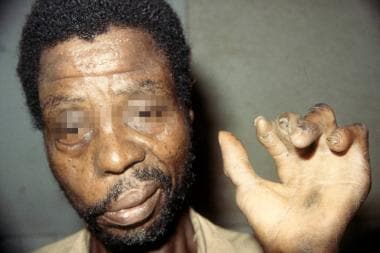
    • Lepromatous leprosy: Early cutaneous lesions consist mainly of pale macules. Late infiltrations are present with numerous bacilli. Macular lesions are small, diffuse, and symmetric. The skin may be smooth and shiny, but skin changes do not occur in LL until late in the course. Therefore, early LL lesions have little or no loss of sensation, nerves are not thickened, and sweating is normal. Nerve loss is slow and progressive.
      • Hypoesthesia occurs first over extensor surfaces of the distal extremities, followed by weakness in the same areas.
      • Alopecia affects the lateral aspects of the eyebrows (madarosis), spreading to the eyelashes and then the trunk. Scalp hair remains intact.
      • Lepromatous infiltrations can be diffuse, can occur as nodules (called lepromas), or can be plaques. The diffuse type results in the thickened skin appearance of a leonine facies. Neuritic lesions are symmetric and slow to develop.
      • Eye involvement occurs, causing pain, photophobia, decreased visual acuity, glaucoma, and blindness.
      • Nasal infiltration can cause a saddle-nose deformity and impaired olfaction. Hoarseness ("leprous huskiness") and stridor are a result of laryngeal involvement.9
      • Oral lepromas, usually located on the hard and soft palate, uvula, tongue ("cobblestoning"), lips, and gums, can progress to necrosis and ulceration. Tissue destruction may result.
      • Infiltration of the helix or megalobule (elongation and wrinkling of the earlobe) may occur.
      • Lymphadenopathy and hepatomegaly can result from organ infiltration.
      • Testicular atrophy results in sterility and gynecomastia.
      • Aseptic necrosis and osteomyelitis can occur with repeated trauma after joint invasion.
      • Brawny edema of the lower extremities is a late finding.
      • Histoid leprosy is a recognized clinical variant of LL. It can occur as a result of M leprae resistance to monotherapy of MDT. One report of de novo histoid leprosy suggests that it may also possibly evolve from indeterminate leprosy. Paucibacillary and multibacillary forms also exist.
      • Unlike the other types of leprosy, LL cannot convert back to the less severe borderline or tuberculoid types of disease.
  • Other: Lepra reactions are complications that occur in 50% of patients after the start of therapy or occasionally before therapy (see Complications).

Causes

Leprosy is caused by M leprae, an obligate intracellular, acid-fast, gram-positive bacillus.

  • Most persons are immune to leprosy. Subclinical disease is common in endemic areas, and the infection progresses to clinical disease in only a select few.
    • Exposure to the nasal discharge of individuals who remain untreated for years is thought to be the main cause of infection. Transmission is not completely understood.
    • In addition to exposure to respiratory secretions, exposure to insect vectors and infected soil has been suspected as a possible mode of transmission.
    • In endemic countries, household contacts of patients are at increased risk for contracting leprosy. The relative risk is 8-10 times for LL and 2-4 times for TT. In nonendemic countries, household contacts rarely acquire the disease.
    • HIV infection is not a risk factor for acquiring leprosy, nor does it increase the clinical symptoms or virulence of leprosy. However, latent cases of leprosy infections may emerge as part of the immune reconstitution inflammatory syndrome after starting highly active antiretroviral therapy.10, 11
    • One report describes 2 cases of leprosy developing after treatment with infliximab.12 Both patients developed type I reversal reactions after stopping the TNF-alpha inhibitor.
  • The following genes have been associated with leprosy; hence, susceptibility to leprosy may be at least partially inheritable:
    • Susceptible loci have been found on band 10p13 and chromosome 6.
    • Associations include HLA-DR2 and HLA-DR3 (tuberculoid disease), as well as HLA-DQ1 (LL).
    • HLA-DRB1*04 is associated with resistance and HLA-DRB1*10 is associated with susceptibility to leprosy in Brazilian and Vietnamese patients.13
    • Genetic variants have been found in the shared promoter region of the PARK2 (parkin) and PACRG genes expressed on monocytes.
    • Lymphotoxin-alpha (LTA) + 80 expressed on dendritic cells appears to be a risk factor for early-onset leprosy, independent of PARK2/PARCG and HLA class I and HLA-DRB1 genes.14, 15
    • Polymorphisms in the gene promoter regions of TNF (multibacillary leprosy) and IL-10 are noted.
    • TLR2 mutations occur in LL.
    • Polymorphisms in the NRAMP1 gene appear on macrophages in multibacillary disease in African patients.
    • TaqI polymorphism (tt genotype) at exon 9 of the vitamin D receptor gene is noted.16


Granuloma Annulare
Leishmaniasis
Neurofibromatosis
Psoriasis, Plaque
Sarcoidosis
Syphilis
Tinea Versicolor
Vitiligo
Xanthomas


Lab Studies

  • Skin biopsy
    • The presence of an inflamed nerve in a skin biopsy specimen is considered the criterion standard for diagnosis.
    • The skin biopsy sample should be examined for morphologic features and for the presence of acid-fast bacilli. Biopsy is useful for determining the morphologic index, which is used in the evaluation and treatment of patients. The morphologic index is the number of viable bacilli per 100 bacilli in the leprous tissue.
    • See Histologic Findings below.
    • A related Medscape CME course is Skin Biopsy as a Diagnostic Tool in Peripheral Neuropathy.
  • Lepromin testing
    • This test indicates host resistance to M leprae. Its results do not confirm the diagnosis, but they are useful in determining the type of leprosy.
    • A positive finding indicates cell-mediated immunity, which is observed in TT. A negative finding suggests a lack of resistance to disease and is observed in LL. A negative result also indicates a worsened prognosis.
    • To perform this test, bacillary suspension is injected into the forearm. An assessment of the reaction at 48 hours is called the Fernandez reaction, and a positive result indicates delayed hypersensitivity to antigens of M leprae or mycobacteria that cross-react with M leprae. When the reaction is read at 3-4 weeks, it is called the Mitsuda reaction, and a positive result indicates that the immune system is capable of mounting an efficient cell-mediated response.
  • Serology and polymerase chain reaction (PCR) testing: Although useful in detecting multibacillary disease, these are not widely performed because they fail to reliably detect early or mild forms of leprosy.
    • Serology can be used to detect antibodies to M leprae-specific phenolic glycolipid-I (PGL-I). This test is useful primarily in patients with untreated LL, because 90% of patients have antibodies. However, antibodies are present in only 40-50% of patients with paucibacillary disease. PGL-I antibody levels decline significantly during MDT; therefore, these levels may be monitored for chemotherapy effectiveness.17
    • A dipstick assay test called the M leprae lateral flow test can detect PGL-I antibodies within 10 minutes with a sensitivity of 90-97.4% in multibacillary leprosy patients. It has the added advantages of using whole blood (versus serum), the technique is easily taught, the results are easily interpreted, and it requires no special equipment.18
    • The use of the anti–45-kd and modified anti-PGL-I antibody assays in combination may be more sensitive in detecting cases of paucibacillary leprosy than either assay individually.19
    • PCR analysis can be used to detect and identify M leprae. The technique is used most often when acid-fast bacilli are detected but clinical or histopathologic features are atypical. It is not useful when acid-fast bacilli are not detectable by means of light microscopy.20
    • The development of a one-step reverse transcriptase PCR assay may be more sensitive in detecting bacilli in slit smears and skin biopsy specimens. This RNA-based assay is also effective for monitoring bacteria clearance during therapy.21
  • Other: Although laboratory studies help in making a definitive diagnosis of leprosy, such tests are usually unavailable in remote areas and in some developing countries.

Imaging Studies

  • Radiographs
    • Plain radiographs may be useful to detect and monitor leprosy-induced bone changes.22
    • Resorption, fragmentation, and maligned fractures are common signs of leprosy-induced bone changes. Medullary sclerosis or wavy diaphyseal borders indicate diaphyseal whittling.

Histologic Findings

In the indeterminate form, findings are nonspecific. Histiocytes and lymphocytes are scattered, with some concentration around dermal appendages and nerves. At times, an acid-fast bacillus can be observed in a nerve bundle. The number of dermal mast cells may be increased.

In the TT form, well-developed epithelioid granulomas are observed in the papillary dermis, often around neurovascular structures. The granulomas are surrounded by lymphocytes, which extend into the epidermis. Langhans giant cells are common. Dermal nerves are destroyed or swollen because of the granulomas. Acid-fast bacilli are not observed. S-100 is useful in identifying nerve fragmentation and differentiating it from other granulomatous disease.23

In the borderline tuberculoid form, well-developed epithelioid cell granulomas are apparent and diffuse, but few or no Langhans giant cells are observed. Few lymphocytes are present in the epidermis in this form, compared with TT. Bacilli are absent or rare, but they can be found in dermal nerves and in the arrector pilorum. Nerves are moderately swollen.

In the borderline borderline form, diffuse epithelioid granulomas that lack giant cells are observed in the dermis below the subepidermal zone of uninvolved papillary dermis (ie, grenz zone). Nerves are slightly swollen, and acid-fast bacilli are present in moderate numbers.

In the borderline lepromatous form, smaller granulomas with some foamy changes and numerous lymphocytes are observed. Nerves often have an onionskin appearance as a result of invasion of the perineurium. A few epithelioid cells may be observed.

In the LL form, a diffuse infiltrate of foamy macrophages is present in the dermis below a subepidermal grenz zone. An enormous number of acid-fast bacilli develop within the foamy macrophages, singly or in clumps, called globi. Lymphocytes are scant, and giant cells are typically absent. Numerous bacilli invade the nerves, but these are fairly well preserved with little infiltrate. Nodular, or dermatofibromalike lesions in LL, referred to as histoid leprosy, result in a diffuse fascicular arrangement of spindled cells in the dermis admixed with foamy macrophages that contain numerous bacilli.

The histoid form has spindle-shaped clusters of histiocytes in a whorled or parallel pattern. In paucibacillary histoid leprosy, these clusters are in the papillary and mid dermis. Multibacillary histoid leprosy has a grenz zone with the histiocytes located in the mid and deep dermis.24


Medical Care

The management of leprosy includes early pharmacotherapy and physical, social, and psychological rehabilitation. The goals of pharmacotherapy are to stop the infection, reduce morbidity, prevent complications, and eradicate the disease. Since 1981, MDT has been advocated by the World Health Organization (WHO)25 and the United States. MDT prevents dapsone resistance, quickly reduces contagiousness, and reduces relapses, reactions, and disabilities.

The length of treatment ranges from 6 months to 2 years. Patients are considered noninfectious within 1-2 weeks of treatment (usually after the first dose). These drugs are conveniently packaged in monthly calendar blister packs. Monitor for drug resistance and adverse reactions to medications.

  • Paucibacillary disease can be treated with a combination of 2 drugs, whereas multibacillary disease requires triple-drug therapy. Single skin lesions (paucibacillary) can be treated with a single dose of 3 drugs. The length of treatment depends on the type of disease and on the access to drugs.
  • WHO and US treatment regimens for paucibacillary and multibacillary disease are listed below. Therapy for single skin lesions is not universal, because 80% of single skin lesions heal spontaneously. Therefore, only the WHO has a recommended treatment.
  • Current WHO recommendations for treatment of leprosy are as follows:
    • Paucibacillary disease - Dapsone at 100 mg/d plus rifampin at 600 mg once a month for 6 months
    • Multibacillary disease - Dapsone at 100 mg/d plus rifampin at 600 mg once a month plus clofazimine at 300 mg once a month and 50 mg/d for 1 year
    • Single skin lesion - A single dose of rifampin at 600 mg, ofloxacin at 400 mg, and minocycline at 100 mg
  • Current US recommendations for the treatment of leprosy are as follows26:
    • Paucibacillary disease - Dapsone at 100 mg/d plus rifampin at 600 mg/d for 1 year
    • Multibacillary disease - Dapsone at 100 mg/d plus rifampin at 600 mg/d plus clofazimine at 50 mg/d for 2 years
  • In patients taking dapsone, the CBC count should be checked frequently early during the therapy and then less frequently later during therapy.
  • Skin lesions usually resolve within the first year of treatment, although some may persist for up to 5 years in multibacillary disease.
  • Potential deformities can be prevented by educating patients about how to minimize existing nerve damage and by treating any sequelae of this damage. Close follow-up is important to ensure patient compliance (see Complications and Further Outpatient Care)

Surgical Care

  • Emergency surgery may be necessary if a patient with profound nerve inflammation presents with a nerve abscess or loss of nerve function secondary to compression. Prompt recognition and surgical drainage of the abscess can often restore nerve function.
  • Elective surgery may be required for correction of lagophthalmos (ie, inability to close the eye).
  • Reconstructive surgery can be used to repair nasal collapse in patients with LL, but it is not recommended until the disease has been inactive for a minimum of 1 year.
  • Other surgery may be needed to improve function or for cosmesis.
  • Contractures can be surgically repaired.

Consultations

  • Consultations with an ophthalmologist, a plastic surgeon, an orthopedic surgeon, an otolaryngologist, a neurosurgeon, and/or a neurologist may be necessary.
  • Reasons for a consultation with an ophthalmologist include the following:
    • Lagophthalmos
    • Erythema nodosum leprosum (ENL)–induced iritis
    • Direct invasion of the anterior chamber of the eye by M leprae
    • Corneal and conjunctival insensitivity
    • Infection or scarring from involvement of CN V and CN VII
    • Cataracts
  • Specialists in rehabilitation medicine, including physical and occupational therapists, can help in reducing morbidity.
  • Consultation with a prosthetics specialist also may be appropriate.

Activity

Restrictions on activity depend on the extent of nerve damage.

  • In patients with bone or joint destruction, weight bearing should be minimized.
  • Patients with anesthesia of the limbs must be educated about their condition, and they should wear appropriate protection (especially footwear).
  • Plantar ulceration requires rest and avoidance of weight bearing.
  • Weakness or paralysis requires physical therapy to prevent contractures.


Drug Category: Antimicrobials

Antimicrobials are used to eliminate organisms. The first-line drugs are dapsone, rifampin, and clofazimine. Clofazimine can also be used alone to treat type II (ENL) reactions. Second-line agents include minocycline, ofloxacin, and clarithromycin, which can be used to treat a single skin lesion or to treat patients with dapsone allergy.

Drug NameDapsone (Avlosulfon)
DescriptionBlocks folic acid synthesis. Bacteriostatic and weakly bactericidal. Was widely used as monotherapy for leprosy until resistance developed. Now part of MDT for leprosy.
Adult DosePaucibacillary
WHO: 100 mg qd PO for 6 mo
US: 100 mg qd PO for 1 y
Multibacillary
WHO: 100 mg qd PO for 1 y
US: 100 mg qd PO for 2 y
Pediatric DosePaucibacillary
10-14 years: 50 mg PO qd for 6 mo
<10 years: 25 mg PO qd for 6 mo
Multibacillary
10-14 years: 50 mg PO qd for 1 y
<10 years: 25 mg PO qd for 1 y
ContraindicationsDocumented hypersensitivity; known G-6-PD deficiency
InteractionsMay inhibit anti-inflammatory effects of clofazimine; hematologic reactions may increase with folic acid antagonists such as pyrimethamine (monitor for agranulocytosis during second and third months of therapy); probenecid increases toxicity; concurrent trimethoprim may increase toxicity of both; concurrent rifampin may substantially decrease levels because of increased renal clearance
PregnancyC - Fetal risk revealed in studies in animals but not established or not studied in humans; may use if benefits outweigh risk to fetus
PrecautionsObtain weekly blood cell counts in first month, then WBC count monthly for 6 mo, then semiannually; discontinue if platelet or leukocyte count or hematopoiesis significantly reduced; caution in methemoglobin reductase deficiency, G-6-PD deficiency, or hemoglobin M (high risk for agranulocytosis, hemolysis, Heinz-body formation); caution in patients exposed to other agents or in conditions (eg, infection, diabetic ketosis) capable of producing hemolysis; peripheral neuropathy rare; phototoxicity may occur when patient exposed to UV light

Drug NameRifampin (Rifadin, Rimactane)
DescriptionBactericidal for M leprae. Inhibits DNA-dependent RNA polymerase, interfering with bacterial RNA synthesis. Part of MDT for leprosy.
Adult DoseSingle skin lesion paucibacillary
WHO: 600 mg PO once
Paucibacillary
WHO: 600 mg PO monthly (supervised) for 6 mo
US: 600 mg PO bid for 1 y
Multibacillary
WHO: 600 mg PO monthly (supervised) for 1 y
US: 600 mg qd for 2 y
Pediatric Dose10-20 mg/kg PO/IV; not to exceed 600 mg qd
Single skin lesion, paucibacillary
5-14 years: 300 mg PO once
Paucibacillary
10-14 years: 450 mg once a mo (supervised)
<10 years: 300 mg PO once a mo (supervised)
Multibacillary
10-14 years: 450 mg once a mo (supervised)
<10 years: 300 mg PO once a mo (supervised)
ContraindicationsDocumented hypersensitivity
InteractionsInduces cytochrome P450 microsomal enzymes, which may decrease effects of acetaminophen, oral anticoagulants, barbiturates, benzodiazepines, beta-blockers, chloramphenicol, oral contraceptives, corticosteroids, mexiletine, cyclosporine, digitoxin, disopyramide, estrogens, hydantoins, methadone, clofibrate, quinidine, dapsone, tazobactam, sulfonylureas, theophyllines, tocainide, and digoxin; blood pressure may increase with coadministration of enalapril; coadministration with isoniazid may increase rate of hepatotoxicity more than with either alone (discontinue 1 or both if liver function altered)
PregnancyC - Fetal risk revealed in studies in animals but not established or not studied in humans; may use if benefits outweigh risk to fetus
PrecautionsObtain CBC counts and baseline clinical chemistries before and during therapy, monitor q3mo; in liver disease, weigh benefits against risk of further liver damage; interrupted and high-dose, intermittent therapy associated with thrombocytopenia (reversible if discontinued as soon as purpura occurs); if treatment continued or resumed after appearance of purpura, cerebral hemorrhage or death may occur; urine and other secretions may turn orange

Drug NameClofazimine (Lamprene)
DescriptionRed, fat-soluble, crystalline dye. Inhibits mycobacterial growth, binds preferentially to mycobacterial DNA. Has antimicrobial properties, but mechanism of action unknown. Slowly bactericidal against M leprae. Has anti-inflammatory properties.
Adult DoseMultibacillary
WHO: 300 mg PO monthly (supervised) and 50 mg PO qd for 1 y
ENL: 100 mg PO tid for 12 wk, tapering to 100 mg PO bid for 12 wk, then 100 mg PO qd for 12-24 wk
Pediatric DoseMultibacillary
<10 years: Adjust dose based on weight
10-14 years: 150 mg PO monthly (supervised) and 50 mg PO qod for 1 y
>14 years: 300 mg PO monthly (supervised) and 50 mg PO qd for 1 y
ContraindicationsDocumented hypersensitivity
InteractionsDapsone may inhibit anti-inflammatory activity; avoid concurrent administration of clofazimine with aluminum- or magnesium-containing antacids due to decreased absorption; concurrent use of phenytoin and clofazimine may result in reduced phenytoin efficacy; concurrent administration of small quantities of orange juice with clofazimine may result in modest reduction of clofazimine relative bioavailability
PregnancyC - Fetal risk revealed in studies in animals but not established or not studied in humans; may use if benefits outweigh risk to fetus
PrecautionsMost noticeable adverse effect is skin discoloration (red to purple-black), which fades slowly on withdrawal; secretions discolored; urine becomes red; ichthyosis of shins and forearms may be prominent; severe abdominal symptoms with rare reports of splenic infarction, bowel obstruction, and GI bleeding; autopsy reveals crystalline deposits of clofazimine in tissues, including intestinal mucosa, spleen, liver, and mesenteric lymph nodes; because M leprae resistance develops quickly, should always be given as part of MDT

Drug NameMinocycline (Minocin)
DescriptionBacteriostatic. Inhibits bacterial protein synthesis by reversibly binding at the 30S unit.
Adult DoseSingle skin lesion, paucibacillary
WHO: 100 mg PO once
Pediatric Dose<8 years: Not recommended
>8 years
WHO: 50 mg PO once
ContraindicationsDocumented hypersensitivity; severe hepatic dysfunction
InteractionsBioavailability decreases with antacids containing aluminum, calcium, magnesium, iron, or bismuth subsalicylate; can decrease effects of oral contraceptives, causing breakthrough bleeding and increasing risk of pregnancy; tetracyclines can increase hypoprothrombinemic effects of anticoagulants
PregnancyD - Fetal risk shown in humans; use only if benefits outweigh risk to fetus
PrecautionsPhotosensitivity may occur with prolonged exposure to sunlight or tanning equipment; reduce dose in renal impairment; consider determinations of drug serum levels in prolonged therapy; tetracycline use during tooth development (last half of pregnancy through age 8 y) can cause permanent discoloration of teeth; may also cause decrease in linear growth; Fanconilike syndrome may occur with outdated tetracyclines; hepatitis or lupuslike syndromes may occur

Drug NameOfloxacin (Floxin)
DescriptionPyridine carboxylic acid derivative with broad-spectrum bactericidal effect. Inhibits DNA gyrase, interfering with bacterial DNA synthesis.
Adult DoseSingle skin lesion, paucibacillary
WHO: 400 mg PO once
Pediatric DoseNot established: WHO: 200 mg PO once (suggested)
ContraindicationsDocumented hypersensitivity; not recommended for children <5 y
InteractionsInduces cytochrome P450 microsomal enzymes, which may decrease effects of theophylline, anticonvulsants, sulfonylureas, insulin, and warfarin in particular; caution in combination with drugs that prolong QT interval; probenecid may decrease excretion of fluoroquinolones; antacids, ferrous sulfate, zinc, or sucralfate may reduce absorption of fluoroquinolones (recommended dosing 2 h before or 2 h after giving these drugs); may enhance hypoprothrombinemic effect of warfarin when administered concurrently; concurrent administration with alosetron, monitor patients for adverse effects such as constipation, increased abdominal discomfort, and ischemic colitis; risk of tendon rupture may be increased in patients receiving concomitant fluoroquinolones and corticosteroids (especially in elderly persons); concurrent administration of ofloxacin, a quinolone antibiotic, and a nonsteroidal anti-inflammatory drug (NSAID) may increase risk of CNS stimulation and convulsive seizures (risk may be compounded in patients predisposed to seizure activity)
PregnancyC - Fetal risk revealed in studies in animals but not established or not studied in humans; may use if benefits outweigh risk to fetus
PrecautionsObtain baseline liver-associated enzyme levels and monitor values; may cause nausea, rash, pruritus, photosensitivity, seizures, headache, dizziness, cardiac dysrhythmia, QT prolongation, peripheral neuropathy, or traumatic or nontraumatic rupture of tendon; failure to respond after 2-3 d may indicate resistant organism or another causative agent; caution in hepatic impairment/insufficiency or renal impairment/insufficiency (may increase risk of toxicity); may result in false-positive urine opiate screening immunoassays; changes in blood sugar and hypoglycemic or hyperglycemic episodes reported when fluoroquinolones used with antidiabetic agents

Drug Category: Corticosteroids

These anti-inflammatory agents are used primarily in the treatment of type I (reversal) reactions and silent neuropathy (see Complications). These drugs can be used to treat leprosy reactions when a risk of neurologic deficits is present or when moderately inflamed lesions occur in cosmetically important places. Systemic corticosteroids may also be used to treat type II reactions.

Drug NamePrednisone (Deltasone)
DescriptionMay decrease inflammation by reversing increased capillary permeability and suppressing PMN activity. Stabilizes lysosomal membranes and suppresses lymphocytes and antibody production.
Adult DoseType I and II reactions: 40-60 mg PO qd (up to 1 mg/kg/d); taper by 5 mg q2-4wk after evidence of improvement; if nerve damage present, 3-6 mo of treatment typical
Silent neuropathy: 40 mg qd, tapering slowly over 4 mo
Pediatric Dose4-5 mg/m2/d PO; alternatively, 0.05-2 mg/kg PO divided bid/qid; taper over 2 wk as symptoms resolve
ContraindicationsDocumented hypersensitivity; viral infection, peptic ulcer disease, hepatic dysfunction, connective-tissue infections, and fungal or tubercular skin infections; GI disease
InteractionsCoadministration with estrogens may decrease clearance; with digoxin, may increase digitalis toxicity secondary to hypokalemia; phenobarbital, phenytoin, and rifampin may increase metabolism of glucocorticoids (consider increasing maintenance dose); monitor for hypokalemia with coadministration of diuretics
PregnancyB - Fetal risk not confirmed in studies in humans but has been shown in some studies in animals
PrecautionsAbrupt discontinuation of glucocorticoids may cause adrenal crisis; hyperglycemia, edema, osteonecrosis, myopathy, peptic ulcer disease, hypokalemia, osteoporosis, euphoria, psychosis, myasthenia gravis, growth suppression, and infections may occur with glucocorticoid use; regardless of dosing schedule, avascular necrosis of long bones may occur; corticosteroid may aggravate insomnia, mood swings, depression, and psychosis

Drug Category: Immunomodulators

These agents are especially useful in treating type II (ENL) reactions.

Drug NameThalidomide (Thalomid)
DescriptionImmunomodulatory agent that may suppress excessive production of TNF-alpha and down-regulate selected cell-surface adhesion molecules involved in leukocyte migration. Can be used to treat recurrent or refractory ENL.
Adult Dose300-400 mg qd until ENL reaction controlled, then taper to maintenance dose of 100 mg qd for as long as necessary
Pediatric DoseNot established
ContraindicationsDocumented hypersensitivity; pregnancy
InteractionsDarbepoetin alfa may increase thrombogenic state in patients with myelodysplastic syndrome; dexamethasone may increase risk of toxic epidermal necrolysis; docetaxel may increase risk of venous thromboembolism; zoledronic acid may increase risk of renal dysfunction; may increase sedation of alcohol, barbiturates, chlorpromazine, and reserpine; because of teratogenic effects, women must use 2 additional methods of contraception or abstain from intercourse
PregnancyX - Contraindicated; benefit does not outweigh risk
PrecautionsCaution in women of child-bearing age (because of severe birth defects with thalidomide use in pregnancy, the System for Thalidomide Educational Prescribing Safety [STEPS] program recommends serum pregnancy testing 24 h before therapy, then qwk for first month, then monthly); other potential adverse effects include peripheral neuropathy (can be irreversible), sedation, and bradycardia; use protective measures (eg, sunscreens, protective clothing) against exposure to sunlight or UV light (eg, from tanning beds)
Caution in neuritis, seizure disorder, or cardiovascular disease; patients with neoplastic or various inflammatory conditions may have increased incidence of thrombotic events, including pulmonary embolism
Serious adverse effects may include sedation (avoid hazardous tasks, eg, operating a motor vehicle or dangerous machinery), leukopenia (may increase HIV viral load in HIV-seropositive patients), orthostatic hypertension, seizures, deep thrombophlebitis, fever, infections, peripheral neuropathy (caution with concomitant use of substances associated with peripheral neuropathy), and drug eruption, including Stevens-Johnson syndrome and/or toxic epidermal necrolysis


Further Inpatient Care

  • Patients with leprosy may need hospitalization for acute complications. Sanatoria, which were widely used in the past, are no longer necessary. Most patients can be treated in an outpatient setting.
  • Community-based rehabilitation programs are important to integrate and support people with leprosy and their families. A current list of Hansen disease clinics in the United States can be obtained from the National Hansen's Disease (Leprosy) Program.

Further Outpatient Care

  • Follow-up to monitor post-MDT reactions is no longer necessary because these reactions are rare. Nonetheless, prevention of disability and rehabilitation is important; therefore, suggested follow-up is 5-10 years after treatment is completed. Patients should be educated about the clinical signs of reoccurrence and should be instructed to return for an evaluation if they have any skin, eye, or nerve changes. Periodic assessments for neural impairment are recommended, and prompt treatment of reactions substantially reduces and prevents further damage and disability.
  • Sensation and muscle strength in the hands, feet, and eyes should be checked on a regular basis. The eyes, nerves, and nose should be examined at follow-up to ensure timely recognition of reactivated disease.

Deterrence/Prevention

  • No skin or serologic tests are available to identify a carrier of leprosy.
  • Household contacts of patients with lepromatous disease should be monitored annually for 5 years after diagnosis.
    • Children especially should be observed for the development of disease.
    • In endemic countries, chemoprophylaxis may be useful in controlling leprosy. The Prospective (sero-)Epidemiological Study on Contact Transmission and Chemoprophylaxis in Leprosy (COLEP) found that a single dose of rifampin was 57% effective in preventing leprosy in contacts for the first 2 years after diagnosis of a new index case. However, the effect was not consistent in all subgroups. No statistical difference was noted between the rifampin group and the placebo group beyond 2 years. Therefore, no universal recommendation exists at this time, but it may be considered.27
    • In the United Kingdom, close contacts of LL patients younger than 12 years are given rifampin at 15 mg/kg once a month for 6 months as prophylaxis.28
  • Attempts have been made to develop a vaccine against leprosy. Although not widely used, antileprosy vaccination can be immunoprophylactic and therapeutic. Current vaccines with various degrees of use are the BCG vaccine; the Mycobacterium w vaccine; the Mycobacterium avium-intracellulare complex (Mycobacterium ICRC) vaccine; the BCG plus heat-killed M leprae, Mycobacterium tufu, and Mycobacterium habana vaccine.
    • The BCG vaccine has variable results in protecting certain populations; therefore, it is not widely prescribed. However, repeat immunization with the BCG vaccine may result in further protection. In the United Kingdom, the BCG vaccine is given to household contacts younger than 12 years.
    • In India, the Mycobacterium w and Mycobacterium ICRC vaccines are given. Mycobacterium w has a synergistic effect with chemotherapy, with accelerated clearing of the infection and shortening of treatment.

Complications

  • Reactional states occur in approximately one third of patients and are acute inflammations of the disease. They may be induced by MDT, physical or mental stress, trauma, pregnancy, or surgical procedures. A leprous reaction should be considered a medical emergency and mandates immediate care. These states can result in permanent neurologic sequelae, resulting in disability and deformity. Patients at the highest risk are those with multibacillary leprosy and/or preexisting nerve impairment.
    • Lepra type I (reversal) reactions usually affect patients with borderline disease. Reversal reactions are a shift toward the tuberculoid pole after the start of therapy, and they are type IV cell-mediated allergic hypersensitivities, indicating an improvement in cell-mediated immunity. Puberty, pregnancy, and childbirth can also precipitate type I reactions. These reactions usually result in skin erythema, with edema and tenderness of peripheral nerves. New skin lesions are common, and the patient may have an acute febrile illness. The peak time for type I reactions is during the first 2 months of therapy and for up to 12 months. Corticosteroid treatment is aimed at controlling acute inflammation, relieving pain, and reversing nerve and eye damage. With treatment, approximately 60-70% of the patient's nerve function is recovered.29 If neuritis is absent, NSAIDs may be helpful. MDT should be continued during type I reactions.
    • Lepra type II reactions, or ENL, occur in approximately 10% of patients with borderline lepromatous leprosy and in 20% of patients with LL. These reactions are type III humoral (antibody-antigen) hypersensitivities, with a systemic inflammatory response to immune complex deposition. The most common presenting symptoms are crops of painful erythematous nodules of the skin and subcutaneous tissue. Bullae, ulcers, and necrosis also may occur.30 Nerve damage is slower than in reversal reactions. The reaction usually manifests after a few years of therapy, and, although a single acute episode is possible, relapses occur intermittently over several years. Associated fever, malaise, arthralgias, neuralgia, iridocyclitis, dactylitis, orchitis, and proteinuria may be present. 
      • The use of clofazimine in MDT substantially reduces the incidence of ENL to 5%. Clofazimine has also been used to treat ENL.
      • Thalidomide is effective except in the case of neuritis or iritis, in which case corticosteroids should be used.
      • Other treatment therapies reported to be effective include colchicine, pentoxifylline, cyclosporine A, intravenous immunoglobulin, and infliximab.31
      • Lowering the dose of dapsone may decrease the severity of bullae and ulcers.
    • Lucio phenomenon32 is a cutaneous necrotizing vasculitis that is sometimes designated a type II reaction. It is common in Mexico and Central America and is characterized by erythematous, geometric, irregular-shaped macules that rapidly progress to ulceration and necrosis on acral areas or extremities of patients with diffuse LL. Systemic symptoms such as hepatosplenomegaly, fever, arthritis, and nephritis are usually present. Thalidomide is ineffective in treating this type of reaction; however, no consensus on treatment had been determined.33 Most patients with Lucio phenomenon have not received MDT or were treated irregularly; therefore, MDT is recommended. Azathioprine or cyclophosphamide with corticosteroids with or without plasmapheresis has also been used.
  • The real challenge in managing leprosy is the treatment of reactional states.
    • If the course of MDT is not complete, continue taking those medications as directed.
    • Systemic steroids are effective in reducing inflammation and edema in reversal reactions; therefore, they are the most helpful medications in preventing nerve damage.
    • Prednisone at 40-80 mg/d should be given for 5-7 days then tapered slowly over 3-6 months. This long course is necessary to decrease the severity of disabilities and deformities. One study recommended a low-dose (30 mg/d) regimen for 20 weeks for controlling type I reactions.
    • Clofazimine can also be used as a steroid-sparing agent for reversal reactions, alone or with corticosteroids.
    • Although the WHO does not support its use for ENL, thalidomide is highly effective with ENL. It is ineffective for the treatment of reversal reactions.
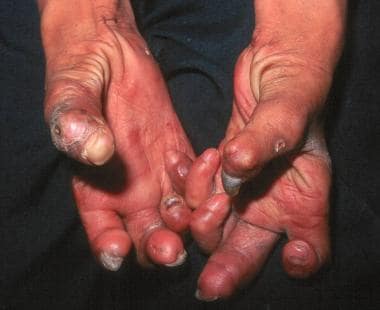
  • Neuropathy induced by leprosy can result in trauma, pressure necrosis, or secondary infection that goes unnoticed, leading to amputation of digits or limbs. Wrist and foot drop are also common. Silent neuropathy can occur in the absence of overt signs of nerve or skin inflammation. Even with corticosteroid treatment, only approximately 60% of nerve function is recovered. Cyclosporine A may be useful in controlling nerve impairment and pain.34
  • Injuries can result in ulcerations, cellulitis, scarring, and bony destruction. Foot ulcers discovered early should be treated with rest because they heal if they are not subject to weight bearing.
  • Osteoporosis and fractures can result from bony changes due to leprosy. Risedronate and other bisphosphates may help improve lumbar bone mineral density.35
  • Contractures can develop and may result in fixation. Common sequelae include clawing of hands and feet.
  • Eye damage, especially in the anterior portion of the eye, can result in loss of the corneal reflex, lagophthalmos, ectropion, entropion, and blindness. One study found the risk of ocular complications in patients with multibacillary disease, after completion of MDT, to be 5.6%, with eye-threatening complications to be 3.9%.
  • Skin drying and fissures can be caused by autonomic disruption.

Prognosis

  • The prognosis depends on the stage of disease. Borderline tuberculoid leprosy usually involves rapid and severe nerve damage. Reversal reactions are uncommon with lepromatous disease; therefore, LL is a chronic state with long-term complications. Even with MDT, patients have long-term nerve damage and disability.
  • The prognosis also depends on the patient's access to therapy, the patient's compliance, and the early initiation of treatment.
  • Relapse (new disease after adequate MDT is completed) occurs in 0.01-0.14% of patients per year in the first 10 years.
  • Approximately 5-10% of patients have a type I reversal reaction in the first year after completing MDT.
  • Because of reduced cell-mediated immunity, pregnancy can precipitate a relapse or reaction of the disease, especially type II reactions in pregnant women younger than 40 years. Dapsone is generally thought to be safe in pregnancy; the safety of clofazimine and rifampin are controversial, and thalidomide (used in type II reactions) is contraindicated during pregnancy.
  • Type I and type II reactions can precipitate a relapse of the disease.
  • Perineural granulomas have been reported to persist 18 months after MDT and clinical improvement, and they are not considered to be a relapse of the disease.36
  • Overall, children have a good prognosis because multibacillary disease and leprous reactions are uncommon.

Patient Education

  • Patients first need an explanation of the diagnosis and prognosis.
    • Their fears should be addressed because of the cultural stigma associated with leprosy. Importantly, refute any myths that the patient may have about leprosy.
    • Patients may need psychological counseling because they may have difficulty coming to terms with the disease or may feel rejected by society.
    • The patient should be reassured that within a few days of starting MDT, they are not infectious and can lead a normal life.
  • Patients need education about how to deal with anesthesia of a hand or foot.
    • They must learn to carefully inspect their extremities for trauma each day. Patients should also be told to wear proper footwear and protective equipment as necessary. Inexpensive canvas shoes with protective insoles are as effective as special orthopedic shoes.
    • Inspecting limbs and eyes for the onset of anesthesia or weakness is also important.
    • Physical therapy and occupational therapy are important tools in rehabilitation.
  • Patients must learn how to recognize the onset of lepra reactions, and they should be told to seek immediate medical attention if these reactions develop.
  • Potential deformities can be prevented by educating patients about how to deal with existing nerve damage and by treating any sequelae of this damage.


Medical/Legal Pitfalls

  • Leprosy is a contagious transmissible disease, and cases should be reported to health officials when they are diagnosed.
  • Discrimination against patients with leprosy in vocational matters is illegal.

Special Concerns

  • Pregnant women have decreased cell-mediated immunity and thus have an increased risk of acquiring the infection.
    • If the disease is incubating, pregnancy can result in overt expression.
    • Pregnant women also have an increased incidence of type I reactions and neuritis, most likely to occur in the peripartum period, when cell-mediated immunity begins to return to prepregnancy levels.
    • Type II reactions are possible throughout pregnancy and lactation, and they are associated with earlier loss of nerve function. Unfortunately, thalidomide is contraindicated in pregnancy. One study found pentoxifylline to be somewhat efficacious in inducing nodule regression and edema (62.5% vs 95% for thalidomide).37
    • Rifampin, dapsone, and clofazimine are considered reasonably safe during pregnancy.
    • Ideally, pregnancy should be avoided until leprosy is well controlled.
  • Congenital disease is rare, but infants born to mothers with leprosy have slow growth and decreased birth weight. They have a high risk of contracting disease if the mother has LL.


  1. McInturff JE, Modlin RL, Kim J. The role of toll-like receptors in the pathogenesis and treatment of dermatological disease. J Invest Dermatol. Jul 2005;125(1):1-8. [Medline].
  2. Tapinos N, Ohnishi M, Rambukkana A. ErbB2 receptor tyrosine kinase signaling mediates early demyelination induced by leprosy bacilli. Nat Med. Aug 2006;12(8):961-6. [Medline].
  3. Makino M, Maeda Y, Mukai T, Kaufmann SH. Impaired maturation and function of dendritic cells by mycobacteria through IL-1beta. Eur J Immunol. Jun 2006;36(6):1443-52. [Medline].
  4. Fulco TO, Lopes UG, Sarno EN, Sampaio EP, Saliba AM. The proteasome function is required for Mycobacterium leprae-induced apoptosis and cytokine secretion. Immunol Lett. May 15 2007;110(1):82-5. [Medline].
  5. Pesce C, Grattarola M, Menini S, Fiallo P. Cyclooxygenase 2 expression in vessels and nerves in reversal reaction leprosy. Am J Trop Med Hyg. Jun 2006;74(6):1076-7. [Medline].
  6. Britton WJ, Lockwood DN. Leprosy. Lancet. Apr 10 2004;363(9416):1209-19. [Medline].
  7. Ishii N. Recent advances in the treatment of leprosy. Dermatol Online J. Mar 2003;9(2):5. [Medline][Full Text].
  8. Haroon N, Agarwal V, Aggarwal A, Kumari N, Krishnani N, Misra R. Arthritis as presenting manifestation of pure neuritic leprosy--a rheumatologist's dilemma. Rheumatology (Oxford). Apr 2007;46(4):653-6. [Medline].
  9. Bhat R, Sharma VK, Deka RC. Otorhinolaryngologic manifestations of leprosy. Int J Dermatol. Jun 2007;46(6):600-6. [Medline].
  10. Batista MD, Porro AM, Maeda SM, Gomes EE, Yoshioka MC, Enokihara MM, et al. Leprosy reversal reaction as immune reconstitution inflammatory syndrome in patients with AIDS. Clin Infect Dis. Mar 15 2008;46(6):e56-60. [Medline].
  11. Martiniuk F, Rao SD, Rea TH, Glickman MS, Giovinazzo J, Rom WN, et al. Leprosy as immune reconstitution inflammatory syndrome in HIV-positive persons. Emerg Infect Dis. Sep 2007;13(9):1438-40. [Medline].
  12. Scollard DM, Joyce MP, Gillis TP. Development of leprosy and type 1 leprosy reactions after treatment with infliximab: a report of 2 cases. Clin Infect Dis. Jul 15 2006;43(2):e19-22. [Medline].
  13. Vanderborght PR, Pacheco AG, Moraes ME, Antoni G, Romero M, Verville A, et al. HLA-DRB1*04 and DRB1*10 are associated with resistance and susceptibility, respectively, in Brazilian and Vietnamese leprosy patients. Genes Immun. Jun 2007;8(4):320-4. [Medline].
  14. Alter A, Alcaļs A, Abel L, Schurr E. Leprosy as a genetic model for susceptibility to common infectious diseases. Hum Genet. Apr 2008;123(3):227-35. [Medline].
  15. Schurr E, Alcaļs A, de Léséleuc L, Abel L. Genetic predisposition to leprosy: A major gene reveals novel pathways of immunity to Mycobacterium leprae. Semin Immunol. Dec 2006;18(6):404-10. [Medline].
  16. Goulart LR, Ferreira FR, Goulart IM. Interaction of TaqI polymorphism at exon 9 of the vitamin D receptor gene with the negative lepromin response may favor the occurrence of leprosy. FEMS Immunol Med Microbiol. Oct 2006;48(1):91-8. [Medline].
  17. Silva EA, Iyer A, Ura S, Lauris JR, Naafs B, Das PK, et al. Utility of measuring serum levels of anti-PGL-I antibody, neopterin and C-reactive protein in monitoring leprosy patients during multi-drug treatment and reactions. Trop Med Int Health. Dec 2007;12(12):1450-8. [Medline].
  18. Parkash O, Kumar A, Pandey R, Nigam A, Girdhar BK. Performance of a lateral flow test for the detection of leprosy patients in India. J Med Microbiol. Jan 2008;57:130-2. [Medline].
  19. Parkash O, Kumar A, Pandey R, Franken KL, Ottenhoff TH. Detection of Mycobacterium leprae infection employing a combinatorial approach of anti-45 kDa and modified anti-PGL-I antibody detection assays. J Med Microbiol. Aug 2007;56:1129-30. [Medline].
  20. Scollard DM, Gillis TP, Williams DL. Polymerase chain reaction assay for the detection and identification of Mycobacterium leprae in patients in the United States. Am J Clin Pathol. May 1998;109(5):642-6. [Medline].
  21. Phetsuksiri B, Rudeeaneksin J, Supapkul P, Wachapong S, Mahotarn K, Brennan PJ. A simplified reverse transcriptase PCR for rapid detection of Mycobacterium leprae in skin specimens. FEMS Immunol Med Microbiol. Dec 2006;48(3):319-28. [Medline].
  22. Rothschild BM, Rothschild C. Skeletal manifestations of leprosy: analysis of 137 patients from different clinical settings in the pre- and post-modern treatment eras. J Clin Rheumatol. Aug 2001;7(4):228-37. [Medline].
  23. Gupta SK, Nigam S, Mandal AK, Kumar V. S-100 as a useful auxiliary diagnostic aid in tuberculoid leprosy. J Cutan Pathol. Jul 2006;33(7):482-6. [Medline].
  24. Reddy RR, Singh G, Sacchidanand S, Okade R, Shivakumar V, Uday A, et al. A comparative evaluation of skin and nerve histopathology in single skin lesion leprosy. Indian J Dermatol Venereol Leprol. Nov-Dec 2005;71(6):401-5. [Medline].
  25. World Health Organization. WHO-recommended MDT regimens. World Health Organization. Available at http://www.who.int/lep/mdt/regimens/en/.
  26. Bureau of Primary Health Care. Standard treatment regimens. US Department of Health and Human Services. Health Resources and Services Administration. Available at http://bphc.hrsa.gov/nhdp/Standard_Treatment_Regimens.htm.
  27. Moet FJ, Pahan D, Oskam L, Richardus JH. Effectiveness of single dose rifampicin in preventing leprosy in close contacts of patients with newly diagnosed leprosy: cluster randomised controlled trial. BMJ. Apr 5 2008;336(7647):761-4. [Medline].
  28. Smith WC. Chemoprophylaxis in the prevention of leprosy. BMJ. Apr 5 2008;336(7647):730-1. [Medline].
  29. Rao PS, Sugamaran DS, Richard J, Smith WC. Multi-centre, double blind, randomized trial of three steroid regimens in the treatment of type-1 reactions in leprosy. Lepr Rev. Mar 2006;77(1):25-33. [Medline].
  30. Chauhan S, D'Cruz S, Mohan H, Singh R, Ram J, Sachdev A. Type II lepra reaction: an unusual presentation. Dermatol Online J. Jan 27 2006;12(1):18. [Medline].
  31. Faber WR, Jensema AJ, Goldschmidt WF. Treatment of recurrent erythema nodosum leprosum with infliximab. N Engl J Med. Aug 17 2006;355(7):739. [Medline].
  32. Costa IM, Kawano LB, Pereira CP, Nogueira LS. Lucio's phenomenon: a case report and review of the literature. Int J Dermatol. Jul 2005;44(7):566-71. [Medline].