| Patient Education |
|
Click here for patient education.
|
|
You are in: eMedicine Specialties >
Emergency Medicine > PEDIATRIC
Pediatrics, Meningitis and Encephalitis
Article Last Updated: Jul 2, 2008
AUTHOR AND EDITOR INFORMATION
Section 1 of 10
Author: Jeffrey Hom, MD, MPH, FACEP, FAAP, Assistant Professor, Department of Emergency Medicine, State University of New York-Downstate; Consulting Staff, Department of Emergency Medicine, Kings County Hospital
Jeffrey Hom is a member of the following medical societies: American Academy of Pediatrics, American College of Emergency Physicians, and Society for Academic Emergency Medicine
Coauthor(s):
Robert Felter, MD, Professor, Department of Pediatrics, Northeastern Ohio Universities College of Medicine
Editors: Garry Wilkes, MBBS, FACEM, Director of Emergency Medicine, Bunbury Health Service, Western Australia Country Health Service; Adjunct Associate Professor, School of Exercise, Biomedical and Health Sciences, Faculty of Computing, Health and Science, Edith Cowan University; Medical Director, St John Ambulance Service; Mary L Windle, PharmD, Adjunct Assistant Professor, University of Nebraska Medical Center College of Pharmacy, Pharmacy Editor, eMedicine.com, Inc; Grace M Young, MD, Associate Professor, Department of Pediatrics, University of Maryland Medical Center; John D Halamka, MD, MS, Associate Professor of Medicine, Harvard Medical School, Beth Israel Deaconess Medical Center; Chief Information Officer, CareGroup Healthcare System and Harvard Medical School; Attending Physician, Division of Emergency Medicine, Beth Israel Deaconess Medical Center; Richard G Bachur, MD, Assistant Professor of Pediatrics, Harvard Medical School; Associate Chief and Fellowship Director, Attending Physician, Division of Emergency Medicine, Children's Hospital of Boston
Author and Editor Disclosure
Synonyms and related keywords:
meningitis, encephalitis, CNS infections in children, meningitis in children, encephalitis in children, central nervous system infection in children, bacterial meningitis in children, viral meningitis in children, Escherichia coli, group B streptococci, Listeria monocytogenes, Neisseria meningitidis, group B streptococcal infection, Streptococcus pneumoniae, Haemophilus influenzae
Background
Despite advances in antimicrobial and general supportive therapies, central nervous system (CNS) infections remain a significant cause of morbidity and mortality in children. As classical signs and symptoms often are not present, especially in the younger children, diagnosing CNS infections is a challenge to the emergency physician. Also, even for children who have had prompt diagnosis and treatment, a high frequency of neurologic sequelae remains. This often leads to legal action against the emergency physician. The emergency physician is faced with the daunting task of separating out those few children with CNS infections from the vast majority of children who come to the ED with less serious infections.
Pathophysiology
To develop bacterial meningitis, the invading organism must gain access to the subarachnoid space. This is usually via hematogenous spread from the upper respiratory tract where the initial colonization has occurred. Less frequently, there is direct spread from a contiguous focus (eg, sinusitis, mastoiditis, otitis media) or through an injury, such as a skull fracture. The most common causative organisms in the first month of life are Escherichia coli and group B streptococci. Listeria monocytogenes infection also occurs in patients in this age range and accounts for 5-10% of cases. Neisseria meningitidis infections occurring in the first month of life have been reported. From 30-60 days, group B streptococcal infection occurs frequently, and the gram-negative enterics decline in frequency. Streptococcus pneumoniae, Haemophilus influenzae, and N meningitidis occur rarely in this age group. In those older than 2 months, S pneumoniae and N meningitidis currently cause the majority of the cases of bacterial meningitis. H influenzae may still occur, especially in children who have not received the Hib vaccine. The most common causative organisms (eg, N meningitidis, S pneumoniae, H influenzae) contain a polysaccharide capsule that allows them to colonize the nasopharynx of healthy children without any systemic or local reaction. A concurrent viral infection may facilitate the penetration of the nasopharyngeal epithelium by the bacteria. Once in the bloodstream, the polysaccharide capsule allows the bacteria to resist opsonization by the classical complement pathway and, thus, inhibit phagocytosis. Unusual bacteria occasionally cause meningitis. Pasteurella multocida is known to cause skin infections from cat or dog bites. A recent case described a 7-week-old infant with P multocida meningitis after exposure to dog saliva with no wound, emphasizing the need to protect young children from this pathogen. This infection, while rare, is associated with significant morbidity and mortality. Salmonella meningitis should be suspected in any child with this organism grown at any other site in an unwell child or one younger than 6 months. Mothers known to be infected with Salmonella during pregnancy may put their child at risk. As therapy is different for Salmonella meningitis, while rare, it must be considered in the above situations. The bacteremic phase allows penetration of the cerebrospinal fluid (CSF) through the choroid plexus. The CSF is poorly equipped to control infection because type-specific antibodies do not penetrate the blood brain barrier well and complement components are absent or in low concentrations. The cell walls of both gram-positive and gram-negative bacteria contain potent triggers of the inflammatory response. In the gram-positive bacteria, teichoic acid is considered the major pathogenic component. In gram-negative bacteria, lipopolysaccharide or endotoxin is the major pathogenic component. These components are released in the CSF during bacterial growth and especially with the lysis of bacterial cells. Antibiotic therapy causes a significant release of the mediators of the inflammatory response. The mediators of the inflammatory response include cytokines (tumor necrosis factor, interleukin 1, 6, 8, 10), platelet activating factor, nitric oxide, prostaglandins, and leukotrienes. These mediators cause disruption of the blood brain barrier, vasodilation, neuronal toxicity, meningeal inflammation, platelet aggregation, and activation of leukocytes. The capillary endothelial cell is the main site of injury in bacterial meningitis; thus, it is a vasculitis, which results in destruction of vascular integrity. The ultimate consequences are damage to the blood brain barrier, brain edema, impaired cerebral blood flow, and neuronal injury. Because of the damage done by the body's response to the infection, various anti-inflammatory agents have been used in an attempt to decrease the morbidity and mortality of bacterial meningitis. Only dexamethasone occasionally has been proven effective. Viral meningitis is the most common infection of the CNS. It most frequently occurs in children younger than 1 year. Enterovirus is the most common causative agent and is a frequent cause of febrile illnesses in children. Other viral pathogens include paramyxoviruses, herpes, influenza, rubella, and adenovirus. Meningitis may occur in up to half of children younger than 3 months with enteroviral infection. Enteroviral infection can occur any time during the year but is associated with epidemics in the summer and fall. Viral infection causes an inflammatory response but to a lesser degree than bacterial infection. Damage from viral meningitis may be due to an associated encephalitis and increased intracranial pressure. Although tuberculosis is the most common cause of death from a single agent in children worldwide, it is a rare infection in children in developed countries. The emergency physician must suspect this infection in children who are recent immigrants from underdeveloped countries, who are infected or are exposed to persons infected with HIV, or are from poor urban centers. Tuberculous meningitis and encephalitis are 2 of the more serious complications of tuberculosis. In its early stages, it is difficult to diagnose and, untreated, is usually fatal. Meningitis occurs 3-6 months after the primary infection. Fungal meningitis is rare but may occur in immunocompromised patients; children with cancer, previous neurosurgery, or cranial trauma; or premature infants with low birth rates. Most cases are in children who are receiving antibiotic therapy and, thus, usually are inpatients. The etiology of aseptic meningitis caused by drugs is not well understood. This form of meningitis is infrequent in the pediatric population. Encephalitis is a similar disease of the central nervous system. This disease is an inflammation of brain parenchyma. Often, a viral agent is responsible. Viral entry occurs through hematogenous or neuronal routes. The more common form of encephalitis is transmitted by bites of mosquitoes and ticks, infected with the virus. The virus comes from the Togavirus, Flavivirus, and Bunyavirus families. The more common types of encephalitis in the United States are La Crosse virus, eastern equine encephalitis virus, and St Louis virus. Often, these causes of encephalitis cause similar signs and symptoms. Confirmation and differentiation come from laboratory testing. However, its utility is limited to a number of identifiable pathogens. West Nile virus is becoming a leading cause of encephalitis, caused by the arbovirus from the Flaviviridae family. Mosquitoes, spreading virus between its natural hosts, migrating birds, transmit it. Mosquitoes bite humans, who become infected with the virus. However, human hosts are dead-end hosts for the virus. Most humans do not develop the disease. Approximately 1 symptomatic infection develops for every 120-160 asymptomatic ones. The young and old are at risk of developing symptomatic disease. It has become a greater public health issue, given that spread occurs with migratory birds. The first cases were identified in New York City in 1999, with additional cases being identified in the following years across the United States. Encephalitis can be transmitted by other means. Herpetic encephalitis and rabies are two examples, where transmission occurs by direct contact and mammalian bites, respectively. In the case of herpetic encephalitis, there is evidence of virus reactivation and subsequent intraneuronal transmission, leading to encephalitis.
Frequency
United States
In 1995, 5755 cases of bacterial meningitis were reported. This is a dramatic decrease from the 12,920 cases reported in 1986. This is attributed to the decrease in H influenzae type B meningitis since the introduction of the Hib vaccine. The occurrences by infectious agent in 1995 are as follows:
- S pneumoniae: 1.1 per 100,000
- N meningitidis: 0.6 per 100,000
- Group B Streptococcus: 0.3 per 100,000
- L monocytogenes: 0.2 per 100,000
- H influenzae: 0.2 per 100,000
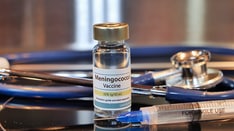
The advent of vaccine has changed the incidence of disease. The incidence of disease caused by H influenzae, S pneumoniae, and N meningitidis has decreased. The advent of universal Hib vaccination in developed countries has lead to the reduction of more than 99% of invasive disease. The vaccine is directed against the H influenzae type b strain. This protection continues even when Hib is coadministered with other vaccines. Just as important, the vaccine continues to confer immunity into later childhood. A similar effect occurs with the advent of pneumonococcal vaccine. This is true for the pneumococcal polysaccharide vaccines conjugated to various proteins. Given at ages 2, 4, and 6 months, this vaccine has reduced invasive disease more than 90%. Age groups most affected are those younger than age 2 years and those aged 2-5 years. This was proven in a surveillance study in Louisville, Kentucky.1 However, vaccine for Neisseria has not been efficacious in younger children. This is due to poor immunogenic response. Current recommendation targets immunization for children older than age 2 years and high-risk patients with asplenic and terminal complement deficiencies. In addition, young adults living in close quarters, such as dormitories or military barracks, will benefit. The incidence of neonatal meningitis has shown no significant change in the last 25 years. Viral meningitis is the most common form of aseptic meningitis and, since the introduction of mumps vaccine, is caused by enteroviruses in up to 85% of cases. Incidence of encephalitis is more difficult to estimate because of difficulty in establishing the diagnosis. One report estimates an incidence of 1 in 500-1000 in the first 6 months of life.
International
The World Health Organization estimates that bacterial meningitis strikes 426,000 children younger than 5 years annually, with 85,000 deaths. The incidence of bacterial meningitis depends on the use of the Hib vaccine. A report from Japan shows an overall rate of 2.32 per 100,000 population with the rate in children younger than 4 years of 7.22.2 The most common organisms in this same study were H influenzae, S pneumoniae, group B Streptococcus, and E coli, in that order.2 In Finland, where the Hib vaccine is widely used, there was a decrease from 30 cases of meningitis due to H influenzae in children younger than 4 years in 1986 to no cases in 1991.3
The incidence of encephalitis is related to the extent of childhood vaccination. In a report from Japan, the overall incidence of meningoencephalitis was 3.3 per 100,000 population with an incidence of 6.6 per 100,000 in children younger than 4 years. The most frequent causative agents were measles, herpes, and rubella.
Mortality/Morbidity
Morbidity and mortality rates depend on the infectious agent, age of the child, general health, and prompt diagnosis and treatment. Despite improvement in antibiotic and supportive therapy, a significant mortality and morbidity rate remains.
- The overall mortality for bacterial meningitis is 5-10% and varies with causative organism and age. Neonatal meningitis has a mortality rate of 15-20%. In older children, the mortality rate is 3-10%. Meningitis from S pneumoniae has the highest mortality rate (26.3-30%); H influenzae type B has a 7.7-10.3% mortality rate; N meningitidis has the lowest mortality rate of the most common organisms, at 3.5-10.3%.
- Up to 30% of children have neurological sequelae. This varies by organism, with S pneumoniae having the highest rate of complications.
- Several studies indicate that the complication rate from S pneumoniae meningitis did not vary if the infection was from a penicillin sensitive or resistant strain. These studies showed that dexamethasone did not improve outcomes.
- Another study showed a low (<5%) incidence of hearing loss in children diagnosed with meningococcal meningitis. Sensorineural hearing loss is one of the most frequent problems. Children at greatest risk for hearing loss include those with evidence of increased intracranial pressure, abnormal findings on CT scan, male sex, low glucose levels in CSF, infection by S pneumoniae, and nuchal rigidity.
- As many of the children affected are very young and cognitive and motor skills are immature, some of the sequelae may not be recognized for years. A recent study followed children who recovered from meningitis for 5-10 years. They found 1 in 4 school-aged meningitis survivors had either serious and disabling sequelae or a functionally important behavior disorder or neuropsychiatric or auditory dysfunction that impaired their performance in school.
- Viral meningoencephalitis: Enteroviral infection usually has few complications. Herpes simplex and arbovirus infections, in addition to viral infections in AIDS patients, can result in severe neurological disease.
- Tuberculous meningitis: Morbidity and mortality rates are related to the stage of the disease. Stage I has a 30% significant morbidity, stage II 56%, and stage III 94%.
Race
Bacterial meningitis more frequently occurs in black and Hispanic children. This is thought to be related to socioeconomic rather than racial factors.
Sex
Prevalence of bacterial meningitis is higher in males. A recent report from Finland showed males more often had mumps and varicella encephalitis, whereas females had adenoviral and Mycoplasma encephalitis more often.
Age
For both meningitis and encephalitis, the greatest occurrence is in children younger than 4 years with a peak incidence in those aged 3-8 months.
History
- Bacterial meningitis
- The younger the child, the less likely he or she is to exhibit the classic symptoms of fever, headache, and meningeal signs.
- Meningitis in the neonatal period is associated with maternal infection or pyrexia at delivery. The child younger than 3 months may have very nonspecific symptoms, including hyperthermia or hypothermia, change in sleeping or eating habits, irritability or lethargy, vomiting, high pitched cry, or seizures.
- Meningismus and a bulging fontanel may be observed but are not needed for diagnosis.
- A child who is quiet at rest but who cries when moved or comforted may have meningeal irritation (paradoxical irritability).
- After age 3 months, the child may display symptoms more often associated with bacterial meningitis, with fever, vomiting, irritability, lethargy, or any change in behavior.
- After age 2-3 years, children may complain of headache, stiff neck, and photophobia.
- The clinical course may be brief and fulminant with rapid progression of symptoms or may follow a more gradual course with several days of upper respiratory infection progressing to more severe symptoms. The fulminant course is more often associated with N meningitidis infection.
- Viral meningitis
- In areas with widespread vaccination of children, enteroviruses are the most common causes of viral meningitis. The onset is variable and may have several days of fever, anorexia, and general malaise. It also may present as a rather abrupt onset of fever, nausea, vomiting, and headache.
- Additional symptoms are shared with enteroviral infections, such as pharyngitis, conjunctivitis, and myositis.
- Other causes of viral meningitis also may be associated with encephalitis. Arboviral infections frequently have associated encephalitis and seizures.
- Adenoviral, mumps, and varicella-zoster infections tend to be more severe than enteroviral infections, and often evidence of encephalitis is present.
- In areas with low vaccination rates, mumps virus is often the most frequent cause of meningitis.
- Tuberculous meningitis: Occurring 3-6 months after primary infection, this may present suddenly or insidiously and usually has 3 clinical stages.
- The first stage consists of 1-2 weeks of fever, headache, malaise, and irritability.
- The second stage may occur suddenly and consists of more typical meningeal signs.
- The final stage consists of worsening neurological condition, coma, and death.
- Fungal meningitis occurs in immunocompromised patients and has a variable presentation.
- Aseptic meningitis may be caused by drugs, usually nonsteroidal anti-inflammatory drugs (NSAIDs), IVIG, and antibiotics. A recent report was of a pediatric patient with a trimethoprim-sulfamethoxazole–induced meningitis. Symptoms were similar to those of viral meningitis. Symptoms may occur within minutes of ingestion of the drug.
- Encephalitis
- Diagnosis for the causative viral agent is aided by historical facts. Information such as season of year, travel, activities, and exposure to animals helps with diagnosis.
- A distinction between viral encephalitis and postinfectious encephalomyelitis is important because management and prognosis are different. With postinfectious encephalomyelitis, the usual presentation is a nonspecific respiratory viral syndrome.
Physical
Physical examination findings are widely variable based on age and infecting organism. It is important to remember that the younger the child, the less specific the symptoms.
- In the young infant findings that definitely point to meningitis are rare.
- The infant may be febrile or hypothermic.
- Bulging of the fontanel, diastasis of the sutures, and nuchal rigidity point to meningitis but are usually late findings.
- As the child grows older, the physical examination becomes more reliable.
- Meningeal signs (eg, headache, nuchal rigidity, positive Kernig and Brudzinski signs) should be sought, and their presence or absence recorded.
- Focal neurological signs may be present in up to 15% of patients and are associated with a worse prognosis.
- Seizures occur in up to 30% of children with bacterial meningitis.
- Obtundation and coma occur in 15-20% of patients and are more frequent with pneumococcal meningitis.
- Encephalitis may present like meningitis or the symptoms of the systemic viral infection may predominate.
- Encephalitis
- Physical findings for encephalitis are fever, headache, and decreased neurological function. Decreased neurological functions include altered mental status, focal neurological function, and seizure activities. These findings can help identify the virus type and prognosis.
- In West Nile virus, the signs and symptoms are nonspecific and include fever, malaise, periocular pain, lymphadenopathy, and myalgia.
- West Nile virus has some unique physical findings including fine, maculopapular, erythematous rash; proximal muscle weakness; and flaccid paralysis. This rash is commonly found in children.
- Critically ill patients have neurological dysfunction, such as altered mental status and cranial nerve dysfunction, as the major physical finding.
Causes
- Risk factors for bacterial meningitis
- Age
- Low family income
- Attendance at day care
- Head trauma
- Splenectomy
- Chronic disease
- Children with facial cellulitis, periorbital cellulitis, sinusitis, and septic arthritis have an increased risk of meningitis.
- Maternal infection and pyrexia at the time of delivery are associated with neonatal meningitis.
- Use of the Hib vaccine decreases likelihood of infection from that agent.
- Viral meningoencephalitis
- Immunizations for measles, mumps, and rubella decrease the risk of infection from those agents.
- It is unclear why some patients with systemic viral illnesses develop meningitis or encephalitis.
- Fungal meningitis occurs in immunocompromised patients.
Pediatrics, Bacteremia and Sepsis
Pediatrics, Crying Child
Pediatrics, Febrile Seizures
Pediatrics, Headache
Pediatrics, Measles
Pediatrics, Meningitis and Encephalitis
Pediatrics, Mumps
Pediatrics, Reye Syndrome
Other Problems to be Considered
Children who have partially treated meningitis or develop it while on antibiotics have modified signs and symptoms, and the diagnosis is usually delayed.
Lab Studies
- Complete blood count (CBC) with differential
- Blood cultures
- Coagulation studies
- Serum glucose
- Electrolytes
- Bacterial antigen studies can be performed on urine and serum; they can be useful in cases of pretreated meningitis. However, a negative bacterial antigen study result does not rule out meningitis.
Imaging Studies
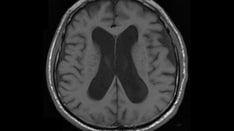
- Imaging studies rarely are required in the initial management of meningitis or encephalitis when the clinical presentation is typical. Exceptions include the need to rule out other pathology before performing an LP or when focal neurologic signs are present.
- Imaging may be useful to check for abscesses, subdural effusions, empyema, or hydrocephalus.
- Normal CT scan findings do not rule out increased intracranial pressure (ICP).
Procedures
- The most important laboratory study is examination of CSF. The lumbar puncture (LP) should include opening and closing pressure in the cooperative patient.
- Cell count
- Gram stain
- Culture and sensitivity
- Glucose
- Protein and antigen
- Acid-fast bacillus
- Fungal stains
- Bacterial meningitis
- White blood cell (WBC) counts over 1000/mm3 usually are caused by bacterial infections. Counts of 500-1000/mm3 may be bacterial or viral and need further evaluation. Lower counts are usually associated with viral infections. The total WBC count cannot definitely distinguish between bacterial and other causes. It was generally believed that a predominance of polymorphonucleocytes (PMNs) pointed to bacterial meningitis, but this has been unreliable.
- Gram stain may aid in diagnosis, but the diagnosis may be missed in up to 30% of cases of culture-proven disease.
- The protein concentration usually is elevated in bacterial meningitis, but it also is elevated by a traumatic tap. The glucose is usually reduced in bacterial meningitis. Normal CSF glucose should be greater than two-thirds that of the serum glucose. levels less than 50% of serum are suggestive of bacterial meningitis.
- Ancillary tests, such as total protein concentration, glucose concentration, and percent of neutrophils in CSF, are not helpful to for diagnosis, when the cell counts are low (less than 30/mm3). Its utility is useful only when they are highly abnormal.
- Latex agglutination tests are available to test for S pneumoniae, H influenzae, group B Streptococcus, and N meningitidis. A negative result, however, does not rule out bacterial infection.
- Even with normal CSF results, the fluid should be sent for culture. N meningitidis and S pneumoniae are known to give normal CSF results.
- In cases where antibiotic administration leads to CSF sterilization, polymerase chain reaction (PCR) may have a role in identifying the pathogen. PCR is able to identify the pathogen quickly and accurately. The sample does not need to have a high number of organisms. However, this test needs further validation.
- Clinical decision rule
- There is an interest to differentiate bacterial meningitis and aseptic meningitis. To date, there are 5 clinical decision rules. These clinical decision rules identify low-risk patients by scoring or modeling clinical variables, blood variable, and CSF variables. With any clinical decision rule, they are used to identify patients at risk of meningitis. Those who are at low risk can avoid parenteral antibiotic and hospitalization.
- The clinical decision rule by Nigrovic et al4 has shown high accuracy and simplicity of use. Comparison among the 5 clinical decision rules has not been performed. In addition, general applicability of these rules has not been validated.
- Viral meningitis
- The WBC count in viral meningitis is usually below 500/mm3, with greater than 50% lymphocytes.
- The protein may be elevated.
- The glucose level may be normal or low.
- Gram stain results are negative.
- Encephalitis
- In addition to the studies for meningitis, an EEG, CT scan, and MRI have been used for evaluation.
- More recently, PCR has been used for diagnosis.
- CSF analysis shows pleocytosis (predominantly mononuclear cells) and high levels of protein. A small percentage (3-5%) of samples have normal CSF. Identification of viral antigen or nucleic acid may provide some diagnostic help.
- Serial antibody analysis is helpful for prognostic purposes. Routine measurements do not aid in the treatment during the acute phase. New ELISA and PCR assays are available for diagnosis.
- In cases of West Nile virus, CSF shows pleocytosis and moderately elevated protein levels. CT shows no abnormalities. MRI may show enhancement of meninges and periventricular regions. Diagnosis test is WNV ELISA. However, this test has cross reactivities to other flaviviruses.
- Traumatic LP
- If bleeding occurs during the procedure and the CSF is contaminated with blood, the interpretation becomes more difficult.
- The use of corrected WBC:RBC ratio (1:500) and percent of neutrophils to “normalize” the cell count was shown to have limited utility in predicting those with meningitis. The “corrected CSF” was shown to underestimate the true white blood cell count, causing clinicians to underdiagnosis borderline meningitis cases.
- In any situation when a traumatic LP occurs and the interpretation is difficult, it is better to treat and wait for the results of the CSF culture.
- In very bloody LPs, a drop of the fluid on the sterile dressing usually will produce a double ring if there is CSF fluid present.
- When in doubt, treat and attempt the LP later.
Prehospital Care
- Prehospital care usually is confined to transporting children who are critically ill or have experienced a seizure from the meningitis or encephalitis.
- General supportive care is required depending on the child's condition.
- Subsequent diagnosis of a potentially transmissible disease must be communicated to prehospital care providers, especially with N meningitidis infections.
Emergency Department Care
- Immediate stabilization and support of the critically ill or seizing child is necessary.
- When meningitis or encephalitis is suspected, an LP is indicated.
- If the child's condition is unstable or there is suspicion of increased intracranial pressure, the LP should be delayed.
- It is very important that antibiotic therapy is immediately commenced in the ill child and not delayed until after the LP.
- If prompt LP cannot be performed, administration of antibiotics should be initiated. However, sterilization of CSF will occur. It was previously thought that sterilization occurs within 2-3 hours. However, in a retrospective study, complete sterilization was found to occur within 2 hours for meningococcal meningitis. With pneumonococcal infections, sterilization occurred within 4 hours.
- If the child is hemodynamically stable, intravenous fluids should be administered at maintenance. Careful record of the patient's weight, urine specific gravity, and serum osmolarity will help guide further fluid therapy. Patients who present with dehydration need rehydration and should not have fluid restriction. Seizures should be treated promptly and should be expected at any time during the initial management.
Consultations
- Children with bacterial meningitis require hospitalization for intravenous antibiotics and appropriate support.
- Depending on the child's condition, admission to a pediatric intensive care unit may be warranted.
- Regardless, consultation with a pediatrician, infectious disease specialist, and/or a critical care specialist may be needed.
The goals of pharmacotherapy are to eradicate the infection, reduce morbidity, and prevent complications.
Drug Category: Antibiotics
IV antibiotics are required for bacterial meningitis. If the causative organism is unknown, antibiotics regimens can be based on the child's age.
Infants younger than 30 days, ampicillin and an aminoglycoside or a cephalosporin (cefotaxime) are recommended.
Children 30-60 days old, ampicillin and a cephalosporin (ceftriaxone or cefotaxime) can be used. Since S pneumoniae occasionally occurs in this age range, vancomycin should be considered instead of ampicillin.
In older children, a cephalosporin (eg, cefotaxime, ceftriaxone) or ampicillin plus chloramphenicol can be used.
Incidence of resistant S pneumoniae is increasing. If this is considered to be a potential pathogen, add vancomycin to the therapeutic regimen. Use of penicillin or ampicillin in the 3 months prior to illness is associated with increased risk of infection with resistant S pneumoniae.
| Drug Name | Cefotaxime (Claforan) |
| Description | Third-generation cephalosporin with gram-negative spectrum. Lower efficacy against gram-positive organisms. Arrests bacterial cell wall synthesis, which, in turn, inhibits bacterial growth. |
| Adult Dose | 1-2 g IV q6-8h; not to exceed 12 g/d |
| Pediatric Dose | <7 days: <2 kg: 50 mg/kg IV q12h >2 kg: 50 mg/kg IV q8h >7 days: <2 kg: 50 mg/kg IV q8h >2 kg: 50 mg/kg IV q6-8h Children: 200 mg/kg/d IV divided q6h |
| Contraindications | Documented hypersensitivity |
| Interactions | Probenecid may increase cefotaxime levels; coadministration with furosemide and aminoglycosides may increase nephrotoxicity |
| Pregnancy | B - Fetal risk not confirmed in studies in humans but has been shown in some studies in animals
|
| Precautions | Adjust dose in severe renal impairment; has been associated with severe colitis; caution in penicillin allergy; adverse effects include skin rashes and thrombophlebitis |
| Drug Name | Ceftazidime (Fortaz) |
| Description | Third-generation cephalosporin with broad-spectrum, gram-negative activity; lower efficacy against gram-positive organisms; higher efficacy against resistant organisms. Arrests bacterial growth by binding to one or more penicillin binding proteins. |
| Adult Dose | 1-2 g IV q8h |
| Pediatric Dose | <7 days: <2 kg: 50 mg/kg IV q12h >2 kg: 50 mg/kg IV q8-12h >7 days: 50 mg/kg IV q8h Children: 125-150 mg/kg/d IV divided q8h; not to exceed 6 g/d |
| Contraindications | Documented hypersensitivity |
| Interactions | Nephrotoxicity may increase with aminoglycosides, furosemide, and ethacrynic acid; probenecid may increase ceftazidime levels |
| Pregnancy | B - Fetal risk not confirmed in studies in humans but has been shown in some studies in animals
|
| Precautions | Adjust dose in renal impairment; caution in penicillin allergy; adverse effects include skin rash, thrombophlebitis, and GI upset (nausea, vomiting, diarrhea) |
| Drug Name | Ampicillin (Omnipen, Principen) |
| Description | Bactericidal activity against susceptible organisms. Alternative to amoxicillin when unable to take medication orally. |
| Adult Dose | 1-3 g IV q4-6h |
| Pediatric Dose | <7 days: <2 kg: 25 mg/kg/dose IV q12h >2 kg: 25 mg/kg/dose IV q8h >7 days: <2 kg: 25 mg/kg/dose IV q8h >2 kg: 25 mg/kg/dose IV q6h Children: 200 mg/kg/d IV divided q6h |
| Contraindications | Documented hypersensitivity |
| Interactions | Probenecid and disulfiram elevate ampicillin levels; allopurinol decreases ampicillin effects and has additive effects on ampicillin rash; may decrease effects of oral contraceptives |
| Pregnancy | B - Fetal risk not confirmed in studies in humans but has been shown in some studies in animals
|
| Precautions | Adjust dose in renal failure; evaluate rash and differentiate from hypersensitivity reaction; caution in cephalosporin allergy |
| Drug Name | Ceftriaxone (Rocephin) |
| Description | Third-generation cephalosporin with broad-spectrum, gram-negative activity; lower efficacy against gram-positive organisms; higher efficacy against resistant organisms. Arrests bacterial growth by binding to one or more penicillin binding proteins. |
| Adult Dose | 1-2 g IV q12h |
| Pediatric Dose | <7 days: <2 kg: 50 mg/kg IV q24-36h >2 kg: 50 mg/kg IV q24h >7 days: <2 kg: 50 mg/kg IV q24h >2 kg: 75 mg/kg IV q24h Children: 100 mg/kg IV divided q12-24h |
| Contraindications | Documented hypersensitivity; hyperbilirubinemic neonates |
| Interactions | Probenecid may increase ceftriaxone levels; coadministration with ethacrynic acid, furosemide, and aminoglycosides may increase nephrotoxicity |
| Pregnancy | B - Fetal risk not confirmed in studies in humans but has been shown in some studies in animals
|
| Precautions | Adjust dose in renal impairment; caution in breastfeeding women, allergy to penicillin, history of gallbladder, biliary tract and hepatic disease; adverse effects include skin rashes, thrombophlebitis and GI upset (nausea, vomiting, diarrhea) |
| Drug Name | Gentamicin (Garamycin) |
| Description | Aminoglycoside antibiotic for gram-negative coverage. Used in combination with both an agent against gram-positive organisms and one that covers anaerobes. Not the DOC. Consider if penicillins or other less toxic drugs are contraindicated, when clinically indicated, and in mixed infections caused by susceptible staphylococci and gram-negative organisms. Dosing regimens are numerous. Adjust dose based on CrCl and changes in volume of distribution. May be given IV/IM. |
| Adult Dose | 1.5-2 mg/kg/dose IV q8-24h |
| Pediatric Dose | <7 days: <2 kg: 2.5 mg/kg IV q12-24h >2 kg: 2.5 mg/kg IV q12h >7 days: <2 kg: 2.5 mg/kg IV q8-12h >2 kg: 2.5 mg/kg IV q8h Children: 3-7.5 mg/kg/d IV divided q8h |
| Contraindications | Documented hypersensitivity; non–dialysis-dependent renal insufficiency |
| Interactions | Coadministration with other aminoglycosides, cephalosporins, penicillins, and amphotericin B may increase nephrotoxicity; aminoglycosides enhance effects of neuromuscular blocking agents (prolonged respiratory depression may occur); coadministration with loop diuretics may increase auditory toxicity of aminoglycosides; possible irreversible hearing loss of varying degrees may occur (monitor regularly) |
| Pregnancy | C - Fetal risk revealed in studies in animals but not established or not studied in humans; may use if benefits outweigh risk to fetus
|
| Precautions | Narrow therapeutic index (not intended for long-term therapy); caution in renal failure (not on dialysis), myasthenia gravis, hypocalcemia, and conditions that depress neuromuscular transmission; adjust dose in renal impairment |
| Drug Name | Chloramphenicol (Chloromycetin) |
| Description | Not used frequently since introduction of third-generation cephalosporins. Binds to 50 S bacterial-ribosomal subunits and inhibits bacterial growth by inhibiting protein synthesis. Effective against gram-negative and gram-positive bacteria. |
| Adult Dose | 100 mg/kg/d IV divided q6h |
| Pediatric Dose | Administer as in adults |
| Contraindications | Documented hypersensitivity |
| Interactions | Concurrently with barbiturates, chloramphenicol serum levels may decrease while barbiturate levels may increase causing toxicity; manifestations of hypoglycemia may occur with sulfonylureas; rifampin may reduce serum chloramphenicol levels, presumably through hepatic enzyme induction; may increase effects of anticoagulants; may increase serum hydantoin levels, possibly resulting in toxicity; chloramphenicol levels may be increased or decreased |
| Pregnancy | C - Fetal risk revealed in studies in animals but not established or not studied in humans; may use if benefits outweigh risk to fetus
|
| Precautions | Caution in pregnancy at term or during labor because of potential toxic effects on fetus (gray syndrome); use only for indicated infections or as prophylaxis for bacterial infections; serious and fatal blood dyscrasias (aplastic anemia, hypoplastic anemia, thrombocytopenia, granulocytopenia) can occur; evaluate baseline and perform periodic blood studies approximately every 2 d while in therapy; discontinue upon appearance of reticulocytopenia, leukopenia, thrombocytopenia, anemia, or findings attributable to chloramphenicol; adjust dose in liver or kidney dysfunction |
| Drug Name | Vancomycin (Vancocin) |
| Description | Potent antibiotic directed against gram-positive organisms and active against Enterococcus species. Indicated for patients who cannot receive or have failed to respond to penicillins and cephalosporins or have infections with resistant staphylococci. For abdominal penetrating injuries, it is combined with an agent active against enteric flora and/or anaerobes. To avoid toxicity, current recommendation is to assay vancomycin trough levels after third dose drawn 0.5 h prior to next dosing. Use CrCl to adjust dose in patients diagnosed with renal impairment. |
| Adult Dose | 10-15 mg/kg/dose IV q8-12h |
| Pediatric Dose | <7 days: <2 kg: 10-15 mg/kg IV q12-24h >2 kg: 10-15 mg/kg IV q8-12h >7 days: <2 kg: 10-15 mg/kg IV q8-12h >2 kg: 15-20 mg/kg IV q8h Children: 40-60 mg/kg/d IV divided q6h |
| Contraindications | Documented hypersensitivity |
| Interactions | Erythema, histaminelike flushing and anaphylactic reactions may occur when administered with anesthetic agents; taken concurrently with aminoglycosides, risk of nephrotoxicity may increase above that with aminoglycoside monotherapy; effects in neuromuscular blockade may be enhanced when coadministered with nondepolarizing muscle relaxants |
| Pregnancy | C - Fetal risk revealed in studies in animals but not established or not studied in humans; may use if benefits outweigh risk to fetus
|
| Precautions | Caution in renal failure, neutropenia; red man syndrome is caused by too rapid IV infusion (dose given over a few minutes) but rarely happens when dose given as 2 h administration or as PO or IP administration; red man syndrome is not an allergic reaction |
Drug Category: Corticosteroids
Despite newer more effective antibiotic therapy, sequelae remain significant. Some damage may be due to release of cytokines when bacteria are killed. Dexamethasone inhibits the production of cytokines. Currently, it is indicated for children with suspected meningitis who are older than 6 weeks and is recommended for treatment of infants and children with H influenzae B meningitis.
It appears that dexamethasone is effective against other organisms as well. The use of corticosteroid, prior to or along with the first dose of antibiotic, has decreased morbidity and mortality. A decrease in patients with hearing loss, long-term neurological sequelae, and deaths were observed. These finding were applicable in high-income countries. Concerns exists that selection for resistant pneumonococcal strains may occur with dexamethasone administration. Some evidence suggests that its use may impair antibiotic penetration through the blood-brain barrier, especially by vancomycin.
For a related CME activity, see Corticosteroids May Not Reduce Mortality in Children With Bacterial Meningitis.
| Drug Name | Dexamethasone (Decadron) |
| Description | Decreases inflammation by suppressing migration of polymorphonuclear leukocytes and reducing capillary permeability. |
| Adult Dose | In adults, may consider for suspected or confirmed S pneumoniae meningitis; adjunct for first 2-4 d of antibiotic treatment: 0.15 mg/kg/dose IV q6h
|
| Pediatric Dose | <2 years: Not recommended >2 years: 0.15 mg/kg IV, at or before first antibiotic dose, then q6h for 4 d |
| Contraindications | Documented hypersensitivity; active bacterial or fungal infection |
| Interactions | Effects decrease with coadministration of barbiturates, phenytoin, and rifampin; dexamethasone decreases effect of salicylates and vaccines used for immunization |
| Pregnancy | C - Fetal risk revealed in studies in animals but not established or not studied in humans; may use if benefits outweigh risk to fetus
|
| Precautions | Increases risk of multiple complications, including severe infections; monitor adrenal insufficiency when tapering drug; abrupt discontinuation of glucocorticoids may cause adrenal crisis; hyperglycemia, edema, osteonecrosis, myopathy, peptic ulcer disease, hypokalemia, osteoporosis, euphoria, psychosis, myasthenia gravis, growth suppression, and infections are possible complications of glucocorticoid use |
Drug Category: Prophylactic antibiotic
Used prophylactically in contacts of children with H influenzae or N meningitidis, as described.
| Drug Name | Rifampin (Rifadin) |
| Description | Inhibits DNA-dependent RNA polymerase activity in susceptible cells. Specifically, it interacts with bacterial RNA polymerase but does not inhibit the mammalian enzyme. Take on an empty stomach. |
| Adult Dose | 600 mg/d PO for 4 d |
| Pediatric Dose | <1 month: 5-10 mg/kg/d PO divided q12h for 4 d >1 month: 20 mg/kg/d PO divided q12h for 4 d |
| Contraindications | Documented hypersensitivity |
| Interactions | Induces microsomal enzymes, which may decrease effects of acetaminophen, oral anticoagulants, barbiturates, benzodiazepines, beta-blockers, chloramphenicol, oral contraceptives, corticosteroids, mexiletine, cyclosporine, digitoxin, disopyramide, estrogens, hydantoins, methadone, clofibrate, quinidine, dapsone, tazobactam, sulfonylureas, theophyllines, tocainide, and digoxin; blood pressure may increase with coadministration of enalapril; coadministration with isoniazid may result in higher rate of hepatotoxicity than with either agent alone (discontinue one or both agents if alterations in LFTs occur) |
| Pregnancy | C - Fetal risk revealed in studies in animals but not established or not studied in humans; may use if benefits outweigh risk to fetus
|
| Precautions | Report any severe flulike symptoms; may discolor the urine, tears, sweat, or other body fluids; obtain CBCs and baseline clinical chemistries prior to and throughout therapy; in liver disease, weigh benefits against risk of further liver damage; interruption of therapy and high-dose intermittent therapy are associated with thrombocytopenia that is reversible if therapy is discontinued as soon as purpura occurs; if treatment is continued or resumed after appearance of purpura, cerebral hemorrhage or death may occur |
| Drug Name | Acyclovir |
| Description | Prodrug activated by phosphorylation by virus-specific thymidine kinase that inhibits viral replication. Herpes virus thymidine kinase (TK), but not host cells TK, uses acyclovir as a purine nucleoside, converting it into acyclovir monophosphate, a nucleotide analogue. Guanylate kinase converts the monophosphate form into diphosphate and triphosphate analogues that inhibit viral DNA replication. Has affinity for viral thymidine kinase and once phosphorylated causes DNA chain termination when acted on by DNA polymerase. Inhibits activity of both HSV-1 and HSV-2. |
| Adult Dose | Herpes simplex encephalitis: 10 mg/kg IV q8h for 10-14 d |
| Pediatric Dose | Herpes encephalitis: 20 mg/kg IV q8h for 10-14 d |
| Contraindications | Documented hypersensitivity |
| Interactions | Concomitant use of probenecid or zidovudine prolongs half-life and increases CNS toxicity of acyclovir |
| Pregnancy | B - Fetal risk not confirmed in studies in humans but has been shown in some studies in animals
|
| Precautions | Caution in renal failure or when using nephrotoxic drugs |
Further Inpatient Care
- Children with suspected bacterial meningitis should be admitted to the hospital for intravenous antibiotic therapy.
- Adequate fluid administration is necessary to maintain perfusion, especially cerebral perfusion. Fluid restrictions (to prevent cerebral edema) may be more harmful because patients may be under resuscitated.
Further Outpatient Care
- Children with suspected viral meningitis who appear well may receive care as outpatients, provided follow-up care can be ensured.
- With continued pressure to decrease hospital stays, there are occasions when patients may be discharged from the hospital to continue parenteral antibiotics at home.
In/Out Patient Meds
- All children with suspected bacterial meningitis should be admitted.
- Well-appearing children with viral meningitis can be cared for as outpatients with only symptomatic treatment required.
Transfer
- Children with bacterial meningitis and encephalitis should be admitted to a hospital capable of managing critically ill children.
- This may require a transfer to a pediatric hospital or large general hospital.
Deterrence/Prevention
- Routine childhood immunizations have been shown to effectively decrease the incidence of certain types of meningitis and encephalitis.
- Antibiotic prophylaxis is recommended for all household contacts in those households with at least 1 unvaccinated child younger than 48 months in patients with H influenzae meningitis.
- Treat all contacts in the household if any child is younger than 12 months.
- Prophylaxis should be started as soon as possible.
- Careful observation of any contacts and immediate evaluation is warranted if a fever develops.
- Prophylaxis is recommended for all persons in contact with oral secretions of patients with N meningitidis meningitis. This includes a health care worker who performed mouth-to-mouth resuscitation, intubation, or suctioning.
- The use of rifampin, ceftriaxone, and ciprofloxacin has been effective prophylaxis. In a systematic review, ciprofloxacin and ceftriaxone are more effective up to 4 weeks of posttreatment against resistant strains of N meningitidis.
Complications
- Despite early aggressive management, the complications from bacterial meningitis remain significant.
- In the neonatal period, the mortality rate is 15-25%.
- After the neonatal period, the mortality rate drops to about 5% with appropriate care.
- The morbidity rate is up to 40% depending on the causative organism and delay in therapy.
- Hib meningitis has up to 15% rate of permanent neurological sequelae.
- Focal neurological sequelae may occur in 10-15% of patients. These problems are hemiparesis, facial palsy, visual field defects, hearing loss, and cranial nerve palsies.
- Seizures may occur at any point of the patient's course. Seizures that continue after the fourth day of hospitalization are focal in nature or are difficult to control have a greater likelihood of neurological sequelae.
- Most children with enteroviral meningitis have an uncomplicated course.
Prognosis
- The prognosis for appropriately treated meningitis has improved, but there is still a 5% mortality rate and significant morbidity.
- The prognosis varies with the age of the child, clinical condition, and infecting organism.
- The prognosis from viral meningitis usually is very good.
Medical/Legal Pitfalls
- Missed meningitis is one of the most frequent lawsuits in pediatrics against emergency physicians, leading to large claims. Therefore, a high index of suspicion is needed and accurate charting of pertinent positive and negative findings is crucial. Missed meningitis is second only to missed myocardial infarction in total damages per year. Many lawsuits are filed even though treatment was promptly instituted because of the frequency of neurologic sequelae.
- Partially treated meningitis is difficult to diagnose; therefore, children on antibiotics should be carefully evaluated. Because of the high incidence of sequelae, parents should be cautioned from the beginning that even with appropriate medical care, the child may have some complications.
- Delay in initiating antibiotic therapy has resulted in lawsuits. Even though morbidity is known to be associated with even the most prompt therapy, if there are sequelae and antibiotics were delayed, the physician will be at a disadvantage if legal action is taken.
- Haddy RI, Perry K, Chacko CE. Comparison of incidence of invasive Streptococcus pneumoniae disease among children before and after introduction of conjugated pneumococcal vaccine. Pediatr Infect Dis J. Apr 2005;24(4):320-3. [Medline].
- Ishikawa T, Asano Y, Morishima T, et al. Epidemiology of bacterial meningitis in children: Aichi Prefecture, Japan, 1984-1993. Pediatr Neurol. Apr 1996;14(3):244-50. [Medline].
- Peltola H, Kilpi T, Anttila M. Rapid disappearance of Haemophilus influenzae type b meningitis after routine childhood immunisation with conjugate vaccines. Lancet. Sep 5 1992;340(8819):592-4. [Medline].
- Nigrovic LE, Kuppermann N, Macias CG, Cannavino CR, Moro-Sutherland DM, Schremmer RD, et al. Clinical prediction rule for identifying children with cerebrospinal fluid pleocytosis at very low risk of bacterial meningitis. JAMA. Jan 3 2007;297(1):52-60. [Medline].
- Altman NR. Intracranial infection in children. Top Magn Reson Imaging. Summer 1993;5(3):143-60. [Medline].
- Arango CA, Rathore MH. Neonatal meningococcal meningitis: case reports and review of literature. Pediatr Infect Dis J. Dec 1996;15(12):1134-6. [Medline].
- Arditi M, Mason EO Jr, Bradley JS, et al. Three-year multicenter surveillance of pneumococcal meningitis in children: clinical characteristics, and outcome related to penicillin susceptibility and dexamethasone use. Pediatrics. Nov 1998;102(5):1087-97. [Medline].
- Baraff LJ, Lee SI, Schriger DL. Outcomes of bacterial meningitis in children: a meta-analysis. Pediatr Infect Dis J. May 1993;12(5):389-94. [Medline].
- Bonsu BK, Harper MB. Accuracy and test characteristics of ancillary tests of cerebrospinal fluid for predicting acute bacterial meningitis in children with low white blood cell counts in cerebrospinal fluid. Acad Emerg Med. Apr 2005;12(4):303-9. [Medline].
- Bonsu BK, Harper MB. Corrections for leukocytes and percent of neutrophils do not match observations in blood-contaminated cerebrospinal fluid and have no value over uncorrected cells for diagnosis. Pediatr Infect Dis J. Jan 2006;25(1):8-11. [Medline].
- Bonthius DJ, Karacay B. Meningitis and encephalitis in children. An update. Neurol Clin. Nov 2002;20(4):1013-38, vi-vii. [Medline].
- Booy R, Kroll S. Bacterial meningitis in children. Curr Opin Pediatr. Feb 1994;6(1):29-35. [Medline].
- Bradley JS, Kaplan SL, Klugman KP, et al. Consensus: management of infections in children caused by Streptococcus pneumoniae with decreased susceptibility to penicillin. Pediatr Infect Dis J. Dec 1995;14(12):1037-41. [Medline].
- Buchanan GA, Darville T. Impact of immunization against Haemophilus influenzae type b (HIB) on the incidence of HIB meningitis treated at Arkansas Children's Hospital. South Med J. Jan 1994;87(1):38-40. [Medline].
- Chavez-Bueno S, McCracken GH. Bacterial meningitis in children. Pediatr Clin North Am. Jun 2005;52(3):795-810, vii. [Medline].
- Dawson KG, Emerson JC, Burns JL. Fifteen years of experience with bacterial meningitis. Pediatr Infect Dis J. Sep 1999;18(9):816-22. [Medline].
- Deeks SL, Palacio R, Ruvinsky R, et al. Risk factors and course of illness among children with invasive penicillin-resistant Streptococcus pneumoniae. The Streptococcus pneumoniae Working Group. Pediatrics. Feb 1999;103(2):409-13. [Medline].
- Drake R, Dravitski J, Voss L. Hearing in children after meningococcal meningitis. J Paediatr Child Health. Jun 2000;36(3):240-3. [Medline].
- Dubos F, Lamotte B, Bibi-Triki F, Moulin F, Raymond J, Gendrel D, et al. Clinical decision rules to distinguish between bacterial and aseptic meningitis. Arch Dis Child. Aug 2006;91(8):647-50. [Medline].
- Fiore AE, Moroney JF, Farley MM. Clinical outcomes of meningitis caused by Streptococcus pneumoniae in the era of antibiotic resistance. Clin Infect Dis. Jan 2000;30(1):71-7. [Medline].
- Fraser A, Gafter-Gvili A, Paul M. Antibiotics for preventing meningococcal infections. Cochrane Database Syst Rev. 2005;CD004785. [Medline].
- Gaur S, Malhotra A, Whitley-Williams P. Rates of Neisseria meningitidis increasing in young adults. Pediatr Ann. Sep 2004;33(9):590-5. [Medline].
- Grimwood K, Anderson VA, Bond L, et al. Adverse outcomes of bacterial meningitis in school-age survivors. Pediatrics. May 1995;95(5):646-56. [Medline].
- Huttova M, Kralinsky K, Horn J, et al. Prospective study of nosocomial fungal meningitis in children--report of 10 cases. Scand J Infect Dis. 1998;30(5):485-7. [Medline].
- Kanegaye JT, Soliemanzadeh P, Bradley JS. Lumbar puncture in pediatric bacterial meningitis: defining the time interval for recovery of cerebrospinal fluid pathogens after parenteral antibiotic pretreatment. Pediatrics. Nov 2001;108(5):1169-74. [Medline].
- Kornelisse RF, de Groot R, Neijens HJ. Bacterial meningitis: mechanisms of disease and therapy. Eur J Pediatr. Feb 1995;154(2):85-96. [Medline].
- Lipton JD, Schafermeyer RW. Evolving concepts in pediatric bacterial meningitis--Part I: Pathophysiology and diagnosis. Ann Emerg Med. Oct 1993;22(10):1602-15. [Medline].
- Lutsar I, Ahmed A, Friedland IR, et al. Pharmacodynamics and bactericidal activity of ceftriaxone therapy in experimental cephalosporin-resistant pneumococcal meningitis. Antimicrob Agents Chemother. Nov 1997;41(11):2414-7. [Medline].
- Maxson S, Jacobs RF. Viral meningitis. Tips to rapidly diagnose treatable causes. Postgrad Med. Jun 1993;93(8):153-6, 159-60, 163-6. [Medline].
- McIntyre PB, Macintyre CR, Gilmour R. A population based study of the impact of corticosteroid therapy and delayed diagnosis on the outcome of childhood pneumococcal meningitis. Arch Dis Child. Apr 2005;90(4):391-6. [Medline].
- Negrini B, Kelleher KJ, Wald ER. Cerebrospinal fluid findings in aseptic versus bacterial meningitis. Pediatrics. Feb 2000;105(2):316-9. [Medline].
- Nigrovic LE, Kuppermann N, McAdam AJ. Cerebrospinal latex agglutination fails to contribute to the microbiologic diagnosis of pretreated children with meningitis. Pediatr Infect Dis J. Aug 2004;23(8):786-8. [Medline].
- O'Meara M, Ouvrier R. Viral encephalitis in children. Curr Opin Pediatr. Feb 1996;8(1):11-5. [Medline].
- Oates-Whitehead RM, Maconochie I, Baumer H. Fluid Therapy for Acute Bacterial Meningitis. Cochrane Database Syst Rev. Jul 20 2005;3:CD004786. [Medline].
- Oliver LG, Harwood-Nuss AL. Bacterial meningitis in infants and children: a review. J Emerg Med. Sep-Oct 1993;11(5):555-64. [Medline].
- Pohl CA. Practical approach to bacterial meningitis in childhood. Am Fam Physician. May 15 1993;47(7):1595-603. [Medline].
- Price EH, de Louvois J, Workman MR. Antibiotics for Salmonella meningitis in children. J Antimicrob Chemother. Nov 2000;46(5):653-5. [Medline].
- Redman RC 4th, Miller JB, Hood M, DeMaio J. Trimethoprim-induced aseptic meningitis in an adolescent male. Pediatrics. Aug 2002;110(2 Pt 1):e26. [Medline].
- Richardson MP, Reid A, Tarlow MJ. Hearing loss during bacterial meningitis [published erratum appears in Arch Dis Child 1997 Apr;76(4):386]. Arch Dis Child. Feb 1997;76(2):134-8. [Medline].
- Rorabaugh ML, Berlin LE, Heldrich F. Aseptic meningitis in infants younger than 2 years of age: acute illness and neurologic complications. Pediatrics. Aug 1993;92(2):206-11. [Medline].
- Saez-Llorens X, McCracken GH. Bacterial meningitis in children. Lancet. Jun 21 2003;361(9375):2139-48. [Medline].
- Saravolatz LD, Manzor O, VanderVelde N, Pawlak J, Belian B. Broad-range bacterial polymerase chain reaction for early detection of bacterial meningitis. Clin Infect Dis. Jan 1 2003;36(1):40-5. [Medline].
- Scheifele D, Halperin S, Law B. Invasive Haemophilus influenzae type b infections in vaccinated and unvaccinated children in Canada, 2001-2003. CMAJ. Jan 4 2005;172(1):53-6. [Medline].
- Schuchat A, Robinson K, Wenger JD. Bacterial meningitis in the United States in 1995. Active Surveillance Team. N Engl J Med. Oct 2 1997;337(14):970-6. [Medline].
- Singhi PD, Singhi SC. Central nervous system infections in children (bacterial, tubercular). Curr Opin Neurol. Apr 1995;8(2):150-5. [Medline].
- Sivertsen B, Christensen PB. Acute encephalitis. Acta Neurol Scand. Feb-Mar 1996;93(2-3):156-9. [Medline].
- Syrogiannopoulos GA, Mitselos CJ, Beratis NG. Childhood bacterial meningitis in Southwestern Greece: a population- based study. Clin Infect Dis. Dec 1995;21(6):1471-3. [Medline].
- van de Beek D, de Gans J, McIntyre P, Prasad K. Corticosteroids for acute bacterial meningitis. Cochrane Database Syst Rev. Jan 24 2007;CD004405. [Medline].
- Wade T, Booy R, Teare EL. Pasteurella multocida meningitis in infancy - (a lick may be as bad as a bite). Eur J Pediatr. Nov 1999;158(11):875-8. [Medline].
- Waler JA, Rathore MH. Outpatient management of pediatric bacterial meningitis. Pediatr Infect Dis J. Feb 1995;14(2):89-92. [Medline].
- Walia R, Hoskyns W. Tuberculous meningitis in children: problem to be addressed effectively with thorough contact tracing. Eur J Pediatr. Jul 2000;159(7):535-8. [Medline].
- Walling AD, Kallail KJ, Phillips D. The epidemiology of bacterial meningitis. J Am Board Fam Pract. Sep-Oct 1991;4(5):307-11. [Medline].
- Whitley RJ, Gnann JW. Viral encephalitis: familiar infections and emerging pathogens. Lancet. Feb 9 2002;359(9305):507-13. [Medline].
- Woolley AL, Kirk KA, Neumann AM Jr, McWilliams SM, Murray J, Freind D, et al. Risk factors for hearing loss from meningitis in children: the Children's Hospital experience. Arch Otolaryngol Head Neck Surg. May 1999;125(5):509-14. [Medline].
Pediatrics, Meningitis and Encephalitis excerpt Article Last Updated: Jul 2, 2008
|