You are in: eMedicine Specialties >
Emergency Medicine > ENVIRONMENTAL
Altitude Illness - Pulmonary Syndromes
Article Last Updated: Aug 4, 2008
AUTHOR AND EDITOR INFORMATION
Section 1 of 13
Author: N Stuart Harris, MD, Instructor in Surgery, Harvard Medical School, Massachusetts General Hospital; Attending Physician, Massachusetts General Hospital
N Stuart Harris is a member of the following medical societies: American Academy of Emergency Medicine, American College of Emergency Physicians, International Society for Mountain Medicine, and Massachusetts Medical Society
Coauthor(s):
Sara W Nelson, MD, Staff Physician, Harvard Affiliated Emergency Medicine Residency, Brigham and Women's Hospital and Massachusetts General Hospital
Editors: Samuel M Keim, MD, Associate Professor, Department of Emergency Medicine, University of Arizona College of Medicine; Francisco Talavera, PharmD, PhD, Senior Pharmacy Editor, eMedicine; Eddy Lang, MDCM, CCFP (EM), CSPQ, Assistant Professor, Department of Family Medicine, McGill University; Consulting Staff, Department of Emergency Medicine, The Sir Mortimer B Davis-Jewish General Hospital; John D Halamka, MD, MS, Associate Professor of Medicine, Harvard Medical School, Beth Israel Deaconess Medical Center; Chief Information Officer, CareGroup Healthcare System and Harvard Medical School; Attending Physician, Division of Emergency Medicine, Beth Israel Deaconess Medical Center; Jonathan Adler, MD, Attending Physician, Department of Emergency Medicine, Massachusetts General Hospital; Division of Emergency Medicine, Harvard Medical School
Author and Editor Disclosure
Synonyms and related keywords:
altitude illness, pulmonary syndrome, altitude sickness, hypoxia, high-altitude pulmonary edema, HAPE, high-altitude cough, high-altitude bronchitis, high-altitude cerebral edema, HACE, high-altitude pulmonary syndromes
Background
Altitude illness refers to a group of syndromes that result from hypoxia. Acute mountain sickness (AMS) and high-altitude cerebral edema (HACE) are manifestations of the brain pathophysiology, while high-altitude pulmonary edema (HAPE) is that of the lung. Everyone traveling to altitude is at risk, regardless of age, prior medical history, level of physical fitness, or previous altitude experience. The high altitude environment generally refers to elevations over 1500 m (4900 ft). Moderate altitude, 2000-3500 m (6600-11,500 ft), includes the elevation of many ski resorts. Although arterial oxygen saturation is well maintained at these altitudes, low PO2 results in mild tissue hypoxia, and altitude illness is common. Very high altitude refers to elevations of 3500-5500 m (11,500-18,000 ft). Arterial oxygen saturation is not maintained in this range, and extreme hypoxemia can occur during sleep, with exercise, or with illness. HACE and HAPE are most common at these altitudes. Extreme altitude is over 5500 m; above this altitude, successful long-term acclimatization is not possible and, in fact, deterioration ensues. Individuals must progressively acclimatize to intermediate altitudes to reach extreme altitude.
Pathophysiology
Acclimatization Hypoxia is the primary physiological insult on ascent to high altitude. The fraction of oxygen in the atmosphere remains constant (0.21), but the partial pressure of oxygen decreases along with barometric pressure on ascent to altitude. The inspired partial pressure of oxygen (PiO2) is lower still because of water vapor pressure in the airways. At the altitude of La Paz, Bolivia (4000 m; 13,200 ft), PiO2 is 86.4 mm Hg, which is equivalent to breathing 12% oxygen at sea level. The response to hypoxia depends on both the magnitude and the rate of onset of hypoxia. The process of adjusting to hypoxia, termed acclimatization, is a series of compensatory changes in multiple organ systems over differing time courses from minutes to weeks. While the fundamental process occurs in the metabolic machinery of the cell, acute physiologic responses are essential in allowing the cells time to adjust. The most important immediate response of the body to hypoxia is an increase in minute ventilation, triggered by oxygen-sensing cells in the carotid body. Increased ventilation produces a higher alveolar PO2. Concurrently, a lowered alveolar PCO2 results in a respiratory alkalosis and so acts as to limit the increase in ventilation. Renal compensation, through excretion of bicarbonate ion, gradually brings the blood pH back toward normal and allows further increase in ventilation. This process, termed ventilatory acclimatization, requires approximately 4 days at a given altitude and is greatly enhanced by acetazolamide. Patients with inadequate carotid body response (genetic or acquired, eg, after surgery or radiation) or pulmonary or renal disease may have an insufficient ventilatory response and thus not adapt well to high altitude. In addition to ventilatory changes, circulatory changes occur that increase the delivery of oxygen to the tissues. Ascent to high altitude initially results in increased sympathetic activity, leading to increased resting heart rate and cardiac output and mildly increased blood pressure. The pulmonary circulation reacts to hypoxia with vasoconstriction. This may improve ventilation/perfusion matching and gas exchange, but the resulting pulmonary hypertension can lead to a number of pathological syndromes at high altitude, including HAPE and altitude-related right heart failure. Cerebral blood flow increases immediately on ascent to high altitude, returning to normal over about a week. The magnitude of the increase varies but averages 24% at 3810 m and more at higher altitude. Whether the headache of AMS is related to this flow increase is not known. Hemoglobin concentration increases after ascent to high altitude, increasing the oxygen-carrying capacity of the blood. Initially, it increases due to hemoconcentration from a reduction in plasma volume secondary to altitude diuresis and fluid shifts. Subsequently, over days to months, erythropoietin stimulates increased red cell production. In addition, the marked alkalosis of extreme altitude causes a leftward shift of the oxyhemoglobin dissociation curve, facilitating loading of the hemoglobin with oxygen in the pulmonary capillary. Sleep architecture is altered at high altitude, with frequent arousals and nearly universal subjective reports of disturbed sleep. This generally improves after several nights at a constant altitude, though periodic breathing (Cheyne-Stokes) is normal above 2700 m. Pathophysiology of HAPE HAPE is a noncardiogenic, hydrostatic pulmonary edema, characterized by pulmonary hypertension and increased pulmonary capillary pressure. Left ventricular function is normal in HAPE. Patchy hypoxic pulmonary vasoconstriction and consequent localized overperfusion, combined with hypoxic permeability of pulmonary capillary walls, results in a high-pressure, high-permeability leak. In addition, alveolar fluid clearance may be altered in those susceptible to HAPE. Hypoxic pulmonary vasoconstriction results in increased pulmonary artery pressures in all who ascend to high altitude, but it is exaggerated in those susceptible to HAPE, primarily due to genetically determined factors. This genetically based individual susceptibility is perhaps the greatest risk factor, although preexisting medical conditions associated with pulmonary hypertension or a restricted pulmonary vascular bed will greatly increase susceptibility to HAPE. Exercise increases the risk of HAPE because it increases cardiac output, severity of hypoxemia, and pulmonary artery pressure at altitude.
While it has long been held that HAPE and AMS/HACE do not share pathophysiologic basis, recent studies have noted increases in optic nerve sheath diameter (ONSD)a measure of increased intracranial pressurein patients with acute HAPE, which decreased as HAPE resolved.
Frequency
United States
The true incidence is unknown, although HAPE is known to occur at high-altitude ski areas in Colorado at a rate of approximately 1 case per 10,000 skier-days.
Current research with the International HAPE Registry is working to better define the incidence and factors surrounding HAPE occurrence.
International
The reported incidence of HAPE varies from 0.01-15%, depending on the altitude, the ascent rate, and the population at risk.
Mortality/Morbidity
HAPE can be rapidly fatal within a few hours unless treated by descent or oxygen. HAPE is the most common cause of death related to high altitude.
Given appropriate treatment, recovery from HAPE is usually complete and can occur rapidly (1-2 d). This noted, even with proper treatment, a small percentage of patients will die. Patients who recover have rapid clearing of edema fluid and do not develop fibrosis or other long-term sequelae.
A recent report describes a case series of HAPE treated successfully at more than 14,000 ft when emergent descend was not a viable option. Importantly, while these cases had good outcomes, they were being treated by physicians with expertise in treating HAPE who had full access to advanced treatment modalities. Rapid descent remains a critical treatment for most cases of HAPE.
Race
Prior reports of "genetic protection" from HAPE afforded to Tibetan and Sherpa peoples must be taken as limited in scope and may well not be true. Case series of patients with HAPE from indigenous groups previously reported as "protected" from HAPE exist.
Sex
Some studies have suggested that males are affected more frequently than females; however, these studies were retrospective and did not study the population at risk.
Age
Occurrence of primary HAPE has no clear association with age, although reascent HAPE is more common in children who reside in high altitude who return to high altitudes after a lowland sojourn than in adults in the same circumstances.
History
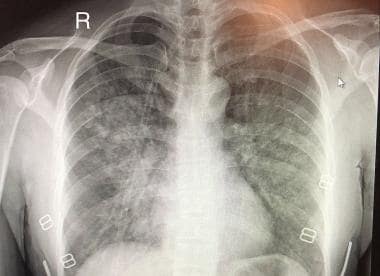
HAPE generally occurs 2-4 days after ascent to high altitude, often worsening at night. Decreased exercise performance is the earliest symptom, usually associated with a dry cough. The early course is subtle; as the illness progresses, the cough worsens and becomes productive; dyspnea can be severe, tachypnea and tachycardia develop, and drowsiness or other CNS symptoms may develop. Chest radiographs characteristically show patchy unilateral or bilateral fluffy infiltrates and a normal cardiac silhouette. The presence of a low-grade fever has led to misdiagnosis as pneumonia and to subsequent deaths.
HAPE varies in severity from mild to immediately life-threatening. It can be fatal within a few hours, and it is the most common cause of death related to high altitude. Differential diagnosis is sometimes problematic, but HAPE improves dramatically with descent or oxygen, whereas other diagnoses do not; these should be pursued in patients who do not fit this pattern.
The Lake Louise Consensus definition of HAPE requires at least 2 of the following symptoms (in the context of a recent elevation gain):
- Weakness or decreased exercise
- Cough
- Dyspnea at rest
- Chest tightness or congestion
Physical
- In addition to 2 symptoms, the Lake Louise Consensus definition of HAPE requires at least 2 of the following signs:
- Rales or wheezing in at least one lung field
- Central cyanosis or arterial oxygen desaturation relative to altitude
- Tachycardia
- Tachypnea
- Fever and orthopnea are commonly present in HAPE; pink/frothy sputum is a late finding in severe HAPE.
Causes
- Rapid ascent
- Higher altitudes are more risky.
- Low hypoxic ventilatory response
- Congenital absence of a pulmonary artery or other vascular abnormalities that create a restricted pulmonary circulatory bed
- Pulmonary hypertension
- Physical exertion may precipitate or exacerbate HAPE (by raising pulmonary artery pressures).
Anxiety
Asthma
Chronic Obstructive Pulmonary Disease and Emphysema
Myocardial Infarction
Pediatrics, Pneumonia
Pediatrics, Reactive Airway Disease
Pneumonia, Bacterial
Pneumonia, Mycoplasma
Pneumonia, Viral
Pulmonary Embolism
Lab Studies
- Use Gram stain or culture to evaluate for cases requiring antibiotic therapy.
Imaging Studies
- Chest radiography
- The chest radiograph is usually irrelevant to field diagnosis and management but is useful in the context of a high-altitude clinic or hospital.
- Patchy, asymmetric, unilateral or bilateral fluffy infiltrates and a normal cardiac silhouette are characteristic of HAPE.
- Thoracic ultrasonography (comet tail sign)
- Recent reports reveal thoracic ultrasonographic assessment for comet tail signs to be sensitive in making the diagnosis of HAPE and grading clinical severity.1
- Standard thoracic ultrasonography uses 28 standard views across the anterior chest and can be completed in minutes.
- Comet tail signs are artifacts resulting from increased pulmonary edema.
- Advantages of ultrasonography include portability of equipment, use of nonionizing radiation, rapidity of assessment, and ease of reassessment.
- Current studies are ongoing to define sensitivity and rate of response of ultrasonography versus standard radiography.
Other Tests
- Pulse oximetry
- Although unnecessary for diagnosis, pulse oximetry is very helpful for in-the-field differentiation of HAPE, high-altitude cough, and other less serious respiratory problems.
- HAPE demonstrates arterial oxygen desaturation relative to normal for the altitude at which measurement is made.
Prehospital Care
The mainstay of treatment is descent for anything other than mild HAPE. Descent to an altitude below that where symptoms started is always effective treatment, but it may not be practical or possible given the topography, weather, the patient's ultimate trekking or climbing goals, or group resources. Accordingly, a descent of 500-1000 m is usually sufficient. As noted above, while case series of treatment of even severe HAPE under expert care in well-equipped settings have been reported, descent for other than mild HAPE cases remains clearly indicated. Selected cases of reascent HAPE and mild HAPE at moderate altitude may be treated with oxygen and strict bedrest. If patients worsen, they must descend. All of the following treatments are used as an adjunct to descent. Oxygen, if available, is lifesaving and should be administered at 4 L/min by mask or nasal cannula. Nifedipine should be used if descent or oxygen is not available. Nifedipine may help prevent exertional worsening in patients being evacuated on foot. Portable hyperbaric chambers can effect a physiologic (simulated) descent when actual descent is not possible or practical. End-positive pressure masks are useful in treating HAPE but are poorly tolerated. The role of acetazolamide in the treatment of HAPE remains ill-defined but may prove beneficial. Additionally, recent reports give evidence that dexamethasone might have beneficial effect in HAPE as well. While not clearly established, there is little apparent downside risk to using either acetazolamide and dexamethasone in severe HAPE.
Inhaled salmeterol (a beta-agonist) has been demonstrated to help prevent acute HAPE in HAPE-susceptible populations. Salmeterol is thought to act by increasing alveolar fluid clearance through pulmonary sodium channels. Although its use in HAPE treatment has not been proven, it is often used in this indication.
Phosphodiesterase inhibitors have also been demonstrated to help prevent acute HAPE in HAPE-susceptible populations. These agents are thought to act by increasing availability of nitric oxide in pulmonary arterial vessels and so result in decreased pulmonary arterial tone and reduced pulmonary hypertension. Although its use in HAPE treatment has not been proven, it is often used in this indication.
Only limited studies provide any evidence that furosemide may be useful with acute HAPE, and it is not without downside risk. Furosemide should be used with substantial caution, if at all, as many patients are intravascularly depleted. Most authors discourage use of furosemide in treating HAPE. Portable hyperbaric chambers (eg, Gamow, CERTEC, PAC) are widely used among adventure travel/trekking groups and climbing expeditions. These chambers are lightweight, coated fabric bags about 2 m in length and 0.7 m in diameter. The patient is placed inside the bag, which is sealed shut and inflated with a manually operated pump, pressurizing the inside to 105-220 mm Hg above ambient atmospheric pressure. This pressure gradient is regulated by pop-off valves set to the target pressure, and it is fixed depending on the brand of bag in use.
Depending on the elevation, a physiologic (simulated) descent of about 2000 m (7000 ft) may be achieved within minutes. Intermittent pumping is necessary to flush carbon dioxide from the system, unless a chemical scrubber system is used. Patients with severe HAPE may need to have their head elevated to tolerate lying down. Elevation can be accomplished by placing the bag on a rigid surface, such as boards or a wooden bed, and propping up the head end by 0.3-0.5 m (12-20 inches). In practice, most patients with moderate HAPE tolerate lying flat after reaching the physiologic lower elevation of the pressurized bag. Patients typically are treated in 1-hour increments and then are reevaluated, with additional treatments as indicated. Closely monitor patients for rebound signs and symptoms, which may occur soon after removal from the hyperbaric environment, or they may develop over a period of hours.
Emergency Department Care
- For cases of persistent desaturation or dyspnea, administer oxygen to keep oxygen saturation (SaO2) above 90%.
- Consider continuing nifedipine in symptomatic patients.
- Furthermore, consider dexamethasone, phosphodiesterase inhibitors, and inhaled beta-agonist as conditions indicate.
- Emergency departments at altitude must assess the elevation at which the patient's illness occurred and determine whether further descent is necessary.
Consultations
Children living at altitude who develop HAPE should undergo screening for diagnosis of underlying cardiopulmonary abnormalities, including pulmonary hypertension.
Treatment of HAPE is indicated upon diagnosis. High-altitude cough may be treated when the symptoms become severe enough to interfere with the individual's activities.
Drug Category: Calcium channel blockers
Nifedipine is used for its pulmonary vasodilative effects. It inhibits calcium ions from entering the slow channels or select voltage-sensitive areas of vascular smooth muscle and myocardium during depolarization, producing a relaxation of coronary vascular smooth muscle and coronary vasodilation.
| Drug Name | Nifedipine (Adalat, Procardia) |
| Description | Used in HAPE for pulmonary vasodilation. Often improves SaO2 modestly within a few minutes. Despite theoretical concerns about the SL route, it has been used in hundreds of cases without causing clinically significant hypotension. Does not improve pulmonary hemodynamics as much as oxygen and does not have an additive effect when administered with oxygen. Most useful when oxygen is unavailable and to help prevent exertional exacerbation of HAPE when evacuating a patient. Cap may be punctured; drug solution may be administered SL to reduce BP. |
| Adult Dose | Recommended dose: 10 mg PO q6h SR dosage form: 30 mg PO q8-12h; not to exceed 90-120 mg/d Use the short-acting form (10 mg) initially for treatment; may switch to a SR form after the patient is stabilized Prophylaxis: 20-30 mg SR PO bid |
| Pediatric Dose | 0.25-0.5 mg/kg/dose PO tid/qid prn |
| Contraindications | Documented hypersensitivity |
| Interactions | Caution with coadministration of any agent that can lower BP, including beta-blockers and opioids; H2 blockers (cimetidine) may increase toxicity |
| Pregnancy | C - Fetal risk revealed in studies in animals but not established or not studied in humans; may use if benefits outweigh risk to fetus
|
| Precautions | May cause lower extremity edema; allergic hepatitis has occurred but is rare |
Drug Category: Phosphodiesterase (type 5) enzyme inhibitor
This agent acts to increase available nitric oxide in pulmonary arterial vessels, resulting in vessel relaxation and decreased pulmonary hypertension. It has been found effective for HAPE prophylaxis in HAPE-susceptible patients.
| Drug Name | Tadalafil (Cialis) |
| Description | Phosphodiesterase type 5 (PDE5) selective inhibitor. Inhibition of PDE5 increases cGMP activity, which increases vasodilatory effects of nitric oxide. Sexual stimulation is necessary to activate response. Increased sensitivity for erections may last 36 h with intermittent dosing. Low-dose daily dosing may be recommended for more frequent sexual activity (ie, twice weekly); men can attempt sexual activity at anytime between daily doses. Available as 2.5-mg, 5-mg, 10-mg, and 20-mg tablets. |
| Adult Dose | 10 mg PO bid |
| Pediatric Dose | <18 years: Not established |
| Contraindications | Documented hypersensitivity; concurrent or intermittent use of alpha-blockers (eg, doxazosin, terazosin, prazosin) or organic nitrates in any form |
| Interactions | CYP450 3A4 inhibitors (eg, erythromycin, ketoconazole, itraconazole, indinavir, ritonavir) may significantly increase levels of vardenafil; vardenafil potentiates hypotensive effect of nitrates or alpha-blockers; concurrent alcohol consumption may increase orthostatic hypotension risk |
| Pregnancy | B - Fetal risk not confirmed in studies in humans but has been shown in some studies in animals
|
| Precautions | Common adverse effects include headache, flushing, rhinitis, dyspepsia, or indigestion; assess cardiovascular status before use; caution with left ventricular outflow obstruction or conditions aggravated by hypotension; caution with hepatic or renal impairment (decrease dose); may cause prolonged or painful erection; may cause back pain or myalgias; sudden vision loss caused by nonarteritic anterior ischemic optic neuropathy (NAION) has been associated with PDE-5 inhibitors following use for ED, analysis is ongoing to determine causality; sudden decreases or loss of hearing has been reported |
Drug Category: Corticosteroid
Exact mechanism has not yet been well defined but has been found effective for HAPE prophylaxis in HAPE-susceptible patients.
| Drug Name | Dexamethasone (AK-Dex, Alba-Dex, Baldex, Decadron, Dexone) |
| Description | Mechanism in preventing HAPE is not well defined. |
| Adult Dose | 8 mg bid |
| Pediatric Dose | Not established |
| Contraindications | Documented hypersensitivity; active bacterial or fungal infection |
| Interactions | Effects decrease with coadministration of barbiturates, phenytoin, and rifampin; dexamethasone decreases effect of salicylates and vaccines used for immunization |
| Pregnancy | C - Fetal risk revealed in studies in animals but not established or not studied in humans; may use if benefits outweigh risk to fetus
|
| Precautions | Does not aid in acclimatization; increases risk of multiple complications, including severe infections; monitor adrenal insufficiency when tapering drug; abrupt discontinuation of glucocorticoids may cause adrenal crisis; hyperglycemia, edema, osteonecrosis, myopathy, peptic ulcer disease, hypokalemia, osteoporosis, euphoria, psychosis, myasthenia gravis, growth suppression, and infections are possible complications of glucocorticoid use |
Drug Category: Beta agonists
Sodium-dependent absorption of liquid from the airways may be defective in persons who are susceptible to HAPE; beta-adrenergic agents up-regulate the clearance of alveolar fluid.
| Drug Name | Salmeterol (Serevent) |
| Description | Shown to be effective at preventing HAPE in susceptible persons, possibly by up-regulating clearance of alveolar fluid. |
| Adult Dose | Serevent: 2 inhalations (42 mcg) bid approximately 12 h apart Serevent Diskus: 1 inhalation (50 mcg) bid approximately 12 h apart |
| Pediatric Dose | Use in HAPE prophylaxis in children not established |
| Contraindications | Documented hypersensitivity; angina, tachycardia, and cardiac arrhythmias associated with tachycardia |
| Interactions | Concomitant use of beta-blockers may decrease bronchodilating, and vasodilating effects of beta-agonists such as salmeterol; concurrent administration with methyldopa may increase pressor response; coadministration with oxytocic drugs may result in severe hypotension; ECG changes and hypokalemia resulting from diuretics may worsen when coadministered with salmeterol |
| Pregnancy | C - Fetal risk revealed in studies in animals but not established or not studied in humans; may use if benefits outweigh risk to fetus
|
| Precautions | Not indicated to treat acute asthmatic symptoms |
Drug Category: Carbonic anhydrase inhibitors
These agents are possibly beneficial in the prophylaxis of HAPE.
| Drug Name | Acetazolamide (Diamox) |
| Description | Carbonic anhydrase inhibitor diuretic used for its respiratory-stimulant effects. May be administered for prophylactic use in patients with a prior history of HAPE. Not used as treatment for HAPE. For prophylactic use, begin using the day before ascent. Therapy should begin 24-48 h before the ascent and continue during the ascent to at least 48 h after arrival at the highest altitude. |
| Adult Dose | 250 mg PO q 12h |
| Pediatric Dose | 5 mg/kg/d PO or 150 mg/m2 PO qd |
| Contraindications | Documented hypersensitivity; hepatic disease; severe renal disease; adrenocortical insufficiency; severe pulmonary obstruction |
| Interactions | Can decrease therapeutic levels of lithium and alter excretion of drugs (amphetamines, quinidine, phenobarbital, salicylates) by alkalinizing urine |
| Pregnancy | B - Fetal risk not confirmed in studies in humans but has been shown in some studies in animals
|
| Precautions | Patients with impaired hepatic function may go into coma; may cause substantial increase in blood glucose level in some patients with diabetes |
Drug Category: Antitussives
These agents are used for the symptomatic treatment of high-altitude cough.
| Drug Name | Hydrocodone and acetaminophen (Lortab, Vicodin) |
| Description | Drug combination for symptomatic relief of cough and helpful for pain relief of intercostal muscle strain associated with cough. Often more effective than codeine. |
| Adult Dose | 5-10 mg hydrocodone PO q4-6h prn cough or pain |
| Pediatric Dose | 0.6 mg/kg/d PO in 3-4 equally divided doses; not to exceed 10 mg/dose hydrocodone or 2.6 g/d acetaminophen <2 years: Not to exceed 1.25 mg/dose hydrocodone bitartrate 2-12 years: Not to exceed 5 mg/dose hydrocodone bitartrate >12 years: Not to exceed 10 mg/dose hydrocodone bitartrate |
| Contraindications | Documented hypersensitivity; HACE; elevated ICP |
| Interactions | Coadministration with phenothiazines may decrease analgesic effects; toxicity increases with CNS depressants or tricyclic antidepressants |
| Pregnancy | C - Fetal risk revealed in studies in animals but not established or not studied in humans; may use if benefits outweigh risk to fetus
|
| Precautions | Use narcotic analgesics to treat cough in HAPE only if absolutely necessary; narcotics may depress hypoxic ventilatory rate and respiratory drive during sleep |
| Drug Name | Codeine |
| Description | For symptomatic relief of a cough. Helpful for pain of intercostal muscle strain associated with a cough. Binds to opiate receptors in CNS, causing inhibition of ascending pain pathways, altering perception and response to pain. |
| Adult Dose | 30-60 mg/dose PO q4-6h prn for cough or pain; not to exceed 120 mg/d |
| Pediatric Dose | 1-1.5 mg/kg/d PO in equally divided doses q4-6h, prn cough or pain <2 years: Not established 2-6 years: Not to exceed 30 mg/d 6-12 years: Not to exceed 60 mg/d |
| Contraindications | Documented hypersensitivity; HACE; elevated ICP |
| Interactions | Phenothiazines may decrease effects; may increase acetaminophen toxicity |
| Pregnancy | C - Fetal risk revealed in studies in animals but not established or not studied in humans; may use if benefits outweigh risk to fetus
|
| Precautions | Use narcotic analgesics to treat cough in HAPE only if absolutely necessary; narcotics may depress hypoxic ventilatory rate and respiratory drive during sleep |
| Drug Name | Benzonatate (Tessalon Perles) |
| Description | May help patients with cough refractory to opiates. Suppresses cough by topical anesthetic action on respiratory stretch receptors. |
| Adult Dose | 100 mg PO q4-8h; not to exceed 600 mg/d |
| Pediatric Dose | <10 years: Not established >10 years: Administer as in adults |
| Contraindications | Documented hypersensitivity |
| Interactions | None reported |
| Pregnancy | C - Fetal risk revealed in studies in animals but not established or not studied in humans; may use if benefits outweigh risk to fetus
|
| Precautions | Release of benzonatate in the mouth can cause temporary local anesthesia of the oral mucosa; swallow capsules without chewing |
Drug Category: Analgesics
These agents are indicated for the treatment of mild to moderate pain and headache.
| Drug Name | Ibuprofen (Motrin, Advil, Nuprin) |
| Description | DOC for patients with mild to moderate pain. Inhibits inflammatory reactions and pain by decreasing prostaglandin synthesis. |
| Adult Dose | 200-400 mg PO q4-6h while symptoms persist; not to exceed 3.2 g/d |
| Pediatric Dose | 30-70 mg/kg/d PO divided tid/qid |
| Contraindications | Documented hypersensitivity; peptic ulcer disease; recent GI bleeding or perforation; renal insufficiency; high risk of bleeding |
| Interactions | Coadministration with aspirin increases risk of inducing serious NSAID-related adverse effects; probenecid may increase concentrations and, possibly, toxicity of NSAIDs; may decrease effect of hydralazine, captopril, and beta-blockers; may decrease diuretic effects of furosemide and thiazides; monitor PT closely (instruct patients to watch for signs of bleeding); may increase risk of methotrexate toxicity; phenytoin levels may be increased when administered concurrently |
| Pregnancy | B - Fetal risk not confirmed in studies in humans but has been shown in some studies in animals D - Fetal risk shown in humans; use only if benefits outweigh risk to fetus
|
| Precautions | Caution in congestive heart failure, hypertension, and decreased renal and hepatic function; caution in anticoagulation abnormalities or during anticoagulant therapy |
| Drug Name | Acetaminophen (Tylenol) |
| Description | DOC for pain in patients with documented hypersensitivity to aspirin or NSAIDs, with upper GI disease, or who are taking PO anticoagulants. |
| Adult Dose | 325-650 mg PO q4-6h or 1000 mg PO tid/qid; not to exceed 4 g/d |
| Pediatric Dose | <12 years: 10-15 mg/kg/dose PO q4-6h prn pain; not to exceed 2.6 g/d >12 years: 325-650 mg PO q4h; not to exceed 5 doses/d |
| Contraindications | Documented hypersensitivity; known G-6-PD deficiency |
| Interactions | Rifampin can reduce analgesic effects of acetaminophen; coadministration with barbiturates, carbamazepine, hydantoins, and isoniazid may increase hepatotoxicity |
| Pregnancy | B - Fetal risk not confirmed in studies in humans but has been shown in some studies in animals
|
| Precautions | Hepatotoxicity possible in patients with chronic alcoholism following various dose levels; severe or recurrent pain or high or continued fever may indicate a serious illness; acetaminophen is contained in many OTC products and combined use with these products may result in cumulative doses exceeding recommended maximum dose |
| Drug Name | Aspirin (Aspirin, Ascriptin, Bayer Aspirin, Bufferin) |
| Description | Used for the treatment of mild to moderate pain and headache. |
| Adult Dose | 325-650 mg PO q4-6h; not to exceed 4 g/d |
| Pediatric Dose | 10-15 mg/kg/dose PO q4-6h; not to exceed 60-80 mg/kg/d |
| Contraindications | Documented hypersensitivity; liver damage; hypoprothrombinemia; vitamin K deficiency; bleeding disorders; asthma; children <16 y with flu (because of association of aspirin with Reye syndrome) |
| Interactions | Effects may decrease with antacids and urinary alkalinizers; corticosteroids decrease salicylate serum levels; additive hypoprothrombinemic effects and increased bleeding time may occur with coadministration of anticoagulants; may antagonize uricosuric effects of probenecid and increase toxicity of phenytoin and valproic acid; doses >2 g/d may potentiate glucose-lowering effect of sulfonylurea drugs |
| Pregnancy | D - Fetal risk shown in humans; use only if benefits outweigh risk to fetus
|
| Precautions | May cause transient decrease in renal function and aggravate chronic kidney disease; avoid use in patients with severe anemia, history of blood coagulation defects, or taking anticoagulants |
Further Inpatient Care
- Admission criteria are as follows:
- Significant arterial oxygen desaturation at rest
- Dyspnea at rest
- Inability to descend
- Treatment of moderate-to-severe HAPE after descent consists of bedrest and oxygen; continuation of nifedipine, tadalafil, dexamethasone, inhaled beta-agonist also may be helpful.
- Discharge criteria are as follows:
- Normal SaO2 on room air
- No dyspnea at rest (mild dyspnea with exertion may persist for several days)
Further Outpatient Care
- Outpatient treatment of mild HAPE after descent consists of bedrest. Follow up in 24 hours to check on clearance of HAPE edema.
Deterrence/Prevention
- Recommendations on staged ascents are by and large adequate for the average person, but some persons will still become ill despite a slow, staged ascent. Persons traveling to high altitude should allow adequate time for acclimatization and pay careful attention to symptoms. Helpful guidelines to avoid altitude illness include the following:
- Avoid abrupt ascent to sleeping elevations over 3000 m (10,000 ft).
- Spend 1-2 nights at an intermediate elevation (2500-3000 m) before further ascent.
- Above 3000 m, sleeping elevations should not increase by more than 300-400 m per night.
- When topography or village locations dictate more rapid ascent, or after every 1000 m gained, spend a second night at the same elevation.
- Day hikes to higher elevations, with return to lower sleeping elevations help to improve acclimatization.
- Avoid overexertion.
- Avoid alcohol consumption in the first 2 days at a new, higher elevation; in addition to concerns about respiratory depression and exaggerated sleep hypoxemia, an AMS headache the next morning is all too easily dismissed as a hangover.
- Significant abnormalities of pulmonary vasculature (eg, absence of the left pulmonary artery) or pulmonary hypertension are contraindications for going to high altitude.
- The indication for chemoprophylaxis of HAPE is repeated episodes. Whether one prior episode should encourage prophylaxis is arguable, but demonstrated susceptibility certainly requires caution. Oftentimes, a slower ascent is the only preventive method required. Effective agents for prevention of HAPE include nifedipine and salmeterol. Those with a history of HAPE should carry nifedipine to use either prophylactically or with the first signs of HAPE. Salmeterol reduced HAPE by 50% in susceptible persons, appears safe, and should be considered for treatment as well, though it has not yet been studied for this indication. Recent studies have shown evidence for a prophylactic role in HAPE for dexamethasone, but detailed study of optimal dosing protocol has not been reported. Oral phosphodiesterase-5 inhibitors (eg, sildenafil, tadalafil) have been found effective for prophylaxis of HAPE, but they have not yet been studied for treatment.
Complications
- Secondary pulmonary infections may occur. Note that a productive cough while recovering from HAPE is common. Use Gram stain or culture to evaluate for cases requiring antibiotic therapy.
Prognosis
- The prognosis is excellent for survivors, with rapid clearing of the edema fluid and no long-term sequelae. Patients may need from 3 days to 2 weeks to recover completely; after all symptoms have resolved, cautious reascent is acceptable.
Patient Education
- It is recommended that all HAPE cases be reported immediately to the International HAPE Registry. This Registry is owned by physician/scientists of the International Society of Mountain Medicine and seeks to improve HAPE prevention and care.
- Patients should be educated on staged ascents (see Deterrence/Prevention).
- The golden rules of altitude illness are as follows:
- If a person feels sick at altitude, his or her condition is altitude illness unless proven otherwise.
- If symptoms of acute mountain sickness (AMS) are present, go no higher.
- If symptoms are worsening, fail to improve with treatment, or if HACE or HAPE is present, descend immediately.
- For excellent patient education resources, visit eMedicine's Environmental Exposures and Injuries. Also, see eMedicine's patient education article Mountain Sickness.
Medical/Legal Pitfalls
- Many lawsuits have been brought over missed diagnoses and deaths.
- HAPE misdiagnosed as pneumonia
- Pneumonia misdiagnosed as HAPE
- Pulmonary embolism misdiagnosed as HAPE
- Congestive heart failure (CHF)/myocardial infarction (MI) misdiagnosed as HAPE
- Failure to recognize pulmonary vascular abnormalities as a contraindication to high-altitude travel
Special Concerns
- HAPE generally improves dramatically with descent; another diagnosis should be pursued in patients who do not fit this history.
- Pulmonary embolism has been reported in young, otherwise healthy persons at high altitude. This diagnosis should be considered particularly in extreme altitude climbers, who may be at increased risk due to dehydration, polycythemia, and periods of tent-bound inactivity.
- High-altitude cough is common, increases with elevation, and is a significant cause of morbidity among extreme-altitude climbers. The cough is paroxysmal and sometimes sufficiently forceful to fracture ribs. Sputum is frequently purulent, but fever is absent. Normal exercise performance, lack of dyspnea at rest, and absence of rales or cyanosis help distinguish high-altitude cough from HAPE. A concurrent sore throat is common, without any abnormal findings on examination. The cause of high-altitude cough is unknown but is probably multifactorial, including mucosal injury from hyperventilation of cold, dry air; airway inflammation; hypoxic bronchoconstriction; and alteration in the cough threshold. No convincing evidence of an infectious etiology exists. Treatment is symptomatic with cough suppressants; airway warming and hydration by breathing through a mask or a scarf may be helpful in both prevention and treatment.
International HAPE Registry
The authors and editors of eMedicine gratefully acknowledge the contributions of previous author, Thomas E Dietz, MD, to the development and writing of this article.
| Media file 1:
High-altitude pulmonary edema (HAPE). Image courtesy Dr Peter Hackett. |
 | View Full Size Image | |
Media type: Radiograph
|
| Media file 3:
Thoracic ultrasonography: comet tail sign. Patient with acute high-altitude pulmonary edema (HAPE). Note wedge-shaped forms extending from pleural lining. In contrast, normal thoracic sonogram (below) reveals only diffuse, "snow storm" appearance. Courtesy of Dr Peter Fagenholz, et al. |
 | View Full Size Image | |
Media type: Ultrasound
|
| Media file 4:
Thoracic ultrasonography. Normal thoracic sonogram reveals only diffuse, "snow storm" appearance without comet tail sign. Courtesy of Dr Peter Fagenholz, et al. |
 | View Full Size Image | |
Media type: Ultrasound
|
- Fagenholz PJ, Gutman JA, Murray AF, et al. Chest ultrasonography for the diagnosis and monitoring of high-altitude pulmonary edema. Chest. Apr 2007;131(4):1013-8. [Medline].
- Bartsch P, Maggiorini M, Ritter M, et al. Prevention of high-altitude pulmonary edema by nifedipine. N Engl J Med. Oct 31 1991;325(18):1284-9. [Medline].
- Bartsch P, Mairbaurl H, Maggiorini M, et al. Physiological aspects of high-altitude pulmonary edema. J Appl Physiol. Mar 2005;98(3):1101-10. [Medline].
- Clarenbach CF, Christ AL, Senn O, et al. Dexamethasone and tadalafil prevent HAPE and subclinical alterations in lung function and nocturnal oxygenation associated with pulmonary interstitial fluid accumulation. High Alt Med Biol. 2004;4:478.
- Das BB, Wolfe RR, Chan KC, et al. High-altitude pulmonary edema in children with underlying cardiopulmonary disorders and pulmonary hypertension living at altitude. Arch Pediatr Adolesc Med. Dec 2004;158(12):1170-6. [Medline].
- Durmowicz AG. Pulmonary edema in 6 children with Down syndrome during travel to moderate altitudes. Pediatrics. Aug 2001;108(2):443-7. [Medline].
- Fagenholz PJ, Gutman JA, Murray AF, et al. Evidence for increased intracranial pressure in high altitude pulmonary edema. High Alt Med Biol. Winter 2007;8(4):331-6. [Medline].
- Fagenholz PJ, Gutman JA, Murray AF, et al. Treatment of high altitude pulmonary edema at 4240 m in Nepal. High Alt Med Biol. Summer 2007;8(2):139-46. [Medline].
- Hackett PH. High-altitude medicine. In: Auerbach PS, ed. Wilderness Medicine. 4th ed. St. Louis, Mo: Mosby; 2001:2-43.
- Hackett PH, Oelz O. The Lake Louise consensus on the definition and quantification of altitude illness. In: Sutton J, Coates G, Houston C, eds. Hypoxia and Mountain Medicine. 1992:327-30.
- Hackett PH, Roach RC. High altitude cerebral edema. High Alt Med Biol. Summer 2004;5(2):136-46. [Medline].
- Hackett PH, Roach RC. High-altitude illness. N Engl J Med. Jul 12 2001;345(2):107-14. [Medline].
- Harris NS, Stephen TH, Hackett P. International high altitude pulmonary edema registry: research tools for the new millinneum. High Alt Med Biol. 2004;5(2):221.
- Houston CS. Acute pulmonary edema of high altitude. N Engl J Med. Sep 8 1960;263:478-80. [Medline].
- Hultgren HN. High-altitude pulmonary edema: current concepts. Annu Rev Med. 1996;47:267-84. [Medline].
- Jean D, Leal C, Kriemler S, et al. Medical recommendations for women going to altitude. High Alt Med Biol. 2005;6(1):22-31. [Medline].
- Maggiorini M, Brunner-La Rocca H-P, Bihm T, et al. Phosphodiesterase-5 inhibition and glucocorticoids prevent excessive hypoxic pulmonary vasoconstriction and high altitude pulmonary edema in susceptible subjects. High Alt Med Biol. 2004;4:494.
- Maggiorini M, Brunner-La Rocca HP, Peth S, Fischler M, Böhm T, Bernheim A, et al. Both tadalafil and dexamethasone may reduce the incidence of high-altitude pulmonary edema: a randomized trial. Ann Intern Med. Oct 3 2006;145(7):497-506. [Medline].
- Nakagawa S, Kubo K, Koizumi T, et al. High-altitude pulmonary edema with pulmonary thromboembolism. Chest. Mar 1993;103(3):948-50. [Medline].
- Oelz O, Maggiorini M, Ritter M, et al. Prevention and treatment of high altitude pulmonary edema by a calcium channel blocker. Int J Sports Med. Oct 1992;13 Suppl 1:S65-8. [Medline].
- Pollard AJ, Niermeyer S, Barry P, et al. Children at high altitude: an international consensus statement by an ad hoc committee of the International Society for Mountain Medicine, March 12, 2001. High Alt Med Biol. Fall 2001;2(3):389-403. [Medline]. [Full Text].
- Richalet JP, Gratadour P, Robach P, et al. Sildenafil inhibits altitude-induced hypoxemia and pulmonary hypertension. Am J Respir Crit Care Med. Feb 1 2005;171(3):275-81. [Medline].
- Sartori C, Allemann Y, Duplain H, et al. Salmeterol for the prevention of high-altitude pulmonary edema. N Engl J Med. May 23 2002;346(21):1631-6. [Medline].
- Schoene RB. Fatal high altitude pulmonary edema associated with absence of the left pulmonary artery. High Alt Med Biol. Fall 2001;2(3):405-6. [Medline].
- Schoene RB. Unraveling the mechanism of high altitude pulmonary edema. High Alt Med Biol. Summer 2004;5(2):125-35. [Medline].
- Schoene RB, Hackett PH, Henderson WR, et al. High-altitude pulmonary edema. Characteristics of lung lavage fluid. JAMA. Jul 4 1986;256(1):63-9. [Medline].
- Shlim DR, Papenfus K. Pulmonary embolism presenting as high-altitude pulmonary edema. Wilderness Environ Med. May 1995;6(2):220-4. [Medline].
- Swenson ER, Maggiorini M, Mongovin S, et al. Pathogenesis of high-altitude pulmonary edema: inflammation is not an etiologic factor. JAMA. May 1 2002;287(17):2228-35. [Medline].
- Taber R. Protocols for the use of a portable hyperbaric chamber for the treatment of high altitude disorders. J Wilderness Med. 1990;1:181-92.
- West JB. The physiologic basis of high-altitude diseases. Ann Intern Med. Nov 16 2004;141(10):789-800. [Medline].
- West JB, Colice GL, Lee YJ, et al. Pathogenesis of high-altitude pulmonary oedema: direct evidence of stress failure of pulmonary capillaries. Eur Respir J. Apr 1995;8(4):523-9. [Medline].
- Zafren K, Reeves JT, Schoene R. Treatment of high-altitude pulmonary edema by bed rest and supplemental oxygen. Wilderness Environ Med. May 1996;7(2):127-32. [Medline].
Altitude Illness - Pulmonary Syndromes excerpt Article Last Updated: Aug 4, 2008
|