Continually Updated Clinical Reference
 
 
  All Sources     eMedicine     Medscape     Drug Reference     MEDLINE
 
eMedicine - Sunburn : Article by

Quick Find
Authors & Editors
Introduction
Clinical
Differentials
Workup
Treatment
Medication
Follow-up
Miscellaneous
Acknowledgments
References

Related Articles
Burns, Chemical

Burns, Thermal

Cellulitis

Dermatitis, Atopic

Dermatitis, Contact

Dermatitis, Exfoliative

Drug-Induced Photosensitivity

Heat Exhaustion and Heatstroke

Porphyria, Acute Intermittent

Systemic Lupus Erythematosus

Xeroderma Pigmentosum


Patient Education
Burns Center

Sunburn Overview

Sunburn Causes

Sunburn Symptoms

Sunburn Treatment


Author: Amy Caron, MD, Staff Physician, Department of Emergency Medicine, New York University/Bellevue Medical Center

Amy Caron is a member of the following medical societies: American College of Emergency Physicians and Emergency Medicine Residents Association

Coauthor(s): Christopher M McStay, MD, Assistant Professor, Department of Emergency Medicine, New York University, Bellevue Hospital Center

Editors: James Li, MD, Assistant Professor, Division of Emergency Medicine, Harvard Medical School; Board of Directors, Remote Medicine; Francisco Talavera, PharmD, PhD, Senior Pharmacy Editor, eMedicine; A Antoine Kazzi, MD, Chief of Service, Department of Emergency Medicine, Medical Director of the Emergency Unit, American University of Beirut; John D Halamka, MD, MS, Associate Professor of Medicine, Harvard Medical School, Beth Israel Deaconess Medical Center; Chief Information Officer, CareGroup Healthcare System and Harvard Medical School; Attending Physician, Division of Emergency Medicine, Beth Israel Deaconess Medical Center; Jonathan Adler, MD, Attending Physician, Department of Emergency Medicine, Massachusetts General Hospital; Division of Emergency Medicine, Harvard Medical School

Author and Editor Disclosure

Synonyms and related keywords: sunburn, sun burn, erythema solare, ultraviolet radiation, UVR, solar erythema, first-degree burn, superficial burn, second-degree burn, dehydration, shock, squamous cell carcinoma, basal cell carcinoma, malignant melanoma, photosensitizing drugs, blistering, UVA, UVB, minimal erythema dose, MED

Background

Sunburn is an acute cutaneous inflammatory reaction that follows excessive exposure of the skin to ultraviolet radiation (UVR). UVR exposure can come from a variety of sources, including sun, tanning bed, phototherapy lamp, and arc lamp.1 Long-term adverse health effects of repeated exposure to UVR are well described but are beyond the scope of this article. Sunburn is generally classified as a superficial or first-degree burn.

Pathophysiology

Exposure to solar radiation has the beneficial effects of stimulating the cutaneous synthesis of vitamin D and providing radiant warmth. Unfortunately, when the skin is subjected to excessive radiation in the ultraviolet range, deleterious effects may occur. The most conspicuous is acute sunburn or solar erythema.2

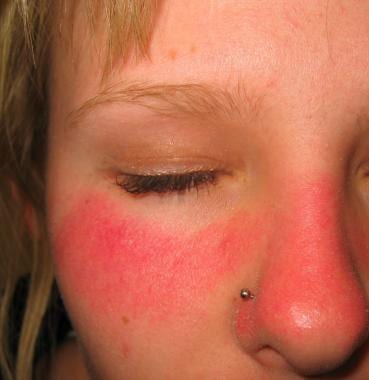
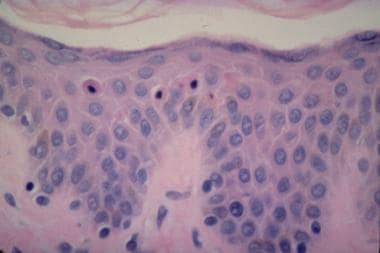
Initially, UVR causes vasodilation of cutaneous blood vessels, resulting in the characteristic erythema.3 Within an hour of UVR exposure, mast cells release preformed mediators including histamine, serotonin, and tumor necrosis factor, leading to prostaglandin and leukotriene synthesis.2, 4 Cytokine release additionally contributes to the inflammatory reaction, leading to an infiltrate of neutrophils and T lymphocytes.5 Within 2 hours after UV exposure, damage to epidermal skin cells is seen. Both epidermal keratinocytes ("sunburn cells") and Langerhans cells undergo apoptotic changes as a consequence of UVR-induced DNA damage.3, 6 Erythema usually occurs 3-4 hours after exposure, with peak levels at 24 hours.7

Less intense or shorter-duration exposure to UVR results in an increase in skin pigmentation, known as tanning, which provides some protection against further UVR-induced damage.8 The increased skin pigmentation occurs in 2 phases: (1) immediate pigment darkening and (2) delayed tanning. Immediate pigment darkening occurs during exposure to UVR and results from alteration of existing melanin (oxidation, redistribution). It may fade rapidly or persist for several days. Delayed tanning results from increased synthesis of epidermal melanin and requires a longer period of time to become visible (24-72 h). With repeated exposure to UVR, the skin thickens, primarily due to epidermal hyperplasia with thickening of the stratum corneum. UVR exposure also suppresses cutaneous cell-mediated immunity, contributing to nonmelanoma skin cancer and infectious disease development.2

Frequency

United States

About one third of US adults have a sunburn each year9, 10, and about two thirds of US children have a sunburn each summer.11

International

Risk of sunburn is increased in regions that are closer to the equator and that are higher in altitude.12

Mortality/Morbidity

  • Uncomplicated sunburn is associated with minimal short-term morbidity. Most cases resolve spontaneously with no significant sequelae.
  • In rare cases, sunburn may be so severe and diffuse that it results in second-degree burns, dehydration, or secondary infection.7
  • Morbidity and mortality associated with long-term sun exposure is related primarily to the development of cutaneous neoplasms, including basal cell carcinoma, squamous cell carcinoma, and malignant melanoma.2 For more information on skin cancers, see Medscape's Skin Cancer Resource Center.

Race

Lighter-skinned individuals are affected more frequently and severely. Skin types are traditionally classified into the following Fitzpatrick categories, based on an individual's tendency to tan, burn, or both (see the Table below).

Fitzpatrick Skin Types and Recommended Sunscreen Sun Protection Factor (SPF) Levels
13, 2, 14

Skin TypeDescriptionSkin ColorRoutine SPF SPF for Outdoor Activity
IAlways burns, never tansWhite1525-30
IIAlways burns, tans minimallyWhite12-1525-30
IIIBurns minimally, tans slowlyWhite8-1015
IVBurns minimally, tans wellOlive6-8 15
VRarely burns, tans profusely/darklyBrown6-815
VIRarely burns, always tansBlack6-8 15

Sex

Surveys of US adults show that men have a slightly higher prevalence of sunburn than women.9

Age

Sunburn is more common in children than in adults.11, 10


History

  • Recent sun exposure or outdoor activity; outdoor occupations or hobbies; use of indoor tanning equipment
  • Erythema develops after 3-4 hours and peaks at 12-24 hours.7
  • Pain
  • Possible fever, chills, malaise, nausea, or vomiting in severe cases
  • Blistering
  • Erythema that resolves over 4-7 days, usually with skin scaling and peeling7
  • Assess for exposure to photosensitizing drugs. See eMedicine article Drug-Induced Photosensitivity for an in-depth discussion and list of common photosensitizing drugs.
  • Assess for heavy alcohol use, which is associated with sunburning.10, 15

Physical

  • Patients at highest risk typically have fair skin, blue eyes, and red or blond hair.13
  • The acute inflammatory response is greatest 12-24 hours after exposure.7
    • Erythema
    • Warmth
    • Tenderness
    • Edema
    • Blistering (severe cases), a sign of either a superficial partial-thickness or deep partial-thickness (second-degree) burn16 
  • Fever can present in severe cases.7
  • UVR may be transmitted through clothing, especially when wet, so sunburn may occur under clothed skin.17
  • Delayed scaling and desquamation occurs 4-7 days after exposure.7

Causes

  • Sunburn is caused by excessive exposure of the skin to UVR.
    • The ultraviolet spectrum can be divided into ultraviolet A-I (UVA-I), 340-400 nm; ultraviolet A-II (UVA-II), 320-340 nm, ultraviolet B (UVB), 290-320 nm; and ultraviolet C (UVC), 200-290 nm.1
    • Solar UVR of wavelengths shorter than 290 nm are filtered out or absorbed in the outer atmosphere and are not encountered at sea level.1
    • Shorter wavelength UVB rays are much more effective at inducing erythema than UVA rays and, therefore, are the principal cause of sunburn.1 
    • However, UVA comprises the majority of UVR reaching the surface of the earth (about 95-98% at midday) and, therefore, accounts for a significant percentage of the immediate and long-term cutaneous effects of UVR.1
  • The minimal single dose of UVR (energy per unit area) required to produce erythema after 24 hours at an exposed site is known as the minimal erythema dose (MED). This dose differs by skin type.2
  • Multiple factors influence UVR-induced erythema.
    • Wavelength: UVB is more erythemogenic than UVA.2
    • Skin type/pigmentation: Compared with type I-II skin, patients with type IV-V skin require 3-5 times more UVR exposure to cause erythema.13
    • Hydration: UVR causes erythema in moist skin more effectively than dry skin.18
    • Environmental reflection: Radiation is 80% reflected by snow and ice, compared with 15% by sand.12
    • Ozone coverage: Increased levels of ozone filter out more UVR.12
    • Altitude: Thinner atmosphere at higher altitudes absorbs less UVR.12
    • Latitude: Exposure is greater nearer the equator.12
    • Time of day: UVR exposure is greatest from 10 am to 4 pm, when the sun is highest in the sky.12


Burns, Chemical
Burns, Thermal
Cellulitis
Dermatitis, Atopic
Dermatitis, Contact
Dermatitis, Exfoliative
Drug-Induced Photosensitivity
Heat Exhaustion and Heatstroke
Porphyria, Acute Intermittent
Systemic Lupus Erythematosus
Xeroderma Pigmentosum


Lab Studies

  • No lab studies are indicated for uncomplicated cases.

Imaging Studies

  • No imaging studies are indicated for uncomplicated cases.

Procedures

  • Skin biopsy may be indicated if the diagnosis is in doubt or to exclude other diseases in the differential diagnosis.


Prehospital Care

  • In most cases, prehospital care involves providing simple first aid to treat patient symptoms.
  • In severe cases, patients may develop second-degree burns, which could require aggressive fluid resuscitation and skin care.

Emergency Department Care

  • Most sunburns, while painful, are not life threatening, and treatment is primarily symptomatic.7
  • Aspirin and other nonsteroidal anti-inflammatory drugs (NSAIDs) have antiprostaglandin effects and are useful to relieve pain and inflammation, especially when given early. Cool soaks with water or Burrow solution (aluminum acetate solution) also provide temporary relief.7, 19
  • Fluid replacement (oral or intravenous) for severe erythema or concomitant fluid loss.20
  • Systemic steroids are sometimes used to shorten the course and to reduce the pain of sunburn when given early and in relatively high doses (equivalent to 40-60 mg/d of prednisone).7 
    • Prescribe steroids for only a few days, with no need for a taper.
    • In the presence of partial-thickness (second-degree) burn, steroids are best avoided because they increase the risk of infection.
    • Topical steroids show minimal, if any, benefit.7

Consultations

  • Consult a dermatologist if the diagnosis of sunburn is in doubt or for children who appear to burn easily. In the latter case, a more serious underlying disorder may be present.
  • Severe cases may require consultation with pediatricians or internists for hospital admission. Patients rarely require care in a dedicated burn unit.


The symptoms of minor sunburn can be relieved to some extent with cool compresses or a cool bath. Administration of nonprescription analgesics and NSAIDs for the treatment of pain and inflammation is recommended.

Drug Category: Analgesic Nonsteroidal Anti-inflammatory Drug

These medications can reduce the pain and inflammation associated with sunburn.  

Drug NameNaproxen (Aleve, Anaprox, Naprelan, Naprosyn)
DescriptionFor relief of mild to moderate pain; inhibits inflammatory reactions and pain by decreasing activity of cyclooxygenase, which results in a decrease of prostaglandin synthesis.
Adult Dose500 mg PO followed by 250 mg q6-8h; not to exceed 1.25 g/d
Pediatric Dose<2 years: Not established
>2 years: 2.5 mg/kg/dose PO; not to exceed 10 mg/kg/d
ContraindicationsDocumented hypersensitivity; peptic ulcer disease; recent GI bleeding or perforation; renal insufficiency
InteractionsCoadministration with aspirin increases risk of inducing serious NSAID-related adverse effects; probenecid may increase concentrations and, possibly, toxicity of NSAIDs; may decrease effect of hydralazine, captopril, and beta-blockers; may decrease diuretic effects of furosemide and thiazides; may increase PT when taking anticoagulants (instruct patients to watch for signs of bleeding); may increase risk of methotrexate toxicity; phenytoin levels may be increased when administered concurrently
PregnancyB - Fetal risk not confirmed in studies in humans but has been shown in some studies in animals
D - Fetal risk shown in humans; use only if benefits outweigh risk to fetus
PrecautionsAcute renal insufficiency, interstitial nephritis, hyperkalemia, hyponatremia, and renal papillary necrosis may occur; patients with preexisting renal disease or compromised renal perfusion risk acute renal failure; leukopenia occurs rarely, is transient, and usually returns to normal during therapy; persistent leukopenia, granulocytopenia, or thrombocytopenia warrants further evaluation and may require discontinuation of drug

Drug NameAspirin (Bayer, Anacin, Bufferin)
DescriptionUsed for the treatment of mild to moderate pain. Also acts on the hypothalamus heat-regulating center to reduce fever.
Adult Dose650 mg PO bid/qid; not to exceed 4 g/d in equally divided doses
Pediatric Dose10-15 mg/kg/dose PO q4-6h; not to exceed 60-80 mg/kg/d
ContraindicationsDocumented hypersensitivity; liver damage; hypoprothrombinemia; vitamin K deficiency; bleeding disorders; asthma; children (<16 y) with flu (because of association with Reye syndrome)
InteractionsEffects may decrease with antacids and urinary alkalinizers; corticosteroids decrease salicylate serum levels; additive hypoprothrombinemic effects and increased bleeding time may occur with coadministration of anticoagulants; may antagonize uricosuric effects of probenecid and increase toxicity of phenytoin and valproic acid; doses >2 g/d may potentiate glucose-lowering effect of sulfonylurea drugs
PregnancyC - Fetal risk revealed in studies in animals but not established or not studied in humans; may use if benefits outweigh risk to fetus
D - Fetal risk shown in humans; use only if benefits outweigh risk to fetus
PrecautionsMay cause transient decrease in renal function and aggravate chronic kidney disease; avoid use in patients with severe anemia, in those with history of blood coagulation defects, or in those taking anticoagulants

Drug NameIbuprofen (Advil, Motrin, Nuprin)
DescriptionUsually the DOC for the treatment of mild to moderate pain, if no contraindications are present.
Adult Dose200-400 mg PO q4-6h while symptoms persist; not to exceed 3.2 g/d
Pediatric Dose30-70 mg/kg/d PO tid/qid
ContraindicationsDocumented hypersensitivity; peptic ulcer disease; recent GI bleeding or perforation; renal insufficiency; high risk of bleeding
InteractionsCoadministration with aspirin increases risk of inducing serious NSAID-related adverse effects; probenecid may increase concentrations and, possibly, toxicity of NSAIDs; may decrease effect of hydralazine, captopril, and beta-blockers; may decrease diuretic effects of furosemide and thiazides; monitor PT closely (instruct patients to watch for signs of bleeding); may increase risk of methotrexate toxicity; phenytoin levels may be increased when administered concurrently
PregnancyB - Fetal risk not confirmed in studies in humans but has been shown in some studies in animals
D - Fetal risk shown in humans; use only if benefits outweigh risk to fetus
PrecautionsCaution in congestive heart failure, hypertension, and decreased renal and hepatic function; caution in anticoagulation abnormalities or during anticoagulant therapy

Drug Category: Analgesic, Miscellaneous

These agents are used to decrease the pain associated with sunburn.

Drug NameAcetaminophen
DescriptionDOC for pain in patients with documented hypersensitivity to aspirin or NSAIDs, in those with upper GI disease, or in those who are taking oral anticoagulants.
Effective in relieving mild to moderate acute pain; however, has no peripheral anti-inflammatory effects. May be preferred in elderly patients because of fewer GI and renal side effects.
Adult Dose325-650 mg PO/PR q4-6h or 1000 mg tid/qid; not to exceed 4 g/d
Pediatric Dose<12 years: 10-15 mg/kg/dose PO q4-6h prn; not to exceed 2.6 g/d
>12 years: 325-650 mg PO q4h; not to exceed 4 g/d
ContraindicationsDocumented hypersensitivity; known G-6-PD deficiency
InteractionsRifampin can reduce analgesic effects of acetaminophen; coadministration with barbiturates, carbamazepine, hydantoins, and isoniazid may increase hepatotoxicity
PregnancyB - Fetal risk not confirmed in studies in humans but has been shown in some studies in animals
PrecautionsHepatotoxicity possible in chronic alcoholics following various dose levels; severe or recurrent pain or high or continued fever may indicate a serious illness; contained in many OTC products and combined use with these products may result in toxicity due to cumulative doses exceeding recommended maximum dose

Drug Category: Corticosteroids

Because they modify the body's immune response, corticosteroids are thought to decrease erythema and shorten the course of sunburn.

Drug NamePrednisone (Deltasone, Orasone, Meticorten)
DescriptionMay decrease inflammation by reversing increased capillary permeability and suppressing PMN activity.
Adult Dose40-60 mg PO qd
Pediatric Dose1 mg/kg PO qd
ContraindicationsDocumented hypersensitivity; viral, fungal, tubercular skin, connective tissue infections; peptic ulcer disease; hepatic dysfunction; GI disease
InteractionsCoadministration with estrogens may decrease prednisone clearance; concurrent use with digoxin may cause digitalis toxicity secondary to hypokalemia; phenobarbital, phenytoin, and rifampin may increase metabolism of glucocorticoids (consider increasing maintenance dose); monitor for hypokalemia with coadministration of diuretics
PregnancyB - Fetal risk not confirmed in studies in humans but has been shown in some studies in animals
PrecautionsAbrupt discontinuation of glucocorticoids may cause adrenal crisis; hyperglycemia, edema, osteonecrosis, myopathy, peptic ulcer disease, hypokalemia, osteoporosis, euphoria, psychosis, myasthenia gravis, growth suppression, and infections may occur with glucocorticoid use


Further Inpatient Care

  • Inpatient care is indicated for severe burns, secondary infection, or control of severe pain.
  • Indications for admission to a dedicated burn unit are the same as those for thermal burns (see Transfer).

Further Outpatient Care

  • Outpatient care is indicated for most cases of sunburn.
    • Cool baths or showers
    • Anti-inflammatory/analgesic medications
    • Avoidance of further sun exposure7

In/Out Patient Meds

  • Topical anesthetic sprays or creams may cause sensitization and consequent dermatitis and, therefore, should be avoided.20

Transfer

  • Indication for transfer to a burn unit are the same as for thermal burns (second-degree burns covering 25% of total body surface area in adults or 20% of total body surface area in patients aged <10 y or >50 y).16 Other criteria exist for body parts affected, please refer to Thermal Burn for a discussion of deeper thermal burns.

Deterrence/Prevention

  • Prevention is the most effective therapy for sunburn. Individual and community educational programs can be effective in decreasing overall sun exposure or increasing use of sunscreen or protective clothing.21, 22
  • Avoid sun exposure, especially during the period of peak solar radiation (from 10 am to 4 pm).9
  • Regularly use sunscreen with an adequate SPF for a given skin type.
    • SPF is the ratio of the amount of UV energy needed to produce erythema on protected skin to the amount of UV energy needed to produce erythema on unprotected skin.23
    • Refer to the Table for recommended sunscreen levels for everyday protection and outdoor activity protection.
    • Apply at least 30 minutes prior to sun exposure, and reapply every 2-3 hours or after swimming, sweating, or toweling off.23
    • Apply for young children prior to exposure.
    • Use waterproof sunscreen when swimming or perspiring heavily.23
    • Apply at least 2 mg/cm2 of sunscreen to achieve the advertised SPF (about 30 mL is adequate coverage for an average adult's entire body). Most people apply one fifth of this amount.24
    • Physical barriers (eg, zinc oxide, titanium dioxide) provide excellent protection against UVA and UVB and are photostable.14
    • Chemical barriers are used in most sunscreens. Para-aminobenzoic acid (PABA) and PABA esters, UVB blockers, have fallen out of favor because of high rates of associated contact dermatitis and clothing staining. Other chemical UVB blocking agents include cinnamates and salicylates.14
    • Chemical UVA blockers include avobenzone (Parsol 1789) and the recently FDA-approved drometrizole trisiloxane and terephthalylidene (Mexoryl).25
  • Wear protective clothing, including wide-brimmed hat or sun visor. Clothing can be treated with over-the-counter products to increase the SPF.17
  • Specialized sun-protective clothing is available and usually states the SPF each garment affords.

Complications

  • Sunburns may exacerbate chronic diseases such as chronic actinic dermatitis, herpes simplex, eczema, and lupus erythematosus.26
  • Sunburns may be associated with other heat-related illnesses, including dehydration, heat exhaustion, and heatstroke.
  • Long-term exposure of the skin can lead to multiple deleterious effects, including premature aging and wrinkling of the skin (dermatoheliosis), development of premalignant lesions (solar keratoses), and development of malignant tumors (eg, basal cell carcinoma, squamous cell carcinoma, melanoma).2
  • Patients with sunburn may be at risk for UV keratitis.27 

Prognosis

  • Uncomplicated cases of sunburn resolve spontaneously over 4-7 days with scaling and desquamation but without acute sequelae.7

Patient Education

  • Educate patients on the short- and long-term complications (see Complications).
  • Educate patients on prevention of sunburn (see Deterrence/Prevention).
  • For excellent patient education resources, visit eMedicine's Burns Center. Also, see eMedicine's patient education article Sunburn.


Medical/Legal Pitfalls

  • Easy sunburning during infancy may indicate a serious underlying disease, such as porphyria or xeroderma pigmentosum. Referral for further evaluation is prudent.26
  • Obtain a complete drug exposure history in any patient with a rash to evaluate for medications that increase photosensitivity.


The authors and editors of eMedicine gratefully acknowledge the contributions of previous author, James Foster, MD, and of previous editor, Charles V Pollack, Jr, MD, to the development and writing of this article.


  1. Kochevar IE, Taylor CR. Photophysics, photochemistry and photobiology. In: Freedberg IM, ed. Fitzpatrick's Dermatology in General Medicine. 6th ed. New York, NY: McGraw-Hill; 2003:1267-1275.
  2. Walker SL, Hawk JL, Young AR. Acute effects of ultraviolet radiation on the skin. In: Freedberg IM, ed. Fitzpatrick's Dermatology in General Medicine. 6th ed. New York, NY: McGraw-Hill; 2003:1275-1282.
  3. Clydesdale GJ, Dandie GW, Muller HK. Ultraviolet light induced injury: immunological and inflammatory effects. Immunol Cell Biol. Dec 2001;79(6):547-68. [Medline].
  4. Walsh LJ. Ultraviolet B irradiation of skin induces mast cell degranulation and release of tumour necrosis factor-alpha. Immunol Cell Biol. Jun 1995;73(3):226-33. [Medline].
  5. Terui T, Takahashi K, Funayama M, Terunuma A, Ozawa M, Sasai S, et al. Occurrence of neutrophils and activated Th1 cells in UVB-induced erythema. Acta Derm Venereol. Jan-Feb 2001;81(1):8-13. [Medline].
  6. Van Laethem A, Claerhout S, Garmyn M, Agostinis P. The sunburn cell: regulation of death and survival of the keratinocyte. Int J Biochem Cell Biol. Aug 2005;37(8):1547-53. [Medline].
  7. Kramer DA, Shayne P. Sun-induced disorders. In: Schwartz GR, ed. Principles and Practice of Emergency Medicine. 4th ed. Baltimore, MD: Lippincott Williams & Wilkins; 1999:1581.
  8. Narbutt J, Lesiak A, Sysa-Jedrzejowska A, Boncela J, Wozniacka A, Norval M. Repeated exposures of humans to low doses of solar simulated radiation lead to limited photoadaptation and photoprotection against UVB-induced erythema and cytokine mRNA up-regulation. J Dermatol Sci. Mar 2007;45(3):210-2. [Medline].
  9. Centers for Disease Control and Prevention (CDC). Sunburn prevalence among adults--United States, 1999, 2003, and 2004. MMWR Morb Mortal Wkly Rep. Jun 1 2007;56(21):524-8. [Medline][Full Text].
  10. Brown TT, Quain RD, Troxel AB, Gelfand JM. The epidemiology of sunburn in the US population in 2003. J Am Acad Dermatol. Oct 2006;55(4):577-83. [Medline].
  11. Cokkinides V, Weinstock M, Glanz K, Albano J, Ward E, Thun M. Trends in sunburns, sun protection practices, and attitudes toward sun exposure protection and tanning among US adolescents, 1998-2004. Pediatrics. Sep 2006;118(3):853-64. [Medline].
  12. Ultraviolet radiation: global solar UV index. Fact sheet No. 271. August 2002. World Health Organization. Available at http://www.who.int/mediacentre/factsheets/fs271/en/index.html.
  13. Fitzpatrick TB. The validity and practicality of sun-reactive skin types I through VI. Arch Dermatol. Jun 1988;124(6):869-71. [Medline].
  14. Lowe NJ. An overview of ultraviolet radiation, sunscreens, and photo-induced dermatoses. Dermatol Clin. Jan 2006;24(1):9-17. [Medline].
  15. Mukamal KJ. Alcohol consumption and self-reported sunburn: a cross-sectional, population-based survey. J Am Acad Dermatol. Oct 2006;55(4):584-9. [Medline].
  16. Edlich RF, Martin ML, Long WB. Thermal burns. In: Marx JA, ed. Rosen's Emergency Medicine: Concepts and Clinical Practice. 6th ed. Philadelphia, PA: Mosby Elsevier; 2006:918-9.
  17. Hatch KL, Osterwalder U. Garments as solar ultraviolet radiation screening materials. Dermatol Clin. Jan 2006;24(1):85-100. [Medline].
  18. Moehrle M, Koehle W, Dietz K, Lischka G. Reduction of minimal erythema dose by sweating. Photodermatol Photoimmunol Photomed. Dec 2000;16(6):260-2. [Medline].
  19. Bickers DR. Sun-induced disorders. Emerg Med Clin North Am. Nov 1985;3(4):659-76. [Medline].
  20. Rapaport MJ, Rapaport V. Preventive and therapeutic approaches to short- and long-term sun damaged skin. Clin Dermatol. Jul-Aug 1998;16(4):429-39. [Medline].
  21. Dietrich AJ, Olson AL, Sox CH, Stevens M, Tosteson TD, Ahles T, et al. A community-based randomized trial encouraging sun protection for children. Pediatrics. Dec 1998;102(6):E64. [Medline].
  22. Norman GJ, Adams MA, Calfas KJ, Covin J, Sallis JF, Rossi JS, et al. A randomized trial of a multicomponent intervention for adolescent sun protection behaviors. Arch Pediatr Adolesc Med. Feb 2007;161(2):146-52. [Medline].
  23. Gasparro FP, Brown D, Diffey BL, Knowland JS, Reeve V. Sun protective agents: formulations, effects and side effects. In: Freedberg IM, ed. Fitzpatrick's Dermatology in General Medicine. 6th ed. New York, NY: McGraw-Hill; 2003:2344-2352.
  24. Autier P, Boniol M, Severi G, Dore JF,. Quantity of sunscreen used by European students. Br J Dermatol. Feb 2001;144(2):288-91. [Medline].
  25. Maier T, Korting HC. Sunscreens - which and what for?. Skin Pharmacol Physiol. Nov-Dec 2005;18(6):253-62. [Medline].
  26. Hawk JLM, Norris PG, Honigsmann H. Abnormal responses to ultraviolet radiation: idiopathic, probably immunologic, and photoexacerbated. In: Freedberg IM, ed. Fitzpatrick's Dermatology in General Medicine. 6th ed. New York, NY: McGraw-Hill; 2003:1290-1295.
  27. Wightman JM, Hamilton GC. Red and painful eye. In: Marx JA, ed. Rosen's Emergency Medicine: Concepts and Clinical Practice. 6th ed. Philadelphia, PA: Mosby Elsevier; 2006:294.

Sunburn excerpt

Article Last Updated: Jan 15, 2008