Continually Updated Clinical Reference
 
 
  All Sources     eMedicine     Medscape     Drug Reference     MEDLINE
 
eMedicine - Herpes Simplex : Article by

Quick Find
Authors & Editors
Introduction
Clinical
Differentials
Workup
Treatment
Medication
Follow-up
Miscellaneous
Multimedia
References

Related Articles
Aphthous Stomatitis

Chancroid

Chickenpox

Erythema Multiforme

Hand-Foot-and-Mouth Disease

Herpes Zoster

Syphilis


Patient Education
Sexually Transmitted Diseases Center

Teeth and Mouth Center

Skin, Hair, and Nails Center

Genital Herpes Overview

Genital Herpes Causes

Genital Herpes Symptoms

Genital Herpes Treatment

Oral Herpes Overview

Eczema Overview


Author: Gisela Torres, MD, Staff Physician, Department of Dermatology, University Hospitals of Cleveland; Senior Instructor in Dermatology, Case Western Reserve University

Gisela Torres is a member of the following medical societies: American Academy of Dermatology and American Medical Association

Coauthor(s): Malcolm Schinstine, MD, PhD, Staff Physician, Department of Pathology and Laboratory Medicine, Dartmouth College Hitchcock Medical Center; Paul Krusinski, MD, Director of Dermatology, Professor, Department of Internal Medicine, Fletcher Allen Health Care, University of Vermont; Stephen K Tyring, MD, PhD, MBA, Founder and Medical Director, Center for Clinical Studies, Clinical Professor, Departments of Dermatology, Microbiology, and Molecular Genetics, and Internal Medicine (Infectious Diseases), University of Texas Health Science Center at Houston

Editors: Sungnack Lee, MD, Vice President of Medical Affairs, Professor, Department of Dermatology, Ajou University School of Medicine, Korea; Michael J Wells, MD, Associate Professor, Department of Dermatology, Texas Tech University Health Sciences Center; Rosalie Elenitsas, MD, Associate Professor of Dermatology, University of Pennsylvania School of Medicine; Director, Penn Cutaneous Pathology Services, Department of Dermatology, University of Pennsylvania Health System; Catherine Quirk, MD, Clinical Assistant Professor, Department of Dermatology, Brown University; William D James, MD, Paul R Gross Professor of Dermatology, University of Pennsylvania School of Medicine; Vice-Chair, Program Director, Department of Dermatology, University of Pennsylvania Health System

Author and Editor Disclosure

Synonyms and related keywords: HSV, herpes genitalis, genital herpes, herpes labialis, orolabial herpes, HSV-1, HSV type 1, herpes simplex virus type 1, HSV-2, HSV type 2, herpes simplex virus type 2, localized eczema herpeticum, disseminated eczema herpeticum, Kaposi's varicelliform eruption, Kaposi varicelliform eruption, herpes whitlow, herpes gladiatorum, disseminated HSV infection, neonatal HSV infection, herpetic sycosis

Background

Herpes simplex viruses (HSVs) are DNA viruses that cause acute skin infections and present as grouped vesicles on an erythematous base. Rarely, these viruses can cause serious illness and can affect pregnancy, leading to significant harm to the fetus. Most infections are recurrent and tend to reappear at or near the same location. Herpes labialis is the most common infection caused by HSV type 1 (HSV-1), whereas genital herpes is usually caused by HSV type 2 (HSV-2). Other clinical manifestations of HSV infection are less common.

Pathophysiology

Intimate contact between a susceptible person (without antibodies against the virus) and an individual who is actively shedding the virus or with body fluids containing the virus is required for HSV infection to occur. Contact must involve mucous membranes or open or abraded skin.

HSV invades and replicates in neurons as well as in epidermal and dermal cells. Virions travel from the initial site of infection on the skin or mucosa to the sensory dorsal root ganglion, where latency is established. Viral replication in the sensory ganglia leads to recurrent clinical outbreaks. These outbreaks can be induced by various stimuli, such as trauma, ultraviolet radiation, extremes in temperature, stress, immunosuppression, or hormonal fluctuations. Viral shedding, leading to possible transmission, occurs during primary infection, during subsequent recurrences, and during periods of asymptomatic viral shedding.

HSV-1 reactivates most efficiently from trigeminal ganglia (affecting the face and the oropharyngeal and ocular mucosae), while HSV-2 has a more efficient reactivation in the lumbosacral ganglia (affecting the hips, buttocks, genitalia, and lower extremities). The clinical difference in site-specific reactivation between HSV-1 and HSV-2 appears to be due, in part, to each virus establishing latent infection in different populations of ganglionic neurons.

Frequency

United States

HSV-1 infection is acquired by early childhood, and evidence of serologic infection with HSV-1 approaches 80% in the general adult population. Only about 30% of these individuals have clinically apparent outbreaks. In the United States, approximately 1 in 4-5 adults (21-25%) is serologically positive for HSV-2. For adolescents in the United States, studies have found rates up to 49-53% for HSV-1 and 12-15% for HSV-2. More than half the seropositive individuals do not experience clinically apparent outbreaks, but these individuals still have episodes of viral shedding and can transmit the virus. The incidence of HSV-2 infection is one of the most rapidly increasing rates among sexually transmitted diseases in this country. Independent predictors of HSV-2 seropositivity include female sex, black race, older age, lower education, more lifetime sex partners, prior diagnosis of sexually transmitted disease, and lack of HSV-1 antibody.

International

Serologic evidence of HSV-1 infection by early adulthood ranges from 56-85%, varying by country. HSV-2 seroprevalence has been reported to vary from 13-40% worldwide. More than one third of the world's population has recurrent clinical HSV infections.

In the developing world, HSV-2 is becoming a common cause for genital ulcer disease, especially in countries with a high prevalence of HIV infection. International studies show seroprevalence in people co-infected with HIV being close to 90% for HSV-1 and up to 77% for HSV-2.

Mortality/Morbidity

Severe complications may be associated with herpes simplex. This is especially true in females who are pregnant and in individuals with immunosuppression who may develop disseminated infection and encephalitis.

The most common complication of primary HSV-2 genital infection is bacterial superinfection. In women, systemic complications, such as urinary retention and aseptic meningitis (seen in up to 25% of women), can occur. The associated pain, paresthesia, and discomfort, as well as the psychosocial impact, of herpes simplex outbreaks cause significant morbidity to the individuals who are affected.

Individuals co-infected with HSV and HIV and who have herpetic mucosal lesions are more likely to transmit HIV during sexual contact. In studies, despite being compliant with highly active antiretroviral therapy (HAART) for treatment of HIV-1 infection, 30-50% of women co-infected with HSV-2 and HIV-1 were shown to have genital HIV-1 shedding at least once in a 3-month period. Studies also suggest that co-infection with HSV-2 may accelerate HIV disease progression by elevating the HIV viral load. Organ transplant recipients and patients with HIV/AIDS may develop herpetic lesions that exhibit an unusual morphology. Moreover, patients with Darier disease, severe atopic dermatitis, or mycosis fungoides may develop life-threatening disseminated Kaposi varicelliform eruption.

Another serious consequence of HSV infection is the transmission of the virus to a neonate by a mother who is infected. Asymptomatic maternal shedding occurs approximately 7% of the time and is responsible for most neonatal HSV infections. The risk of HSV transmission to the newborn is as high as 30-50% from a mother who acquired a new HSV infection near the time of delivery. Among women who have acquired HSV infection before their third trimester of pregnancy, the risk of transmission is less than 1%. HSV infections in neonates are most commonly due to HSV-2 and most are acquired peripartum from exposure to lesions (or shedding virus) in the birth canal, although in utero and postpartum transmission rarely can occur. Transmission is estimated to occur at a rate of 1 case in 3500-5000 deliveries in the United States. Neonatal infection can cause long-term sequelae and even death.

Race

African Americans have a higher prevalence of antibodies against HSV-1 than whites. Nonwhite race has been reported as a risk factor for HSV-2 seropositivity.

Sex

The frequency of HSV-1 and HSV-2 antibodies is slightly higher in females than in males. However, women are more likely than men to be protected from genital HSV infection by the use of barrier methods.

In a study of more than 600 pregnant women, 63% were seropositive for HSV-1, 22% for HSV-2, and 13% for both, and 28% were seronegative. Nonwhite race and having had 4 or more sex partners independently correlated with increased HSV-2 infection. Non-Hispanic white pregnant women had the highest percentage of seronegativity for both HSV-1 and HSV-2. However, this group had the highest risk of having a child with neonatal herpes, indicating their susceptibility for new HSV infection during their third trimester of pregnancy (when a mother is most likely to transmit infection to her neonate).

Age

The frequency of HSV-1 infection in children varies with the socioeconomic status. Approximately, one third of children from lower socioeconomic families exhibit some evidence of HSV-1 infection by age 5 years. The frequency increases to 70-80% by early adolescence/adulthood. In contrast, only 20% of children from middle-class families seroconvert. The frequency of infection remains fairly stable until the second to third decade of life when it increases to 40-60%. The rate of HSV-2 seroconversion is highest in sexually active young adults.


History

Primary infection with HSVs is clinically more severe than recurrent outbreaks. However, most primary HSV-1 and HSV-2 infections are subclinical and may never be clinically diagnosed.

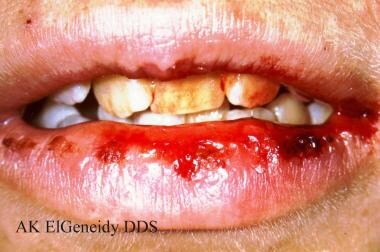
  • Orolabial herpes: Herpes labialis (eg, cold sores, fever blisters) is most commonly associated with HSV-1 infection. Oral lesions caused by HSV-2 have been identified, usually secondary to orogenital contact. Primary HSV-1 infection often occurs in childhood and is usually asymptomatic.
    • Primary infection: Symptoms of primary herpes labialis may include a prodrome of fever, followed by a sore throat and mouth and submandibular or cervical lymphadenopathy. In children, gingivostomatitis and odynophagia are also observed. Painful vesicles develop on the lips, the gingiva, the palate, or the tongue and are often associated with erythema and edema. The lesions ulcerate and heal within 2-3 weeks.
    • Recurrences: The disease remains dormant for a variable amount of time. HSV-1 reactivation in the trigeminal sensory ganglia leads to recurrences in the face and the oral, labial, and ocular mucosae. Pain, burning, itching, or paresthesia usually precedes recurrent vesicular lesions that eventually ulcerate or form a crust. The lesions most commonly occur in the vermillion border, and symptoms of untreated recurrences last approximately 1 week. Recurrent erythema multiforme lesions have been associated with orolabial HSV-1 recurrences. A recent study reported that HSV-1 viral shedding had a median duration of 48-60 hours from the onset of herpes labialis symptoms. They did not detect any virus beyond 96 hours of symptom onset.
  • Genital herpes: HSV-2 is identified as the most common cause of herpes genitalis. However, HSV-1 has been increasingly identified as the causative agent in as many as 30% of cases of primary genital herpes infections likely secondary to orogenital contact. Recurrent genital herpes infections are almost exclusively caused by HSV-2.
    • Primary infection: Primary herpes genitalis occurs within 2 days to 2 weeks after exposure to the virus and has the most severe clinical manifestations. Symptoms of the primary episode typically last 2-3 weeks.
      • In men, painful, erythematous, vesicular lesions that ulcerate most commonly occur on the penis, but they can also occur on the anus and the perineum. In women, primary herpes genitalis presents as vesicular/ulcerated lesions on the cervix and as painful vesicles on the external genitalia bilaterally. They can also occur on the vagina, the perineum, the buttocks, and, at times, the legs in a sacral nerve distribution. Associated symptoms include fever, malaise, edema, inguinal lymphadenopathy, dysuria, and vaginal or penile discharge.
      • Females may also have lumbosacral radiculopathy, and as many as 25% of women with primary HSV-2 infections may have associated aseptic meningitis.
    • Recurrences: After primary infection, the virus may be latent for months to years until a recurrence is triggered. Reactivation of HSV-2 in the lumbosacral ganglia leads to recurrences below the waist. Recurrent clinical outbreaks are milder and often preceded by a prodrome of pain, itching, tingling, burning, or paresthesia.
    • Individuals who are exposed to HSV and have asymptomatic primary infections may experience an initial clinical episode of genital herpes months to years after becoming infected. Such an episode is not as severe as a true primary outbreak.
    • More than one half of individuals who are HSV-2 seropositive do not experience clinically apparent outbreaks. However, these individuals still have episodes of viral shedding and can transmit the virus to their sexual partners.
  • Other HSV infections
    • Localized or disseminated eczema herpeticum is also known as Kaposi varicelliform eruption. Caused by HSV-1, eczema herpeticum is a variant of HSV infection that commonly develops in patients with atopic dermatitis, burns, or other inflammatory skin conditions. Children are most commonly affected.
    • Herpes whitlow, vesicular outbreaks on the hands and the digits, was most commonly due to infection with HSV-1. It usually occurred in children who sucked their thumbs and, prior to the widespread use of gloves, in dental and medical health care workers. The occurrence of herpes whitlow due to HSV-2 is increasingly recognized, probably due to digital-genital contact.
    • Herpes gladiatorum is caused by HSV-1 and is seen as papular or vesicular eruptions on the torsos of athletes in sports involving close physical contact (classically wrestling).
    • Disseminated HSV infection can occur in females who are pregnant and in individuals who are immunocompromised. These patients may present with atypical signs and symptoms of HSV, and the condition may be difficult to diagnose.
    • Neonatal HSV
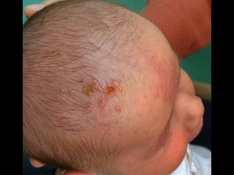
      • HSV-2 infection in pregnancy can have devastating effects on the fetus. Neonatal HSV usually manifests within the first 2 weeks of life and clinically ranges from localized skin, mucosal, or eye infections to encephalitis, pneumonitis, disseminated infection, and demise.
      • Most women who deliver infants with neonatal HSV had no prior history, signs, or symptoms of HSV infection. Risk of transmission is highest in pregnant women who are seronegative for both HSV-1 and HSV-2 and acquire a new HSV infection in the third trimester of pregnancy.
      • Factors that increase the risk of transmission from mother to baby include the type of genital infection at the time of delivery (higher risk with active primary infection), active lesions, prolonged rupture of membranes, vaginal delivery, and an absence of transplacental antibodies. The mortality rate for neonates is extremely high (>80%) if untreated.
    • Herpetic sycosis, a follicular infection with HSV, may present as a vesiculopustular eruption on the beard area. This infection often results from autoinoculation after shaving through a recurrent herpetic outbreak. Classically caused by HSV-1, there have been rare reports of relapsing beard folliculitis caused by type 2 HSV.

Physical

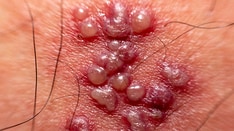
  • Clinical HSV infections appear as clustered vesicles on an erythematous base. They often progress to pustular or ulcerated lesions, and they eventually form a crust. HSV lesions tend to recur at or near the same location within the distribution of a sensory nerve. Systemic symptoms, such as fever, malaise, and acute toxicity, may accompany the lesions, especially in primary infections. Each condition has associated symptoms and clinical findings (see History above).
    • Although HSV infections may occur anywhere on the body, 70-90% of HSV-1 infections occur above the waist. In contrast, 70-90% of HSV-2 infections occur below the waist.
    • Physical manifestations of HSV infections in patients who are immunocompromised are usually similar to those in healthy patients. However, larger lesions or necrotizing ulcers may occur, and widespread areas may be involved.
    • Neonatal HSV may be difficult to diagnose because, often, no mucocutaneous lesions are present on physical examination. Respiratory distress, jaundice, and seizures may occur.

Causes

  • HSV-1 and HSV-2 are the causative agents of herpes genitalis, herpes labialis, herpes gladiatorum, herpes whitlow, herpetic keratoconjunctivitis, eczema herpeticum, herpes folliculitis, lumbosacral herpes, disseminated herpes, neonatal herpes, and herpes encephalitis. They have also been linked to some cases of erythema multiforme. A febrile illness, exposure to ultraviolet light, trauma, upper respiratory infection, or emotional stress may trigger recurrent herpes labialis due to HSV-1.
  • The patient's geographical location, socioeconomic status, and age influence the frequency of HSV-1 infections. The highest prevalence of antibodies to HSV-2 occurs in female prostitutes, male homosexuals, and HIV-positive individuals.


Aphthous Stomatitis
Chancroid
Chickenpox
Erythema Multiforme
Hand-Foot-and-Mouth Disease
Herpes Zoster
Syphilis

Other Problems to be Considered

Cytomegalovirus infections
Fixed drug eruption
Herpangina

Members of the Herpesviridae family, including varicella-zoster virus; Epstein-Barr virus; cytomegalovirus; and human herpesvirus types 6, 7, and 8, can cause similar eruptions.


Lab Studies

  • Detection and typing of HSV can be completed by obtaining a viral culture from skin vesicles. Early in the course of recurrent infection, 80-90% of viral cultures of untreated lesions are positive, but the false-negative rate increases after 48 hours of lesion onset.
  • HSV DNA detection is performed in specific instances by polymerase chain reaction (PCR).
  • The virus may be isolated from cerebrospinal fluid (CSF) (in newborns), stool, urine, throat, anogenital mucosa, nasopharynx, and conjunctivae. HSV-1 DNA has also been detected in tears and saliva.
  • In the office, a Tzanck smear can be performed as a rapid test for the presence of multinucleated giant cells, though the findings are not specific for the type of herpes virus. A Tzanck smear is prepared by scraping the floor of the herpetic vesicle; samples may be stained with either a Wright stain or a Papanicolaou stain. Approximately 50% of the results are positive.
  • Direct fluorescent antibody testing may be used on air-dried smears, and approximately 75% of the results are positive.
  • Serologic assays to detect antibodies against HSV-1 and HSV-2 may be useful in identifying organ transplant recipients or pregnant women who may be at risk for HSV reactivation. Their use is also becoming more common for confirming infection and for testing of partners or those with asymptomatic infection.
    • Enzyme-linked immunosorbent assays (ELISAs) and several other HSV-1 and HSV-2 serologic assays that can detect antibodies against these viruses are available.
    • A rapid HSV-2 POCKit test is now commercially available and has a high sensitivity. Western blot assays are highly sensitive and specific, but they are only available for research purposes.
  • Immunoperoxidase techniques may be used to distinguish HSV-1 and HSV-2 antigens in formalin-fixed tissue samples.

Histologic Findings

Cells infected with HSV demonstrate ballooning and reticular epidermal degeneration; epidermal acantholysis and intraepidermal vesicles are common. Intranuclear inclusion bodies, steel-grey nuclei, multinucleate giant keratinocytes, and multilocular vesicles may also be present.


Medical Care

  • Most HSV infections are self-limited. However, antiviral therapy shortens the course of the symptoms and may prevent dissemination and transmission.
  • Intravenous, oral, and topical antiviral medications are available for treatment of HSV and are most effective if used at the onset of symptoms. Oral therapy can be given at the time of the episode or as chronic suppressive therapy.
    • Treatment of herpes labialis and herpes genitalis generally consists of episodic courses of oral acyclovir, its prodrug valacyclovir, and famciclovir. Oral antiviral medications, acyclovir, valacyclovir, and famciclovir, may be used (off label) as therapy for other uncomplicated HSV conditions (eg, herpes whitlow), and the same doses as those used for herpes genitalis treatment are commonly recommended.
    • Commercially available topical treatments for herpes are much less effective than oral therapy.
    • Complicated HSV infections, cutaneous and/or visceral dissemination, neonatal HSV, and severe infections in those who are immunocompromised should promptly be treated with intravenous acyclovir.
    • In patients who are immunocompromised and have recurrent HSV infections, acyclovir-resistant HSV strains have been identified, and treatment with intravenous foscarnet or cidofovir may be used. Topical foscarnet use has also been reported.

Consultations

Consult a dermatologist and an infectious diseases specialist in cases of complicated or acyclovir-resistant infections.

Activity

Avoidance of known triggers of HSV recurrences, such as UV light and smoking, may diminish the number of outbreaks experienced by an individual.


Acyclovir is an analog of 2'-deoxyguanosine and, along with other nucleoside analogs listed below, remains the drug of choice for HSV infections. Antibiotics may be used if a secondary bacterial infection develops.

Drug Category: Antiviral agents

Nucleoside analogs are initially phosphorylated by viral thymidine kinase to eventually form a nucleoside triphosphate. These molecules inhibit HSV DNA polymerase with 30-50 times the potency of human alpha-DNA polymerase.

Drug NameAcyclovir (Zovirax)
DescriptionInhibits activity of both HSV-1 and HSV-2. Patients experience less pain and faster resolution of cutaneous lesions when used within 48 h from rash onset. May prevent recurrent outbreaks.
Has been proven to be safe and effective in preventing neonatal HSV and in eliminating the need for cesarean deliveries.
Adult DoseTopical for herpes labialis: 5% ointment 5 times/d for 5 d
Primary HSV infections: 200 mg PO 5 times/d for 10 d or 5 mg/kg/d IV q8h (non-FDA approved: 400 mg PO tid for 10 d)
Recurrent oral or genital herpes: 200 mg PO 5 times/d for 5 d (non-FDA approved: 400 mg PO tid for 5 d)
Genital herpes suppression: 400 mg PO bid
Disseminated disease: 5-10 mg/kg IV q8h for 7 d if >12 years
Pediatric DoseAdminister oral therapy as in adults
Neonatal/disseminated HSV and <12 years: 10 mg/kg IV q8h for 10 d or 250 mg/m2 q8h for 7 d
ContraindicationsDocumented hypersensitivity
InteractionsConcomitant use of probenecid or zidovudine prolongs half-life and increases CNS toxicity
PregnancyB - Fetal risk not confirmed in studies in humans but has been shown in some studies in animals
PrecautionsCaution in renal failure (adjust dose) or when taking nephrotoxic drugs; thousands of pregnancies are documented in the acyclovir registry and hundreds are in the valacyclovir and famciclovir registries without any reports of increased fetal defects or pregnancy difficulties due to these drugs

Drug NamePenciclovir (Denavir)
DescriptionTopical formulation. For use in mild recurrent herpes labialis. Inhibitor of DNA polymerase in HSV-1 and HSV-2 strains, inhibiting viral replication.
Adult DoseApply 1% cream q2h while awake for 4-5 d
Pediatric DoseApply as in adults
ContraindicationsDocumented hypersensitivity; previous adverse reaction to famciclovir
InteractionsNone reported
PregnancyB - Fetal risk not confirmed in studies in humans but has been shown in some studies in animals
PrecautionsMay experience mild erythema

Drug NameFamciclovir (Famvir)
DescriptionProdrug that, when biotransformed into its active metabolite penciclovir may inhibit viral DNA synthesis/replication.
Adult DoseRecurrent herpes labialis: 1500 mg PO as single dose at onset of symptoms
Genital herpes, primary episode: 250 mg PO tid for 10 d
Episodic genital herpes (recurrent episodes): 1000 mg PO q12 h for 24 h at onset of symptoms (within 6 h of first sign/symptom)
Long-term suppression: 250 mg PO bid
HIV-positive individuals with recurrent genital or orolabial HSV infection: 500 mg PO bid for 7 d (adjust dose for renal insufficiency)
Recurrent genital herpes simplex suppression (HIV-infected patient): 500 mg PO bid
Pediatric DoseNot established
ContraindicationsDocumented hypersensitivity
InteractionsCoadministration of probenecid or cimetidine may increase toxicity; coadministration increases bioavailability of digoxin
PregnancyB - Fetal risk not confirmed in studies in humans but has been shown in some studies in animals
PrecautionsCaution in renal failure or with coadministration of nephrotoxic drugs; thousands of pregnancies are documented in the acyclovir registry and hundreds are in the valacyclovir and famciclovir registries without any reports of increased fetal defects or pregnancy difficulties due to these drugs
Caution in glucose-galactose malabsorption or intolerance or severe lactase deficiency (tablets contain lactose); acute renal failure reported

Drug NameValacyclovir (Valtrex)
DescriptionProdrug rapidly converted to the active drug acyclovir. More expensive but has a more convenient dosing regimen than acyclovir.
Adult DoseHerpes labialis: 2000 mg PO q12h for 24 h (must be taken at first sign of symptoms/prodrome)
Genital herpes, primary episode: 1000 mg PO bid for 10 d
Recurrent genital herpes: 500 mg PO bid for 3 d
Genital herpes suppression (9 or fewer recurrences per year or HIV-positive individuals: 500 mg PO qd
Recurrent genital herpes simplex, suppression (HIV-infected patient): 500 mg PO bid
If >9 recurrences per year: 1000 mg PO qd
Pediatric DoseNot established
ContraindicationsDocumented hypersensitivity
InteractionsProbenecid, zidovudine, or cimetidine coadministration prolongs half-life and increases CNS toxicity; mycophenolate may increase toxicity; tenofovir disoproxil fumarate and valacyclovir may increase serum concentrations of either drug due to decreased renal clearance by competition for tubular secretion
PregnancyB - Fetal risk not confirmed in studies in humans but has been shown in some studies in animals
PrecautionsAdverse reactions include thrombocytopenia, facial edema, rash, urticaria, and GI upset; monitor for neutropenia) caution in renal failure and with coadministration of nephrotoxic drugs; rarely associated with onset of hemolytic uremic syndrome/ thrombotic thrombocytopenic purpura if given in massive dose; thousands of pregnancies are documented in the acyclovir registry and hundreds are in the valacyclovir and famciclovir registries without any reports of increased fetal defects or pregnancy difficulties due to these drugs

Drug NameFoscarnet (Foscavir)
DescriptionOrganic analog of inorganic pyrophosphate that inhibits replication of known herpesviruses, including CMV, HSV-1, and HSV-2. Inhibits viral replication at pyrophosphate-binding site on virus-specific DNA polymerases. Poor clinical response or persistent viral excretion during therapy may be due to viral resistance. Patients who can tolerate foscarnet well may benefit from initiation of maintenance dose of 120 mg/kg/d early in treatment. Individualize dosing based on renal function status.
Adult DoseAcyclovir-resistant HSV infections: 40 mg/kg IV q8-10h for 10-21 d
Mucocutaneous, acyclovir-resistant: 40 mg/kg IV, over 1 h, q8-12h for 2-3 wk or until healed
Pediatric Dose<12 years: Not established
>12 years: Administer as in adults
ContraindicationsDocumented hypersensitivity
InteractionsCoadministration with potentially nephrotoxic drugs (eg, aminoglycosides, amphotericin B, IV pentamidine) may increase nephrotoxicity (do not administer unless potential benefits outweigh risks); coadministration with IV pentamidine may cause hypocalcemia
PregnancyC - Fetal risk revealed in studies in animals but not established or not studied in humans; may use if benefits outweigh risk to fetus
PrecautionsMay cause decline in renal function for correct dosing, obtain 24-h serum creatinine at baseline and continue to monitor (discontinue if serum creatinine level <0.4 mL/min/kg); hydration may reduce nephrotoxicity; carefully monitor electrolyte levels (eg, calcium, magnesium); assess for electrolyte and mineral level abnormalities if mild perioral numbness, paresthesia, or seizures; granulocytopenia and anemia may occur (regularly monitor CBC); infuse foscarnet solutions into veins with adequate blood flow to avoid local irritation; to avoid toxicity, do not administer by rapid or bolus IV injection; may deposit in teeth and bone (deposition is greater in young and growing animals); can prolong QT interval in some patients, which may result in ventricular tachycardia, ventricular fibrillation, and torsades de pointes; concurrent administration of foscarnet with tricyclic antidepressants, erythromycin, or antipsychotic agents may increase toxicity of the drug

Drug NameCidofovir (Vistide)
DescriptionApproved for treatment of CMV retinitis. Compounded cream/gel (not FDA approved but recommended by CDC) can be used for localized acyclovir-resistant HSV.
Adult Dose1 topical application qd
Pediatric DoseNot established
ContraindicationsDocumented hypersensitivity
InteractionsCoadministration of aminoglycosides, amphotericin B, IV pentamidine, and foscarnet may increase nephrotoxicity
PregnancyC - Fetal risk revealed in studies in animals but not established or not studied in humans; may use if benefits outweigh risk to fetus
PrecautionsRarely results in nephrotoxicity and metabolic acidosis; iritis and uveitis have been reported, especially in patients concomitantly receiving protease inhibitors; neutropenia, anemia, rash, and contact dermatitis are uncommon

Drug NameDocosanol cream 10 % (Abreva)
DescriptionUsed for HSV-1 infections. Prevents viral entry and replication at cellular level. Use at first sign of cold sore or fever blister.
Adult DoseHerpes labialis: Apply topically 5 times/d for 5-10 d (until healed)
Pediatric Dose<12 years: Not established
>12 years: Apply as in adults
ContraindicationsDocumented hypersensitivity
InteractionsNone reported
PregnancyC - Fetal risk revealed in studies in animals but not established or not studied in humans; may use if benefits outweigh risk to fetus
PrecautionsFor external use only; not for use inside mouth or around eyes; may cause headaches


Deterrence/Prevention

  • HSV viral shedding is greatest during clinically evident outbreaks; however, transmission from individuals who are seropositive to their partners who are seronegative usually occurs during asymptomatic HSV shedding periods. Therefore, preventing transmission requires more than abstaining from intimate contact during outbreaks.
    • Barrier methods, such as condoms, confer 10-15% protection against the transmission of genital herpes, as transmission can occur to and from uncovered mucocutaneous surfaces or if the integrity of the barrier is compromised. Condoms have also been shown to be more effective in protecting women than men.
    • Various HSV vaccines have been and continue to be under investigation for the treatment and prevention of herpes genitalis, though most have not been shown to be effective. Recently, double-blind randomized trials of a glycoprotein D HSV-2 vaccine revealed that the vaccine conferred protection against the virus in women who were serologically negative for both HSV-1 and HSV-2. However, it did not prevent HSV infection in men despite their serostatus or in women who were positive for HSV-1 but negative for HSV-2.
    • Long-term suppressive therapy for genital herpes has been shown to decrease asymptomatic HSV shedding, and long-term valacyclovir therapy significantly decreased HSV transmission to susceptible partners of individuals who were HSV-2 positive by 50-77%. Acyclovir and famciclovir have been shown to be as effective as valacyclovir for suppression of recurrences. Considerations for placing a patient on long-term suppressive therapy include frequent and/or severe outbreaks, infection in a patient who is immunocompromised, the patient’s sex, the patient’s HSV serostatus, and the reproductive capability of the patient’s partner.
    • HIV infection of an HSV patient or his or her seronegative partner should also be considered a possible indication for suppression, given the proposed increase in HIV viral load, although HSV suppressive therapy has not been shown to have an effect on HIV-1 viral shedding.
  • Women who are HSV-2 negative should be counseled to abstain from intercourse during the third trimester of pregnancy with partners that could be seropositive because primary HSV infection during this time places the fetus at highest risk of infection.
    • The most common approach in attempting to prevent vertical transmission is to have women with clinically apparent HSV lesions during labor undergo cesarean delivery. However, cesarean delivery does not prevent all cases of neonatal infection because in utero infection occurs and antepartum HSV cultures are not a good predictor of neonatal infections.
    • Use of acyclovir 400 mg PO tid during the third trimester of pregnancy has been proven to be safe and effective in preventing neonatal herpes and in eliminating the need for cesarean deliveries.

Complications

  • The most common complication of HSV infections is bacterial superinfection. In women with primary HSV-2 infection, aseptic meningitis is also common.
  • Significant complications, such as visceral and CNS dissemination and long-term sequelae, are rare and occur in patients who are immunocompromised or in cases of neonatal HSV.

    • Patients with AIDS who are treated with intravenous acyclovir may develop thymidine kinase–negative strains of HSV that are resistant to acyclovir. These patients may be successfully treated with intravenous foscarnet or topical cidofovir.
    • Babies born to mothers with genital HSV infection should be closely monitored for any signs of infection and promptly treated if signs of the disease develop. Neonatal HSV infection has a mortality rate of more than 80% if untreated and a mortality/significant morbidity rate of approximately 50% even when treated.

Prognosis

  • For most people, HSV infections are temporary and resolve without detrimental sequelae; however, recurrence is common.
  • Long-term sequelae (usually CNS) are more common with neonatal HSV infection than with other types of HSV infection. Scarring may occur from severe or superinfected lesions.

Patient Education


Special Concerns

  • Women who are pregnant or contemplating pregnancy should receive information regarding neonatal transmission and the rationale for performing a cesarean delivery and/or for using antiviral therapy if active lesions are present.


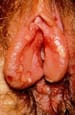
Media file 1:  Characteristic cluster of vesicles on an erythematous base. Photo courtesy of Dr. John Reeves.
Click to see larger pictureClick to see detailView Full Size Image
Media type:  Photo


  • Auslander BA, Biro FM, Rosenthal SL. Genital herpes in adolescents. Semin Pediatr Infect Dis. Jan 2005;16(1):24-30. [Medline].
  • Balfour HH Jr. Antiviral drugs. N Engl J Med. Apr 22 1999;340(16):1255-68. [Medline].
  • Barton S, Celum C, Shacker TW. The role of anti-HSV therapeutics in the HIV-infected host and in controlling the HIV epidemic. Herpes. Jun 2005;12(1):15-22. [Medline].
  • Boivin G, Goyette N, Sergerie Y, Keays S, Booth T. Longitudinal evaluation of herpes simplex virus DNA load during episodes of herpes labialis. J Clin Virol. Dec 2006;37(4):248-51. [Medline].
  • Brown TJ, McCrary M, Tyring SK. Antiviral agents: Non-antiretroviral [correction of Nonantiviral] drugs. J Am Acad Dermatol. Oct 2002;47(4):581-99. [Medline].
  • Foti C, Filotico R, Calvario A, Conserva A, Antelmi A, Angelini G. Relapsing herpes simplex-2 folliculitis in the beard area. Eur J Dermatol. Nov-Dec 2004;14(6):421-3. [Medline].
  • Gupta R, Wald A, Krantz E, Selke S, Warren T, Vargas-Cortes M, et al. Valacyclovir and acyclovir for suppression of shedding of herpes simplex virus in the genital tract. J Infect Dis. Oct 15 2004;190(8):1374-81Epub 2004 Sep 20. [Medline].
  • Hellenbrand W, Thierfelder W, Müller-Pebody B, Hamouda O, Breuer T. Seroprevalence of herpes simplex virus type 1 (HSV-1) and type 2 (HSV-2) in former East and West Germany, 1997-1998. Eur J Clin Microbiol Infect Dis. Feb 2005;24(2):131-5. [Medline].
  • Hosken NA. Development of a therapeutic vaccine for HSV-2. Vaccine. Mar 18 2005;23(17-18):2395-8. [Medline].
  • Kaufman HE, Azcuy AM, Varnell ED, Sloop GD, Thompson HW, Hill JM. HSV-1 DNA in tears and saliva of normal adults. Invest Ophthalmol Vis Sci. Jan 2005;46(1):241-7. [Medline].
  • Krusinski PA, Flowers FP. Common viral infections of the skin. Current Practice of Medicine. 1999;2:317-325.
  • Lafferty WE, Coombs RW, Benedetti J, Critchlow C, Corey L. Recurrences after oral and genital herpes simplex virus infection. Influence of site of infection and viral type. N Engl J Med. Jun 4 1987;316(23):1444-9. [Medline].
  • Langenberg AG, Corey L, Ashley RL, Leong WP, Straus SE. A prospective study of new infections with herpes simplex virus type 1 and type 2. Chiron HSV Vaccine Study Group. N Engl J Med. Nov 4 1999;341(19):1432-8. [Medline].
  • Levett PN. Seroprevalence of HSV-1 and HSV-2 in Barbados. Med Microbiol Immunol. Jan 2005;194(1-2):105-7. [Medline].
  • Margolis TP, Imai Y, Yang L, Vallas V, Krause PR. Herpes simplex virus type 2 (HSV-2) establishes latent infection in a different population of ganglionic neurons than HSV-1: role of latency-associated transcripts. J Virol. Feb 2007;81(4):1872-8. [Medline].
  • Ouedraogo A, Nagot N, Vergne L, Konate I, Weiss HA, Defer MC, et al. Impact of suppressive herpes therapy on genital HIV-1 RNA among women taking antiretroviral therapy: a randomized controlled trial. AIDS. Nov 28 2006;20(18):2305-13. [Medline].
  • Paz-Bailey G, Ramaswamy M, Hawkes SJ. Herpes simplex virus type 2: epidemiology and management options in developing countries. Sex Transm Infect. Feb 2007;83(1):16-22. [Medline].
  • Rana RK, Pimenta JM, Rosenberg DM, Tyring SK, Paavonen J, Cook SF, et al. Demographic, behavioral, and knowledge factors associated with herpes simplex virus type 2 infection among men whose current female partner has genital herpes. Sex Transm Dis. May 2005;32(5):308-13. [Medline].
  • Sacks SL. Improving the management of genital herpes. Hosp Pract (Minneap). Feb 15 1999;34(2):41-9; quiz 139. [Medline].
  • Sacks SL, Griffiths PD, Corey L, Cohen C, Cunningham A, Dusheiko GM, et al. HSV-2 transmission. Antiviral Res. Aug 2004;63 Suppl 1:S27-35. [Medline].
  • Schacker T, Ryncarz AJ, Goddard J, Diem K, Shaughnessy M, Corey L. Frequent recovery of HIV-1 from genital herpes simplex virus lesions in HIV-1-infected men. JAMA. Jul 1 1998;280(1):61-6. [Medline].
  • Scott LL, Hollier LM, McIntire D, Sanchez PJ, Jackson GL, Wendel GD. Acyclovir suppression to prevent clinical recurrences at delivery after first episode genital herpes in pregnancy: an open-label trial. Infect Dis Obstet Gynecol. 2001;9(2):75-80. [Medline].
  • Severson JL, Tyring SK. Relation between herpes simplex viruses and human immunodeficiency virus infections. Arch Dermatol. Nov 1999;135(11):1393-7. [Medline].
  • Singh AE, Romanowski B, Wong T, Gourishankar S, Myziuk L, Fenton J, et al. Herpes simplex virus seroprevalence and risk factors in 2 Canadian sexually transmitted disease clinics. Sex Transm Dis. Feb 2005;32(2):95-100. [Medline].
  • Spruance SL, Tyring SK, Smith MH, Meng TC. Application of a topical immune response modifier, resiquimod gel, to modify the recurrence rate of recurrent genital herpes: a pilot study. J Infect Dis. Jul 15 2001;184(2):196-200. [Medline].
  • Stanberry LR, Spruance SL, Cunningham AL, Bernstein DI, Mindel A, Sacks S, et al. Glycoprotein-D-adjuvant vaccine to prevent genital herpes. N Engl J Med. Nov 21 2002;347(21):1652-61. [Medline].
  • Tyring SK, ed. Herpes simplex virus infections. Mucocutaneous Manifestations of Viral Diseases. New York, NY: Marcel Dekker Inc; 2002:69-144.
  • Weinberg JM, Mysliwiec A, Turiansky GW, Redfield R, James WD. Viral folliculitis. Atypical presentations of herpes simplex, herpes zoster, and molluscum contagiosum. Arch Dermatol. Aug 1997;133(8):983-6. [Medline].
  • Whitley RJ, Kimberlin DW, Roizman B. Herpes simplex viruses. Clin Infect Dis. Mar 1998;26(3):541-53; quiz 554-5. [Medline].
  • Workowski KA, Levine WC. Sexually transmitted diseases treatment guidelines 2002. Centers for Disease Control and Prevention. MMWR Recomm Rep. May 10 2002;51(RR-6):1-78. [Medline].
  • Xu F, Markowitz LE, Gottlieb SL, Berman SM. Seroprevalence of herpes simplex virus types 1 and 2 in pregnant women in the United States. Am J Obstet Gynecol. Jan 2007;196(1):43.e1-6. [Medline].

Herpes Simplex excerpt

Article Last Updated: Jun 27, 2007