Continually Updated Clinical Reference
 
 
  All Sources     eMedicine     Medscape     Drug Reference     MEDLINE
 
eMedicine - Pemphigus Foliaceus : Article by

Quick Find
Authors & Editors
Introduction
Clinical
Differentials
Workup
Treatment
Medication
Follow-up
Miscellaneous
Multimedia
References

Related Articles
Contact Dermatitis, Allergic

Contact Dermatitis, Irritant

Drug-Induced Bullous Disorders

Drug-Induced Photosensitivity

Epidermolysis Bullosa

Epidermolysis Bullosa Acquisita

Erysipelas

Erythema Multiforme

Erythroderma (Generalized Exfoliative Dermatitis)

Fogo Selvagem

Glucagonoma Syndrome

Herpes Simplex

Impetigo

Insect Bites

Linear IgA Dermatosis

Lupus Erythematosus, Bullous

Lupus Erythematosus, Drug-Induced

Lupus Erythematosus, Subacute Cutaneous

Papular Urticaria

Pemphigus Erythematosus

Pemphigus Herpetiformis

Pemphigus Vulgaris

Pemphigus, Drug-Induced

Pemphigus, IgA

Pemphigus, Paraneoplastic

Pseudoporphyria

Subcorneal Pustular Dermatosis


Patient Education
Click here for patient education.


Author: Robert A Schwartz, MD, MPH, Professor and Head of Dermatology, Professor of Medicine, Professor of Pediatrics, Professor of Pathology, Professor of Preventive Medicine and Community Health, UMDNJ-New Jersey Medical School

Robert A Schwartz is a member of the following medical societies: Alpha Omega Alpha, American Academy of Dermatology, American College of Physicians, and Sigma Xi

Coauthor(s): Slawomir Majewski, MD, Professor and Director, Department of Dermatology and Venereology, Warsaw School of Medicine, Poland; Sebastian S Majewski, MD, Consulting Staff, Department of Dermatology, Military Institute of Health Services, Warsaw, Poland

Editors: Robin Travers, MD, Professor, Department of Dermatology, Boston University School of Medicine; Michael J Wells, MD, Associate Professor, Department of Dermatology, Texas Tech University Health Sciences Center; Julia R Nunley, MD, Professor, Program Director, Dermatology Residency, Department of Dermatology, Virginia Commonwealth University Medical Center; Catherine Quirk, MD, Clinical Assistant Professor, Department of Dermatology, Brown University; Dirk M Elston, MD, Director, Department of Dermatology, Geisinger Medical Center

Author and Editor Disclosure

Synonyms and related keywords: superficial pemphigus, fogo selvagem, PF, pemphigus erythematosus, PE, pemphigus herpetiformis, PH, endemic PF, endemic pemphigus foliaceus, immunoglobulin A PF, IgA PF, IgA pemphigus foliaceus, immunoglobulin A pemphigus foliaceus, drug-induced PF, drug-induced pemphigus foliaceus

Background

Pemphigus foliaceus (PF) is generally a benign variety of pemphigus. It is an autoimmune skin disorder characterized by the loss of intercellular adhesion of keratinocytes in the upper parts of the epidermis (acantholysis), resulting in the formation of superficial blisters. It is typified by clinical involvement of healthy-appearing skin that blisters when rubbed (the Nikolsky sign; commonly but incorrectly spelled Nicholsky), a finding named after Dr Piotr Nikolsky, who first described this sign in 1896.1 PF is characterized by a chronic course, with little or no involvement of the mucous membranes.

Pierre Louis Alphee Cazenave, founder of the first journal dedicated entirely to dermatology, documented the first description of PF in 1844 in this journal. The description was of a 47-year-old woman who consulted him at l'Hopital Saint Louis in Paris for a generalized eruption of several years' duration. Nikolsky described lateral extension of the preexisting erosion due to lifting up the collarette (and when applying a lateral pressure to the clinically intact skin), whereas Asboe-Hansen described extension of the intact blister due to pressure that is applied to its roof.

PF has the following 6 subtypes: pemphigus erythematosus (PE), pemphigus herpetiformis (PH), endemic PF, endemic PF with antigenic reactivity characteristic of paraneoplastic pemphigus (but with no neoplasm), immunoglobulin A (IgA) PF, and drug-induced PF. See Pemphigus Erythematosus, Pemphigus Herpetiformis, Pemphigus, Paraneoplastic, and Pemphigus, IgA for more information.

Senear and Usher originally described PE in 1926 as an unusual type of pemphigus with features of lupus erythematosus. PE (also known as Senear-Usher syndrome) is best viewed as a localized form of PF. Chorzelski et al2 determined its immunopathology in 1968.

Another PF variant with pruritic, flaccid vesicles in an annular pattern has been characterized as IgA PF, with antibodies of IgA class providing the basis for diagnosis.

Jablonska and associates3 coined the term pemphigus herpetiformis for the PF variant that often begins as small clusters of pruritic papules and vesicles mimicking dermatitis herpetiformis.

Endemic PF, or fogo selvagem (formerly known as Brazilian PF because it is evident mainly in the river valleys of rural Brazil), has also been described in Columbia, El Salvador, Paraguay, Peru, and recently in Tunisia. Fogo selvagem (Portuguese for wild fire) displays immunopathologic findings of pemphigus and a distinctive epidemiology suggestive of a disorder triggered by an infectious insect-borne agent (see Fogo Selvagem). A focus of endemic PF also exists in El Bagre, Columbia and shares features with Senear-Usher syndrome but occurs in an endemic fashion.4, 5 Heterogeneous antigenic reactivity was observed as in paraneoplastic pemphigus but with no evidence of association with neoplasia. This endemic pemphigus disease in El Bagre had immunologic features similar to PF or erythematosus.

Chorzelski et al in 19996 described paraneoplastic pemphigus with cutaneous and serologic features of PF in a patient with an underlying lymphoma. The authors are not aware of any similar patients with these highly unusual findings.

Drug-induced PF is mostly associated with penicillamine, nifedipine, or captopril, medications with a cysteinelike chemical structure.

A transition from pemphigus vulgaris (PV) to PF, or vice versa, is not likely. However, in the experience at the Medical University of Warsaw, PV in the remission period may resemble PF. About 7% of patients with PF may have the initial features of PH. This figure was 35% in patients with endemic PF in Tunisia (see Pemphigus Vulgaris).

Pathophysiology

Superficial blisters in PF are induced by immunoglobulin G (IgG) (mainly IgG4 subclass) autoantibodies directed against a cell adhesion molecule, desmoglein 1 (160 kd), expressed mainly in the granular layer of the epidermis. Desmoglein 1 is also a major autoantigen in cases of PH, suggesting that most cases of both PE and PH are clinical variants of PF. The mechanism of acantholysis induction by specific autoantibodies may involve phosphorylation of intracellular proteins associated with desmosomes. Complement activation does not play a pathogenic role in PF. Antibodies against desmoglein 3 are also present in patients with paraneoplastic pemphigus (PNP), a severe condition associated with various antibodies against different components of the cell adhesion complex. Other target antigens, including the acetylcholine receptor, have also been postulated to be relevant in the pathogenesis of PF.

Cholinergic control of epidermal cohesion may be important.7 The regulation of keratinocyte cell-to-cell and cell-matrix adhesion is an important biological function of cutaneous acetylcholine. Recent progress in therapy of pemphigus using cholinergic drugs supports this concept.

Precipitating factors include medications and ultraviolet light radiation. It was recently suggested that both enhanced autoantibody epidermal binding and preferential neutrophil adhesion to UV-irradiated epidermis contribute to acantholysis development in photo-induced PF.

Endemic PF seems to have an environmental cause. The prevalence of antibodies against desmoglein 1 is high in people residing in endemic areas of Brazil, with disease onset preceded by a sustained antibody response due to an as yet unknown environmental factor.

The role of genetic factors is evident in fogo selvagem in which a strong association exists with some human leukocyte antigen DRB1 (HLA-DRB1) haplotypes, including DRB1*0404, 1402, 1406, and 1401. In France, persons with DRB1*0102 and 0404 are at an increased risk of PF.

Pemphigus trigger factors have been meticulously analyzed by Ruocco and Ruocco8, who have delineated an exhaustive list and stressed the need to detect environmental provoking or precipitating factors. As a superb memory device to facilitate thorough patient evaluation, Ruocco9 has cleverly observed that PEMPHIGUS should encourage the physician to consider pesticides (PE), malignancy (M), pharmaceuticals (P), hormones (H), infectious agents (I), gastronomy (G), ultraviolet light (U), and stress (S).

Rarely, a change in pemphigus subtype may occur, accompanied by qualitative and quantitative changes in the anti-Dsg autoantibody profile as detected using antigen-specific enzyme-linked immunosorbent assays (ELISAs). Thus, the antibody profile defines the clinical phenotypes of pemphigus, and that intermolecular "epitope spreading" may be the immunological mechanism underlying a shift between PF and PV.10

Frequency

International

The incidence of PF varies depending on the population studied. PF is rare and sporadic worldwide. In contrast to PV, no predominance of PF is found in Jews and in people of Mediterranean descent. An increased incidence of PF was noted in Tunisian women (6.6 cases per million per year), whereas, in Western Europe, the incidence of PF is about 0.5-1 case per million per year.

Endemic PF, or fogo selvagem, occurs with a high frequency in central and southwestern Brazil and in Colombia. The Terena reservation in Brazil, a recently identified focus, has a prevalence of 3.4% of the population. In endemic regions of Brazil, as many as 50 cases per million per year are seen. Other foci may be present in the Maghreb; one was described in Morocco.

Mortality/Morbidity

PF tends to persist for months to years. PE may coexist with thymoma, myasthenia gravis, lupus erythematosus, and other autoimmune bullous diseases.

Race

PF has been described in all races.

Sex

In general, the prevalence of PF in men and women is about equal; however, in the Sousse region of Tunisia, an overwhelming predominance of women are affected. The peak incidence of endemic PF in women aged 25-34 years in the Sousse region of Tunisia is 15.5 cases per million per year. In El Salvador, a similar female and age predisposition may also be evident.

Age

  • The mean patient age at onset of PF is about 50-60 years; however, it may occur at any age, from infancy onward.
  • Fogo selvagem often occurs in children, young adults, and genetically related family members. The mean patient age at onset is about 20-30 years. The peak incidence of endemic PF occurs in women aged 25-34 years in the Sousse region of Tunisia.
  • An increased incidence in genetically related family members does not appear to exist.


History

  • The bullae usually start on the trunk. The course of the disease is long-term, with the patient's general health being satisfactory.
  • Spontaneous remission sometimes occurs, but the lesions can persist for several years.
  • A unique clinical pattern may occur in children, with individual lesions appearing as arcuate, circinate, or polycyclic.11
  • Eyelid skin involvement without conjunctival changes occurs occasionally in patients with PF.12

Physical

  • The primary lesions are small, superficial blisters; however, these flaccid bullae are difficult to find because they are transient and transform into erosions.
    • Typical PF has scaly, crusted erosions on an erythematosus base confined mainly to so-called seborrhoic areas (eg, face, scalp, upper part of the trunk).
    • The Nikolsky sign is the finding that physical trauma can shear the pathologic epidermis of the skin of patients with PF, resulting in clinical lesions. The Nikolsky sign should probably be regarded as a moderately sensitive but highly specific tool for the diagnosis of pemphigus.13
    • The erosions can become numerous, showing a tendency to generalize.
    • Occasionally, erythrodermia develops.
    • Atrophic changes of the nails and the hair are sometimes evident.
    • The erosions may be accompanied by a burning sensation and local pain.
    • In contrast to PV, in PF, little or no involvement of the mucous membranes occurs.
  • IgA PF begins as pruritic, flaccid vesicles in an annular pattern.
  • PH commences as intensely pruritic, grouped papules and vesicles suggestive of dermatitis herpetiformis. Erythematous patches with peripheral vesicles may be present. Sometimes, oral erosions are seen.
  • PE starts as erythematous patches with border vesiculation, often in a butterfly distribution on the cheeks and the forehead, with similar patches on the sternal and interscapular skin. Crusted plaques may appear in the healing phase.
  • PNP is a subset of pemphigus combining the clinical features of PV variably associated with those of erythema multiforme, bullous pemphigoid, and lichen planus. Chorzelski and associates6 in 1999 described a most unusual case of PNP with the immunopathologic findings of PF. The clinical pattern appears to be correlated with that of the antibody profile; therefore, patients with antibodies directed against desmoglein 1 tend to have the clinical features of PF.

Causes

  • Endemic PF, or fogo selvagem, seems to be induced by a viral infection transmitted by insects.
  • In some patients, PF may be precipitated by extensive UV exposure or burns and by various drugs (eg, penicillamine,14, 15 inhibitors of angiotensin convertase, nonsteroid anti-inflammatory agents). PF induced by bucillamine was recently described.16


Contact Dermatitis, Allergic
Contact Dermatitis, Irritant
Drug-Induced Bullous Disorders
Drug-Induced Photosensitivity
Epidermolysis Bullosa
Epidermolysis Bullosa Acquisita
Erysipelas
Erythema Multiforme
Erythroderma (Generalized Exfoliative Dermatitis)
Fogo Selvagem
Glucagonoma Syndrome
Herpes Simplex
Impetigo
Insect Bites
Linear IgA Dermatosis
Lupus Erythematosus, Bullous
Lupus Erythematosus, Drug-Induced
Lupus Erythematosus, Subacute Cutaneous
Papular Urticaria
Pemphigus Erythematosus
Pemphigus Herpetiformis
Pemphigus Vulgaris
Pemphigus, Drug-Induced
Pemphigus, IgA
Pemphigus, Paraneoplastic
Pseudoporphyria
Subcorneal Pustular Dermatosis

Other Problems to Be Considered

A mixed immunoblistering disorder exhibiting features of bullous pemphigoid and PF, associated with the food supplement Spirulina, was described in an 82-year-old woman.17


Lab Studies

  • Immunofluorescence using both direct techniques and indirect techniques is the most reliable method to diagnosis pemphigus.18 Because of the rare occurrence of pemphiguslike antibodies, pemphigus cannot be diagnosed by indirect immunofluorescence (IIF) alone and must be confirmed by direct immunofluorescence (DIF). With the use of 2 appropriate substrates (ie, monkey esophagus [or human skin] and guinea pig esophagus and standardized conjugates), in IIF, PV and PF patterns are different; PV stains throughout the epidermis, and PF stains only in the upper epidermis, whereas, with DIF, the patterns are similar. With a DIF study, cell surface immune deposits are often present throughout the entire epidermis in both PF and PV.
    • Immunologic examination with DIF testing shows IgG in the intercellular space, mainly in the upper parts of the epidermis; an IIF study documents the presence of circulating pemphigus antibodies, especially with a guinea pig esophagus used as a substrate. One IIF study suggested that using both a monkey esophagus and the human skin increases the sensitivity and aids in distinguishing PV from PF.
    • In PH, IgG deposits are evident in the upper epidermis, with circulating IgG to the epidermal cell surface. The subcorneal pustular dermatosis type of IgA PF has IgA deposition on the upper epidermal cell surfaces and circulating IgA antibodies to the epidermal cell surfaces.
    • Desmogleins 1 and 3 are the major cell surface target molecules in patients with PH.
    • In the unusual instance when PV becomes PF, or vice versa, the clinical alteration is associated with a shift in the antidesmoglein autoantibody profile.
  • Other methods, such as ELISA19 and immunoblot assays,20 can be used, but they require highly purified antigens to give similar results. The sensitivity for PV and PF antibodies is more than 98% in at least the renowned laboratory of Jarzabek-Chorzelska and associates18, with their many decades of experience. Histologic examination is useful, but it is not the preferred method for diagnosing PF because it cannot replace a highly reliable DIF method.
  • Another less experienced laboratory found ELISA to be superior to an IIF study for serodiagnosis of PF at various stages of disease activity.21
  • PF arising during the administration of D-penicillamine was described in an elderly patient in whom withdrawal of D-penicillamine resulted in improvement of the skin lesions and ELISA scores for anti–desmoglein 1 antibodies revealed a rapid decline.22

Histologic Findings

PF begins as acantholysis of the upper epidermis, often resulting in a subcorneal cleft. It usually enlarges and detaches without bullae formation, though a bulla may form showing acantholysis at both the roof and the floor. More established lesions may have acanthosis and mild-to-moderate papillomatosis. Hyperkeratosis and parakeratosis may also be evident, with dyskeratotic cells within the granular layer. These features may be particularly pronounced in long-standing PE. A mild dermal lymphocytic infiltrate occurs, often with the presence of eosinophils. Eosinophilic spongiosis may also be noted, especially in PH.


Medical Care

Therapy for PF is usually less aggressive than that of PV because of lower morbidity and mortality rates.23 First results indicate that nonsteroidal treatment of pemphigus is possible. Mestinon may be used to slow down progression of the disease and to treat mild cases with chronic lesions on limited areas. Antimalarial therapy may be effective monotherapy in some patients. However, a major obstacle in comparing therapeutic outcomes is the lack of generally accepted definitions and measurements for the clinical evaluation of patients with pemphigus.24 Common terms and endpoints of pemphigus are needed to accurately measure and assess disease extent, activity, severity, and therapeutic response.

  • Topical glucocorticosteroids may be sufficient in cases of limited involvement.25
  • In more extensive cases (similar to PV), adjuvant immunosuppressants, including systemic corticosteroids, azathioprine, mycophenolate mofetil, cyclophosphamide, and cyclosporin A, may be necessary.
  • In some cases, such as PE, combined therapy is beneficial with the use of corticosteroids and sulfones or antimalarial agents.
  • Topical treatment with antibiotics and corticosteroids, such as topical clobetasol cream or ointment 0.05% twice a day, is helpful. Other vehicles that may be useful are creams, foams, liquids (for scalp lesions), and aerosols. Antibiotics, such as minocycline 50 mg daily, may be effective. Nicotinamide 1.5 g/d and tetracycline 2 g/d have also been reported to be beneficial in a small number of patients. Antibiotics and nicotinamide are purported to have anti-inflammatory effects.26
  • Photoprotection is appropriate for some patients because UV-B may trigger acantholysis and cause a flare-up of the disease.
  • Successful anti-CD20 antibody treatment of PF after unrelated cord blood transplantation has recently been described.27
  • Plasmapheresis is another therapeutic option in patients with recalcitrant disease. It may decrease autoantibody titers in some patients and favorably influence the clinical outcome, especially in patients with otherwise therapy-resistant PF. It is often used in conjunction with cytostatic agents, such as cyclophosphamide or azathioprine, to reduce a predictable rebound increase in autoantibody synthesis. Potential complications, including the need for maintaining venous access, a bleeding tendency, electrolyte shifts, pulmonary edema, fever, chills, hypotension, and septicemia, should be considered.


A number of medications are used to treat patients with PF. They are often used in combination. Refractory PF as been treated with the anti-CD20 monoclonal antibody rituximab.28

Drug Category: Corticosteroid agents

These agents have anti-inflammatory properties and cause profound and varied metabolic effects. Corticosteroids modify the body's immune response to diverse stimuli.

Drug NamePrednisone (Deltasone, Orasone)
DescriptionSynthetic adrenocortical steroid with predominantly glucocorticoid properties. Immunosuppressant for the treatment of autoimmune disorders; may decrease inflammation by reversing increased capillary permeability and suppressing PMN activity. Stabilizes lysosomal membranes and suppresses lymphocyte and antibody production.
Adult Dose60-100 mg PO every morning or more often as required to abort acantholysis; alternatively, 0.5-2 mg/kg/d PO; taper as condition improves; single morning dose is safer for long-term use, but divided doses have more anti-inflammatory effect
Pediatric Dose0.14-2 mg/kg/d PO divided tid/qid (4-60 mg/m2/d)
ContraindicationsDocumented hypersensitivity; viral, fungal, tubercular skin, or connective tissue infections; peptic ulcer disease; hepatic dysfunction; GI disease
InteractionsCoadministration with estrogens may decrease clearance; when used with digoxin, digitalis toxicity secondary to hypokalemia may increase; phenobarbital, phenytoin, and rifampin may increase the metabolism of glucocorticoids (consider increasing maintenance dose); monitor for hypokalemia with coadministration of diuretics; coadministration with ritonavir may significantly increase serum concentrations of prednisone; concomitant therapy with montelukast may result in severe peripheral edema; clarithromycin may increase risk of psychotic symptoms
PregnancyB - Fetal risk not confirmed in studies in humans but has been shown in some studies in animals
PrecautionsMay unmask hypertension or diabetes or exacerbate peptic ulcer disease and tuberculosis; long-term sequelae associated with long-term steroid use include osteoporosis, cataracts, and pituitary-hypothalamic axis suppression; with high doses, patients may develop a steroid psychosis and are at increased risk of infections, particularly when oral steroids are used in conjunction with other immunosuppressants; frequently monitor patient's blood glucose level, blood pressure, and weight; monitor for Cushing syndrome

Drug Category: Antibiotic agents

Empiric antimicrobial therapy must be comprehensive and should cover all likely pathogens in the context of the clinical setting.

Drug NameMinocycline (Dynacin, Minocin)
DescriptionSemisynthetic derivative of tetracycline. Treats infections caused by susceptible gram-negative and gram-positive organisms, in addition to infections caused by susceptible Chlamydia, Rickettsia, and Mycoplasma species. Was found to be effective in some nontuberculotic mycobacterial infections.
Adult Dose50-100 mg PO bid
Pediatric Dose<8 years: Not recommended
>8 years: 4 mg/kg PO initially, followed by 2 mg/kg q12h
ContraindicationsDocumented hypersensitivity; severe hepatic dysfunction
InteractionsBioavailability decreases with antacids containing aluminum, calcium, magnesium, iron, or bismuth subsalicylate; can decrease effects of PO contraceptives, causing breakthrough bleeding and increased risk of pregnancy; tetracyclines can increase hypoprothrombinemic effects of anticoagulants; concomitant use of vitamin A supplementation or oral retinoids (eg, isotretinoin) not recommended; additive risk of pseudotumor cerebri; simultaneous administration of cinnamon and tetracycline may slow tetracycline absorption; bacteriostatic drugs (eg, tetracyclines) may interfere with bactericidal effect of penicillin
PregnancyD - Fetal risk shown in humans; use only if benefits outweigh risk to fetus
PrecautionsPhotosensitivity may occur with prolonged exposure to sunlight or tanning equipment; reduce dose in renal impairment; consider drug serum level determinations in prolonged therapy; tetracycline use during tooth development (last half of pregnancy through age 8 y) can cause permanent discoloration of teeth; Fanconilike syndrome may occur with outdated tetracyclines; hepatitis or lupuslike syndromes may occur; autoimmune syndromes; drug-induced lupus–like syndrome, hepatitis, and vasculitis reported with long-term use; caution in preexisting renal impairment; risk of azotemia, hyperphosphatemia, and acidosis due to drug accumulation; minocycline use may result in false elevations of urinary catecholamine levels due to interference with the fluorescence test

Drug NameDapsone (Avlosulfon)
DescriptionBactericidal and bacteriostatic against mycobacteria; mechanism of action is similar to that of sulfonamides where competitive antagonists of PABA prevent formation of folic acid, inhibiting bacterial growth. Used to control the dermatologic symptoms of dermatitis herpetiformis. Can be used for patients with pemphigus and may be DOC for PH and IgA PF. May be provided as monotherapy or in combination with systemic steroids and immunosuppressants.
Adult Dose50-200 mg PO qd
Pediatric DoseNot established
ContraindicationsDocumented hypersensitivity; known G-6-PD deficiency (assay for G-6-PD activity prior to initiation of therapy)
InteractionsMay inhibit anti-inflammatory effects of clofazimine; hematologic reactions may increase with folic acid antagonists, eg, pyrimethamine (monitor for agranulocytosis during second and third months of therapy); probenecid increases toxicity; trimethoprim with dapsone may increase toxicity of both drugs; because of increased renal clearance, levels may significantly decrease when administered concurrently with rifampin
PregnancyC - Fetal risk revealed in studies in animals but not established or not studied in humans; may use if benefits outweigh risk to fetus
PrecautionsAssociated with a variety of systemic toxicities, including agranulocytosis, anemia, methemoglobinemia, hepatitis, and neuropathy; patients may experience headache and/or GI distress on initiation of therapy; perform weekly blood counts (first mo), then monthly WBC counts (6 mo), then semiannual WBC counts; discontinue if a significant reduction in platelets, leukocytes, or hematopoiesis occurs; caution in methemoglobin reductase deficiency, G-6-PD deficiency, or hemoglobin M because of high risk for hemolysis and Heinz body formation; caution in patients exposed to other agents or conditions (eg, infection, diabetic ketosis) capable of producing hemolysis; peripheral neuropathy can occur (rare); phototoxicity may occur when exposed to UV light; pancreatitis may occur; various forms of renal complications including acute renal failure, acute tubular necrosis, and oliguria have occurred with dapsone use

Drug Category: Antimalarial agents

Hydroxychloroquine has immunosuppressive effects.

Drug NameHydroxychloroquine (Plaquenil)
Description4-Aminoquinoline derivative active against a variety of autoimmune disorders. Inhibits chemotaxis of eosinophils, locomotion of neutrophils, and impairs complement-dependent antigen-antibody reactions. Hydroxychloroquine sulfate 200 mg is equivalent to 155 mg hydroxychloroquine base and 250 mg chloroquine phosphate.
Adult Dose400 mg PO qd or divided bid (mg/kg same as pediatric dosing)
Pediatric DoseNot to exceed 6.5 mg/kg/d PO
ContraindicationsDocumented hypersensitivity; psoriasis; retinal and visual field changes attributable to 4-aminoquinolones
InteractionsMay increase penicillamine levels; serum levels of hydroxychloroquine may increase with cimetidine; magnesium trisilicate may decrease absorption; concurrent use of aurothioglucose and antimalarial agents may induce blood dyscrasias and may also result in additive risk of this effect; concurrent digoxin may result in increased serum digoxin concentrations
PregnancyC - Fetal risk revealed in studies in animals but not established or not studied in humans; may use if benefits outweigh risk to fetus
PrecautionsCrosses placenta and may cause ocular, CNS, or ototoxicity in fetus; do not use in breastfeeding; limit pediatric use to established safe doses to avoid potential fatality; perform regular ophthalmologic examinations (including visual acuity, slit lamp, funduscopic, and visual-field tests); caution in patients with G-6-PD deficiency; check blood cell counts periodically (perhaps biannually)
Hemolysis, aplastic anemia, agranulocytosis, and leukopenia can occur; not recommended for long-term use in children; perform periodic (6 mo) ophthalmologic examinations; test periodically for muscle weakness

Drug Category: Immunomodulatory agents

These agents have antiproliferative and immunosuppressive effects.

Drug NameAzathioprine (Imuran)
DescriptionMay be used alone or as steroid-sparing agent. Antagonizes purine metabolism and inhibits synthesis of DNA, RNA, and proteins. May decrease proliferation of immune cells, which results in lower autoimmune activity.
Adult Dose100-200 mg PO qd in combination with prednisone; alternatively, 1 mg/kg/d PO for 6-8 wk; increase by 0.5 mg/kg q4wk until response or dose reaches 2.5 mg/kg/d
Pediatric DoseNot established
ContraindicationsDocumented hypersensitivity; deficiency of thiopurine methyltransferase (can result in severe myelosuppression and leukopenia); history of treatment with alkylating agents
InteractionsToxicity increases with allopurinol; concurrent use with ACE inhibitors may induce severe leukopenia; may increase levels of methotrexate metabolites and decrease effects of anticoagulants, neuromuscular blockers, and cyclosporine; coadministration with mycophenolate may increase toxicity; alfalfa, black Cohosh, and echinacea may reduce immunosuppressive drug effectiveness
PregnancyD - Fetal risk shown in humans; use only if benefits outweigh risk to fetus
PrecautionsAdverse effects include teratogenicity, hepatitis, bone marrow suppression, and increased risk of cancer; before initiating therapy and regularly thereafter, perform urine analysis, complete blood cell count, renal and liver function tests, and serum electrolyte levels; increases risk of neoplasia; caution with liver disease and renal impairment; hematologic toxicities may occur

Drug NameCyclophosphamide (Cytoxan, Neosar)
DescriptionMay be used as monotherapy or as a steroid-sparing agent. Chemically related to nitrogen mustards. As an alkylating agent, the mechanism of action of the active metabolites may involve cross-linking of DNA, which may interfere with growth of normal and neoplastic cells.
Adult Dose50-100 mg IV qd in combination with prednisone; 2.5-3 mg/kg/d PO divided qid
Pediatric DoseNot established
ContraindicationsDocumented hypersensitivity; severely depressed bone marrow function
InteractionsAllopurinol may increase risk of bleeding or infection and enhance myelosuppressive effects; may potentiate doxorubicin-induced cardiotoxicity; may reduce digoxin serum levels and antimicrobial effects of quinolones; chloramphenicol may increase half-life while decreasing metabolite concentrations; may increase effect of anticoagulants; coadministration with high doses of phenobarbital may increase rate of metabolism and leukopenic activity; thiazide diuretics may prolong cyclophosphamide-induced leukopenia and neuromuscular blockade by inhibiting cholinesterase activity; concurrent use of NSAIDs has resulted in increases in cyclosporine levels, nephrotoxicity, and increased plasma creatinine concentrations; concomitant use of ACE inhibitors may decrease renal function; coadministration with nevirapine and St. John's wort may reduce immunosuppressive drug effectiveness
Increased risk of infection by live vaccine; coadministration with trastuzumab may increase cardiac toxicity; coadministration with tamoxifen may increase risk of thromboembolism
PregnancyD - Fetal risk shown in humans; use only if benefits outweigh risk to fetus
PrecautionsRegularly examine hematologic profile (particularly neutrophils and platelets) to monitor for hematopoietic suppression; regularly examine urine for RBCs, which may precede hemorrhagic cystitis; adverse effects include oligospermia or azoospermia, cardiomyopathy, infectious disease, interstitial pneumonia, increase risk of malignancy, possibility of increased toxicity in adrenalectomized patients


Complications

  • Monitor for other autoimmune disorders in these patients, particularly thymoma and myasthenia gravis.


Medical/Legal Pitfalls

  • Because PE may coexist with thymoma, myasthenia gravis, lupus erythematosus, and other autoimmune bullous diseases, failure to diagnose this disease or its associations can be problematic. Likewise, for paraneoplastic pemphigus, a diagnosis must be established and the underlying malignancy must be located.


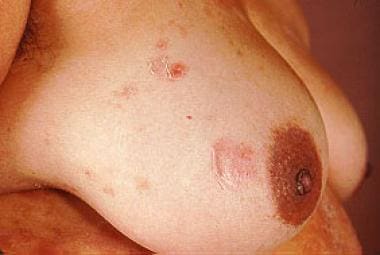
Media file 1:  Middle-aged American woman of Mexican lineage with superficial bullae characteristic of pemphigus foliaceus.
Click to see larger pictureClick to see detailView Full Size Image
Media type:  Photo

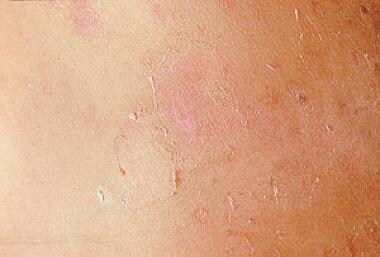
Media file 2:  Pemphigus foliaceus. Middle-aged American woman of Mexican lineage with superficial bullae formation.
Click to see larger pictureClick to see detailView Full Size Image
Media type:  Photo

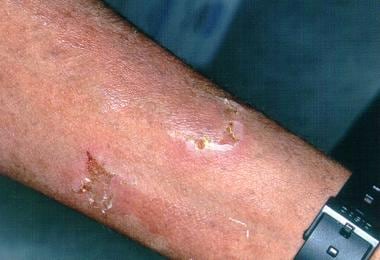
Media file 3:  A 41-year-old woman of Puerto Rican origin with a 9-year history of pemphigus foliaceus, often with erythroderma flares.
Click to see larger pictureClick to see detailView Full Size Image
Media type:  Photo

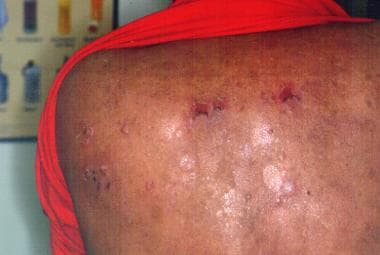
Media file 4:  A 41-year-old woman of Puerto Rican origin with a 9-year history of pemphigus foliaceus, often with erythroderma flares.
Click to see larger pictureClick to see detailView Full Size Image
Media type:  Photo

Media file 5:  Histologic view shows the typical pattern of a detached stratum corneum without bullae formation (same patient as in Media File 4). Pigmentary incontinence is prominent in the dermis, reflecting the patient's 9-year history of recurrent superficial bullae.

Click to see larger pictureClick to see detailView Full Size Image
Media type:  Photo


  1. Nikolski PV. Materiali K.uchenigu o pemphigus foliaceus [doctoral thesis]. Kiev. 1896.
  2. Chorzelski T, Jablonska S, Blaszczyk M. Immunopathological investigations in the Senear-Usher syndrome (coexistence of pemphigus and lupus erythematosus). Br J Dermatol. Apr 1968;80(4):211-7. [Medline].
  3. Jablonska S, Chorzelski TP, Beutner EH, Chorzelska J. Herpetiform pemphigus, a variable pattern of pemphigus. Int J Dermatol. Jun 1975;14(5):353-9. [Medline].
  4. Abreu-Velez AM, Hashimoto T, Bollag WB, Tobon Arroyave S, Abreu-Velez CE, Londono ML, et al. A unique form of endemic pemphigus in northern Colombia. J Am Acad Dermatol. Oct 2003;49(4):599-608. [Medline].
  5. Abreu-Velez AM, Beutner EH, Montoya F, Bollag WB, Hashimoto T. Analyses of autoantigens in a new form of endemic pemphigus foliaceus in Colombia. J Am Acad Dermatol. Oct 2003;49(4):609-14. [Medline].
  6. Chorzelski TP, Hashimoto T, Amagai M, Sysa-Jedrzejowska A, Choczaj A, Nousari HC, et al. Paraneoplastic pemphigus with cutaneous and serological features of pemphigus foliaceus. Br J Dermatol. Aug 1999;141(2):357-9. [Medline].
  7. Grando SA. Cholinergic control of epidermal cohesion. Exp Dermatol. Apr 2006;15(4):265-82. [Medline].
  8. Ruocco V, Ruocco E. Pemphigus and environmental factors. Giornale Dermatol Venereol. 2003;138:299-309.
  9. Ruocco V. Attualita' sul pemfigo indotto. Capri, Italy: 2003. 41st Italian National Dermatology Congress.
  10. Pigozzi B, Peserico A, Schiesari L, Alaibac M. Pemphigus foliaceus evolving into pemphigus vulgaris: a probable example of 'intermolecular epitope spreading' confirmed by enzyme-linked immunosorbent assay study. J Eur Acad Dermatol Venereol. Feb 2008;22(2):242-4. [Medline].
  11. Metry DW, Hebert AA, Jordon RE. Nonendemic pemphigus foliaceus in children. J Am Acad Dermatol. Mar 2002;46(3):419-22. [Medline].
  12. Daoud YJ, Foster CS, Ahmed R. Eyelid skin involvement in pemphigus foliaceus. Ocul Immunol Inflamm. Sep-Oct 2005;13(5):389-94. [Medline].
  13. Uzun S, Durdu M. The specificity and sensitivity of Nikolskiy sign in the diagnosis of pemphigus. J Am Acad Dermatol. Mar 2006;54(3):411-5. [Medline].
  14. Brenner S, Ruocco V. D-penicillamine-induced pemphigus foliaceus with autoantibodies to desmoglein-1. J Am Acad Dermatol. Jul 1998;39(1):137-8. [Medline].
  15. Olszewska M, Misiewiz J, Kolakowska-Starzyk H. Penicillamine-induced pemphigus herpetiformis (foliaceus). Dermatol Klin (Wroclaw). 2001;3 (Suppl 1):101.
  16. Fujita H, Iguchi M, Watanabe R, Asahina A. Pemphigus foliaceus induced by bucillamine. Eur J Dermatol. Jan-Feb 2007;17(1):98-9. [Medline].
  17. Kraigher O, Wohl Y, Gat A, Brenner S. A mixed immunoblistering disorder exhibiting features of bullous pemphigoid and pemphigus foliaceus associated with Spirulina algae intake. Int J Dermatol. Jan 2008;47(1):61-3. [Medline].
  18. Jarzabek-Chorzelska M, Jablonska S, Kolacinska-Strasz Z, Sulej I. Immunopathological diagnosis of pemphigus foliaceus. Dermatology. 2002;205(4):413-5; author reply 415-6; discussion 416. [Medline].
  19. Harman KE, Gratian MJ, Seed PT, Bhogal BS, Challacombe SJ, Black MM. Diagnosis of pemphigus by ELISA: a critical evaluation of two ELISAs for the detection of antibodies to the major pemphigus antigens, desmoglein 1 and 3. Clin Exp Dermatol. May 2000;25(3):236-40. [Medline].
  20. Martel P, Gilbert D, Labeille B, Kanitakis J, Joly P. A case of paraneoplastic pemphigus with antidesmoglein 1 antibodies as determined by immunoblotting. Br J Dermatol. Apr 2000;142(4):812-3. [Medline].
  21. Narbutt J, Sysa-Jedrzejowska A, Torzecka JD. The usefulness of enzyme-linked immunosorbent assay for serodiagnosis of pemphigus vulgaris and pemphigus foliaceus at various stages of diseaseactivity. Przegl Dermatol. 2002;89:447-452.
  22. Nagao K, Tanikawa A, Yamamoto N, Amagai M. Decline of anti-desmoglein 1 IgG ELISA scores by withdrawal of D-penicillamine in drug-induced pemphigus foliaceus. Clin Exp Dermatol. Jan 2005;30(1):43-5. [Medline].
  23. Grando SA. New approaches to the treatment of pemphigus. J Investig Dermatol Symp Proc. Jan 2004;9(1):84-91. [Medline].
  24. Murrell DF, Dick S, Ahmed AR, Amagai M, Barnadas MA, Borradori L, et al. Consensus statement on definitions of disease, end points, and therapeutic response for pemphigus. J Am Acad Dermatol. Mar 11 2008;[Medline].
  25. Dumas V, Roujeau JC, Wolkenstein P, Revuz J, Cosnes A. The treatment of mild pemphigus vulgaris and pemphigus foliaceus with a topical corticosteroid. Br J Dermatol. Jun 1999;140(6):1127-9. [Medline].
  26. Chaffins ML, Collison D, Fivenson DP. Treatment of pemphigus and linear IgA dermatosis with nicotinamide and tetracycline: a review of 13 cases. J Am Acad Dermatol. Jun 1993;28(6):998-1000. [Medline].
  27. Herr AL, Hatami A, Kokta V, Dalle JH, Champagne MA, Duval M. Successful anti-CD20 antibody treatment of pemphigus foliaceus after unrelated cord blood transplantation. Bone Marrow Transplant. Feb 2005;35(4):427-8. [Medline].
  28. Marzano AV, Fanoni D, Venegoni L, Berti E, Caputo R. Treatment of refractory pemphigus with the anti-CD20 monoclonal antibody (rituximab). Dermatology. 2007;214(4):310-8. [Medline].
  29. Amagai M, Hashimoto T, Green KJ, Shimizu N, Nishikawa T. Antigen-specific immunoadsorption of pathogenic autoantibodies in pemphigus foliaceus. J Invest Dermatol. Jun 1995;104(6):895-901. [Medline].
  30. Baroni A, Perfetto B, Ruocco E, Greco R, Criscuolo D, Ruocco V. Cytokine pattern in blister fluid and sera of patients with pemphigus. Dermatology. 2002;205(2):116-21. [Medline].
  31. Bastuji-Garin S, Souissi R, Blum L, Turki H, Nouira R, Jomaa B, et al. Comparative epidemiology of pemphigus in Tunisia and France: unusual incidence of pemphigus foliaceus in young Tunisian women. J Invest Dermatol. Feb 1995;104(2):302-5. [Medline].
  32. Beutner EH, Jordon RE, Chorzelski TP. The immunopathology of pemphigus and bullous pemphigoid. J Invest Dermatol. Aug 1968;51(2):63-80. [Medline].
  33. Brenner S, Bialy-Golan A, Anhalt GJ. Recognition of pemphigus antigens in drug-induced pemphigus vulgaris and pemphigus foliaceus. J Am Acad Dermatol. Jun 1997;36(6 Pt 1):919-23. [Medline].
  34. Bystryn JC, Steinman NM. The adjuvant therapy of pemphigus. An update. Arch Dermatol. Feb 1996;132(2):203-12. [Medline].
  35. Chernyavsky AI, Arredondo J, Piser T, Karlsson E, Grando SA. Differential coupling of M1 muscarinic and alpha7 nicotinic receptors to inhibition of pemphigus acantholysis. J Biol Chem. Feb 8 2008;283(6):3401-8. [Medline].
  36. Chorzelski TP, Von Weiss JF, Lever WF. Clinical significance of autoantibodies in pemphigus. Arch Dermatol. May 1966;93(5):570-6. [Medline].
  37. Dmochowski M. Are antibodies to desmosomal cadherins in pemphigus pathogenic?. Postepy Dermatol (Poznan). 1995;12:153-163.
  38. Dmochowski M, Nie Z, Kiyokawa C, Hashimoto T. Human desmocollin 1a transiently expressed in COS-7 cells and NIH 3T3-3 cells is reacted by IgG4 antibodies in a pemphigus foliaceus serum. J Dermatol Sci. Sep 1999;21(1):42-8. [Medline].
  39. Fonzari M. Ensaios terapeuticos no penfigo foliaceo. Arquivos Dermatologia Sifiligrafia Sao Paulo. 1952;14:10-34.
  40. Gomi H, Kawada A, Amagai M, Matsuo I. Pemphigus erythematosus: detection of anti-desmoglein-1 antibodies by ELISA. Dermatology. 1999;199(2):188-9. [Medline].
  41. Grando SA. Autoimmunity to keratinocyte acetylcholine receptors in pemphigus. Dermatology. 2000;201(4):290-5. [Medline].
  42. Grando SA. Biological functions of keratinocyte cholinergic receptors. J Investig Dermatol Symp Proc. Aug 1997;2(1):41-8. [Medline].
  43. Grando SA, Dahl MV. Nicotine and pemphigus. Arch Dermatol. Oct 2000;136(10):1269. [Medline].
  44. Grando SA, Grando AA, Glukhenky BT, Doguzov V, Nguyen VT, Holubar K. History and clinical significance of mechanical symptoms in blistering dermatoses: a reappraisal. J Am Acad Dermatol. Jan 2003;48(1):86-92. [Medline].
  45. Grando SA, Pittelkow MR, Shultz LD, Dmochowski M, Nguyen VT. Pemphigus: an unfolding story. J Invest Dermatol. Oct 2001;117(4):990-5. [Medline].
  46. Gupta R. Prolonged remission of pemphigus induced by dexamethasone-cyclophosphamide pulse therapy. Indian J Dermatol Venereol Leprol. Mar-Apr 2007;73(2):121-2. [Medline].
  47. Hameed A, Khan AA. Microscopic Nikolsky's sign. Clin Exp Dermatol. Jul 1999;24(4):312-4. [Medline].
  48. Harman KE, Gratian MJ, Bhogal BS, Challacombe SJ, Black MM. The use of two substrates to improve the sensitivity of indirect immunofluorescence in the diagnosis of pemphigus. Br J Dermatol. Jun 2000;142(6):1135-9. [Medline].
  49. Hernandez C, Amagai M, Chan LS. Pemphigus foliaceus: preferential binding of IgG1 and C3 at the upper epidermis. Br J Dermatol. Feb 1997;136(2):249-52. [Medline].
  50. Hernandez-Perez E. Pemphigus in El Salvador. An eight-year study (1970-1977). Int J Dermatol. Oct 1979;18(8):645-8. [Medline].
  51. Ishii K, Amagai M, Komai A, Ebihara T, Chorzelski TP, Jablonska S, et al. Desmoglein 1 and desmoglein 3 are the target autoantigens in herpetiform pemphigus. Arch Dermatol. Aug 1999;135(8):943-7. [Medline].
  52. Ishii K, Amagai M, Ohata Y, Shimizu H, Hashimoto T, Ohya K, et al. Development of pemphigus vulgaris in a patient with pemphigus foliaceus: antidesmoglein antibody profile shift confirmed by enzyme-linked immunosorbent assay. J Am Acad Dermatol. May 2000;42(5 Pt 2):859-61. [Medline].
  53. Jakubowicz K, Sulej J, Chorzelski T. [Pemphigus herpetiformis: a new variant of pemphigus]. Przegl Dermatol. Sep-Dec 1981;68(5-6):583-7. [Medline].
  54. Joly P, Mokhtar I, Gilbert D, Thomine E, Fazza B, Bardi R, et al. Immunoblot and immunoelectronmicroscopic analysis of endemic Tunisian pemphigus. Br J Dermatol. Jan 1999;140(1):44-9. [Medline].
  55. Kano Y, Shimosegawa M, Mizukawa Y, Shiohara T. Pemphigus foliaceus induced by exposure to sunlight. Report of a case and analysis of photochallenge-induced lesions. Dermatology. 2000;201(2):132-8. [Medline].
  56. Katz KH, Marks JG Jr, Helm KF. Pemphigus foliaceus successfully treated with mycophenolate mofetil as a steroid-sparing agent. J Am Acad Dermatol. Mar 2000;42(3):514-5. [Medline].
  57. Kawana S, Hashimoto T, Nishikawa T, Nishiyama S. Changes in clinical features, histologic findings, and antigen profiles with development of pemphigus foliaceus from pemphigus vulgaris. Arch Dermatol. Dec 1994;130(12):1534-8. [Medline].
  58. Kozlowska A, Hashimoto T, Jarzabek-Chorzelska M, Amagai A, Nagata Y, Strasz Z, et al. Pemphigus herpetiformis with IgA and IgG antibodies to desmoglein 1 and IgG antibodies to desmocollin 3. J Am Acad Dermatol. Jan 2003;48(1):117-22. [Medline].
  59. Kubo A, Amagai M, Hashimoto T, Doi T, Higashiyama M, Hashimoto K, et al. Herpetiform pemphigus showing reactivity with pemphigus vulgaris antigen (desmoglein 3). Br J Dermatol. Jul 1997;137(1):109-13. [Medline].
  60. Lin R, Ladd DJ Jr, Powell DJ, Way BV. Localized pemphigus foliaceus induced by topical imiquimod treatment. Arch Dermatol. Jul 2004;140(7):889-90. [Medline].
  61. Loiseau P, Lecleach L, Prost C, Lepage V, Busson M, Bastuji-Garin S, et al. HLA class II polymorphism contributes to specify desmoglein derived peptides in pemphigus vulgaris and pemphigus foliaceus. J Autoimmun. Aug 2000;15(1):67-73. [Medline].
  62. Lombardi ML, Mercuro O, Ruocco V, Lo Schiavo A, Lombari V, Guerrera V, et al. Common human leukocyte antigen alleles in pemphigus vulgaris and pemphigus foliaceus Italian patients. J Invest Dermatol. Jul 1999;113(1):107-10. [Medline].
  63. Maciejowska E, Jablonska S, Chorzelski T. Is pemphigus herpetiformis an entity?. Int J Dermatol. Nov 1987;26(9):571-7. [Medline].
  64. Malik M, El Tal AE, Ahmed AR. Anal involvement in pemphigus vulgaris. Dis Colon Rectum. Apr 2006;49(4):500-6. [Medline].
  65. Masmoudi A, Baricault S, Chikrouhou H, Zahaf A, Turki H, Abida O, et al. [Tunisian pemphigus foliaceus with antidesmoglein 3 antibody]. Ann Dermatol Venereol. Jan 2008;135(1):69-70. [Medline].
  66. Morini JP, Jomaa B, Gorgi Y, Saguem MH, Nouira R, Roujeau JC, et al. Pemphigus foliaceus in young women. An endemic focus in the Sousse area of Tunisia. Arch Dermatol. Jan 1993;129(1):69-73. [Medline].
  67. Musialowicz D, Hashimoto T, Jarzabek-Chorzelska M. Paraneoplastic pemphigus associated with spindle cell sarcoma. Coexistence of autoantibodies against plakins and desmogleins. Przegl Dermatol. 2000;87:139-146.
  68. Nguyen VT, Ndoye A, Bassler KD, Shultz LD, Shields MC, Ruben BS, et al. Classification, clinical manifestations, and immunopathological mechanisms of the epithelial variant of paraneoplastic autoimmune multiorgan syndrome: a reappraisal of paraneoplastic pemphigus. Arch Dermatol. Feb 2001;137(2):193-206. [Medline].
  69. Nguyen VT, Ndoye A, Shultz LD, Pittelkow MR, Grando SA. Antibodies against keratinocyte antigens other than desmogleins 1 and 3 can induce pemphigus vulgaris-like lesions. J Clin Invest. Dec 2000;106(12):1467-79. [Medline].
  70. Okusa Y, Tanaka M. Pemphigus foliaceus successfully treated with glycosporine. Acta Dermatol Kyoto. 1995;90:225-229.
  71. Ota M, Sato-Matsumura KC, Matsumura T, Tsuji Y, Ohkawara A. Pemphigus foliaceus and figurate erythema in a patient with prostate cancer. Br J Dermatol. Apr 2000;142(4):816-8. [Medline].
  72. Ozog DM, Gogstetter DS, Scott G, Gaspari AA. Minocycline-induced hyperpigmentation in patients with pemphigus and pemphigoid. Arch Dermatol. Sep 2000;136(9):1133-8. [Medline].
  73. Perry HO, Brunsting LA. Pemphigus foliaceus. Further observations. Arch Dermatol. Jan 1965;91:10-23. [Medline].
  74. Polifka M, Krusinski PA. The Nikolsky sign. Cutis. Nov 1980;26(5):521-5, 526. [Medline].
  75. Reis VM, Toledo RP, Lopez A, Diaz LA, Martins JE. UVB-induced acantholysis in endemic Pemphigus foliaceus (Fogo selvagem) and Pemphigus vulgaris. J Am Acad Dermatol. Apr 2000;42(4):571-6. [Medline].
  76. Robinson ND, Hashimoto T, Amagai M, Chan LS. The new pemphigus variants. J Am Acad Dermatol. May 1999;40(5 Pt 1):649-71; quiz 672-3. [Medline].
  77. Santi CG, Maruta CW, Aoki V, Sotto MN, Rivitti EA, Diaz LA. Pemphigus herpetiformis is a rare clinical expression of nonendemic pemphigus foliaceus, fogo selvagem, and pemphigus vulgaris. Cooperative Group on Fogo Selvagem Research. J Am Acad Dermatol. Jan 1996;34(1):40-6. [Medline].
  78. Seitz CS, Staegemeir E, Amagai M, Rose C, Brocker EB, Zillikens D. Pemphigus herpetiformis with an autoimmune response to recombinant desmoglein 1. Br J Dermatol. Aug 1999;141(2):354-5. [Medline].
  79. Shah N, Green AR, Elgart GW, Kerdel F. The use of chlorambucil with prednisone in the treatment of pemphigus. J Am Acad Dermatol. Jan 2000;42(1 Pt 1):85-8. [Medline].
  80. Tabolli S, Mozzetta A, Antinone V, Alfani S, Cianchini G, Abeni D. The health impact of pemphigus vulgaris and pemphigus foliaceus assessed using the Medical Outcomes Study 36-item short form health survey questionnaire. Br J Dermatol. Feb 22 2008;[Medline].
  81. Takashima H, Ohtsuyama M, Saito A. A case of pemphigus foliaceus with secondary erythroderma. Acta Dermatol Kyoto. 1996;91:363-367.
  82. Torrelo A, Hashimoto T, Mediero IG, Colmenero I, Zambrano A. Pemphigus foliaceous in a child. Clin Exp Dermatol. Mar 2006;31(2):288-9. [Medline].
  83. Torzecka JD, Sysa-Jedrzejowska A, Dziankowska-Bartkowiak B, Waszczykowska E. Pemphigus foliaceus: an unusual clinical feature and case reports. Cutis. Jan 1998;61(1):21-4. [Medline].
  84. Toth GG, Jonkman MF. Successful treatment of recalcitrant penicillamine-induced pemphigus foliaceus by low-dose intravenous immunoglobulins. Br J Dermatol. Sep 1999;141(3):583-5. [Medline].
  85. Vieira JP. Penfigo foliaceo e syndromo de Senear-Uscher. Empresa Grafica da. 1942;Sao Paolo, Brazil.
  86. Vu TN, Lee TX, Ndoye A, Shultz LD, Pittelkow MR, Dahl MV, et al. The pathophysiological significance of nondesmoglein targets of pemphigus autoimmunity. Development of antibodies against keratinocyte cholinergic receptors in patients with pemphigus vulgaris and pemphigus foliaceus. Arch Dermatol. Aug 1998;134(8):971-80. [Medline].
  87. Warren SJ, Arteaga LA, Rivitti EA, Aoki V, Hans-Filho G, Qaqish BF, et al. The role of subclass switching in the pathogenesis of endemic pemphigus foliaceus. J Invest Dermatol. Jan 2003;120(1):104-8. [Medline].
  88. Warren SJ, Lin MS, Giudice GJ, Hoffmann RG, Hans-Filho G, Aoki V, et al. The prevalence of antibodies against desmoglein 1 in endemic pemphigus foliaceus in Brazil. Cooperative Group on Fogo Selvagem Research. N Engl J Med. Jul 6 2000;343(1):23-30. [Medline].
  89. Wu H, Wang ZH, Yan A, Lyle S, Fakharzadeh S, Wahl JK, et al. Protection against pemphigus foliaceus by desmoglein 3 in neonates. N Engl J Med. Jul 6 2000;343(1):31-5. [Medline].
  90. Zilberberg B. Penfigo e dermatite de Duhring-Brocq. Contributicao papa o seu estudo cito-histologico. Arquivos Dermatologia Sifiligrafia Sao Paulo. 1954;16:43-89.

Pemphigus Foliaceus excerpt

Article Last Updated: May 12, 2008