
| Patient Education |
|
Click here for patient education.
|
|
You are in: eMedicine Specialties >
Dermatology > BENIGN NEOPLASMS
Epidermal Inclusion Cyst
Article Last Updated: May 10, 2006
AUTHOR AND EDITOR INFORMATION
Section 1 of 11
Author: Kenneth A Becker, MD, Consulting Staff, Department of Dermatology, Rhode Island Hospital, Memorial Hospital
Kenneth A Becker is a member of the following medical societies: Alpha Omega Alpha, American Academy of Dermatology, American Medical Association, and Sigma Xi
Coauthor(s):
Isabelle Thomas, MD, Associate Professor, Department of Dermatology, University of Medicine and Dentistry of New Jersey, New Jersey Medical School; Chief of Dermatology Service, Veterans Affairs Medical Center of East Orange
Editors: Julie C Harper, MD, Assistant Program Director, Assistant Professor, Department of Dermatology, University of Alabama at Birmingham; David F Butler, MD, Professor of Dermatology, Texas A&M University College of Medicine; Director, Division of Dermatology, Scott and White Clinic; Director Dermatology Residency Training Program, Scott and White Clinic; Christen M Mowad, MD, Assistant Professor, Department of Dermatology, Geisinger Medical Center; Catherine Quirk, MD, Clinical Assistant Professor, Department of Dermatology, Brown University; Dirk M Elston, MD, Director, Department of Dermatology, Geisinger Medical Center
Author and Editor Disclosure
Synonyms and related keywords:
epidermal cyst, epidermoid cyst, epithelial cyst, keratin cyst, sebaceous cyst, milia, basal cell carcinoma, Bowen disease, SCC, mycosis fungoides, Gardner syndrome, flesh-colored subcutaneous nodules, yellow subcutaneous nodules, white subcutaneous nodules, onycholysis, subungual hyperkeratosis, pincer nails, eccrine duct occlusion, HPV infection, comedonal plugging, hypercornification, molluscum contagiosum, seborrheic keratoses, nevi, subungual epidermoid cysts, terminal phalanx epidermoid cysts, female circumcision, rhinoplasty, reduction mammoplasty, dermal grafts, myocutaneous flaps, needle biopsy of the breast, plantar epidermoid cysts, acrosyringeal epithelium, basal cell nevus syndrome, pachyonychia congenita, idiopathic scrotal calcinosis, leukonychia totalis, renal calculi, multiple epidermoid cysts, scrotal epidermoid cysts
Background
Several different terms have been used to describe epidermal cysts. Epidermal inclusion cyst refers to those cysts that are the result of the implantation of epidermal elements in the dermis. However, many cysts originate from the infundibular portion of the hair follicle, and the more general term, epidermoid cyst, is favored. Milia merely represent miniature epidermoid cysts. The term wen should be reserved for trichilemmal or pilar cysts. Sebaceous cyst is a misnomer, and the term should not be used at all because these cysts are not of sebaceous origin.
Pathophysiology
Epidermoid cysts result from the proliferation of epidermal cells within a circumscribed space of the dermis. They have been shown to not be of sebaceous origin based on the analysis of their lipid pattern, which demonstrates similarities to the epidermis. In addition, epidermoid cysts express cytokeratins 1 and 10, which are constituents of the suprabasilar layers of the epidermis. The source of this epidermis is often the infundibulum of the hair follicle, as evidenced by the observation that the lining of the 2 structures is identical.
Inflammation is in part mediated by the horny material contained in epidermoid cysts. Extracts of this material have been shown to be chemotactic for polymorphonucleocytes.
The manner in which carcinomas may rarely arise within epidermoid cysts is unknown. In a series of epidermoid cysts with carcinoma, immunohistochemical results for human papillomavirus (HPV) were negative, leading the authors to conclude that HPV is not likely to be the cause of squamous cell carcinomas (SCCs) in these cysts. Some have proposed that repetitive trauma and inflammation may play a role.
Mortality/Morbidity
- Epidermoid cysts grow slowly and usually do not cause symptoms, but they may become inflamed or secondarily infected, resulting in pain and tenderness.
- Rarely, malignancies, including basal cell carcinoma, Bowen disease, SCC, and even mycosis fungoides, have developed in epidermoid cysts.
Sex
In one study, epidermoid cysts were approximately twice as common in men as in women.
Age
Epidermoid cysts may occur at any time in life, but they are most common in the third and fourth decades of life. Gardner syndrome is an exception; the average patient age at onset is 13 years.
History
- Discharge of a foul-smelling cheeselike material is a common complaint.
- Less frequently, the cysts can become inflamed or infected, resulting in pain and tenderness.
- In the uncommon event of malignancy, rapid growth, friability, and bleeding have been reported.
- When located orally, the cysts can cause difficulty in breathing, swallowing, or even speaking.
- Lesion of the genitals can be especially painful during intercourse and cause problems with walking or wearing underwear. They can also interfere with urination.
- Subungual lesions have also been associated with pain, as have plantar lesions, causing difficulty with walking or other activities.
Physical
Epidermoid cysts appear as firm, round, mobile, flesh-colored to yellow or white subcutaneous nodules of variable size. A central pore or punctum is an inconsistent finding that may tether the cyst to the overlying epidermis and from which a thick cheesy material can sometimes be expressed. In individuals with dark pigmentation, epidermoid cysts may also be pigmented. In a study of Indian patients with epidermoid cysts, 63% of the cysts contained melanin pigment.
- In one study, epidermoid cysts were most common (in descending order of frequency) on the face, the trunk, the neck, the extremities, and the scalp. While facial involvement is also frequent in Gardner syndrome, the extremities tend to be affected more than the trunk. The Ibos of Nigerian and other cultures who practice female circumcision represent special groups of patients in whom the vulva is the most common site.
- Epidermoid cysts of the genitals are also common in the general population and may appear as a mass in the breast, the vulva, the clitoris, the penis, the scrotum, or the perineum. For one woman, a clitoral cyst present from age 12 years resulted in ambiguous genitalia. The ocular and oral mucosae can also be affected, and cysts have been reported on the palpebral conjunctivae, on the lips, on the buccal mucosa, on and under the tongue, and even on the uvula.
- Epidermoid cysts manifest in various ways on the extremities. When the cysts occur subungually, they can cause changes in the nails, such as onycholysis and subungual hyperkeratosis, which may be mistaken for psoriasis or onychomycosis. Furthermore, epidermoid cysts on the distal portions of the digits may extend into the terminal phalanx. These cysts also produce changes in the nails, such as pincer nails, in addition to erythema, edema, tenderness, and pain. Sometimes, these findings can mimic arthritis. Palmoplantar lesions represent a unique subset of epidermoid cysts.
- The anterior fontanelle, umbilicus, and popliteal fossa are unusual locations where epidermoid cysts have been found.
Causes
Epidermoid cysts likely form by several mechanisms. They may result from the sequestration of epidermal rests during embryonic life, occlusion of the pilosebaceous unit, or traumatic or surgical implantation of epithelial elements. HPV infection and eccrine duct occlusion may be additional factors in the development of palmoplantar epidermoid cysts. HPV has also been identified in nonpalmoplantar epidermoid cysts.
- Congenital epidermoid cysts of the anterior fontanelle or those that are orogenital in location presumably result from sequestration or trapping of epidermal rests along embryonic fusion planes during development. Lip and lingual lesions may be related to aberrant fusion of the branchial arches, and genital lesions could result from improper closure of the genital folds.
- Any benign or malignant process affecting or growing near the pilosebaceous unit may lead to occlusion or impingement of the follicular ostia and subsequent formation of a cyst. Many cysts with an acneiform distribution are probably the result of follicular occlusion. In elderly persons, accumulated sun damage can injure the pilosebaceous unit, thus causing abnormalities, such as comedonal plugging and hypercornification, both of which can eventuate in cyst formation. Alternatively, cases of mycosis fungoides, Bowen disease, molluscum contagiosum, seborrheic keratoses, and nevi have all been reported in association with epidermoid cysts. In each case, the process was growing in and around the hair follicle.
- True epidermal inclusion cysts result from the implantation of epithelial elements in the dermis.
- Injuries, especially of the crushing type, such as the slamming of a car door on a finger, are frequently reported in association with subungual or terminal phalanx epidermoid cysts.
- As previously mentioned, female circumcision is associated with the formation of epidermoid cysts, perhaps from instruments that are not sharp or from imprecise cutting.
- Theoretically, any surgical procedure may result in epidermoid cysts, and it is surprising that they are not a more common occurrence. Unusual examples of this mechanism include the formation of multiple epidermoid cysts after rhinoplasty and reduction mammoplasty. The use of dermal grafts, presumably because of the inclusion of epithelial elements, has also resulted in the formation of epidermoid cysts. A similar situation has been observed with the use of myocutaneous flaps where the cutaneous portion is buried. Even seemingly minor procedures, such as needle biopsy of the breast, have reportedly induced epidermoid cysts.
- The origin of palmoplantar cysts is especially controversial, and their etiology may be unique. This idea is based on the discovery of HPV and eccrine structures within these cysts. In addition, the palms and the soles lack the pilosebaceous units present in other parts of the body. Some have also questioned the role of daily minor foot trauma, while others implicate all 3 factors.
- Numerous reports have documented HPV types 57 and 60 antigens, as well as histologic changes characteristic of wart infection, in epidermoid cysts. These findings have been found more consistently in plantar cysts than in palmar cysts, and HPV type 60 has been identified more frequently than type 57. Although most patients deny a history of trauma, many of these cysts are located over pressure points, and mechanical pressure or minor trauma may be a contributing factor. In one study of 25 plantar epidermoid cysts, all were located on weight-bearing areas. The theory is that trauma introduces wart virus into the epidermis and that mechanical pressure forces the wart and the epidermis to descend into the dermis. Subsequently, the wart induces epithelial proliferation that may result in the formation of cysts. On the other hand, the presence of HPV in epidermoid cysts may merely represent superinfection.
- Carcinoembryonic antigen–positive ductal structures in conjunction with HPV have been found in plantar epidermoid cysts. Some authors speculate that HPV may preferentially infect acrosyringeal epithelium and then invade dermal eccrine ducts, inducing the formation of cysts.
In fact, connections between the eccrine dermal duct and epidermoid cysts have been characterized with 3-dimensional reconstruction analysis. Others dispute the notion that epidermoid cysts (at least palmar ones) are of eccrine origin in light of a study in which palmar epidermoid cysts failed to react with antibodies specific to luminal and secretory cells of lesions in eccrine glands. Instead, immunoreactivity to differentiation-specific cytokeratins (1 and 10) identical to those of the suprabasal layers of the epidermis and follicular infundibulum occurred. The authors of this study concluded that palmar epidermal cysts with HPV infection are not of eccrine origin, but that they are the result of epidermal implantation or trauma. Another explanation that has been proposed, however, is that these findings reflect metaplasia of the eccrine duct epithelium.
- Certain hereditary syndromes have epidermoid cysts as part of their features. Examples include Gardner syndrome, basal cell nevus syndrome, and pachyonychia congenita. In addition, idiopathic scrotal calcinosis may actually represent an end stage of dystrophic calcification of epidermoid cysts in that area of the body.
- In a study of 39 patients with Gardner syndrome, 13 (33%) had at least 1 epidermoid cyst. The number of lesions varied from 1 to 20, and the average was 4. Of significance, in another study, epidermoid cysts occurred before polyps were detectable in 39 (53%) of 74 patients with Gardner syndrome. Pilomatrical differentiation may be present in portions of the cysts in these patients. A distinct syndrome with colonic polyps and epidermoid cysts has also been described, where patients had malignant brain tumors and lacked the soft-tissue abnormalities seen in Gardner syndrome.
- An epidermoid cyst may be a feature of pachyonychia congenita. In addition, a syndrome of leukonychia totalis, multiple epidermoid cysts, and renal calculi has been reported.
- As the name implies, the etiology of idiopathic scrotal calcification is unknown. However, some authors view this condition as an end stage of dystrophic calcification of scrotal epidermoid cysts. This hypothesis is based on the histologic observation of squamous linings surrounding calcified masses. The lining or wall is not always seen because biopsy specimens are often from older lesions where inflammation has destroyed it.
Branchial Cleft Cyst
Calcinosis Cutis
Dermoid Cyst
Gardner Syndrome
Lipomas
Milia
Nevoid Basal Cell Carcinoma Syndrome
Pachyonychia Congenita
Pilar Cyst
Steatocystoma Multiplex
Other Problems to be Considered
Nasal glioma
Rheumatoid nodule
Lab Studies
- The contents of epidermoid cysts suspected of being infected can be sent for bacterial culture.
Imaging Studies
- Features of epidermoid cysts have been well characterized on sonograms.
- Most cysts appear as spherical or ovoid hypoechoic masses containing variable echogenic foci and lacking color Doppler signals.
- Ruptured cysts may have more lobulated contours and show color Doppler signals.
- Calcified cysts appear as solid hypoechoic masses with multiple calcific foci associated with dense digital acoustic shadowing.
- Epidermoid cysts have also been characterized by MRI.
- Margins appear well circumscribed, without enhancement of the inside.
- Compared to muscle, iso- to slightly high-signal intensity is observed on T1-weighted images.
- T2-weighted images show high-signal intensity.
- Both T1- and T2-weighted images may also have irregular low-signal intensity areas.
- Radiographs of epidermoid cysts on the distal phalanges may show well-defined osteolytic lesions outlined by a fine rim of bone.
- Lesions with features suggestive of intracranial or intraosseous extension are best evaluated with computed tomography and plain radiography.
Other Tests
- Fine needle aspiration has been used to help diagnose epidermoid cysts. Smears of aspirated material can be stained with Wright-Giemsa, and they demonstrate nucleated squames and wavy keratin material.
Histologic Findings
The typical epidermoid cyst is lined with stratified squamous epithelium that contains a granular layer and is filled with keratinous material that is often in a laminated arrangement. Hybrid cysts can also occur where part of the lining has features of an apocrine hidrocystoma or trichilemmal cyst. Older cysts may exhibit calcification or a foreign body reaction to the contents of the cyst that has ruptured into the dermis.
An important finding is the occasional presence of malignancy in an epidermoid cyst. The most common malignancies are SCC and basal cell carcinoma, respectively, but Bowen disease, metastatic carcinoma, Merkel cell carcinoma, and mycosis fungoides have all been reported. In addition, benign processes, such as bowenoid papulosis, Darier disease, molluscum contagiosum, pilomatricomas, psoriasis, pyogenic granulomas, and seborrheic keratoses, can also grow in the wall of an epidermoid cyst.
Pigmented epidermoid cysts may demonstrate melanin pigment in the wall and a keratin mass. A surrounding infiltrate of melanocytes and melanophages may also be observed.
Palmoplantar epidermoid cysts that are infected with HPV show characteristic histologic changes. The findings include intracytoplasmic eosinophilic inclusion bodies in the cyst wall, vacuolated cells and cells with condensed keratohyalin granules in the granular layer, elongated rete ridges, and vacuolated structures and parakeratotic nuclei in the keratinous mass. Structures resembling eccrine ducts are also observed in some lesions.
Medical Care
Asymptomatic epidermoid cysts do not need to be treated.
- Uninfected, inflamed cysts may respond to an intralesional injection of triamcinolone.
- For cysts considered to be infected, incision and drainage followed by treatment with antistaphylococcal oral antibiotics is recommended.
Surgical Care
Various surgical techniques, including lasers, have been used in the treatment of epidermoid cysts. Popular approaches include incision and drainage, traditional or mini excision, and trephination.
- Incision and drainage is a fast and simple manner of dealing with epidermoid cysts. However, recurrences are frequent because the keratin producing lining of the cyst is not removed.
- Excision in toto represents a more definitive treatment and may by the surest way to prevent recurrence and avoid missing malignant changes. It is also preferable in the face of fibrosed cysts. If the punctum is visible, the excision should be designed around it. Wounds can be sutured immediately, or they can be allowed to drain prior to closure, especially if secondary infection is suspected. Some consider the Desmarres clamp to be a useful instrument in the removal of cysts on the earlobe. The main drawbacks of excising epidermoid cysts are the increased wound length and the risk of scarring.
- Combinations of the above procedures have been used to address their individual deficiencies.
- Mini-incisions or microincisions, which allow drainage of epidermoid cysts, are followed by removal of the lining through the opening. Sometimes, the application of a chemical, such as phenol or Solcoderm (a copper ion and acid solution), to dehydrate the wall can facilitate its removal. However, phenol has been noted to depigment skin around the incision in individuals with dark pigmentation.
- Trephination with punch biopsy essentially serves the same purpose as the microincision. The authors of one study reported a recurrence rate of 3.6-8.9% with this technique. Greater than half of these recurrences were within the first year, and they occurred most frequently on the back and ear.
- Alternatively, a diathermy needle can be inserted in the cyst to decompress it, after which the lining can be accessed if desired.
- Because of their small size, the wounds from mini-incisions or microincisions, trephination, or decompression with a diathermy needle are often allowed to heal secondarily.
- The treatment of epidermoid cysts on the terminal phalanx is more complicated and may consist of curettage or chemical cautery followed by packing with bone chips.
- A woman with multiple facial epidermoid cysts was successfully treated with a carbon dioxide laser.
Consultations
Signs or symptoms suggestive of intracranial or intraosseous extension, especially in children, warrant consultation with a neurosurgeon.
The goals of pharmacotherapy are to reduce morbidity and to prevent complications.
Drug Category: Corticosteroids
These agents have anti-inflammatory properties and cause profound and varied metabolic effects. Corticosteroids modify the body's immune response to diverse stimuli.
| Drug Name | Triamcinolone (Amcort, Aristocort) |
| Description | Decreases inflammation by suppressing migration of PMN leukocytes and reversing capillary permeability. Intralesional injections may be used for localized skin disorder. |
| Adult Dose | 3-10 mg/mL intralesional; may repeat in 4-6 wk |
| Pediatric Dose | <12 years: Not established >12 years: Administer as in adults |
| Contraindications | Documented hypersensitivity; fungal, viral, and bacterial skin infections |
| Interactions | Coadministration with barbiturates, phenytoin, and rifampin decreases effects |
| Pregnancy | C - Safety for use during pregnancy has not been established.
|
| Precautions | Multiple complications (eg, severe infections, hyperglycemia, edema, osteonecrosis, myopathy, peptic ulcer disease, hypokalemia, osteoporosis, euphoria, psychosis, myasthenia gravis, growth suppression) may occur; abrupt discontinuation of glucocorticoids may cause adrenal crisis |
| Drug Name | Prednisolone (Key-Pred-SP, Prednisol TBA injection) |
| Description | Immunosuppressant for treatment of autoimmune disorders; may decrease inflammation by reversing increased capillary permeability and suppressing PMN activity. Stabilizes lysosomal membranes and suppresses lymphocyte and antibody production. |
| Adult Dose | 4-40 mg/dose intralesional; may repeat in 4-6 wk |
| Pediatric Dose | Not established |
| Contraindications | Documented hypersensitivity; viral, fungal, connective tissue, or tubercular skin infections; peptic ulcer disease; hepatic dysfunction; GI bleeding or ulceration |
| Interactions | Coadministration with estrogens may decrease clearance; concurrent use with digoxin may cause digitalis toxicity secondary to hypokalemia; phenobarbital, phenytoin, and rifampin may increase metabolism of glucocorticoids (consider increasing maintenance dose); monitor for hypokalemia with coadministration of diuretics |
| Pregnancy | B - Usually safe but benefits must outweigh the risks.
|
| Precautions | Abrupt discontinuation of glucocorticoids may cause adrenal crisis; hyperglycemia, edema, osteonecrosis, myopathy, peptic ulcer disease, hypokalemia, osteoporosis, euphoria, psychosis, myasthenia gravis, growth suppression, and infections may occur with glucocorticoid use |
Deterrence/Prevention
- When the cutaneous portion of a myocutaneous flap is to be buried, a dermatome should be used to remove the epidermis.
Complications
- The role of bacteria in epidermoid cysts is controversial; many cysts considered to be infected are likely just inflamed. However, noninflammed cysts grow skin commensals, such as Staphylococcus epidermidis and Propionibacterium acnes. Presumably, these cysts are colonized because of the connection with the overlying skin either directly or via a hair follicle or an eccrine duct. Therefore, epidermoid cysts should be susceptible to infection with pathogenic bacteria, and this observation has been demonstrated in a study of cyst abscesses. Most bacteria observed were either aerobic or facultative. S epidermis was the most common organism recovered, followed by group A streptococci organisms and Escherichia coli. These cysts were more common in the perirectal, vulvovaginal, and cranial areas than in the extremities. A case of Staphylococcus septicemia infection after the removal of an epidermoid cyst suspected of being infected has been reported.
- As mentioned, malignancies have been identified in epidermoid cysts. In one study, 473 specimens submitted as benign cysts were examined, and malignant tumors were found in 19 (4%). In a similar study of 553 cysts, 5 (0.9%) cases of malignancy were identified. A more comprehensive study found the incidence of carcinomas arising in excised cysts to be only 0.011%. These cysts were located on the face, the neck, and the trunk of patients aged 21-80 years. After a mean follow-up of 2.6 years, no recurrences or metastases had occurred. Separate analyses of cases of SCC and BCC found that these cysts had been present anywhere from 45 days to 56 years, that they were predominantly located on the head, and that patients were aged 30-80 years.
- An unusual complication reported from an oral epidermoid cyst was sialadenitis due to pressure on the submandibular salivary duct.
Medical/Legal Pitfalls
- The major pitfall in managing epidermoid cysts is failure to diagnose an associated malignancy. Therefore, removal is recommended for any cyst behaving in an unusual way (eg, rapid growth). In turn, all excised cysts should be sent for pathologic analysis.
- Genital and umbilical lesions should be approached with caution because they sometimes extend into the pelvis or below the midline fascia.
- Patients with lesions that are suspected of having an intracranial or intraosseous connection should be referred for neurosurgical evaluation. Inappropriate management of these lesions may result in cerebrospinal fluid leakage and potentially introduce infection leading to fatal meningitis. Features suggestive of intracranial or intraosseous extension include the following:
- Presence since birth or appearance in early childhood (Some lesions, especially small ones, can occasionally remain unnoticed until adulthood.)
- Bruits, or pulsation or fluctuation in size with straining or crying
- Fixation to underlying tissue, fluid-filled consistency, or ability to transilluminate
- Location along the nasal, forehead, or scalp midline, or along cranial suture lines
- Dimple or unusual overlying hair growth pattern
- History of cranial trauma or surgery
- Family history of neural developmental anomalies
- Neurologic symptoms or history of meningitis
| Media file 1:
Unusually large epidermoid cyst with a prominent punctum on the back of a patient. (Ruler is in centimeters.) |
 | View Full Size Image | |
Media type: Photo
|
| Media file 2:
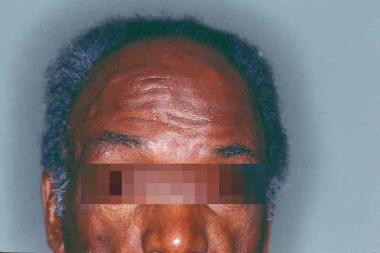
Multiple epidermoid cysts on the forehead of a patient with Gardner syndrome. |
 | View Full Size Image | |
Media type: Photo
|
| Media file 3:
Cyst containing keratinous material
(hematoxylin and eosin, original magnification X1.6). |
 | View Full Size Image | |
Media type: Photo
|
| Media file 4:
Higher-magnification view of the cyst wall of the cyst in Image 3 demonstrates a true epidermis with a granular layer and adjacent laminated keratinous material
(hematoxylin and eosin, original magnification X20). |
 | View Full Size Image | |
Media type: Photo
|
- Abe H, Ohnishi T, Watanabe S. Does plantar epidermoid cyst with human papillomavirus infection originate from the eccrine dermal duct?. Br J Dermatol. Jul 1999;141(1):161-2. [Medline].
- Akasaka T, Imamura Y, Kon S. Pigmented epidermal cyst. J Dermatol. Jul 1997;24(7):475-8. [Medline].
- Aloi F, Tomasini C, Pippione M. Mycosis fungoides and eruptive epidermoid cysts: a unique response of follicular and eccrine structures. Dermatology. 1993;187(4):273-7. [Medline].
- Aloi FG, Pippione M. Molluscum contagiosum occurring in an epidermoid cyst. J Cutan Pathol. Apr 1985;12(2):163-5. [Medline].
- Andersen WK, Rao BK, Bhawan J. The hybrid epidermoid and apocrine cyst. A combination of apocrine hidrocystoma and epidermal inclusion cyst. Am J Dermatopathol. Aug 1996;18(4):364-6. [Medline].
- Avakoff JC. Microincision for removing sebaceous cysts. Plast Reconstr Surg. Jul 1989;84(1):173-4. [Medline].
- Baldwin HE, Berck CM, Lynfield YL. Subcutaneous nodules of the scalp: preoperative management. J Am Acad Dermatol. Nov 1991;25(5 Pt 1):819-30. [Medline].
- Baran R, Broutart JC. Epidermoid cyst of the thumb presenting as pincer nail. J Am Acad Dermatol. Jul 1988;19(1 Pt 1):143-4. [Medline].
- Barr RJ, Headley JL, Jensen JL, Howell JB. Cutaneous keratocysts of nevoid basal cell carcinoma syndrome. J Am Acad Dermatol. Apr 1986;14(4):572-6. [Medline].
- Bauer B. Carcinoma arising in a sebaceous cyst. IMJ Ill Med J. Sep 1979;156(3):174-6. [Medline].
- Benharroch D, Sacks MI. Pilomatricoma associated with epidermoid cyst. J Cutan Pathol. Feb 1989;16(1):40-3. [Medline].
- Bennett RT, Palmer LS, Kreutzer ER. Massive scrotal epidermal inclusion cysts. Urology. Nov 1996;48(5):781-2. [Medline].
- Besser FS. Pachyonychia congenita with epidermal cysts and teeth at birth: 4th generation. Br J Dermatol. Jan 1971;84(1):95-6. [Medline].
- Bhagwandas K, Nicolaou N, Roberts DL. Intraosseous epidermoid cyst mimicking psoriasis. Br J Dermatol. Aug 2001;145(2):366-8. [Medline].
- Bhawan J, Bernhard JD, Malhotra R. Psoriasis in an epidermal cyst. An inside and outside Koebner phenomenon?. Am J Dermatopathol. Apr 1988;10(2):142-3. [Medline].
- Binder MK, Zablen MA, Fleischer DE, et al. Colon polyps, sebaceous cysts, gastric polyps, and malignant brain tumor in a family. Am J Dig Dis. May 1978;23(5):460-6. [Medline].
- Briggs RM, Miller FW. Pigmented nevi and epidermal cysts: cause and effect. Plast Reconstr Surg. May 1968;41(5):456-61. [Medline].
- Broekaert D, Goeman L, Ramaekers FC, et al. An investigation of cytokeratin expression in skin epithelial cysts and some uncommon types of cystic tumours using chain-specific antibodies. Arch Dermatol Res. 1990;282(6):383-91. [Medline].
- Brook I. Microbiology of infected epidermal cysts. Arch Dermatol. Dec 1989;125(12):1658-61. [Medline].
- Brown AP, Fogarty B, Brennen MD. A dermoid cyst presenting as an epidermoid cyst in the malar region. Br J Plast Surg. Mar 2001;54(2):180. [Medline].
- Brown EJ, Youngberg GA. Seborrheic inclusion cyst. J Tenn Med Assoc. Dec 1991;84(12):587-8. [Medline].
- Brownstein MH. Hybrid cyst: a combined epidermoid and trichilemmal cyst. J Am Acad Dermatol. Dec 1983;9(6):872-5. [Medline].
- Bushkell LL, Gorlin RJ. Leukonychia totalis, multiple sebaceous cysts, and renal calculi. A syndrome. Arch Dermatol. Jul 1975;111(7):899-901. [Medline].
- Calderon S, Kaplan I. Concomitant sublingual and submental epidermoid cysts: a case report. J Oral Maxillofac Surg. Jul 1993;51(7):790-2. [Medline].
- Cameron DS, Hilsinger RL. Squamous cell carcinoma in an epidermal inclusion cyst: case report. Otolaryngol Head Neck Surg. Jul 2003;129(1):141-3. [Medline].
- Chun SI, Im S. An epidermoid cyst with a seborrheic verruca-like cyst wall. J Dermatol. Apr 1990;17(4):260-3. [Medline].
- Correa MS, Fonoff Rde N, Ruschel HC, et al. Lingual epidermoid cyst: case report in an infant. Pediatr Dent. Nov-Dec 2003;25(6):591-3. [Medline].
- Davies JD, Nonni A, D''Costa HF. Mammary epidermoid inclusion cysts after wide-core needle biopsies. Histopathology. Dec 1997;31(6):549-51. [Medline].
- Davies MS, Nicholson AG, Southern S, Moss AH. Squamous cell carcinoma arising in a traumatically induced epidermal cyst. Injury. Mar 1994;25(2):116-7. [Medline].
- Davis WE, Templer JW, Renner GJ. Postauricular epidermoid cysts: treatment with electric current. Laryngoscope. Jan 1984;94(1):124. [Medline].
- De Ponte FS, Brunelli A, Marchetti E, Bottini DJ. Sublingual epidermoid cyst. J Craniofac Surg. Mar 2002;13(2):308-10. [Medline].
- Delacretaz J. Keratotic basal-cell carcinoma arising from an epidermoid cyst. J Dermatol Surg Oncol. May-Jun 1977;3(3):310-1. [Medline].
- Demir Y, Cenetoglu S, Akyurek N, Yavuzer R. Type I first branchial cleft anomaly resembling an epidermal cyst. Ann Plast Surg. Mar 2001;46(3):350-1. [Medline].
- Dini M, Innocenti A, Romano GF. Basal cell carcinoma arising from epidermoid cyst: a case report. Dermatol Surg. Jun 2001;27(6):585-6. [Medline].
- Dohvoma CN. Epidermoid cyst: an unusual cause of obstructive sialadenitis. Br J Oral Maxillofac Surg. Apr 1992;30(2):125-7. [Medline].
- Earley CM Jr, Martens AJ. Adenomatosis of the colon associated with sebaceous cysts, osteomas, and fibrous tumors. Dis Colon Rectum. Jan-Feb 1966;9(1):33-6. [Medline].
- Egawa K, Kitasato H, Ono T. A palmar epidermoid cyst, showing histological features suggestive of eccrine duct origin, developing after a bee-sting. Br J Dermatol. Aug 2000;143(2):469-70. [Medline].
- Egawa K, Kitasato H, Honda Y, et al. Human papillomavirus 57 identified in a plantar epidermoid cyst. Br J Dermatol. Mar 1998;138(3):510-4. [Medline].
- Egawa K, Honda Y, Inaba Y, et al. Detection of human papillomaviruses and eccrine ducts in palmoplantar epidermoid cysts. Br J Dermatol. Apr 1995;132(4):533-42. [Medline].
- Egawa K, Honda Y, Inaba Y, et al. Multiple plantar epidermoid cysts harboring carcinoembryonic antigen and human papillomavirus DNA sequences. J Am Acad Dermatol. Mar 1994;30(3):494-6. [Medline].
- Egawa K, Inaba Y, Ono T, Arao T. ''Cystic papilloma'' in humans? Demonstration of human papillomavirus in plantar epidermoid cysts. Arch Dermatol. Dec 1990;126(12):1599-603. [Medline].
- Egawa K, Egawa N, Honda Y. Human papillomavirus-associated plantar epidermoid cyst related to epidermoid metaplasia of the eccrine duct epithelium: a combined histological, immunohistochemical, DNA-DNA in situ hybridization and three-dimensional reconstruction analysis. Br J Dermatol. May 2005;152(5):961-7. [Medline].
- Eimani MT, Kumar PV. Epidermoid cyst of the terminal phalanx of the right thumb diagnosed by fine needle aspiration cytology. Acta Cytol. Mar-Apr 1999;43(2):326-8. [Medline].
- Fajardo LL, Bessen SC. Epidermal inclusion cyst after reduction mammoplasty. Radiology. Jan 1993;186(1):103-6. [Medline].
- Fanti PA, Tosti A. Subungual epidermoid inclusions: report of 8 cases. Dermatologica. 1989;178(4):209-12. [Medline].
- Farrer AK, Forman WM, Boike AM. Epidermal inclusion cysts following minimal incision surgery. J Am Podiatr Med Assoc. Oct 1992;82(10):537-41. [Medline].
- Fellner MJ, Osowsky MJ. Molluscum contagiosum in an epidermal inclusion cyst on the eyelid. Int J Dermatol. Mar 1979;18(2):160-1. [Medline].
- Gerlock AJ. Epidermal inclusion cyst of the breast associated with needle aspiration biopsy. Radiology. Jul 1974;112(1):69-70. [Medline].
- Grocutt M, Fatah MF. Recurrent multiple epidermoid inclusion cysts following rhinoplasty--an unusual complication. J Laryngol Otol. Dec 1989;103(12):1214-6. [Medline].
- Gupta S, Gupta S, Jain VK, Kumar B. A "stone" in the vulva. Sex Transm Infect. Aug 2000;76(4):319. [Medline].
- Handa U, Kumar S, Mohan H. Aspiration cytology of epidermoid cyst of terminal phalanx. Diagn Cytopathol. Apr 2002;26(4):266-7. [Medline].
- Hensley CD Jr. Epidermoid cyst of the distal phalanx occurring in an eight-year-old child. A case report. J Bone Joint Surg Am. Jul 1966;48(5):946-8. [Medline].
- Hinrichs RA. Epidermoid cyst of the terminal phalanx of the hand. Case report and brief review. JAMA. Dec 13 1965;194(11):1253-4. [Medline].
- Ho VCY. Benign epithelial tumors. In: Freedberg IM, Eisen AZ, Wolff K, et al, eds. Fitzpatrick's Dermatology in General Medicine. 5th ed. New York: McGraw-Hill;1999:884-5.
- Hughes GB, Sharpino G, Hunt W, Tucker HM. Management of the congenital midline nasal mass: a review. Head Neck Surg. Jan-Feb 1980;2(3):222-33. [Medline].
- Hunt SJ. Two pyogenic granulomas arising in an epidermoid cyst. Am J Dermatopathol. Aug 1989;11(4):360-3. [Medline].
- Ikeda I, Ono T. Basal cell carcinoma originating from an epidermoid cyst. J Dermatol. Oct 1990;17(10):643-6. [Medline].
- Itarut P, Looby WE, Sampath K. Staphylococcal septicemia following removal of sebaceous cysts. Rocky Mt Med J. Oct 1974;71(10):576. [Medline].
- Jeon J, Lee HS, Ahn HH, et al. Human papillomavirus 60-positive epidermal cyst and wart at a nonpalmoplantar location. Br J Dermatol. Jun 2005;152(6):1361-2. [Medline].
- Karaçal N, Topal U, Kutlu N. Popliteal epidermoid cyst: an unusual location. Plast Reconstr Surg. Sep 1 2004;114(3):830-1. [Medline].
- Kato N, Ueno H. Two cases of plantar epidermal cyst associated with human papillomavirus. Clin Exp Dermatol. Jul 1992;17(4):252-6. [Medline].
- Kawase M, Honda M, Niimura M. Detection of human papillomavirus type 60 in plantar cysts and verruca plantaris by the in situ hybridization method using digoxigenin labeled probes. J Dermatol. Oct 1994;21(10):709-15. [Medline].
- King LA, Barr RJ, Gottschalk HR. Mycosis fungoides with underlying epidermoid cysts. Arch Dermatol. May 1979;115(5):622. [Medline].
- Kitasato H, Egawa K, Honda Y, et al. A putative human papillomavirus type 57 new subtype isolated from plantar epidermoid cysts without intracytoplasmic inclusion bodies. J Gen Virol. Aug 1998;79 ( Pt 8):1977-81. [Medline].
- Kowand LM, Verhulst LA, Copeland CM, Bose B. Epidermal cyst of the breast. Can Med Assoc J. Aug 1 1984;131(3):217-9. [Medline].
- Kroll GL, Miller L. Vulvar epithelial inclusion cyst as a late complication of childhood female traditional genital surgery. Am J Obstet Gynecol. Aug 2000;183(2):509-10. [Medline].
- Kudejko J. Treatment of noninfectious sebaceous cysts by the pressing method. Arch Dermatol. Mar 1970;101(3):370-1. [Medline].
- Kuroyanagi K, Kawabata T, Tooi M. Epidermoid cyst of the upper lip: report of a case. Bull Tokyo Dent Coll. May 1973;14(2):95-8. [Medline].
- Kwittken J. Seborrheic keratosis with epidermal cyst. Mt Sinai J Med. May-Jun 1980;47(3):258-60. [Medline].
- Lee HS, Joo KB, Song HT, et al. Relationship between sonographic and pathologic findings in epidermal inclusion cysts. J Clin Ultrasound. Sep 2001;29(7):374-83. [Medline].
- Lee S, Lee W, Chung S. Detection of human papillomavirus 60 in epidermal cysts of nonpalmoplantar location. Am J Dermatopathol. Jun 2003;25(3):243-7. [Medline].
- Leppard B, Bussey HJ. Epidermoid cysts, polyposis coli and Gardner''s syndrome. Br J Surg. May 1975;62(5):387-93. [Medline].
- Leppard BJ. Skin cysts in the basal cell naevus syndrome. Clin Exp Dermatol. Nov 1983;8(6):603-12. [Medline].
- Leppard BJ, Thomson JP, Noble WC. The bacteriology of skin cysts. Br J Dermatol. May 1977;96(5):511-4. [Medline].
- Levine DJ, Robertson DB, Varma VA. Familial subconjunctival epithelial cysts associated with the nevoid basal cell carcinoma syndrome. Arch Dermatol. Jan 1987;123(1):23-4. [Medline].
- Lieblich LM, Geronemus RG, Gibbs RC. Use of a biopsy punch for removal of epithelial cysts. J Dermatol Surg Oncol. Dec 1982;8(12):1059-62. [Medline].
- Linck D, Hayes MF. Clitoral cyst as a cause of ambiguous genitalia. Obstet Gynecol. May 2002;99(5 Pt 2):963-6. [Medline].
- Lopez-Rios F, Rodriguez-Peralto JL, Castano E, Benito A. Squamous cell carcinoma arising in a cutaneous epidermal cyst: case report and literature review. Am J Dermatopathol. Apr 1999;21(2):174-7. [Medline].
- Malone JC, Sonnier GB, Hughes AP, Hood AF. Poorly differentiated squamous cell carcinoma arising within an epidermoid cyst. Int J Dermatol. Jul 1999;38(7):556-8. [Medline].
- Martinez-Lage JF, Quinonez MA, Poza M, et al. Congenital epidermoid cysts over the anterior fontanelle. Childs Nerv Syst. 1985;1(6):319-23. [Medline].
- Masessa JM, Schwartz RA, Lambert WC. Bowenoid papulosis in a penile epidermal inclusion cyst. Br J Dermatol. Feb 1987;116(2):237-9. [Medline].
- McClenathan JH. Umbilical epidermoid cyst: an unusual cause of umbilical symptoms. Can J Surg. Aug 2002;45(4):303-4. [Medline].
- McCullagh P, Theaker JM. An audit of the clinical diagnosis of sebaceous cyst. Br J Dermatol. May 1993;128(5):587-8. [Medline].
- McGavran MH, Binnington B. Keratinous cysts of the skin. Identification and differentiation of pilar cysts from epidermal cysts. Arch Dermatol. Oct 1966;94(4):499-508. [Medline].
- Mehrabi D, Leonhardt JM, Brodell RT. Removal of keratinous and pilar cysts with the punch incision technique: analysis of surgical outcomes. Dermatol Surg. Aug 2002;28(8):673-7. [Medline].
- Mehregan DA, al-Sabah HY, Mehregan AH. Basal cell epithelioma arising from epidermoid cyst. J Dermatol Surg Oncol. Jun 1994;20(6):405-6. [Medline].
- Miller JM. Squamous cell carcinoma arising in an epidermal cyst. Arch Dermatol. Nov 1981;117(11):683. [Medline].
- Mittag H. Darier''s disease involving an epidermoid cyst. J Cutan Pathol. Dec 1990;17(6):388-90. [Medline].
- Miyata T, Torisu M. A new surgical approach for treating infected epidermoid cysts using delayed primary closure. Jpn J Surg. Sep 1989;19(5):532-4. [Medline].
- Moore C, Greer DM Jr. Sebaceous cyst extraction through mini-incisions. Br J Plast Surg. Oct 1975;28(4):307-9. [Medline].
- Morgan MB, Stevens GL, Somach S, Tannenbaum M. Carcinoma arising in epidermoid cyst: a case series and aetiological investigation of human papillomavirus. Br J Dermatol. Sep 2001;145(3):505-6. [Medline].
- Muto T, Tomioka K, Michiya H, Kanazawa M. Epidermoid cyst in the temporomandibular joint after a dermal graft. J Craniomaxillofac Surg. Aug-Sep 1992;20(6):270-2. [Medline].
- Nabeshima M, Kumakiri M, Ohkawara A. Multiple epidermoid cysts in Darier''s disease. Br J Dermatol. Jun 1996;134(6):1163-4. [Medline].
- Nicolaides N, Levan NE, Fu HC. The lipid pattern of the wen (keratinous cyst of the skin). J Invest Dermatol. Feb 1968;50(2):189-94. [Medline].
- O''Keeffe PJ. Trephining sebaceous cysts. Br J Plast Surg. Oct 1972;25(4):411-5. [Medline].
- Ofodile FA, Oluwasanmi JO. Post-circumcision epidermoid inclusion cysts of the clitoris. Plast Reconstr Surg. Apr 1979;63(4):485-6. [Medline].
- Ogata K, Ikeda M, Miyoshi K, et al. Naevoid basal cell carcinoma syndrome with a palmar epidermoid cyst, milia and maxillary cysts. Br J Dermatol. Sep 2001;145(3):508-9. [Medline].
- Oliwiecki S, Ashworth J. Mycosis fungoides with a widespread follicular eruption, comedones and cysts. Br J Dermatol. Jul 1992;127(1):54-6. [Medline].
- Onuigbo WI. Vulval epidermoid cysts in the Igbos of Nigeria. Arch Dermatol. Oct 1976;112(10):1405-6. [Medline].
- Pandhi R, Gupta S, Kumar B. Multiple epidermoid cysts on photodamaged skin sebaceous gland hyperplasia and senile. J Eur Acad Dermatol Venereol. Mar 2000;15(2):184-5. [Medline].
- Papanayotou PH, Kayavis JG. Epidermoid implantation cyst of the lower lip: report of case. J Oral Surg. Jul 1977;35(7):585-6. [Medline].
- Park HS, Kim WS, Lee JH, et al. Association of human papillomavirus infection with palmoplantar epidermal cysts in Korean patients. Acta Derm Venereol. 2005;85(5):404-8. [Medline].
- Park SK, Lee JY, Kim YH, et al. Molluscum contagiosum occurring in an epidermal cyst--report of 3 cases. J Dermatol. Feb 1992;19(2):119-21. [Medline].
- Parkash S, Chandrasekaran V. Sebaceous cyst--a misnomer. J Indian Med Assoc. Aug 1 1982;79(3):29-31. [Medline].
- Perse RM, Klappenbach RS, Ragsdale BD. Trabecular (Merkel cell) carcinoma arising in the wall of an epidermal cyst. Am J Dermatopathol. Oct 1987;9(5):423-7. [Medline].
- Pinkus H. "Sebaceous cysts" are trichilemmal cysts. Arch Dermatol. May 1969;99(5):544-55. [Medline].
- Radke S, Walther M, Ettl V, Konig A. Epidermoid cyst mimicking monoarticular arthritis of the great toe. Rheumatol Int. Mar 2004;24(2):117-9. [Medline].
- Rahbari H. Epidermoid cysts with seborrheic verruca-like cyst walls. Arch Dermatol. May 1982;118(5):326-8. [Medline].
- Rajayogeswaran V, Eveson JW. Epidermoid cyst of the buccal mucosa. Oral Surg Oral Med Oral Pathol. Feb 1989;67(2):181-4. [Medline].
- Rattan J, Rattan S, Gupta DK. Epidermoid cyst of the penis with extension into the pelvis. J Urol. Aug 1997;158(2):593. [Medline].
- Reynolds N, Kenealy J. Use of a carbon dioxide laser in the treatment of multiple epidermoid cysts. Br J Plast Surg. Apr 2002;55(3):260-1. [Medline].
- Richards MA. Trephining large sebaceous cysts. Br J Plast Surg. Oct 1985;38(4):583-5. [Medline].
- Rios-Buceta LM, Fraga-Fernandez J, Fernandez-Herrera J. Human papillomavirus in an epidermoid cyst of the sole in a non- Japanese patient. J Am Acad Dermatol. Aug 1992;27(2 Pt 2):364-6. [Medline].
- Ronnen M, Suster S, Klin B. Treatment of epidermal cysts with Solcoderm (a copper ion and acid solution). Clin Exp Dermatol. Nov 1993;18(6):500-3. [Medline].
- Rouzi AA, Sindi O, Radhan B, Ba''aqeel H. Epidermal clitoral inclusion cyst after type I female genital mutilation. Am J Obstet Gynecol. Sep 2001;185(3):569-71. [Medline].
- Saez-de-Ocariz MM, Dominguez-Cherit J, Garcia-Corona C. Subungual epidermoid cysts. Int J Dermatol. Aug 2001;40(8):524-6. [Medline].
- Saint Onge RA, Jackson IT. An uncommon sequel to thumb trauma: epidermoid cyst. Hand. Feb 1977;9(1):52-6. [Medline].
- Samper A. Earlobe epidermal inclusion cyst excision using a Desmarres clamp. Ann Plast Surg. Nov 1999;43(5):578. [Medline].
- Sarma DP, Weilbaecher TG. Scrotal calcinosis: calcification of epidermal cysts. J Surg Oncol. Oct 1984;27(2):76-9. [Medline].
- Savoca G, Ciampalini S, De Stefani S, et al. Epidermoid cyst after dermal graft repair of Peyronie''s disease. BJU Int. Dec 1999;84(9):1098-9. [Medline].
- Schmidt A, Lang U, Kiess W. Epidermal cyst of the clitoris: a rare cause of clitorimegaly. Eur J Obstet Gynecol Reprod Biol. Dec 1999;87(2):163-5. [Medline].
- Schneider LC, Mesa ML. Epidermoid cysts of the buccal mucosa. Q Natl Dent Assoc. Jan 1978;36(2):39-42. [Medline].
- Shah SS, Varea EG, Farsaii A, et al. Giant epidermoid cyst of penis. Urology. Oct 1979;14(4):389-91. [Medline].
- Shelley WB, Wood MG. Occult Bowen''s disease in keratinous cysts. Br J Dermatol. Jul 1981;105(1):105-8. [Medline].
- Shet TM, Balasubramaniam M, Rege J. Melanin pigment in aspirates from epidermal cysts. Acta Cytol. Mar-Apr 2001;45(2):284-5. [Medline].
- Shibata T, Hatori M, Satoh T, et al. Magnetic resonance imaging features of epidermoid cyst in the extremities. Arch Orthop Trauma Surg. Jun 2003;123(5):239-41. [Medline].
- Shousha S, Maddox A. Recurrent epidermal cysts of the breast. Histopathology. Sep 1992;21(3):299-300. [Medline].
- Stephenson TJ, Cotton DW. Paget''s disease in an epidermal cyst. Dermatologica. 1987;174(4):186-90. [Medline].
- Stoll W, Nieschalk M. [Congenital abnormalities of the prenasal space: glioma, fistulas and epidermoid cysts]. Laryngorhinootologie. Dec 1996;75(12):739-44. [Medline].
- Suliman MT. Excision of epidermoid (sebaceous) cyst: description of the operative technique. Plast Reconstr Surg. Dec 2005;116(7):2042-3. [Medline].
- Suwa M, Takeda M, Bilim V, Takahashi K. Epidermoid cyst of the penis: a case report and review of the literature. Int J Urol. Nov 2000;7(11):431-3. [Medline].
- Swinehart JM, Golitz LE. Scrotal calcinosis. Dystrophic calcification of epidermoid cysts. Arch Dermatol. Dec 1982;118(12):985-8. [Medline].
- Takano Y, Yokokawa K, Namiki M, et al. Perineal epidermal cyst. Urol Int. 1994;53(1):53-5. [Medline].
- Takematsu H, Terui T, Torinuki W, Tagami H. Leukocyte chemotactic properties of soluble horny contents in epidermal cysts. Arch Dermatol Res. 1987;279(7):449-53. [Medline].
- Takeshita T, Takeshita H, Irie K. Eruptive vellus hair cyst and epidermoid cyst in a patient with pachyonychia congenita. J Dermatol. Oct 2000;27(10):655-7. [Medline].
- Tan EC, Takagi T. Congenital inclusion cysts over the anterior fontanel in Japanese children: a study of five cases. Childs Nerv Syst. Apr 1993;9(2):81-3. [Medline].
- Tanaka M, Terui T, Sasai S, Tagami H. Basal cell carcinoma showing connections with epidermal cysts. J Eur Acad Dermatol Venereol. Sep 2003;17(5):581-2. [Medline].
- Tomkova H, Fujimoto W, Arata J. Expression of keratins (K10 and K17) in steatocystoma multiplex, eruptive vellus hair cysts, and epidermoid and trichilemmal cysts. Am J Dermatopathol. Jun 1997;19(3):250-3. [Medline].
- Toriumi DM, Konior RJ, Pelzer HJ. Epithelial retention cyst of the neck after chest flap reconstruction. Ear Nose Throat J. Aug 1989;68(8):638-41. [Medline].
- Tsujita-Kyutoku M, Danbara N, Yuri T, et al. Basal cell carcinoma arising from a keratinous cyst of the skin: a case report and review of the literature. Med Mol Morphol. Jun 2005;38(2):130-3. [Medline].
- Ueyama Y, Osamura Y, Shimamura K, et al. Molluscum contagiosum occurring in an epidermal cyst on the eyelid. Light and electron-microscopic studies with literature review. Acta Pathol Jpn. Jan 1985;35(1):193-8. [Medline].
- Unsal A, Cimentepe E, Saglam R. Penile epidermoid cyst in an elderly patient. Int Urol Nephrol. 2002;34(2):229-30. [Medline].
- Valentine MC. Bacteria in epidermal cysts. Arch Dermatol. Aug 1990;126(8):1103. [Medline].
- Vivakananthan C. Minimal incision for removing sebaceous cysts. Br J Plast Surg. Jan 1972;25(1):60-2. [Medline].
- Wade CL, Haley JC, Hood AF. The utility of submitting epidermoid cysts for histologic examination. Int J Dermatol. Apr 2000;39(4):314-5. [Medline].
- Wang BY, Eisler J, Springfield D, Klein MJ. Intraosseous epidermoid inclusion cyst in a great toe. A case report and review of the literature. Arch Pathol Lab Med. Jul 2003;127(7):e298-300. [Medline].
- Wilson JT, Sokoloff L. Epidermoid cysts simulating rheumatoid nodules in the olecranon region. JAMA. Oct 19 1970;214(3):593-5. [Medline].
- Worley CM, Laskin DM. Coincidental sublingual and submental epidermoid cysts. J Oral Maxillofac Surg. Jul 1993;51(7):787-90. [Medli
|
