Continually Updated Clinical Reference
 
 
  All Sources     eMedicine     Medscape     Drug Reference     MEDLINE
 
eMedicine - Encephalitis : Article by

Quick Find
Authors & Editors
Introduction
Clinical
Differentials
Workup
Treatment
Medication
Follow-up
Miscellaneous
References

Related Articles
Brain Abscess

Catscratch Disease

Herpes Simplex

Herpes Simplex Encephalitis

Hypoglycemia

Leptospirosis in Humans

Meningitis

Pediatrics, Meningitis and Encephalitis

Status Epilepticus

Subarachnoid Hemorrhage

Systemic Lupus Erythematosus

Tick-Borne Diseases, Lyme

Tick-Borne Diseases, Rocky Mountain Spotted Fever

Toxoplasmosis

Tuberculosis


Patient Education
Brain and Nervous System Center

Bacterial and Viral Infections Center

Brain Infection Overview

Brain Infection Causes

Brain Infection Symptoms

Brain Infection Treatment

West Nile Virus Overview

Encephalitis Overview

Ticks Overview


Author: Marjorie Lazoff, MD, Editor-in-Chief, Medical Computing Review

Marjorie Lazoff is a member of the following medical societies: Alpha Omega Alpha, American College of Emergency Physicians, American Medical Informatics Association, and Society for Academic Emergency Medicine

Editors: Steven A Conrad, MD, PhD, Chief, Department of Emergency Medicine; Chief, Multidisciplinary Critical Care Service, Professor, Department of Emergency and Internal Medicine, Louisiana State University Health Sciences Center; Francisco Talavera, PharmD, PhD, Senior Pharmacy Editor, eMedicine; J Stephen Huff, MD, Associate Professor of Emergency Medicine and Neurology, Department of Emergency Medicine, University of Virginia Health Sciences Center; John Halamka, MD, Chief Information Officer, CareGroup Healthcare System, Assistant Professor of Medicine, Department of Emergency Medicine, Beth Israel Deaconess Medical Center; Assistant Professor of Medicine, Harvard Medical School; Barry E Brenner, MD, PhD, FACEP, Program Director, Department of Emergency Medicine, University Hospitals, Case Medical Center

Author and Editor Disclosure

Synonyms and related keywords: cephalitis, cerebritis, acute encephalitis, herpes simplex encephalitis, HSE, varicella-zoster encephalitis, VZ encephalitis, West Nile encephalitis, WNE, WestNilevirus,West Nile virus encephalitis, St Louis encephalitis, SLE, California virus encephalitis, LaCross encephalitis, LAC, eastern equine encephalitis, EEE, western equine encephalitis, WEE, Powassan virus, POW virus, Japanese virus encephalitis, JE, arboviralJE, subacute encephalopathies, chronic encephalopathies, acute arboviral encephalitides, acute viral encephalitides, cytomegalovirus encephalitis, CMV encephalitis, sclerosing panencephalitis, SSPE, progressive multifocal leukoencephalopathy, PML, HSV Cowdry type A inclusions, acute disseminated encephalitis, postinfectious encephalomyelitis, PIE, Epstein-Barr virus, EBV encephalitis, subacute sclerosing panencephalitis, SSPE, rabiesencephalitis, acutedisseminated encephalitis, stiff neck, photophobia, lethargy, toxoplasma encephalopathy, meningismus

Background

Encephalitis, an inflammation of the brain parenchyma, presents as diffuse and/or focal neuropsychological dysfunction. From an epidemiologic and pathophysiologic perspective, encephalitis is distinct from meningitis, though on clinical evaluation the 2 often coexist with signs and symptoms of meningeal inflammation, such as photophobia, headache, or a stiff neck.

Cerebritis describes the stage preceding abscess formation and implies a highly destructive bacterial infection of brain tissue, whereas acute encephalitis is most commonly a viral infection with parenchymal damage varying from mild to profound.

Of the subacute and chronic encephalopathies, the ED physician is most likely to encounter toxoplasmosis in immunocompromised patients.

No satisfactory treatment exists for the relatively common acute arboviral encephalitides, which vary in epidemiology, mortality, and morbidity, if not clinical presentation. Clinically distinguishing these acute arboviral encephalitides from the 2 potentially treatable acute viral encephalitides is important. The latter encephalitides include herpes simplex encephalitis (HSE), which is a sporadic and lethal disease of neonates and the general population, and the less common varicella-zoster encephalitis, which is deadly in immunocompromised patients

Swift identification and immediate treatment can be lifesaving. Most authorities advocate initiating ED treatment with the relatively safe acyclovir in any patient whose CNS presentations (particularly encephalopathy and focal findings) have no apparent explanation and in all neonates who appear ill and are without a final diagnosis.

In 1999, a late summer outbreak of West Nile encephalitis (WNE), an arbovirus not found previously in the United States, was implicated in several deaths in New York. By late summer 2002, West Nile virus has been identified throughout the eastern and southeastern United States. Following bird migration, the virus is presently extending westward, and by April 2003, virus activity had been detected in 46 states and the District of Columbia. An updated Centers for Disease Control and Prevention (CDC) report for 2007 (West Nile Virus Update) includes information regarding viremic blood donors. Throughout the world, outbreaks of WNE have been associated with severe neurologic disease; though, in general, only 1 in 150 affected patients develop symptomatic WNE.

For more information, see the CDC fact sheet on West Nile virus, links to State and Local Government web sites on West Nile virus, and the Environmental Protection Agency (EPA)/CDC article on mosquito control.

For clinical information on the Internet, see resources for physicians and interested laypersons provided by Cornell's Environmental Risk Analysis Program. Finally, West Nile Virus: A Primer for the Clinician from the August 6, 2002, issue of the Annals of Internal Medicine is available online in Adobe PDF format. The Canadian equivalent, West Nile Virus: Primer for Family Physicians, was published June 10, 2005 in Canadian Family Physician.

Pathophysiology

Portals of entry are virus specific. Many viruses are transmitted by humans, although most cases of HSE are thought to be reactivation of the herpes simplex virus (HSV) lying dormant in the trigeminal ganglia. Mosquitoes or ticks inoculate arbovirus, and rabies virus is transferred via animal bite. With some viruses, such as varicella-zoster virus (VZV) and cytomegalovirus (CMV), an immunocompromised host is a key risk factor.

In general, the virus replicates outside the CNS and gains entry either by hematogenous spread or by traveling along neural (rabies, HSV, VZV) and olfactory (HSV) pathways. The etiology of slow virus infections, such as those implicated in the measles-related subacute sclerosing panencephalitis (SSPE) and progressive multifocal leukoencephalopathy (PML), is poorly understood.

Once across the blood-brain barrier, the virus enters neural cells, with resultant disruption in cell functioning, perivascular congestion, hemorrhage, and inflammatory response diffusely affecting gray matter disproportionately to white matter. Focal pathology is the result of neuron cell membrane receptors found only in specific portions of the brain and accounts for regional tropism found with some viruses. For example, HSV has a predilection for the inferior and medial temporal lobes.

Although most histologic features are nonspecific, brain biopsies are the diagnostic criterion standard for rabies. Presence of Negri bodies in the hippocampus and cerebellum are pathognomonic of rabies, as are HSV Cowdry type A inclusions with hemorrhagic necrosis in the temporal and orbitofrontal lobes.

In contrast to viruses that invade gray matter directly, acute disseminated encephalitis and postinfectious encephalomyelitis (PIE), secondary to measles (most common), Epstein-Barr virus (EBV), and CMV, are immune-mediated processes, which result in multifocal demyelination of perivenous white matter.

Frequency

United States

Determining the true incidence is impossible because reporting policies are neither standardized nor rigorously enforced. In the United States, several thousand cases of viral encephalitis are reported yearly to the CDC, with an additional 100 cases a year attributed to PIE. This is probably a fraction of the actual number of cases.

HSE, the most common cause of sporadic encephalitis in Western countries, is relatively rare; the overall incidence is 0.2 per 100,000 (neonatal HSV infection occurs in 2-3 per 10,000 live births).

Arboviruses are the most common causes of episodic encephalitis with reported incidence similar to that of HSV. These statistics may be even more misleading because most people bitten by arbovirus-infected insects do not develop clinical disease, and only 10% develop overt encephalitis.

All arboviruses require an insect vector, which is generally present between June and October. The 2 most common arboviruses result in (1) St Louis encephalitis, found throughout the United States but principally in urban areas around the Mississippi River, and (2) the geographically misnamed California virus (in particular, the strain that causes LaCross encephalitis [LAC]), which affects children in rural areas in states of the northern Midwest and East.
 
Among the other arboviruses causing encephalitis, the deadliest and, fortunately, most uncommon, eastern equine encephalitis (EEE), is encountered in New England and surrounding areas; the milder western equine encephalitis (WEE) is most common in rural communities west of the Mississippi River. Powassan virus is the only well-documented arbovirus transmitted by ticks.

Among less common causes of viral encephalitis, varicella-zoster encephalitis has an incidence of 1 in 2000 infected persons. Measles produces 2 devastating forms of encephalitis: postinfectious, which occurs in about 1 in 1000 infected persons, and SSPE, occurring in about 1 in 100,000 infected patients. Typically, 0-3 unrelated cases of rabies encephalitis are identified yearly.

International

Japanese virus encephalitis (JE), occurring principally in Japan, Southeast Asia, China, and India, is the most common viral encephalitis outside the United States.

Mortality/Morbidity

Mortality and morbidity are related to host factors, such as preexisting CNS injury and the virulence of infecting organism. Poor outcomes can be anticipated in infants younger than 1 year and adults older than 55 years.

  • Untreated HSE has a mortality rate of 50-75%, virtually 100% of survivors have long-term motor and mental disabilities. Treated HSE correlates strongly with severity of illness at the time of medical intervention, and morbidity is usually quoted at approximately 20%.
  • Arboviral JE and EEE are equally as catastrophic as untreated HSE, but other arboviruses are associated with a more benign clinical course. For example, St Louis encephalitis and WNE have a mortality rate of 2-20%, and death rates from WEE and LAC are less than 5%. The incidence of neurologic sequelae is around 25% but highly variable.
  • The mortality rate associated with PIE secondary to measles approaches 40%, with a high rate of neurologic sequelae in survivors. SSPE is universally fatal, although the disease course may last anywhere from several weeks to 10 years. VZV encephalitis has a mortality rate of 15% in immunocompetent patients and virtually 100% in immunosuppressed patients. The mortality rate for EBV encephalitis is 8%, and the morbidity rate is 12%. Rabies encephalitis and acute disseminated encephalitis are virtually 100% fatal, though the medical literature includes reports of survivors.

Sex

Individuals at the extremes of age are at highest risk, particularly for HSE.

Age

Individuals at the extremes of age are at highest risk, particularly for HSE.

  • Neonatal HSE is a manifestation of disseminated infection (type 1 or 2). Older infants, children, and adults succumb to localized CNS infection (almost exclusively type 1) according to a bimodal pattern of 5-30 years and older than 50 years.
  • St Louis encephalitis and WNE are more common and are most severe in patients older than 60 years. Conversely, LAC is more common and is most severe in children younger than 16 years.
  • EEE and WEE disproportionately affect infants; EEE disproportionately affects children and elderly persons.


History

  • Clinical presentation and course can be markedly variable. Acuity and severity of presentation correlates with prognosis.
  • The patient may have history of animal bite for which antirabies treatment may not have been obtained.
  • The general viral prodrome is several days long and consists of fever, headache, nausea and vomiting, lethargy, and myalgias.
    • The specific prodrome in VZV, EBV, CMV, measles, and mumps includes rash, lymphadenopathy, hepatosplenomegaly, and parotid enlargement.
    • Dysuria and pyuria are reported with St Louis encephalitis.
    • Extreme lethargy has been noted with WNE
  • The classic presentation is encephalopathy with diffuse or focal neurologic symptoms, including the following:
    • Behavioral and personality changes, decreased level of consciousness
    • Stiff neck, photophobia, and lethargy
    • Generalized or localized seizures (60% of children with California encephalitis [CE])
    • Acute confusion or amnestic states
    • Flaccid paralysis (10% with WNE)
  • Less common symptoms include headache and other complaints of meningismus.
  • Neonatal HSV infection symptoms (1-45 d) may occur in any combination.
    • Skin, eye, and mouth lesions (early presentation)
    • Encephalitis - Change in level of alertness, irritability, seizures, poor feeding
    • Evidence of widespread, disseminated disease, such as rash or shock
  • HSE in older children and adults
    • Unrelated to history of oral lesions in infants
    • Acute onset of severe symptoms of encephalitis
  • Toxoplasma encephalopathy accounts for as many as 40% of patients who are HIV positive with neurologic disease who present with a subacute headache, encephalopathy, and, often, a focal neurological complaint. This may be the presenting symptom of immunosuppression/HIV infection.

Physical

Look for supporting evidence of viral infection.

  • The signs of encephalitis may be diffuse or focal (80% of patients with HSE present with focal findings) as follows:
    • Altered mental status and/or personality changes (most common)
    • Focal findings, such as hemiparesis, focal seizures, and autonomic dysfunction
    • Movement disorders (St Louis encephalitis, EEE, WEE)
    • Ataxia
    • Cranial nerve defects
    • Dysphagia (Rabies may account for foaming at the mouth and hydrophobia.)
    • Meningismus (less common and less pronounced than in meningitis)
    • Unilateral sensorimotor dysfunction (PIE)
  • HSV infection in the neonate (aged 1-45 d)
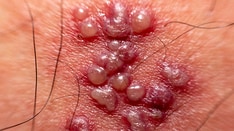
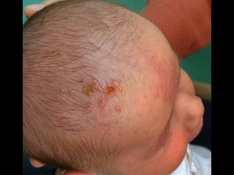
    • Herpetic skin lesions over the presenting surface from birth or with breaks in the skin, such as those resulting from fetal scalp monitors
    • Keratoconjunctivitis
    • Oropharyngeal involvement, particularly buccal mucosa and tongue
    • Encephalitis symptoms, such as seizures, irritability, change in level of attentiveness, bulging fontanels
    • Additional signs of disseminated HSV, such as shock, jaundice, and hepatomegaly
  • Toxoplasma encephalopathy: In immunosuppressed patients, 75% present with a focal neuropathology, about one half with encephalopathic changes.

Causes

  • The etiology of encephalitis is usually infectious, but may be noninfectious, such as the demyelinating process in acute disseminated encephalitis.
  • Infectious etiologies: Viral agents, such as HSV type 1 and 2 (almost exclusively in neonates), VZV, EBV, measles virus (PIE and SSPE), mumps, and rubella are spread through person-to-person contact.
    • Important animal vectors include mosquitoes, ticks (arbovirus), and warm-blooded mammals (rabies, lymphocytic choriomeningitis).
    • Bacterial pathogens, such as Mycoplasma species and those causing rickettsial or catscratch disease, are rare and invariably involve inflammation of the meninges out of proportion to their encephalitic components.
    • Encephalitis due to parasites and fungi other than Toxoplasma gondii is beyond the scope of this article.
  • The CDC confirmed that West Nile virus can be transmitted by means of an organ transplant and via blood transfusions. 


Brain Abscess
Catscratch Disease
Herpes Simplex
Herpes Simplex Encephalitis
Hypoglycemia
Leptospirosis in Humans
Meningitis
Pediatrics, Meningitis and Encephalitis
Status Epilepticus
Subarachnoid Hemorrhage
Systemic Lupus Erythematosus
Tick-Borne Diseases, Lyme
Tick-Borne Diseases, Rocky Mountain Spotted Fever
Toxoplasmosis
Tuberculosis

Other Problems to be Considered

Acute CNS events, such as hemorrhagic stroke
Acute confusional states secondary to drugs, toxins, psychosis
Amoeba (Naegleria, Acanthamoeba)
Head trauma
CNS syphilis
Ehrlichiosis
Intracranial hemorrhage
Intracranial tumor
Trauma


Lab Studies

  • Complete blood count (CBC) with differential: Findings are usually within the reference range.
  • Serum electrolytes: These are usually within the reference range. Syndrome of inappropriate secretion of antidiuretic hormone (SIADH) occurs in 25% of patients with St Louis encephalitis.)
  • Serum glucose level: Use this level as a baseline for determining normal CSF glucose values. The result may be low if glycogen stores are depleted or high in infected patients with diabetes mellitus.
  • BUN/creatinine and liver function tests (LFTs): Assess organ function and the need to adjust the antibiotic dose.
  • Platelet test and a coagulation profile: These are indicated in patients with chronic alcohol use, liver disease, or if disseminated intravascular coagulation (DIC) is suspected. The patient may require platelets or fresh-frozen plasma (FFP) before lumbar puncture (LP).
  • Urinary electrolyte test: Perform this assessment if SIADH is suspected.
  • Urine and/or serum toxicology screening: Perform 1 or both of these tests, if indicated.
  • Other laboratory tests
    • CSF polymerase chain reaction (PCR): A PCR for DNA HSV is 100% specific and 75-98% sensitive within the first 25-45 hours. Types 1 and 2 cross-react, but no cross-reactivity with other herpes viruses occurs. Arguably, a series of quantitative PCRs documenting the decline of viral load with acyclovir treatment may clinch diagnosis without brain biopsy.
    • HSV cultures: These are used to test lesions (also Tzanck smear), CSF (rarely positive), and blood.
    • Viral serology: Complement fixation antibodies are useful in identifying arbovirus. Cross-reactivity exists among one subgroup of arboviruses, the flaviviruses (eg, St Louis encephalitis, JE, WNE), and with antibodies raised in persons inoculated with the yellow fever vaccine.
    • Viral serology: Complement fixation antibodies are useful in identifying arbovirus.
    • Heterophile antibody and cold agglutinins for EBV: These tests may be helpful.
    • Serologic tests for toxoplasmosis: These can be helpful in light of an abnormal CT scan, particularly in the case of single lesions. However, the overlap in titer between previously exposed but presently uninfected and reactivated groups may complicate interpretation.

Imaging Studies

  • Perform head CT, with and without contrast agent, in virtually all patients with encephalitis before LP to search for evidence of elevated intracerebral pressure (ICP), obstructive hydrocephalus, or mass effect. It is helpful also in differential diagnosis. MRI is more likely to show abnormalities earlier in disease course than head CT.
  • In HSE, an MRI may show several foci of increased T2 signal intensity in medial temporal lobes and inferior frontal gray matter. Head CT may show petechial hemorrhage in the same areas.
  • EEE and tick-borne encephalitis may show similar increased signal intensity in the basal ganglia and thalami.
  • In toxoplasmosis, contrast-enhanced head CT typically reveals several nodular or ring-enhancing lesions. Because lesions may be missed without contrast, MRI should be performed in patients for whom use of contrast material is contraindicated.

Other Tests

  • Electroencephalography
    • In HSE, characteristic paroxysmal lateral epileptiform discharges (PLEDs) often are observed, even before neuroradiographic changes.
    • Eventually, PLEDs are positive in 80% of cases. The presence of PLEDs is not pathognomonic for HSE.
  • CSF analysis is essential.
    • General patterns in bacterial and fungal (cryptococcal) meningitis found during the measurement of CSF pressure and CSF analysis may support a diagnosis (see the Table below).
    • The most important diagnostic test in the ED to rule out bacterial meningitis is well-performed Gram staining and, if available, polymerase chain reaction of the CSF in patients with suspected HSV encephalitis.

      CSF Findings by Type of Organism

      CSF Finding (Normal)Bacterial MeningitisViral Meningitis*Fungal Meningitis
      Pressure (5-15 cm H2O)
      • Increased
      • Normal or mildly increased
      • Normal or mildly increased in tuberculosis (TB)
      • May be increased
      • Patients with AIDS and cryptococcal meningitis at increased risk of blindness and death unless pressure maintained at <30 cm
      Cell counts, mononuclear cells/mm3
         Preterm (0-25)
         Term (0-22)
         6 mo+ (0-5)
      • No cell count excludes bacterial meningitis
      • Typically thousands of polymorphonuclear cells, but counts may not change dramatically or even be normal (classically in very early meningococcal meningitis or in extremely ill neonates)
      • Lymphocytosis with normal CSF chemistry results observed in 15-25% of patients, especially if counts <1000 or if patient is partially treated
      • About <90% of patients with ventriculoperitoneal shunts and CSF WBC count >100 cells/mm3 are infected; CSF glucose level usually normal, and these patients' pathogens are less pathogenic than others'
      • Cell count and chemistry levels normalize slowly (days) with antibiotics
      • Usually <500, nearly 100% mononuclear
      • <48 hours, clinically significant polymorphonuclear pleocytosis may be indistinguishable from early bacterial meningitis, particularly with EEE
      • Nontraumatic RBCs in 80% of patients with HSV meningoencephalitis, though 10% have normal CSF results
      • 100s of mononuclear cells
      Microorganisms (none)
      • Gram stain 80% effective
      • Inadequate decolorization may cause Haemophilus influenzae to be mistaken for gram-positive cocci
      • Pretreatment with antibiotics may affect stain uptake, causing gram-positive species to appear to be gram-negative and decrease culture yield by an average of 20
      • No organism
      • India ink 80-90% effective for detecting fungi
      • Acid-fast bacillus (AFB) stain 40% effective for TB; increase yield by staining supernatant from at least 5 mL of CSF
      Glucose
         Euglycemia (>50% serum)
         Hyperglycemia (>30% serum)
      • Decreased
      • Normal
      • Sometimes decreased
      • Aside from fulminant bacterial meningitis, TB, primary amebic meningoencephalitis, and neurocysticercosis cause lowest glucose levels
      Protein
         Preterm (65-150 mg/dL)
         Term (20-170 mg/dL
         6 mo+ (15-45 mg/dL)
      • Usually >150 mg/dL
      • May be >1000 mg/dL
      • Mildly increased
      • Increased >1000 mg/dL, with relatively benign clinical presentation suggestive of fungal disease

      *Some bacteria (eg, Mycoplasma, Listeria, Leptospira, Borrelia burgdorferi [Lyme disease]) cause alterations in spinal fluid that resemble the viral profile. An aseptic profile is also typical of partially treated bacterial infections (>33%, especially those in children, are treated with antimicrobials) and of the 2 most common causes of encephalitis—the arboviruses and the potentially curable HSV.
      Wait 4 h after glucose load.

Procedures

  • Brain biopsy is the criterion standard because of its 96% sensitivity and 100% specificity.


Prehospital Care

  • Evaluate and treat for shock or hypotension. Administer a crystalloid infusion until the patient is euvolemic.
  • Consider airway protection in patients with an altered mental status.
  • Consider seizure precautions. Treat seizures according to usual protocol (ie, lorazepam 0.1 mg/kg given intravenously [IV]).
  • Stabilize alert patients with normal vital signs by administering oxygen, securing IV access, and providing rapid transport to the ED.

Emergency Department Care

With the important exceptions of HSE and varicella-zoster encephalitis, the viral encephalitides are not treatable beyond supportive care. Treatments for T gondii and CMV encephalitis are available but generally not initiated in the ED.

  • The goal of treatment for acutely ill patients is administration of the first dose or doses acyclovir with or without antibiotics or steroids as quickly as possible.
    • The standard for acute bacterial meningitis is the initiation of treatment within 30 minutes of arrival.
    • Consider instituting an ED triage protocol to identify patients at risk for HSE.
  • Collect laboratory samples and blood cultures before the start of IV therapy. Even in uncomplicated cases of encephalitis, most authorities recommend a neuroimaging study (eg, contrast-enhanced head CT scan) before LP.
  • Signs of hydrocephalus and increased ICP
    • General measures: Manage fever and pain, control straining and coughing, and avoid seizures and systemic hypotension.
    • In otherwise stable patients, elevating the head and monitoring neurologic status usually are sufficient.
    • When more aggressive maneuvers are indicated, some authorities favor the early use of diuresis (eg, furosemide 20 mg IV, mannitol 1 g/kg IV) provided circulatory volume is protected. Dexamethasone 10 mg IV q6h helps in managing edema surrounding space-occupying lesions. Hyperventilation (PaCO2 30 mm Hg) may cause a disproportional decrease in cerebral blood flow (CBF), but it is used to control increasing ICP on an emergency basis.
    • Intraventricular ICP monitoring is controversial because some authorities believe dangerous focal edema with a pressure gradient between the temporal lobe and the subtentorial space usually is not detected by the monitor, leading to a false sense of security. In fact, monitor placement may potentially aggravate a pressure gradient.
  • Look for and treat systemic complications, particularly in HSE, EEE, JE, such as hypotension or shock, hypoxemia, hyponatremia (SIADH), and exacerbation of chronic diseases.
  • Empiric adult emergency treatment for HSV meningoencephalitis and VZV encephalitis is acyclovir 10 mg/kg (infuse over 1 h) q8h for 14-21 days. Give acyclovir 10-15 mg/kg IV q8h for neonatal HSV; for HSV encephalitis in the pediatric population, give acyclovir 10 mg/kg IV q8h.
  • In HIV-positive patients, consider foscarnet, given increased incidence of acyclovir-resistant HSV and HZV.

Consultations

  • Neurosurgeon, if brain biopsy is indicated
  • Neurologist
  • Neonatologist, if indicated
  • Infectious disease specialist, if indicated


The goals of pharmacotherapy are to reduce morbidity and prevent complications.

Drug Category: Antivirals

The goal of the use of antivirals for HSE and varicella-zoster encephalitis is to shorten the clinical course, prevent complications, prevent the development of latency and/or subsequent recurrences, decrease transmission, and eliminate established latency.

Drug NameAcyclovir (Zovirax)
DescriptionHas demonstrated inhibitory activity directed against both HSV-1 and HSV-2, and infected cells selectively take it up.
Adult Dose10 mg/kg (infuse over 1 h) IV q8h for 14-21 d
Pediatric DoseNeonatal HSV: 10-15 mg/kg IV q8h
HSV encephalitis: 10 mg/kg IV q8h
ContraindicationsDocumented hypersensitivity to acyclovir or related products
InteractionsCoadministration of probenecid, zidovudine, or other nephrotoxic drugs may prolong the half-life, increasing the CNS toxicity of acyclovir
PregnancyC - Fetal risk revealed in studies in animals but not established or not studied in humans; may use if benefits outweigh risk to fetus
PrecautionsAdjust dose according to CrCl; caution in renal failure or coadministration of other nephrotoxic drugs

Drug NameFoscarnet (Foscavir)
DescriptionOrganic analog of inorganic pyrophosphate. Inhibits replication of known herpes viruses, including CMV, HSV-1, and HSV-2. Exerts antiviral activity by inhibiting viral replication at pyrophosphate-binding site on virus-specific DNA polymerases at concentrations that do not affect cellular DNA polymerases. Patients with poor clinical response or experience persistent viral excretion during therapy, especially HIV-positive patients, may be resistant to acyclovir. Patients who tolerate foscarnet may benefit maintenance-level administration of 120 mg/kg/d early in treatment. Dosing should be individualized to patient's renal function.
Adult Dose40 mg/kg IV q8h for 14-26 d
Pediatric Dose<12 years: Not established
>12 years: Administer as in adults
ContraindicationsDocumented hypersensitivity
InteractionsBecause of tendency to cause renal impairment, avoid use in combination with potentially nephrotoxic drugs (eg, aminoglycosides, amphotericin B, IV pentamidine) unless the potential benefits outweigh risks; avoid use with fluoroquinolones; coadministration with IV pentamidine may cause hypocalcemia
PregnancyC - Fetal risk revealed in studies in animals but not established or not studied in humans; may use if benefits outweigh risk to fetus
PrecautionsRenal function may decline; to ensure correct dosing, a 24-h serum creatinine level should be determined at baseline and periodically thereafter; discontinue if serum creatinine <0.4 mL/min/kg; hydration may reduce risks of nephrotoxicity; because of propensity to chelate divalent metal ions and alter serum electrolyte levels, carefully monitor electrolytes, including Ca and Mg; as soon as possible, assess for electrolyte abnormalities and mineral levels in patients with mild perioral numbness, paresthesias, or severe symptoms (eg, seizures); to permit rapid dilution and distribution and to avoid local irritation, infuse solution only into veins with adequate blood flow; relatively high incidence of granulocytopenia and anemia; important to monitor CBCs regularly; do not administer by rapid or bolus IV injection; toxicity may be increased as a result of excessive plasma levels

Drug Category: Corticosteroids

Anti-inflammatory agents used for treatment of postinfectious encephalitis and acute disseminated encephalitis. These drugs are commonly presented as treatment alternatives, though supporting data are limited.

Drug NameDexamethasone (Decadron, Dexasone)
DescriptionUsed to treat various allergic and inflammatory diseases. May decrease inflammation by suppressing migration of polymorphonuclear leukocytes and reversing increased capillary permeability.
Adult Dose10 mg IV q6h
Pediatric Dose0.15 mg/kg IV q6h
ContraindicationsDocumented hypersensitivity, active infection, fungal infection
InteractionsBarbiturates, phenytoin, and rifampin can decrease effects; decreases effect of salicylates and vaccines
PregnancyC - Fetal risk revealed in studies in animals but not established or not studied in humans; may use if benefits outweigh risk to fetus
PrecautionsMonitor for adrenal insufficiency when drug is tapered; patients receiving glucocorticoids are at risk for multiple complications, including severe infections; abrupt discontinuation may cause adrenal crisis; hyperglycemia, edema, osteonecrosis, myopathy, peptic ulcer disease, hypokalemia, osteoporosis, euphoria, psychosis, myasthenia gravis, growth suppression, and infections are possible complications


Further Inpatient Care

  • Admit the patient to a unit or floor, as appropriate.
  • The admitting physician should arrange for EEG, brain biopsy (for HSE), and other advanced measures as indicated.

Deterrence/Prevention

  • During summer and fall months, emergency physicians should not hesitate to obtain viral cultures to check for outbreaks of arboviral infection. Public health measures, such as insecticide spraying, may be necessary.
  • Immunization against JE is recommended for those traveling into endemic areas during high-risk times of year.

Complications

  • Seizures
  • Syndrome of inappropriate secretion of antidiuretic hormone
  • Increased ICP
  • Coma

Prognosis

  • The prognosis depends the virulence of the virus and on variables associated with the patient's health status, such as extremes of age, immune status, and preexisting neurologic conditions.
    • Rabies, EEE, JE, and untreated HSE have high rates of mortality and severe morbidity, including mental retardation, hemiplegia, and seizures.
    • Increased mortality and morbidity rates are found in patients who are older than 60 years and have St Louis encephalitis or WNE. Long-term sequelae with St Louis encephalitis include behavioral disorders, memory loss, and seizures.
    • WEE is associated with relatively low mortality and morbidity rates, although developmental delay, seizure disorder, and paralysis occur in children, and postencephalitic parkinsonism occurs in adults.
    • CE usually is a milder disease, with most patients making a full recovery, though 25% of those with severe disease continue to have focal neurologic dysfunction.
    • The mortality rate in treated HSE averages 20% and is correlated with mental status changes at time of first dose of acyclovir. Approximately 40% of survivors have minor-to-major learning disabilities, memory impairment, neuropsychiatric abnormalities, epilepsy, fine-motor-control deficits, and dysarthria.

Patient Education


Medical/Legal Pitfalls

  • Failure to consider HSE in the diagnosis or to initiate administration of acyclovir in a timely fashion


  • Anderson DC, Kozak AJ. Meningitis, encephalitis, and brain abscess. In: Tintinalli JE, Ruiz E, Krome RL, eds. Emergency Medicine: A Comprehensive Study Guide. 4th ed. New York, NY: McGraw-Hill Professional; 1997.
  • Bingaman WE, Frank JI. Malignant Cerebral Edema and Intracranial Hypertension. Neuro Clinics. 1995;13:479-509. [Medline].
  • Bloch KC, Glaser C. Diagnostic approaches for patients with suspected encephalitis. Curr Infect Dis Rep. Jul 2007;9(4):315-22. [Medline].
  • CDC. Centers for Disease Control and Prevention. Human rabies--Montana and Washington, 1997. MMWR Morb Mortal Wkly Rep. Aug 22 1997;46(33):770-4. [Medline].
  • CDC Responds: update on West Nile Fever for Clinicians and Laboratories. Public Health Training Network Satellite Broadcast and Webcast. August 8, 2002. Centers for Disease Control and Prevention. Available at http://www.phppo.cdc.gov/PHTN/westnile/. Accessed September 3, 2002.
  • Clifford DB. Neurologic opportunistic infections. Curr Opin Neurol. Jun 1995;8(3):175-8. [Medline].
  • Deresiewicz RL, Thaler SJ, Hsu L, et al. Clinical and neuroradiographic manifestations of eastern equine encephalitis. N Engl J Med. 1997;336:1867-1874. [Medline].
  • Felter RA. Infectious disorders. In: Barkin R, ed. Pediatric Emergency Medicine. St Louis, MO: Mosby-Year Book; 1992.
  • Granwehr BP, Lillibridge KM, Higgs S, et al. West Nile virus: where are we now?. Lancet Infect Dis. 2004;4(9):547-56. [Medline].
  • Jarvis WR. The state of the science of health care epidemiology, infection control, and patient safety, 2004. Am J Infect Control. 2004;32(8):496-503. [Medline].
  • Kelley J, ed. Approach to the patient with suspected central nervous system infections. In: Textbook of Internal Medicine. 3rd ed. Philadelphia, Pa: Lippincott-Raven; 1996.
  • Kelley J, ed. Infections caused by arbovirus. In: Textbook of Internal Medicine. 3rd ed. Philadelphia, Pa: Lippincott-Raven; 1996.
  • Kelley J, ed. Viral encephalitis. In: Textbook of Internal Medicine. 3rd ed. Philadelphia, Pa: Lippincott-Raven; 1996.
  • Koskiniemi M, Piiparinen H, Mannonen L, et al. Herpes encephalitis is a disease of middle aged and elderly people: polymerase chain reaction for detection of herpes simplex virus in the CSF of 516 patients with encephalitis. The Study Group. J Neurol Neurosurg Psychiatry. Feb 1996;60(2):174-8. [Medline].
  • Luft BJ, Remington JS. Toxoplasmic encephalitis in AIDS. Clinical Infectious Diseases. 1992;15:211-222. [Medline].
  • McGrath N, Anderson NE, Croxson MC, et al. Herpes simplex encephalitis treated with acyclovir: diagnosis and long term outcome. J Neurol Neurosurg Psychiatry. Sep 1997;63(3):321-6. [Medline].
  • Walls RM. Adult meningitis, encephalitis, and intracranial abscess. In: Rosen P, ed. Emergency Medicine: A Comprehensive Study Guide. 3rd ed. St Louis, Mo: Mosby; 1992.
  • MacDonald RD, Krym VF. West Nile virus. Primer for family physicians. Can Fam Physician. Jun 2005;51:833-7. [Medline].

Encephalitis excerpt

Article Last Updated: Nov 7, 2007