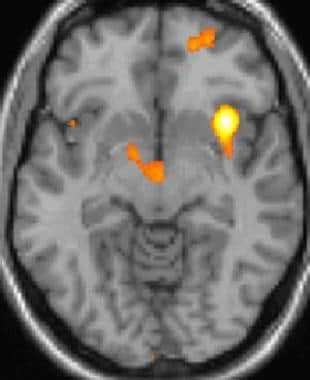
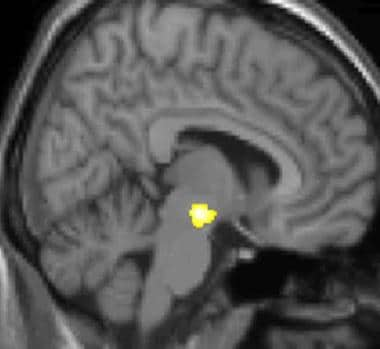
You are in: eMedicine Specialties > Emergency Medicine > NEUROLOGY Headache, ClusterArticle Last Updated: Sep 20, 2007AUTHOR AND EDITOR INFORMATIONAuthor: Lori K Sargeant, MD, Consulting Staff, Summa Emergency Associates, Inc Lori K Sargeant is a member of the following medical societies: Alpha Omega Alpha, American College of Emergency Physicians, and Ohio State Medical Association Coauthor(s): Michelle Blanda, MD, Chair, Department of Emergency Medicine, Summa Health System; Professor of Emergency Medicine, Northeastern Ohio Universities College of Medicine Editors: Edward A Michelson, MD, Program Director, Associate Professor, Department of Emergency Medicine, University Hospital Health Systems in Cleveland; Francisco Talavera, PharmD, PhD, Senior Pharmacy Editor, eMedicine; J Stephen Huff, MD, Associate Professor of Emergency Medicine and Neurology, Department of Emergency Medicine, University of Virginia Health Sciences Center; John Halamka, MD, Chief Information Officer, CareGroup Healthcare System, Assistant Professor of Medicine, Department of Emergency Medicine, Beth Israel Deaconess Medical Center; Assistant Professor of Medicine, Harvard Medical School; Steven C Dronen, MD, FAAEM, Director of Emergency Services, Director of Chest Pain Center, Department of Emergency Medicine, Ft Sanders Sevier Medical Center Author and Editor Disclosure Synonyms and related keywords: histamine headache, histaminic cephalalgia, histaminic headache, Horton cephalalgia, Horton's cephalalgia, Horton headache, Horton's headache, cluster headache, neurovascular headache, ipsilateral lacrimation, nasal congestion, conjunctival injection, miosis, ptosis, lid edema, episodic cluster headaches, chronic cluster headache, migraine INTRODUCTIONBackgroundCluster headache, also known as histamine headache, is a form of neurovascular headache. Attacks usually are severe and unilateral and typically are located at the temple and periorbital region. The pain is typically associated with ipsilateral lacrimation, nasal congestion, conjunctival injection, miosis, ptosis, and lid edema. Each headache is brief in duration, typically lasting a few moments to 2 hours. Cluster refers to a grouping of headaches, usually over a period of several weeks. To fulfill criteria for diagnosis, patients must have had at least 5 attacks occurring from 1 every other day to 8 per day and no other cause for the headache. The 2 existing forms of cluster headache are (1) episodic clusters with at least 2 cluster phases lasting 7 days to 1 year separated by a cluster-free interval of 1 month or longer, and (2) chronic form, in which the clusters occur more than once a year without remission or the cluster-free interval is less than 1 month. PathophysiologyThe pathophysiology of cluster headaches is not well understood. Some proposed mechanisms are described here. Hemodynamic: Vascular dilatation may play a role, but blood flow studies are inconsistent. Extracranial blood flow (hyperthermia and increased temporal artery blood flow) increases but following the onset of pain. Vascular change is considered secondary to primary neuronal discharge. Trigeminal nerve: The trigeminal nerve may be responsible for neuronal discharge causing cluster headaches. Substance P neurons carry sensory and motor impulses in the maxillary and ophthalmic divisions of the nerve. These connect with the sphenopalatine ganglion and interior carotid perivascular sympathetic plexus. Somatostatin inhibits substance P and reduces the duration and intensity of cluster headaches. Autonomic nervous system: Sympathetic (eg, Horner syndrome, forehead sweating) and parasympathetic (eg, lacrimation, rhinorrhea, nasal congestion) effects occur. Circadian rhythm: Cluster headaches often recur at the same time every day, suggesting that the hypothalamus, which controls circadian rhythms, may be the site of activation. Serotonin: This is not as striking as in migraines, but some changes are seen. Histamine: Although evidence supporting a causative role is inconsistent, cluster headaches may be precipitated with small amounts of histamine. Antihistamines do not abort cluster headaches. Mast cells: Increased numbers of mast cells have been found in the skin of painful areas of some patients, but this finding is inconsistent. FrequencyUnited StatesIncidence is estimated to be 2-9% of migraine sufferers, making it relatively uncommon compared with classic migraines. Prevalence in males is 0.4-1%. InternationalIncidence in the United Kingdom is equivalent to that of multiple sclerosis. Mortality/MorbidityNo reported mortality is directly associated with cluster headaches, although suicides have been reported in cases where attacks are frequent and severe. The intensity of the attacks often leads those who experience cluster headaches to miss time from activities such as work or school. RaceCluster headaches may be underdiagnosed in black women, but ethnic differences have not been studied. SexThis condition is more common in males than in females. The male-to-female ratio was 6:1 in the 1960s but now is 2:1. AgeCluster headaches usually begin in middle adult life. The mean age of onset is 30 years for men and later for women. CLINICALHistoryNo aura exists as in migraines. Periodicity is the most striking characteristic. Typically, a patient experiences 1-2 cluster periods per year, each lasting 2-3 months.
PhysicalPhysical examination findings should be normal except for the lacrimation and conjunctival injection that may occur. Ptosis can also be seen. Accompanying findings are consistent with ipsilateral autonomic features characterized by cranial parasympathetic activation and sympathetic hypofunction. The presence of other abnormalities suggests another etiology for the headache.
CausesProvocation of attacks
DIFFERENTIALSHerpes Zoster Sinusitis Subarachnoid Hemorrhage Temporal Arteritis Trigeminal Neuralgia
|
| Drug Name | Prednisone (Deltasone, Orasone, Meticorten) |
|---|---|
| Description | May suppress factors producing headaches. Should be used for short-lasting cluster attacks and not for prolonged therapy. More than 50% of patients show improvement. |
| Adult Dose | 40 mg PO qd for 2 wk; then taper over 7 d Try alternate-day maintenance dose of 5-10 mg if attacks recur during taper |
| Pediatric Dose | 4-5 mg/m2/d PO; as alternative, 1-2 mg/kg PO qd; taper over 2 wk as symptoms resolve |
| Contraindications | Documented hypersensitivity; viral, fungal, or tubercular skin infections |
| Interactions | Tricyclic antidepressants, MAOIs, antihistamines, guanethidine, methyldopa, ergot alkaloids increase effects; atropine may block reflex tachycardia caused by norepinephrine and enhances pressor response |
| Pregnancy | B - Fetal risk not confirmed in studies in humans but has been shown in some studies in animals |
| Precautions | Abrupt discontinuation may cause adrenal crisis; may cause hyperglycemia, edema, osteonecrosis, myopathy, peptic ulcer disease, hypokalemia, osteoporosis, euphoria, psychosis, myasthenia gravis, growth suppression, and infections |
These agents are used to treat cluster headaches and emesis associated with acute attacks.
| Drug Name | Prochlorperazine (Compazine) |
|---|---|
| Description | Antidopaminergic drug that blocks postsynaptic mesolimbic dopamine receptors, has anticholinergic effect, and can depress reticular activating system, possibly responsible for relieving nausea and vomiting. |
| Adult Dose | 5-10 mg PO/IM tid/qid; not to exceed 40 mg/d 2.5-10 mg IV q3-4h prn; most common route given in ED; not to exceed 10 mg/dose or 40 mg/d 25 mg PR bid |
| Pediatric Dose | 2.5 mg PO/PR q8h or 5 mg q12h prn; not to exceed 15 mg/d 0.1-0.15 mg/kg/dose IM, change to PO as soon as possible IV not recommended for children |
| Contraindications | Documented hypersensitivity; avoid in bone marrow suppression, narrow-angle glaucoma, and severe liver or cardiac disease |
| Interactions | Other CNS depressants or anticonvulsants may cause additive effects; with epinephrine, may cause hypotension |
| Pregnancy | C - Fetal risk revealed in studies in animals but not established or not studied in humans; may use if benefits outweigh risk to fetus |
| Precautions | Drug-induced Parkinson syndrome or pseudoparkinsonism occurs frequently; akathisia is most common extrapyramidal reaction in elderly patients; lowers seizure threshold; caution with history of seizures |
Lithium has been suggested as a therapy option because of the cyclical nature of cluster headaches, which is similar to the cyclical episodes in bipolar disorders.
| Drug Name | Lithium (Eskalith) |
|---|---|
| Description | Used to treat episodic and chronic cluster headache attacks. Mechanism of action unknown, although stabilization of biologic membranes may occur. Patients with chronic syndrome more responsive. Tendency for effect to wane after dramatic relief in first week. |
| Adult Dose | 600-900 mg PO qd Target serum level 0.4-0.8 mEq/L (less than standard psychiatric doses) |
| Pediatric Dose | <6 years: Not recommended 6-12 years: 15-60 mg/kg/d PO divided tid/qid; not to exceed usual adult dose >12 years: Administer as in adults |
| Contraindications | Documented hypersensitivity; severe cardiovascular disease |
| Interactions | Increases toxicity of thiazide diuretics, haloperidol, phenothiazines, neuromuscular blockers, carbamazepine, fluoxetine, and ACE inhibitors |
| Pregnancy | D - Fetal risk shown in humans; use only if benefits outweigh risk to fetus |
| Precautions | Toxicity closely related to serum levels and can occur at therapeutic doses; serum levels required to monitor therapy |
These agents may be most effective at prophylaxis.
| Drug Name | Verapamil (Calan, Covera) |
|---|---|
| Description | Can be combined with ergotamine or lithium. Others, including nimodipine and diltiazem, also reported to be effective. |
| Adult Dose | 120-360 mg (immediate release) PO tid/qid ER form may be given qd |
| Pediatric Dose | Not established |
| Contraindications | Documented hypersensitivity; severe CHF; sick sinus syndrome or second- or third-degree AV block; hypotension (SBP <90 mm Hg) |
| Interactions | May increase carbamazepine, digoxin, and cyclosporine levels; amiodarone can cause bradycardia and decrease in cardiac output; beta-blockers may increase cardiac depression; cimetidine may increase levels; may increase theophylline levels |
| Pregnancy | B - Fetal risk not confirmed in studies in humans but has been shown in some studies in animals |
| Precautions | May cause hepatocellular injury; transient elevations of transaminase levels with and without concomitant elevations in alkaline phosphatase and bilirubin levels have occurred (elevations have been transient and may disappear with continued verapamil treatment); monitor liver function periodically |
These agents may alleviate headache pain by inhibiting prostaglandin synthesis, reducing serotonin release, and blocking platelet aggregation. Although the effects of NSAIDs in the treatment of headache pain tend to be patient specific, ibuprofen is usually the DOC for the initial therapy. Other options include naproxen, ketoprofen, and ketorolac.
| Drug Name | Indomethacin (Indocin) |
|---|---|
| Description | Absorbed rapidly; metabolism occurs in liver by demethylation, deacetylation, and glucuronide conjugation. Useful in diagnosis because it helps other headache syndromes (eg, chronic paroxysmal hemicrania). |
| Adult Dose | Immediate release: 25-50 mg PO bid/tid Sustained release: 75 mg PO bid; not to exceed 200 mg/d |
| Pediatric Dose | 1-2 mg/kg/d PO divided bid/qid; not to exceed 4 mg/kg/d or 150-200 mg/d |
| Contraindications | Documented hypersensitivity; GI bleeding; renal insufficiency |
| Interactions | Aspirin increases risk of inducing serious NSAID-related adverse effects; probenecid may increase concentrations and, possibly, toxicity; may decrease effects of hydralazine, captopril, and beta-blockers; may decrease diuretic effects of furosemide and thiazides; may increase PT in patients taking anticoagulants (monitor PT closely and instruct patients to watch for signs of bleeding); may increase risk of methotrexate toxicity; may increase phenytoin levels |
| Pregnancy | C - Fetal risk revealed in studies in animals but not established or not studied in humans; may use if benefits outweigh risk to fetus D - Fetal risk shown in humans; use only if benefits outweigh risk to fetus |
| Precautions | Acute renal insufficiency, hyperkalemia, hyponatremia, interstitial nephritis, and renal papillary necrosis may occur; increases risk of acute renal failure in patients with preexisting renal disease or compromised renal perfusion; reversible leukopenia may occur (discontinue if persistent leukopenia, granulocytopenia, or thrombocytopenia) |
| Drug Name | Ketorolac (Toradol) |
|---|---|
| Description | Inhibits prostaglandin synthesis by decreasing activity of enzyme cyclooxygenase, which results in decreased formation of prostaglandin precursors. |
| Adult Dose | 30 mg IV single dose (most common route used in ED) >65 years, renal impairment, or <50-kg body weight: 15 mg IV single dose 30-60 mg IM initially, followed by 15-30 mg q6h prn; not to exceed 5 d of treatment |
| Pediatric Dose | Not established; recommended dose 0.4-1 mg/kg once |
| Contraindications | Documented hypersensitivity; peptic ulcer disease; recent GI bleeding or perforation; renal insufficiency; high risk of bleeding; not for administration into CNS |
| Interactions | Aspirin increases risk of inducing serious NSAID-related adverse effects; probenecid may increase concentrations and, possibly, toxicity; may decrease effects of hydralazine, captopril, and beta-blockers; may decrease diuretic effects of furosemide and thiazides; may increase PT in patients taking anticoagulants (monitor PT closely and instruct patients to watch for signs of bleeding); may increase risk of methotrexate toxicity; may increase phenytoin levels |
| Pregnancy | C - Fetal risk revealed in studies in animals but not established or not studied in humans; may use if benefits outweigh risk to fetus D - Fetal risk shown in humans; use only if benefits outweigh risk to fetus |
| Precautions | Acute renal insufficiency, hyperkalemia, hyponatremia, interstitial nephritis, and renal papillary necrosis may occur; increases risk of acute renal failure in patients with preexisting renal disease or compromised renal perfusion; low WBC counts (rare) usually return to normal during ongoing therapy; discontinue therapy if persistent leukopenia, granulocytopenia, or thrombocytopenia |
These are direct vasoconstrictors of smooth muscle in cranial blood vessels. Their activity depends on CNS vascular tone at the time of administration.
| Drug Name | Dihydroergotamine (DHE) |
|---|---|
| Description | More effective when given early in cluster attack. Has alpha-adrenergic antagonist and serotonin antagonist effects. |
| Adult Dose | 1 mg IM at first sign of headache; repeat q1h; not to exceed 3 mg total dose 2 mg IV maximum dose for faster effect (most common dose 0.75-1 mg IV with an antiemetic); not to exceed 6 mg/wk Intranasal: 1 spray into each nostril, repeat prn within 15 min; not to exceed 6 sprays/d or 8 sprays/wk |
| Pediatric Dose | Not established |
| Contraindications | Documented hypersensitivity; sumatriptan or zolmitriptan within previous 24 h; MAOIs within last 2 wk |
| Interactions | Increases effects of heparin; increases toxicity of nitroglycerin, propranolol, erythromycin, and clarithromycin |
| Pregnancy | X - Contraindicated; benefit does not outweigh risk |
| Precautions | Caution in angina, hypertension, impaired renal or hepatic function, or peripheral vascular disease |
| Drug Name | Ergotamine tartrate (Cafergot, Cafatine, Cafetrate) |
|---|---|
| Description | Has alpha-adrenergic antagonist and serotonin antagonist effects. Causes constriction of peripheral and cranial blood vessels. Oral administration of ergotamine not as effective as inhaled or sublingual routes in treatment of acute cluster attacks. |
| Adult Dose | 2 tab PO at onset of attack and 1 tab PO q30min prn; not to exceed 6 tab per attack or 10 tab/wk 1 tab SL at first sign of attack and 1 tab SL q30min; not to exceed 3 tab/d or 5 tab/wk 1 supp PR at first sign of attack with a second dose after 1 h if necessary; not to exceed 2 supp/attack or 5 supp/wk |
| Pediatric Dose | Not established |
| Contraindications | Documented hypersensitivity; avoid in hepatic or renal disease, peptic ulcer disease, sepsis, or peripheral vascular disease |
| Interactions | Increases effects of heparin; increases toxicity of nitroglycerin, propranolol, erythromycin, and clarithromycin |
| Pregnancy | X - Contraindicated; benefit does not outweigh risk |
| Precautions | Do not give more than 3 tab/d or 6 inhalations/d Do not give more than 10 mg/wk or 15 inhalations/wk Avoid extra doses for abortive therapy in individual attacks; avoid using prolonged regimens because of danger of causing gangrene or dependency |
Stimulation of 5-HT1 receptors produces a direct vasoconstrictive effect and may abort the attack.
| Drug Name | Eletriptan (Relpax) |
|---|---|
| Description | Selective serotonin agonist. Specifically acts at 5-hydroxytryptamine 1B/1D/1F (5-HT1B/1D/1F) receptors on intracranial blood vessels and sensory nerve endings to relieve pain associated with acute migraine. |
| Adult Dose | 20-40 mg/dose PO at onset of migraine; if initial dose ineffective, may repeat dose once after 2 h; not to exceed 80 mg/d |
| Pediatric Dose | <18 years: Not established |
| Contraindications | Documented hypersensitivity; severe hepatic impairment; age >65 y; administration within 72 h of potent CYP3A4 inhibitors |
| Interactions | Potent CYP3A4 inhibitors (eg, ketoconazole, itraconazole, nefazodone, troleandomycin, clarithromycin, ritonavir, nelfinavir) may increase toxicity; concurrent administration with ergot-containing drugs may increase vasospastic reactions |
| Pregnancy | C - Fetal risk revealed in studies in animals but not established or not studied in humans; may use if benefits outweigh risk to fetus |
| Precautions | Patients with known or suspected coronary artery disease may have increased risk of myocardial ischemia, infarction, or other cardiac or cerebrovascular events (5-HT1 agonists may cause coronary vasospasm) |
| Drug Name | Almotriptan (Axert) |
|---|---|
| Description | Used to treat acute migraine. Selective 5-HT1B/1D receptor agonist. Results in cranial vessel constriction, inhibition of neuropeptide release, and reduced pain transmission in trigeminal pathways. |
| Adult Dose | 6.25-12.5 mg PO at onset of migraine; may repeat once, not to exceed 25 mg/d |
| Pediatric Dose | Not established |
| Contraindications | Documented hypersensitivity; hemiplegic or basilar migraine; ischemic heart disease; uncontrolled hypertension |
| Interactions | Toxicity may increase when used within 24 h of ergotamines or other 5-HT agonists; coadministration with SSRIs may cause weakness, hyperreflexia, or incoordination; CYP3A4 inhibitors (eg, ketoconazole, itraconazole, ritonavir, erythromycin) may increase plasma concentration and subsequent toxicity |
| Pregnancy | C - Fetal risk revealed in studies in animals but not established or not studied in humans; may use if benefits outweigh risk to fetus |
| Precautions | Decrease dose and do not exceed 12.5 mg/d in renal or hepatic impairment |
| Drug Name | Frovatriptan (Frova) |
|---|---|
| Description | Selective 5-HT1B/1D receptor agonist. Results in cranial vessel constriction, inhibition of neuropeptide release, and reduced pain transmission in trigeminal pathways. Has unique characteristics and benefits in the acute treatment of migraine. Studies demonstrate prolonged presence of frovatriptan in bloodstream, and few migraine patients experienced recurrence of headache within 24 h of taking frovatriptan. |
| Adult Dose | 2.5 mg PO once at onset of migraine attack |
| Pediatric Dose | Not established |
| Contraindications | Documented hypersensitivity; hemiplegic or basilar migraine; ischemic heart disease; uncontrolled hypertension |
| Interactions | Toxicity may increase when used within 24 h of ergotamines or other 5-HT agonists; coadministration with SSRIs may cause weakness, hyperreflexia, or incoordination |
| Pregnancy | C - Fetal risk revealed in studies in animals but not established or not studied in humans; may use if benefits outweigh risk to fetus |
| Precautions | Hypertensive crisis, coronary artery vasospasm, cardiac arrest, peripheral ischemia, bloody diarrhea, and death may occur |
| Drug Name | Sumatriptan succinate (Imitrex) |
|---|---|
| Description | Selective agonist for serotonin 5-HT1 receptors in cranial arteries. Suppresses inflammation associated with migraine headaches. |
| Adult Dose | 25 mg PO; if satisfactory response not seen in 2 h, additional dose of up to 100 mg; additional dose at intervals of 2 h prn; not to exceed 300 mg/d 6 mg SC, if satisfactory response not seen in 1 h, additional 6 mg SC may be administered; not to exceed 2 injections/24 h Intranasal: Single dose of 5, 10, or 20 mg in one nostril; give 10 mg dose by administering single 5 mg dose in each nostril; if satisfactory response not seen in 2 h, additional dose may be administered; not to exceed 40 mg/d |
| Pediatric Dose | Not established |
| Contraindications | Documented hypersensitivity; ischemic heart disease; uncontrolled hypertension |
| Interactions | Ergot-containing drugs, SSRIs, and MAOIs increase toxicity |
| Pregnancy | C - Fetal risk revealed in studies in animals but not established or not studied in humans; may use if benefits outweigh risk to fetus |
| Precautions | Hypertensive crisis, coronary artery vasospasm, cardiac arrest, peripheral ischemia, and bloody diarrhea may occur rarely |
| Drug Name | Zolmitriptan (Zomig, Zomig-ZMT) |
|---|---|
| Description | As selective agonists of serotonin 5-HT1 receptors in cranial arteries, cause vasoconstriction and reduce inflammation associated with antidromic neuronal transmission in cluster headache. Can reduce severity of headache within 15 min of SC injection. |
| Adult Dose | 2.5 mg PO initially; repeat dose after 2 h if headache returns; not to exceed 10 mg/d |
| Pediatric Dose | Not established |
| Contraindications | Documented hypersensitivity; ischemic heart disease and uncontrolled hypertension; do not administer within 24 h of taking another serotonin agonist or ergotamine or within 2 wk of taking a MAOI |
| Interactions | Toxicity increases when administered concomitantly with ergot-containing drugs, SSRIs, and MAOIs |
| Pregnancy | C - Fetal risk revealed in studies in animals but not established or not studied in humans; may use if benefits outweigh risk to fetus |
| Precautions | Hypertensive crisis, coronary artery vasospasm, cardiac arrest, peripheral ischemia, bloody diarrhea, and death may occur when administering this medication |
| Drug Name | Naratriptan (Amerge, Naramig) |
|---|---|
| Description | As selective agonists of serotonin 5-HT1 receptors in cranial arteries, cause vasoconstriction and reduce inflammation associated with antidromic neuronal transmission in cluster headache. Can reduce severity of headache within 15 min of SC injection. |
| Adult Dose | 1-2.5 mg PO q4h prn for headache; not to exceed 5 mg/d |
| Pediatric Dose | <12 years: Not established >12 years: 2.5 mg PO initially; not to exceed 5 mg/d |
| Contraindications | Documented hypersensitivity; ischemic heart disease; uncontrolled hypertension; cerebrovascular or peripheral vascular syndromes; severe renal impairment (CrCl <15 mL/min); severe hepatic impairment (Child-Pugh grade C) |
| Interactions | Oral contraceptives may significantly increase concentrations and cause prolonged vasospastic reactions to occur, avoid concurrent use within 24 h of each other; toxicity may increase when administered concomitantly with ergot-containing drugs, SSRIs, and MAOIs |
| Pregnancy | B - Fetal risk not confirmed in studies in humans but has been shown in some studies in animals |
| Precautions | Chest, jaw, or neck tightness may occur after 5-HT1 agonist administration; atypical sensations over precordium (pain, tightness, pressure, heaviness) may occur (rarely associated with arrhythmias or ischemic ECG changes); evaluate patients with signs or symptoms suggestive of angina for presence of CAD or predisposition to Prinzmetal angina before receiving additional doses; monitor ECG if dosing resumed and similar symptoms recur |
| Drug Name | Rizatriptan (Maxalt, Maxalt-MLT) |
|---|---|
| Description | Selective agonist for serotonin 5-HT1 receptors in cranial arteries and suppresses the inflammation associated with migraine headaches. |
| Adult Dose | 5-10 mg PO q2h prn for headache; not to exceed 30 mg/d |
| Pediatric Dose | Not established |
| Contraindications | Documented hypersensitivity |
| Interactions | Toxicity increases when administered concomitantly with ergot-containing drugs, SSRIs, and MAOIs |
| Pregnancy | C - Fetal risk revealed in studies in animals but not established or not studied in humans; may use if benefits outweigh risk to fetus |
| Precautions | Hypertensive crisis, coronary artery vasospasm, cardiac arrest, peripheral ischemia, bloody diarrhea, and death may occur when administering this medication |
Article Last Updated: Sep 20, 2007