Continually Updated Clinical Reference
 
 
  All Sources     eMedicine     Medscape     Drug Reference     MEDLINE
 
eMedicine - Snake Envenomation, Rattle : Article by

Quick Find
Authors & Editors
Introduction
Clinical
Differentials
Workup
Treatment
Medication
Follow-up
Miscellaneous
Multimedia
References

Related Articles
Bee and Hymenoptera Stings

Bites, Animal

Bites, Insects

Cellulitis

Lizard Envenomations

Necrotizing Fasciitis

Scorpion Envenomations

Snake Envenomations, Coral

Snake Envenomations, Moccasins

Snake Envenomations, Mohave Rattle

Spider Envenomations, Brown Recluse

Spider Envenomations, Tarantula


Patient Education
Bites and Stings Center

Snakebite Overview

Snakebite Symptoms

Snakebite Treatment


Author: Sean P Bush, MD, FACEP, Professor of Emergency Medicine, Envenomation Specialist, Department of Emergency Medicine, Loma Linda University School of Medicine; Consulting Staff, Loma Linda University Medical Center

Sean P Bush is a member of the following medical societies: American College of Emergency Physicians, Society for Academic Emergency Medicine, and Wilderness Medical Society

Editors: Robert Norris, MD, Chief, Associate Professor, Department of Surgery, Division of Emergency Medicine, Stanford University Medical Center; John T VanDeVoort, PharmD, ABAT, Director of Pharmacy, Sacred Heart Hospital; James S Walker, DO, Program Coordinator, Associate Professor, Department of Emergency Medicine, University of Oklahoma Health Sciences Center; John D Halamka, MD, MS, Associate Professor of Medicine, Harvard Medical School, Beth Israel Deaconess Medical Center; Chief Information Officer, CareGroup Healthcare System and Harvard Medical School; Attending Physician, Division of Emergency Medicine, Beth Israel Deaconess Medical Center; Jonathan Adler, MD, Attending Physician, Department of Emergency Medicine, Massachusetts General Hospital; Division of Emergency Medicine, Harvard Medical School

Author and Editor Disclosure

Synonyms and related keywords: rattlesnake, rattlesnake bite, rattlesnake venom, rattlesnake envenomation, Crotalus species, Sistrurus species, rattle snake envenomation, pit vipers

Background

Rattlesnakes are pit vipers and include the genera Crotalus and Sistrurus. Pit vipers may be identified by a heat-sensing pit anteroinferior to the eye. Rattlesnakes may be identified in all but one species by a rattle at the tip of the tail. Rattlesnakes are indigenous from North America to South America.

Pathophysiology

Venom is usually injected into subcutaneous tissue via hollow movable fangs located in the anterior mouth. Occasionally, intramuscular or (probably rarely) intravenous injection occurs. Rattlesnake venom is generally composed of several digestive enzymes and spreading factors, which result in local and systemic injury.

Clinically, local effects most commonly predominate, progressing from pain and edema to ecchymosis and bullae. Hematologic abnormalities, including defibrination with or without thrombocytopenia, may result, but serious bleeding is uncommon. Local or diffuse myotoxicity may result in complications such as compartment syndrome or rhabdomyolysis. Other general effects include shock, myokymia/fasciculations, taste changes, and vomiting. Rarely, direct cardiotoxicity or allergy to venom may occur. Some rattlesnakes may exhibit neurotoxicity with minimal local tissue effects (see Snake Envenomations, Mohave Rattle).

Frequency

United States

Approximately 7,000-8,000 reptile bites are reported to the American Association of Poison Control Centers (AAPCC) each year. However, this figure is probably conservative because of underreporting. Rattlesnakes cause the majority of all bites by identified venomous snakes in the United States. Dry bite (ie, no clinical evidence of envenomation) occurs in between 10 and 50% of strikes.

International

An estimated 300,000-400,000 venomous snakebites occur per year. Although rattlesnakes are not found naturally outside of North America, Central America, and South America, they are imported into zoos, museums, and private collections in other regions of the world.

Mortality/Morbidity

Fewer than half a dozen deaths occur per year as a result of snakebite in the United States; most are caused by rattlesnake bites. Estimates of deaths each year from snakebite range from 30,000-110,000 worldwide. Up to 5 times as many individuals experience permanent morbidity.

US mortality with administration of antivenin is approximately 0.28%. Without antivenin being administered, mortality is approximately 2.6%.

Sex

Males are bitten more commonly than females.

Age

Young adults are bitten most commonly.


History

All or none of the following may be present. Note that symptoms are subject to change, and this change can be very rapid or very insidious. In addition, severity is generally guided by the most severely affected parameter.

  • Pain around the bite site
  • Swelling
  • Taste changes (eg, a metallic taste)
  • Difficulty breathing
  • Chest pain
  • Nausea, vomiting, or diarrhea
  • Hematemesis, hematochezia
  • Neurologic symptoms
    • Weakness
    • Paresthesias
  • Syncope, near syncope

Physical

  • Fang marks - May be 1, 2, or more, or may be unable to discern
  • Tenderness surrounding the bite site
  • Local edema
    • Use a pen to mark and time the border of advancing edema every 15-20 minutes initially. Once stabilization with antivenom has occurred, repeat measurements every 1-2 hours.
    • Rapidly progressive swelling is usually indicative of a severe envenomation.
  • Erythema
  • Ecchymosis
  • Bullae
  • Bleeding
  • Hypotension/hypertension
  • Tachycardia
  • Myokymia (muscle fasciculations)
  • Neurologic effects
  • Lethargy

Causes

A large percentage of bites occur when a snake is handled, kept as a pet, or abused. These are considered intentionally interactive bites. Many bites are associated with ethanol use.


Bee and Hymenoptera Stings
Bites, Animal
Bites, Insects
Cellulitis
Lizard Envenomations
Necrotizing Fasciitis
Scorpion Envenomations
Snake Envenomations, Coral
Snake Envenomations, Moccasins
Snake Envenomations, Mohave Rattle
Spider Envenomations, Brown Recluse
Spider Envenomations, Tarantula


Lab Studies

  • Coagulopathy commonly occurs with rattlesnake envenomation, although clinical bleeding is uncommon. Defibrination and/or thrombocytopenia most often characterize snakebite coagulopathy. Defibrination is manifested by low serum fibrinogen, elevated prothrombin time, and elevated fibrin split products (FSP). Venom-induced thrombocytopenia may exist in association with or independently of defibrination. Abnormal coagulation parameters may last for a week or more. Recurrence of coagulopathy after resolution with antivenom has been reported.
    • Complete blood count (CBC) with differential
    • Platelets
    • Prothrombin time
    • Activated partial thromboplastin time
    • Fibrinogen
    • Type and screen
    • Urinalysis
  • Rhabdomyolysis may occur from severe envenomation but is best described after canebrake (Crotalus horridus atricaudatus) and Mohave (Crotalus scutulatus) rattlesnake envenomations. Rhabdomyolysis may lead to myoglobinuric renal failure and subsequent electrolyte abnormalities, such as hyperkalemia, hypokalemia, or hypocalcemia.
    • Creatine kinase (CK)
    • Electrolytes
    • Blood urea nitrogen (BUN), creatinine
    • Calcium
    • Phosphorus
    • Urinalysis
  • For respiratory difficulty, consider arterial blood gases (ABGs), although arterial puncture should be avoided if a severe venom-induced coagulopathy develops.
  • Obtain laboratory and other diagnostic data on a case-by-case basis. Factors to consider may include severity of envenomation, physician preference, and cost.

Imaging Studies

  • Plain radiographs may depict teeth or fangs retained in the wound.
  • Consider a head CT if the patient has a headache or altered level of consciousness (ALOC) with a severe coagulopathy.

Other Tests

  • Obtain an electrocardiogram (ECG), if indicated.
  • Skin testing
    • Skin testing is not necessary before administering Crotaline Fab antivenom (CroFab) therapy. Skin testing is described below for educational purposes or for the unusual case in which a practitioner determines it is indicated.
    • Intracutaneous injection of 0.02-0.03 mL of a 1:10 dilution of horse serum or antivenom is recommended in the Antivenin (Crotalidae) Polyvalent package insert.
      • A positive test result is manifested by the development of a wheal within 5-30 minutes.
      • However, skin testing is very unreliable. False-positive and false-negative test results may occur.
      • Using antivenom (further diluted to 1:100), rather than the horse serum control that is supplied, may increase the sensitivity and specificity of the test.
      • Skin testing may be considered useful in variably predicting immediate hypersensitivity in cases of moderate envenomation when it is uncertain whether the need for antivenom outweighs the risk of anaphylaxis.
      • Skin testing may sensitize individuals at risk for future exposures to antivenom, or it may precipitate anaphylaxis.
      • If antivenom is clearly indicated, it should be started as described below, without waiting to conduct a skin test.

Procedures

  • Central venous or interosseous access may need to be obtained. However, avoid placing a central line in a noncompressible site (eg, internal jugular) because of the risk of bleeding from venom-induced coagulopathy.
  • Fasciotomy may be indicated if measured compartment pressures remain persistently and severely elevated despite adequate antivenom. CroFab has been shown to limit the decrease in perfusion pressure associated with compartment syndrome.
    • Compartment syndrome may manifest subjectively, with complaints of increasing pain, and objectively, with tenderness on passive muscle stretch, a rock hard feel to the compartment or a diminished capillary refill.
    • True compartment syndrome is rare following snakebite, even in patients with severe edema, because most envenomations are believed to be subcutaneous.
    • Myonecrosis has been shown to occur from direct myotoxicity, even after fasciotomy of the affected compartment.
    • Distinguishing compartment syndrome from the effects of envenomation may be difficult. Similar to compartment syndrome, rattlesnake envenomation may cause a bluish discoloration of the skin or pallor (because of subcutaneous bruising), severe swelling, paresthesias, and pain. If effects are only caused by envenomation and the patient does not have compartment syndrome, capillary refill is normal and compartmental pressure is not elevated.


Prehospital Care

Do nothing to injure the patient or impede travel to the ED.

  • Give general support of airway, breathing and circulation per advanced cardiac life support (ACLS) protocol with oxygen, monitors, 2 large bore intravenous lines, and fluid challenge. Minimize activity (if possible), remove jewelry or tight-fitting clothes in anticipation of swelling, and transport the patient to the ED as quickly and as safely as possible. Use a pen to mark and time the border of advancing edema often enough to gauge progression.
  • In recent studies, no benefit was demonstrated when a negative pressure venom extraction device (eg, The Extractor from Sawyer Products) was evaluated; additional injury can result. Incision across fang marks is not recommended. Mouth suction is contraindicated.
  • Lymphatic constriction bands and pressure immobilization techniques may inhibit the spread of venom, but whether they improve outcome is not clear. Limiting venom spread actually may be deleterious for pit viper envenomation if it increases local necrosis or compartment pressure. Tourniquets are not recommended.
  • Maintain the extremity in a neutral position.
  • First aid techniques that lack therapeutic value or are potentially more harmful than the snakebite include electric shock, alcohol, stimulants, aspirin, placing ice on the wound, and various folk and herbal remedies. Cost and risk of acute adverse reactions generally preclude field use of antivenom.
  • Attempts to capture or kill the snake cannot be recommended because of the risk of additional injury. If uncertainty exists about whether a particular snake is venomous, consider taking photographs of the snake from a safe distance of at least 6 feet away using a digital or Polaroid camera.

Emergency Department Care

Adequate hydration with intravenous fluids is indicated. Patients with hypotension should be resuscitated first with two isotonic sodium chloride solution challenges (eg, 20 mL/kg). Treat persistent shock with colloids, followed by pressors as indicated.

  • Administer antivenom for signs of envenomation progression or imminent risk of an acute complication of envenomation (see Complications). Because CroFab appears safer than Antivenin Crotalidae Polyvalent, it is indicated even if the envenomation is minimal or mild. It should be given as a preventative measure if any signs of envenomation exist. Do not wait for the envenomation to get worse—permanent injury could result.
  • It is emphasized that grading envenomations is a dynamic process and additional antivenom should be given as indicated by a worsening clinical course. When considering the use of antivenom, the risk of adverse reaction to antivenom must be weighed against the benefits of reducing venom toxicity. Alternatives (eg, a different type of antivenom, if available) should be considered as well.
  • Nonenvenomation, ie, dry bite (probably occurs in <10% of rattlesnake bites, although estimates as high as 50% exist)
    • Local effects - Puncture wounds only
    • Systemic effects - None
    • Coagulation abnormalities - No laboratory evidence of coagulation abnormalities and no clinical evidence of abnormal bleeding or clotting
  • Minimal or mild envenomation
    • Local effects - Swelling, pain, tenderness, and/or ecchymosis confined to the immediate bite area
    • Systemic effects - None
    • Coagulation abnormalities - No laboratory evidence of coagulation abnormalities and no clinical evidence of abnormal bleeding or clotting
  • Moderate envenomation
    • Local effects - Swelling, pain, tenderness, and/or ecchymosis extending beyond the immediate bite area but involving less than the entire part
    • Systemic effects - Present but not life threatening; may include nausea, vomiting, oral paresthesias or unusual tastes, fasciculations (myokymia), mild hypotension (systolic blood pressure <90 mm Hg), mild tachycardia (heart rate <150 bpm), and tachypnea
    • Coagulation abnormalities - Laboratory evidence of coagulation abnormalities may be present, but no clinical evidence of abnormal bleeding or clotting exists; rattlesnake venom-induced coagulopathies commonly include thrombocytopenia, decreased fibrinogen, and/or elevated PT
  • Severe envenomation
    • Local effects - Swelling, pain, tenderness, and/or ecchymosis extending beyond the entire extremity or threatening the airway
    • Systemic effects - May include severe hypotension or shock, severe tachycardia or tachypnea, respiratory insufficiency, and/or severe altered mental status
    • Coagulation abnormalities - Markedly abnormal with serious bleeding or severe threat of bleeding

Consultations

  • The American Association of Poison Control Centers may assist in the management of envenomations.
  • For assistance regarding use of CroFab for a patient bitten by a snake, contact the CroFab hotline at 1-87-SERPDRUG (1-877-377-3784).
  • Consider consulting a surgeon (eg, general, orthopedic, hand) if compartment syndrome is suspected.


The only proven therapy for snakebites is antivenom. The physician also must be prepared to support the victim's cardiovascular and respiratory systems.

Drug Category: Antivenom

This agent neutralizes toxins from snakebites. Two antivenoms are available: CroFab and Antivenin Crotalidae Polyvalent. CroFab has been available since December 2000. CroFab is manufactured by Protherics Inc, Nashville, Tennessee and distributed by Fougera, Melville, New York (800-231-0206). Antivenin Crotalidae Polyvalent, manufactured by Wyeth-Ayerst, is still available on the shelves of many hospital pharmacies but is no longer being produced. Whether the production of Antivenin will resume is unknown. Meanwhile, another antivenom (Antivipmyn, manufactured by Instituto Bioclon S.A. de C.V.) has been FDA approved for experimental use and is currently undergoing phase III clinical trials.

Drug NameCroFab
DescriptionCroFab (Crotalidae Polyvalent Immune Fab Ovine) appears to be more specific against rattlesnake venom and less allergenic than Antivenin Crotalidae Polyvalent. The usual starting dose is 4-6 vials. Reconstitute each vial with 10 mL of sterile water for USP injection and mix by continuous swirling. Once CroFab goes into solution, dilute the vials further into total volume of 250 mL of NS. Start infusion slowly at rate of 50 mL/h for first 10 min. During initial infusion, observe patient for allergic reaction. If no reaction occurs, may increase infusion rate to 250 mL/h until completion. Observe patient for up to 1 h after completion to determine if initial control of envenomation achieved, as defined by arrest of progression of any and all components of envenomation syndrome (ie, no further advancement of swelling, improvement of systemic effects, and improving coagulopathy).
Adult DoseInitial: 4-6 vials given as above; repeat until initial control of envenomation syndrome achieved (as defined above)
Once initial control achieved, administer 2-vial dose IV q6h for 18 h, although this may not completely prevent local recurrence of progressive venom effects
May administer additional 2-vial doses prn based on patient's clinical course (eg, for recurrent progressive swelling or coagulopathy)
Pediatric DoseAdminister as in adult; no change in dose for pediatrics (may need to adjust volume for very small infants and children)
ContraindicationsDocumented hypersensitivity; previous exposure and even allergy are not absolute contraindications to receiving CroFab; consider risks, benefits, and alternatives before administering antivenom
InteractionsNot established
PregnancyC - Fetal risk revealed in studies in animals but not established or not studied in humans; may use if benefits outweigh risk to fetus
PrecautionsPatients with dust mite allergies and some latex allergies may be sensitive (specifically ask if patient allergic to papaya or sheep serum; sensitivity to sheep wool not a contraindication); skin testing not required before administration
Venom-induced abnormalities have reported to return after successful treatment with CroFab; local recurrence is return of new progressive swelling after initial control, ie, the leading edge of tenderness and edema begins to advance again; coagulopathy recurrence is return of abnormal bleeding parameters after resolution with antivenom; indications for additional 2 vials of CroFab are abnormal bleeding, fibrinogen <50 mcg/mL, platelet count <25/mm3, INR >3, multicomponent coagulopathy, worsening trend in patient with prior severe coagulopathy, high-risk behavior for trauma, or comorbid conditions that increase bleeding risk; coagulopathy can recur 2 wk or more after treatment of envenomation
Contains mercury, which, in high doses, may be associated with neurologic and renal toxicities, particularly in developing fetuses and very young patients

Drug NameAntivenin (Crotalidae) Polyvalent
DescriptionManufactured by Wyeth-Ayerst. To mix antivenom, dissolve in 10 mL warm saline by gentle agitation. May take anywhere from 20-90 min or more to dissolve. Further dilute it 1:2 or 1:4 or more (eg, mix 10 dissolved vials into a total dilution of 200 cm3). Start infusion at 1 mL/min for 10 min, closely monitoring for signs of allergic reaction. If no allergic reaction occurs, increase rate to complete infusion over 1 h. For children, run infusion at 10 mL/kg/h. Diluting antivenom in greater volume of fluid and infusing slowly may reduce occurrence acute adverse reactions.
Routine premedication with antihistamines (H1 and H2 blockers) recommended. Pretreatment with epinephrine (1:1000) 0.25 mL SC was shown to reduce acute adverse reactions to antivenom in one series, although risks of epinephrine should be considered. Pretreatment with steroids is unlikely to prevent immediate reactions but may be helpful later if continued antivenom indicated despite allergic reaction.
Adult DoseNo envenomation: Do not use
Mild envenomation: Do not use unless no alternative and determined through informed consent of patient that benefit likely exceeds risk
Moderate envenomation: Start with 5-10 vials IV and administer more prn for progression of venom effects
Severe envenomation: Start with 15-20 vials IV and administer more prn for progression or lack of improvement in severity
Pediatric DoseAdminister as in adults
ContraindicationsDocumented hypersensitivity; however, may administer in severe envenomation, despite hypersensitivity, although risks, benefits, and alternatives should be considered
InteractionsNone reported
PregnancyC - Fetal risk revealed in studies in animals but not established or not studied in humans; may use if benefits outweigh risk to fetus
PrecautionsBecause anaphylaxis may occur whenever Antivenin (Crotalidae) Polyvalent is given, appropriate therapeutic agents and resuscitative equipment should be ready for immediate use

Drug Category: Antihistamines

These agents are used for treatment of acute allergic reactions to antivenom or venom (not for treatment of envenomation).

Drug NameDiphenhydramine (Benadryl)
DescriptionUsed for the symptomatic relief of allergic symptoms caused by histamine released in response to allergens
Adult Dose25-50 mg IV/IM
Pediatric Dose5 mg/kg/d IV/IM or 150 mg/m2/d IV/IM divided qid
ContraindicationsDocumented hypersensitivity; MAOIs
InteractionsPotentiates effect of CNS depressants; due to alcohol content, do not give syrup dosage form to patient taking medications that can cause disulfiramlike reactions
PregnancyC - Fetal risk revealed in studies in animals but not established or not studied in humans; may use if benefits outweigh risk to fetus
PrecautionsMay exacerbate angle-closure glaucoma, hyperthyroidism, peptic ulcer, and urinary tract obstruction

Drug Category: Immunizations

Patients should be immunized against tetanus.

Drug NameDiphtheria-tetanus toxoid (dT)
DescriptionUsed to induce active immunity against tetanus in selected patients. Tetanus and diphtheria toxoids are the immunizing agents of choice for most adults and children >7 y. Booster doses are necessary to maintain tetanus immunity throughout life because tetanus spores are ubiquitous.
Pregnant patients should receive only tetanus toxoid, not diphtheria antigen–containing product. In children and adults, may administer into deltoid or midlateral thigh muscles. In infants, preferred site of administration is mid-thigh laterally.
Adult DosePrimary immunization: Administer 0.5 mL IM, administer 2 injections 4-8 wk apart and third dose 6-12 mo after second injection
Booster dose: Administer 0.5 mL IM q10y
Pediatric DoseAdminister as in adults
ContraindicationsDocumented hypersensitivity; a history of any type of neurologic symptoms or signs following administration of this product; FDA recommends that elective tetanus immunization be deferred during any outbreak of poliomyelitis because tetanus toxoid injections are an important cause of provocative poliomyelitis
InteractionsPatients receiving immunosuppressants, including corticosteroids or radiation therapy, may remain susceptible despite immunization because of poor immune response; cimetidine may enhance or augment delayed-hypersensitivity responses to skin-test antigens; avoid concurrent use of medication with systemic chloramphenicol because it may impair amnestic response to tetanus toxoid; concurrent use of tetanus immune globulin may delay development of active immunity by several days (nevertheless, interaction is clinically insignificant and does not preclude its concurrent use)
PregnancyC - Fetal risk revealed in studies in animals but not established or not studied in humans; may use if benefits outweigh risk to fetus
PrecautionsDo not use to treat actual tetanus infections or for immediate prophylaxis of unimmunized individuals (use tetanus antitoxin instead, preferably human tetanus immune globulin); diminished antibody response to active immunization may be observed in patients receiving immunosuppressive therapy; better to defer primary diphtheria immunization until immunosuppressive therapy discontinued; routine immunization of symptomatic and asymptomatic HIV-infected persons is recommended

Drug Category: Antibiotics

Prophylactic antibiotics are not routinely indicated. However, wound infections should be treated with antibiotics. Common etiologic bacteria in wound infections include Pseudomonas aeruginosa, Staphylococcus epidermidis, Enterobacteriaceae species, and Clostridium species. For infected wounds, empiric therapy may include ciprofloxacin (contraindicated in pediatric patients and pregnant women) as a single agent or a combination of ceftriaxone plus amoxicillin-clavulanate, pending wound culture and sensitivity results. Retained foreign bodies (eg, a fang, other tooth) are a common cause of wound infection.

Drug NameCeftriaxone (Rocephin)
DescriptionThird-generation cephalosporin with broad-spectrum gram-negative activity; lower efficacy against gram-positive organisms; higher efficacy against resistant organisms. Arrests bacterial growth by binding to one or more penicillin-binding proteins.
Adult Dose1-2 g IV qd or divided bid; not to exceed 4 g/d
Pediatric Dose>7 days: 25-50 mg/kg/d IV/IM; not to exceed 125 mg/d
Infants and children: 50-75 mg/kg/d IV/IM divided q12h; not to exceed 2 g/d
ContraindicationsDocumented hypersensitivity
InteractionsProbenecid may increase levels; coadministration with ethacrynic acid, furosemide, and aminoglycosides may increase nephrotoxicity
PregnancyB - Fetal risk not confirmed in studies in humans but has been shown in some studies in animals
PrecautionsAdjust dose in renal impairment; caution in breastfeeding women and allergy to penicillin

Drug Category: Analgesics

Pain control is essential to quality patient care. It ensures patient comfort and promotes pulmonary toilet. Most analgesics have sedating properties, which are beneficial for patients who have sustained painful snakebites. Opioid analgesics are recommended for pain control as needed. NSAIDs may contribute to coagulopathies.

Drug NameMorphine sulfate (Astramorph, Duramorph, and MS Contin)
DescriptionDOC for narcotic analgesia because of its reliable and predictable effects, safety profile, and ease of reversibility with naloxone.
Morphine sulfate administered IV may be dosed in a number of ways and commonly is titrated until the desired effect is obtained.
Adult Dose2-10 mg IV/IM; titrate to relief of pain
Pediatric Dose0.1 mg/kg IV/IM
ContraindicationsDocumented hypersensitivity; hypotension; potentially compromised airway where establishing rapid airway control would be difficult
InteractionsPhenothiazines may antagonize analgesic effects of opiate agonists; tricyclic antidepressants, MAOIs, and other CNS depressants may potentiate adverse effects
PregnancyC - Fetal risk revealed in studies in animals but not established or not studied in humans; may use if benefits outweigh risk to fetus
PrecautionsAvoid in hypotension, respiratory depression, nausea, emesis, constipation, and urinary retention; caution in atrial flutter and other supraventricular tachycardias; has vagolytic action and may increase ventricular response rate

Drug Category: Hematologic Agents

Consider transfusion if antivenom does not correct coagulopathy or if imminent risk of serious bleeding. Transfusion is generally recommended for life-threatening bleeding (rare), platelets <20,000 mm3, or hemoglobin <7 g/dL. Transfusion should be utilized after antivenom as a temporizing or adjuvant measure because antivenom may correct coagulopathies more definitively (although this is an area with particularly contradictory literature). Coagulopathy often recurs and may persist for 2 weeks or more after envenomation.

Drug NamePlatelets, fresh frozen plasma (FFP), and packed RBCs
DescriptionUsed preferentially to whole blood because they limit volume, immune, and storage complications. PRBCs have 80% less plasma, are less immunogenic, and can be stored about 40 d (versus 35 d for whole blood). PRBCs are obtained after centrifugation of whole blood. Leukocyte-poor PRBCs are used in patients who are transplant candidates/recipients or in those with prior febrile transfusion reactions. Washed or frozen PRBCs are used in individuals with hypersensitivity transfusion reactions. Blood can be administered over 3-4 hours, premedicating with acetaminophen and diphenhydramine to prevent febrile transfusion reactions.
Adult Dose1 unit of PRBCs should raise the hemoglobin by 1 g/dL or hematocrit by 3%
Pediatric Dose10 mL/kg IV bolus, whole blood is preferred
5 mL/kg IV bolus if PRBCs used
ContraindicationsRefusal of blood product by a competent adult or a legal guardian of a minor can be very difficult; immediate consultations with hospital ethical and legal staff strongly recommended
InteractionsNone reported
PregnancyA - Fetal risk not revealed in controlled studies in humans
PrecautionsViral contamination and infection are possible but unlikely because of prescreening; ineffective in patients with factor IX inhibitors; may induce an anamnestic response


Further Inpatient Care

  • All patients with rattlesnake envenomation should be admitted to the hospital and remain there while undergoing treatment with antivenom. Close observation and frequent measurements of swelling (every 1-2 h) for approximately 24 hours after initial control is recommended.
  • Patients who are believed to have a dry bite in which no venom effects develop should be observed for at least 8 hours. A close follow-up and/or recheck examination is recommended.
  • Several reports in the literature have documented instances in which patients who were initially discharged with a mild envenomation returned in several hours with significant injury and required antivenom and admission.

Further Outpatient Care

  • Discharge instructions should include the following:
    • Return immediately if swelling worsens or pain becomes severe.
    • Return immediately if any abnormal bleeding or bruising, petechiae, dark tarry stools, or severe headache occur.
    • Return for signs of wound infection, such as swelling, excessive tenderness, redness or streaks, heat, or drainage (pus).
    • Return or follow up if a fever, itchy rash, joint pain, or swollen lymph nodes occur any time during the next few weeks.
    • Do not take nonsteroidal anti-inflammatory drugs (NSAIDs), such as aspirin, ibuprofen (Motrin, Advil), or naproxen (Naprosyn, Aleve) for 2 weeks after the snakebite. Acetaminophen (Tylenol) or a prescribed pain medication can be taken.
    • Do not participate in contact sports, undergo elective surgery, or have dental work for 2 weeks after the snakebite.
    • Drink plenty of liquids. Return if urine decreases in amount or becomes cola colored.
    • Referral to a physical therapist or surgeon may be indicated. If bitten on the foot or leg, crutches and crutch training should be provided. Elevate and mobilize affected extremity as tolerated.
    • Next day wound check should be performed at the physician's discretion on a case-by-case basis. The patient should return to the ED or follow up every 3 days for 2 weeks with repeat CBC, PT/INR, and fibrinogen. Laboratory results may need to be rechecked more or less frequently or for a longer or shorter duration on a case-by-case basis.

In/Out Patient Meds

  • Administer antihistamines if serum sickness develops. Steroids may be indicated for more severe cases of serum sickness.

Transfer

  • All hospitals should have enough antivenom to treat at least one patient. However, antidote stocking varies and shortages do occur. Therefore, if antivenom is not available at the presenting hospital, the patient should be transferred to a facility where antivenom may be administered. However, if it is available, antivenom may be necessary to optimize stabilization of a patient prior to transfer.

Deterrence/Prevention

  • Never handle a rattlesnake, even if it is believed to be dead. Serious, even fatal, envenomations have been documented to occur after handling the decapitated head of a rattlesnake up to 90 minutes after it was severed.
  • Do not reach or step into places outdoors that are not visible.
  • At home, remove debris in which snakes might hide (eg, log piles). Remove items, such as bird feeders, that might attract snakes—seeds that fall from bird feeders attract rodents, which attract snakes.
  • Heavy clothing (such as hiking boots) may retard some strikes.
  • Young children should be closely supervised, and older children should be educated to avoid snakes in indigenous areas.
  • Keep the garage door closed to prevent rattlesnakes from seeking shelter in the garage.
  • Many cases of envenomation involve alcohol. Do not use alcohol and place oneself in an environment that may be shared with rattlesnakes or play with snakes while intoxicated.

Complications

  • Bleeding, such as gastrointestinal or intracranial
  • Compartment syndrome
  • Necrosis with resulting tissue loss or loss of function
  • Rhabdomyolysis, myoglobinuric renal failure
  • Infection
  • Respiratory difficulty
  • Death (rare in the United States)
  • Antivenom-associated complications
    • Anaphylaxis is a type I (immediate) hypersensitivity reaction, which may be life threatening. It is characterized by urticaria, airway swelling, wheezing, and shock. Some degree of anaphylaxis may occur in as many as 25% of patients given Antivenin (Crotalidae) Polyvalent. Risk factors include previous exposure to horse serum or antivenom or a history of reactive airways. Immediate hypersensitivity is treated with epinephrine, antihistamines, steroids, and ventilatory/circulatory support, as needed. Although experience is limited, immediate hypersensitivity is less common after treatment with CroFab.
    • Serum sickness is a type III (delayed) hypersensitivity reaction. It is characterized by fever, urticaria, lymphadenopathy, and arthritis and may occur 3 days to 3 weeks after Antivenin (Crotalidae) Polyvalent administration in as many as 50% of patients. Serum sickness is dose-related; it almost always occurs when more than 8 vials of Antivenin (Crotalidae) Polyvalent are administered. Although serum sickness can be uncomfortable, it is usually benign and self-limited and is treated with steroids and antihistamines. Delayed hypersensitivity is much less common after treatment with CroFab, although experience with this relatively new medication is limited.

Prognosis

  • Before antivenom, estimates of mortality rates ranged from 5-25%.
    • Since the development of antivenom, rapid EMS transport, and emergency/intensive care, mortality rates have improved to less than 0.28% when antivenom is administered and to 2.6% when antivenom is not administered.
    • Less specific figures are available for morbidity data, although most patients recover fully after rattlesnake envenomation. The best estimates suggest that rattlesnake envenomation results in tissue loss, deformity, or loss of function in approximately 10% of patients.

Patient Education

  • Call professionals, such as animal control, to move snakes (if it is necessary to move the snake).
  • Never attempt to handle, possess, or kill venomous reptiles.
  • For patient education resources, visit eMedicine's Bites and Stings Center. Also, see eMedicine's patient education article Snakebite.


Medical/Legal Pitfalls

  • Medicolegal problems may occur when a patient is sent home with a diagnosis of mild or no envenomation but subsequently returns with significant envenomation and requires antivenom and/or admission.
  • Failure to treat with antivenom, when indicated, is a pitfall.
  • Delays from the time the patient seeks medical care and the time the patient is treated are often cited in litigation.
  • If possible, obtain informed consent before administering antivenom.
  • Inform the patient that loss of tissue or function may result from rattlesnake envenomation and that antivenom and/or surgery may not prevent it.

Special Concerns

  • Envenomation is an uncommon occurrence with an extremely variable presentation, ranging from no ill effects to multisystem failure and death.
  • Treatment of envenomation is often based on speculation and anecdote, and much of the literature is contradictory. Although controversy exists, the authors have attempted to keep recommendations in agreement with the most current standards of care.
  • These are guidelines, and the clinician should use judgment for individual patient encounters.


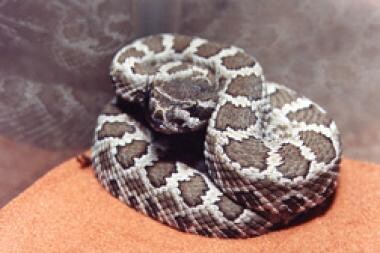
Media file 1:  Juvenile southern Pacific rattlesnake (Crotalus oreganus helleri). Photo by Sean Bush, MD.
Click to see larger pictureClick to see detailView Full Size Image
Media type:  Photo

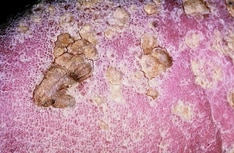
Media file 2:  A recent study suggests that the Extractor (Sawyer Products) does not reduce swelling after rattlesnake envenomation and may be associated with skin necrosis beneath the suction cup. Photo by Sean Bush, MD.
Click to see larger pictureClick to see detailView Full Size Image
Media type:  Photo

Media file 3:  Moderate rattlesnake envenomation in a toddler after treatment with antivenom. Photo by Sean Bush, MD.
Click to see larger pictureClick to see detailView Full Size Image
Media type:  Photo


  • Bogdan GM, Dart RC. Prolonged and recurrent coagulopathy after North American pit viper envenomation (abstract). Ann Emerg Med. 1996;27:820.
  • Bond RG, Burkhart KK. Thrombocytopenia following timber rattlesnake envenomation. Ann Emerg Med. Jul 1997;30(1):40-4. [Medline].
  • Boyer LV, Seifert SA, Clark RF, McNally JT, Williams SR, Nordt SP, et al. Recurrent and persistent coagulopathy following pit viper envenomation. Arch Intern Med. Apr 12 1999;159(7):706-10. [Medline].
  • Bronstein AC, Spyker DA, Cantilena LR Jr, Green J, Rumack BH, Heard SE. 2006 Annual Report of the American Association of Poison Control Centers' National Poison Data System (NPDS). Clin Toxicol (Phila). Dec 2007;45(8):815-917. [Medline].
  • Burgess JL, Dart RC. Snake venom coagulopathy: use and abuse of blood products in the treatment of pit viper envenomation. Ann Emerg Med. Jul 1991;20(7):795-801. [Medline].
  • Burgess JL, Dart RC. Snake venom coagulopathy: use and abuse of blood products in the treatment of pit viper envenomation. Ann Emerg Med. Jul 1991;20(7):795-801. [Medline].
  • Bush SP. Snakebite suction devices don't remove venom: they just suck. Ann Emerg Med. Feb 2004;43(2):187-8. [Medline].
  • Bush SP, Green SM, Laack TA, Hayes WK, Cardwell MD, Tanen DA. Pressure immobilization delays mortality and increases intracompartmental pressure after artificial intramuscular rattlesnake envenomation in a porcine model. Ann Emerg Med. Dec 2004;44(6):599-604. [Medline].
  • Bush SP, Green SM, Moynihan JA, Hayes WK, Cardwell MD. Crotalidae polyvalent immune Fab (ovine) antivenom is efficacious for envenomations by Southern Pacific rattlesnakes (Crotalus helleri). Ann Emerg Med. Dec 2002;40(6):619-24. [Medline].
  • Bush SP, Hegewald KG, Green SM, Cardwell MD, Hayes WK. Effects of a negative pressure venom extraction device (Extractor) on local tissue injury after artificial rattlesnake envenomation in a porcine model. Wilderness Environ Med. Fall 2000;11(3):180-8. [Medline].
  • Bush SP, Jansen PW. Severe rattlesnake envenomation with anaphylaxis and rhabdomyolysis. Ann Emerg Med. Jun 1995;25(6):845-8. [Medline].
  • Bush SP, Wu VH, Corbett SW. Rattlesnake venom-induced thrombocytopenia response to Antivenin (Crotalidae) Polyvalent: a case series. Acad Emerg Med. Feb 2000;7(2):181-5. [Medline].
  • Carroll RR, Hall EL, Kitchens CS. Canebrake rattlesnake envenomation. Ann Emerg Med. Jul 1997;30(1):45-8. [Medline].
  • Clark RF, Selden BS, Furbee B. The incidence of wound infection following crotalid envenomation. J Emerg Med. Sep-Oct 1993;11(5):583-6. [Medline].
  • Consroe P, Egen NB, Russell FE, Gerrish K, Smith DC, Sidki A, et al. Comparison of a new ovine antigen binding fragment (Fab) antivenin for United States Crotalidae with the commercial antivenin for protection against venom-induced lethality in mice. Am J Trop Med Hyg. Nov 1995;53(5):507-10. [Medline].
  • Dart RC, Seifert SA, Carroll L, Clark RF, Hall E, Boyer-Hassen LV, et al. Affinity-purified, mixed monospecific crotalid antivenom ovine Fab for the treatment of crotalid venom poisoning. Ann Emerg Med. Jul 1997;30(1):33-9. [Medline].
  • French WJ, Hayes WK, Bush SP, Cardwell MD, Bader JO, Rael ED. Mojave toxin in venom of Crotalus helleri (Southern Pacific Rattlesnake): molecular and geographic characterization. Toxicon. Dec 1 2004;44(7):781-91. [Medline].
  • Guisto JA. Severe toxicity from crotalid envenomation after early resolution of symptoms. Ann Emerg Med. Sep 1995;26(3):387-9. [Medline].
  • Hardy DL, Bush SP. Pressure/immobilization as first aid for venomous snakebite in the United States. Herpetol Rev. 1998;29:204-8.
  • Hurlbut KM, Dart RC, et al. Reliability of clinical presentation for predicting significant pit viper envenomation. Ann Emerg Med. 1988;438-9.
  • Jurkovich GJ, Luterman A, McCullar K, Ramenofsky ML, Curreri PW. Complications of Crotalidae antivenin therapy. J Trauma. Jul 1988;28(7):1032-7. [Medline].
  • Langley RL, Morrow WE. Deaths resulting from animal attacks in the United States. Wilderness Environ Med. 1997;8:8-16.
  • Norris Jr RL, Bush SP. North American venomous reptile bites. In: Auerbach PS, ed. Wilderness Medicine. 5th ed. 2006.
  • Norris RL Jr. Snake Venom Poisoning in the United States: Assessment and Management. Emerg Med Rep. 1995;16:87-94.
  • Offerman SR, Bush SP, Moynihan JA, Clark RF. Crotaline Fab antivenom for the treatment of children with rattlesnake envenomation. Pediatrics. Nov 2002;110(5):968-71. [Medline].
  • Premawardhena AP, de Silva CE, Fonseka MM, Gunatilake SB, de Silva HJ. Low dose subcutaneous adrenaline to prevent acute adverse reactions to antivenom serum in people bitten by snakes: randomised, placebo controlled trial. BMJ. Apr 17 1999;318(7190):1041-3. [Medline].
  • Riffer E, Curry SC, Gerkin R. Successful treatment with antivenin of marked thrombocytopenia without significant coagulopathy following rattlesnake bite. Ann Emerg Med. Nov 1987;16(11):1297-9. [Medline].
  • Spaite D, Dart R, Sullivan JB. Skin testing in cases of possible crotalid envenomation. Ann Emerg Med. Jan 1988;17(1):105-6. [Medline].
  • Watson WA, Litovitz TL, Klein-Schwartz W, Rodgers GC Jr, Youniss J, Reid N, et al. 2003 annual report of the American Association of Poison Control Centers Toxic Exposure Surveillance System. Am J Emerg Med. Sep 2004;22(5):335-404. [Medline].
  • Watson WA, Litovitz TL, Klein-Schwartz W, Rodgers GC Jr, Youniss J, Reid N, et al. 2003 annual report of the American Association of Poison Control Centers Toxic Exposure Surveillance System. Am J Emerg Med. Sep 2004;22(5):335-404. [Medline].
  • Wingert WA, Chan L. Rattlesnake bites in southern California and rationale for recommended treatment. West J Med. Jan 1988;148(1):37-44. [Medline].

Snake Envenomation, Rattle excerpt

Article Last Updated: Jul 24, 2008