Continually Updated Clinical Reference
 
 
  All Sources     eMedicine     Medscape     Drug Reference     MEDLINE
 
eMedicine - Rheumatoid Arthritis : Article by

Rheumatoid Arthritis Resource Center

View all Rheumatoid Arthritis Articles

Rheumatoid Arthritis Multimedia Library


Quick Find
Authors & Editors
Introduction
Clinical
Differentials
Workup
Treatment
Medication
Follow-up
Miscellaneous
References

Related Articles
Amyloidosis, Overview

Calcium Pyrophosphate Deposition Disease

Cryoglobulinemia

Fibromyalgia

Hepatitis B

Hypothyroidism

Inflammatory Bowel Disease

Lyme Disease

Mediterranean Fever, Familial

Multicentric Reticulohistiocytosis

Myelodysplastic Syndrome

Osteoarthritis

Paraneoplastic Syndromes

Polychondritis

Polymyalgia Rheumatica

Psoriatic Arthritis

Sarcoidosis

Sjogren Syndrome

Systemic Lupus Erythematosus

Whipple Disease


Patient Education
Arthritis Center

Muscle Disorders Center

Rheumatoid Arthritis Overview

Rheumatoid Arthritis Causes

Rheumatoid Arthritis Symptoms

Rheumatoid Arthritis Treatment

Juvenile Rheumatoid Arthritis Overview

Understanding Rheumatoid Arthritis Medications

Chronic Fatigue Syndrome Overview

Chronic Pain


Author: Howard R Smith, MD, Adjunct Professor of Medicine, Case Western Reserve University, Chief of Rheumatology, Director of the Pain Management Center, Department of Internal Medicine, Division of Rheumatology, Huron Hospital, Cleveland Clinic Health Systems

Howard R Smith is a member of the following medical societies: American Association of Immunologists, American College of Rheumatology, American Federation for Medical Research, and American Medical Association

Editors: Kristine M Lohr, MD, Associate Chief, Program Director, Professor, Department of Internal Medicine, Division of Rheumatology, University of Tennessee School of Medicine; Francisco Talavera, PharmD, PhD, Senior Pharmacy Editor, eMedicine; Elliot Goldberg, MD, Dean of the Western Pennsylvania Clinical Campus, Professor, Department of Medicine, Temple University School of Medicine; Alex J Mechaber, MD, FACP, Assistant Dean for Medical Curriculum, Associate Professor of Medicine, Division of General Internal Medicine, University of Miami Miller School of Medicine; Herbert S Diamond, MD, Professor of Medicine, Temple University School of Medicine; Chairman Emeritus, Department of Internal Medicine, Western Pennsylvania Hospital

Author and Editor Disclosure

Synonyms and related keywords: RA, systemic inflammatory disease, rheumatoid factor, RF, cyclooxygenase, COX-1, COX-2, nonsteroidal anti-inflammatory drugs, NSAIDs, disease-modifying antirheumatic drugs, disease-modifying anti-rheumatic drugs, DMARDs, joint destruction, uncontrolled inflammation, cartilage destruction, bone destruction, morning stiffness, rheumatoid nodules

Background

Rheumatoid arthritis (RA) is a chronic systemic inflammatory disease of unknown cause that primarily affects the peripheral joints in a symmetric pattern. Constitutional symptoms, including fatigue, malaise, and morning stiffness, are common. Extra-articular involvement of organs such as the skin, heart, lungs, and eyes can be significant. RA causes joint destruction and thus often leads to considerable morbidity and mortality. The treatment of RA is rapidly advancing with the recent addition of new and innovative therapies.

Pathophysiology

RA has an unknown cause. Although an infectious etiology has been speculated (eg, Mycoplasma organisms, Epstein-Barr virus, parvovirus, rubella), no organism has been proven responsible. RA is associated with a number of autoimmune responses, but whether autoimmunity is a secondary or primary event is still unknown.

RA has a significant genetic component, and the so-called shared epitope of the HLA-DR4/DR1 cluster is present in up to 90% of patients with RA, although it is also present in more than 40% of controls. Synovial cell hyperplasia and endothelial cell activation are early events in the pathologic process that progresses to uncontrolled inflammation and consequent cartilage and bone destruction. Genetic factors and immune system abnormalities contribute to disease propagation.

Major cellular roles are played by CD4 T cells, mononuclear phagocytes, fibroblasts, osteoclasts, and neutrophils, while B lymphocytes produce autoantibodies (ie, rheumatoid factors [RFs]). Abnormal production of numerous cytokines, chemokines, and other inflammatory mediators (eg, tumor necrosis factor alpha [TNF-alpha, interleukin (IL)–1, IL-6, transforming growth factor beta, IL-8, fibroblast growth factor, platelet-derived growth factor) have been demonstrated in patients with RA. Ultimately, inflammation and exuberant proliferation of synovium (ie, pannus) leads to destruction of various tissues such as cartilage, bone, tendons, ligaments, and blood vessels. Although the articular structures are the primary sites, other tissues are also affected.

Frequency

International

The worldwide incidence of RA is approximately 3 cases per 10,000 population, and the prevalence rate is approximately 1%. RA affects all populations, although a few groups have much higher prevalence rates (eg, 5-6% in some Native American groups) and some have lower rates (eg, black persons from the Caribbean region). First-degree relatives of patients with RA have an increased frequency of disease (approximately 2-3%). Disease concordance in monozygotic twins is approximately 15-20%, suggesting that nongenetic factors play an important role. Because worldwide frequency is relatively constant, a ubiquitous infectious agent has been postulated to play an etiologic role.

Mortality/Morbidity

RA does not usually follow a benign course. It is associated with significant morbidity, disability, and mortality.

  • Daily living activities are impaired in most patients. Spontaneous clinical remission is uncommon (approximately 5-10%). After 5 years of disease, approximately 33% of patients will not be working; after 10 years, approximately half will have substantial functional disability. Poor prognostic factors include persistent synovitis, early erosive disease, extra-articular findings (including subcutaneous rheumatoid nodules), positive serum RF findings, family history of RA, male sex, and advanced age.
  • Life expectancy for patients with RA is shortened by 5-10 years, although those who respond to therapy may have lower mortality rates. Increased mortality rates are associated with poor functional status, age, male sex, socioeconomic factors (eg, level of education), positive RF findings, extra-articular disease, elevated acute phase response (erythrocyte sedimentation rate [ESR], C-reactive protein [CRP]), and increased clinical severity (eg, more involved joints). Mortality is increased by causes such as infections, cardiovascular disease, renal disease, GI bleeding, and lymphoproliferative disorders; these events may be directly due to the disease and its complications (eg, vasculitis, amyloidosis) or to therapy-induced adverse effects.

Race

RA affects all populations, although a few groups have much higher prevalence rates (eg, 5-6% in some Native American groups) and some have lower rates (eg, black persons from the Caribbean region).

Sex

Females are 2-3 times more likely to develop RA than males.

Age

The frequency of RA increases with age and peaks in persons aged 35-50 years. Nevertheless, the disease is observed in both elderly persons and children.

  • Juvenile inflammatory arthritis (JIA) has been classified as polyarticular (multiple joints), pauciarticular (<5 joints), and systemic. Systemic JIA is often associated with fever, rash, and organ involvement; it is also called Still disease.
  • Children with polyarticular RF-positive arthritis generally have a clinical course similar to those with adult RA.


History

The American College of Rheumatology developed the following criteria for the classification of RA.

  1. Morning stiffness: This occurs in and around the joints and lasts at least 1 hour before maximal improvement.
  2. Arthritis of 3 or more joint areas: At least 3 joint areas simultaneously have soft tissue swelling or fluid (not bony overgrowth) observed by a physician. The 14 possible areas are right or left proximal interphalangeal (PIP), metacarpophalangeal (MCP), wrist, elbow, knee, ankle, and metatarsophalangeal (MTP) joints.
  3. Arthritis of hand joints of at least one area swollen in a wrist, MCP, or PIP joint
  4. Symmetric arthritis with simultaneous involvement of the same joint areas on both sides of the body: Bilateral involvement of PIPs, MCPs, and MTPs is acceptable without absolute symmetry.
  5. Rheumatoid nodules: Subcutaneous nodules are present over bony prominences or extensor surfaces or in juxta-articular regions.
  6. Serum RF: Abnormal amounts of serum RF are demonstrated by any method for which the result has been positive in fewer than 5% of healthy control subjects.
  7. Radiographic changes typical of RA on posteroanterior hand and wrist radiographs, which must include erosions or unequivocal bony decalcification localized in or most marked adjacent to the involved joints: Osteoarthritic changes alone do not qualify.

A patient can be classified as having RA if 4 of 7 criteria are present. Criteria 1-4 must be present for at least 6 weeks, and a physician must observe criteria 2-5. These criteria are intended as a guideline for classification of patients, often for research purposes. They do not absolutely confirm or exclude a diagnosis of RA in a particular patient, especially in those with early arthritis.

Patients often present with constitutional complaints including malaise, fever, fatigue, weight loss, and myalgias. They may report difficulty performing activities of daily living (eg, dressing, standing, walking, personal hygiene, using their hands).

Most patients with the disease have an insidious onset. It may begin with systemic features, such as fever, malaise, arthralgias, and weakness, before the appearance of overt joint inflammation and swelling. A small percentage of patients (approximately 10%) have an abrupt onset with the acute development of synovitis and extra-articular manifestations. Spontaneous remission is uncommon, especially after the first 3-6 months.

Physical

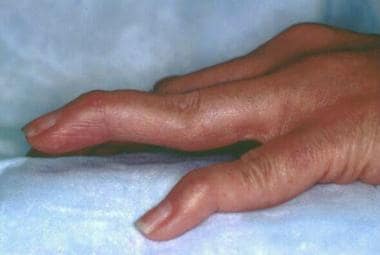
Joint involvement is the characteristic feature of patients with RA. In general, the small joints of the hands and feet are affected in a relatively symmetric distribution. Those most commonly affected joints, in decreasing frequency, are the MCP, wrist, PIP, knee, MTP, shoulder, ankle, cervical spine, hip, elbow, and temporomandibular. Joints show inflammation with swelling, tenderness, warmth, and decreased range of motion. Atrophy of the interosseous muscles of the hands is a typical early finding. Joint and tendon destruction may lead to deformities such as ulnar deviation, boutonnière and swan-neck deformities, hammer toes, and occasionally joint ankylosis.

Other commonly observed musculoskeletal manifestations are tenosynovitis and associated tendon rupture (due to tendon and ligament involvement, most commonly involving the fourth and fifth digital extensor tendons at the wrist), periarticular osteoporosis due to localized inflammation and generalized osteoporosis due to systemic chronic inflammation, immobilization-related changes or corticosteroid therapy, and carpal tunnel syndrome. Most patients have muscle atrophy from disuse, which is often secondary to joint inflammation.

  • Effect of RA on organs and organ systems
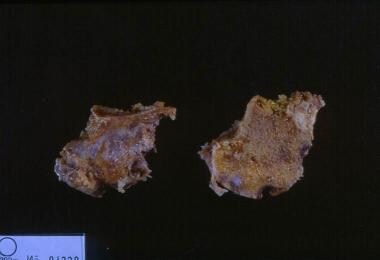
    • Skin: Subcutaneous nodules (rheumatoid nodules) occur in many patients with RA whose RF value is abnormal. They are often present over pressure points (eg, olecranon). Vasculitic lesions of the skin may manifest as palpable purpura or skin ulceration.
    • Cardiac: The incidence of cardiovascular morbidity and mortality is increased in patients with RA. Nontraditional risk factors appear to play an important role. Myocardial infarction, myocardial dysfunction, and asymptomatic pericardial effusions are common; symptomatic pericarditis and constrictive pericarditis are rare. Myocarditis, coronary vasculitis, valvular disease, and conduction defects are occasionally observed.
    • Pulmonary: RA involvement of the lungs may take several forms, including pleural effusions, interstitial fibrosis, nodules (Caplan syndrome), and bronchiolitis obliterans-organizing pneumonia.
    • GI: Intestinal involvement, as with kidney involvement, is often secondary to associated processes such as medication effects, inflammation, and other diseases. The liver is often affected in patients with Felty syndrome (ie, RA, splenomegaly, and neutropenia).
    • Renal: The kidneys commonly are not affected directly by RA. Secondary involvement is common, including that due to medications (eg, nonsteroidal anti-inflammatory drugs [NSAIDs], gold, cyclosporin), inflammation (eg, amyloidosis), and associated diseases (eg, Sjögren syndrome with renal tubular abnormalities).
    • Vascular: Vasculitic lesions can occur in any organ but are most commonly found in the skin. Lesions may present as palpable purpura, skin ulcers, or digital infarcts.
    • Hematologic: Most active patients have an anemia of chronic disease. Several hematologic parameters parallel disease activity, including normochromic-normocytic anemia, thrombocytosis, and eosinophilia, although the latter is uncommon. Leukopenia is a finding in patients with Felty syndrome.
    • Neurologic: Entrapment of nerves is common, such as with the median nerve in carpal tunnel syndrome. Vasculitic lesions, mononeuritis multiplex, and cervical myelopathy may cause serious neurological consequences.
    • Ocular: Keratoconjunctivitis sicca is common in RA and is often the initial manifestation of secondary Sjögren syndrome. The eye may also have episcleritis, uveitis, and nodular scleritis that may lead to scleromalacia.
  • The American College of Rheumatology developed criteria to aid in determining the progression, remission, and functional status of patients with RA.
  • Progression of RA (clinical and radiological staging)
    • Stage 1 (early RA)
      • No destructive changes observed upon roentgenographic examination
      • Radiographic evidence of osteoporosis possible
    • Stage II (moderate progression)
      • Radiographic evidence of periarticular osteoporosis with or without slight subchondral bone destruction
      • Slight cartilage destruction possible
      • Joint mobility possibly limited; no joint deformities observed
      • Adjacent muscle atrophy
      • Extra-articular soft tissue lesions (eg, nodules, tenosynovitis) possible
    • Stage III (severe progression)
      • Radiographic evidence of cartilage and bone destruction in addition to periarticular osteoporosis
      • Joint deformity (eg, subluxation, ulnar deviation, hyperextension) without fibrous or bony ankylosis
      • Extensive muscle atrophy
      • Extra-articular soft tissue lesions (eg, nodules, tenosynovitis) possible
    • Stage IV (terminal progression)
      • Fibrous or bony ankylosis
      • Criteria of stage III
  • Remission of RA - Five or more of the following conditions present for at least 2 consecutive months
    • Duration of morning stiffness not exceeding 15 minutes
    • No fatigue
    • No joint pain
    • No joint tenderness or pain with motion
    • No soft tissue swelling in joints or tendon sheaths
    • ESR of less than 30 mm/h for a female or less than 20 mm/h for a male
  • Functional status of patients with RA
    • Class I - Completely able to perform usual activities of daily living
    • Class II - Able to perform usual self-care and vocational activities but limited in avocational activities
    • Class III - Able to perform usual self-care activities but limited in vocational and avocational activities
    • Class IV - Limited in ability to perform usual self-care, vocational, and avocational activities

Causes

The cause(s) of RA is unknown. Genetic, environmental, hormonal, immunologic, and infectious factors may play significant roles. Socioeconomic, psychological, and lifestyle factors may influence disease outcome.

  • Genetic
    • Approximately 60% of US patients with RA carry the so-called shared epitope of the HLA-DR4 cluster, which constitutes one of the peptide binding sites of certain HLA-DR molecules associated with RA (eg, HLA-DR beta *0401, 0404, or 0405); in addition, HLA-DR1 (HLA-DR beta *0101) also carries this shared epitope and confers risk, particularly in certain southern European areas.
    • Other HLA-DR4 molecules (eg, HLA-DR beta *0402) do not share the same epitope and do not confer risk. Genes other than those of the major histocompatibility complex are also involved, and results from sequencing genes of RA families suggest the presence of several susceptibility genes and several resistance genes.
  • Environmental
    • For many decades, numerous infectious agents have been suggested to induce RA. Among these are Mycoplasma organisms, Epstein-Barr and rubella viruses, and others.
    • This supposition is further supported indirectly by the following:
      • Occasional reports of flulike disorders preceding the start of arthritis
      • The inducibility of arthritis in experimental animals with different bacteria or bacterial products (eg, streptococcal cell walls)
      • The presence of bacterial products including bacterial RNA in patients' joints
      • The activity of several agents that have antimicrobial effects as disease-modifying drugs (eg, gold salts, antimalarials, minocycline)
  • Hormonal
    • Sex hormones may play a role, as evidenced by the disproportionate number of females with RA, its amelioration during pregnancy, its recurrence in the early postpartum period, and its reduced incidence in women using oral contraceptives.
    • Hyperprolactinemia may be a risk factor for RA.
  • Immunologic
    • All of the major immunologic elements play fundamental roles in the initiation, propagation, and maintenance of the autoimmune process of RA. The exact orchestration of the cellular and cytokine events that lead to pathologic consequences, such as synovial proliferation and subsequent joint destruction, is complex. It involves T and B lymphocytes, antigen-presenting cells (eg, B cells, macrophages, dendritic cells), and numerous cytokines. Aberrant production and regulation of both pro- and anti-inflammatory cytokines and cytokine pathways are found in RA.
    • T cells are assumed to play a pivotal role in the initiation of RA, and the key player in this respect is assumed to be the Th1 CD4 cells. (T helper 1 cells produce IL-2 and interferon gamma.)
    • These cells may subsequently activate macrophages and other cell populations, including synovial fibroblasts. The latter 2 populations are the main producers of the proinflammatory cytokines TNF-alpha and IL-1 that appear to be the major driving forces of inflammation.
    • B cells are important in the pathologic process because they may serve as antigen-presenting cells and activated T cells, produce numerous autoantibodies (eg, RF, to citrullinated proteins), and secrete cytokines. Elimination of populations of B cells with monoclonal antibodies (eg, rituximab) offers another effective therapeutic option.
    • Experimental models suggest that synovial macrophages and fibroblasts may become autonomous and thus lose responsiveness to T-cell activities in the course of the disease.
    • The hyperactive and hyperplastic synovial membrane is ultimately transformed into pannus tissue and invades cartilage and bone, the latter being degraded by activated osteoclasts.
    • The major difference between RA and other forms of inflammatory arthritis, such as psoriatic arthritis, does not lie in their cytokine patterns but rather in the highly destructive potential of the RA synovial membrane and in the local and systemic autoimmunity. Whether these 2 events are linked is unclear; however, the autoimmune response conceivably leads to the formation of immune complexes activating the inflammatory process to a much higher degree than is otherwise the case. This theory is supported by the much worse prognosis of RA among patients positive for RF.
    • In patients with RA, autoantibodies are not only directed against immunoglobulin G (IgG), ie, RFs, but also against a variety of other antigens such as nuclear antigens (RA 33, EBNA), citrullinated proteins (anti-CCP antibodies), collagen, and glucose-6-phosphate isomerase.


Amyloidosis, Overview
Calcium Pyrophosphate Deposition Disease
Cryoglobulinemia
Fibromyalgia
Hepatitis B
Hypothyroidism
Inflammatory Bowel Disease
Lyme Disease
Mediterranean Fever, Familial
Multicentric Reticulohistiocytosis
Myelodysplastic Syndrome
Osteoarthritis
Paraneoplastic Syndromes
Polychondritis
Polymyalgia Rheumatica
Psoriatic Arthritis
Sarcoidosis
Sjogren Syndrome
Systemic Lupus Erythematosus
Whipple Disease

Other Problems to be Considered

  • Infectious arthritis - Bacteria (eg, Lyme disease, fungi, mycobacteria), viruses (eg, hepatitis B, rubella, parvovirus, human T-cell leukemia virus 1)
  • Autoimmune connective tissue diseases (eg, systemic lupus erythematosus, progressive systemic sclerosis, mixed connective tissue disease, Sjögren syndrome, vasculitis, cryoglobulinemias)
  • Other rheumatic diseases (eg, polyarticular gout, seronegative spondyloarthropathy [eg, ankylosing spondylitis, reactive arthritis])
  • Subacute bacterial endocarditis
  • Hemoglobinopathies
  • Angioimmunoblastic lymphadenopathy


Lab Studies

  • No pathognomonic test is available to help confirm the diagnosis of RA; instead, the diagnosis is made using clinical, laboratory, and imaging features.
  • Markers of inflammation, such as ESR and CRP, are associated with disease activity; additionally, the CRP value over time correlates with radiographic progression.
  • Hematologic parameters include a CBC count and synovial fluid analysis.
    • Complete blood cell count
      • Anemia of chronic disease is common and correlates with disease activity; it improves with successful therapy.
      • Hypochromic anemia suggests blood loss, commonly from the GI tract (associated with NSAIDs).
      • Anemia may also be related to disease-modifying antirheumatic drug (DMARD) therapy.
      • Thrombocytosis is common and is also associated with disease activity.
      • Thrombocytopenia may be a rare adverse event of therapy and may occur in patients with Felty syndrome.
      • Leukocytosis may occur but is usually mild.
      • Leukopenia may be a consequence of therapy or a component of Felty syndrome, which may then respond to DMARD therapy.
    • Synovial fluid analysis
      • An inflammatory synovial fluid (WBC count >2000/µL) is present with counts generally from 5,000-50,000/µL.
      • Usually, neutrophil predominance (60-80%) is observed in the synovial fluid (in contrast with mononuclear cell predominance in the synovium).
      • Note that because of a transport defect, the glucose levels of pleural, pericardial, and synovial fluids from patients with RA are often low compared to serum glucose levels.
  • Immunologic parameters include RF, antinuclear antibodies, and, possibly, other newer antibodies (anti-RA33, anti-CCP).
    • Rheumatoid factor
      • RF is present in approximately 60-80% of patients with RA over the course of their disease but is present in fewer than 40% of patients with early RA.
      • RF values fluctuate somewhat with disease activity, although high-titered RF generally remains present even in patients with drug-induced remissions.
    • Antinuclear antibodies: These are present in approximately 40% of patients with RA, but test results for antibodies to most nuclear antibody subsets are negative.
    • Newer antibodies (eg, anti-RA33, anti-CCP): Recent studies of anti-CCP antibodies suggest a sensitivity and specificity equal to or better than those of RF, with an increased frequency of positive results in early RA. The presence of both anti-CCP antibodies and RF is highly specific for RA. Additionally, anti-CCP antibodies, as do RF, indicate a worse prognosis.

Imaging Studies

  • Radiographs: Note that erosions may be present in the feet, even in the absence of pain and in the absence of erosions in the hands.
    • Extremities - Hands, wrists, knees, feet, elbows, shoulders, hips, cervical spine
    • Others when indicated
  • MRI: This modality is primarily used in patients with abnormalities of the cervical spine; early recognition of erosions based on MRI images has been sufficiently validated.
  • Sonography: This allows recognition of effusions in joints that are not easily accessible (eg, hip joints, shoulder joints in obese patients) and cysts (Baker cysts). High-resolution ultrasound images may allow visualization of tendon sheaths, changes and degree of vascularization of the synovial membrane, and even erosions; however, this needs further validation. Sonography may be used as an office-based procedure.
  • Bone scanning: Findings may help to distinguish inflammatory from noninflammatory changes in patients with minimal swelling.
  • Densitometry: Findings are useful for helping diagnose changes in bone mineral density indicative of osteoporosis.

Other Tests

  • HLA-DR4 (shared epitope) may constitute a helpful marker in early undifferentiated arthritis.

Procedures

  • Joint aspiration, diagnostic arthroscopy (histology), and biopsies (eg, skin, nerve, fat, rectum, kidney) may be considered if vasculitis or amyloidosis is suggested.

Histologic Findings

The lymphoplasmacytic infiltration of the synovium with neovascularization seen in RA is similar to that seen in other conditions characterized by inflammatory synovitis. Early rheumatoid nodules are characterized by small vessel vasculitis and later by granulomatous inflammation.


Medical Care

Optimal care of patients with RA requires an integrated approach of pharmacologic and nonpharmacologic therapies.

  • Nonpharmacologic
    • Education is important in helping patients to understand their disease and to learn how to cope with its consequences.
    • Physiotherapy and physical therapy are initiated to help improve and sustain range of motion, increase muscle strength, and reduce pain.
    • Occupational therapy is initiated (1) to help patients to use joints and tendons efficiently without stressing these structures, (2) to help patients decrease tension on the joints through the use of specially designed splints, and (3) to help patients to cope with daily life through the use of adaptations to the patients' environment and the use of different aids.
    • Orthopedic measures include reconstructive and replacement-type surgical measures.
  • Pharmacologic
    • The most important measure to successfully treat RA is the use of DMARDs. DMARDs can retard or prevent disease progression and, thus, joint destruction and subsequent loss of function.
    • Successful DMARD therapy may eliminate the need for other anti-inflammatory or analgesic medications.
    • Until the full action of DMARDs takes effect, anti-inflammatory or analgesic medications may be required as bridging therapy to reduce pain and swelling.
    • DMARDs can be classified into xenobiotic and biologic agents.
    • Xenobiotic agents
      • The xenobiotic DMARDs, ie, gold salts (eg, aurothiomalate, auranofin, others), D-penicillamine, chloroquine and hydroxychloroquine, sulfasalazine (SSZ), methotrexate (MTX), azathioprine, and cyclosporin A, have been widely used to treat RA; some have been used for decades.
      • MTX and SSZ are the most active compounds in terms of frequency of remissions and time to onset of action and provide the best risk-benefit ratios. MTX alone or in combination with other agents has become the standard of care for moderate-to-severe RA.
      • Interest in the use of minocycline has recently been increasing because of its capacity to act as a DMARD.
      • Leflunomide is the most recent addition to the xenobiotics and has an activity similar to that of SSZ and MTX.
      • SSZ is dosed up to 2-4 g/d, while MTX is administered up to 25 mg once a week (PO, IV, IM, or SC). Both SSZ and MTX are started at low dosages and are increased to full dosages within approximately 4-6 weeks. Monitoring of CBC counts and liver enzymes is important because of the drugs' hematologic and hepatic toxicities. Approximately 1% of patients develop agranulocytosis to SSZ or pneumonitis to MTX. Leflunomide is usually initiated with a loading dose of 100 mg/d for 3 days and is then continued at 20 mg/d. CBC counts and liver enzymes also must be monitored. Most of these drugs have been shown to improve signs and symptoms (as well as quality of life) and to significantly retard radiographic progression of RA.
      • Combination therapy appears to be helpful in patients whose RA insufficiently or completely fails to respond to monotherapy with a DMARD. Several compounds have been successfully combined without unexpected added risks; these usually include MTX as one of the drugs, ie, MTX plus cyclosporine A, MTX plus SSZ plus an antimalarial, MTX plus leflunomide, or MTX plus biologics. In general, the same precautions are needed as with the single compounds, although liver and bone marrow toxicity may be increased if compounds affecting these organs are combined.
      • The most important and most common adverse events relate to liver and bone marrow toxicity (MTX, SSZ, leflunomide, azathioprine, gold compounds, D-penicillamine), renal toxicity (cyclosporine A, parenteral gold salts, D-penicillamine), pneumonitis (MTX), allergic skin reactions (gold compounds, SSZ), autoimmunity (D-penicillamine, SSZ, minocycline) and infections (azathioprine, cyclosporine A). Antimalarials may cause ocular toxicity. Nevertheless, these drugs, when used with appropriate clinical and laboratory control monitoring, are usually tolerated well. Adverse events typically become more rare after the first 2-3 months. Most adverse events are reversible with cessation of the drugs or with reduction of the doses.
      • In clinical trials, 30-70% of patients using DMARDs, either alone or in combination therapy, achieve partial responses according to the American College of Rheumatology's disease activity score. Predicting which patients will not respond is impossible. In clinical practice, attempting to reduce disease activity as much as possible by (1) increasing the dose of medication (eg, MTX), (2) switching to other DMARDs in those who do not respond or in those with responses regarded as insufficient, or (3) initiating combination therapy is important. Because patients may require 2-3 months to achieve a full response to DMARDs, decisions regarding changes in medication are often delayed until that time.
    • Biologic agents
      • The recognition of TNF-alpha and IL-1 as central proinflammatory cytokines has led to the development of agents that block these cytokines or their effects. The TNF blockers include etanercept, infliximab, and adalimumab. Etanercept, a bivalent p75–TNF receptor linked to the Fc portion of human IgG, is administered at 25 mg SC twice weekly or 50 mg SC weekly, with or without concomitant MTX. Infliximab, a chimeric monoclonal antibody against TNF-alpha, is administered at doses of 3 mg/kg IV at weeks 0, 2, and 6 and then every 4-8 weeks, usually with MTX. Adalimumab, a recombinant human IgG1 monoclonal antibody specific for human TNF monoclonal antibody, is administered 40 mg SC every 2 weeks.
      • These agents are expensive. Consensus statements do not recommend their use until at least one xenobiotic DMARD, usually MTX, has been administered without sufficient success. In clinical trials, up to 70% of patients achieve significant responses, but remissions are not usually observed.
      • These agents bind TNF and thus prevent its interaction with its receptors; infliximab binds to cells that express membrane TNF, while etanercept binds lymphotoxin (formerly termed TNF-beta) in addition to soluble TNF-alpha. Failure to respond to one TNF blocker does not preclude response to another. As with xenobiotics, the decision to continue or stop biologic agents can often be made within 3 months after initiation of therapy.
      • Adverse effects associated with the biologic agents include the generation of antibodies against these compounds, emergence of antinuclear antibodies, occasional drug-induced lupuslike syndromes, and infections (including tuberculosis). Rarely, demyelinating disorders and bone marrow suppression may occur. Acute and chronic infections, demyelinating disorders, and recent malignancies are contraindications for TNF blockers. Thoroughly searching for latent tuberculosis using chest x-ray films and/or purified protein derivative (PPD) testing is recommended before starting these agents.
      • Another biologic is anakinra (IL-1 receptor antagonist [IL-1ra]). IL-1ra occupies the IL-1 receptor without triggering it and prevents receptor binding of IL-1. It is given at a dose of 100 mg/d SC. In clinical trials, a significant response was observed in approximately 40% of patients with RA.
      • Abatacept is a selective costimulation modulator that inhibits T-cell activation by binding to CD80 and CED86, thereby blocking CD28 interaction. CD28 interaction provides a signal needed for full T-cell activation that is implicated in RA pathogenesis. It is dosed according to body weight (vida infra); after initial infusion, repeat on week 2 and week 4, then every 4 weeks following.
      • In addition to improving signs and symptoms and quality of life, all biologics significantly retard radiographic progression of joint erosions.
    • Glucocorticoids
      • Glucocorticoids are potent anti-inflammatory drugs and are commonly used in patients with RA to bridge the time until DMARDs are effective.
      • Doses of up to 10 mg of prednisone per day are typically used, but some patients may require higher doses.
      • Timely dose reductions and cessation are important because of the adverse effects associated with long-term steroid use.
    • Nonsteroidal anti-inflammatory drugs
      • NSAIDs interfere with prostaglandin synthesis through inhibition of the enzyme cyclooxygenase (COX), thus reducing swelling and pain. However, they do not retard joint destruction and, therefore, when used alone, are not sufficient to treat RA. Similar to glucocorticoids, they can be reduced in dose or discontinued with successful DMARD therapy.
      • Several dozen NSAIDs are available and can be classified into different groups of compounds. Commonly used NSAIDs include ibuprofen, naproxen, ketoprofen, piroxicam, and diclofenac.
      • In the early 1990s, 2 isoforms of COX were discovered, ie, COX-1 and COX-2. Traditional NSAIDs inhibit both COX-1 and COX-2.
      • The coxibs (COX-2 inhibitors), a new group of compounds, have recently been developed. These compounds have a significant preference for COX-2 over COX-1. COX-1 has a protective role, particularly in the stomach, while COX-2 is strongly up-regulated during inflammation.
      • Coxibs, with their selectivity for COX-2, have been shown to be clinically efficacious and are accompanied by significantly reduced GI toxicity, the major adverse event related to the use of nonselective COX inhibitors (ie, NSAIDs). Other adverse effects, such as water retention, hypertension, and abnormal transaminase levels, are observed with both nonselective and COX-2–selective drugs. Whether and to what degree nonaspirin NSAIDs, coxibs, or both have cardiovascular toxicity has not been definitively settled.
    • Analgesics
      • Acetaminophen/paracetamol, tramadol, codeine, opiates, and a variety of other analgesic medications can also be employed to reduce pain.
      • These agents do not affect swelling or joint destruction.
    • Experimental therapies
      • Despite significant advances over the past decades, RA continues to be an incurable disease. The disease remains active in many patients whose conditions partially or completely fail to respond to DMARDs. Therefore, a vigorous search is underway for new therapeutic agents.
      • Although not truly experimental because it has been approved for use in RA, an immunoadsorbent column (Prosorba) is used on occasion to treat patients with resistant disease. Weekly exchanges are given for 12 weeks.
      • New TNF blockers are in clinical trials and include CDP 870, a Fab fragment of a humanized monoclonal antibody; and a pegylated version of the p55 TNF receptor.
      • Biologics capable of blocking IL-6 or interfering with T-cell/non–T-cell interactions may also be promising.
      • Xenobiotics directed at molecules involved in transduction of TNF or IL-1–mediated signals could prove helpful.
      • Inhibition of matrix metalloproteinases, although initially unsuccessful, could prove to be efficacious, as could agents that inhibit activation of osteoclasts.
      • Apheresis procedures are being investigated.
      • High-dose immunosuppression combined with autologous stem cell transplantation has been used in study protocols for patients whose conditions are resistant to other therapies.
    • Early therapy
      • Many studies have revealed that early treatment of RA (ie, within 3-12 mo of onset) with DMARDs can not only more efficiently retard disease progression than later treatment, but also may induce more remissions. Thus, early therapy with DMARDs has become the standard of care.
      • Importantly, note that patients with early forms of arthritis should be evaluated by, and if necessary, referred to physicians who are experienced in the diagnosis and treatment of this disease.

Surgical Care

Cervical spine involvement usually affects C1-C2 and may potentially cause serious neurological consequences. Patients who are to undergo intubation or procedures that may involve manipulation of the neck should have careful evaluation of the cervical spine.

Patients with RA often need multiple operations over time (eg, synovectomy, tendon corrections, joint replacements).

Consultations

  • Orthopedists
  • Physical and rehabilitative medicine specialists


Optimal care of patients with RA requires an integrated approach of pharmacologic and nonpharmacologic therapies.

Drug Category: Disease-modifying antirheumatic drugs

These agents can be classified into xenobiotic and biologic agents. Xenobiotics include gold salts (eg, aurothiomalate, auranofin, others), D-penicillamine, chloroquine and hydroxychloroquine, SSZ, MTX, azathioprine, and cyclosporin A and have been widely used to treat RA.

Drug NameLeflunomide (Arava)
DescriptionFirst new DMARD approved in more than 10 years. Blocks autoimmune antibodies and reduces inflammation. Inhibits dihydroorotate dehydrogenase, an enzyme in the de novo pyrimidine synthesis pathway. Studies indicate that it reduces symptoms, possibly better than MTX, and may even slow progression of RA. Use with caution in renal insufficiency
Adult DoseInitial: 100 mg/d PO for 3 d
Maintenance dose: 10-20 mg/d PO
Pediatric DoseNot established
ContraindicationsDocumented hypersensitivity
InteractionsCholestyramine and charcoal reduce effects; concomitant rifampin increases toxicity
PregnancyX - Contraindicated in pregnancy
PrecautionsSerious adverse reactions include hepatotoxicity and immunosuppression; other reactions include nausea, diarrhea, abdominal pain, rash, bronchitis, headache, hypertension, dizziness, and alopecia; caution if impaired liver or renal function or if immunodeficient; leflunomide is a prodrug and active metabolite has a very long plasma half-life (approximately 15 d); with serious toxicity, can be cleared more quickly using cholestyramine 8 mg tid

Drug NameMethotrexate (Rheumatrex, Folex PFS)
DescriptionUnknown mechanism of action in treatment of inflammatory reactions, although it is a known inhibitor of dihydrofolate reductase and causes extracellular release of adenosine, a known inhibitor of immune and inflammatory pathways. Ameliorates symptoms of inflammation (eg, pain, swelling, stiffness). Gradually adjust dose to attain satisfactory response.
Adult Dose7.5-25 mg PO/IV/IM/SC qwk
Pediatric DoseNot established
ContraindicationsDocumented hypersensitivity; alcoholism; hepatic inflammation or insufficiency; documented immunodeficiency syndromes; preexisting blood dyscrasias (eg, bone marrow hypoplasia, leukopenia, thrombocytopenia, significant anemia); renal insufficiency
InteractionsOral aminoglycosides may decrease absorption and blood levels of concurrent oral MTX; charcoal lowers levels; coadministration with etretinate may increase hepatotoxicity; folic acid or its derivatives contained in some vitamins may decrease response; probenecid, NSAIDs, salicylates, procarbazine, and sulfonamides, including TMP-SMZ, can increase plasma levels; may decrease phenytoin plasma levels; may increase plasma levels of thiopurines
PregnancyD - Unsafe in pregnancy
PrecautionsMonitor CBC counts monthly and liver and renal function every 1-3 mo during therapy (monitor more frequently during initial dosing, dose adjustments, or when risk of elevated MTX levels, eg, renal insufficiency, dehydration); has toxic effects on hematologic, GI, and pulmonary systems; discontinue if significant drop in blood counts occurs; fatal reactions reported when administered concurrently with NSAIDs or in setting of significantly impaired renal function; folic acid supplementation (1 mg/d) may decrease adverse GI effects

Drug NameSulfasalazine (Azulfidine, Azulfidine EN-tabs)
DescriptionActs locally to decrease inflammatory response and systemically inhibits prostaglandin synthesis.
Adult DoseInitial: 1 g PO tid/qid
Maintenance: 2 g/d PO in divided doses
Pediatric Dose<2 years: Not established
>2 years: 40-60 mg/kg/d PO in 3-6 divided doses, followed by maintenance dose of 20-30 mg/kg/d divided qid
ContraindicationsDocumented hypersensitivity to sulfa drugs or any component; GI or GU obstruction
InteractionsDecreases effects of iron, digoxin, and folic acid; conversely, increases effect of oral anticoagulants, oral hypoglycemic agents, and MTX
PregnancyB - Usually safe but benefits must outweigh the risks.
PrecautionsCaution in patients with renal or hepatic impairment, blood dyscrasias, or urinary obstruction; adverse effects include anorexia, nausea/vomiting, diarrhea (enteric-coated tabs may reduce adverse GI effects), photosensitivity, headache, dizziness, urticaria/pruritus, hemolytic anemia, interstitial nephritis, acute nephropathy, hematuria, cirrhosis, jaundice, and hepatic necrosis (rare)

Drug NameEtanercept (Enbrel)
DescriptionSoluble p75 TNF receptor fusion protein (sTNFR-Ig). Inhibits TNF binding to cell surface receptors, which, in turn, decreases inflammatory and immune responses.
Adult Dose25 mg SC twice weekly with or without concomitant administration of MTX
Pediatric DoseAdminister as in adults
ContraindicationsDocumented hypersensitivity, sepsis, concurrent live vaccination
InteractionsNone reported
PregnancyB - Usually safe but benefits must outweigh the risks.
PrecautionsCaution in impaired renal function and asthma; discontinue administration if serious infection develops; adverse effects may include injection site pain, localized erythema, rash, URI symptomology, GI upset, nausea, vomiting, rhinitis, cough, and drug-induced lupus

Drug NameInfliximab (Remicade)
DescriptionChimeric IgG1k monoclonal antibody that neutralizes cytokine TNF-alpha and inhibits its binding to TNF-alpha receptor. Reduces infiltration of inflammatory cells and TNF-alpha production in inflamed areas. Used with MTX in patients who have inadequate response to MTX monotherapy.
Adult Dose3 mg/kg IV at weeks 0, 2, and 6; then q4-8wk, usually with MTX; some patients require higher doses (4-5 mg/kg)
Pediatric DoseNot established
ContraindicationsDocumented hypersensitivity
InteractionsNone reported
PregnancyC - Safety for use during pregnancy has not been established.
PrecautionsTNF-alpha modulates cellular immune responses; anti–TNF therapies, such as infliximab, may adversely affect normal immune responses and allow development of superinfections; may increase risk of reactivation of TB in patients with certain granulomatous infections; PPD-positive patients require TB prophylaxis; may cause anti-DNA antibodies and drug-induced lupus

Drug NameAdalimumab (Humira)
DescriptionRecombinant human IgG1 monoclonal antibody specific for human TNF. Indicated to reduce inflammation and inhibit progression of structural damage in moderate-to-severe rheumatoid arthritis. Reserved for those who experience inadequate response to one or more DMARDs. It can be used alone or in combination with MTX or other DMARDs. Binds specifically to TNF-alpha and blocks interaction with p55 and p75 cell-surface TNF receptors.
Adult Dose40 mg SC q2wk; may increase to 40 mg SC qwk in some patients not taking concomitant MTX
Pediatric DoseNot established
ContraindicationsDocumented hypersensitivity; active infection
InteractionsMay interfere with immune response to live virus vaccine (MMR) and reduce efficacy; MTX decreases clearance (available data do not support adjusting dose of either HUMIRA or MTX)
PregnancyB - Usually safe but benefits must outweigh the risks.
PrecautionsCauses immunosuppression; may reactivate tuberculosis infection; increases risk for lymphoma development; associated with CNS demyelination (rare); discontinue if serious infection develops; autoantibody development may occur, causing lupuslike syndrome

Drug NameRituximab (Rituxan)
DescriptionChimeric IgG1-kappa monoclonal antibody directed against the CD20 antigen found on the surface of normal and malignant B lymphocytes. The Fab domain of rituximab binds to CD20 antigen on B lymphocytes, and Fc domain recruits immune effector functions to mediate B-cell lysis in vitro. Possible mechanisms of cell lysis include complement-dependent cytotoxicity (CDC) and antibody-dependent cell-mediated cytotoxicity (ADCC). Rituximab in combination with methotrexate is indicated to reduce signs and symptoms in adult patients with moderately to severely active RA who have had an inadequate response to one or more TNF antagonist therapies.
Adult DoseGive two 1-g IV infusions 2 wk apart
Glucocorticoids administered as methylprednisolone 100 mg IV or equivalent 30 min prior to each infusion are recommended to reduce incidence and severity of infusion reactions
Pediatric DoseNot established
ContraindicationsKnown anaphylaxis or IgE-mediated hypersensitivity to murine proteins or any component of product
InteractionsNo formal drug interaction studies performed with rituximab; renal toxicity reported with drug in combination with cisplatin in clinical trials (in clinical trials involving patients with RA, concomitant administration of methotrexate or cyclophosphamide did not alter pharmacokinetics of rituximab)
PregnancyC - Safety for use during pregnancy has not been established.
PrecautionsSafety and efficacy of re-treatment not established in controlled trials; not recommended in patients with RA and no prior inadequate response to one or more TNF antagonists; has caused severe infusion reactions (in some cases, reactions were fatal); hepatitis B virus (HBV) reactivation with fulminant hepatitis, hepatic failure, and death has been reported in some patients with hematologic malignancies treated with rituximab; hypersensitivity reactions (non–IgE-mediated reactions reported); mucocutaneous reactions, some with fatal outcome, have been reported in patients treated with rituximab; vaccination with live-virus vaccines not recommended

Drug Category: Nonsteroidal anti-inflammatory drugs

These agents interfere with prostaglandin synthesis through inhibition of the COX enzyme, thus reducing swelling and pain. However, they do not retard joint destruction and alone are not sufficient to treat RA. As with glucocorticoids, dose can be reduced or drug discontinued with successful DMARD therapy. All NSAIDs and coxibs have been given a "black box" warning by the US Food and Drug Administration regarding their potential for increased serious cardiovascular thrombotic events.

Several dozen NSAIDs are available, which can be classified into different groups of compounds. Commonly used NSAIDs include ibuprofen, naproxen, ketoprofen, piroxicam, and diclofenac.

Selective COX-2 inhibitors may be considered for patients at risk for GI bleed.

Drug NameIbuprofen, ketoprofen, naproxen, piroxicam, diclofenac
DescriptionIbuprofen (Motrin, Advil), ketoprofen (Oruvail), naproxen (Naprosyn), piroxicam (Feldene), and diclofenac (Voltaren, Cataflam) are DOC for patients with mild to moderate pain. Inhibits inflammatory reactions and pain by decreasing prostaglandin synthesis.
Adult DoseIbuprofen: 200-400 mg PO q4-6h while symptoms persist; not to exceed 3.2 g/d
Ketoprofen: 25-50 mg PO q6-8h prn; not to exceed 300 mg/d
Naproxen: 250-500 mg PO bid; may increase to 1.5 g/d for limited periods
Piroxicam: 10-20 mg/d PO
Diclofenac: Up to 100 mg hs may help relieve persistent night pain or morning stiffness; not to exceed total daily dose of 200 mg
Pediatric DoseIbuprofen
6 months to 12 years: 4-10 mg/kg/dose PO tid/qid
>12 years: Administer as in adults
Ketoprofen
3 months to 12 years: 0.1-1 mg/kg PO q6-8h
>12 years: Administer as in adults
Naproxen
<2 years: Not established
>2 years: 2.5 mg/kg/dose PO; not to exceed 10 mg/kg/d
Piroxicam
0.2-0.3 mg/kg/d PO; not to exceed 15 mg/d
Diclofenac
<12 years: Not established
>12 years: Administer as in adults
ContraindicationsDocumented hypersensitivity; peptic ulcer disease, recent GI bleeding or perforation, renal insufficiency, or high risk of bleeding
InteractionsAdministration with aspirin increases risk of inducing serious NSAID-related adverse effects; probenecid may increase concentrations and, possibly, toxicity; may decrease effect of hydralazine, captopril, and beta-blockers; may decrease diuretic effects of furosemide and thiazides; may increase PT when taking anticoagulants (instruct patients to watch for signs of bleeding); may increase risk of MTX toxicity; phenytoin levels may be increased when administered concurrently
PregnancyB - Usually safe but benefits must outweigh the risks.
PrecautionsCategory D in third trimester of pregnancy; caution in congestive heart failure, hypertension, and decreased renal and hepatic function; caution in coagulation abnormalities or during anticoagulant therapy

Drug NameCelecoxib (Celebrex)
DescriptionPrimarily inhibits COX-2. COX-2 is considered an inducible isoenzyme, induced during pain and inflammatory stimuli. Inhibition of COX-1 may contribute to NSAID GI toxicity. At therapeutic concentrations, COX-1 isoenzyme is not inhibited, thus GI toxicity may be decreased. Seek lowest dose for each patient.
Adult Dose200 mg/d PO; alternatively, 100 mg PO bid
Pediatric DoseNot established
ContraindicationsDocumented hypersensitivity
InteractionsCoadministration with fluconazole may cause increase in celecoxib plasma concentrations because of inhibition of celecoxib metabolism; coadministration with rifampin may decrease celecoxib plasma concentrations
PregnancyB - Usually safe but benefits must outweigh the risks.
PrecautionsCategory D in third trimester of pregnancy; may cause fluid retention and peripheral edema; caution in compromised cardiac function, hypertension, and conditions predisposing to fluid retention; caution in severe heart failure and hyponatremia because may deteriorate circulatory hemodynamics; NSAIDs may mask usual signs of infection; caution in the presence of existing controlled infections; evaluate therapy when symptoms or lab results suggest liver dysfunction

Drug Category: Analgesics

Acetaminophen/paracetamol, tramadol, codeine, opiates, and a variety of other analgesic medications can be employed to reduce pain. These agents do not affect swelling or joint destruction.

Drug NameAcetaminophen (Tylenol, Feverall, Tempra)
DescriptionDOC for pain in patients with documented hypersensitivity to aspirin or NSAIDs, with upper GI disease, or who are taking oral anticoagulants.
Adult Dose325-650 mg PO q4-6h or 1000 mg tid/qid; not to exceed 4 g/d
Pediatric Dose<12 years: 10-15 mg/kg/dose PO q4-6h prn; not to exceed 2.6 g/d
>12 years: 325-650 mg PO q4h; not to exceed 5 doses in 24 h
ContraindicationsDocumented hypersensitivity; known G-6-PD deficiency
InteractionsRifampin can reduce analgesic effects; coadministration with barbiturates, carbamazepine, hydantoins, and isoniazid may increase hepatotoxicity
PregnancyB - Usually safe but benefits must outweigh the risks.
PrecautionsHepatotoxicity possible in persons with chronic alcoholism following various dose levels; severe or recurrent pain or high or continued fever may indicate serious illness; contained in many OTC products, and combined use with these products may result in cumulative doses exceeding recommended maximum dose

Drug NameTramadol (Ultram)
DescriptionInhibits ascending pain pathways, altering perception of and response to pain. Also inhibits reuptake of norepinephrine and serotonin.
Adult Dose50-100 mg PO q4-6h; not to exceed 400 mg/d
Pediatric DoseNot established
ContraindicationsDocumented hypersensitivity; opioid-dependency; concurrent use of MAOIs or within 14 d; use of SSRIs, TCAs, or opioids or acute alcohol intoxication
InteractionsDecreases carbamazepine effects significantly; cimetidine increases toxicity, risk of serotonin syndrome with coadministration of antidepressants
PregnancyC - Safety for use during pregnancy has not been established.
PrecautionsCan cause dizziness, nausea, constipation, sweating, or pruritus; additive sedation with alcohol and TCAs; abrupt discontinuation can precipitate opioid withdrawal symptoms; adjust dose in liver disease, myxedema, hypothyroidism, or hypoadrenalism; pregnancy and breastfeeding; seizure; development of tolerance or dependency with extended use

Drug Category: Immunomodulators

These agents interfere with cytokine actions responsible for inflammation.

Drug NameAnakinra (Kineret)
DescriptionCompetitively and selectively inhibits IL-1 binding to type I receptor (IL-1RI). IL-1 is found in excess in patients with RA and is produced in response to inflammatory stimuli. By blocking IL-1 binding, inflammation and pain associated with RA are inhibited. Indicated for RA in patients in whom one or more DMARDs have failed. Should be administered at approximately the same time every day.
Adult Dose100 mg/d SC
Pediatric DoseNot established
ContraindicationsDocumented hypersensitivity to product or Escherichia coli–derived products; active infections
InteractionsNone reported; higher rate of serious infections and neutropenia possible when coadministered with TNF blocking agents (eg, etanercept, infliximab); may decrease response to live virus vaccines
PregnancyB - Usually safe but benefits must outweigh the risks.
PrecautionsSerious infections may occur (discontinue treatment if serious infection develops); neutropenia may occur (especially if administered concomitantly with TNF blocking agents); most common adverse effect is local reaction at site of injection; caution in breastfeeding

Drug NameAbatacept (Orencia)
DescriptionSelective costimulation modulator that inhibits T-cell activation by binding to CD80 and CED86, thereby blocking CD28 interaction. CD28 interaction provides a signal needed for full T-cell activation that is implicated in RA pathogenesis. Indicated for reducing signs and symptoms of RA, slowing progression of structural damage, and improving physical function in adults with moderate-to-severe RA who have inadequate response to DMARDs, methotrexate, or TNF antagonists. May be used as monotherapy or with DMARDs (other than TNF antagonists, because of increased risk of serious infections [4.4% vs 0.8%]). Not recommended for concomitant use with anakinra (insufficient experience).
Adult DoseDose according to body weight; after initial administration, repeat at 2 and 4 wk after first infusion, then q4wk; infuse over 30 min
<60 kg: 500 mg IV
60-100 kg: 750 mg IV
>100 kg: 1 g IV
Pediatric DoseNot established
ContraindicationsDocumented hypersensitivity
InteractionsIn clinical trials, coadministration with TNF antagonists resulted in increased risk of serious infections; do not administer concurrently with live virus vaccines (eg, MMR) or within 3 mo of discontinuation
PregnancyC - Safety for use during pregnancy has not been established.
PrecautionsDiscontinue if serious infection occurs; patients with COPD developed adverse effects more frequently, including COPD exacerbations, cough, rhonchi, and dyspnea; serious adverse reactions include serious infections (3% vs 1.9% placebo); malignancy frequency was similar to that of placebo (1.3% vs 1.1% placebo), with the exception of lung cancer (0.2% vs 0% placebo); common adverse effects include headache, upper respiratory tract infection, nasopharyngitis, and nausea

Drug Category: Glucocorticoids

Potent anti-inflammatory drugs commonly used in patients with RA to bridge the time until DMARDs are effective. Doses of up to 10 mg/d of prednisone are typically used, but some patients may require higher doses. Adverse events associated with long-term steroid use make dose reductions and cessation important in due course.

Drug NamePrednisone (Deltasone, Meticorten, Orasone)
DescriptionImmunosuppressant for treatment of autoimmune disorders; may decrease inflammation by reversing increased capillary permeability and suppressing PMN activity. Stabilizes lysosomal membranes and also suppresses lymphocytes and antibody production.
Adult Dose10-60 mg/d PO or divided bid/qid; generally, maintenance dose should be <10 mg/d; alternatively, may be given IM, IV, or intra-articularly
Pediatric DoseNot established
ContraindicationsDocumented hypersensitivity; viral infection, peptic ulcer disease, hepatic dysfunction, connective tissue infections, and fungal or tubercular skin infections; GI ulceration
InteractionsCoadministration with estrogens may decrease clearance; concurrent use with digoxin may cause digitalis toxicity secondary to hypokalemia; phenobarbital, phenytoin, and rifampin may increase metabolism of glucocorticoids (consider increasing maintenance dose); monitor for hypokalemia with coadministration of diuretics
PregnancyB - Usually safe but benefits must outweigh the risks.
PrecautionsHyperglycemia, edema, osteonecrosis, myopathy, peptic ulcer disease, hypokalemia, osteoporosis, euphoria, psychosis, growth suppression, and infections may occur with glucocorticoid use; abrupt discontinuation may cause adrenal crisis

Drug NameMethylprednisolone (Depo-Medrol, Medrol, Solu-Medrol)
DescriptionDecreases inflammation by suppressing migration of polymorphonuclear leukocytes and reversing increased capillary permeability.
Adult Dose100 mg IV or equivalent 30 min prior to each infusion recommended to reduce incidence and severity of infusion reactions
Pediatric DoseNot established
ContraindicationsDocumented hypersensitivity; viral, fungal, or tubercular skin infections
InteractionsCoadministration with digoxin may increase digitalis toxicity secondary to hypokalemia; estrogens may increase levels of methylprednisolone; phenobarbital, phenytoin, and rifampin may decrease levels of methylprednisolone (adjust dose); monitor patients for hypokalemia when administered concurrently with diuretics; grapefruit juice increases prednisolone concentrations; methylprednisolone and cyclosporine mutually inhibit one another, resulting in increased plasma levels of each drug
PregnancyC - Safety for use during pregnancy has not been established.
PrecautionsHyperglycemia, edema, osteonecrosis, peptic ulcer disease, hypokalemia, osteoporosis, euphoria, psychosis, growth suppression, myopathy, and infections are possible complications of glucocorticoid use;
Depo-Medrol contains benzyl alcohol, which is potentially toxic when administered locally to neural tissue; administration of Depo-Medrol by other than indicated routes, including the epidural route, has been associated with reports of serious medical events such as arachnoiditis, meningitis, paraparesis/paraplegia, sensory disturbances, bowel/bladder dysfunction, seizures, visual impairment (eg, blindness, ocular, and periocular inflammation), and residue or slough at injection site


Deterrence/Prevention

  • RA is a progressive inflammatory disease historically treated according to a pyramid or sequential strategy, beginning with NSAID therapy.
    • The current approach to management emphasizes aggressive control of inflammation to prevent long-term damage using early DMARD therapy, including the use of single or combination DMARDs.
    • Early use of DMARDs had traditionally been avoided until patients show signs of joint damage; however, this strategy has proved ineffective over several years. Patients experience poor long-term outcomes, including severe functional declines, radiographic progression of disease, work disability, and premature mortality.
  • Two issues appear to be sources of confusion regarding long-term outcomes of treatment.
    • First, a small percentage of patients who meet diagnostic criteria for RA have a self-limited process with spontaneous remission. Thus, in the absence of signs of progression, some patients are diagnosed with, and subsequently treated for, other conditions.
    • Second, measures of inflammatory activity, such as joint swelling or ESRs, are often used to assess inflammatory activity. However, these indices are less useful end points for evaluation than severe long-term outcomes such as work disability or joint deformity and radiographic changes, in which the latter two are irreversible. During a period in which inflammatory markers may be stable or even improved, radiographic progression and functional decline can occur.
  • The traditional DMARDs, injectable gold salts and penicillamine, rarely induce sustained remission and are usually discontinued within 2 years. Because better agents are available, they are rarely used.
  • Newer DMARDs, such as MTX and SSZ, have greater long-term effectiveness but still rarely induce true remission.
  • Optimal control may require combination therapy. Recent studies have shown that MTX combined with other DMARDs is more effective and has acceptable toxicity when compared with use of a single agent. In combination with cyclosporine, MTX results in greater clinical improvement than MTX alone. Triple therapy with MTX, SSZ, and hydroxychloroquine provides substantially greater clinical improvement than MTX alone or SSZ plus hydroxychloroquine.1 In combination with infliximab, MTX provides a superior response to monotherapy.2 In combination with etanercept, MTX provides a higher rate of meaningful clinical response. Toxicities of these drug combinations are rarely more significant than those occurring with any of the individual agents used alone.
  • The goal of contemporary management of RA should be complete remission or no evidence of disease activity.
    • Achieving this goal likely requires ongoing drug therapy, probably using a combination of MTX with some other DMARD, although some patients may still respond satisfactorily to monotherapy.
    • More long-term studies are needed to evaluate potential important adverse effects associated with combination therapy before definite recommendations can be made.

Complications

  • RA is not fatal, but complications of the disease may shorten survival by a few years in some individuals. In general, RA is progressive and cannot be cured; in some, the disease gradually becomes less aggressive and symptoms may even improve. However, if bone and ligament destruction and any deformities have occurred, the effects are permanent.
  • Joint disability and pain with daily life are common. Affected joints can become deformed, and the performance of even ordinary tasks may be very difficult or impossible. According to one survey, 70% of patients with RA believe the disease prevents them from living a fully productive life. In 2000, a study in England found that approximately one third of individuals stop working within 5 years of the onset of disease.
  • RA is a systemic disease that can affect other parts of the body in addition to joints. These effects include the following:
    • Peripheral neuropathy: This condition affects nerves, most often those in the hands and feet. It can result in tingling, numbness, or burning.
    • Anemia
    • Scleritis: This is an inflammation of the blood vessels in the eye that can result in corneal damage, scleromalacia, and, in severe cases of nodular scleritis, perforation.
    • Infections: Patients with RA have a higher risk for infections, particularly from some of the immunosuppressive drugs required for treatment.
    • GI problems: Although patients may experience stomach and intestinal distress, lower rates of stomach and colorectal cancers have been reported among patients with RA.
    • Osteoporosis: Osteoporosis is more common than average in postmenopausal women with RA. The hip is particularly affected. The risk for osteoporosis also appears to be higher than average in men with RA who are older than 60 years.
    • Lung disease: One small study found a very high prevalence of lung disease (pulmonary inflammation and fibrosis) in patients newly diagnosed with RA. However, the association between a history of smoking and a higher risk for RA may at least partially account for this finding. Cigarette smoking, in any case, may increase the severity of the disease.
    • Heart disease: RA can affect the blood vessels and increases the risk for coronary ischemic heart disease.
    • Sjögren syndrome: Keratoconjunctivitis sicca is a common complication of RA. Oral sicca and salivary gland enlargement are less common.
    • Felty syndrome: The combination of splenomegaly, leukopenia (neutropenia), and recurrent bacterial infections, this syndrome sometimes responds to DMARD therapy.
    • Lymphoma and other cancers: Alterations in the immune system associated with RA may play a role in the higher risk for lymphoma observed in patients with RA. Aggressive treatments for RA that suppress the immune system may help prevent this cancer, but more research is needed to evaluate this possibility. Other cancers that may occur with increased frequency in patients with RA include prostate and lung cancers.
    • Macrophage activation syndrome: This is a life-threatening complication of RA and requires immediate treatment with high-dose steroids and cyclosporin A. Patients should be aware of symptoms, which include persistent fever, weakness, drowsiness, and lethargy.

Prognosis

  • The clinical course is generally one of exacerbations and remissions. Approximately 40% of patients become disabled after 10 years, but outcomes are highly variable.3 Some patients experience a relatively self-limited disease, and others have a chronic progressive illness.
  • Improvements in the detection of early joint injury have provided a previously unappreciated view of the ubiquity and importance of early joint damage. Nonetheless, predicting the course of an individual case at the outset remains difficult, although the HLA-DRB1*04/04 genotype, a high serum titer of RF, extra-articular manifestations, a large number of involved joints, age younger than 30 years, female sex, and systemic symptoms all correlate with an unfavorable prognosis with joint damage and disability. Insidious onset is also an unfavorable sign.
  • Disease that remains persistently active for more than a year is likely to lead to joint deformities and disability. Cases in which periods of activity lasting only weeks or a few months are followed by spontaneous remission have a better prognosis.
  • The absence of RF does not necessarily portend a good prognosis. Outcome is compromised when diagnosis and treatment are delayed. Other laboratory markers of a poor prognosis include early radiologic evidence of bony injury, persistent anemia of chronic disease, elevated levels of the C1q component of complement, and the presence of anti-CCP antibodies.
  • The overall mortality rate for patients with RA is reportedly 2.5 times that of the general population. In those with severe articular and extra-articular disease, the mortality rate approaches that of patients with 3-vessel coronary disease or stage IV Hodgkin disease. Much of the excess mortality derives from infection, vasculitis, and poor nutrition. Mortality from cancer is unchanged.
  • Most data on rates of disability derive from specialty units caring for referred patients with severe disease. Little information is available on patients cared for in primary care community settings. Estimates suggest that more than half of these patients remain fully employed, even after 10-15 years of disease, with a third having only intermittent low-grade disease and another third experiencing spontaneous remission.

Patient Education

  • Patient education and counseling are well worth the time invested because they help to reduce pain, disability, and frequency of physician visits. They represent the most cost-effective intervention.
    • Informing the patient of the diagnosis
      • With a potentially disabling disease such as RA, the act of informing the patient of the diagnosis takes on major importance. The goal is to satisfy the patient's informational needs regarding the diagnosis, prognosis, and treatment without going into an overwhelming and excessive amount of detail. Careful questioning and empathic listening are required to understand the patient's perspective, requests, and fears.
      • Telling patients more than they are intellectually or psychologically prepared to handle (a common practice) risks making the experience so intense as to trigger withdrawal. Conversely, failing to address issues of importance to the patient compromises the development of trust. The patient needs to know that the primary physician understands the situation and is available for support, advice, and therapy as the need arises. Encouraging the patient to ask questions helps to communicate interest and caring.
    • Discussing prognosis and treatment
      • Patients and families do best when they know what to expect and can view the illness realistically. Uncertainty greatly contributes to the disease of RA. Many patients fear crippling consequences and dependency.
      • The most common disease manifestations should be described. Without building false hopes, the physician can point out that spontaneous remissions can occur and that more than two thirds of patients live independently without major disability. In addition, emphasize that much can be done to minimize discomfort and to preserve function. A review of available therapies and their efficacy helps to overcome feelings of depression stemming from an erroneous