| Patient Education |
|
Click here for patient education.
|
|
You are in: eMedicine Specialties >
Hematology > Stem Cells and Disorders
Myelodysplastic Syndrome
Article Last Updated: Sep 23, 2008
AUTHOR AND EDITOR INFORMATION
Section 1 of 11
Author: Emmanuel C Besa, MD, Professor, Department of Medicine, Division of Hematologic Malignancies, Kimmel Cancer Center, Thomas Jefferson University
Emmanuel C Besa is a member of the following medical societies: American Association for Cancer Education, American College of Clinical Pharmacology, American Federation for Medical Research, American Society of Hematology, and New York Academy of Sciences
Coauthor(s):
Ulrich Woermann, MD, Consulting Staff, Division of Instructional Media, Institute for Medical Education, University of Bern, Switzerland
Editors: Koyamangalath Krishnan, MD, FRCP, FACP, Dishner Endowed Chair of Excellence in Medicine, Professor of Medicine and Chief of Hematology-Oncology, Program Director, Hematology-Oncology Fellowship, James H Quillen College of Medicine at East Tennessee State University; Francisco Talavera, PharmD, PhD, Senior Pharmacy Editor, eMedicine; Troy H Guthrie, Jr, MD, Director of Cancer Institute, Baptist Medical Center; Rajalaxmi McKenna, MD, FACP, Consulting Staff, Department of Medicine, Southwest Medical Consultants, SC, Good Samaritan Hospital, Advocate Health Systems; Koyamangalath Krishnan, MD, FRCP, FACP, Dishner Endowed Chair of Excellence in Medicine, Professor of Medicine and Chief of Hematology-Oncology, Program Director, Hematology-Oncology Fellowship, James H Quillen College of Medicine at East Tennessee State University
Author and Editor Disclosure
Synonyms and related keywords:
myelodysplastic syndrome, dysmyelopoietic syndrome, acute myeloid leukemia, MDS, preleukemia, refractory dysmyelopoietic anemia, smoldering leukemia, subacute myelogenous leukemia, dysmyelopoiesis, refractory anemia, RA, RA with ringed sideroblasts, RARS, RA with excess blasts, RAEB, RAEB in transformation, RAEB-T, anemia, blood disease,
hematopoietic disorders, leukemia, acute leukemia, refractory anemia with ringed sideroblasts, refractory anemia with excess blasts, refractory anemia with excess blasts in transformation, chronic myelomonocytic leukemia, CMML, hematopoietic stem cell injury, apoptosis, programmed cell death, petechiae, thrombocytopenia, neutropenia,
epistaxis, gum bleeding, hemoptysis, hematuria, enlarged spleen, pneumonias, urinary tract infections, secondary acute leukemia, primary MDS, secondary MDS, leukemogenic chemicals, insecticides, weed killers, fungicides
Background
Myelodysplastic syndrome (MDS) refers to a heterogeneous group of closely related clonal hematopoietic disorders. All are characterized by a hypercellular or hypocellular marrow with impaired morphology and maturation (dysmyelopoiesis) and peripheral blood cytopenias, resulting from ineffective blood cell production.1 All 3 cell lineages in myeloid hematopoiesis can be involved, including erythrocytic, granulocytic, and megakaryocytic cell lines. Although clonal, myelodysplastic syndrome (MDS) is considered a premalignant condition in a subgroup of patients that often progresses to acute myeloid leukemia (AML) when additional genetic abnormalities are acquired.
Related Medscape topics: CME Current Treatment of Myelodysplastic Syndrome (Slides With Video) CME FDA Approvals: Nplate, Aloxi, Vidaza Azacitidine in MDS: Improved Survival Even Without Complete Response In Myelodysplastic Syndrome, Erythropoietin Improves Anemia With No Increase in Leukemia Risk
Pathophysiology
Myelodysplastic syndrome (MDS) can be classified as primary (no known exposure) or secondary as a complication of aggressive treatment of other cancers with exposure to radiation, alkylating agents, or topoisomerase II inhibitors and heavily pretreated patients with autologous bone marrow transplants. The initial hematopoietic stem cell injury can be from cytotoxic chemotherapy, radiation exposure, viral infection, chemical exposure to genotoxins like benzene, or genetic predisposition. A clonal mutation predominates over bone marrow, suppressing healthy stem cells. In early stages, the main cause of cytopenias is increased apoptosis (programmed cell death). As the disease progresses and converts into leukemia, a rare gene mutation occurs, and a proliferation of leukemic cells overwhelms the healthy marrow.
Frequency
United States
The actual incidence of myelodysplastic syndrome (MDS) is unknown. Myelodysplastic syndrome (MDS) was first considered a separate disease in 1976, and its occurrence was estimated at 1500 new cases every year. At that time, only patients with less than 5% blasts were considered to have this disorder. The perception that the incidence of myelodysplastic syndrome (MDS) is increasing may be due to improvements in recognition and criteria for the diagnosis. Statistics from 1999 show that 13,000 new cases occur per year (approximately 1000 cases each year in children), surpassing chronic lymphocytic leukemia as the most common form of leukemia in the Western Hemisphere.
Data from 2001 through 2003 of the first National Cancer Institute's Surveillance, Epidemiology & End Reports (SEER) indicate 86% of myelodysplastic syndrome (MDS) cases were diagnosed in individuals who were > 60 years of age (median age: 76y), and men had a significantly higher incidence rate than women (4.5 vs 2.7 per 100,000).2
Other data from SEER also show that the estimated incidence of myelodysplastic syndrome (MDS) increases significantly with age, ranging from 0.7/100,000 during the fourth decade to 20.8 to 36.3/100,000 after age 70 years. There is a five-fold difference in risk between age 60 and >80 years (P = 0.001). The prevalence of myelodysplastic syndrome (MDS)is currently estimated at 35,000 to 55,000 cases in the USA.3, 4 The apparent increasing number is believed to be due to higher numbers in the aging population.
International
Myelodysplastic syndrome (MDS) is found worldwide and is similar in characteristics throughout the world. Data based mainly in European numbers from Germany and Sweden were very similar to the USA numbers.
Mortality/Morbidity
The disease course of myelodysplastic syndrome (MDS) differs, with some patients having an indolent disease and others having aggressive disease with a very short clinical course that converts into an acute form of leukemia. An international group of hematologists, the French-American-British (FAB) Cooperative Group, classified these disorders into 5 subgroups, differentiating them from acute myeloid leukemia.5 An underlying trilineage dysplastic change in the bone marrow cells of the patients is found in all subtypes.
- The 2 subgroups of refractory anemia (RA) characterized by 5% or less myeloblasts in bone marrow are (1) RA and (2) RA with ringed sideroblasts (RARS), defined morphologically as having 15% erythroid cells with abnormal ringed sideroblasts, reflecting an abnormal iron accumulation in the mitochondria. Both conditions have a prolonged clinical course and a low prevalence of progression to acute leukemia.
- The 2 subgroups of RAs with greater than 5% myeloblasts are (1) RA with excess blasts (RAEB), defined as 6-20% myeloblasts, and (2) RAEB in transformation (RAEB-T), with 21-30% myeloblasts. The higher the percentage of myeloblasts present, the shorter the clinical course and the closer the disease is to acute myelogenous leukemia.
Patient transition from early to more advanced stages indicates these subtypes are merely stages of disease rather than distinct entities. Elderly patients with myelodysplastic syndrome (MDS) with trilineage dysplasia and greater than 30% myeloblasts who progress to acute leukemia are often considered to have poor prognoses because their disease response to chemotherapy is worse than that of de novo acute myeloid leukemia patients. The 1999 World Health Organization (WHO) classification proposed including all cases of RAEB-T (patients with >20% myeloblasts) in the category of acute leukemia because these patients have similar prognostic outcomes.6 However, the response to therapy is worse than in patients with the de novo or more typical acute myelogenous leukemia or acute nonlymphocytic leukemia. - The fifth type of myelodysplastic syndrome (MDS), the most difficult to classify, is called chronic myelomonocytic leukemia (CMML). This subtype can have any percentage of myeloblasts but manifests as a monocytosis of 1000/μL or more. CMML may be associated with splenomegaly. This subtype overlaps with a myeloproliferative disorder (MPD) and may have an intermediate clinical course.
CMML must be differentiated from the classic chronic myelocytic leukemia, which is characterized by a negative Ph chromosome. The 1999 WHO classification proposed that juvenile and proliferative CMML be listed separately from the FAB classification under MDS/MPD with splenomegaly and greater than 13,000/μL total white blood cell (WBC) count. CMML in the FAB classification under myelodysplastic syndrome (MDS) is limited to monocytosis, has less than 13,000/μL total leukocytes, and requires trilineage dysplasia.
Sex
A slight male predominance is noted in all age groups of those with myelodysplastic syndrome (MDS).
Age
Myelodysplastic syndrome (MDS) primarily affects elderly people, with the median onset in the seventh decade of life.
- The median age of these patients is 65 years, with ages ranging from the early third decade of life to older than 80 years.
- Myelodysplastic syndrome (MDS) may occur in persons of any age group, including the pediatric population.
History
The development of myelodysplastic syndrome (MDS) may be preceded by a few years by an unexplained macrocytic anemia with no evidence of megaloblastic anemia and a mild thrombocytopenia or neutropenia.
- Clinical symptoms that should prompt a workup for myelodysplastic syndrome (MDS) are due to low peripheral blood counts, usually from the anemia or thrombocytopenia or neutropenia.
- Fatigue, malaise, and a general feeling of tiredness are due to anemia.
- Patients with underlying cardiac problems may manifest congestive heart failure, depending on the degree of anemia.
- Most often, these patients require red blood cell (RBC) transfusions to maintain their lifestyle.
- Petechiae, ecchymoses, and nose and gum bleeding are common manifestations of a low platelet count.
- If underlying dysplastic changes were missed initially, thrombocytopenia as the presenting symptom may be mistaken for immune thrombocytopenia.
- Poor platelet function is another cause of increased risk of hemorrhage.
- Fever, cough, dysuria, or shock may be manifestations of serious bacterial or fungal infections associated with neutropenia.
- Poor granulocytic function of the existing neutrophils is also attributed to an increased risk of infection.
Physical
- Petechiae or ecchymoses manifest themselves because of bleeding under the skin.
- Epistaxis and gum bleeding are commonly associated with severe thrombocytopenia.
- Hemoptysis, hematuria, and blood in stools may occur.
- Pallor of the skin and mucosal membranes or evidence of fatigue, tachycardia, or congestive heart failure may be manifestations of severe anemia.
- An enlarged spleen may be found in persons with CMML, often indicating an overlap syndrome with a myelodysplastic syndrome (MDS). CMML must be differentiated from CML.
- The presence of fever and infections, such as pneumonias and urinary tract infections, may be due to the neutropenia associated with the disease.
Causes
Based on the cytogenetic findings in myelodysplastic syndrome (MDS) and AML, patients can have (1) a normal karyotype, (2) a balanced chromosomal abnormality causing the generation of fusion oncogenes, and (3) complex karyotypes (usually >3 abnormalities) with this group showing worse prognosis and response to treatment. This bad prognosis group occurs in 30% of de novo myelodysplastic syndromes (MDSs) (only 20% in de novo AML) and up to 50% of therapy-related AML and myelodysplastic syndrome (MDS) with an urgent need to improve therapy in this group. Balanced translocation abnormalities lead to the generation of fusion oncogenes such as Bcr-Abl in CML and PML-Rar alpha in APL; whereas unbalanced recurrent aberrations, most commonly -5, 5q-,-7, 7q-, +8, 11q-, 13q-, and 20q-, suggest that genes within these regions have a role in MDS/MPD pathogenesis, which is based on loss of tumor suppressor genes or haploinsufficiency of genes necessary for normal myelopoiesis.
- Patients who survive cancer treatment with alkylating agents, with or without radiotherapy, have a high risk of developing myelodysplastic syndrome (MDS) or secondary acute leukemia.
- Approximately 60-70% of patients do not have an obvious exposure or cause for myelodysplastic syndrome (MDS) and are classified as primary myelodysplastic syndrome (MDS) patients.
- Secondary myelodysplastic syndrome (MDS) describes the development of myelodysplastic syndrome (MDS) or acute leukemia after known exposures to chemotherapy drugs that can cause bone marrow damage. These drugs are associated with a high prevalence of chromosomal abnormalities (following exposure and at the time of myelodysplastic syndrome [MDS] or acute leukemia diagnosis).
- Primary, or idiopathic, myelodysplastic syndromes (MDSs) are the most common. However, a nonspecific history of exposure to indeterminable chemicals or radiation 10-15 years previous to the onset of disease may be present in approximately 50% of patients. This relationship to pathogenesis remains unproven.
- Other chemicals are leukemogenic.
- Compounds such as benzene have been implicated.
- Insecticides, weed killers, and fungicides are possible causes of myelodysplastic syndrome (MDS) and secondary leukemia.7
- Less evidence supports genetic predisposition, but familial incidences have been described.
- Viral infections have also been implicated.
Agranulocytosis
Anemia
Aplastic Anemia
Bone Marrow Failure
Chronic Myelogenous Leukemia
Hairy Cell Leukemia
Megaloblastic Anemia
Myelophthisic Anemia
Myeloproliferative Disease
Other Problems to Be Considered
Idiopathic thrombocytopenic purpura Pancytopenia Thrombocytopenia
Lab Studies
- Significant changes are found in the peripheral blood counts and morphology of patients with myelodysplastic syndrome (MDS), and bone marrow abnormalities are also present.
- The peripheral blood counts may reflect a single cytopenia (anemia, thrombocytopenia, or neutropenia) in the early phase or bicytopenia (2 deficient cell lines) and pancytopenia (3 deficient cell lines) in later stages.
- Anemia varies in degree from mild to severe.
- It is usually macrocytic (mean cell volume of >100 fL) with oval-shaped RBCs (macro-ovalocytes).
- It is usually dimorphic (>2 populations), consisting of a normal or a hypochromic microcytic population (RARS) coexisting with the macrocytes.
- Punctate basophilia is observed in RBCs.
- Neutropenia may vary from mild to severe.
- Morphologic abnormalities are often observed in the granulocytes. These can include bilobed or unsegmented nuclei (pseudo–Pelger-Huet abnormality) or hypersegmentation on the nuclei (6-7 lobes) similar to megaloblastic diseases.
- Granulation abnormalities vary from an absence of granules to abnormal distribution inside the cytoplasm (Dohle bodies).
- Platelet counts are decreased (rarely increased) and demonstrate morphologic size abnormalities and cytoplasm abnormalities, such as giant hypogranular platelets and megakaryocyte fragments.
- In most cases, bone marrow changes include hypercellularity with trilineage dysplastic changes. A small number of patients may have a hypocellular marrow. This often overlaps with aplastic anemia. Increased marrow fibrosis may be confused with other MPDs.
- Dysplastic changes in RBC lineage (dyserythropoiesis) are characteristic.
- In the absence of vitamin B-12 or folate deficiencies, bone marrow changes usually manifest similar changes in asynchronous maturation of nuclei and cytoplasm as described in megaloblastic anemias.
- Other changes include binuclearity or multinuclearity in the erythroid cell precursor cells and the presence of ringed sideroblasts (iron accumulation in the mitochondria). This property was used by FAB to classify 2 types of RA, with (RARS) versus without ringed sideroblasts (RA).
- Dysplastic changes in WBC lineage (dysmyelopoiesis) show myeloid hyperplasia with an increased number of myeloblasts and an expanded myelocyte and metamyelocyte population (midstage bulge). This separates it from acute leukemia (leukemic hiatus or absence of mid stage). The percentage of myeloblasts have been used by the FAB classification separating RA (<5%), RAEB (5-20%), RAEB in transformation (>20, <30%), and AML (>30%). (See recent WHO modification,8 as well as Reviewing the ICD-10 classification of haematological neoplasms on its way to ICD-11.)
- Morphologic abnormalities are evident in nuclear-cytoplasm dissociation in maturation and when the pseudo–Pelger forms are also present in bone marrow.
- Dysthrombopoiesis in the platelet production cell lineage consists of micromegakaryocytes (dwarf forms) with poor nuclei lobulation and giant platelets budding off from their cytoplasm.
- Cytogenetic studies of the bone marrow cells indicate mutations into clonal cell lines, with abnormal chromosomes in 48-64% in different series.
- Using higher-resolution techniques (fluorescent in situ hybridization), some practitioners claim a 79% rate of chromosomal abnormalities in primary myelodysplastic syndrome (MDS) patients.
- Chromosomal abnormalities are clonal and include 5q-, monosomy 7 (-7) or 7q-, trisomy 8 (+8), and numerous other less frequent abnormalities.
- Multiple combinations may be present, which indicate a very poor prognosis.
- A single abnormality, except those involving chromosome 7, usually indicates good prognosis and survival.
Related Medscape topics: Specialty Site Hematology-Oncology Specialty Site Pathology & Lab Medicine
Other Tests
- Cytogenetic techniques have evolved from individual chromosome identification by banding techniques to the new, more sensitive color-coded methods.
- Separating individual chromosomes is dependent on the ability to induce the cell into mitosis to identify abnormalities.
- The new technique uses fluorescent in situ hybridization and color-coded chromosomes to enable observation of the intact cell without requiring mitosis.
- A newer WHO classification is helpful in evaluating patients with myelodysplastic syndrome (MDS) in predicting subgroup differences in prognosis and response to treatment.
- Refractory anemia is now divided to a group without (RCMD-) or with multi-lineage dysplasia (RCMD+), with (RCMD+/+RS) or without ringed sideroblasts (RCMD/-RS).
- A new subcategory in RA includes patients with isolated 5q- and <5% blasts called the 5q- syndrome. Identification of the syndrome or presence of this particular cytogenetic abnormality is useful because the majority of these patients will respond to the new drug lenalidomide (Revlimid).
- Unclassified by the WHO are the group of patients with myelodysplastic syndrome (MDS) whose conditions overlap with severe aplastic anemia and paroxysmal nocturnal hemoglobinuria. A group of myelodysplastic syndrome (MDS) patients with the FAB-RA subtype who may have a hypoplastic marrow, usually human leukocyte antigen (HLA)-DR15 phenotype, are young (<60 y), and may have negative cells to CD55 and CD59 respond to immunosuppression with anti-thymocyte globulin (ATG) or cyclosporin.9
Histologic Findings
The presence of dysplastic changes in the peripheral blood smear and trilineage dysplasia and hypercellular marrow in the absence of vitamin deficiency is diagnostic of myelodysplastic syndrome (MDS). The presence of typical chromosomal abnormalities supports the diagnosis and contributes to determining the prognosis of myelodysplastic syndrome (MDS).
Staging
Because patients with myelodysplastic syndrome (MDS) have heterogeneous clinical manifestations and varying clinical outcomes, staging the patients according to their prognosis and approaching therapy depending on the severity and stage is necessary. Also, the FAB classification as discussed previously is not an adequate staging mechanism (see Mortality/Morbidity).
- An international group of experts called the International Prognostic Scoring System (IPSS) convened and determined new criteria for staging myelodysplastic syndrome (MDS).10
- Table 1. IPSS Score for Staging Myelodysplastic Syndrome (MDS)10
| Prognostic Variable | 0 Points | 0.5 Points | 1 Point | 1.5 Points | 2 Points | | Bone marrow blasts, % | <5 | 5-10 | – | 11-20 | 21-30 | | Karyotype* | Good | Intermediate | Poor | – | – | | Cytopenias | 0/1 | 2/3 | – | – | – |
*Good is no abnormality (46,XX or 46,XY), -Y, del(5q), del(20q); intermediate is other abnormalities, such as trisomy 8 (+8); and poor is complex (33 abnormalities or chromosome 7 abnormality [ie, 7q- or -7]).
- The first prognostic factor is the amount or percentage of myeloblasts in the patient's bone marrow study. Each increase of 10% over the reference range is equivalent to a half point.
- The number of cytopenias is scored by the presence of 2-3 (anemia plus thrombocytopenia or neutropenia or pancytopenia), which is worth a half point. The presence of none or a single cytopenia indicates a good prognosis.
- The total score is added, and the patient is staged according to the following:
- Low: 0
- Intermediate 1: 0.5-1
- Intermediate 2: 1.5-2
- High: Greater than or equal to 2.5
- Classification of the subtypes or categories of myelodysplastic syndrome (MDS) has changed from the FAB classification to the most recent WHO classification.
- Table 2. Categories of FAB Classification Versus WHO Classification for Myelodysplastic Syndrome (MDS)
| FAB | WHO | | RA (<5% blasts) | RA Refractory cytopenia with multilineage dysplasia MDS-unclassified MDS with isolated del (5q) | | RARS (<5% blasts plus >15% ringed blasts) | RARS Refractory cytopenias with multilineage dysplasia and ringed sideroblasts | | RAEB (5-20% blasts) | RAEB-1 (5-9% blasts) RAEB-2 (10-19% blasts) | | RAEB-T (21-30% blasts) | Acute myeloid leukemia (>20% blasts) |
- CMML in the FAB classification requires an actual monocyte count of more than 1000/μL with trilineage dysplasia.
- WHO classifies CMML into the following:
- Juvenile and proliferative CMML under MDS/MPDs have more than 13,000/μL monocytes plus splenomegaly.
- CMML under myelodysplastic syndrome (MDS) is limited to monocytosis of less than 13,000/μL with trilineage dysplasia.
Medical Care
The standard care for patients with myelodysplastic syndrome (MDS) and decreased blood counts is constantly changing. Supportive therapy, including transfusions of the cells that are missing (ie, RBCs, platelets), and treatment of infections are the main treatments. New drugs such as 5-azacytidine (azacytidine [Vidaza]),11, 12 5-aza-2-deoxycytidine (decitabine [Dacogen]), and lenalidomide (Revlimid)13 are now approved by the US Food and Drug Administration for myelodysplastic syndrome (MDS) (see Medication). Lenalidomide, a 4-amino-glutarimide thalidomide analogue, which is more potent that thalidomide but lacks its neurotoxicity and teratogenic effects, is active in low and Int-1 (IPSS) risk myelodysplastic syndrome (MDS) patients—in particular, patients with the karyotype characterized by deletion 5q31 (75% erythroid response), 70% cytogenetic response (26% CR) with 36% achieving a normal bone marrow histologically. A 50% response was observed in non5q-MDS with low/Int-1. Epigenetic modulation of gene function is a very powerful cellular mechanism showing that DNA methylation leads to silencing of suppressor genes and increasing the risk for AML transformation. A powerful DNA hypomethylating pyrimidine analogue azacytidine and an agent relatively recently approved by the FDA, decitabine, may reduce hypermethylation and induce reexpression of key tumor suppressor genes in myelodysplastic syndrome (MDS). These agents are effective in Int-2/high-risk IPSS score myelodysplastic syndrome (MDS) patients (25% Int-1, 48% in Int-2, and 64% in high risk).
Compared with supportive care, both agents show an overall response (60% [azacytidine] vs 5% [decitabine]) and a longer time to progression to AML or death and improvement of quality of life but no overall survival advantage. The phase III trial involving 358 patients with high-risk myelodysplastic syndrome (MDS), as defined by FAB subtype and IPSS of Int-2 or high show that patients treated with azacytidine significantly increased overall survival, and 2-year survival doubled compared with conventional supportive therapy.11 Patients with poor cytogenetics on azacytidine had a threefold increase in survival and doubled their time to transformation to acute leukemia. This is now considered standard therapy for high-risk myelodysplastic syndrome (MDS) patients. Treat the symptoms to improve quality of life. These measures are temporary. More long-term measures are necessary to stimulate the patient's bone marrow production of mature blood cells.
- Supportive care includes transfusion of RBCs or platelets. The goal is to replace cells that are prematurely undergoing apoptosis in the patient's bone marrow. Guidelines for transfusion in patients with myelodysplastic syndrome (MDS) and bone marrow failure are as follows:
- Decrease transfusion-related complications by using leukocyte-depleted blood products, which has been shown to decrease nonhemolytic febrile reactions, prevent alloimmunization and platelet refractoriness, and prevent cytomegalovirus transmission. Additionally, this practice has been shown to achieve better quality control of blood products compared with bedside filtering and has been shown to be cost effective.
- Patients with moderate-to-severe anemia require RBC replacement.
- Transfusing packed RBCs for severe or symptomatic anemia benefits the patient temporarily, only for the life span of the transfused RBCs (2-4 wk).
- Patients with congestive heart failure may not tolerate the same degree of anemia as young patients with normal cardiac function, and slow or small-volume (eg, packed RBCs) transfusions with judicious use of diuretics should be considered.
- Consider administering iron chelation for patients receiving 20 or more units of packed RBCs in order to prevent tissue damage of the liver, heart, pancreas, and other tissues. The low–Int-1 risk myelodysplastic syndrome (MDS) patient with long-term survival will develop transfusion-induced iron overload and can lead to significant organ failure and morbidity. Some evidence suggests that iron overload in the bone marrow adds to the cellular early apoptosis contributed by the microenvironment.
- Current guidelines recommend starting iron chelation therapy in patients with low–Int-1 risk myelodysplastic syndrome (MDS) patients who have received >20-25 units of packed RBCs or who have a serum ferritin level of >1000 μg/L.
- Deferoxamine (Desferal) is difficult to administer in elderly patients because it has to be given parenterally subcutaneously by pump over 12 hours daily to be effective. It is often given at the same time as the RBC transfusion, which is ineffective.
- Deferasirox (Exjade) is an FDA-approved oral, dispersible tablet that is dissolved in 7 oz of water and administered by mouth once daily. It is excreted in stools not urine, and it is 100-fold more active as a chelator of iron.
- Platelet transfusion is beneficial to stop active bleeding in thrombocytopenic patients, but the life span for transfused platelets is only 3-7 days.
- Avoid repeated and frequent platelet transfusions in clinically nonbleeding patients because of low platelet counts (<20,000/µL).
- Long-term measures to prevent skin and mucosal bleeding may be achieved by administering oral antithrombolytic agents such as prophylactic oral epsilon-aminocaproic acid (Amicar) to avoid alloimmunization.
- Treat infections and neutropenia.
- Life-threatening infections, especially of fungal etiologies, require granulocytes with antifungal agents.
- Some patients may require granulocyte transfusions, but the risk of alloimmunization is high, as is the risk of developing refractoriness to future transfusion therapy.
- Stimulate bone marrow cell production, and decrease excess bone marrow cell apoptosis.
- Hematopoietic growth factors such as erythropoietin (EPO [Procrit]) for anemia have been shown to improve anemia in 20-25% of unselected patients with myelodysplastic syndrome (MDS). The long-acting EPO-analogue, darbepoetin (Aranesp), seems to be at least as effective as epoetins alpha or beta.14 The phase II study reported a response rate of 60% in low-risk IPSS score myelodysplastic syndrome (MDS) patients with RA and in patients with serum EPO levels below 500 U/L and a transfusion requirement of less than 2 units per month.
- Of myelodysplastic syndrome (MDS) patients with neutropenia, 75% respond to granulocyte colony-stimulating factor (Neupogen).15
- Of myelodysplastic syndrome (MDS) patients with anemia and neutropenia, 75% respond to a combination of erythropoietin and granulocyte colony-stimulating factor (G-CSF) for their neutropenia, with a 50% increase in erythroid response. Several studies have shown that addition of low doses of G-CSF synergistically enhances the erythroid response to EPO—in particular, patients with RARS. A reanalysis that used the WHO classification demonstrated a significantly better response in RARS (75%) than in RCMD-RS (9%). This may reflect G-CSF's ability to strongly inhibit cytochrome c release and hence mitochondria-mediated apoptosis in RARS erythroblasts.
- Prevent transition to acute leukemia by administering the demethylating agent azacitidine. A pivotal trial in all stages of myelodysplastic syndrome (MDS) showed a 37% response (7% complete response, 16% partial response) versus a 5% response in the control arm (P <0.001), with an improved median time to transformation or death (21 mo for azacitidine vs 13 mo for control, P = 0.001) and transformation to leukemia (15% for azacitidine vs 38% for control, P = 0.001).12
Surgical Care
Splenectomy for the cytopenia associated with myelodysplastic syndrome (MDS) is dangerous and fraught with complications and is not recommended.
Consultations
- Patients with myelodysplastic syndrome (MDS) should be under the care of a hematologist.
- Because most treatments of myelodysplastic syndrome (MDS) are not standard and are considered experimental, referral to a tertiary care center is often necessary. Encourage patients to participate in clinical trials to determine the optimal therapy for myelodysplastic syndrome (MDS).
Activity
Other new drugs for myelodysplastic syndrome (MDS) are being generated at a brisk pace as new clinical trials continue to make inroads on improving outcomes in quality of life and ultimately in overall survival. Synergy is being sought with new combinations of the active drugs and the less active drugs. As more is being learned about the biology of myelodysplastic syndrome (MDS) through the molecular mechanisms and the ability to modify these molecular targets, research has opened new doors for the treatment of this once obscure and poor-outcome disease.
- For practitioners who see these patients in their office, the author would like to keep encouraging them to send them for clinical trials at academic centers and the MDS Centers of Excellence.
Treatment of myelodysplastic syndrome (MDS) is based on the stage and mechanism of the disease that predominates the particular phase of the disease process. In the early phases, when increased bone marrow apoptosis results in ineffective hematopoiesis, retinoids and hematopoietic growth factors are indicated. In late stages, with inevitable leukemic transformation, cytotoxic chemotherapy and bone marrow transplantation may be necessary. All of these modes of therapy are undergoing clinical trials to determine the overall benefit to quality of life and survival. Cytotoxic chemotherapy is used in patients with myelodysplastic syndrome (MDS) with increasing myeloblasts and those who have progressed to acute leukemia. The usual combination treatment is a cytarabine-anthracycline combination, which yields a response rate of 30-40% (high complication rate and morbidity in elderly patients). New drug combinations using hematopoietic growth factors and new drugs, such as topotecan (Hycamtin), are yielding better response rates with lower morbidity. Aggressive chemotherapy may be indicated in small populations of elderly patients with good performance status and no associated serious medical comorbidity. Patients with associated serious medical comorbidities should be treated with less aggressive agents such as azacytidine or arsenic trioxide (Trisenox), or they should be entered into a clinical trial. However, these are currently in the early experimental stages.
Drug Category: Retinoids
Most active agents. Vitamin D-3 also has activity but is not of clinically significant value.
| Drug Name | Isotretinoin or 13 cis-retinoic acid (Accutane) |
| Description | Most active among retinoids. In studies using low doses (20 mg/m2/d) in a randomized placebo-controlled trial of 70 MDS patients, 1-y survival among RA patients administered drug was 77%, compared with 36% in placebo group. This is statistically significant, although this form of therapy is not generally accepted. The author limits this treatment to patients who are not transfusion dependent. |
| Adult Dose | Early stage MDS with RA: 20 mg/m2/d in am pc
Author recommends vitamin E 800 mg/d in pm pc to alleviate adverse skin effects. |
| Pediatric Dose | Not established |
| Contraindications | Documented hypersensitivity |
| Interactions | Toxicity may occur with vitamin A coadministration; pseudotumor cerebri or papilledema may occur when coadministered with tetracyclines; may reduce plasma levels of carbamazepine |
| Pregnancy | X - Contraindicated; benefit does not outweigh risk
|
| Precautions | Teratogenic and contraindicated in pregnancy and in females of childbearing potential unless they agree to and are capable of mandatory contraceptive measures following a negative result on serum or urine pregnancy test, with a sensitivity of at least 50 IU/mL, within 1 wk before beginning therapy; therapy begins on the second or third day of their next menstrual period; repeat pregnancy testing and contraceptive counseling monthly; use sunscreen when outdoors to avoid photosensitization; use skin moisturizers to alleviate skin keratosis |
Drug Category: Hematopoietic Growth Factors
Ineffective blood cell production is due to excess cellular apoptosis (programmed cell death) caused by activation of the Fas-Fas ligand. Hematopoietic growth factors are capable of reversing this process to some extent.
| Drug Name | Epoetin alfa (Procrit, Epogen) |
| Description | Glycoprotein that stimulates RBC production by stimulating division and maturation of committed RBC precursor cells. Effective in 20-26% of MDS patients when administered alone and in as many as 48% of patients when combined with G-CSF or GM-CSF. |
| Adult Dose | 10,000 U SC 3 times/wk |
| Pediatric Dose | Not established |
| Contraindications | Documented hypersensitivity |
| Interactions | Effectiveness is dependent on availability of iron for heme production; supplementation with 1 FeSO4 tab/d may be sufficient to maintain erythroid response |
| Pregnancy | C - Fetal risk revealed in studies in animals but not established or not studied in humans; may use if benefits outweigh risk to fetus
|
| Precautions | Caution in patients with porphyria, hypertension, and history of seizures; decrease dose if hematocrit increase exceeds 4 U in any 2-wk period |
| Drug Name | Darbepoetin (Aranesp) |
| Description | Erythropoiesis stimulating protein closely related to erythropoietin, a primary growth factor produced in the kidney that stimulates development of erythroid progenitor cells. Mechanism of action is similar to that of endogenous erythropoietin, which interacts with stem cells to increase red cell production. Differs from epoetin alfa (recombinant human erythropoietin) in containing 5 N-linked oligosaccharide chains, whereas epoetin alfa contains 3. Has longer half-life than epoetin alfa (may be administered weekly or biweekly). |
| Adult Dose | 200 mcg SC q2wk |
| Pediatric Dose | Not established |
| Contraindications | Documented hypersensitivity; uncontrolled hypertension |
| Interactions | None reported |
| Pregnancy | C - Fetal risk revealed in studies in animals but not established or not studied in humans; may use if benefits outweigh risk to fetus
|
| Precautions | Elevation in Hgb >1 g/dL/2wk increases risk of MI, neurologic events (eg, seizures, stroke) and exacerbations of hypertension, CHF, thrombosis, ischemia, and edema; adverse effects include infection, hypertension, hypotension, myalgia, headache, and diarrhea (some of adverse events may be due to chronic renal failure or dialysis); severe skin rash may occur (rare) |
| Drug Name | Sargramostim (Leukine) |
| Description | GM-CSF stimulates division and maturation of earlier myeloid and macrophage precursor cells. Has been reported to increase granulocytes in 48-91%. |
| Adult Dose | 60-500 mcg/m2 IV over 2 h to 5-12 mcg/m2/d SC |
| Pediatric Dose | Not established |
| Contraindications | Documented hypersensitivity; excessive myeloid blasts (>10%) in bone marrow or peripheral blood |
| Interactions | Lithium and corticosteroids may potentiate myeloproliferative effects. |
| Pregnancy | C - Fetal risk revealed in studies in animals but not established or not studied in humans; may use if benefits outweigh risk to fetus
|
| Precautions | Diffuse bone ache or pain may result from stimulation of bone marrow cells; caution in malignancies with myeloid characteristics |
| Drug Name | Filgrastim (Neupogen) |
| Description | G-CSF stimulates division and maturation of granulocytes, mostly neutrophils, in 75-100% of MDS patients and seems to enhance erythroid response in combination with EPO. |
| Adult Dose | 1 mcg/kg/d SC initially; can be adjusted depending on rise of total granulocyte counts; maintenance dose of 300 (in smaller patients) or 480 mcg SC qwk with epoetin alfa is recommended |
| Pediatric Dose | Not established |
| Contraindications | Documented hypersensitivity; uncontrolled hypertension |
| Interactions | None reported |
| Pregnancy | C - Fetal risk revealed in studies in animals but not established or not studied in humans; may use if benefits outweigh risk to fetus
|
| Precautions | Caution in patients with porphyria, hypertension, and history of seizures; decrease dose if hematocrit increase exceeds 4 U in any 2-wk period; diffuse bone ache or pain may result from stimulation of bone marrow cells |
Drug Category: Demethylation Agents
Demethylation agents are antineoplastics that exert anticancer effects by causing DNA demethylation or hypomethylation in abnormal hematopoietic bone marrow cells. These agents may restore normal function to the tumor suppressor genes responsible for regulating cell differentiation and growth.
| Drug Name | Azacitidine (Vidaza) |
| Description | Pyrimidine nucleoside analogue of cytidine. Interferes with nucleic acid metabolism. Exerts antineoplastic effects by DNA hypomethylation and direct cytotoxicity on abnormal hematopoietic bone marrow cells. Nonproliferative cells are largely insensitive to azacitidine. Indicated to treat MDS. FDA approved for all 5 MDS subtypes. |
| Adult Dose | 75 mg/m2 SC qd for 7 d initially, repeat cycle q4wk; may increase to 100 mg/m2 if there is no beneficial effect after 2 cycles; treat for a minimum of 4 cycles; treatment may be continued as long as response continues and treatment is tolerated |
| Pediatric Dose | Not established |
| Contraindications | Documented hypersensitivity to azacitidine or mannitol; advanced malignant hepatic tumors |
| Interactions | None reported; data limited |
| Pregnancy | D - Fetal risk shown in humans; use only if benefits outweigh risk to fetus
|
| Precautions | While on therapy, males should avoid fathering children; do not use during breastfeeding; may cause neutropenia and thrombocytopenia (following first cycle, may require dose adjustment or delay based on nadir counts and hematologic response); caution in patients with hepatic or renal impairment; common adverse effects following SC administration include nausea, vomiting (premedicate for nausea and vomiting before administration), diarrhea, constipation, anemia, thrombocytopenia, leukopenia, neutropenia, pyrexia, fatigue, infection site erythema, and ecchymosis |
| Drug Name | Decitabine (Dacogen) |
| Description | Hypomethylating agent believed to exert antineoplastic effects by incorporating into DNA and inhibiting methyltransferase, resulting in hypomethylation. Hypomethylation in neoplastic cells may restore normal function to genes that are critical for cellular control of differentiation and proliferation. Indicated for treatment of myelodysplastic syndromes (MDSs), including previously treated and untreated, de novo, and secondary MDSs of all French-American-British (FAB) subtypes (ie, refractory anemia, refractory anemia with ringed sideroblasts, refractory anemia with excess blasts, refractory anemia with excess blasts in transformation, chronic myelomonocytic leukemia) and International Prognostic Scoring System (IPSS) groups intermediate-1 risk, intermediate-2 risk, and high risk. |
| Adult Dose | 15 mg/m2 IV q8h for 3 d; infuse over 3 h; repeat q6wk for at least 4 cycles and as long as continued benefit is observed |
| Pediatric Dose | Not established |
| Contraindications | Documented hypersensitivity |
| Interactions | None reported |
| Pregnancy | D - Fetal risk shown in humans; use only if benefits outweigh risk to fetus
|
| Precautions | Common adverse effects include neutropenia (90%), thrombocytopenia (89%), anemia (82%), pyrexia (53%), fatigue (48%), nausea (42%), cough (40%), petechiae (39%), constipation (35%), and diarrhea (34%); males must avoid fathering children while receiving decitabine and for 2 mo following discontinuation; decrease or delay the dose if hematologic recovery requires >6 wk. |
Drug Category: Immunomodulators
Immunomodulators elicit immunomodulatory, antiangiogenic properties, and inhibit proinflammatory cytokines.
| Drug Name | Lenalidomide (Revlimid) |
| Description | Indicated for transfusion-dependent MDS subtype of deletion 5q cytogenetic abnormality. Structurally similar to thalidomide. Elicits immunomodulatory and antiangiogenic properties. Inhibits proinflammatory cytokine secretion and increases anti-inflammatory cytokines from peripheral blood mononuclear cells. The dose used in MDS is different from that of multiple myeloma doses (which are much higher). |
| Adult Dose | 10 mg PO qd initially; dose adjustment is required if renal impairment, thrombocytopenia, or neutropenia occurs |
| Pediatric Dose | <18 years: Not established >18 years: Administer as in adults |
| Contraindications | Documented hypersensitivity; pregnancy |
| Interactions | Data are limited; studies from human in vitro metabolism and nonclinical studies show it is neither metabolized by nor inhibits or induces cytochrome P450 isoenzymes; no interaction with warfarin was observed. |
| Pregnancy | X - Contraindicated; benefit does not outweigh risk
|
| Precautions | Available only through RevAssist, a risk management plan to prevent fetal exposure; only pharmacists and prescribers registered with the program may prescribe and dispense (program requires mandatory pregnancy testing and limits prescription to 1-mo supply via mail); male patients, including those with vasectomy, must use latex condom during sexual contact with female of childbearing potential; women must not become pregnant 4 wk before starting lenalidomide and 4 wk after discontinuing lenalidomide; may cause anemia, DVT, pulmonary embolism, thrombocytopenia, neutropenia, diarrhea, pruritus, rash, and fatigue; renal excretion is substantial, caution in elderly patients or those with renal impairment (may need to decrease the dose); do not break, chew, or open cap.
Associated with a significant neutropenia and thrombocytopenia in patients with del 5q MDS: 80% had a dose delay/reduction during the major study for this indication (monitored CBC qwk for the first 8 wk and monthly thereafter).
Significant association of DVT and PE with dexamethasone in multiple myeloma; the decision to take prophylactic measures should be done carefully after an assessment of an individual patient's underlying risk factors |
Further Inpatient Care
- Bone marrow transplantation with a matched allogeneic or syngeneic donor is used in patients with poor prognoses or late-stage myelodysplastic syndrome (MDS) who are aged 55 years or younger and have an available donor. Among selected patients with less advanced/low-risk myelodysplastic syndrome (MDS) (<5% marrow myeloblasts), a 3-year survival of 65-75% is achievable with HLA-matched related and unrelated donors. Because hematopoietic stem cell transplantation (HSCT) is potentially a curable therapy option, the timing of the procedure may be important in this subgroup of patients.
- Compared with patients with de novo acute myeloid leukemia transplanted in first remission, patients with myelodysplastic syndrome (MDS) experience higher mortality rates associated with the procedure (21-30% vs 10%), lower disease-free survival rates, and higher relapse rates (70% vs 40%). Among the patients with more advanced/high-risk disease (>5% marrow myeloblasts and high IPSS scores), the probability of posttransplant relapse ranges from 10-40%; as a result, relapse-free survival is inferior in this group, which needs this therapy because of the bad prognosis.
- Because most patients are elderly and only a few young patients myelodysplastic syndrome (MDS) will have a matched donor, the use of bone marrow transplantation is limited.
- Recently, the use of nonmyeloablative (mini) bone marrow transplantation and reduced-intensity conditioning regimens has been used in elderly patients as old as 75 years with some success. This approach is still considered experimental and should be performed in a clinical trial setting.
Transfer
- Because most treatment for myelodysplastic syndrome (MDS) is not standard and is considered experimental, referral to a tertiary care center is often necessary.
Complications
- The disease itself is associated with complications associated with severe cytopenias. Other complications of myelodysplastic syndrome (MDS) are as follows:
- The development of myelofibrosis can accelerate a decline in blood counts and an increase in transfusion requirements.
- Transformation to acute leukemia accelerates the development of complications such as anemia, bleeding, and infections.
- Patients with an enlarged spleen may have complications related to spontaneous rupture and intra-abdominal exsanguination.
Prognosis
- To improve prognostic classification, the MDS Risk Analysis Workshop has developed the IPSS. It takes into account the cytopenias, percentage of bone marrow blasts, and cytogenetics.
- Those with a good prognoses include patients with single or mild cytopenias, normal chromosomes or a single chromosomal abnormality (except those involving chromosome 7), and greater than 10% myeloblasts in the bone marrow. These patients have mean survival of 18-24 months or longer.
- Patients with pancytopenia requiring RBC or platelet transfusions, patients with chromosome 7 or multiple abnormalities, and patients with greater than 10% myeloblasts in the bone marrow have a 6- to 12-month survival rate.
Medical/Legal Pitfalls
- If underlying dysplastic changes were missed initially, thrombocytopenia as the presenting symptom may be mistaken for immune thrombocytopenia.
- Splenectomy for the cytopenia in a patient with myelodysplastic syndrome (MDS) is dangerous and fraught with complications and, thus, is not recommended.
Related Medscape topics: Resource Center Medical Malpractice and Legal Issues Specialty Site Hematology-Oncology
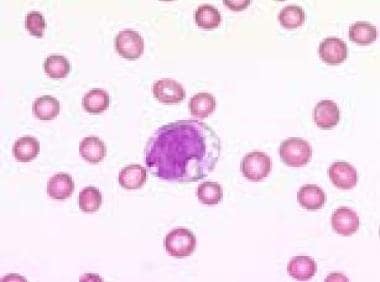
| Media file 1:
Blood film (1000× magnification) demonstrating a vacuolated blast in a refractory anemia with excess of blasts in transformation. Courtesy of U. Woermann, MD, Division of Instructional Media, Institute for Medical Education, University of Bern, Switzerland. |
 | View Full Size Image | |
Media type: Histology
|
| Media file 2:
This bone marrow film (400× magnification) demonstrates an almost complete replacement of normal hematopoiesis by blasts in a refractory anemia with an excess of blasts in transformation. Note the signs of abnormal maturation such as vacuolation, double nucleus, and macrocytosis. Courtesy of U. Woermann, MD, Division of Instructional Media, Institute for Medical Education, University of Bern, Switzerland. |
 | View Full Size Image | |
Media type: Histology
|
| Media file 3:
Bone marrow film (1000× magnification) demonstrating ring sideroblasts in Prussian blue staining in a refractory anemia with excess of blasts in transformation. Courtesy of U. Woermann, MD, Division of Instructional Media, Institute for Medical Education, University of Bern, Switzerland. |
 | View Full Size Image | |
Media type: Histology
|
| Media file 4:
Bone marrow film (1000× magnification) demonstrating granular and clotlike positive reaction in periodic acid-Schiff staining in a refractory anemia with excess of blasts in transformation. Courtesy of U. Woermann, MD, Division of Instructional Media, Institute for Medical Education, University of Bern, Switzerland. |
 | View Full Size Image | |
Media type: Histology
|
- Besa EC. Myelodysplastic syndromes (refractory anemia). A perspective of the biologic, clinical, and therapeutic issues. Med Clin North Am. May 1992;76(3):599-617. [Medline].
- Ma X, Does M, Raza A, Mayne ST. Myelodysplastic syndromes: incidence and survival in the United States. Cancer. Apr 15 2007;109(8):1536-42. [Medline]. [Full Text].
- Rollison DE, Hayat M, Smith M, et al. First report of national estimates of the incidence of myelodysplastic syndromes and chronic myeloproliferative disorders from the U.S. SEER program [abstract 247]. Blood. 2006;108:77a. [Full Text].
- Rollison DE, Howlader N, Smith MT, et al. Epidemiology of myelodysplastic syndromes and chronic myeloproliferative disorders in the United States, 2001-2004, using data from the NAACCR and SEER programs. Blood. Jul 1 2008;112(1):45-52. [Medline]. [Full Text].
- Bennett JM, Catovsky D, Daniel MT, et al. Proposed revised criteria for the classification of acute myeloid leukemia. A report of the French-American-British Cooperative Group. Ann Intern Med. Oct 1985;103(4):620-5. [Medline].
- Harris NL, Jaffe ES, Diebold J, et al. World Health Organization classification of neoplastic diseases of the hematopoietic and lymphoid tissues: report of the Clinical Advisory Committee meeting-Airlie House, Virginia, November 1997. J Clin Oncol. Dec 1999;17(12):3835-49. [Medline]. [Full Text].
- Goldberg H, Lusk E, Moore J, Nowell PC, Besa EC. Survey of exposure to genotoxic agents in primary myelodysplastic syndrome: correlation with chromosome patterns and data on patients without hematological disease. Cancer Res. Nov 1 1990;50(21):6876-81. [Medline]. [Full Text].
- Cheson BD, Bennett JM, Kantarjian H, et al, and the World Health Organization (WHO) International Working Group. Report of an international working group to standardize response criteria for myelodysplastic syndromes. Blood. Dec 1 2000;96(12):3671-4. [Medline]. [Full Text].
- Molldrem JJ, Leifer E, Bahceci E, et al. Antithymocyte globulin for treatment of the bone marrow failure associated with myelodysplastic syndromes. Ann Intern Med. Aug 6 2002;137(3):156-63. [Medline]. [Full Text].
- Greenberg P, Cox C, LeBeau MM, et al. International scoring system for evaluating prognosis in myelodysplastic syndromes. Blood. Mar 15 1997;89(6):2079-88. [Medline]. [Full Text].
- Fenaux P, Mufti GJ, Santini V, et al. Azacitidine (AZA) treatment prolongs overall survival (OS) in higher-risk MDS patients compared with conventional care regimens (CCR): results of the AZA-001 Phase III Study. ASH annual meeting abstracts [abstract 817]. Blood. 2007;110:250a. [Full Text].
- Silverman LR, Demakos EP, Peterson BL, et al. Randomized controlled trial of azacitidine in patients with the myelodysplastic syndrome: a study of the cancer and leukemia group B. J Clin Oncol. May 15 2002;20(10):2429-40. [Medline]. [Full Text].
- List A, Kurtin S, Roe DJ, et al. Efficacy of lenalidomide in myelodysplastic syndromes. N Engl J Med. Feb 10 2005;352(6):549-57. [Medline]. [Full Text].
- Musto P, Lanza F, Balleari E, et al. Darbepoetin alpha for the treatment of anaemia in low-intermediate risk myelodysplastic syndromes. Br J Haematol. Jan 2005;128(2):204-9. [Medline].
- Jädersten M, Montgomery SM, Dybedal I, Porwit-MacDonald A, Hellström-Lindberg E. Long-term outcome of treatment of anemia in MDS with erythropoietin and G-CSF. Blood. Aug 1 2005;106(3):803-11. [Medline]. [Full Text].
- Aguayo A, Kantarjian H, Manshouri T, et al. Angiogenesis in acute and chronic leukemias and myelodysplastic syndromes. Blood. Sep 15 2000;96(6):2240-5. [Medline]. [Full Text].
- Besa EC. Myelodysplastic syndromes: recent advances in the biology and therapy of this complex disease. Cancer Ther. 1998;1:52-63.
- Nowell PC, Besa EC, Stelmach T, Finan JB. Chromosome studies in preleukemic states. V. Prognostic significance of single versus multiple abnormalities. Cancer. Dec 15 1986;58(12):2571-5. [Medline].
- Shetty V, Hussaini S, Broady-Robinson L, et al. Intramedullary apoptosis of hematopoietic cells in myelodysplastic syndrome patients can be massive: apoptotic cells recovered from high-density fraction of bone marrow aspirates. Blood. Aug 15 2000;96(4):1388-92. [Medline]. [Full Text].
Myelodysplastic Syndrome excerpt Article Last Updated: Sep 23, 2008
|