Continually Updated Clinical Reference
 
 
  All Sources     eMedicine     Medscape     Drug Reference     MEDLINE
 
eMedicine - Microscopic Polyangiitis : Article by

Quick Find
Authors & Editors
Introduction
Clinical
Differentials
Workup
Treatment
Medication
Follow-up
Multimedia
References

Related Articles
Acute Mesenteric Ischemia

Churg-Strauss Syndrome

Cryoglobulinemia

Glomerulonephritis, Crescentic

Infective Endocarditis

Leukocytoclastic Vasculitis

Polyarteritis Nodosa

Wegener Granulomatosis


Patient Education
Click here for patient education.


Author: Mehran Farid-Moayer, MD, Adjunct Clinical Faculty, Department of Psychiatry, Sleep Disorders Clinic, Stanford Medical Center

Mehran Farid-Moayer is a member of the following medical societies: American College of Chest Physicians, American College of Physicians-American Society of Internal Medicine, American Medical Association, and American Thoracic Society

Editors: Bryan L Martin, DO, Assistant Chief, CoFellowship Director, Department of Allergy-Immunology, Departments of Internal Medicine and Pediatrics, Walter Reed Army Medical Center; Assistant Professor, Uniformed Services University of the Health Sciences; Francisco Talavera, PharmD, PhD, Senior Pharmacy Editor, eMedicine; Elliot Goldberg, MD, Dean of the Western Pennsylvania Clinical Campus, Professor, Department of Medicine, Temple University School of Medicine; Alex J Mechaber, MD, FACP, Assistant Dean for Medical Curriculum, Associate Professor of Medicine, Division of General Internal Medicine, University of Miami Miller School of Medicine; Vecihi Batuman, MD, FACP, FASN, Professor of Medicine, Section of Nephrology-Hypertension, Tulane University School of Medicine; Chief, Medicine Service, Southeast Louisiana Veterans Health Care System

Author and Editor Disclosure

Synonyms and related keywords: microscopic polyangiitis, MPA, small vessel vasculitis, microscopic polyarteritis nodosa, microscopic PAN, small vessel vasculitides, systemic vasculitis, Wegener granulomatosis, Wegener's granulomatosis, Churg-Strauss syndrome, polyarteritis nodosa

Background

Microscopic polyangiitis (MPA) is vasculitis of small vessels. It was initially considered as a microscopic form of polyarteritis nodosa (PAN). In 1990, the American College of Rheumatology developed classification criteria for several types of systemic vasculitis but did not distinguish between polyarteritis nodosa and microscopic polyarteritis nodosa. In 1994, a group of experts held an international consensus conference in Chapel Hill, North Carolina to attempt to redefine the classification of small vessel vasculitides.

The vasculitis in small vessels, including arterioles, capillaries, and venules, that is characteristic of MPA is absent in polyarteritis nodosa, making this the proposed distinguishing feature of the two conditions. MPA, Wegener granulomatosis, and Churg-Strauss syndrome comprise a category of small-vessel vasculitis related to antineutrophil cytoplasmic antibodies (ANCAs) and are characterized by a paucity of immune deposits. MPA and Wegener granulomatosis seem to be part of a clinical spectrum. However, the absence of granuloma formation and sparing of the upper respiratory tract are features of MPA. These features help to distinguish MPA from Wegener granulomatosis, although the two conditions are occasionally difficult to distinguish.

Pathophysiology

Vasculitis is inflammation of the vessel walls. MPA is characterized by pauci-immune, necrotizing, small-vessel vasculitis without clinical or pathological evidence of necrotizing granulomatous inflammation.

Frequency

United States

The annual incidence is 3.6 cases per million persons. Prevalence is 1-3 cases per 100,000 population.

International

Incidence is approximately 2 cases per 100,000 persons in the United Kingdom and approximately 1 case in 100,000 persons in Sweden.

Mortality/Morbidity

  • Renal failure and pulmonary involvement are the major causes of morbidity and mortality.
  • With treatment, Falk and Guillevin reported 2- and 5-year survival rates of 75% and 74% respectively.

Race

  • In the United States, the disease is more frequent among white persons than black persons.

Sex

  • Males are affected slightly more frequently than females.

Age

  • The age of onset is approximately 50 years.


History

Symptoms of microscopic polyangiitis (MPA) include the following:

  • Constitutional symptoms
    • Fever (55%)
    • Malaise, fatigue, flulike syndrome
    • Myalgia (48%)
    • Weight loss (72%)
  • Skin manifestations - Skin rash (50%)
  • Pulmonary manifestations
    • Hemoptysis (11%)
    • Dyspnea
    • Cough
  • Cardiovascular manifestations – Chest pain, symptoms of heart failure
  • Gastrointestinal involvement
    • Gastrointestinal bleeding
    • Abdominal pain
  • Nervous system manifestations
    • More commonly, peripheral nervous system involvement manifesting as mononeuritis multiplex (57%)
    • CNS involvement manifesting as seizures (11%)
  • Arthralgias (10-50%)
  • Testicular pain (2%)
  • Ocular manifestations (1%)
    • Red eye
    • Ocular pain
    • Decreased visual acuity
  • Symptoms of sinusitis (1%)

Physical

The physical examination findings include the manifestations of specific organ system involvement. A dermato-pulmonary-renal syndrome is the feature of the disease.

  • Fever
  • Skin involvement
    • Leukocytoclastic angiitis and its palpable purpura (Leukocytoclastic purpura could be a manifestation of the systemic vasculitides or could be a stand-alone skin disorder.)
    • Palpable purpura (41%)
    • Livedo reticularis (12%)
    • Skin ulcerations
    • Necrosis and gangrene
    • Necrotizing nodules
    • Urticaria
    • Digital ischemia (7%)
    • Urticaria - Vasculitis-associated urticaria that lasts longer than 24 hours
  • Lower respiratory system
    • Pulmonary rales
    • Respiratory distress
  • Upper respiratory tract - Sinusitis less frequent than in Wegener granulomatosis
  • Cardiovascular system
    • Hypertension (34%)
    • Signs of cardiac failure (17%)
    • Myocardial infarction (2%)
    • Pericarditis (10%)
  • Gastrointestinal system
    • Gastrointestinal bleeding
    • Bowel ischemia and perforation
    • Pancreatitis
  • Ocular involvement (1%)
    • Retinal hemorrhage
    • Scleritis
    • Uveitis
  • Renal involvement - Signs of uremia in advanced renal failure
  • Musculoskeletal system
    • Synovitis
    • Arthritis
  • Nervous system
    • Mononeuritis multiplex - Most frequent neurologic manifestation of the disease (57%)
    • CNS involvement - Includes meningeal vasculitis (11%)
  • Other organ vasculitis – Orchitis (2%)

Causes

  • Based on current understanding of the inflammatory response, cytokine-mediated changes in the expression and function of adhesion molecules coupled with inappropriate activation of leukocytes and endothelial cells are postulated to be the primary factors influencing the degree and location of vessel damage in the vasculitis syndromes. However, the stimuli that initiate these pathologic inflammatory changes are not well understood.
  • ANCA may play a role in the pathogenesis of MPA.
  • Case reports have described an association of MPA with medications such as propylthiouracil and with diseases such as primary biliary cirrhosis.


Acute Mesenteric Ischemia
Churg-Strauss Syndrome
Cryoglobulinemia
Glomerulonephritis, Crescentic
Infective Endocarditis
Leukocytoclastic Vasculitis
Polyarteritis Nodosa
Wegener Granulomatosis

Other Problems to be Considered

Acute nephritis
Vasculitis associated with collagen vascular disease


Lab Studies

  • Hematology laboratory studies
    • Leukocytosis
    • Anemia (normocytic anemia)
  • Elevated erythrocyte sedimentation rate (ESR)
  • Renal tests
    • Elevated serum BUN and creatinine (70%)
    • Abnormal urine sediment
    • Proteinuria (80%)
    • Hematuria (67%)
    • Leukocyturia (44%)
    • Erythrocyte casts
  • Antineutrophil cytoplasmic antibodies
    • ANCA positive (80%)
    • Perinuclear ANCA related to myeloperoxidase ANCA (60%)
    • Cytoplasmic ANCA related to proteinase-3 ANCA (40%)
  • Blood cultures to rule out bacterial endocarditis
  • Normal C3 and C4

Imaging Studies

  • Chest radiograph
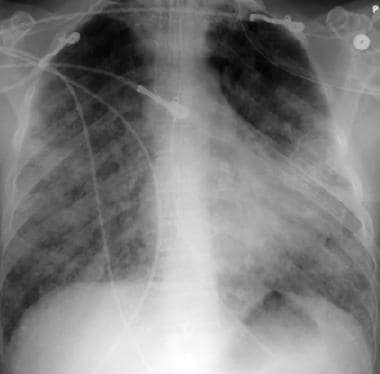
    • Bilateral irregular, nodular, and patchy opacities
    • Pulmonary cavitary lesions (less frequently than Wegener granulomatosis)
    • Diffuse parenchymal infiltrates secondary to pulmonary alveolar capillaritis and hemorrhage
  • Other imaging studies – Indicated for the complications of the disease and specific organ system involvement, such as abdominal CT scan for pancreatitis or mesenteric angiography to differentiate from polyarteritis nodosa

Other Tests

  • Ordered according to the specific organ system involved
    • ECG indicated for myocardial infarction, pericarditis, and congestive heart failure
    • Gastrointestinal endoscopy in case of gastrointestinal bleeding
    • Electromyography (EMG) in case of clinical evidence of neuropathy

Procedures

  • Skin biopsy if skin is involved
  • Open lung biopsy
  • Renal biopsy to help diagnose crescentic glomerulonephritis
  • Sural nerve biopsy if EMG results are consistent with sural nerve involvement

Histologic Findings

Pathologically, microscopic polyangiitis (MPA) may cause necrotizing arteritis that is histologically identical to that caused by polyarteritis nodosa.

According to the Chapel Hill consensus conference on the classification of small vessel vasculitis, polyarteritis nodosa and MPA are distinguished pathologically by the absence of vasculitis in vessels other than arteries in patients with polyarteritis nodosa and the presence of vasculitis in vessels smaller than arteries, such as arterioles, venules, and capillaries, in patients with MPA.

Because of sparing of muscular and larger vessels in MPA, macroscopic infarcts similar to those seen in polyarteritis nodosa are uncommon. Histologically, segmental fibrinoid necrosis of the media may be present, but in some, the change is limited to infiltration with neutrophils, which become fragmented as they follow the vessel wall (leukocytoclasia). The term leukocytoclastic angiitis is given to such lesions, most commonly found in postcapillary venules.

Immunoglobulins and complement components may be present in the vascular lesions of the skin. The paucity of immunoglobulin is demonstrable using immunofluorescence microscopy (ie, pauci-immune injury).

The glomerulonephritis in MPA is characterized by focal necrosis, crescent formation, and the absence or paucity of immunoglobulin deposits. Pulmonary manifestation is in the form of pulmonary alveolar capillaritis. Biopsy of the muscle and sural nerve may reveal necrotizing vasculitis in small and medium vessels.


Medical Care

  • Microscopic polyangiitis (MPA) can manifest as a mild systemic vasculitis with mild renal insufficiency, or it can manifest as a full blown acute disease with rapid deterioration of renal function and respiratory failure due to pulmonary capillaritis. Treatment depends on the extent of disease, the rate of progression, and the degree of inflammation (see Medication).

Consultations

  • A rheumatologist would be the main consultant who helps with the diagnosis and immunosuppressive therapy.
  • Base consultations on the specific organ system involvement, as follows:
    • Consult a pulmonologist for the management of hemoptysis due to pulmonary alveolar capillaritis. Additionally, consult a pulmonologist to help with the management of respiratory failure associated with diffuse alveolar hemorrhage and with the diagnosis of pulmonary involvement.
    • Consult a nephrologist for help with the diagnosis and management of renal involvement and possible need for dialysis.
    • Consult a gastroenterologist, if necessary, for the management of gastrointestinal bleeding.
    • Consult a surgeon in cases involving catastrophic events in gastrointestinal or other organ systems.
    • Consult a hematologist if plasmapheresis is considered.

Diet

  • The nutritional requirement depends on the particular clinical situation, such as renal failure, respiratory failure, or pancreatitis.


Treatment of microscopic polyangiitis (MPA) consists of 3 phases.

  • First phase - Remission induction with oral prednisone and cyclophosphamide
    • For induction of remission, cyclophosphamide is started at 1.5-2 mg/kg/d. The patient should be monitored for leukocytopenia and neutropenia. Prednisone is started at 1 mg/kg/d and is continued for one month. If significant improvement is seen, the prednisone dose is decreased by 5 mg/wk. Once the dose of 10 mg/d is reached, the dose can be changed to 10 mg every other day. After complete remission, the maintenance phase is started.
    • For induction of remission in patient with milder manifestations of MPA, a combination of methotrexate and prednisone can be used.
    • In cases involving life-threatening alveolar capillaritis with pulmonary alveolar hemorrhage, plasmapheresis in addition to intravenous cyclophosphamide and pulse doses of steroids may be used.
  • Second phase - Remission maintenance
    • The preference is to replace cyclophosphamide, which has high toxicity, with either methotrexate or azathioprine. If the serum creatinine concentration is greater than 2 mg/dL, methotrexate is no longer an option. At this phase, prednisone is continued and cyclophosphamide is replaced with azathioprine at 2 mg/kg/d for 12 months. After a year, the dose of azathioprine is decreased to 1.5 mg/kg/d. If methotrexate is used for maintenance treatment, it can be started at 0.3 mg/kg once a week, with the maximum dose of 15 mg/wk. This is increased by 2.5 mg/wk (maximum 20 mg/wk).
    • This phase is continued for 12-24 months. Prednisone can be continued at 10 mg/d or every other day.
  • Third phase - Treatment of relapse (The treatment of relapse MPA is the same as that of remission induction (see First phase.)
  • Other therapies include the following:
    • The use of sulfamethoxazole/trimethoprim is controversial in the prevention of relapse. The use of this treatment for Wegener granulomatosis has shown promising results. The relationship between Staphylococcus aureus colonization and the relapse rate has shown a debatable correlation.
    • The use of mycophenolate mofetil in the treatment of Wegener granulomatosis has been limited. No data of its use in MPA are available.
    • Cyclosporine is used for maintenance therapy.

Pneumocystis carinii pneumonia (PCP) (Pneumocystis jiroveci) prophylaxis via low-dose sulfamethoxazole/trimethoprim given as one double-strength tablet 3 times weekly is prudent.

Drug Category: Corticosteroids

First line of treatment for induction of remission and usually for maintenance. For induction of remission, use IV methylprednisolone. For maintenance, use prednisone.

Drug NameMethylprednisolone (Adlone, Medrol, Solu-Medrol)
DescriptionSteroids ameliorate effects immune reactions and may limit biphasic anaphylaxis.
Adult DosePulse dose: 7 mg/kg/d IV for 3 d, followed by tapering dose
Pediatric DoseNot established
ContraindicationsDocumented hypersensitivity; viral, fungal, or tubercular skin infections
InteractionsCoadministration with digoxin may increase digitalis toxicity secondary to hypokalemia; estrogens may increase levels; phenobarbital, phenytoin, and rifampin may decrease levels (adjust dose); monitor patients for hypokalemia with concurrent diuretics
PregnancyC - Safety for use during pregnancy has not been established.
PrecautionsObserve for weight increase, edema, hypertension, and excessive potassium excretion and for less obvious signs of adrenocortical steroid-induced untoward effects; monitor for negative nitrogen balance due to protein catabolism; evaluate blood pressure and body weight and perform routine laboratory studies, including 2-h postprandial blood glucose and serum potassium and a chest radiograph at regular intervals during prolonged therapy
Steroid psychosis characterized by delirious or toxic psychosis with clouded sensorium; other symptoms may include euphoria, insomnia, mood swings, personality changes, and severe depression; onset of symptoms usually occurs within 15-30 d; predisposing factors include doses >40 mg prednisone equivalent, female predominance, and, possibly, a family history of psychiatric illness

Drug NamePrednisone (Deltasone, Orasone, Sterapred)
DescriptionImmunosuppressant for treatment of autoimmune disorders; may decrease inflammation by reversing increased capillary permeability and suppressing PMN activity. Stabilizes lysosomal membranes and suppresses lymphocytes and antibody production.
Adult Dose40-60 mg PO qd; once ESR decreases to normal and patient is asymptomatic, reduce to 5-10 mg q1-2wk; once dose is down to 15 mg qd, reductions should be no more than 1-mg decrements every several weeks
Pediatric DoseNot established
ContraindicationsDocumented hypersensitivity; viral infection, peptic ulcer disease, hepatic dysfunction, connective tissue infections, and fungal or tubercular skin infections; GI disease
InteractionsCoadministration with estrogens may decrease clearance; concurrent use with digoxin may cause digitalis toxicity secondary to hypokalemia; phenobarbital, phenytoin, and rifampin may increase metabolism of glucocorticoids (consider increasing maintenance dose); monitor for hypokalemia with coadministration of diuretics
PregnancyB - Usually safe but benefits must outweigh the risks.
PrecautionsAbrupt discontinuation of glucocorticoids may cause adrenal crisis; hyperglycemia, edema, osteonecrosis, myopathy, peptic ulcer disease, hypokalemia, osteoporosis, euphoria, psychosis, myasthenia gravis, growth suppression, and infections may occur with glucocorticoid use

Drug Category: Immunosuppressive agents

These agents inhibit immune reactions that result from diverse stimuli.

Drug NameMethotrexate (Folex PFS, Rheumatrex)
DescriptionShould not be used if serum creatinine clearance is >2.0 mg/dL.
Unknown mechanism of action in treatment of inflammatory reactions; may affect immune function. Ameliorates symptoms of inflammation (eg, pain, swelling, stiffness). Adjust dose gradually to attain satisfactory response. An alternative form of less toxic therapy only for localized and nonaggressive disease is combination of MTX and prednisone.
Adult Dose10-25 mg PO/IV/IM qwk until adequate response achieved
Pediatric DoseNot established
ContraindicationsDocumented hypersensitivity; alcoholism; hepatic insufficiency; documented immunodeficiency syndromes; preexisting blood dyscrasias (eg, bone marrow hypoplasia, leukopenia, thrombocytopenia, significant anemia); renal insufficiency; methotrexate-induced pulmonary disease
InteractionsOral aminoglycosides may decrease absorption and blood levels of concurrent oral MTX; charcoal lowers levels; coadministration with etretinate may increase hepatotoxicity; folic acid or its derivatives contained in some vitamins may decrease response; coadministration with NSAIDs may be fatal; indomethacin and phenylbutazone can increase plasma levels; may decrease phenytoin serum levels; probenecid, salicylates, procarbazine, and sulfonamides, including TMP-SMZ, may increase effects and toxicity; may increase plasma levels of thiopurines
PregnancyX - Contraindicated in pregnancy
PrecautionsMonitor CBC counts monthly and liver and renal function every 1-3 mo during therapy (monitor more frequently during initial dosing, dose adjustments, or when risk of elevated MTX levels, eg, dehydration); has toxic effects on hematologic, renal, GI, pulmonary, and neurologic systems; discontinue if significant drop in blood counts; aspirin, NSAIDs, or low-dose steroids may be administered concomitantly with MTX (possibility of increased toxicity with NSAIDs, including salicylates, has not been tested)

Drug NameAzathioprine (Imuran)
DescriptionImmunosuppressive agent; antagonizes purine metabolism and inhibits synthesis of DNA, RNA, and proteins. May decrease proliferation of immune cells, which results in lower autoimmune activity.
Adult DoseInitial dose: Approximately 1 mg/kg (50-100 mg) PO/IV qd or bid
Dose may be increased, beginning at 6-8 wk and thereafter in steps at 4-wk intervals, if no serious toxicities develop and if initial response unsatisfactory; use dose increments of 0.5 mg/kg/d, not to exceed 2.5 mg/kg/d
Pediatric DoseNot established
ContraindicationsDocumented hypersensitivity; low levels of serum thiopurine methyl transferase (TPMT)
InteractionsToxicity increases with allopurinol; concurrent use with ACE inhibitors may induce severe leukopenia; may increase levels of MTX metabolites and decrease effects of anticoagulants, neuromuscular blockers, and cyclosporine
PregnancyD - Unsafe in pregnancy
PrecautionsIncreases risk of neoplasia; caution with liver disease and renal impairment; hematologic toxicities may occur; check TPMT level prior to therapy and follow liver, renal, and hematologic function; pancreatitis rarely associated

Drug NameCyclophosphamide (Cytoxan, Neosar)
DescriptionChemically related to nitrogen mustards.
As an alkylating agent, the mechanism of action of the active metabolites may involve cross-linking of DNA, which may interfere with growth of normal and neoplastic cells.
Adult Dose0.5 g/m2/mo; adjusted to 1 g/m2 according to WBC count; maintenance treatment usually continues for 12 mo
Pediatric DoseNot established
ContraindicationsDocumented hypersensitivity; severely depressed bone marrow function
InteractionsAllopurinol may increase risk of bleeding or infection and enhance myelosuppressive effects; may potentiate doxorubicin-induced cardiotoxicity; may reduce digoxin serum levels and antimicrobial effects of quinolones; chloramphenicol may increase half-life while decreasing metabolite concentrations; may increase effect of anticoagulants; coadministration with high doses of phenobarbital may increase rate of metabolism and leukopenic activity; thiazide diuretics may prolong cyclophosphamide-induced leukopenia and neuromuscular blockade by inhibiting cholinesterase activity
PregnancyD - Unsafe in pregnancy
PrecautionsRegularly examine hematologic profile (particularly neutrophils and platelets) to monitor for hematopoietic suppression; regularly examine urine for RBCs, which may precede hemorrhagic cystitis


Further Outpatient Care

  • Patients need to be monitored very closely at a rheumatology clinic.
    • Patients need to take immunosuppressive medications for a long time, at least for a year.
    • Clinical status and the ESR should be monitored.
    • The level of ANCA may be used to monitor the disease activity. However, ANCA levels do not correlate consistently with the disease activity. In one study, ANCA levels became undetectable in 83% of patients after treatment; however, ANCA levels increased in 57% of patients at a mean period of 7.8 weeks prior to relapse.

Complications

  • Complications of vasculitis depend on the particular organ system involvement (see Physical).
  • One of the most significant complications of treatment is bladder cancer. Among people who are treated with cyclophosphamide, 5% develop bladder cancer after 10 years and 16% develop bladder cancer after 15 years.

Prognosis

  • Remission: With treatment, 90% of patients improve and 75% achieve complete remission. The 5-year survival rate is approximately 75%.
  • Relapse: Of patients with microscopic polyangiitis (MPA), 30% relapse in 1-2 years.

Patient Education

  • Patients should be aware of the severity of the disease and the risk of recurrence.
  • Compliance with medications and follow-up visits is critical.


Media file 1:  Pulmonary alveolar capillaritis.
Click to see larger pictureClick to see detailView Full Size Image
Media type:  X-RAY

Media file 2:  Histopathology of alveolar hemorrhage in alveolar capillaritis.
Click to see larger pictureClick to see detailView Full Size Image
Media type:  Photo

Media file 3:  Crescentic glomerulonephritis.
Click to see larger pictureClick to see detailView Full Size Image
Media type:  Photo

Media file 4:  Focal segmental glomerulonephritis.
Click to see larger pictureClick to see detailView Full Size Image
Media type:  Photo

Media file 5:  Histopathology of leukocytoclastic angiitis.
Click to see larger pictureClick to see detailView Full Size Image
Media type:  Photo

Media file 6:  Leukocytoclastic angiitis.
Click to see larger pictureClick to see detailView Full Size Image
Media type:  Photo


  • Amezcua-Guerra LM, Prieto P, Bojalil R, et al. Microscopic polyangiitis associated with primary biliary cirrhosis: a causal or casual association?. J Rheumatol. Nov 2006;33(11):2351-3.
  • Falk RJ, Hogan S, Carey TS, Jennette JC. Clinical course of anti-neutrophil cytoplasmic autoantibody-associated glomerulonephritis and systemic vasculitis. The Glomerular Disease Collaborative Network. Ann Intern Med. Nov 1 1990;113(9):656-63. [Medline].
  • Fries JF, Hunder GG, Bloch DA, et al. The American College of Rheumatology 1990 criteria for the classification of vasculitis. Summary. Arthritis Rheum. Aug 1990;33(8):1135-6. [Medline].
  • Guillevin L, Durand-Gasselin B, Cevallos R, et al. Microscopic polyangiitis: clinical and laboratory findings in eighty-five patients. Arthritis Rheum. Mar 1999;42(3):421-30. [Medline].
  • Haubitz M, Koch KM, Brunkhorst R. Cyclosporin for the prevention of disease reactivation in relapsing ANCA-associated vasculitis. Nephrol Dial Transplant. Aug 1998;13(8):2074-6. [Medline].
  • Jayne D, Rasmussen N, Andrassy K, et al. A randomized trial of maintenance therapy for vasculitis associated with antineutrophil cytoplasmic autoantibodies. N Engl J Med. Jul 3 2003;349(1):36-44. [Medline].
  • Jayne DR, Gaskin G, Pusey CD, Lockwood CM. ANCA and predicting relapse in systemic vasculitis. QJM. Feb 1995;88(2):127-33. [Medline].
  • Jennette JC, Falk RJ, Andrassy K, et al. Nomenclature of systemic vasculitides. Proposal of an international consensus conference. Arthritis Rheum. Feb 1994;37(2):187-92. [Medline].
  • Jennette JC, Falk RJ. Small-vessel vasculitis. N Engl J Med. Nov 20 1997;337(21):1512-23. [Medline].
  • Jennette JC. Antineutrophil cytoplasmic autoantibody-associated diseases: a pathologist''s perspective. Am J Kidney Dis. Aug 1991;18(2):164-70. [Medline].
  • Kamesh L, Harper L, Savage CO. ANCA-positive vasculitis. J Am Soc Nephrol. Jul 2002;13(7):1953-60. [Medline].
  • Langford CA, Talar-Williams C, Sneller MC. Mycophenolate mofetil for remission maintenance in the treatment of Wegener's granulomatosis. Arthritis Rheum. Apr 15 2004;51(2):278-83. [Medline].
  • Lhote F, Cohen P, Genereau T, et al. Microscopic polyangiitis: clinical aspects and treatment. Ann Med Interne (Paris). 1996;147(3):165-77. [Medline].
  • Lightfoot RW, Michel BA, Bloch DA, et al. The American College of Rheumatology 1990 criteria for the classification of polyarteritis nodosa. Arthritis Rheum. Aug 1990;33(8):1088-93. [Medline].
  • Matteson EL. Small-vessel vasculitis. N Engl J Med. Apr 2 1998;338(14):994-5. [Medline].
  • Nowack R, Gobel U, Klooker P, et al. Mycophenolate mofetil for maintenance therapy of Wegener''s granulomatosis and microscopic polyangiitis: a pilot study in 11 patients with renal involvement. J Am Soc Nephrol. Sep 1999;10(9):1965-71. [Medline].
  • Reinhold-Keller E, De Groot K, Rudert H, et al. Response to trimethoprim/sulfamethoxazole in Wegener''s granulomatosis depends on the phase of disease. QJM. Jan 1996;89(1):15-23. [Medline].
  • Ronco P, Verroust P, Mignon F, et al. Immunopathological studies of polyarteritis nodosa and Wegener''s granulomatosis: a report of 43 patients with 51 renal biopsies. Q J Med. 1983;52(206):212-23. [Medline].
  • Savage CO, Harper L, Adu D. Primary systemic vasculitis. Lancet. Feb 22 1997;349(9051):553-8. [Medline].
  • Seligman VA, Bolton PB, Sanchez HC. Propylthiouracil-induced microscopic polyangiitis. J Clin Rheumatol. Jun 2001;7(3):170-4.
  • Sneller MC, Fauci AS. Pathogenesis of vasculitis syndromes. Med Clin North Am. Jan 1997;81(1):221-42. [Medline].
  • Stegeman CA, Tervaert JW, de Jong PE, Kallenberg CG. Trimethoprim-sulfamethoxazole (co-trimoxazole) for the prevention of relapses of Wegener''s granulomatosis. Dutch Co-Trimoxazole Wegener Study Group. N Engl J Med. Jul 4 1996;335(1):16-20. [Medline].
  • Watts RA, Jolliffe VA, Carruthers DM, et al. Effect of classification on the incidence of polyarteritis nodosa and microscopic polyangiitis. Arthritis Rheum. Jul 1996;39(7):1208-12. [Medline].

Microscopic Polyangiitis excerpt

Article Last Updated: Dec 6, 2006