Continually Updated Clinical Reference
 
 
  All Sources     eMedicine     Medscape     Drug Reference     MEDLINE
 
eMedicine - Adrenal Carcinoma : Article by

Quick Find
Authors & Editors
Introduction
Clinical
Differentials
Workup
Treatment
Medication
Follow-up
Miscellaneous
References

Related Articles
Adrenal Adenoma

Neuroblastoma

Pancreatic Cancer

Renal Cell Carcinoma


Patient Education
Click here for patient education.


Author: Gabriel I Uwaifo, MBBS, Clinical and Research Attending, Assistant Professor of Medicine and Endocrinology, MedStar Clinical Research Center, The MedStar Research Institute and the Washington Hospital Center

Gabriel I Uwaifo is a member of the following medical societies: American Association of Clinical Endocrinologists, American College of Physicians-American Society of Internal Medicine, American Diabetes Association, American Medical Association, American Society of Hypertension, and Endocrine Society

Coauthor(s): Antonio Tito Fojo, MD, Senior Clinical Investigator, Medicine Branch, Division of Cancer Treatment, National Cancer Institute, National Institutes of Health

Editors: Michael C Perry, MD, Professor, Department of Internal Medicine, Nellie B Smith Chair of Oncology, Director, Division of Hematology and Oncology, University of Missouri at Columbia/Ellis Fischel Cancer Center; Francisco Talavera, PharmD, PhD, Senior Pharmacy Editor, eMedicine; Benjamin Movsas, MD, Vice-Chairman, Department of Radiation Oncology, Fox Chase Cancer Center; Rajalaxmi McKenna, MD, FACP, Consulting Staff, Department of Medicine, Southwest Medical Consultants, SC, Good Samaritan Hospital, Advocate Health Systems; John S Macdonald, MD, Professor of Medicine, New York Medical College; Chief, Division of Medical Oncology, St Vincent's Hospital and Medical Center; Medical Director, Saint Vincent's Comprehensive Cancer Center

Author and Editor Disclosure

Synonyms and related keywords: adrenal carcinoma, AC, adrenocortical carcinoma, adrenal cancer, adrenocortical cancer, primary adrenocortical malignancies, malignant adrenocortical neoplasms, malignant adrenal tumors, malignant adrenocortical tumors, adrenocortical masses, adrenal incidentalomas

Background

Adrenocortical cancers (ACs) are uncommon malignancies that can have protean clinical manifestations. Adrenocortical masses are common; autopsy studies show that approximately 5-15% of the general adult population may have adrenal incidentalomas. Adrenal incidentalomas are biochemically and clinically asymptomatic adrenal masses found incidentally as a result of unrelated imaging investigations such as abdominal CT or MRI scans. Findings from abdominal CT scans suggest that the prevalence rate is 1-5%. Only a small number of adrenal tumors are functional and an even smaller number (approximately 1%) are malignant.

Regardless of size, approximately 1 per 1500 adrenal tumors is malignant. The evaluation of these incidentalomas, therefore, focuses on (1) identifying functional masses and treating them appropriately (including surgical removal); (2) identifying adrenal carcinomas early, with the intent of attempting complete surgical extirpation; and (3) reassuring the patients who do not fit either of these classes and arranging for their subsequent follow-up.

Although the means of identifying ACs from this subpopulation still are controversial, virtually all authorities agree about removing all nonfunctional adrenal tumors larger than or equal to 6 cm because of the significant potential cancer risk. Authorities also generally agree that nonfunctional adrenal tumors (£3 cm) have a very low probability of being adrenal cancer; therefore, they can be removed safely.

The management strategy for adrenal masses larger than 3 cm and less than 6 cm is disputed. Some authorities suggest lowering the threshold for surgical removal of nonfunctional masses from 6 cm to 4-5 cm. Others individualize the follow-up of these patients depending on their clinical status, CT scan characteristics, and age. Particularly important is the fact that these criteria do not apply to children, who generally have smaller ACs. A review of the available data suggests that the incidence rate of malignancy is small ( <0.03%) in all adrenal incidentalomas that are 1.5-6 cm. However, this rate increases considerably with tumors larger than 6 cm (up to 15%). The smallest identified AC associated with metastasis reported in the literature was 3 cm in diameter.

Classifying adrenal tumors

Adrenal tumors are classified in several ways. One of the popular means, which has great clinical relevance, is to subclassify them as functional and nonfunctional, depending on the elaboration of adrenocortical hormones (glucocorticoids, mineralocorticoids, androgens, estrogens, rarely a host of possible peptides). Nonfunctional variants of AC were previously reported to be far less common than the functional types; older reports suggest that approximately 50-80% of ACs are functional, and patients mainly present with Cushing syndrome. More recent reports suggest that nonfunctional ACs may be more common than previously suggested. While AC accounts for only approximately 5-10% of cases of Cushing syndrome, approximately 40% of patients with both Cushing syndrome and an adrenal mass also have a malignant tumor. Virtually all feminizing adrenal tumors in men are malignant.

Another method is to subdivide ACs into sporadic and syndromic variants. The syndromic variants occur with multiple cancer predisposition syndromes, including Gardner syndrome, Beckwith-Wiedemann syndrome (associated with hemihypertrophy), multiple endocrine neoplasia type 1, the SBLA syndrome (sarcoma, breast, lung, and adrenal carcinoma and other tumors within several kindreds, which have not been clearly associated with localization to a single gene), and Li-Fraumeni syndrome. Other classification methods are dependent on the cellular origin of the neoplasm. Included here are primary adrenocortical carcinomas, primary adrenal lymphomas, soft-tissue sarcomas of the adrenal, malignant pheochromocytomas, and secondary metastatic adrenal tumors (common primaries are the breast, kidney, lung, ovary, melanoma, leukemia, lymphoma). Only the adrenocortical carcinomas typically are included in discussions of adrenal cancers, and this monograph will be restricted to those.

Authorities also report rare composite adrenal tumors, which are different histologic variant tumors of the same embryologic origin (eg, coexisting neuroblastoma and malignant pheochromocytoma) and mixed adrenal tumors (typically mixtures of pheochromocytoma, spindle cell sarcomas, and adrenocortical carcinomas). These complex tumors sometimes are called neuroendocrine carcinomas. Recognition of primary adrenal lymphomas, as distinct from AC, is important not only because these are rare ( <100 well-documented cases in the medical literature), but also because they may be associated with a better prognosis than AC because of the potential roles for standard lymphoma treatment using multiagent chemotherapy and radiotherapy.

Pathophysiology

While some reports suggest an increased predilection for the left adrenal, most reports suggest no side preference. The exact etiopathogenesis of sporadic AC is unclear, but analysis of syndromic variants of the condition gives some insight.

The role of tumor suppressor gene mutations is suggested by their association with Li-Fraumeni syndrome, which is characterized by inactivating germline mutations of the TP53 gene (a vital tumor suppressor gene or antioncogene) on chromosome 17. This syndrome also is associated with a predisposition to other malignancies, including breast carcinoma, leukemias, osteosarcomas, and soft-tissue sarcomas. A few reports describe an association between AC and familial adenomatous polyposis, which also is due to a germline inactivating mutation of a tumor suppressor gene (in this case, the adenomatous polyposis coli gene, APC). However, such mutations have not been found in sporadic APC cases. Others studies report the following:

Suggestions have been made that adrenal hyperplasia predisposes patients to develop AC. A few cases of congenital adrenal hyperplasia are associated with functional adrenocortical adenomas but not carcinoma.

A few cases of AC are associated with primary hyperaldosteronism, in which the adrenal tissue has portions showing adrenocortical hyperplasia.

A definitive proof for a hyperplasia-to-adenoma-to-carcinoma sequence, which occurs with colonic neoplasms, is lacking, although a multistep tumor progression model has been suggested as a possible etiologic basis for sporadic AC. The association of AC with the Carney triad (GI stromal tumor, pulmonary chondromas, and extra-adrenal paraganglioma) is far less defined. Since the Carney triad is so rare, there are very few reported cases. In some, paragangliomas have been described, but the numbers are too few to be able to definitely state that it is an associated tumor typical of the syndrome.

Among the putative pathogenetic mechanisms that may function in concert are alterations in intercellular communication, paracrine and autocrine effects of various growth factors, cytokines elaborated by the tumor cells, and promiscuous expression of various ligand receptors on the cell membranes of the cells that cause them to be in a state of perpetual hyperstimulation. This is presumed to lead to clonal adrenal cellular hyperplasia, autonomous proliferation, tumor formation, and hormone elaboration.

Some molecular studies of adrenocortical tumor cells show in situ mutations of the TP53 and TP57 genes (both antioncogenes) and increased production of insulin-like growth factor 2. P53 gene mutations are the most common mutant genes in human cancer. A potential role for this in sporadic AC is suggested by the frequent finding of loss of heterozygosity (LOH) at the 17p13 locus in cases of sporadic AC. Definite germ cell mutations of the P53 gene have also been demonstrated in more than 90% of children with AC from southern Brazil, which has the highest prevalence of sporadic AC in the world. Amplification of steroidogenic factor-1 expression has also been described in this population.

Another genetic locus of interest is the 11-p region that may also harbor a tumor suppressor gene and has been implicated in linkage studies in subjects with the Beckwith-Wiedemann syndrome. LOH at band 11p15 and overexpression of IGF-2, whose gene is carried on this genetic locus, have been described in cases of sporadic AC.

Other studies demonstrate that some of these tumor cells express menin (the aberrant gene product in patients with multiple endocrine neoplasia type I [MEN-1]); in others, the hybrid gene is associated with glucocorticoid-responsive aldosteronism (GRA).

Several reports suggest that, while benign adrenal tumors retain expression of the type 2 MHC antigens, these are lost in adrenocortical carcinoma cells. Furthermore, while adrenal adenomas can be monoclonal (43%), polyclonal (28%), or mixed (28%), virtually all ACs are monoclonal.

The fact that the normal adrenal cortex has multiple areas of adrenomedullary cells (often forming large cell nests) and that adrenocortical cells also are scattered in the adrenal medulla suggest a close interaction between the 2 groups of cells, despite their distinct phylogenetic and embryonic origins. The relevance of the paracrine interactions of these cells in the etiopathogenesis of AC and adrenal tumors as a whole is still being actively investigated.

Frequency

International

AC tumors are uncommon. The incidence is approximately 0.6-1.67 cases per million persons per year. Some reports suggest an inordinately high frequency (up to 10-fold higher) of cases among children in southern Brazil, for unknown reasons. Overall, AC accounts for 0.02-0.2% of all cancer-related deaths; therefore, it is relatively rare.

Race

AC has no specific racial predilection.

Sex

The female-to-male ratio is approximately 2.5-3:1. Male patients tend to be older and have a worse overall prognosis than female patients. Female patients are more likely than male patients to have an associated endocrine syndrome. Nonfunctional ACs are distributed equally between the sexes.

Age

AC occurs in 2 major peaks: in the first decade of life and again in the fourth to fifth decades. Approximately 75% of the children with AC are younger than 5 years. Functional tumors also are more common in children, while nonfunctional tumors are more common in adults.


History

Unfortunately, most patients with AC present with advanced disease that is characterized by multiple abdominal or extra-abdominal metastatic masses (stage IV disease); therefore, distinguishing potential AC from adrenal incidentalomas is crucial (and controversial).

  • Nonfunctional variants: These hormonally silent tumors account for approximately 40% of patients with AC. These tend to be more common in older patients and appear to progress more rapidly than functional tumors.
    • These typically present with fever, weight loss, abdominal pain and tenderness, back pain, abdominal fullness, or symptoms related to metastases.
    • In other cases, the mass is found incidentally, during either examination or radiologic imaging.
  • Endocrine syndromes: The hormonally active variants of AC constitute approximately 60% of cases.
    • Approximately 30-40% of adult patients present with the typical features of Cushing syndrome, while 20-30% present with virilization syndromes.
    • In children, however, more than 80% present with virilization syndromes while isolated Cushing syndrome is much less common at approximately 6% of cases. Virilization (in girls) or precocious puberty (in boys) is the most common endocrine presentation of a functional AC.
    • Hirsutism, facial acne, oligo/amenorrhea, and increased libido all are possible presenting symptoms. Feminization as a presentation of AC is quite rare. Other modes of presentation include profound weakness, hypertension, and/or ileus from hypokalemia related to hyperaldosteronism and hypoglycemia.
  • Combined endocrine systems: Some cases of adrenal insufficiency are described in association with primary adrenal lymphomas, while other cases are associated with hypercalcemia.
  • Endocrine syndromes associated with adrenocortical carcinoma
    • Cushing syndrome (30%)
    • Virilization and precocious puberty (22%)
    • Feminization (10%)
    • Primary hyperaldosteronism (2.5%)
    • Combined hormone excess (35%)
    • Polycythemia ( <1%)
    • Hypercalcemia ( <1%)
    • Hypoglycemia ( <1%)
    • Adrenal insufficiency (particularly from primary adrenal lymphomas)
    • Non–glucocorticoid-mediated insulin resistance
    • Catecholamine excess due to rare instances of coexisting pheochromocytoma
    • Cachexia (usually preterminal)

Physical

The findings during examination are variable and depend on which, if any, endocrine syndrome exists.

  • Patients may have the distinct typical features of Cushing syndrome, including truncal obesity, striae, severe acne, malar flushing, supraclavicular and dorsocervical fat pads, Conn syndrome (hypertension with weakness and ileus resulting from hypokalemia), virilization in girls, or precocity and feminization (rarely) in boys.
  • In the nonfunctional tumors, the major (and often only) finding is an abdominal mass, typically in a flank.
  • Classification of adrenal malignancies
    • Adrenocortical carcinomas
      • Functional
      • Nonfunctional
      • Well differentiated
      • Intermediate
      • Poorly differentiated to anaplastic
    • Metastatic adrenal tumors - Most common potential primaries include the following:
      • Lung
      • Breast
      • Melanoma
      • Renal cell carcinoma
      • Extra-adrenal lymphoma
      • Leukemias
      • Pancreatic carcinoma
      • Colonic carcinoma
      • Ovarian carcinoma
    • Adrenomedullary tumors
      • Malignant pheochromocytoma
      • Ganglioneuroblastoma
      • Neuroblastoma
      • Neuroendocrine carcinoma
    • Primary adrenal lymphoma - Unilateral or bilateral
    • Stromal malignancies
      • Neurofibrosarcoma
      • Angiosarcoma
      • Liposarcoma
      • Fibrosarcoma
      • Leiomyosarcoma
      • Myxosarcoma
      • Malignant teratoma
    • Composite or mixed tumors
    • Adrenal malignancies in the setting of familial predisposing syndromes
      • Li-Fraumeni syndrome
      • Familial polyposis coli
      • Gardner syndrome
      • Turcot syndrome
      • Cowden syndrome
      • Beckwith-Wiedemann syndrome (possible)
      • Carney complex (possible)
      • Carney triad
      • MEN-1

Causes

While the mutation-induced inactivation of tumor suppressor genes appears to be a plausible mechanism for AC development, other potential mechanisms, including activation of various protooncogenes (eg, ras, PKC), inhibition of apoptosis, or changes in various adrenocortical tissue-specific factors (eg, the steroidogenic acute regulatory protein [StaR]) are possible. Potential mechanisms for adrenocortical tumorigenesis are as follows:

  • Activation of various protooncogenes - Ras, PKC, C myc, C fos, G proteins, G protein-coupled receptors (eg, for vasoactive intestinal peptide [VIP], gastric-inhibitory peptide [GIP], luteinizing hormone [LH], and catecholamines)
  • Inactivation of tumor suppressor genes (antioncogenes) - TP53, TP57, TP16, H19, retinoblastoma gene, APC gene, various DNA repair enzyme genes
  • Inhibition of senescence and/or apoptosis - Mutations involving telomerase and/or BCL-2 genes
  • Changes in adrenocortical tissue-specific factors - Mutations involving the genes for StaR, SF-1 (steroidogenic factor), and Dax-1 transcription factor
  • Aberrant expression of receptors to normal adrenocortical trophic agents and ligands - Adrenocorticotropic hormone, angiotensin 2, catecholamines, and endorphins
  • Ectopic expression of receptors on adrenocortical cells to atypical trophic factors and ligands - Cytokines, growth factors, and neurotransmitters


Adrenal Adenoma
Neuroblastoma
Pancreatic Cancer
Renal Cell Carcinoma

Other Problems to be Considered

In children, consider the following:
Neuroblastoma (particularly neonates)
Nephroblastoma
Congenital adrenal hyperplasia
Metastatic adrenal deposits
Ganglioneuroma/ganglioneuroblastoma

In adults, consider the following:
Pheochromocytoma
Massive macronodular adrenal hyperplasia
Functional ovarian tumors (although easily distinguishable with good imaging modalities such as abdominal CT or MRI scans)
Adrenal myelolipoma
Adrenal angiomyolipomas
Metastatic deposits
Adrenal hamartoma
Adrenal teratoma
Plexiform neurofibromas
Adrenal amyloidosis
Various adrenal granulomas (eg, tuberculosis, blastomycosis, histoplasmosis)
Various soft-tissue sarcomas


Lab Studies

  • Include screening tests that can exclude excess hormone production when evaluating all primary adrenal masses.
  • The best screening tests for Cushing syndrome are the standard 1-mg dexamethasone suppression test and the 24-hour urinary cortisol excretion test. The recent recognition of the relatively high prevalence of subclinical Cushing syndrome in adrenal incidentalomas (some reports suggest a prevalence as high as 5-8%) that may otherwise appear hormonally silent informs the policy of some experts to perform more in-depth testing of the HPA axis in patients with identified adrenal masses. Such testing would include the screening tests mentioned as well as diurnal rhythm evaluation with 8 am and midnight serum or salivary cortisol estimations, corticotropin-releasing hormone (CRH) stimulation test, serum adrenocorticotropic hormone (ACTH) estimations (generally found to be low), and serum dehydroepiandrosterone (DHEAS) levels (also generally found to be suppressed). Alternatively, 24-hour urinary cortisol and its metabolites can be measured.
  • Screen for hyperaldosteronism by using simultaneous aldosterone and renin levels to compute aldosterone-to-renin ratios.
  • Screen for virilization syndromes using serum adrenal androgens (androstenedione, dehydroepiandrosterone, dehydroepiandrosterone sulfate), serum testosterone, and 24-hour urinary 17 ketosteroids.
  • Plasma estradiol and/or estrone tests can help screen for feminization syndromes.
  • The evaluation of adrenal masses also must include screening for possible pheochromocytoma, including, at a minimum, a 24-hour urinary estimation of catecholamines (epinephrine, norepinephrine, dopamine) and metabolites (particularly metanephrines and normetanephrines). In addition, plasma metanephrines and catecholamines can be assayed.

Imaging Studies

  • CT scans and MRI
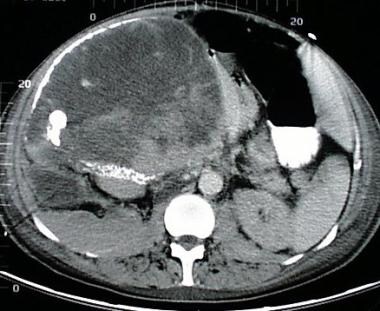
    • Adrenal CT scans and MRI are the imaging studies of choice. The typical case is characterized by a large unilateral adrenal mass with irregular edges. The presence of contiguous adenopathy serves as corroborating evidence. While the issue of exactly what cutoff dimension size of adrenal masses should elicit a decision for surgical removal irrespective of hormonal functionality, clearly larger tumors have a greater chance of being carcinomatous. The National Italian study group on adrenal incidentalomas demonstrated that 90% of AC cases had diameters of 4 cm or larger on radiologic imaging. This cohort based on 887 patients showed that using the 4 cm cutoff resulted in a 90% sensitivity but a poor specificity.
    • Targeted CT scans of the adrenal using 3- to 5-mm sections offer the best resolution and are particularly useful in detecting tumors that are 1 cm or smaller.
    • Intravenous contrast generally is not necessary for localization of adrenal masses but is useful for demonstrating vascularity and clarifying sites of metastases. Some reports have also shown that adrenal adenomas compared with ACs have a much earlier washout of contrast enhancement and that this may be of diagnostic utility. The contrast washout at 5 minutes postinjection is approximately 50% versus 8% in adenomas versus nonadenomas, and at 15 minutes, the contrast washout is approximately 70% versus 20%.
    • Accumulating evidence suggests that low attenuation values on unenhanced CT scans can distinguish benign adrenal adenomas from AC or metastatic adrenal deposits that have attenuation values generally greater than 20 Hounsfield units (HU). Authorities suggest that adenomas have HU values of 10 or less. However, many caveats significantly limit the clinical utility of this. Authorities also suggest using norms for HU values in intravenous contrast studies to assist in distinguishing adrenal adenomas from AC. The sensitivity and specificity for the 10 and 20 HU cutoffs in distinguishing adenomas from nonadenomas, including AC and pheochromocytoma, were 40.5% and 100% for adenomas and 58.2% and 96.9% for nonadenomas. These numbers suggest that, while limited as a screening instrument, the HU score has considerable utility in making definitive diagnoses when the scores are either less than 10 HU or greater than 20 HU.
    • The MRI, in particular, shows significant utility in distinguishing adrenocortical carcinoma from nonfunctional adenomas and pheochromocytomas. The malignant lesions tend to be intermediate-to-high density on T2 imaging, while the nonfunctional adenomas are low intensity, and pheochromocytomas have a very high signal intensity. On gadolinium–diethylenetriamine pentaacetic acid (DTPA) contrast-enhanced MRIs, adenomas generally demonstrate mild enhancement with rapid contrast washout, while ACs show rapid and intense enhancement with sluggish washout. The relatively higher fat content of adrenal adenomas compared with ACs has also been used in the new chemical shift imaging (CSI) MRI protocols to further enhance the distinguishing capacity of these studies.
  • Ultrasonography
    • This test has less sensitivity in detecting adrenal tumors and is highly user-dependent in its interpretation and quality of results.
    • It has particular utility, however, in the follow-up of previously detected incidentalomas.
  • Iodocholesterol scans rarely are indicated in suspected cases of AC, and the findings generally are negative in this setting, unlike in steroid-secreting adrenal adenomas.
  • Arteriography and venography currently have very little, if any, place in the diagnostic evaluation of adrenal masses suspected to be AC.
  • The following are the major imaging features that serve as red flags for a possible AC on adrenal imaging:
    • Irregular shape
    • Large size (larger than 4 cm in diameter)
    • Intralesional calcification
    • Tumor heterogeneity on both plain and contrast enhancement, which may indicate intralesional hemorrhage, necrosis, or both (Inhomogeneous density estimates by CT in various parts of the tumor on both plain and contrast-enhanced images may also indicate intralesional hemorrhage.)
    • Unilateral location
    • High CT attenuation values (especially with >20 HU)
    • Evidence of tumor invasion of local structures or extension into major vessels

Other Tests

  • Because the histologic analysis of these masses may be unreliable, fine and/or core tissue needle aspiration biopsies (percutaneous route) generally are not recommended except for possible metastatic deposits.
  • Fine-needle aspiration and core tissue biopsy
    • The fine-needle and/or percutaneous core biopsies may be CT-guided or ultrasound-guided. Presently, the only setting where this is justified is in the evaluation of patients with a known malignancy, in order to exclude adrenal metastases.
    • Fine-needle aspiration or core tissue biopsy has no role in the diagnostic workup of adrenal incidentalomas because of both the minimal likelihood of a definitive diagnosis and the potential for tumor seeding into the retroperitoneum.
    • Never perform fine-needle aspirations on any adrenal mass without first definitively excluding a pheochromocytoma; otherwise, the procedure may precipitate a potentially fatal crisis.

Histologic Findings

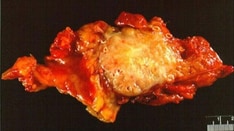
A specific histologic diagnosis may be difficult in a case that is lacking clinical evidence of metastasis. Some of the macroscopic features that suggest malignancy include a weight of more than 500 g, the presence of areas of calcification or necrosis, and a grossly lobulated appearance.

Cortical tumors

These typically have a yellowish-brown appearance on the cut surface. Pathologic features suggestive of malignancy are the large size of the primary tumor (tumor weights >100 g suggest malignancy); high mitotic rate; atypical mitoses; high nuclear grade; large areas of necrosis; low percentage of clear cells; diffuse cellular architecture; and evidence of capsular, lymphatic, or vascular invasion.

Tumors may have broad fibrous bands separating them into nodules, and they often have a variegate appearance, a zona glomerulosalike appearance, or a fasciculata and reticularis appearance. Still, other areas may show near-total dedifferentiation.

Most of the cells are lipid-poor compared to typical adrenocortical cells, and they have an eosinophilic cytoplasm. Pleomorphic bizarre-looking cells and multinucleate giant cells also may be evident. Predicting the hormonal products of a particular tumor based on histologic appearance is impossible.

Distinction between adrenocortical and adrenomedullary tumors

These have distinctive histologic appearances and immunohistochemical staining patterns. While adrenomedullary tumors stain positive for neuroendocrine markers (eg, synaptophysin, neuron-specific enolase, chromogranin A), adrenocortical cells stain positive for D11, with very little overlap. ACs are virtually always unilateral. One report suggests that 2-10% of cases may be bilateral at initial diagnosis, but this finding has not been replicated. Ectopic adrenocortical tumors are exceedingly rare.

Staging

Staging for adrenal carcinoma according to Sullivan and colleagues

  • Tumor criteria
    • T1 - Tumor diameter smaller than or equal to 5 cm with no local invasion
    • T2 - Tumor diameter larger than 5 cm with no local invasion
    • T3 - Tumor of any size with local extension but not involving adjacent organs
    • T4 - Tumor of any size with local invasion of adjacent organs
  • Lymph node criteria
    • N0 - No regional lymph node involvement
    • N1 - Positive regional nodes
  • Metastasis criteria
    • M0 - No distant metastasis
    • M1 - Distant metastasis
  • Stages
    • Stage 1 - T1, N0, M0
    • Stage 2 - T2, N0, M0
    • Stage 3 - T1 or T2, N1, M0
    • Stage 4 - Any T, any N + M1 or T3, N1 or T4


Medical Care

  • Mitotane
    • This drug remains the major chemotherapeutic option for the management of AC because it is a relatively specific adrenocortical cytotoxin. It is used as primary therapy, as adjuvant therapy, and as therapy in recurrent or relapsing disease.
    • Its capacity to prolong clinical survival is uncertain. At best, only 20-25% of patients respond to mitotane. Therapy may be required for at least 3 months before deciding that mitotane has no efficacy in the management of an individual case.
    • Mitotane apparently causes adrenal inhibition without cellular destruction. The exact mechanism of action is unknown. It inhibits cholesterol side-chain cleavage and 11-beta-oxyhydrase reactions. It also appears to reduce the peripheral metabolism of steroids. Alteration of extra-adrenal metabolism of cortisol reduces measurable 17-hydroxy corticosteroid while stimulating the formation of 6-beta-hydroxy cortisol. Plasma levels of corticosteroids do not fall.
    • This drug may be considered in the treatment of inoperable adrenal cortical carcinoma (functional, nonfunctional). It controls endocrine hypersecretion in 70-75% of patients. While objective tumor responses often are cited in as many as 20-25% of patients, a study has yet to be conducted with modern imaging techniques and response criteria accepted by clinical oncologists. Tumor response has been reported to correlate with serum levels and often requires several months of continuous therapy. Assaying mitotane levels during therapy is valuable because therapeutic efficacy depends on achieving serum levels of at least 15 mcg/mL.
    • Approximately 40% of the drug is absorbed, and approximately 10% of the dose is recovered in the urine as a water-soluble metabolite. Active metabolite excreted in the bile varies from 1-17%. The balance apparently is stored in tissues. Autopsy data indicate that fat tissue is the primary storage site, but it is found in most tissues.
    • After therapy, plasma terminal half-life varies from 18-159 days.
    • Experience suggests that the best approach is continuous treatment with the maximum possible dosage.
    • If tolerated and an improved clinical response appears possible, increase the dose until adverse reactions interfere. The aim is to achieve doses as high as 10-20 g daily.
    • The major beneficial effect is on symptoms rather than a specific antitumor or mortality benefit. Generally, treatment benefits are short-lived, and long-term survivors on this therapy are rare.
    • The potential benefit of postoperative adjuvant therapy with mitotane is still controversial. Although some reports suggest that its use may delay or even prevent tumor recurrence postsurgical extirpation, no randomized trials compare this strategy to just surgery alone in subjects of similar stage AC. Those who advocate this strategy begin it immediately after surgery and then continue it indefinitely. However, several other reports have not shown any benefit of mitotane adjuvant therapy in terms of disease-free survival or overall mortality rates, and the naysayers of its use in this setting point to the serious side effects associated with the medication as tilting the balance against quality of life in treated patients with no hard evidence for meaningful benefit.
    • Some reports exist of the potential utility of using streptozotocin in combination with mitotane (at a dose of 1 g qd for first 5 d followed by 2 g q3-4wk thereafter). This regimen has been reported to be associated with a significantly better disease-free interval and with more long-term survivors.
  • Suramin: Although a few reports suggest the potential utility of suramin as an additional chemotherapeutic agent in the treatment of AC, this drug is not recommended for AC.
  • Gossypol
    • Gossypol also has been tried for metastatic adrenal cancer, with limited experience and success.
    • It was originally developed as a spermatotoxin and was derived from cottonseed oil. It has been used widely in China as a male contraceptive with few adverse effects. While the exact mechanism for its action is unclear, it is known to cause selective mitochondrial destruction by the uncoupling of oxidative phosphorylation.
  • Cisplatin-based chemotherapy
    • In cases where mitotane fails, chemotherapeutic regimens containing cisplatin alone or in combination often are used. It also is used often in combination with ongoing mitotane administration.
    • Cyclophosphamide, Adriamycin, and cisplatin (CAP), 5-fluoro uracil, Adriamycin, and cisplatin (FAP), and cisplatin with VP-16 have been tried.
    • Due, in part, to the rarity of this disease, no convincing evidence exists suggesting that any of these regimens confer survival advantage; nor are there clinical trials which assess the efficacy of one combination over another. In vitro evidence exists that indicates mitotane can block drug efflux mediated by p-glycoprotein, although clinical data are not available presently.
  • Management of endocrine syndromes
    • In functional tumors, management of the endocrine syndromes is often important because the associated systemic effects may significantly impact patient well-being.
    • Therapeutic options for Cushing syndrome include mitotane, ketoconazole, metyrapone, aminoglutethimide, RU 486 (mifepristone), and intravenous etomidate, alone or in various combinations.
    • For hyperaldosteronism, the major therapeutic options are spironolactone, elpreninone (presently in phase 3 trials), amiloride, triamterene, and various antihypertensives, especially long-acting dihydropyridine calcium channel blockers.
    • For hyperandrogenism or hyperestrogenism, several options are available if adverse effects from these hormones significantly impact patient well-being. Antiestrogens may include clomiphene citrate, tamoxifen, toremifene, and danazol. Potential antiandrogens include flutamide, cyproterone acetate, bicalutamide (Casodex), nilutamide, and megestrol acetate. Ketoconazole, spironolactone, and cimetidine also have a significant antiandrogen effect. The various aromatase inhibitors (eg, testolactone, anastrozole, letrozole, fadrozole) also have some antiandrogen effect; therefore, they may be used. Controlled studies have not yet been performed to assess which of these agents, either alone or in combination, achieves the best metabolic control. The choice of medication often is guided by cost, availability, patient preference, adverse effects, and tolerance.
    • In the rare setting of mixed carcinoma associated with pheochromocytoma components, high-dose radiolabeled metaiodobenzylguanidine (MIBG) has a potential role.
    • The management of blood pressure elevation in this setting is similar to that in pheochromocytoma, using long-acting alpha-blockers (usually with phenoxybenzamine), followed by long-acting beta-blockers (eg, propranolol) and, finally, metyrosine. Evidence does not exist that suggests a combination of radiotherapy with mitotane (or any other chemotherapeutic regimen for that matter) confers any survival benefit. The only place for radiotherapy in the management of this condition is for palliation of painful bone disease and local luminal obstructive disease.
    • Patients treated with mitotane may present with features of both glucocorticoid and aldosterone insufficiency requiring replacement therapy.
  • In summary, medical management encompasses (1) the treatment of endocrine excess syndromes; (2) the use of mitotane or several multiagent chemotherapy regimens; (3) the treatment and prevention of potential complications; and (4) strategies for palliative and terminal care issues, including symptom relief and management.
  • Radiation therapy
    • Although radiation therapy has been used alone or in combination with surgical resection, no evidence suggests that it is of any benefit in managing primary AC.
    • Its use should be restricted to palliation of local disease such as bony metastases.
    • A few reports suggest that a potential utility for radiation is the palliative management of symptomatic adrenal metastatic deposits.
    • Recurrent or relapsing AC is usually a bad omen. Although symptoms of hormonal excess can often be medically managed in this setting, cure is virtually unknown, and finding metastatic disease gives a particularly poor prognosis. Most of these patients die within 1 year. The prognosis is better in children in whom some cases of long-term survival have been described.

Surgical Care

  • Preoperative screening
    • Include a full evaluation to determine the extent of disease and staging, which has implications for the ultimate prognosis. The most commonly used staging method is that first described by MacFarlane, then subsequently modified by Sullivan and associates.
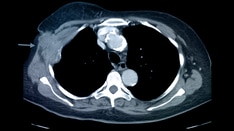
    • The most common sites for metastases are the lungs, liver, bone, and lymph nodes. Contiguous spread to the kidney and liver (if the primary is on the right side) and tumor extension into the venous drainage system of the adrenals and the inferior vena cava are common.
  • Surgical resection
    • When feasible, total resection remains the management modality of choice for the definitive management of AC. It also remains the only potentially curative therapeutic modality.
    • Recurrent local and metastatic disease is common, even among patients who undergo a successful complete resection. In such settings, the only effective treatment is attempted reoperation.
    • Preoperative diagnostic accuracy should improve in the following years with improved MRI technology, percutaneous core needle biopsy technology, and advances in molecular, genetic, and immunotyping interpretation.
  • While open laparotomy for adrenalectomy remains the standard of care, several reports suggest a role for laparoscopic resection in those cases where the adrenal tumor is small and where no evidence of metastatic disease is present preoperatively. Aggressive resection of locally recurrent disease may prolong survival in some patients, while the new technology of percutaneous radiofrequency ablation (RAF) may have a place in providing local symptom control related to local compression by an invasive tumor.
    • Advances in the treatment of ACs currently include an international phase III trial evaluating chemotherapy regimens and establishment of national tumor registries. Further improvements in therapy may utilize novel chemotherapy agents, vascular growth inhibitors, or small molecule therapy based upon a better understanding of the molecular pathways involved in tumorigenesis.


The goal of pharmacotherapy is to reduce morbidity, prevent complications, and eradicate the carcinoma if possible.

Drug Category: Chemotherapeutic agents

These agents inhibit cell growth and proliferation.

Drug NameMitotane (Lysodren)
DescriptionAn option for the management of AC because it is a relatively specific adrenocortical cytotoxin.
Adult Dose2-6 g/d PO divided tid/qid, titrate to 9-10 g/d PO
Begin with 2-3 g/d and advance as tolerated in increments of 0.5 g/wk if tolerated
Use serum levels to guide therapy; target to levels of 10-15 mcg/mL; in most patients, this is achieved after several weeks to months of 5-6 g/d
Maintenance: Usually 2-16 g/d PO but maintenance dose is that which achieves a steady serum level of 10-15 mcg/mL
Smaller patients generally require lower doses; those receiving long-term therapy may require dose reduction to as low as 0.5-1 g/d
After 2 wk of therapy, add replacement hydrocortisone and fludrocortisone
Pediatric DoseNot established
ContraindicationsDocumented hypersensitivity
InteractionsCNS depressants may increase toxicity; may increase metabolism of warfarin, causing a decrease in levels; spironolactone may decrease effects
PregnancyC - Safety for use during pregnancy has not been established.
PrecautionsBecause primary effect is adrenal suppression, discontinue in case of trauma or shock and institute adrenal replacement therapy; caution in severe hepatic impairment, CNS impairment (lethargy, sedation, vertigo), and neuropsychiatric syndromes; speech impairment, gynecomastia, and hematologic abnormalities also may occur


Complications

  • Potential complications that may be associated with AC can be subclassified as follows:
    • Local tumor invasion, including the potential for tumor thrombus formation, which can embolize similar to renal cell carcinoma
    • Hormone excess syndromes (eg, Cushing syndrome, hyperaldosteronism, hirsutism, virilization, and hypertension)
    • Paraneoplastic syndromes (eg, cachexia)
    • Local pain in patients with bone metastases

Prognosis

  • Detection of tumors at early clinical stage is crucial for curative resection.
  • Total resection offers the only prospect for cure.
  • A majority of cases of AC are metastatic at the time of diagnosis. The most common sites of spread are the local periadrenal tissue, lymph nodes, lungs, liver, and bone.
  • Patients with functional AC may have a better prognosis because they present earlier, unlike nonfunctional variants that invariably present when they are very large or when they are associated with distant metastasis.
    • Estimates of the overall 5-year survival rate are approximately 20-35%.
    • For cases where total surgical resection is achieved, this rate is estimated to be approximately 32-47%.
    • In those cases where total surgical extirpation has not been possible, the 5-year survival rates are 10-30%.
    • Even after apparently complete surgical resection, local or distant relapse occurs in nearly 80% of cases.
  • The presence of distant metastasis generally is a sign of an especially poor outcome. Estimates suggest that as many as 50% of such patients are dead within 12 months of detecting the metastatic deposits, regardless of treatment.
    • The most important predictive clinical parameters of prognosis are disease stage at diagnosis, completeness of resection at surgery, and presence or absence of metastasis at the time of diagnosis.
    • Recent follow-up data from large centers, such as the MD Anderson Cancer Center, Memorial Sloan-Kettering Cancer Center, and the French association of Endocrine Surgery series from Europe, suggest a temporal improvement in clinical survival of patients with AC in more recent years since the late 1980s and early 1990s.
  • Although still somewhat controversial, some suggest that children with AC have a better prognosis than adults. A report from Icard and associates suggests that tumor prognosis also may be influenced by the hormonal product of the tumor, but this has not been replicated in other series. The mitotic index, the presence of atypical mitoses on histologic analysis, a tumor mass larger than 250 g, and tumor diameter larger than 10 cm are all indices of a poor prognosis.
  • Even for patients with curative surgery, life-long follow-up is mandatory because documented cases exist of AC recurrence more than 10 years after presumed curative surgery.
  • The prognosis for cases of AC occurring in pregnancy is equally grim; however, the fetal prognosis in these cases remains excellent.
  • Patients who show no response to mitotane or who relapse are probably best served by a referral a major cancer center, where they can be enrolled in one of several ongoing combination chemotherapeutic/radiation and/or surgical resection protocols. AC is too uncommon for most tertiary hospitals to have enough expertise to manage these patients adequately.


Medical/Legal Pitfalls

  • Because the management of AC is still undergoing considerable flux, significant controversy exists and very few, if any, universally accepted standards have been determined. Until a consensus conference on AC is convened where the recent developments in the field and accumulated clinical experience of the last few decades are integrated, only broad guidelines can be suggested.
  • A full evaluation is advised in all patients with a distinct adrenal nodule or tumor larger than 1 cm in order to determine whether the tumor is functional. The general agreement is that all functional masses should be removed.
  • No definitive guidelines exist for all nonfunctional adrenal masses being followed serially. A suggested follow-up regimen is to perform repeat adrenal CT scans or MRI scans 3-6 months after the initial evaluation, then yearly (some suggest every 6 mo for the first few years) in order to detect any change in tumor size. Accompany these with periodic checks of hormonal profiles (after 1 y, then every 1-2 y thereafter).
  • Removal of all nonmetastatic adrenal masses larger than 6 cm is advisable (several authorities say 5 cm, while others say 4 cm), regardless of the patient's hormonal profile.
  • Use a higher index of suspicion for children with adrenal masses; these may be malignant even when smaller than 4-5 cm in diameter.


  • Abramson SJ. Adrenal neoplasms in children. Radiol Clin North Am. Nov 1997;35(6):1415-53. [Medline].
  • Agrons GA, Lonergan GJ, Dickey GE, Perez-Monte JE. Adrenocortical neoplasms in children: radiologic-pathologic correlation. Radiographics. Jul-Aug 1999;19(4):989-1008. [Medline].
  • Al-Fiar FZ, Pantalony D, Shepherd F. Primary bilateral adrenal lymphoma. Leuk Lymphoma. Nov 1997;27(5-6):543-9. [Medline].
  • Angeli A, Osella G, Alì A, Terzolo M. Adrenal incidentaloma: an overview of clinical and epidemiological data from the National Italian Study Group. Horm Res. 1997;47(4-6):279-83. [Medline].
  • Bornstein SR, Stratakis CA, Chrousos GP. Adrenocortical tumors: recent advances in basic concepts and clinical management. Ann Intern Med. May 4 1999;130(9):759-71. [Medline].
  • Boscaro M, Fallo F, Barzon L, et al. Adrenocortical carcinoma: epidemiology and natural history. Minerva Endocrinol. Mar 1995;20(1):89-94. [Medline].
  • Carney JA. Gastric stromal sarcoma, pulmonary chondroma, and extra-adrenal paraganglioma (Carney Triad): natural history, adrenocortical component, and possible familial occurrence. Mayo Clin Proc. Jun 1999;74(6):543-52. [Medline].
  • Coonrod DV, Rizkallah TH. Virilizing adrenal carcinoma in a woman of reproductive age: a case presentation and literature review. Am J Obstet Gynecol. Jun 1995;172(6):1912-4; discussion 1914-5. [Medline].
  • De Leon DD, Lange BJ, Walterhouse D, Moshang T. Long-term (15 years) outcome in an infant with metastatic adrenocortical carcinoma. J Clin Endocrinol Metab. Oct 2002;87(10):4452-6.
  • Demeure MJ, Somberg LB. Functioning and nonfunctioning adrenocortical carcinoma: clinical presentation and therapeutic strategies. Surg Oncol Clin N Am. Oct 1998;7(4):791-805. [Medline].
  • Favia G, Lumachi F, Carraro P, D''Amico DF. Adrenocortical carcinoma. Our experience. Minerva Endocrinol. Mar 1995;20(1):95-9. [Medline].
  • Fokaefs ED, Melekos MD, Melachrinou MP, et al. Nonfunctional adrenal cortical carcinoma. Report of a case and review of the literature. Int Urol Nephrol. 1996;28(2):145-52. [Medline].
  • Freeman DA. Adrenal carcinoma. In: Bardin CW, ed. Current therapy in endocrinology and metabolism. 6th ed. St. Louis, Mo: Mosby Yearbook; 1997:. 173-5.
  • Gicquel C, Bertherat J, Le Bouc Y, Bertagna X. Pathogenesis of adrenocortical incidentalomas and genetic syndromes associated with adrenocortical neoplasms. Endocrinol Metab Clin North Am. Mar 2000;29(1):1-13, vii. [Medline].
  • Gicquel C, Baudin E, Lebouc Y, Schlumberger M. Adrenocortical carcinoma. Ann Oncol. May 1997;8(5):423-7. [Medline].
  • Gicquel C, Bertagna X, Le Bouc Y. Recent advances in the pathogenesis of adrenocortical tumours. Eur J Endocrinol. Aug 1995;133(2):133-44. [Medline].
  • Gicquel C, Bertagna X, Gaston V, et al. Molecular markers and long-term recurrences in a large cohort of patients with sporadic adrenocortical tumors. Cancer Res. Sep 15 2001;61(18):6762-7. [Medline].
  • Hamrahian AH, Ioachimescu AG, Remer EM, et al. Clinical utility of noncontrast computed tomography attenuation value (hounsfield units) to differentiate adrenal adenomas/hyperplasias from nonadenomas: Cleveland Clinic experience. J Clin Endocrinol Metab. Feb 2005;90(2):871-7.
  • Juarez D, Brown RW, Ostrowski M, et al. Pheochromocytoma associated with neuroendocrine carcinoma. A new type of composite pheochromocytoma. Arch Pathol Lab Med. Dec 1999;123(12):1274-9. [Medline].
  • Kasperlik-Zaluska AA. Clinical results of the use of mitotane for adrenocortical carcinoma. Braz J Med Biol Res. Oct 2000;33(10):1191-6. [Medline].
  • Khan TS, Imam H, Juhlin C, et al. Streptozocin and o,p''DDD in the treatment of adrenocortical cancer patients: long-term survival in its adjuvant use. Ann Oncol. Oct 2000;11(10):1281-7. [Medline].
  • Kloos RT, Gross MD, Francis IR, et al. Incidentally discovered adrenal masses. Endocr Rev. Aug 1995;16(4):460-84. [Medline].
  • Kloos RT, Korobkin M, Thompson NW, et al. Incidentally discovered adrenal masses. Cancer Treat Res. 1997;89:263-92. [Medline].
  • Koch CA, Pacak K, Chrousos GP. The molecular pathogenesis of hereditary and sporadic adrenocortical and adrenomedullary tumors. J Clin Endocrinol Metab. Dec 2002;87(12):5367-84. [Medline].
  • Korobkin M, Brodeur FJ, Francis IR, et al. CT time-attenuation washout curves of adrenal adenomas and nonadenomas. AJR Am J Roentgenol. Mar 1998;170(3):747-52. [Medline].
  • Latronico AC, Chrousos GP. Extensive personal experience: adrenocortical tumors. J Clin Endocrinol Metab. May 1997;82(5):1317-24. [Medline].
  • Latronico AC, Chrousos GP. Neoplasms of the adrenal cortex. Clinical and basic aspects. Cancer Treat Res. 1997;89:217-37. [Medline].
  • Latronico AC, Pinto EM, Domenice S, et al. An inherited mutation outside the highly conserved DNA-binding domain of the p53 tumor suppressor protein in children and adults with sporadic adrenocortical tumors. J Clin Endocrinol Metab. Oct 2001;86(10):4970-3. [Medline].
  • Li BD, Douglass HO. Management of the incidentally discovered adrenal mass or "incidentaloma". J La State Med Soc. Aug 1997;149(8):291-9. [Medline].
  • Linos DA. Management approaches to adrenal incidentalomas (adrenalomas). A view from Athens, Greece. Endocrinol Metab Clin North Am. Mar 2000;29(1):141-57. [Medline].
  • Lubitz JA, Freeman L, Okun R. Mitotane use in inoperable adrenal cortical carcinoma. JAMA. Mar 5 1973;223(10):1109-12. [Medline].
  • Lynch HT, Radford B, Lynch JF. SBLA syndrome revisited. Oncology. 1990;47(1):75-9. [Medline].
  • Lynch HT, Mulcahy GM, Harris RE, et al. Genetic and pathologic findings in a kindred with hereditary sarcoma, breast cancer, brain tumors, leukemia, lung, laryngeal, and adrenal cortical carcinoma. Cancer. May 1978;41(5):2055-64. [Medline].
  • Mantero F, Arnaldi G. Management approaches to adrenal incidentalomas. A view from Ancona, Italy. Endocrinol Metab Clin North Am. Mar 2000;29(1):107-25, ix. [Medline].
  • Mantero F, Arnaldi G. Investigation protocol: adrenal enlargement. Clin Endocrinol (Oxf). Feb 1999;50(2):141-6. [Medline].
  • McNicol AM. Molecular aspects of adrenal tumours. Minerva Endocrinol. Mar 1995;20(1):9-13. [Medline].
  • Nader S, Hickey RC, Sellin RV, Samaan NA. Adrenal cortical carcinoma. A study of 77 cases. Cancer. Aug 15 1983;52(4):707-11. [Medline].
  • Pimentel M, Johnston JB, Allan DR, et al. Primary adrenal lymphoma associated with adrenal insufficiency: a distinct clinical entity. Leuk Lymphoma. Jan 1997;24(3-4):363-7. [Medline].
  • Reincke M. Mutations in adrenocortical tumors. Horm Metab Res. Jun-Jul 1998;30(6-7):447-55. [Medline].
  • Rossi R, Tauchmanova L, Luciano A, et al. Subclinical Cushing''s syndrome in patients with adrenal incidentaloma: clinical and biochemical features. J Clin Endocrinol Metab. Apr 2000;85(4):1440-8. [Medline].
  • Saeger W. Pathology of adrenal neoplasms. Minerva Endocrinol. Mar 1995;20(1):1-8. [Medline].
  • Salvatore JR, Ross RS. Primary bilateral adrenal lymphoma. Leuk Lymphoma. Jun 1999;34(1-2):111-7. [Medline].
  • Sawin RS. Functioning adrenal neoplasms. Semin Pediatr Surg. Aug 1997;6(3):156-63. [Medline].
  • Schteingart DE. Management approaches to adrenal incidentalomas. A view from Ann Arbor, Michigan. Endocrinol Metab Clin North Am. Mar 2000;29(1):127-39, ix-x. [Medline].
  • Schulick RD, Brennan MF. Adrenocortical carcinoma. World J Urol. Feb 1999;17(1):26-34. [Medline].
  • Schwartz RW, Sloan DA, Kenady DE. Diagnosis and treatment of primary adrenal tumors. Curr Opin Oncol. Feb 1991;3(1):121-7. [Medline].
  • Shimshi M, Ross F, Goodman A, Gabrilove JL. Virilizing adrenocortical tumor superimposed on congenital adrenocortical hyperplasia. Am J Med. Sep 1992;93(3):338-42. [Medline].
  • Soffen EM, Solin LJ, Rubenstein JH, Hanks GE. Palliative radiotherapy for symptomatic adrenal metastases. Cancer. Mar 15 1990;65(6):1318-20. [Medline].
  • Soussi T, Leblanc T, Baruchel A, Schaison G. Germline mutations of the p53 tumor-suppressor gene in cancer-prone families: a review. Nouv Rev Fr Hematol. Feb 1993;35(1):33-6. [Medline].
  • Stojadinovic A, Ghossein RA, Hoos A, et al. Adrenocortical carcinoma: clinical, morphologic, and molecular characterization. J Clin Oncol. Feb 15 2002;20(4):941-50. [Medline].
  • Sullivan M, Boileau M, Hodges CV. Adrenal cortical carcinoma. J Urol. Dec 1978;120(6):660-5. [Medline].
  • Tauchmanova L, Rossi R, Biondi B, et al. Patients with subclinical Cushing''s syndrome due to adrenal adenoma have increased cardiovascular risk. J Clin Endocrinol Metab. Nov 2002;87(11):4872-8. [Medline].
  • Traill Z, Tuson J, Woodham C. Adrenal carcinoma in a patient with Gardner''s syndrome: imaging findings. AJR Am J Roentgenol. Dec 1995;165(6):1460-1. [Medline].
  • Udelsman R, Fishman EK. Radiology of the adrenal. Endocrinol Metab Clin North Am. Mar 2000;29(1):27-42, viii. [Medline].
  • Wakatsuki S, Sasano H, Matsui T, et al. Adrenocortical tumor in a patient with familial adenomatous polyposis: a case associated with a complete inactivating mutation of the APC gene and unusual histological features. Hum Pathol. Mar 1998;29(3):302-6. [Medline].
  • Wei CY, Chen KK, Chen MT, et al. Adrenal cortical carcinoma with tumor thrombus invasion of inferior vena cava. Urology. Jun 1995;45(6):1052-4. [Medline].
  • Weingartner K, Gerharz EW, Bittinger A, et al. Isolated clinical syndrome of primary aldosteronism in a patient with adrenocortical carcinoma. Case report and review of the literature. Urol Int. 1995;55(4):232-5. [Medline].

Adrenal Carcinoma excerpt

Article Last Updated: May 22, 2006