| Patient Education |
|
Click here for patient education.
|
|
You are in: eMedicine Specialties >
Infectious Diseases > MEDICAL TOPICS
Escherichia Coli Infections
Article Last Updated: Oct 18, 2007
AUTHOR AND EDITOR INFORMATION
Section 1 of 11
Author: Eleftherios Mylonakis, MD, Clinical and Research Fellow, Department of Internal Medicine, Division of Infectious Diseases, Massachusetts General Hospital
Eleftherios Mylonakis is a member of the following medical societies: American Association for the Advancement of Science, American College of Physicians, American Society for Microbiology, and Infectious Diseases Society of America
Coauthor(s):
Chi Hiong U Go, MD, Assistant Professor, Department of Internal Medicine, Texas Tech University Health Science Center at Odessa
Editors: Larry I Lutwick, MD, Director, Division of Infectious Diseases, Veterans Affairs New York Harbor Health Care System, Professor, Department of Internal Medicine, State University of New York at Downstate; Francisco Talavera, PharmD, PhD, Senior Pharmacy Editor, eMedicine; Charles V Sanders, MD, Edgar Hull Professor and Chairman, Department of Internal Medicine, Louisiana State University Health Sciences Center and School of Medicine; Eleftherios Mylonakis, MD, Clinical and Research Fellow, Department of Internal Medicine, Division of Infectious Diseases, Massachusetts General Hospital; Burke A Cunha, MD, Professor of Medicine, State University of New York School of Medicine at Stony Brook; Chief, Infectious Disease Division, Winthrop-University Hospital
Author and Editor Disclosure
Synonyms and related keywords:
E coli, traveler's diarrhea, traveler diarrhea, gram-negative bacteria, Gram negative bacteria, anaerobic bacteria, cholecystitis, bacteremia, cholangitis, urinary tract infection, UTI, neonatal meningitis, pneumonia, acute bacterial meningitis, nosocomial pneumonia, hospital-acquired pneumonia, nosocomial infection, hospital-acquired infection, bronchopneumonia, bacteremia, enterotoxigenic E coli, ETEC, enteropathogenic E coli, EPEC, enteroinvasive E coli, EIEC, dysentery, enterohemorrhagic E coli, EHEC, hemorrhagic colitis, hemolytic-uremic syndrome, HUS, enteroaggregative E coli, EAggEC, enteroadherent E coli, EAEC, uncomplicated urethritis, uncomplicated cystitis, symptomatic cystitis, pyelonephritis, acute prostatitis, prostatic abscess, urosepsis, septic arthritis, endophthalmitis, suppurative thyroiditis, sinusitis, osteomyelitis, endocarditis, skin infection, diabetic skin infection, softtissue infection, diarrheal disease, openCNStrauma,open central nervous system trauma, neurosurgical procedures
Background
The genus Escherichia is named after Theodor Escherich, who isolated the type species of the genus. They are gram-negative bacilli occurring singly or in pairs. Escherichia coli is facultatively anaerobic with both a fermentative and respiratory type of metabolism. They are either nonmotile or motile by peritrichous flagella. E coli is a major facultative inhabitant of the large intestine.
E coli is one of the most frequent causes of some of the many common bacterial infections, including cholecystitis, bacteremia, cholangitis, urinary tract infection (UTI), and traveler's diarrhea, and other clinical infections such as neonatal meningitis and pneumonia.
Pathophysiology
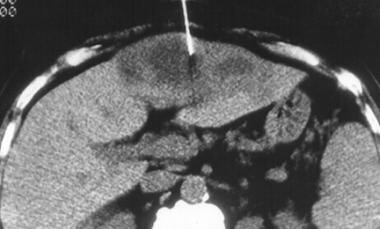
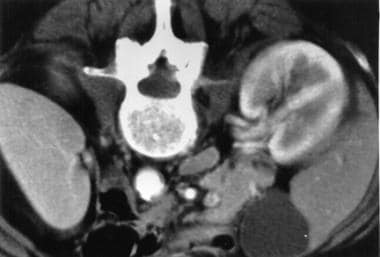
Acute bacterial meningitis E coli and group B streptococci account for the vast majority of cases of neonatal meningitis. E coli accounts for 28.5%, while group B streptococci account for 34.1%. Pregnant women are at a higher risk of colonization with the K1 capsular antigen strain of E coli. This strain is also commonly observed in neonatal sepsis. The mortality rate is 8%, and most survivors have subsequent neurologic or developmental abnormalities. Low birth weight and a positive result from cerebrospinal fluid (CSF) culture are predictors of poor outcome. In adults, E coli meningitis is rare but may occur in patients following neurosurgical trauma/procedures or complicating Strongyloides stercoralis hyperinfection involving the CNS. Pneumonia Respiratory tract infections due to E coli are uncommon and are almost always associated with E coli UTI. No virulence factors have been implicated. E coli pneumonia may also result from microaspiration of upper airway secretions that have been previously colonized with this organism in severely ill patients; hence, it is a cause of nosocomial pneumonia. However, E coli pneumonia can also be community-acquired in patients who have underlying disease such as diabetes mellitus, alcoholism, chronic obstructive pulmonary disease, and E coli UTI. E coli pneumonia usually manifests as a bronchopneumonia of the lower lobes and may be complicated by empyema. E coli bacteremia precedes pneumonia and is usually due to another focus of E coli infection in the urinary or GI tract. Intra-abdominal infections Intra-abdominal infections due to E coli often result from a perforated viscus (eg, appendix, diverticulum) or may be associated with intra-abdominal abscess, cholecystitis, and ascending cholangitis. Patients with diabetes mellitus are also at high risk of developing pylephlebitis of the portal vein and liver abscesses (see Image 1). Intra-abdominal abscesses are usually polymicrobial and can occur secondary to spontaneous or traumatic GI tract perforation or after anastomotic disruption with spillage of colon contents and subsequent peritonitis. They can be observed in the postoperative period after anastomotic disruption. Abscesses are often polymicrobial, and E coli is one of the more common gram-negative bacilli observed together with anaerobes. Cholecystitis and cholangitis result from obstruction of the biliary system from biliary stone or sludge leading to stagnation and bacterial growth from the papilla or portal circulation. When bile flow is obstructed, colonic organisms, including E coli, colonize the jejunum and duodenum. Interestingly, compared to complete obstruction, partial obstruction is associated with a higher rate of infection, bacteremia, and bactibilia, as is the presence of gallstones. Enteric infections As a cause of enteric infections, 6 different mechanisms of action of 6 different varieties of E coli have been reported. Enterotoxigenic E coli (ETEC) is a cause of traveler's diarrhea. Enteropathogenic E coli (EPEC) is a cause of childhood diarrhea. Enteroinvasive E coli (EIEC) causes a Shigella-like dysentery. Enterohemorrhagic E coli (EHEC) causes hemorrhagic colitis or hemolytic uremic syndrome (HUS). Enteroaggregative E coli (EAggEC) is primarily associated with persistent diarrhea in children in developing countries, and enteroadherent E coli (EAEC) is a cause of childhood diarrhea and also traveler's diarrhea in Mexico and North Africa. ETEC, EPEC, EAggEC, and EAEC colonize the small bowel, and EIEC and EHEC preferentially colonize the large bowel prior to causing diarrhea. Urinary tract infections The urinary tract is the most common site of infection by E coli. E coli accounts for more than 90% of all uncomplicated UTIs. The recurrence rate after a first E coli infection is 44% over 12 months. E coli UTIs are caused by the uropathogenic strains of E coli. E coli causes a wide range of UTIs, including uncomplicated urethritis/cystitis, symptomatic cystitis, pyelonephritis, acute prostatitis, prostatic abscess, or urosepsis. Uncomplicated cystitis occurs primarily in females who are sexually active and are colonized by a uropathogenic strain of E coli. Subsequently, the periurethral region is colonized from colon contamination, and the organism reaches the bladder during sexual intercourse. Uropathogenic strains of E coli have an adherence factor called P fimbriae or pili, which binds to the P blood group antigen. These P fimbriae mediate the attachment of E coli to uroepithelial cells. Thus, patients with intestinal carriage of E coli containing P fimbriae are at greater risk of developing UTI compared with the general population. Complicated UTI and pyelonephritis are observed in elderly patients with structural abnormalities or obstruction such as prostatic hypertrophy, neurogenic bladders, or in the presence of urinary catheters (see Image 2). Bacteremia due to E coli is usually associated with UTIs, especially in cases of urinary obstruction of any cause. The systemic reaction to endotoxin (cytokines) or lipopolysaccharides can lead to disseminated intravascular coagulation and death. E coli is a leading cause of nosocomial bacteremia from a GI or genitourinary source. Other infections Other miscellaneous infections that may be caused by E coli include septic arthritis, endophthalmitis, suppurative thyroiditis, sinusitis, osteomyelitis, endocarditis, or skin and soft tissue infections (especially in patients who are diabetic).
Frequency
United States
E coli is the leading cause of both community-acquired and nosocomial UTI. As many as 50% of women have had at least one episode of UTI in their lifetime. E coli causes 12-50% of nosocomial infections, and E coli causes 4% of diarrheal disease.
International
In tropical countries, EPEC is an important cause of childhood diarrhea. ETEC causes 11-15% of cases of traveler's diarrhea for those visiting developing countries and 30-45% of cases of traveler's diarrhea for those visiting Mexico. EAggEC causes 30% of cases of traveler's diarrhea.
Mortality/Morbidity
- Neonatal meningitis caused by E coli has a mortality rate of 8%, and most survivors have neurological or developmental abnormalities.
- The mortality and morbidity associated with E coli bacteremia is the same as that for other aerobic gram-negative bacilli.
Race
- No race predilection in recognized for E coli infections.
Sex
- E coli UTI is more common in females than in males because of differences in anatomic structure and changes during sexual maturation, pregnancy, and childbirth.
- In men older than 45 years, those with prostatic hypertrophy are more likely to have a UTI due to related bladder stasis.
- In neonates, E coli UTI is more common in boys than in girls, but circumcision reduces the risk.
Age
- E coli is an important cause of meningitis in neonates.
- In adults, it only occurs secondary to open CNS trauma or neurosurgical procedures.
History
- Acute bacterial meningitis
- Newborns with E coli meningitis present with fever and failure to thrive or abnormal neurological signs. Other findings in neonates include jaundice, decreased feeding, periods of apnea, and listlessness.
- Those younger than 1 month present with irritability, lethargy, vomiting, lack of appetite, and seizures.
- Those older than 4 months have neck rigidity, tense fontanels, and fever.
- Older children and adults have headache, vomiting, confusion, lethargy, seizures, and fever.
- Rarely, persons with a history of history of open CNS trauma or multiple neurological procedures can have S stercoralis hyperinfection.
- Because patients who have undergone neurosurgery frequently have headache, nuchal rigidity, and a decreased level of consciousness secondary to the surgery, signs may be difficult to interpret.
- The differential diagnosis includes sepsis, seizure disorder, brain abscess, ruptured aneurysm, and neonatal tetanus.
- Pneumonia
- Patients usually present with fever, shortness of breath, increased respiratory rate, increased respiratory secretions, and crackles upon auscultation.
- Findings include bronchopneumonia on chest x-ray films, commonly in the lower lobes. A large proportion of patients are intubated and have fever, an increased respiratory rate, and increased respiratory secretions.
- The differential diagnosis includes congestive heart failure and pulmonary embolism. Other gram-negative bacillary pneumonias are difficult to distinguish clinically.
- Intra-abdominal infections
- Patients with cholecystitis or cholangitis have right upper quadrant (RUQ) pain, fever, and jaundice. In severe cases, hypotension and confusion are also present. Cholecystitis manifests with fever (>102°F). Cholangitis manifests with fever (>102°F), shaking chills, and RUQ pain and can be complicated by hepatic abscess. Amebic liver abscess, Echinococcus cyst, and Klebsiella and Enterococcus infections are difficult to distinguish clinically. Anaerobes are observed in patients with diabetes and acute acalculous cholecystitis.
- Patients with intra-abdominal abscesses may have low-grade fever, but patients have a spectrum of clinical presentations ranging from nonspecific abdominal examination findings to frank septic shock. Peritonitis manifests with localized pain with rebound and fever. Presentation ranges from low-grade fever with abdominal tenderness, weakness, malaise, and anorexia to hypoxemia and hypotension. The infection is usually polymicrobial with E coli and other gram-negative bacilli and anaerobes. The differential diagnosis includes retroperitoneal hematoma and septic thrombophlebitis.
- Enteric infections
- With traveler's diarrhea (ETEC and EAggEC), ie, watery, nonbloody diarrhea, the patient may appear to be dehydrated. Traveler's diarrhea is observed in young, healthy travelers to tropical countries. It is watery diarrhea without polymorphonuclear (PMN) leukocytes. The differential diagnosis includes Rotavirus infection, Norwalk agent infection, Salmonella infection, and Campylobacter diarrhea.
- With childhood diarrhea (EAggEC, EAEC, and EPEC), ie, watery, nonbloody diarrhea, the patient may appear to be dehydrated. These infections produce a noninflammatory watery diarrhea observed especially in children. The differential diagnosis includes Vibrio cholerae infection and Rotavirus infection.
- With dysentery (EIEC, EHEC), the patient has fever, bloody diarrhea, and dehydration. Intestinal mucosa produce a significant inflammatory response. Clinically, patients present with fever and have blood and PMN leukocytes in their stool. The differential diagnosis includes shigellosis and amebic dysentery.
- With HUS (EHEC), the patient has fever, bloody diarrhea, dehydration, hemolysis, thrombocytopenia, and uremia requiring dialysis. Symptoms range from asymptomatic to nonbloody diarrhea to bloody diarrhea, renal failure, microangiopathic hemolytic anemia, thrombocytopenia, and CNS manifestations. The differential diagnosis includes Shigella infections, Clostridium difficile enterocolitis, ulcerative colitis/Crohn disease, ischemic colitis, diverticulosis, and appendicitis.
- Urinary tract infections
- Acute urethral syndrome manifests with low-grade fever and dysuria. Patients present with dysuria, increased frequency, and urgency, and they have colony counts. S saprophyticus infection is observed in 5-10% of cases, especially in sexually active women, associated with alkaline pH and microscopic hematuria. Less commonly, patients have Proteus mirabilis, Klebsiella, or Enterococcus infections. Approximately 15% of cases are culture-negative; these are due to Chlamydia trachomatis, Ureaplasma urealyticum, or Mycoplasma hominis infection.
- Patients who are symptomatic have dysuria and may have low-grade fever.
- Patients with pyelonephritis or complicated UTI present with localized flank or low back pain, high fever (>102°F), and urinary frequency and urgency. Findings also include rigors, sweating, headache, nausea, and vomiting. It can be complicated by necrotizing intrarenal or perinephric abscess, which manifests with a bulging flank mass or pyelonephritis that does not respond to antibiotics. Patients with diabetes or urinary obstruction can also develop bacteremia and septicemia. The differential diagnosis includes psoas abscess appendicitis, ectopic pregnancy, and ruptured ovarian cyst.
- Patients with acute prostatitis or prostatic abscess have chills; sudden fever (>102°F); and perineal and back pain with a tender, swollen, indurated, and hot prostate. Acute prostatitis also manifests with dysuria, urgency, and frequent voiding. Some patients may have myalgia, urinary retention, malaise, and arthralgia. If the patient does not respond to antibiotics, consider prostatic abscess and confirm it by performing imaging studies. Treatment is open surgical or percutaneous drainage.
- Patients with prostatic abscess, which manifests as a complication of acute prostatitis, have a high fever despite adequate antimicrobial therapy and fluctuance of the prostate upon rectal examination.
- The differential diagnosis of acute prostatitis or prostatic abscess can include chronic bacterial prostatitis, which is usually asymptomatic; some patients may have frequency, dysuria, and nocturia with pain and discomfort in the perineal, suprapubic, penile, scrotal, or groin region. Also included are infected prostatic calculi, which can cause recurrent UTIs and should be surgically removed. Finally, nonbacterial prostatitis is also in the differential diagnosis and manifests with perineal, suprapubic scrotal, low back, or urethral tip pain.
- Additionally, patients with renal abscess present with fever, pleuritic chest pain secondary to diaphragmatic irritation, and flank pain, with or without a palpable abdominal mass.
Physical
- Acute bacterial meningitis
- E coli meningitis is a common cause of meningitis in newborns and is associated most frequently with prematurity.
- E coli meningitis can be acquired during birth or can develop after infection from another body site, such as in cases of omphalitis, upper respiratory tract infection, or infected circumcision wound.
- In adults, E coli meningitis is not uncommon in patients who have had multiple neurological procedures or open CNS trauma.
- Patients who are immunosuppressed with corticosteroids and those with S stercoralis hyperinfection are also at risk for E coli meningitis.
- Pneumonia
- E coli pneumonia is often preceded by colonization of the upper respiratory tract (eg, nasopharynx).
- Rarely, community-acquired E coli pneumonia has been reported.
- Intra-abdominal infections
- E coli is one of the most common organisms associated with cholecystitis/cholangitis, together with Enterococcus faecalis or Klebsiella species, and in intra-abdominal abscesses, as part of polymicrobial flora including anaerobes.
- E coli cholecystitis/cholangitis manifests with the classic Charcot triad of fever, pain, and jaundice in 70% of cases. Fever is the most common finding (95%). RUQ pain and jaundice may be absent if no obstruction is present.
- In late stages, hypotension, confusion, and renal failure are observed.
- Liver abscess can develop as a complication of a biliary tract infection.
- Intra-abdominal abscesses, in contrast to diffuse peritonitis, have less conspicuous findings. The patient may have only low-grade fever, generalized malaise, and anorexia. In the postoperative patient who may have a distended and tender abdomen, clinical diagnosis of intra-abdominal abscess may be difficult.
- Enteric infections
- Traveler's diarrhea usually occurs in persons from industrialized countries who visit tropical or subtropical regions and develop abdominal cramps and frequent explosive bowel movements 1-2 days after exposure to contaminated food or water.
- E coli enterotoxin acts on the GI mucosa, leading to an outpouring of copious fluid from the small bowel.
- The symptoms usually last 3-4 days and are self-limited.
- Large fluid loss may result in dehydration.
- EIEC infections are rare and manifest as bloody diarrheal stool containing PMN leukocytes. Patients usually have fever, abdominal cramping, and tenesmus lasting 5-7 days.
- Childhood diarrhea is due to EPEC strains and usually occurs in underdeveloped countries or nursery outbreaks. The volume of diarrhea is less than that with ETEC strains, and no inflammatory cells are found in the diarrheal fluid. The child may experience fever, and diarrhea may last longer than 2 weeks in some cases.
- Infection with EHEC strains of the serotype 0157:H7 begin as watery diarrhea followed by grossly bloody stool without inflammatory PMN cells and can result in HUS in 10% of cases, characterized by hemolysis, thrombocytopenia, uremia (may require dialysis), and death in some cases.
- EAggEC and EAEC cause clinical illnesses that are not yet well characterized and are associated with persistent diarrhea in children.
- Urinary tract infections
- E coli is the leading cause of community-acquired and nosocomial UTI.
- Factors that predispose to UTI include female sex. This predisposition is because of anatomy and changes during sexual maturation, pregnancy, and childbirth.
- Young boys are predisposed to UTIs by posterior urethral valves. Elderly men are predisposed to UTIs by the presence of prostatic hypertrophy.
- Other factors are catheterization or mechanical manipulation, obstruction, or diabetes.
- Patients present with a wide spectrum of symptoms ranging from asymptomatic cystitis to pyelonephritis/perinephric abscess.
- Urethral syndrome is a term used to refer to patients with symptoms of dysuria with colony counts less than 100,000 colony-forming units/mL urine.
- Uncomplicated acute cystitis may manifest as low-grade fever, dysuria, and increased urinary frequency.
- Acute pyelonephritis manifests with high-grade fever (>102°F) and costovertebral tenderness.
- Acute prostatitis manifests with a sudden onset of fever and chills with perineal and low back pain.
- Perinephric abscess may manifest with a bulging flank mass. Elderly persons are more likely to have GI symptoms such as nausea and vomiting. Patients with bacteremia secondary to an obstructed urinary catheter may present with decreased urine output.
- Prostatic abscess can occur as a complication of acute prostatitis, notably in patients with diabetes mellitus, and should be considered in patients with acute prostatitis or UTI that is not improving with adequate antimicrobial therapy.
- Other infections
- E coli bacteremia can lead to septic shock, manifesting with hypotension and fever (in some cases, with hypothermia rather than fever). It may be complicated by uremia, hepatic failure, acute respiratory distress syndrome, stupor or coma, and death. Non–life-threatening bacteremia may manifest as a sudden onset of fever and chills, tachycardia, tachypnea, and mental confusion. In cases of UTI with obstruction of the urinary flow, bacteremia or septicemia may ensue.
- In the literature, several cases of endophthalmitis have been reported in patients with diabetes who have UTI or pyelonephritis.1
Causes
Differential Diagnosis of E coli Infection
| Organism |
Ind* |
Urease |
Motility |
Glu Ferm† |
Lact Ferm‡ |
Sucr Ferm§ |
Malt Ferm|| |
Esc Hyd¶ |
Hyd Sulf TSI# |
Oxidase |
Orn Dec** |
Lys Dec†† |
| E coli |
+ |
- |
+ |
+ |
+ |
+/- |
+ |
- |
- |
- |
+/- |
+ |
| Klebsiella pneumoniae |
- |
+/- |
- |
+ |
+ |
+ |
+ |
+ |
- |
- |
- |
+ |
| P mirabilis |
- |
+ |
+ |
+ |
- |
- |
- |
- |
+ |
- |
+ |
- |
| Proteus vulgaris |
+ |
+ |
+ |
+ |
- |
+ |
+ |
+/- |
+ |
- |
- |
- |
| Pseudomonas aeruginosa |
- |
+/- |
+ |
+
(ox)‡‡ |
- |
- |
- |
- |
- |
+ |
- |
- |
| Enterobacter aerogenes |
- |
- |
+ |
+ |
+ |
+ |
+ |
+ |
- |
- |
+ |
+ |
| Enterobacter cloacae |
- |
- |
+ |
+ |
+ |
+ |
+ |
- |
- |
- |
+ |
- |
| Salmonella typhi |
- |
- |
+ |
+ |
- |
- |
+ |
- |
+ |
- |
- |
+ |
| Citrobacter freundii |
+/- |
- |
+ |
+ |
+ |
+ |
+ |
- |
+/- |
- |
- |
- |
| Serratia marcescens |
- |
+/- |
+ |
+ |
- |
+ |
+ |
+ |
- |
- |
+ |
+ |
*Indole
†Glucose fermentation
‡Lactose fermentation
§Sucrose fermentation
||Maltose fermentation
¶Esculin hydrolysis
#Hydrogen sulfite on TSI
**Ornithine decarboxylase
††Lysine decarboxylase
‡‡Oxidative
Enterobacter Infections
Enterococcal Infections
Klebsiella Infections
Proteus Infections
Providencia Infections
Pseudomonas Aeruginosa Infections
Serratia
Shigellosis
Streptococcus Group B Infections
Lab Studies
- All patients thought to have E coli infection should have a routine CBC count with differential to evaluate for leukocytosis or a left shift.
- Gram stain results determine if the organism is gram-negative, but findings do not distinguish among the other aerobic gram-negative bacilli that cause similar infectious diseases.
- E coli is a gram-negative bacillus that grows well on commonly used media. It is lactose-fermenting and beta-hemolytic on blood agar. The majority of strains are nonpigmented (see Images 3-4).
- Definitive diagnosis is based on the isolation of the organism in the microbiology laboratory from clinical specimens. Specimens may be blood; urine; sputum; and other fluids such as cerebrospinal, biliary, abscess, and peritoneal.
- Recovery of the organism in contaminated sites, such as sputum and wounds, must be analyzed in the context of the patient's clinical state to determine if it is colonization or infection. Recovery from sterile sites, such as the CSF, should be considered diagnostic of infection.
- For acute bacterial meningitis, lumbar puncture and a culture positive for E coli from the CSF establishes the diagnosis of E coli meningitis; however, lumbar puncture is not justified for all babies presenting with sepsis. Indications for lumbar puncture include positive blood culture results, abnormal neurological signs, and detection of bacterial antigens in the urine.
- For pneumonia, perform blood cultures and sputum Gram stain and culture. The results of a Gram stain of the sputum help to differentiate a good specimen (many PMN leukocytes, few squamous epithelial cells) from a bad specimen (few PMN leukocytes, many squamous epithelial cells). In addition, obtain the sputum culture before the start of antibiotic therapy.
- For enteric infections, the causative organism is suggested based on the clinical presentation and the characteristic of the patient's stool. ETEC, EPEC, EAggEC, and EAEC infections produce watery stools without inflammatory cells. EIEC infection produces dysentery-type stools, and EHEC infection produces hemorrhagic type stools.
- For urinary tract infections, a urine dipstick test may be performed to rapidly determine if the patient has pyuria or bacteriuria based on the detection of leukocyte esterase and nitrites, respectively. Definitive diagnosis is based on urine culture results. Collect the specimen from a midstream clean void or from the catheter in the presence of an indwelling Foley catheter. Colonization must be differentiated from infection based on urinalysis results. In cases of infection, pyuria is usually present.
Imaging Studies
- For pneumonia, a chest radiograph or CT scan is indicated.
- For cholecystitis/cholangitis, an ultrasound or CT scan of the RUQ is indicated.
- For intra-abdominal abscess, a CT scan of the abdomen and pelvis is indicated; abscesses may be missed on ultrasound images.
- For UTI, ultrasound or CT scan may be ordered to help evaluate the kidneys and to look for any other source of abscess, stones, or obstruction.
Other Tests
- The strains causing diarrhea can be differentiated based on results from tests that are not widely used, such as DNA probes and polymerase chain reaction.
- EPEC can be identified based on findings from serotyping, assays of adherence, and DNA probes.
- These tests are difficult to perform and not available widely. Also, results are difficult to interpret.
- EIEC can be identified based on results from animal pathogenicity tests such as the Sereny test.
- EHEC can be identified by looking for the major serotype involved, 0157:H7.
- EHEC strains are cultured in a sorbitol MacConkey agar. Strains that are sorbitol-negative are then serotyped with 0157:H7 antisera.
- EAEC and EAggEC are identified based on their adherence pattern on tissue culture cells. Serotyping is not useful.
Procedures
- Meningitis - Lumbar puncture with CSF Gram stain/culture
- Pneumonia - Bronchoscopy, blood and urine cultures
- Cholecystitis/cholangitis - Decompression of biliary system through endoscopic drainage, sphincterotomy for stone extraction, or endoscopic cholangiography
- Intra-abdominal abscess - Aspiration and drainage
- UTI - In cases of ureteral obstruction, placement of stent or stone extraction
- Prostatic hypertrophy - Transurethral prostatectomy or transurethral resection of the prostate (TURP)
- Prostatic abscess - Drainage
Medical Care
- Base medical care on the site and severity of infection.
- In addition to antibiotics, provide supportive care, such as hydration, adequate oxygenation, and blood pressure support, if indicated
Surgical Care
- Cholecystitis/cholangitis - Surgical drainage/decompression
- Intra-abdominal abscess - Surgical debridement
- Urinary tract infection
- In the presence of obstruction, such as prostatic hypertrophy, TURP may be indicated.
- In some cases, place ureteral stents for obstructed renal stones; however, remove these stents as soon as possible.
- Institute adequate surgical drainage for prostatic abscesses using transurethral unroofing or a perineal incision.
Diet
- Food should be given to prevent malnutrition during a diarrheal episode.
Activity
- Activity can be continued as tolerated by the patient.
Meningitis requires antibiotics, such as third-generation cephalosporins (eg, ceftriaxone). Pneumonia requires respiratory support, adequate oxygenation, and antibiotics, such as third-generation cephalosporins or fluoroquinolones. Cholecystitis/cholangitis requires antibiotics such as third-generation cephalosporins that cover E coli and Klebsiella organisms. Empiric coverage should also include anti–E faecalis coverage. For intra-abdominal abscess, antibiotics also must include anaerobic coverage (eg, ampicillin and sulbactam or cefoxitin). In severe infection, piperacillin and tazobactam, imipenem and cilastatin, or meropenem may be used. Combination therapy with antibiotics that cover E coli plus an antianaerobe can also be used (eg, levofloxacin plus clindamycin or metronidazole). Enteric infections require fluid replacement with solutions containing appropriate electrolytes. Antimicrobials known to be useful in cases of traveler's diarrhea include doxycycline, trimethoprim/sulfamethoxazole (TMP/SMZ), fluoroquinolones, and rifaxan. They shorten the duration of diarrhea by 24-36 h. Antibiotics are not useful in EHEC infection and may predispose to development of HUS. Antimotility agents are contraindicated in children and in persons with EIEC infection. Uncomplicated cystitis can be treated with a single dose of antibiotic or 3-d course of a fluoroquinolone, TMP/SMZ, or nitrofurantoin. Recurrent cystitis (ie, >2 episodes/y) is treated by continuous or postcoital prophylaxis with a fluoroquinolone, TMP/SMZ, or nitrofurantoin. Patients with complex cases (eg, those with diabetes, >65 y, or recent history of UTI) are treated with a 7- to 14-d course of antibiotics (eg, levofloxacin, third-generation cephalosporins, or aztreonam). Acute uncomplicated pyelonephritis in young women is treated with fluoroquinolone or TMP/SMZ for 14 d. Admit to the hospital if the patient has vomiting, nausea, or underlying illness (eg, diabetes). If fever and flank pain persist for more than 72 h, ultrasound or CT scan may be ordered. Treat perinephric abscess or prostatitis with at least 6 wk of antibiotics. Sepsis requires at least 2 wk of antibiotics and identification of the source of bacteremia based on imaging study results.
Drug Category: Antibiotics
Empiric antimicrobial therapy must be comprehensive and cover all likely pathogens in the context of this clinical setting.
| Drug Name | Doxycycline (Vibramycin) |
| Description | Inhibits protein synthesis and thus, bacterial growth, by binding to 30S and possibly 50S ribosomal subunits of susceptible bacteria. Used to treat traveler's diarrhea. |
| Adult Dose | 100 mg PO q12h for 5 d |
| Pediatric Dose | <8 years: Not recommended, can cause permanent discoloration of teeth >8 years and <100 lb: 2 mg/lb PO divided bid on day 1, then 1 mg/lb PO qd or divided bid >8 years and >100 lb: Administer as in adults |
| Contraindications | Documented hypersensitivity; severe hepatic dysfunction |
| Interactions | Bioavailability decreases with antacids containing aluminum, calcium, magnesium, iron, or bismuth subsalicylate; can increase hypoprothrombinemic effects of anticoagulants; can decrease effects of oral contraceptives, causing breakthrough bleeding and increased risk of pregnancy |
| Pregnancy | D - Fetal risk shown in humans; use only if benefits outweigh risk to fetus
|
| Precautions | Photosensitivity may occur with prolonged exposure to sunlight or tanning equipment; reduce dose in renal impairment; consider drug serum level determinations in prolonged therapy; tetracycline use during tooth development (last half of pregnancy through 8 y) can cause permanent discoloration of teeth; Fanconilike syndrome may occur with outdated tetracyclines |
| Drug Name | Trimethoprim/sulfamethoxazole (Bactrim DS, Septra) |
| Description | Inhibits bacterial growth by inhibiting synthesis of dihydrofolic acid. Used to treat traveler's diarrhea for 5 d, uncomplicated UTI for 3 d, complicated UTI for 10-14 d, and acute prostatitis for 6-12 wk. |
| Adult Dose | 160 mg TMP/800 mg SMZ PO/IV q12h |
| Pediatric Dose | <2 months: Do not administer >2 months: 8 mg/kg/d TMP/40 mg/kg/d SMZ PO q12h for 10 d |
| Contraindications | Documented hypersensitivity; megaloblastic anemia due to folate deficiency |
| Interactions | May increase PT when used with warfarin (perform coagulation tests and adjust dose accordingly); coadministration with dapsone may increase blood levels of both drugs; coadministration of diuretics increases incidence of thrombocytopenia purpura in elderly persons; phenytoin levels may increase with coadministration; may potentiate effects of methotrexate in bone marrow depression; hypoglycemic response to sulfonylureas may increase with coadministration; may increase levels of zidovudine |
| Pregnancy | C - Fetal risk revealed in studies in animals but not established or not studied in humans; may use if benefits outweigh risk to fetus
|
| Precautions | Obtain CBC counts frequently; discontinue therapy if significant hematologic changes occur; goiter, diuresis, and hypoglycemia may occur with sulfonamides; prolonged IV infusions or high doses may cause bone marrow depression (if signs occur, administer 5-15 mg/d leucovorin); caution in folate deficiency (eg, chronic alcoholism, elderly, anticonvulsant therapy, malabsorption syndrome); hemolysis may occur in G-6-PD deficiency, patients with AIDS may not tolerate or respond to TMP/SMZ; caution in renal or hepatic impairment (perform urinalyses and renal function tests during therapy); administer fluids to prevent crystalluria and stone formation; avoid in pregnancy at term and breastfeeding because sulfonamides may cause kernicterus in infants; discontinue at first appearance of skin rash or sign of adverse reaction (eg, Stevens-Johnson syndrome, toxic epidermal necrolysis, agranulocytosis) |
| Drug Name | Ciprofloxacin (Cipro) |
| Description | Fluoroquinolone that inhibits bacterial DNA synthesis and, consequently, growth. Used to treat mild-to-moderate UTI for 7-14 d, acute uncomplicated cystitis for 3 d, severe-to-complicated UTI for 7-14 d, infectious diarrhea for 5-7 d, and chronic bacterial prostatitis for 4-6 wk. |
| Adult Dose | 500 mg PO bid; alternatively, 400 mg IV q12h |
| Pediatric Dose | <6 years: Not established >6 years: Administer as in adults |
| Contraindications | Documented hypersensitivity |
| Interactions | Antacids, iron salts, and zinc salts may reduce serum levels; administer antacids 2-4 h before or after taking fluoroquinolones; cimetidine may interfere with metabolism; reduces therapeutic effects of phenytoin; probenecid may increase serum concentrations; may increase toxicity of theophylline, caffeine, cyclosporine, and digoxin (monitor digoxin levels); may increase effects of anticoagulants (monitor PT); leads to hypoglycemia in patients concurrently receiving glyburide |
| Pregnancy | C - Fetal risk revealed in studies in animals but not established or not studied in humans; may use if benefits outweigh risk to fetus
|
| Precautions | In prolonged therapy, perform periodic evaluations of organ system functions (eg, renal, hepatic, hematopoietic); adjust dose in renal function impairment; superinfections may occur with prolonged or repeated antibiotic therapy; avoid alkalinizing urine (crystalluria has been reported); caution in seizure disorder; photosensitivity may occur with prolonged exposure to sunlight or tanning equipment |
| Drug Name | Levofloxacin (Levaquin) |
| Description | For infections due to multidrug-resistant gram-negative organisms. Used to treat community-acquired pneumonia for 7-14 d, acute pyelonephritis and complicated UTI for 10 d, and traveler's diarrhea for 5 d. |
| Adult Dose | 500 mg PO/IV qd |
| Pediatric Dose | <6 years: Not recommended >6 years: Not established |
| Contraindications | Documented hypersensitivity |
| Interactions | Antacids, iron salts, and zinc salts may reduce serum levels; administer antacids 2-4 h before or after taking fluoroquinolones; cimetidine may interfere with metabolism; reduces therapeutic effects of phenytoin; probenecid may increase serum concentrations; may increase toxicity of theophylline, caffeine, cyclosporine, and digoxin (monitor digoxin levels); may increase effects of anticoagulants (monitor PT) |
| Pregnancy | C - Fetal risk revealed in studies in animals but not established or not studied in humans; may use if benefits outweigh risk to fetus
|
| Precautions | In prolonged therapy, perform periodic evaluations of organ system functions (eg, renal, hepatic, hematopoietic); adjust dose in renal function impairment; superinfections may occur with prolonged or repeated antibiotic therapy |
| Drug Name | Amoxicillin (Amoxil, Trimox) |
| Description | Interferes with synthesis of cell wall mucopeptides during active multiplication, resulting in bactericidal activity against susceptible bacteria. Used to treat uncomplicated UTI for 7 d and complicated UTI or pyelonephritis for 10-14 d. |
| Adult Dose | 500 mg PO q8h; not to exceed 3 g/d |
| Pediatric Dose | <20 kg: 40 mg/kg/d PO divided q8h >20 kg: Administer as in adults |
| Contraindications | Documented hypersensitivity |
| Interactions | Reduces efficacy of oral contraceptives |
| Pregnancy | B - Fetal risk not confirmed in studies in humans but has been shown in some studies in animals
|
| Precautions | Adjust dose in renal impairment |
| Drug Name | Aztreonam (Azactam) |
| Description | Monobactam that inhibits cell wall synthesis during bacterial growth. Active against aerobic gram-negative bacilli. Used to treat complicated UTIs/pyelonephritis and bacteremia for 7-14 d, intra-abdominal infections for 14-21 d, and pneumonia for 14 d. |
| Adult Dose | 1-2 g IV q8h |
| Pediatric Dose | 30 mg/kg IV q8h |
| Contraindications | Documented hypersensitivity |
| Interactions | Tetracyclines may reduce effects |
| Pregnancy | B - Fetal risk not confirmed in studies in humans but has been shown in some studies in animals
|
| Precautions | Adjust dose in renal insufficiency; caution in hepatic impairment |
| Drug Name | Ampicillin and sulbactam (Unasyn) |
| Description | Drug combination of beta-lactamase inhibitor with ampicillin. Used to treat intra-abdominal infections for 14-21 d. |
| Adult Dose | 1.5 (1 g ampicillin + 0.5 g sulbactam) to 3 g (2 g ampicillin + 1 g sulbactam) IV q6h; not to exceed 4 g/d sulbactam or 8 g/d ampicillin |
| Pediatric Dose | Not established |
| Contraindications | Documented hypersensitivity |
| Interactions | Probenecid and disulfiram elevate ampicillin levels; allopurinol decreases ampicillin effects and has additive effects on ampicillin rash; may decrease effects of oral contraceptives |
| Pregnancy | B - Fetal risk not confirmed in studies in humans but has been shown in some studies in animals
|
| Precautions | Adjust dose in renal failure; evaluate rash and differentiate from hypersensitivity reaction |
| Drug Name | Nitrofurantoin (Macrodantin) |
| Description | Synthetic nitrofuran that interferes with bacterial carbohydrate metabolism by inhibiting acetylcoenzyme A. Used to treat uncomplicated UTIs for 7 d or for 3 d after urine is sterile. |
| Adult Dose | 100 mg PO q12h |
| Pediatric Dose | <1 month: Not recommended >1 month: 5-7 mg/kg/d PO divided qid |
| Contraindications | Documented hypersensitivity; renal insufficiency (CrCl <60 mL/min), anuria, oliguria; do not use for pyelonephritis or perinephric abscess |
| Interactions | Anticholinergics may delay gastric emptying and increase absorption, increasing bioavailability; antacids made of magnesium salts may decrease effects by decreasing absorption; high doses of concurrent probenecid decrease renal clearance and increase toxicity of nitrofurantoin |
| Pregnancy | B - Fetal risk not confirmed in studies in humans but has been shown in some studies in animals
|
| Precautions | May cause severe and irreversible peripheral neuropathy that can be fatal; renal impairment, diabetes, electrolyte imbalance, anemia, and vitamin B deficiency increase risk for adverse effects; prolonged use of antibiotics may result in fungal or bacterial overgrowth of resistant or nonsusceptible organisms; take with food to enhance tolerance and improve absorption; interstitial pneumonitis or pulmonary fibrosis, optic neuritis, and hemolytic anemia may occur |
| Drug Name | Meropenem (Merrem IV) |
| Description | Bactericidal broad-spectrum carbapenem antibiotic that inhibits cell wall synthesis. Effective against most gram-positive and gram-negative bacteria. Used to treat intra-abdominal infections for 14-21 d. |
| Adult Dose | 1 g IV q8h |
| Pediatric Dose | <3 months: Not recommended >3 months: 20 mg/kg IV q8h |
| Contraindications | Documented hypersensitivity |
| Interactions | Probenecid may inhibit renal excretion, increasing meropenem levels |
| Pregnancy | B - Fetal risk not confirmed in studies in humans but has been shown in some studies in animals
|
| Precautions | Pseudomembranous colitis and thrombocytopenia may occur, requiring immediate discontinuation of medication |
| Drug Name | Ceftriaxone (Rocephin) |
| Description | Third-generation cephalosporin that arrests bacterial growth by binding to one or more penicillin-binding proteins. Used to treat meningitis and bacteremia for 14-21 d and pneumonia, complicated UTI, or pyelonephritis for 14 d. |
| Adult Dose | 2 g IV divided bid; not to exceed 4 g/d |
| Pediatric Dose | Neonatal meningitis: 50-75 mg/kg/d IV divided q12h |
| Contraindications | Documented hypersensitivity |
| Interactions | Probenecid may increase levels; coadministration with ethacrynic acid, furosemide, and aminoglycosides may increase nephrotoxicity |
| Pregnancy | B - Fetal risk not confirmed in studies in humans but has been shown in some studies in animals
|
| Precautions | Adjust dose in severe renal insufficiency (high doses may cause CNS toxicity); superinfections, pseudobiliary lithiasis, non–C difficile diarrhea, and promotion of nonsusceptible organisms may occur with prolonged use or repeated therapy; caution in breastfeeding |
| Drug Name | Piperacillin and tazobactam (Zosyn) |
| Description | Antipseudomonal penicillin plus beta-lactamase inhibitor. Inhibits biosynthesis of cell wall mucopeptide and is effective during stage of active multiplication. Used to treat intra-abdominal infections for 14-21 d. |
| Adult Dose | 4.5 g IV q8h |
| Pediatric Dose | <12 years: Not established >12 years: Administer as in adults |
| Contraindications | Documented hypersensitivity |
| Interactions | Tetracyclines may decrease effects of piperacillin; high concentrations of piperacillin may physically inactivate aminoglycosides if administered in same IV line; effects are synergistic when administered concurrently with aminoglycosides; probenecid may increase penicillin levels; prolongs neuromuscular blockade of vecuronium if used concomitantly; if used with heparin, monitor coagulation parameters frequently |
| Pregnancy | B - Fetal risk not confirmed in studies in humans but has been shown in some studies in animals
|
| Precautions | Perform CBC counts prior to initiation of therapy and at least weekly during therapy; monitor for liver function abnormalities by measuring AST and ALT during therapy; caution in hepatic disease; perform urinalysis and BUN and creatinine determinations during therapy and adjust dose if values become elevated; monitor blood levels to avoid possible neurotoxic reactions |
| Drug Name | Imipenem and cilastatin (Primaxin) |
| Description | For treatment of multiple-organism infections in which other agents do not have wide-spectrum coverage or are contraindicated due to potential for toxicity. Used to treat pneumonia and complicated UTI for 14 d, bacteremia for 7 d, and intra-abdominal abscess for 14-21 d. |
| Adult Dose | 500 mg IV q6h |
| Pediatric Dose | <12 years: Not established >12 years: Administer as in adults |
| Contraindications | Documented hypersensitivity |
| Interactions | Coadministration with cyclosporine may increase adverse CNS effects of both agents; coadministration with ganciclovir may result in generalized seizures |
| Pregnancy | C - Fetal risk revealed in studies in animals but not established or not studied in humans; may use if benefits outweigh risk to fetus
|
| Precautions | Adjust dose in renal insufficiency; caution in CNS disorders (eg, brain lesions, history of seizures); for hemodialysis, use only when benefit outweighs risk of seizures |
| Drug Name | Rifaximin (Xifaxan, RedActiv, Flonorm) |
| Description | Nonabsorbed (<0.4%), broad-spectrum antibiotic specific for enteric pathogens of the gastrointestinal tract (ie, gram-positive, gram-negative, aerobic, anaerobic). Rifampin structural analog. Binds to beta-subunit of bacterial DNA-dependent RNA polymerase, thereby inhibiting RNA synthesis. Indicated for E coli (enterotoxigenic and enteroaggregative strains) associated with travelers' diarrhea. |
| Adult Dose | 200 mg PO tid |
| Pediatric Dose | <12 years: Not established >12 years: Administer as in adults |
| Contraindications | Documented hypersensitivity to rifaximin or rifamycin antimicrobial agents (eg, rifampin) |
| Interactions | Induces CYP450 3A4 in vitro; limited data exist; no significant interactions shown in single-dose studies with midazolam and oral contraceptives |
| Pregnancy | C - Fetal risk revealed in studies in animals but not established or not studied in humans; may use if benefits outweigh risk to fetus
|
| Precautions | May promote intestinal bacterial overgrowth and cause superinfection; discontinue if diarrhea persists >24-48 h or worsens; seek immediate medical care if fever and/or bloody stools emerge (tablets not effective); not effective for travelers' diarrhea due to suspected pathogens other than E coli; postmarketing reports include allergic dermatitis, rash, angioneurotic edema, urticaria, and pruritus |
Further Inpatient Care
- Supportive and symptomatic care
- Adequate hydration and oxygenation
- Periodic neurological test for meningitis
Further Outpatient Care
- If neurologic sequelae are present in persons with meningitis, provide supportive care and rehabilitation.
In/Out Patient Meds
- Most severe E coli infections warrant hospitalization. These include meningitis, pneumonia, cholecystitis/cholangitis, intra-abdominal abscess, and some cases of complicated UTI and pyelonephritis.
- In patients with pyelonephritis, a switch to oral medications should be made as soon as the patient is able to tolerate oral intake.
- The duration of therapy depends on the type of infection.
- In case of EHEC diarrhea, antibiotics are contraindicated and treatment is supportive and symptomatic in nature.
Complications
- HUS may complicate EHEC infection.
- Meningitis in neonates usually has neurological sequelae.
Prognosis
- The prognosis depends on the specific diagnosis; therefore, no generalizations can be made.
Patient Education
- Patients should be instructed on personal hygiene, such as washing hands and improving food preparation techniques.
- When traveling to endemic areas, drink bottled water.
- Prophylactic antibiotics may be administered for as long as 3 weeks for travelers in developing countries in whom the risk and benefits have been discussed.
- Advise patients to cook meat properly to prevent hemorrhagic colitis and HUS.
Medical/Legal Pitfalls
- Meningitis must be excluded in neonates with E coli septicemia because of the need for a longer course of antibiotics and the developmental sequelae if it is not treated early.
- Patients who are on high-dose corticosteroids may develop S stercoralis hyperinfection and E coli meningitis. Consider routine screening tests and empiric treatment with thiabendazole in high-risk patients with S stercoralis infection.
| Media file 3:
Escherichia coli on Gram stain. Gram-negative bacilli. |
 | View Full Size Image | |
Media type: CT
|
- Walmsley RS, David DB, Allan RN, Kirkby GR. Bilateral endogenous Escherichia coli endophthalmitis: a devastating complication in an insulin-dependent diabetic. Postgrad Med J. Jun 1996;72(848):361-3. [Medline].
- Agustin ET, Gill V, Domenico P. CSF gram stain in meningitis. Intern Med. 1994;15:14-24.
- Barnett BJ, Stephens DS. Urinary tract infection: an overview. Am J Med Sci. Oct 1997;314(4):245-9. [Medline].
- Boam WD, Miser WF. Acute focal bacterial pyelonephritis. Am Fam Physician. Sep 1 1995;52(3):919-24. [Medline].
- Bohnen JM. Antibiotic therapy for abdominal infection. World J Surg. Feb 1998;22(2):152-7. [Medline].
- Bonoan JT, Mehra S, Cunha BA. Emphysematous pyelonephritis. Heart Lung. Nov-Dec 1997;26(6):501-3. [Medline].
- Carpenter HA. Bacterial and parasitic cholangitis. Mayo Clin Proc. May 1998;73(5):473-8. [Medline].
- Childs SJ. Current concepts in the treatment of urinary tract infections and prostatitis. Am J Med. Dec 30 1991;91(6A):120S-123S. [Medline].
- Cook GC. Strongyloides stercoralis hyperinfection syndrome: how often is it missed?. Q J Med. Aug 1987;64(244):625-9. [Medline].
- Cunha BA. Abdominal pain in patients with diabetis mellitus. Infect Dis Prac. 1997;21:14-5.
- Cunha BA. Acute acalculous cholecystitis. Infect Dis Prac. 1997;21:70-1.
- Cunha BA. Acute and chronic bacterial prostatitis. Infect Dis Prac. 1994;18:78-9.
- Cunha BA. Antibiotic concentration dependent susceptibility of urinary tract isolates. Antib Clinician. 1999;3:57-8.
- Cunha BA. Antibiotic treatment of sepsis. Med Clin North Am. May 1995;79(3):551-8. [Medline].
- Cunha BA. Fever in the critical care unit. Crit Care Clin. Jan 1998;14(1):1-14. [Medline].
- Cunha BA. Quinolones: Clinical aspects. Antib Clinician. 1998;2:129-35.
- Cunha BA. The fluoroquinolones for urinary tract infections: a review. Adv Ther. Nov-Dec 1994;11(6):277-96. [Medline].
- Cunha BA. Therapeutic approach in treating UTIs. Antib Clinician. 1998;2(S2):35-40.
- Cunha BA. Urine gram stain in urosepsis. Intern Med. 1997;18:75-8.
- Cunha BA. Urosepsis. J Crit Ill. 1997;12:616-25.
- Donnenberg MS, Kaper JB. Enteropathogenic Escherichia coli. Infect Immun. Oct 1992;60(10):3953-61. [Medline].
- Dudley MN. Overview of gram-negative sepsis. Am J Hosp Pharm. Nov 1990;47(11 Suppl 3):S3-6. [Medline].
- Duma RJ. Gram-negative bacillary infections. Pathogenic and pathophysiologic correlates. Am J Med. Jun 7 1985;78(6A):154-64. [Medline].
- DuPont HL. Travellers' diarrhoea: contemporary approaches to therapy and prevention. Drugs. 2006;66(3):303-14. [Medline].
- Eisenstein BI, Jones GW. The spectrum of infections and pathogenic mechanisms of Escherichia coli. Adv Intern Med. 1988;33:231-52. [Medline].
- Glandt M, Adachi JA, Mathewson JJ, Jiang ZD, DiCesare D, Ashley D. Enteroaggregative Escherichia coli as a cause of traveler's diarrhea: clinical response to ciprofloxacin. Clin Infect Dis. Aug 1999;29(2):335-8. [Medline].
- Gold R. Bacterial meningitis--1982. Am J Med. Jul 28 1983;75(1B):98-101. [Medline].
- Hansing CE, Allen VD, Cherry JD. Escherichia coli endocarditis. A review of the literature and a case study. Arch Intern Med. Oct 1967;120(4):472-7. [Medline].
- Hanus PM, Danziger LH. Treatment of chronic bacterial prostatitis. Clin Pharm. Jan-Feb 1984;3(1):49-55. [Medline].
- Harrington SM, Dudley EG, Nataro JP. Pathogenesis of enteroaggregative Escherichia coli infection. FEMS Microbiol Lett. Jan 2006;254(1):12-8. [Medline].
- Harvey D, Holt DE, Bedford H. Bacterial meningitis in the newborn: a prospective study of mortality and morbidity. Semin Perinatol. Jun 1999;23(3):218-25. [Medline].
- Johnson JR. Virulence factors in Escherichia coli urinary tract infection. Clin Microbiol Rev. Jan 1991;4(1):80-128. [Medline].
- Jonas M, Cunha BA. Bacteremic Escherichia coli pneumonia. Arch Intern Med. Nov 1982;142(12):2157-9. [Medline].
- Klein JO. Recent advances in management of bacterial meningitis in neonates. Infection. 1984;12 Suppl 1:S44-51. [Medline].
- Klein NC, Cunha BA. Third-generation cephalosporins. Med Clin North Am. Jul 1995;79(4):705-19. [Medline].
- Koutkia P, Mylonakis E, Flanigan T. Enterohemorrhagic Escherichia coli O157:H7--an emerging pathogen. Am Fam Physician. Sep 1 1997;56(3):853-6, 859-61. [Medline].
- Lepelletier D, Caroff N, Reynaud A, Richet H. Escherichia coli: epidemiology and analysis of risk factors for infections caused by resistant strains. Clin Infect Dis. Sep 1999;29(3):548-52. [Medline].
- Lerner AM. The gram-negative bacillary pneumonias. Dis Mon. Nov 1980;27(2):1-56. [Medline].
- Mangi RJ, Quintiliani R, Andriole VT. Gram-negative bacillary meningitis. Am J Med. Dec 1975;DA - 19760130(6):829-36. [Medline].
- McDonald MI. Pyogenic liver abscess: diagnosis, bacteriology and treatment. Eur J Clin Microbiol. Dec 1984;3(6):506-9. [Medline].
- Mead PS, Griffin PM. Escherichia coli O157:H7. Lancet. Oct 10 1998;352(9135):1207-12. [Medline].
- Moon HW. Pathogenesis of enteric diseases caused by Escherichia coli. Adv Vet Sci Comp Med. 1974;18(0):179-211. [Medline].
- Neu HC. Infections due to gram-negative bacteria: an overview. Rev Infect Dis. Nov-Dec 1985;7 Suppl 4:S778-82. [Medline].
- Nordmann P. Trends in beta-lactam resistance among Enterobacteriaceae. Clin Infect Dis. Aug 1998;27 Suppl 1:S100-6. [Medline].
- Ortega AM, Cunha BA. Acute prostatitis. Contemp Urol. 1997;18:73-80.
- Palmer DL. Microbiology of pneumonia in the patient at risk. Am J Med. May 15 1984;76(5A):53-60. [Medline].
- Phillips AD, Frankel G. Mechanisms of gut damage by Escherichia coli. Baillieres Clin Gastroenterol. Sep 1997;11(3):465-83. [Medline].
- Roberts JA. Pyelonephritis, cortical abscess, and perinephric abscess. Urol Clin North Am. Nov 1986;13(4):637-45. [Medline].
- Savatta D, Cunha BA. Acute pyelonephritis and its mimics: Xanthogranulomaotus pyelonephritis and malacoplakia. Infect Dis Prac. 1996;20:86-8.
- Schimpff SC. Gram-negative bacteremia. Support Care Cancer. Jan 1993;1(1):5-18.
|