Overview of Syphilis of the CNS
Syphilis is a sexually transmitted disease caused by Treponema pallidum, with human beings as the only host. [1] Syphilitic infection of the nervous system results in the most chronic, insidious meningeal inflammatory process known. Invasion of the CNS occurs early in the course of untreated syphilis. There has been a drastic increase worldwide in the incidence of syphilis, especially in urban areas. [2] This fact requires clinicians to heighten their degree of suspicion, being profoundly alert to the possibility of this infection within the HIV populations.
Neurosyphilis, quite directly, is defined as a CSF WBC count of 20 cells/µL or greater or a reactive CSF Venereal Disease Research Laboratory (VDRL) test result. The pathogenesis of neurosyphilis is similar to that in the rest of the body. Parenchymal involvement ensues. Persons not treated for persistent CSF abnormalities are at risk of developing clinically apparent disease and hereafter are referred to as having contracted neurosyphilis.
History of syphilis
Syphilis was first described in a Latin poem written by an Italian physician around 1530. It was, early on, thought that if a patient's wickedness exceeded his or her natural virtue, then the disease could be incurable. By explaining these incurable causes, physicians were invoking the idea that the "French disease," or "mal francese," was sent as a punishment from God. This reinforced the social stigmata attached to the disease by associating it with shameful and immoral behavior. [3]
In 1521, for example, the Venetian public health office, the SANITA, officially responded to the civilian epidemic and military crisis that had spread to a critical number of affected persons who begged for alms on the streets. "Incurabili" hospitals were established throughout the Italian peninsula, including the cities of Rome, Bologna, Genoa, Florence, Naples, and Padua. University-trained physicians and popular healers sold their remedies, as well as recipes for how to make them. They often targeted affluent women who might be too ashamed to seek medical treatment from their regular clinicians. Some were so stigmatized and marginalized that they simply committed suicide.
The recipes, of note, included a variety of everyday herbs and substances, such as incense, chamomile, earthworms, and chicken fat. Occasionally, more expensive and exotic ingredients, such as Artemisia dracunculus (tarragon), badger fat, bear fat, goose fat, or blood from a male pig, were used, especially if the case seemed particularly stubborn. The Italian Health Board and Holy Office tried to governmentally regulate the vast marketplace of cures, suspecting witchcraft, sorcery, and exorcism.
The disease was introduced into Europe in the late 15th century, probably by returning explorers from the Americas and the Caribbean, and quickly became an epidemic throughout much of Europe.
This outbreak is notably the only significant infection that Native Americans gave to Europe in return for the many devastating infections brought to America by Europeans. The epidemic spread was coincident with the invasion of Naples, Italy, by the French king, Charles VII. The dispersal of his debauched mercenary army throughout Western Europe was responsible for the rapid spread of the new disease, termed the great pox. During the first years of its infestation in an immunologically naive population, syphilis appears to have assumed particularly horrific clinical manifestations. Few other diseases have inflicted such a burden of suffering on humankind as the one that became known as the great imitator. [4]
Early treatments, in the age of modern management, included prescription mercury, iodides, guaiacum, or arsenicals with bismuth (1909); suspension therapy; and fever therapy induced from malaria. [5] The malariotherapy (fever therapy), ironically, was heralded as a revolutionary breakthrough, despite itself being a fatal disease. This was widely adopted treatment until the introduction of penicillin (PCN) in the 1950s; even then, the malariotherapy was thought to increase the penetration of PCN into the cerebrospinal fluid (CSF). Suspension therapy was a therapeutic fad endorsed by prominent neurologists and publicized widely in professional journals. [6] It involved suspending patients by their necks in a complex apparatus. After it was shown to induce cervicospinal disease, suspension therapy was discredited and abandoned in less than 2 years.
Historically, and of merit, recent medical inquiry has led to the conclusion that the famous modern philosopher Friedrich Nietzsche did not suffer from neurosyphilis, as previously presumed, based upon his constellation of childhood cephalgia, mental breakdown, dementia, and stroke. One American group [7] contends that the profound thinker had an underlying sphenoid wing meningioma, whereas a European group [8] is persuaded to believe that the influential German figure had CADASIL.
Further, historically, the great Greek lyric poet, Kostas Karyotakis, suffered from syphilis and therefore was detached from his true, full love; he was consequently depressed and committed suicide. [9]
For further information, see Syphilis.

Pathophysiology of Syphilis
Syphilis is a sexually transmitted disease caused by Treponema pallidum. [1] Human beings are the only host. It is of great chronicity, is systemic from the onset, and is distinguished by florid manifestations in every structure of the body on one hand and years of completely asymptomatic latency on the other.
Treponemes are spirochetes, which are thin, delicate, helically coiled organisms measuring 5-20 µm in length. [10] They are readily destroyed by soap and water, drying, or temperatures higher than 42°C.
This spiral bacterium can be seen with dark-field microscopy or immunofluorescence. The human pathogens of the family Spirochaetaceae include the genera Treponema, Borrelia, and Leptospira. Within the genus Treponema are included the species T pallidum (syphilis), Treponema pertenue (yaws), and Treponema carateum (pinta).
T pallidum gains access to the body by way of minute abrasions of the skin or mucous membranes. Its subsequent attachment to host cells involves the action of a mucopolysaccharidase. The pathogenesis is primarily obliterative endarteritis of terminal arterioles with resultant inflammatory and necrotic changes. Immunity to reinfection does develop.
Epidemiology of Syphilis
United States
In 2020, the United States reported more than 130,000 cases of syphilis. A significant 81% of primary and secondary syphilis cases occurred in men, with 53% of these cases affecting men who have sex with men (MSM). The incidence of syphilis in the United States has escalated sharply; between 2015 and 2020, the rate of primary and secondary syphilis among women surged by 147% (from 1.9 to 4.7 per 100,000), whereas the rate among men rose by 34% (from 15.5 to 20.8 per 100,000). [1]
International
The World Health Organization (WHO) estimates that 7.1 million adults between ages 15 and 49 years acquired syphilis in 2020. [11]
In Canada, the national rate of infectious syphilis increased from 5.1 per 100,000 population in 2011 to 24.7 per 100,000 population in 2020. [12]
The risk for neurosyphilis is 2-3 times greater in Whites than in Blacks and neurosyphilis is twice as common in males as in females. It most often is contracted during earlier years of sexual activity. Sometimes, not until decades later is the disease expressed clinically, as any of the myriad signs and symptoms within the spectrum of progressive chronic infection.
The Population-based HIV Impact Assessment surveys, conducted from 2015 to 2018 in Ethiopia, Tanzania, Uganda, Zambia, and Zimbabwe, utilized a cross-sectional, two-stage, stratified cluster sampling design to gather data. [13] A total of 102,831 participants were enrolled across five surveys, with 54,583 (57.6%) females and 48,248 (42.4%) males; 9,036 (9.9%) were HIV positive. Syphilis prevalence varied by country: 0.9% in Tanzania and Zimbabwe, 2.1% in Uganda, and 3.0% in Zambia. An estimated 1,027,615 participants had active syphilis, including 266,383 HIV-positive and 761,232 HIV-negative individuals.
Syphilis rates were higher among HIV-positive individuals, ranging from 2.6% in Ethiopia to 9.6% in Zambia, compared to 0.8% to 2.1% among HIV-negative individuals. [13] The likelihood of having active syphilis was greater in HIV-positive individuals, with adjusted odds ratios (aOR) from 2.5 in Uganda to 5.9 in Zimbabwe. Higher odds also were observed among divorced, separated, or widowed individuals (aOR 1.5 in Uganda to 2.7 in Zimbabwe) and those with two or more sexual partners in the past year (aOR 1.1 in Uganda to 1.9 in Zimbabwe).
Resurgence of early syphilis contemporaneously with the global epidemic of AIDS has renewed interest in syphilis pathogenesis and the host response. [14] Syphilis infection can increase the HIV viral load and decrease CD4 cell counts in HIV-infected persons, consequently accelerating the progression of HIV disease and enhancing symptomatology.
It is important to address the significant occurrence of neurosyphilis among individuals with HIV/AIDS who acquire HIV through sexual contact. [15]
Additional risk factors
Syphilis also is associated with the use of crack cocaine. Added risk factors, accounting for the substantial increases in syphilis among gay and bisexual men, as reported by the San Francisco Department of Public Health, include increases in international partners meeting on the Internet, the use of methamphetamine, and, especially, the increased use of sildenafil (Viagra). [16]
Signs and Symptoms of Neurosyphilis
The various manifestations of syphilis are time dependent. Syphilis is classified as primary, secondary, tertiary, or quaternary. Tertiary (ie, late) lesions are caused by obliterative small vessel endarteritis, which usually involves the vasa vasorum of the CNS. Factors that determine the development and progression of tertiary disease are not known.
Neurosyphilis presents in five primary clinical forms [1, 17, 18, 19, 20, 21] :
-
Asymptomatic neurosyphilis: This form is diagnosed when neurosyphilis is detected in the absence of any clinical symptoms. Patients do not report any subjective symptoms nor exhibit any objective signs related to the disease.
-
Meningeal syphilis: Typically developing within weeks to years after initial syphilis infection, this form presents with clinical manifestations such as headache, neck stiffness, nausea, and vomiting. Ocular and auditory disturbances may also occur.
-
Meningovascular syphilis: This variant shares the clinical features of meningeal syphilis but additionally includes cerebrovascular complications, notably strokes. It can manifest months to years following syphilis infection.
-
General paresis: Emerging 15 to 20 years post-infection, this form is characterized by neuropsychiatric symptoms including cognitive deterioration, personality changes, and mood disturbances.
-
Tabes dorsalis: This late manifestation of neurosyphilis, occurring 5 to 50 years after infection, is marked by sensory ataxia and lancinating pains, alongside disturbances in bladder function, vision, proprioception, and reflexes.
Although general paresis and tabes dorsalis have become less prevalent due to advancements in medical interventions, they remain a concern, particularly in patients with compromised immune systems, such as those with HIV/AIDS.
Tertiary syphilis comprises 3 types: neurosyphilis, cardiovascular syphilis, and late benign (ie, gummatous) syphilis. [1, 4] Some degree of acute or subacute aseptic meningitis is present even in primary syphilis; therefore, neurosyphilis, in a broad sense, begins early. Some have collected clinical and laboratory features and entered them into templates; 6 such diagnostic categories, as derived, could be outlined as follows [20, 21] :
-
Category 1 - Neuropsychiatric (most common manifestations) disorders (psychosis, delirium, and dementia)
-
Category 2 - Cerebrovascular accident (acute, focal neurologic deficit compatible with a cerebrovascular accident or radiologic evidence of stroke)
-
Category 3 - Ocular (presentation with uveitis, visual loss, or optic nerve dysfunction)
-
Category 4 - Myelopathy (acute, subacute, or chronic dysfunction of the spinal cord, including tabes dorsalis)
-
Category 5 - Seizure (presentation with partial seizures, with or without secondary generalization, or myoclonus)
-
Category 6 - Brain stem/cranial nerves (signs restricted to the brain stem and cranial nerves)
Overlap exists among the groupings. [22] Quaternary syphilis is a disease beyond the immune tertiary stage and into an organism-laden stage of fulminant anergic necrotizing encephalitis, observed primarily, yet not exclusively, in patients with coexistent HIV infection.
Asymptomatic Neurosyphilis
Asymptomatic neurosyphilis is characterized by serologic and cerebrospinal fluid (CSF) abnormalities without neurologic symptoms, typically appearing in the early months of infection. [23] The diagnostic criteria for this condition include CSF lymphocytosis (fewer than 100 cells/μL), elevated CSF protein concentration (less than 100 mg/dL), and a positive cerebrospinal fluid-Venereal Disease Research Laboratory (CSF-VDRL) test, either individually or in combination. [24] However, these markers may not be reliable in patients living with HIV (PLWH), as HIV can cause similar changes in CSF lymphocytosis and protein levels, complicating the diagnosis.
It is crucial to avoid traumatic lumbar punctures, which can lead to bloody contamination and potentially false-positive serologic results. Typically, patients do not exhibit any neurologic signs or symptoms. CSF analysis often shows elevated protein levels and lymphocytic pleocytosis, with glucose levels remaining within the normal range. Notably, 30% of patients with secondary syphilis exhibit abnormal CSF findings. Among patients diagnosed with neurosyphilis, CSF protein values vary: 10% have values less than 46 mg/dL, 70% have values between 46-100 mg/dL, and 10% exceed 100 mg/dL. The CSF white blood cell (WBC) count remains normal in 70% of these patients, whereas 20% have counts of 5-10/µL, and 10% exceed 10/µL. The CSF WBC is predominantly lymphocytic, being four times more likely to be lymphocytic than polymorphonuclear neutrophils.
Acute Syphilitic Meningitis
Patients with acute syphilitic meningitis have signs of meningeal irritation, with a stiff neck, headache, nausea, and vomiting. Fever is unusual. Cranial neuropathies are common. The cranial nerves affected are, in descending order of frequency, cranial nerves VII, VIII, VI, and II. The meningitis may be self-limiting, but untreated active infection can continue and be re-expressed later as a more severe form of neurosyphilis. Acute syphilitic transverse myelitis has also been reported.
Meningovascular Syphilis
Meningovascular neurosyphilis arises from inflammation in the large to medium-sized (Heubner arteritis) arteries of the brain or spinal cord, typically manifesting 5 to 10 years post-infection. The clinical presentation can vary widely, from asymptomatic to stroke-like symptoms. Early signs often include headache, neck stiffness, dizziness, behavioral changes, poor concentration, memory loss, fatigue, insomnia, and blurred vision. When the spinal cord is involved, patients may experience muscle weakness and wasting in the shoulder-girdle and arms, gradually worsening leg weakness, and urinary or fecal incontinence. In rare cases, thrombosis of spinal arteries can lead to sudden leg paralysis. [1]
Clinically, the most common presentation is stroke syndrome in relatively young adults, often preceded by a subacute encephalitic prodrome featuring headaches, vertigo, insomnia, and psychological changes such as personality shifts and memory loss. This condition frequently affects the brain's base, leading to cranial nerve palsies. [1]
Meningeal neurosyphilis usually presents with acute meningitis symptoms, including hydrocephalus, cranial neuropathies, and leptomeningeal granulomas or gummas. These gummas result from a cellular immune response to T pallidum and typically are dura-based, potentially causing seizures and early brain tissue involvement. The clinical picture can vary with concurrent HIV infection or previous syphilis treatment. [25]
Researchers reviewed data from 14 patients with meningovascular syphilis, noting that 64% presented with stroke-like focal neurologic symptoms without other signs of brain infection. Imaging revealed significant lesions in the brain's white matter and cortex in 71.5% of patients, and diffuse brain atrophy in 64%. EEGs were mostly normal, except in two patients with specific epileptiform discharges. Over 21 months, 36% fully recovered, 50% showed partial recovery, and two were deemed treatment failures. Recovery was monitored through medical records and syphilis test titers reductions. [26]
Tabes Dorsalis
Tabes dorsalis is a slowly progressive parenchymatous degenerative disease involving the posterior columns (ie, demyelination) and posterior roots (ie, inflammatory change with fibrosis) of the spinal cord. [27] Thus, the neurologic presentation is one of ongoing loss of pain sensation, loss of peripheral reflexes, impairment of vibration and position senses, and progressive ataxia.
Bladder incontinence and loss of sexual function are common. [27] Lancinating pain (ie, lightning-like, appearing suddenly, spreading rapidly, and disappearing) often is an early symptom and requires treatment. The severe painful crisis develops after stress or exposure or without apparent precipitant in approximately 90% of patients. Visceral crises occur in approximately 15% of patients. These include episodes of excruciating epigastric pain with associated nausea and vomiting.
The 3 stages of tabes dorsalis are preataxia, ataxia, and paralysis. The characteristic gait is wide-based and slapping. Charcot joints and trophic ulcers (mal perforans) often develop.
Tabes dorsalis has become uncommon, but this is likely to be the only manifestation of neurosyphilis that has been altered during the antibiotic era.
The neurologic examination may show areflexia, loss of proprioceptive sense with sensory ataxia, and Argyll Robertson pupils. [27] Typically, these pupils are bilaterally small (miotic) and fail to constrict further in response to light but do demonstrate normal constriction to accommodation. This is caused by lesions in the area immediately rostral to the nucleus of Edinger-Westphal (periaqueductal gray). Nonsyphilitic causes of Argyll Robertson pupil include diabetes mellitus, multiple sclerosis, Wernicke encephalopathy, Lyme disease, sarcoidosis, herpes zoster, tumor, and hemorrhage.
No spirochetes have been found in the posterior columns. The causes of the tabetic (from the Latin word, which means shriveling) changes are unclear. Onset of this syndrome is often 20-30 years after the initial infection. Treatment is unsatisfactory; penicillin does not reverse the symptoms, although it may normalize CSF abnormalities.
General Paresis (of the Insane)
General paresis also is referred to as parenchymatous neurosyphilis or dementia paralytica [1, 28, 29, 30] Typically, it occurs approximately 15-20 years after the initial exposure to Treponema pallidum and usually doesn't affect individuals until their 40s or 50s. [1] As the disease progresses, patients may exhibit behaviors that resemble mental disorders or dementia. It represents a chronic progressive frontotemporal meningoencephalitis with resultant ongoing loss of cortical function.
Pathologically, this type is characterized by a perivascular and meningeal chronic inflammatory reaction with meningeal fibrosis, granular ependymitis, degeneration of the cortical parenchyma (ie, atrophy, gliosis), and tissue invasion with spirochetes. [10] Fisher plaques have been described in advanced stages. These plaques are small demyelinating lesions in brain parenchyma located primarily in the frontal and parietal cortices. [31]
The onset of psychiatric symptoms of general paresis can be insidious, first noticed by family and friends rather than the patient. These include loss of ambition at work, memory lapses, irritability, unusual giddiness, apathy, withdrawal, and a decline in attention to personal affairs. Later, patients may present with mental changes simulating schizophrenia, euphoric mania, paranoia, toxic psychosis, or presenile dementias. Presenile dementia is most common, manifesting with depression, confusion, and severe impairment of memory and judgment.
In the late stages of the disease, occurring generally within 5 years of the onset of symptoms, almost all patients with general paresis are demented, often with periodic convulsions and progressive vegetative degeneration until they die. The mnemonic PARESIS captures these signs, as follows:
-
Personality
-
A ffect
-
R eflexes (hyperactive)
-
E ye (eg, Argyll Robertson pupils)
-
S ensorium (eg, illusions, delusions, hallucinations)
-
I ntellect (eg, decreased recent memory, orientation, calculations, judgment, insight)
-
S peech
The CSF is characterized by lymphocytic pleocytosis, elevation of protein levels, elevation of immunoglobulin G index, and reactive VDRL test result. Check the serum fluorescent treponemal antibody absorption (FTA-ABS) test.
Treatment includes penicillin, which is efficacious when administered earlier in the course of the disease.
Certain physical signs and symptoms in neurosyphilis may cause suspicion of a somatoform disorder; they include lancinating pain, transient hemiparesis, transient sensory deficit, paresthesias, headache, ataxia, dysphasias, and multiple sclerosis–like symptoms. The paretic patient may exhibit histrionic behavior with grandiosity, raising suspicion of a primary conversion disorder rather than a neuro-organic etiology. To summarize, the typical neuropsychiatric presentations of neurosyphilis include delirium, mania, hallucinosis or psychosis, dementia, and depression. Coexistent meningovascular syphilis, syphilitic meningitis, and general paresis has been reported. It presents with complex evolving manifestations. [32]
Optic Atrophy
Syphilis can affect virtually any part of the eye, leading to a range of ocular syndromes including interstitial keratitis, various types of uveitis (anterior, intermediate, and posterior), chorioretinitis, retinitis, retinal vasculitis, and several cranial nerve and optic neuropathies. [1] Notably, ocular syphilis has been observed in HIV-infected men who have sex with men, with some cases resulting in severe complications such as blindness. It is crucial to be aware that individuals with ocular syphilis also are at increased risk of developing neurosyphilis.
In the context of meningovascular syphilis, common ocular manifestations include optic neuritis, iritis, and chorioretinitis. [26] A particular case involved a patient who developed syphilitic optic neuritis 3 months before a probable transient ischemic stroke was identified. This patient experienced a sudden decrease in visual acuity in the right eye, which was painless and occurred over 7 days. Examination revealed no additional ocular or systemic abnormalities. The visual assessment showed light perception in the right eye and 8/10 acuity in the left. The anterior segment appeared normal, but the retina examination revealed bilateral optic atrophy, more severe in the right eye. Visual evoked potential tests indicated bilateral axonal optic neuritis. Although MRI scans did not reveal any signal abnormalities, cerebrospinal fluid testing was positive for VDRL, confirming a syphilitic infection.
Syphilis and HIV
Syphilis and HIV frequently are found in the same patient, given the epidemiologic risk factors. [1, 33, 34, 35] Thus, each should be tested for after receiving consent. CSF abnormalities in patients with the concomitant infections include a higher protein content and more impressive pleocytosis. Additionally, the response to treatment is less pronounced. Therapeutically, some authors purport that highly active antiretroviral therapy to reverse immunosuppression from HIV may help mitigate neurologic complications of syphilis.
A 2019 review of 261 syphilis episodes among 230 people living with HIV (PLWH) underscores the need for a more strategic approach in the clinical management of HIV/AIDS patients at risk for neurosyphilis. [36] The study identified low CD4 T-cell count, high rapid plasma reagin (RPR) titre, and lack of HIV virologic suppression as significant risk factors for asymptomatic neurosyphilis. Notably, 78% of those diagnosed with neurosyphilis exhibited CNS symptoms. These findings suggest that lumbar punctures, commonly performed on all HIV patients with syphilis, could be more selectively targeted towards those displaying these specific risk factors, enhancing both efficiency and patient safety.
The number needed to test (NNTT) to detect a single case of asymptomatic neurosyphilis was 38, suggesting that the current practice of universal lumbar punctures may lead to excessive testing, unnecessary procedures, and increased healthcare costs. This highlights the potential benefits of adopting a risk-based screening protocol, which could prevent the discomfort and complications associated with unnecessary lumbar punctures. By refining screening practices to focus on patients with identified risk factors, healthcare providers can better allocate resources, reduce patient burden, and improve overall care quality.
Differential Diagnosis of Neurosyphilis
Given the protean manifestations of the various forms and stages of neurosyphilis, the differential diagnostic possibilities are broad.
Misdiagnosis frequently delays the appropriate management of neurosyphilis, especially when it presents predominantly with psychiatric symptoms in the absence of classic neurologic signs. [1] This clinical presentation can lead healthcare providers to initially consider diagnoses related to psychiatric conditions such as dementia, psychosis, or mood disorders. Therefore, implementing screening protocols for neurosyphilis in psychiatric settings is crucial. [4]
If the presentation is that of cranial nerve palsy, other basal meningitides should be considered, such as tubercular involvement. Acute meningitis due to other organisms is also possible.
Meningovascular syphilis can manifest as a strokelike phenomenon, in which case all causes of vaso-occlusive or ischemic infarction must be reviewed. [1]
If gummata are present, other space-occupying lesions are included in the differential diagnosis, such as primary or metastatic neoplasms with mass effect.
General paresis can manifest with a multitude of psychiatric symptoms, including delirium, dementia, mania, psychosis, personality change, and/or depression. [37]
Tabes dorsalis can appear consistent with subacute combined degeneration of the spinal cord. Multiple sclerosis must also always remain in the differential. The presence of an Argyll Robertson pupil indicates the possibility of the differential diagnosis mentioned under tabes dorsalis (see above).
Laboratory Studies
No laboratory study has proven sufficiently sensitive or specific to serve as a single test for the definitive diagnosis of neurosyphilis. The diagnosis of syphilis has remained more difficult than the diagnosis of most other infections. The organism has not been successfully grown in culture, so diagnosis relies on evidence of immunologic response to infection or to visualization of the organism from an active chancre or condyloma.
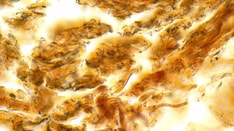
Dark-field microscopy of the skin lesions is the most specific technique for diagnosis. This requires the presence of live treponemes from serous exudates collected gently on a glass slide. Microscopically, the spirochete has a characteristic corkscrew appearance.
Biopsy with direct fluorescent antibody staining of material from the lesion has been successful. Further, the recently completed sequencing of the genome for Treponema pallidum may offer improved diagnostic testing; currently, however, serologic testing is the standard.
Again, no single laboratory test is both sensitive and specific to the diagnosis of neurosyphilis. Many major clinical guidelines suggest that negative CSF treponemal-specific antibody tests rule out the diagnosis of neurosyphilis, but the Hopkins group realized that a negative test may not exclude the diagnosis if the clinical suspicion is high. [38]
CSF findings
The diagnosis of neurosyphilis is based on a CSF WBC count of 20 cells/µL or greater, and/or a reactive CSF VDRL, and/or a positive CSF intrathecal T pallidum antibody index. [39]
CSF abnormalities include elevated protein levels and pleocytosis, which are found in up to 70% of patients. In addition, the CSF VDRL result is reactive. CSF examination is recommended in all patients with untreated syphilis of unknown duration or of duration greater than 1 year. Because standard PCN-G benzathine therapy for early syphilis does not achieve treponemicidal levels in the CSF, some experts advise lumbar puncture in persons with secondary and early latent syphilis, with follow-up examinations for patients with abnormalities.
Perform lumbar puncture in the evaluation of latent syphilis of more than 1-year duration, in suspected neurosyphilis, and in late complications other than symptomatic neurosyphilis because asymptomatic neurosyphilis may coexist with other late complications. A serum RPR titer of 1:32 seems to be the best cutoff point to decide whether or not to perform a lumbar puncture. [39] Abnormal CSF findings then can be serially monitored as a guide to therapy. Overall, CSF pleocytosis continues to define disease activity. Documentation of resolution of CSF findings following therapy is required to confirm curative treatment.
Caution must be exercised before performing a lumbar puncture if the patient has neuroimaging evidence of a gumma (ie, space-occupying lesion) because cephalocaudad herniation is a possibility.
Demonstration of the spirochetes in lesions of primary and secondary syphilis using dark-field examination currently is the criterion standard for the laboratory diagnosis of syphilis. However, the diagnosis of neurosyphilis is based on clinical grounds (ie, neurologic manifestations, CSF findings, and serologic evidence of exposure to the organism).
Perinatologists are exploring the clinical merit or value of CSF beta2-microglobulin, levels of which are elevated in cases of congenital syphilis. This beta2-microglobulin could serve as a valid new biologic marker useful in the diagnosis of CNS involvement and could be useful in monitoring the response to therapy. [40]
Testing/serology
Syphilitic infection produces 2 types of antibodies, the nonspecific reaginic (immunoglobulin E–mediated) antibody (ie, anticardiolipin) and specific antitreponemal antibody, which are measured by the nontreponemal and treponemal tests, respectively. Of note, cardiolipin is a substance extracted from heart tissue that is used as the antigen in flocculation and precipitation tests for syphilis. Test results can be reactive in persons with any treponemal infection, including yaws, pinta, and endemic syphilis (ie, bejel, which is due to another strain). The VDRL test and the rapid plasma reagin (RPR) test are nontreponemal tests, whereas FTA-ABS and microhemagglutination assay-T pallidum (MHA-TP) are treponemal tests.
Treponemal tests
Treponemal tests are used to qualitatively detect antibodies against Treponema pallidum and are highly specific for diagnosing syphilis. These tests include the following [1] :
-
Fluorescent treponemal antibody absorption (FTA-ABS) test
-
Microhemagglutination assay for antibodies to T pallidum (MHA-TP)
-
T pallidum hemagglutination assay (TPHA)
-
T pallidum enzyme immunoassay (TP-EIA)
-
Chemoluminescence immunoassays (CLIA)
If treponemal tests do not confirm an infection following a positive reaginic test, the reaginic result is considered a biologically false-positive. The use of treponemal tests on cerebrospinal fluid (CSF) is subject to debate; however, some experts consider the FTA-ABS test to be sensitive for this purpose.
Both reaginic and treponemal tests typically do not show positive results until 3 to 6 weeks post-infection. Therefore, a negative test result during the early primary stage of syphilis is common and does not rule out the disease until after 6 weeks. After effective treatment, reaginic titers usually decrease by at least fourfold, generally becoming negative within 1 year for primary syphilis and within 2 years for secondary syphilis. Nonetheless, low titers (≤ 1:8) may persist in approximately 15% of treated patients, a phenomenon known as the "serofast reaction." Treponemal tests often remain positive for many decades, regardless of successful treatment, and therefore are not suitable for monitoring treatment efficacy.
The selection of specific tests and the interpretation of their results should consider various factors, including the patient's history of syphilis, potential exposure to the disease, and previous test outcomes.
The FTA-ABS and the MHA-TP are very reactive (ie, sensitive and specific) tests in secondary, latent, tertiary, and quaternary (ie, fulminant, necrotizing) syphilis. [41] They confirm the diagnosis. After seroconversion, most patients' results remain positive indefinitely despite adequate therapy and regardless of disease stage. Infection with B burgdorferi (Lyme disease) may lead to a false-positive FTA-ABS result but does not cause a positive treponemal reagin reaction.
Nontreponemal tests
Nontreponemal (reaginic) tests, such as the Venereal Disease Research Laboratory (VDRL) and rapid plasma reagin (RPR) tests, utilize lipid antigens derived from bovine hearts (cardiolipin) to detect reagin, which are human antibodies that bind to lipids. [1] These tests are sensitive, straightforward, and cost-effective, making them suitable for syphilis screening, although they are not entirely specific to syphilis. Test results can be reported both qualitatively (eg, reactive, weakly reactive, borderline, or nonreactive) and quantitatively as titers (eg, positive at a 1:16 dilution).
Several conditions can yield a positive (biologically false-positive) reagin test result, including systemic infections unrelated to syphilis such as tuberculosis, rickettsial diseases, and endocarditis. Other causes include immunization (notably COVID-19 or smallpox vaccines), systemic lupus erythematosus, antiphospholipid antibody syndromes, and pregnancy.
In the context of cerebrospinal fluid (CSF), reaginic tests are reasonably sensitive for detecting early stages of disease but are less effective for late neurosyphilis. CSF reagin tests are utilized both to diagnose neurosyphilis and to monitor the response to treatment by measuring changes in antibody titers.
The RPR test is preferred over the VDRL test in an office setting. The 2 tests are equally sensitive. They may be used for initial screening and for serial follow-up. In tertiary syphilis, the VDRL test remains, for the most part, positive indefinitely. Response to treatment can be assessed quantitatively by evaluating the antibody titers of dilution. For example, the VDRL titers usually reach 1:32 or higher in secondary syphilis; a persistent fall in titer following treatment of early syphilis provides essential evidence of an adequate response to therapy. A rising titer may indicate reinfection or inadequate treatment. VDRL titers do not correspond directly to RPR titers, and sequential quantitative testing must consistently use the same test.
Biological false-positive (BFP) test results
The cardiolipin antigen used in the nontreponemal tests is found in other tissues, resulting in false-positive serologic test results. These false-positive results can be found in persons with nonvenereal treponemal infections (eg, yaws, pinta, bejel), those who have received certain immunizations (eg, smallpox), pregnant people, patients with acute or chronic infections (eg, infectious mononucleosis, malaria), or those with certain chronic conditions (eg, aging, intravenous drug usage, autoimmune disorders, malignancy). False-positive RPR test results are identified by excluding syphilis with a nonreactive treponemal test. Biological false-positive CSF reagin test results may result from tuberculosis or pyogenic or aseptic meningitis. However, even with sufficient treatment, patients sometimes have a persistent low-level positive nontreponemal test, which is referred to as a serofast reaction.
Biological false-negative (BFN) test results
In addition, the nontreponemal tests may show a prozone phenomenon, [42] in which large amounts of antibody block the antibody-antigen reaction, causing a false-negative test result in the undiluted sample.
The Seattle group [43] stresses that compared with the CSF-VDRL, the CSF-RPR has a high false-negative (BFN) rate, which confounds the diagnosis of neurosyphilis.
Infection with Borrelia burgdorferi (Lyme disease) may lead to a false-positive FTA-ABS test result, but it does not cause a positive treponemal reagin reaction. [44]
Other diagnostic markers
More sensitive and specific markers for neurosyphilis have been investigated. These include oligoclonal bands and certain intrathecally produced antitreponemal immunoglobulin M and immunoglobulin G antibodies. Polymerase chain reaction for detection of treponemal nucleic acids in the CSF has been suggested to also be useful and confirmatory. [45] A new, experimental diagnostic approach involves relying on a CSF marker—known as a B-cell chemotactant—termed chemokine CXC motif ligand 13. Laboratory verification of CNS involvement in syphilis remains a challenge. Detection of anticardiolipin and antitreponemal antibodies in CSF in patients with neurosyphilis is problematic. A new commercially available test, the INNO-LIA Syphilis Score molecular test may serve as a new generation of valid tests to identify patients with silent neurosyphilis as well as patients with active intrathecal synthesis of IgG antibodies. [46] Generally, these have not reached a clinical level of use because their role remains unclear.
Avoid bloody contamination during LP because it can render serologically false-positive CSF results, including those for the FTA-ABS test.
Liu et al find that regarding the analysis of lymphocyte subsets in HIV-infected patients, the number of CD3+ and CD8+ lymphocytes was higher in the neurosyphilis patients than in controls and that the number of natural killer cells in the neurosyphilis patients was significantly lower than in controls. [47]
Follow-up testing
Follow-up recommendations, based on those of the US Centers for Disease Control and Prevention and other investigators, mandate that patients who undergo treatment for primary or secondary syphilis must be evaluated for treatment failure if the RPR titers do not decrease by 2 or more dilutions within 3 months after treatment.
Some investigators have recommended that patients who are infected with HIV have a lumbar puncture to evaluate their response to treatment and that the lumbar puncture be performed at least 6 months after treatment, along with a clinical evaluation and periodic serologic testing for at least 3 years, if not for life, depending on the underlying process. CSF VDRL results may take years to revert to normal after successful treatment; therefore, normalization of CSF pleocytosis must be checked to monitor the response to therapy.
Further, in 2012, Zhou et al suggest that any patient who has evidence of disease progression, regardless of any previous treatment received or serologic response, be considered for CSF examination. [48]
Patients are unlikely to develop clinical neurosyphilis if laboratory examination findings of CSF are found to be normal 2 years following treatment.
Imaging Studies
Neuroradiologic findings in patients with neurosyphilis include ischemic lesions (typically lacunar or middle cerebral artery in distribution) in meningovascular syphilis, intracerebral gummata, and syphilitic myelitis. [49] Cranial nerve involvement, particularly the optic and vestibulocochlear nerves, has been reported. With chorioretinitis, orbital MRI would likely show nerve sheath enlargement.
Patients with general paresis (parenchymatous neurosyphilis) have demonstrated frontocortical atrophy and disseminated frontal high-signal lesions. These patients also have been found to have cerebral atrophy (cortical thinning of the temporal and frontoparietal regions bilaterally, most prominent in the temporal regions); mesiotemporal (amygdalar) T2 hyperintensity; ventriculomegaly; and pathological T2 hypointensity of the globus pallidus, putamen, head of the caudate, and thalamus. In those with general paresis, MRI may be of prognostic value. [50] The iron (ie, ferritin) deposition and increased frontal atrophy correlate with the progression of neuropsychiatric disturbances, apparently independent of CSF changes.
Also reported is newly diffuse white-matter T2 hyperintensity, which was seen to be partially reversible after therapy and thus thought to be due to edema and gliosis. [51] It was not specific for neurosyphilis in that it has also been seen with Binswanger disease, cerebral autosomal dominant arteriopathy with subcortical infarcts and leukoencephalopathy, progressive multifocal leukoencephalopathy, HIV encephalitides, and subacute sclerosing panencephalitis. Diffusion-weighted imaging (DWI) on MRI serves well to demonstrate cerebral syphilitic gumma, revealing findings that include juxtacortical lesional nodular enhancement, moderately restricted diffusion, and dural tail and surrounding vasogenic edema. [52, 53]
MRI in syphilitic myelitis demonstrates high-intensity areas on T2-weighted images. That is, intramedullary hyperintensities prevail, along with characteristics of cord atrophy, not dissimilar from the findings seen in subacute combined degeneration. [54]
In meningovascular syphilis, MRI is particularly useful in demonstrating meningeal enhancement, which tends to be patchy and thin. [55, 56] Angiography may show multifocal narrowing of the neurovasculature. Concentric narrowing of the small- and large-caliber vessels may be seen. Smaller vessels may display focal stenosis and dilation (ie, ectasia). Vascular blush has been reported over the convexities. Rare reports of a moyamoya appearance are noted. [57]
Areas of decreased density on CT scanning may correspond to ischemic infarction in vascular territories. They enhance with contrast. Magnetic resonance angiography has demonstrated irregularities of the basilar artery, the middle cerebral artery, the anterior cerebral artery, and the posterior cerebral artery. Angiography can detect concomitant atheromatous lesions unrelated to suspected syphilitic arteritis.
The syphilitic gummata appear hypodense with precontrast CT scanning. A variable degree of edema is identified. MRI demonstrates masses, which are hypointense to isointense on T1-weighted images and hyperintense on T2-weighted images. They densely enhance with contrast media. Differential considerations include glioma, meningeal metastasis, tuberculosis, sarcoidosis, and fungal infections.
Single-photon emission computed tomography (SPECT) is a useful method for evaluating an inflammatory state and for assessing the effect of therapy on neurosyphilis. Increased cerebral blood flow is detectable by iodine-123 (123 I) N -isopropyl-p -iodoamphetamine SPECT, consistent with the active inflammatory state of neurosyphilis; its disappearance correlates with successful treatment with penicillin. SPECT can be diagnostically sensitive in the setting of otherwise unremarkable MRI findings. [58, 59]
SPECT in persons with general paresis has demonstrated marked reduction of the cerebral blood flow, especially in the bilateral frontal and temporal cortices. The reduction in flow, using123 I N -isopropyl-p- iodoamphetamine, improves significantly after antisyphilitic therapy in some cases; because of this finding, SPECT scanning is useful in clinical settings.
Regarding positron emission tomography (PET), Omer et al report neurosyphilis presenting with intensely increased 18F-fluorodeoxyglucose uptake in the hippocampus, which normalized after the patient was treated with penicillin; the patient improved clinically as well, in terms of cognition. [60]
Electrodiagnostic Tests
Reports of electrophysiologic features in tabes dorsalis indicate absent H reflexes and impeded tibial nerve sensory evoked potentials (with absent cortical potentials) consistent with pathologic involvement of the dorsal roots and the dorsal funiculi (stemming from secondary wallerian degeneration). Some investigators contend that posterior tibial somatosensory evoked potentials are a sensitive marker for detecting subclinical root damage in meningeal syphilis and may aid in evaluating the extent to which neurosyphilitic spinal root damage has developed. Normal findings on nerve conduction studies are usually expected because motor fibers are rarely involved; partial anterior horn cell dysfunction is known to occur. [61]
Numerous reports of complex partial status epilepticus or isolated status epilepticus as the manifestation of neurosyphilis have been reported. [62, 63] Periodic lateralizing epileptiform discharges are noted with EEG without imaging evidence of focal cerebral lesion. [64] Early diagnosis and treatment are important because both the dementia and the epilepsy are responsive to further treatment with antibiotic therapy.
Treatment
Treatment of Neurosyphilis
The earliest effort at treatment is key. Prevention, overall, from a public health standpoint, would be most appropriate. Identification of high-risk groups (eg, men who have sex with men [65] ) with educational programs would limit disease and consequent suffering. Vigilant screening of high-risk patients, including in the area of congenital syphilis, by the medical community remains essential.
Adequate treatment of neurosyphilis is based largely on achieving treponemicidal levels of penicillin (PCN) in the CSF. Treponema pallidum is highly susceptible to PCN, which is the drug of choice for all stages of syphilis. Serum levels of PCN should be maintained for many days because treponemes divide slowly in early syphilis (30-33 per hour in experimental settings) and PCN acts only on dividing cells. [66, 67, 68, 69, 70, 71, 72, 73]
PCN acts by interfering with the synthesis of cell walls and is active only against organisms that, like T pallidum, synthesize their cell walls in growth and division. The intensity of therapy should be based on the presence or absence of CNS involvement and HIV infection. Future studies should address whether more intensive therapy for neurosyphilis is warranted in HIV-infected individuals, particularly those with low (< 200 cells/µL) peripheral blood CD4+ T-cell counts.
PCN has some ameliorative effect in every stage of neurosyphilis. Earlier forms of illness are better candidates for a response to antibiotic treatment. Meningovascular disease responds most dramatically. Intravenous PCN requires hospital admission, which involves loss of time from work, high cost, and risks of the hospital environment. For inpatient treatment, accurate diagnosis of neurosyphilis is imperative.
Treatment of latent or asymptomatic neurosyphilis (HIV negative)
This treatment group includes patients with late latent disease (>1 y) and those in whom the CSF was not examined in latency.
Treatment consists of one of the following [1] :
-
Aqueous penicillin 3 to 4 million units IV every 4 hours (penetrates the central nervous system best but may be impractical) or
-
Procaine penicillin G 2.4 million units IM once a day plus 500 mg probenecid orally 4 times a day
Both medications are given for 10 to 14 days, followed by benzathine penicillin 2.4 million units IM once a week for 1 to 3 weeks after completion of these neurosyphilis treatment regimens to provide a total duration of therapy comparable to that for late latent syphilis.
For patients who have penicillin allergies, ceftriaxone 2 g IM or IV once a day for 14 days can be effective, but cross-sensitivity with cephalosporins may be a concern. The alternative is penicillin desensitization because azithromycin and doxycycline have not been adequately evaluated in patients with neurosyphilis.
Treatment of symptomatic neurosyphilis or asymptomatic neurosyphilis (HIV positive)
This population has a greater risk of neurorelapse; therefore, assiduous follow-up is required. For now, therapy that is considered standard for nonimmunocompromised individuals should remain the standard for immunocompromised individuals. Patients in this category also include those with syphilitic eye disease, syphilitic auditory disease (add prescription corticosteroids to the treatment regimen), cardiovascular syphilis, or gummatous syphilis. [74, 75, 76, 77, 78]
Either of the following is acceptable treatment:
-
Aqueous (crystalline) PCN-G at 2-4 million U intravenously every 4 hours; alternatively, continuously for 10-14 days (some consider adding oral PCN to supplement levels)
-
Procaine PCN-G at 2.4 million U/d intramuscularly plus probenecid at 500 mg orally 4 times per day for 10-14 days (probenecid increases brain concentrations of PCN less than it increases CSF concentrations, but avoid using it if the patient has a history of serious allergy to sulfonamides)
Contraindications include documented hypersensitivity, use of PCN in pregnant patients (usually safe but benefits must outweigh the risks), and impaired renal function (use caution).
A cure for neurosyphilis does not exist in patients infected with HIV. After treatment for syphilis, PCN fails to produce a biologic cure and relapse is prevented by the immunologic status of the host. In a way, neurosyphilis is considered an opportunistic infection. Prolonged survival despite depleted helper T cells is associated with a recrudescence of syphilis. The course of neurosyphilis is believed by some investigators to be more rapid in patients co-infected with HIV, consistent with a potentiating effect. Others maintain that the course is no more aggressive in HIV-positive patients, nor is it atypical or more refractory to treatment.
Necrotizing neurosyphilis is a more fulminant form of CNS involvement than typical neurosyphilis; this is found more frequently in patients with HIV and is considered the quaternary form of syphilis. Anergy plays a role. The lesions are spirochete laden.
In view of the possibility of serologic reversal to negative and the common occurrence of asymptomatic neurosyphilis in patients infected with HIV, early LP for CSF serology is advocated in all patients with a clinical, historical, or laboratory suggestion of syphilis exposure.
Patients with syphilis who are HIV positive are less likely to experience serologic improvement than patients with syphilis who are HIV negative. In addition, the decrease in RPR titers appears to be slower in HIV-positive persons than in HIV-negative persons, and the interval between treatment and a 4-fold decrease in titer is longer. Data support the practice of providing more aggressive treatment for patients who are HIV positive and have early syphilis.
Treatment of organic psychosis
In pharmacologic management, one aims toward achievement of symptom stabilization. In the setting of agitated behavior with resistant psychotic symptoms related to neurosyphilis, olanzapine, the atypical antipsychotic alternative, has demonstrated efficacy. [79] Presently, however, there are no specific guidelines to address psychiatric symptoms in neurosyphilis. [80]
Treatment of gumma
Corticosteroids (along with intravenous PCN) have been used in the clinical setting of cerebral gummata. [81] Massive doses (ie, dexamethasone at 12 mg/d intramuscularly for 1 mo, followed by methylprednisolone at 16 mg/d) have been prescribed. On occasion, neurosurgical decompression of coexistent hydrocephalus may be indicated. With treatment, the space-occupying lesions undergo complete resolution on neuroimaging studies and the clinical picture improves. If seizures are present, treat accordingly.
Syphilitic optic neuropathy (SON) (including iridocyclitis and posterior placoid chorioretinitis) has been recently reported to present as the sole and initial clinical manifestation of HIV and syphilis co-infection. [82, 83] This should be considered upon presentation of bilateral uveitis of uncertain origin, especially if the patient has a rash and/or headache. Adjunctive steroid therapy is touted to be advantageous toward improvement in optic nerve functional outcomes with SON. More rigorous studies are required for validation of this pharmacologic approach. [84] Ocular symptoms in HIV+ patients should be treated as neurosyphilis whereas ocular symptoms in non-HIV+ patients can be treated as secondary syphilis. [85]
Treatment of lancinating pain
Avoid cold stress and general stress if these are perceived as triggers. Opiates are used. Valproate and carbamazepine have been tried. Reportedly, tabetic lightening pain and visceral crises have been treated successfully with gabapentin. [86] Avoid unnecessary exploratory surgical interventions.
Treatment of Jarisch-Herxheimer reaction
Patients should be informed about the possibility of experiencing the adverse Jarisch-Herxheimer reaction. This is the transient febrile reaction after any therapy for syphilis. It occurs within the first few hours and peaks at 6-8 hours. The Jarisch-Herxheimer reaction follows a self-limited course; sedation (eg, with diazepam or haloperidol) and general supportive measures are indicated. Admit the patient to the hospital if neurologic involvement is noted. Otherwise, treat with steroids and antipyretics, as indicated. [87]
The Jarisch-Herxheimer reaction is often associated with fever, myalgia, headache, chills, tachycardia, increased respiratory rate, hemodynamic instability, exacerbation of skin lesions, and malaise. The circulating neutrophil count is elevated. The reaction occurs more frequently in persons with early, nonadvanced disease (ie, secondary syphilis, minima), and the fever subsides within 12-24 hours.
Corticosteroids (eg, prednisone at 20 mg 4 times per day for 3 d started 1 d prior to antitreponemal treatment) have been used to prevent adverse effects. Salicylates/antipyretics are prescribed for symptomatic relief. [88]
The pathogenesis of the Jarisch-Herxheimer reaction is unclear. Liberation of antigens from the spirochetes and/or activation of the complement cascade or obscure endotoxemia may be the cause. The theory of local Jarisch-Herxheimer reactions precipitating serious damage is undersupported; however, some experts report resultant coronary ostial occlusion or even rupture of an aortic aneurysm consequent to antibiotic therapy. In addition, the reaction might induce early-onset labor or cause fetal distress in pregnant women, but these possibilities should not prevent or delay treatment. [88]
Treatment of procaine reaction
Prevention of this rare and alarming reaction involves aspiration into the syringe following insertion of the needle prior to intramuscular injection. Should any blood be present, the needle should be re-placed in a different site. In that the onset of symptoms is early, exclude anaphylaxis. If the patient is experiencing anaphylaxis, administer epinephrine and antihistamines. Advise the patient to calm down, and offer verbal reassurance. Restrain the patient if necessary. Prescribe diazepam at 10 mg per rectum, intramuscularly, or intravenously as needed for convulsions and/or overarousal.
Inadvertent intravenous injection of procaine PCN can induce manifestations of psychological disturbance. The pathogenesis of the reaction is not well understood. It is characterized by fever and severe anxiety, including fear of impending death. Hallucinosis, mania, or convulsions may occur immediately after injection and last less than 20 minutes. Hyperventilation and circulatory collapse have been reported. This reaction can be minimized by using the aspiration technique.
Treatment of orthopedic maladies
Neurosyphilitic Charcot arthropathy is common and is often severe. Total knee replacement has been undertaken, although the incidence of complications (eg, aseptic loosening, poor functioning) is high. [89]
Bactericidal concentrations
Bactericidal concentrations are approximately 30 IU/L or 0.02 mg/L. Intravenous aqueous PCN, at a dose of 0.15 million IU/kg body weight per day, in divided doses, produces such concentrations. According to World Health Organization recommendations, the minimal treponemicidal CSF benzyl PCN serum concentration is greater than 0.018 mg/L. The maximum concentration, which is far higher, as set by the Clinical Effectiveness Group of the Association of Genitourinary Medicine and the Medical Society for the Study of Venereal Diseases, is 0.36 mg/L. This higher dose might be preferable because it results in more rapid elimination of treponemes. Intervals during which antibiotic levels are less than fully treponemicidal should not exceed 24-30 hours.
Treatment failures
Normalization of CSF abnormalities (eg, increased CSF WBC count, increased CSF protein, reactive CSF-VDRL test result) is considered a surrogate marker for clearance of T pallidum from the CSF. CSF pleocytosis and reactive CSF-VDRL results normalize rapidly after receipt of specific therapy for neurosyphilis. For the most part, normalization of the serum RPR titer predicts the success of treatment of neurosyphilis, and with this, follow-up lumbar puncture can be avoided. [90]
Treatment failures are reported; concomitant HIV infection may increase the failure rate. Benzathine PCN does not provide measurable levels of PCN in the CSF; therefore, examining the CSF in all patients with latent syphilis is advisable to exclude asymptomatic neurosyphilis, especially in patients who are HIV positive. The Centers for Disease Control and Prevention recommends re-treatment if clinical signs or symptoms of syphilis persist or recur, the titer of a nontreponemal test shows a sustained fourfold increase, or an initially high-titer nontreponemal test fails to show a fourfold decrease within a year.
Other antibiotics, as alternative regimens, have not been studied sufficiently, and their routine use is not recommended. If patients are allergic to PCN, either tetracycline or doxycycline probably is effective. Pregnant women should not receive doxycycline. Typically, tetracycline hydrochloride at 500 mg orally 4 times per day or doxycycline at 100 mg orally twice daily for 4 weeks is prescribed. Defining the efficacy of azithromycin for early syphilis may simplify therapy. Incidentally, the emergence of azithromycin-resistant T pallidum has been reported.
Photosensitivity and/or hepatic dysfunction may be issues. Given the longer treatment schedule, encourage compliance and ensure follow-up. Desensitization (using escalating doses of phenoxymethylpenicillin [see penicillin V]) to PCN may be a better alternative; this should be undertaken after skin testing confirms the allergic state. Parenteral ceftriaxone is reportedly successful for the treatment of symptomatic neurosyphilis in patients allergic to PCN; proven good CNS penetration and unusually long serum half-life (approximately 7 h) make it advantageous; CSF levels should be measured.
Follow-up treatment
Generally, a longer duration of treatment is advised as the duration of infection increases. To be effective, the treponemicidal concentration should be maintained for at least 7 days to cover the number of division times (30-33/h) in early syphilis. Treponemes divide more slowly in late disease. For neurosyphilis, use one of the non–benzathine PCN regimens, preferably 12-24 million U/d intravenously for 10-14 days. Monitor the CSF as an index of adequate treatment. A CSF examination 6 months following treatment should demonstrate a normal blood cell count and decreasing protein content. CSF examinations should be repeated every 6 months for 2 years (thereafter, no relapses have been reported) or until the CSF is normal. An increase in the blood cell count is an indication for re-treatment.
Prevention
Prevention
Screening measures are the mainstay of therapy.
In 2017, a large metropolitan sexual health clinic in Australia switched to an opt-out syphilis testing strategy, which automatically included syphilis tests for all female patients, moving away from the previous approach that based testing on specific risk factors or demographics. [91] This change involved analyzing data from 27,481 women who visited the clinic between 2015 and 2020. With this new strategy, the rate of syphilis testing jumped from 52.8% to 67.4%. Notably, the rate of positive syphilis results stayed consistent, suggesting that the increase in testing did not result in more false positives or unnecessary tests among those typically seen as low risk. The study also brought to light numerous cases of asymptomatic and late-stage syphilis that might have gone undetected under the old testing protocol. These insights highlight the significant clinical benefits of the opt-out testing model, particularly in catching and treating syphilis early, thus helping to prevent the disease from advancing and causing serious health issues.
Psychiatric patients are a relatively high-risk group for neurosyphilis. Currently, routine screening (serological) of certain psychiatric patients is justified, especially if they have a substance-related disorder, HIV infection, other sexually transmitted diseases, or clinical signs suggestive of neurosyphilis and if they engage in unprotected sexual activity.
No vaccine is available. Epidemiologic investigation (ie, accurate identification and timely reporting to public health facilities) and preventive treatment of sexual contacts are important. Clinical awareness is the key to prevention. All clinicians and laboratories based in the United States are expected to report, within 48 hours, cases of syphilis to their local or state health department according to established policy. All test results are held in confidence. Partners exposed within the 90 days preceding the patient's diagnosis of primary, secondary, or early latent syphilis should be treated presumptively. Partner notification may have to extend to 2 years for patients with secondary syphilis who have a clinical relapse or those with early latent syphilis. Patients with concomitant HIV infection or those on non-PCN treatment should be monitored for life.
A report from the Canadian Public Health describes the epidemic of infectious syphilis and notes that it primarily centers on men who have sex with men. They plead for the necessity of a coordinated national approach to effectively intervene, especially given the interconnection of urban sexual networks that contribute to the dynamics of transmission. [92]
New diagnostics are needed. Diagnostic priorities include polymerase chain reaction–based tests, less invasive (eg, oral fluid) tests, rapid point-of-care tests (immunochromatographic strips), and serologic tests that differentiate active from adequately treated infections. Recently identified T pallidum immunogens may prove useful for vaccine development.
Research in molecular epidemiological typing is yielding valuable information regarding certain T pallidum subtypes (14d/f) associated with neuroinvasiveness and, thus, which geographic areas are at greater risk for neurosyphilis. The data is also revealing which subtypes of the germ (via a single mutation) revert to macrolide antibiotic resistance. [93]
Tables

What would you like to print?
- Gonorrhea and Syphilis Cases Skyrocket in Europe
- Inexperience Diagnosing Syphilis Adding to Higher Rates
- Tribal Leaders Demand Fed Action on Syphilis
-
 Conference on Retroviruses and Opportunistic Infections (CROI) 2025 Annual Meeting
-
As US Syphilis Cases Rise, Those at the Epicenter Scramble
-
Long COVID: Another Great Pretender


- Overview of Syphilis of the CNS
- Pathophysiology of Syphilis
- Epidemiology of Syphilis
- Signs and Symptoms of Neurosyphilis
- Asymptomatic Neurosyphilis
- Acute Syphilitic Meningitis
- Meningovascular Syphilis
- Tabes Dorsalis
- General Paresis (of the Insane)
- Optic Atrophy
- Syphilis and HIV
- Differential Diagnosis of Neurosyphilis
- Laboratory Studies
- Imaging Studies
- Electrodiagnostic Tests
- Treatment
- Prevention
- Show All
- References