Continually Updated Clinical Reference
 
 
  All Sources     eMedicine     Medscape     Drug Reference     MEDLINE
 
eMedicine - Myelodysplasia : Article by

Myeloproliferative Disorders Resource Center

View all Myeloproliferative Disorders Articles

Myeloproliferative Disorders Multimedia Library


Quick Find
Authors & Editors
Introduction
Clinical
Differentials
Workup
Treatment
Medication
Follow-up
Acknowledgments
References

Related Articles
Acute Lymphoblastic Leukemia

Acute Myelocytic Leukemia

Chromosomal Breakage Syndromes

Histiocytosis

Kostmann Disease

Osteopetrosis

Parvovirus B19 Infection

Transient Erythroblastopenia of Childhood


Patient Education
Click here for patient education.


Author: Sharon M Castellino, MD, FAAP, Assistant Professor, Department of Pediatrics, Division of Pediatric Hematology-Oncology, Wake Forest University Health Sciences

Sharon M Castellino is a member of the following medical societies: American Academy of Pediatrics, American Society of Hematology, and American Society of Pediatric Hematology/Oncology

Coauthor(s): Timothy P Cripe, MD, PhD, Associate Professor of Pediatric Hematology/Oncology, University of Cincinnati; Director, Translational Research Trials Office, Department of Pediatrics, Cincinnati Children's Hospital Medical Center; Scott C Howard, MD, Associate Professor, University of Tennessee College of Medicine; Associate Member, Department of Oncology, Director of Clinical Trials, International Outreach Program, St Jude Children's Research Hospital

Editors: Sharada A Sarnaik, MB, BS, Professor of Pediatrics, Wayne State University School of Medicine; Director, Sickle Cell Center, Attending Hematologist/Oncologist, Children's Hospital of Michigan; Mary L Windle, PharmD, Adjunct Assistant Professor, University of Nebraska Medical Center College of Pharmacy, Pharmacy Editor, eMedicine.com, Inc; James L Harper, MD, Associate Professor, Department of Pediatrics, Division of Hematology/Oncology and Bone Marrow Transplantation, Associate Chairman for Education, Department of Pediatrics, University of Nebraska Medical Center; Assistant Clinical Professor, Department of Pediatrics, Creighton University; Director, Continuing Medical Education, Children's Memorial Hospital; Pediatric Director, Nebraska Regional Hemophilia Treatment Center; Samuel Gross, MD, Professor Emeritus, Department of Pediatrics, University of Florida, Clinical Professor, Department of Pediatrics, UNC, Adjunct Professor, Department of Pediatrics, Duke University; Robert J Arceci, MD, PhD, King Fahd Professor of Pediatric Oncology, Department of Oncology, Division of Pediatric Oncology, Johns Hopkins University School of Medicine

Author and Editor Disclosure

Synonyms and related keywords: myelodysplasia, myelodysplasia syndromes, MDS, myelodysplastic syndromes, MDSs, preleukemia syndromes, dysmyelopoietic syndromes, hematopoietic dysplasia, refractory dysmyelopoietic anemia, monosomy 7 syndrome, refractory anemia, juvenile chronic myelogenous leukemia, JCML, hematopoiesis, refractory anemia with excess of myeloblasts, subacute myeloid leukemia, oligoleukemia, odoleukemia, stem cell disorder
 
cytopenia, acute nonlymphocytic leukemia, ANLL, neurofibromatosis, NF, neutropenia, thrombocytopenia, juvenile myelomonocytic leukemia, JMML, Fanconi anemia, severe congenital neutropenia, Kostmann syndrome, Down syndrome, Noonan syndrome, Shwachman-Diamond disease, Diamond-Blackfan anemia, Dubowitz syndrome, Bloom syndrome, Poland syndrome, ataxia telangiectasia, bone marrow failure, dyskeratosis congenita, bone marrow transplantation, graft versus host disease, graft rejection, juvenile chronic myelogenous leukemia, JCML, splenomegaly

Background

Myelodysplasia encompasses a heterogenous group of disorders that result in ineffective hematopoiesis. Historically, a wide variety of terms have been used to describe these syndromes, including preleukemia, refractory anemia with excess of myeloblasts, subacute myeloid leukemia, oligoleukemia,1 odoleukemia, and dysmyelopoietic syndromes.

The myelodysplasia syndromes (MDS) are clonal stem cell disorders characterized by progressive cytopenia or cytopenias, usually in the presence of a hypercellular bone marrow and multilineage dysplasia. Usually, all 3 cell lines (myeloid/monocyte, erythroid, megakaryocyte) are involved. Myelodysplasia syndrome is rare in childhood, and most children have a rapidly progressive course. Myelodysplasia disorders have been defined by their predilection to evolve into acute myeloid leukemias (AML), yet not all cases terminate in leukemia.

In 1982, the French-American-British cooperative group classification system (FAB classification) proposed for myelodysplasia syndrome in adults defined 5 categories of disease that represent a transition between myelodysplasia syndrome and AML.2 This classification, along with the related World Health Organization (WHO) classification system, is based on peripheral blood and bone marrow morphology.3 This system has been loosely used to classify myelodysplasia syndrome in children but has recently been challenged by the category, cytology, and cytogenetics (CCC) system, which was specifically designed for children. The CCC system incorporates the category of myelodysplasia syndrome, cytology, and cytogenetics.4 This new classification system is appealing because the predisposing factors, disease pattern, cytogenetics, and disease progression in children differ from those observed in adults.

Pathophysiology

The cellular elements of blood originate from the pluripotent hematopoietic stem cell. Stem cells have extensive regenerative and differentiating capacity and generate lymphoid and myeloid precursors, which then produce lymphocytes, neutrophils, monocytes, eosinophils, basophils, erythrocytes, and platelets.

In myelodysplasia syndrome, a dysregulation occurs in the differentiation process. The point of dysregulation varies with each disorder and with each associated cytogenetic abnormality. Bone marrow failure in myelodysplasia syndrome is due to ineffective hematopoiesis (related to excessive apoptosis) rather than a lack of hematopoiesis. The biologic mechanisms implicated in the pathophysiology of myelodysplasia syndrome to date include genomic instability, epigenetic changes, abnormal apoptosis machinery, abnormal signal-transduction pathways, immune dysregulation, and the role of the bone marrow microenvironment.

Chromosomal abnormalities are frequently found in myelodysplasia syndrome, but their causal relationship to disease remains unclear. The most common chromosome abnormalities involve chromosomes 5, 7, and 8. The association of monosomy 7 or deletion of 7 (del7q) in de novo, secondary, and constitutional forms of myelodysplasia syndrome has implicated chromosome 7 loss as a secondary genetic event in leukemogenesis. Cytogenetic studies and deletion mapping suggest loss of function of a tumor suppressor gene within the deleted segment of chromosome 7. Chromosome loss may occur as a germline mutation or may be acquired as a consequence of cytotoxic therapy. Favorable cytogenetic aberrations in adults involve chromosome Y and chromosome arms 20q- and 5q- but are rare in children.

Mutations in the ras oncogene are observed in 20-30% of childhood myelodysplasia syndrome cases. Increasing evidence suggests that, in the absence of a mutation in Ras protein, dysregulation of Ras by upstream effector proteins could contribute to the development of myelodysplasia syndrome. In patients with neurofibromatosis (NF), NF-1 gene product loss occurs, which results in loss of negative feedback via guanosine 5'triphosphate (GTP) of oncogenic N-ras.  This results in unregulated proliferation of an abnormal clone. This is one mechanism thought to be responsible for the increased incidence of myelodysplasia syndrome in children with NF.

Mutations in the telomerase component TERC, which are observed in patients with dyskeratosis congenita, are occasionally seen in pediatric myelodysplasia syndrome without the typical phenotypic features.5 Aberrant methylation of genes has been reported in pediatric myelodysplasia syndrome and is under continued investigation.6 

Clinically, ineffective hematopoiesis manifests as isolated anemia, neutropenia, or thrombocytopenia, or as multiple cytopenias. Often, an isolated cytopenia progresses to pancytopenia over a period of weeks to months.

Frequency

International

The exact incidence of myelodysplasia syndrome in childhood has been difficult to estimate because of controversies regarding its classification, the heterogeneity of presentation, and the heterogeneity of risk factors in the population. The annual incidence is 0.5-4 per million population,7 and myelodysplasia syndrome accounts for about 2% of hematologic malignancies in children.

Mortality/Morbidity

Mortality in myelodysplasia syndrome results from bleeding, recurrent infection, and leukemic transformation. In the absence of treatment, myelodysplasia syndrome can be rapidly fatal, with or without the transformation to AML. An estimated 20-40% of adults with myelodysplasia syndrome develop leukemia, and 30-40% of patients with myelodysplasia syndrome experience infection, bleeding, or both.

Treatment-related morbidity and mortality in childhood myelodysplasia syndrome are related to complications of bone marrow transplantation. This includes graft failure with subsequent aplasia, transfusion-related diseases, infection, iatrogenic immunosuppression, graft versus host disease, and graft rejection.

Race

No racial predilection has been observed in myelodysplasia syndrome.

Sex

The male-to-female ratio varies from 1.7-4.8:1 in different series.8 The significance of this male predominance is unclear but is attributed, in part, to the increased prevalence of juvenile myelomonocytic leukemia (JMML), which was previously termed juvenile chronic myelogenous leukemia (JCML), in boys and monosomy 7 syndrome in children.9

Age

Myelodysplasia syndrome is uncommon in childhood, with 50% of cases occurring in persons older than 60 years.8 Monosomy 7 syndrome and JMML occur almost exclusively in children younger than 4 years. Children treated with radiation or intensive chemotherapy for another malignancy are more likely to develop myelodysplasia syndrome as a secondary adverse event.


History

Patients with myelodysplasia (MDS) may present with symptoms of hematopoietic failure, including infection, bleeding, bruising, fatigue, weight loss, and dyspnea upon exertion. Alternatively, asymptomatic children may have unexplained cytopenias or isolated splenomegaly discovered during routine evaluation for an unrelated symptom. The interval between onset of symptoms and diagnosis ranges from 0-23 months, with a median of 2 months.

Eliciting a prior history of malignancy is important to distinguish between de novo versus secondary myelodysplasia syndrome when possible. Specifically, a history of previous exposure to alkylating agent chemotherapy, radiation therapy, or hematopoietic stem cell transplant is important because these are risk factors for therapy-related myelodysplasia syndrome. A history of constitutional bone marrow failure syndrome (eg, Fanconi syndrome, Diamond-Blackfan anemia, Kostmann syndrome, Schwachman-Diamond syndrome) or aplastic anemia can also precede secondary myelodysplasia syndrome. Familial cases of MDS have also been reported; the history is usually that of a first-degree relative with myelodysplasia syndrome, AML, or both.

Physical

The physical examination often reveals the degree of cytopenia (eg, with symptoms of pallor, bruising, petechiae). Splenomegaly and hepatomegaly are more common in childhood myelodysplasia syndrome and are predominate in JMML. A pathognomonic erythematous maculopapular rash is seen in one third of patients with JMML. Congenital anomalies and syndromic features are significant because of the association of myelodysplasia syndrome with several constitutional disorders, as described in Causes.

Causes

About 25% of children with myelodysplasia syndrome have an associated syndrome or congenital abnormality; these are uncommon in adults. Known inherited predispositions to the development of myelodysplasia syndrome include NF type 1 (NF-1), Fanconi anemia, severe congenital neutropenia (Kostmann syndrome), Down syndrome, Noonan syndrome, Shwachman-Diamond disease, Diamond-Blackfan anemia, and Dubowitz syndrome. Bloom syndrome, Poland syndrome, and ataxia telangiectasia have also been associated with preleukemia. 

The most recent pediatric classification systems for myelodysplasia syndrome have designated Down syndrome–related diseases (eg, transient myeloproliferative disorder, myeloid leukemia of Down syndrome) as unique and separate from myelodysplasia syndrome classification in other children.10 This is based on the unique mutations, molecular phenotype, and therapy response seen in this population.

Treatment-related myelodysplasia syndrome following cytotoxic chemotherapy is of more concern in the pediatric population as more childhood malignancies are cured.11 The most common association is with prior alkylator therapy, with or without concomitant radiation. The risk of myelodysplasia syndrome peaks 5-7 years after alkylator treatment and is related to cumulative dose. A strong association with monosomy 7 or del7q is recognized.


Acute Lymphoblastic Leukemia
Acute Myelocytic Leukemia
Chromosomal Breakage Syndromes
Histiocytosis
Kostmann Disease
Osteopetrosis
Parvovirus B19 Infection
Transient Erythroblastopenia of Childhood

Other Problems to be Considered

Nutritional deficiencies
Vitamin B-12 deficiency
Folate deficiency
Pyridoxine-dependent anemia

Viral infections
Epstein-Barr virus (EBV)
Parvovirus infection

Chemical exposure
Cytotoxic chemotherapy
Exposure to antibiotics
Exposure to benzene

Others
Paroxysmal nocturnal hemoglobinuria
Glycogen-storage diseases
Chronic inflammation
Metastatic carcinoma


Lab Studies

  • CBC count (with differential and smear)
    • Peripheral blood count reveals anemia, neutropenia, and/or thrombocytopenia. The anemia is often macrocytic. Cytopenias can evolve and progress over a period of weeks to months.
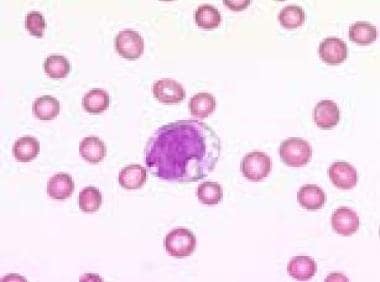
    • The blood smear commonly reveals macrocytosis, hypogranular granulocytes, pseudo–Pelger-Huet anomaly (hypogranular and hypolobulated granulocytes), and giant platelets. Reticulocyte counts are low despite normal numbers of erythroid progenitors in the marrow. In JMML, marked monocytosis may be present.
  • Bone marrow aspirate and trephine core biopsy (See Procedures.)
  • Quantitative hemoglobin electrophoresis - May reveal elevated hemoglobin F levels, indicating reversion to fetal erythropoiesis
  • Cytogenetic studies (conventional karyotype, fluorescence in situ hybridization (FISH), polymerase chain reaction)
    • These studies reveal chromosomal abnormalities in 40-70% of pediatric cases of myelodysplasia syndrome (MDS).
    • Acquired chromosome abnormalities confirm the diagnosis when myelodysplasia syndrome is suspected.
    • The most commonly known abnormalities include monosomy 7 or 7q-, monosomy 5 or 5q-, or trisomy 8. Myelodysplasia syndrome may also be associated with 20q-, isochromosome 17, and abnormalities of 11q. Reciprocal translocations and inversions are uncommon.
  • Fanconi anemia and paroxysmal nocturnal hemoglobinuria tests
    • Evaluate all patients with suspected myelodysplasia syndrome for Fanconi anemia and for paroxysmal nocturnal hemoglobinuria (PNH).
    • A Fanconi screen using diepoxybutane (DEB) or mitomycin C stimulation reveals abnormal chromosome breakage if this syndrome is present.
    • Measurement of 2 complement regulatory proteins, CD55 (decay accelerating factor [DAF]) and CD59 (membrane inhibitor of reactive lysis [MIRL]) aids in diagnosis of PNH.
  • Human leukocyte antigen (HLA) typing of patient and family members - Should be performed at the outset, in anticipation of allogeneic hematopoietic stem cell transplant
  • Additional laboratory studies
    • In most cases, myelodysplasia syndrome is diagnosed after a history and physical examination, followed by the laboratory workup described above. In some instances, additional tests may be warranted.
    • Viral serologies, especially human immunodeficiency virus (HIV), cytomegalovirus (CMV), EBV, and parvovirus, can be used to exclude viral etiologies of altered hematopoiesis.

Imaging Studies

  • Imaging studies do not contribute to establishing the diagnosis or prognosis of myelodysplasia syndrome.

Procedures

  • Bone marrow aspiration and biopsy are essential to establish the diagnosis and to classify the myelodysplasia syndrome.
  • Biopsy findings are needed to ascertain cellular architecture, cellularity, percentage of blasts, and the presence of fibrosis. These studies may need to be repeated as cytopenias evolve.
  • Bone marrow findings are reviewed under Histologic Findings.

Histologic Findings

  • Bone marrow aspiration and biopsy are essential diagnostic tools. The bone marrow of patients with myelodysplasia syndrome can be normocellular or hypocellular.12 As many as 10% of patients present with hypocellular bone marrow. Bone marrow biopsy should also be preformed to assess cellularity and architecture because fibrosis can be a component of disease.
  • Typically, cytopenia is seen in more than one hematopoietic lineage. Myeloid abnormalities, especially an increased percentage of blasts, are characteristic of myelodysplasia syndrome but are not pathognomonic. Other myeloid alterations include hypogranular or agranular cells, abnormal granulation, Auer rods, or the pseudo–Pelger-Huet anomaly. Erythroid abnormalities are the most common feature and can include megaloblastoid changes, dyserythropoiesis, multinuclearity, nuclear budding, increased ringed sideroblasts, and internuclear bridging. Megakaryopoiesis is commonly altered and manifests as an increased proportion of megakaryoblasts, micromegakaryocytes, or cells with nuclear cytoplasmic dyssynchrony.
  • Because the diagnosis of myelodysplasia syndrome relies heavily on marrow morphology, interobserver and intraobserver differences complicate disease classification. This led to a universal morphologic classification by the FAB, defined by a consensus of hematologists and hematopathologists. The FAB system attempts to classify myelodysplasia syndrome and acute nonlymphocytic leukemia (ANLL) subtypes based on morphologic features in the marrow. Five myelodysplasia subtypes were described in adults based on blood and marrow blast percentage, the presence of Auer rods, the absolute blood monocyte count, and the frequency of ring sideroblasts. The FAB classification subtypes are as follows:
    • Refractory anemia
    • Refractory anemia with ringed sideroblasts (RARS)
    • Refractory anemia with excess blasts (RAEB)
    • Chronic myelomonocytic leukemia (CMML)
    • Refractory anemia with excess blasts in transformation (RAEBT)
  • Although this system is helpful, it does not adequately account for the clinical features of pediatric myelodysplasia syndrome.13 The current FAB system is strictly based on morphology and, therefore, does not take into account cytogenetics or predisposing abnormalities. However, both are significant to classification and, possibly, to prognosis in children. Furthermore, RARS almost never develops in children. Finally, no provision for isolated cytopenias other than anemia is recognized in the current FAB system.
  • In an attempt to include some cytogenetic information, the WHO recently proposed an alternate classification scheme for MDS. The WHO classification is as follows:3
    • Refractory anemia with or without ringed sideroblasts (erythroid dysplasia only, marrow blasts <5%)
    • RA with multilineage dysplasia (blasts <5%)
    • 5q- syndrome (blasts <5%, no other genetic abnormalities)
    • RAEB (blasts 5-20%)
    • Myelodysplasia syndrome unclassified (does not fit into the above groups)
  • The changing classification schemes and continuing controversies underscore the fact that the understanding of myelodysplasia is evolving.
  • A working group of the Society of International Pediatric Oncology (SIOP) recently attempted to reach a consensus on the above issues. Mandel et al have proposed a system that would account for disease category (ie, de novo, syndrome related, treatment/toxin related), morphology, and cytogenetics.14 In addition, suggestions have been made for a dysplasia score for each lineage in order to compare morphologic features more consistently in this heterogeneic group of diseases.
  • JMML is unique to the pediatric age group and has been categorized separately from myelodysplasia syndrome. This disease is characterized by the absence of t(9;22), an absolute peripheral monocyte count of higher than 450, elevated hemoglobin F levels, selective in vitro hypersensitivity to granulocyte-macrophage colony-stimulating factor (GM-CSF), and excessive proliferation of monocyte-macrophage colonies in clonogenic culture.


Medical Care

Once the diagnosis is established, management involves supportive care that includes transfusion, treatment of infections, and a search for an allogeneic stem cell donor. Allogeneic hematopoietic stem cell transplant regimens are associated with a 30-50% event-free survival rate at 3 years. Stem cell transplant regimens are determined on a case-by-case basis because the temporal course of the disease is highly variable.

  • All patients, their parents, and siblings should have HLA typing. When an HLA-matched family donor is available, stem cell transplantation is the therapy of choice. In the absence of an HLA-matched family donor, transplant using a matched unrelated donor, cord blood, or a haploidentical parent should be considered.
  • Pediatric patients with no unfavorable cytogenetic features, mild cytopenias that do not cause symptoms, and few bone marrow blasts may enjoy a prolonged period without progressive disease; however, spontaneous resolution of myelodysplasia syndrome (MDS) is rare, and most patients eventually progress. The optimal timing for transplant in such patients is controversial because the risk of MDS progression must be balanced against the risks of transplant-related mortality and transplant side effects that may diminish quality of life for years after transplant. Patients with unfavorable features should undergo stem cell transplantation as soon as feasible, because the prognosis is significantly worse after progression to AML.
  • A consensus has not been reached regarding the approach to accelerating disease in the absence of a stem cell donor source. Intensive chemotherapy regimens are usually not successful and, at best, induce short-lived remissions. Furthermore, some studies suggest that patients who receive chemotherapy prior to myeloablative stem cell transplant fare worse than patients who proceed directly to transplant.
  • The use of hematopoietic growth factors has also been controversial. GM-CSFs have been avoided because of concerns that they may stimulate growth of the malignant clone. The use of erythropoietin has been shown to be helpful in patients who have symptomatic anemia and low erythropoietin levels. Responses in thrombopoiesis to interleukin-11 (Neumega) have been transient and modest in myelodysplasia syndrome.
  • The roles of azacitidine, decitabine, lenalidomide, and other new agents used in adults with myelodysplasia remain to be determined in children. Whether these agents can impact the quality of life while preparing for stem cell transplantation or can impact the probability of cure after transplantation is unknown.

Surgical Care

  • As cytopenias progress, most children need central venous access for transfusions. This usually requires surgical placement of a double lumen catheter. At least 2 lumens are necessary because most children proceed to stem cell transplantation, in which intensity of treatment and blood product support necessitate multilumen vascular access.
  • Splenectomy is restricted to patients with severe hypersplenism and disease that is unresponsive to other treatment modalities.

Consultations

  • Once the diagnosis of myelodysplasia syndrome is considered, follow-up by a pediatric hematologist-oncologist is recommended.
  • Blood product and infectious disease support need to be managed aggressively at a tertiary care center where specialized blood banking procedures are available.
  • All pediatric patients should be evaluated at an institution with expertise in pediatric stem cell transplantation.
  • Children with monosomy 7 cytogenetics should have family members evaluated for familial monosomy 7 in consultation with a clinical geneticist.

Diet

Dietary restrictions pertain to periods of neutropenia and are similar to those used for immunocompromised patients with cancer. These include thoroughly cooking all food and consuming only fresh fruits that can be peeled and cooked vegetables. Patients should avoid refried rice and brewed tea, which can harbor Bacillus cereus. No clinical trials have demonstrated the benefit of these dietary modifications to prevent infection.

Activity

Activity limitations are based on the degree of thrombocytopenia and neutropenia. In general, children should remain as active as possible for both physical and psychological reasons. Patients with a Hickman line or port must avoid contact sports in which a direct blow to the line could cause it to break.

  • Thrombocytopenia precautions include avoiding contact sports and strict use of bike helmets and knee and elbow pads for any activity in which falling is a risk.
  • Neutropenia precautions include the avoidance of crowds and of anyone with symptoms of transmissible infection. Strict hand washing and good general hygiene are useful precautions.


Treatment of adults with myelodysplasia syndrome (MDS) depends, in part, on the risk of progression to AML. Patients with a high percentage of blasts in the marrow, unfavorable cytogenetics, and cytopenias in 2 or more cell lineages have a median survival of less than a year and require aggressive treatment. Those with none of these features have a median survival of more than 5 years, and a less aggressive approach may be considered, depending on the patient's age, comorbid illnesses, and availability of a matched related donor.

Various agents have been used to slow the progression of myelodysplasia syndrome, including low-dose cytosine arabinoside, cladribine (2-CdA), growth factors (erythropoietin, granulocyte colony-stimulating factor [G-CSF]), amifostine, and hydroxyurea. These agents are temporizing at best, and their role has been limited to palliation of myelodysplasia syndrome while a donor search takes place. In adults, decitabine, azacitidine, and lenalidomide can reduce the need for transfusion and, in some cases, can delay progression to AML when used in the correct subsets of patients. These agents are currently being studied in pediatric patients to determine the optimal dose and the patient subsets in which they may be useful. The farnesyl transferase inhibitor R11577 is currently under investigation specifically for application in JMML.

Several aspects of pediatric myelodysplasia therapy differ from adult myelodysplasia therapy. Most importantly, the treatment goal must be curative because prolonging life by 5-8 years could not be considered successful therapy in a healthy 10-year-old patient, as it might in a 90-year-old patient who has other health problems. Therefore, allogeneic hematopoietic stem cell transplantation should almost always be the goal for children with myelodysplasia syndrome.

Patients who present with a high percentage of marrow blasts and rapidly progressive disease may require chemotherapy while preparing for transplant. Both de novo and therapy-related myelodysplasia syndrome are usually only transiently responsive to conventional chemotherapy, which can be used in an attempt to keep the patient in remission until allogeneic stem cell transplantation can be performed. Patients younger than 20 years have a disease-free survival rate of 50-65% with allogeneic transplantation. Transplantation from an HLA-matched family donor is optimal, but alternative donors should be considered when an HLA-matched family donor is not available.15, 16

Therapy prior to transplant also involves the judicious use of blood products and aggressive infection control because patients are often agranulocytic.

Drug Category: DNA hypomethylating agents

These agents are indicated for myelodysplastic syndrome

Drug NameAzacitidine (Vidaza)
DescriptionPyrimidine nucleoside analog of cytidine. Interferes with nucleic acid metabolism. Exerts antineoplastic effects by DNA hypomethylation and direct cytotoxicity on abnormal hematopoietic bone marrow cells. Hypomethylation may restore normal function to genes critical for cell differentiation and proliferation. Nonproliferative cells are largely insensitive to azacitidine. Indicated to treat MDS. FDA approved for all 5 MDS subtypes.
Adult Dose75 mg/m2 SC qd for 7 d initially, repeat cycle q4wk; may increase to 100 mg/m2 if no beneficial effect after 2 cycles; treat for a minimum of 4 cycles; treatment may be continued as long as response continues and treatment is tolerated
Pediatric DoseNot established
ContraindicationsDocumented hypersensitivity to azacitidine or mannitol; advanced malignant hepatic tumors
InteractionsLimited data available; none reported
PregnancyD - Fetal risk shown in humans; use only if benefits outweigh risk to fetus
PrecautionsMales receiving azacytidine should avoid fathering children; do not use in women who are breastfeeding; may cause neutropenia and thrombocytopenia (following first cycle, may require dose adjustment or delay based on nadir counts and hematologic response); caution in hepatic or renal impairment; common adverse effect following SC administration include nausea, vomiting (premedicate for nausea and vomiting before administration), diarrhea, constipation, anemia, thrombocytopenia, leukopenia, neutropenia, pyrexia, fatigue, infection site erythema, and ecchymosis

Drug NameDecitabine (Dacogen)
DescriptionHypomethylating agent believed to exert antineoplastic effects by incorporating into DNA and inhibiting methyltransferase, resulting in hypomethylation. Hypomethylation in neoplastic cells may restore normal function to genes critical for cellular control of differentiation and proliferation. Indicated for treatment of MDS, including previously treated and untreated, de novo, and secondary MDS of all FAB subtypes (ie, RA, RARS, RAEB, RAEBT, CML) and IPSS groups intermediate-1 risk, intermediate-2 risk, and high risk.
Adult Dose15 mg/m2 IV q8h for 3 d; infuse over 3 h; repeat q6wk for at least 4 cycles and as long as continued benefit is observed
Pediatric DoseNot established
ContraindicationsDocumented hypersensitivity
InteractionsNone reported
PregnancyD - Fetal risk shown in humans; use only if benefits outweigh risk to fetus
PrecautionsCommon adverse effects include neutropenia (90%), thrombocytopenia (89%), anemia (82%), pyrexia (53%), fatigue (48%), nausea (42%), cough (40%), petechiae (39%), constipation (35%), and diarrhea (34%); males must avoid fathering children while receiving decitabine and for 2 mo following discontinuation; decrease or delay dose if hematologic recovery requires >6 wk

Drug Category: Immunomodulating agents

These agents are indicated for myelodysplasia syndrome.

Drug NameLenalidomide (Revlimid)
DescriptionIndicated for transfusion-dependent MDS subtype of deletion 5q31 cytogenetic abnormality. Structurally similar to thalidomide. Elicits immunomodulatory and antiangiogenic properties. Inhibits proinflammatory cytokine secretion and increases anti-inflammatory cytokines from peripheral blood mononuclear cells. The drug is FDA approved for adult patients with low or intermediate-1 IPSS category who are unlikely to respond to erythropoietin
Adult Dose10 mg PO qd initially; dose adjustment required if renal impairment, thrombocytopenia, or neutropenia occurs
Pediatric Dose<18 years: Not established
>18 years: Administer as in adults
ContraindicationsDocumented hypersensitivity; pregnancy
InteractionsData limited; none reported
PregnancyX - Contraindicated; benefit does not outweigh risk
PrecautionsAvailable only through RevAssist, a risk management plan to prevent fetal exposure; only pharmacists and prescribers registered with the program may prescribe and dispense (program requires mandatory pregnancy testing and limits prescription to 1-mo supply via mail); male patients, including those with vasectomy, must use latex condom during sexual contact with female of childbearing potential; women must not become pregnant 4 wk before starting and 4 wk after discontinuing lenalidomide treatment; may cause anemia, DVT, pulmonary embolism, thrombocytopenia, neutropenia, diarrhea, pruritus, rash, and fatigue; renal excretion substantial, caution in elderly patients or those with renal impairment (may need to decrease dose); do not break, chew, or open cap


Further Inpatient Care

  • Inpatient admission for patients with myelodysplasia syndrome (MDS) is usually for treatment of fever during periods of neutropenia. These episodes require aggressive evaluation for a source of infection and empiric coverage with broad-spectrum antibiotics against gram-negative rods. Blood and urine should be cultured for bacteria and for fungus, depending on the duration of symptoms.
  • Inpatient care at a designated center is also needed for stem cell transplantation.

Further Outpatient Care

  • Outpatient follow-up care depends on the degree of anemia and thrombocytopenia. Close follow-up is warranted, as progression to frank AML can occur over weeks to months.
  • Transfusion support is now manageable in the outpatient setting. Packed RBCs and platelets need to be leukofiltered and irradiated. Donor exposure to platelets should be minimized with pheresis and single-donor products whenever possible. This minimizes the risk of development of alloimmunization and the risk of the patient becoming refractory to transfusions.

In/Out Patient Meds

  • Patients are often placed on Pneumocystis carinii pneumonia (PCP) prophylaxis because of their degree of immunosuppression. Trimethoprim-sulfamethoxazole (Bactrim, Septra) is commonly used on a 3-times-per-week schedule. In patients allergic to Bactrim or in cases of Bactrim-related myelosuppression, oral atovaquone or aerosolized pentamidine is effective on a monthly schedule.

Transfer

  • Patients should be referred to centers with established stem cell transplant programs and experience in treating myelodysplasia syndrome and other hematologic malignancies.

Complications

  • Infection: Patients with myelodysplasia syndrome may have increased risk for infection due to depressed granulocyte number and function. Even in cases of normal neutrophil number, neutrophils may exhibit decreased myeloperoxidase and microbicidal activity. Granulocytes may exhibit poor adhesion, chemotaxis, phagocytosis, and decreased microbicidal activity. Patients are extremely susceptible to life-threatening gram-negative rod and fungal infections.
  • Bleeding: Patients often have thrombocytopenia and resultant hemorrhage. Platelet dysfunction may occur in myelodysplasia syndrome. Patients require frequent transfusions as the bone marrow becomes increasingly hypoplastic.
  • Anemia: In rare circumstances, iron overload is a complication of chronic RBC transfusion and may necessitate iron chelation therapy.

Prognosis

  • Findings associated with a poorer prognosis in childhood myelodysplasia syndrome include RAEB and RAEBT. Age younger than 2 years and hemoglobin F levels greater than 10% have proven in several series to be unfavorable features in patients. This encompasses most children with JMML. This group of patients has been largely refractory to all therapy. Patients with major chromosomal abnormalities, such as monosomy 7, have a dismal course unless they proceed to allogeneic stem cell transplantation.
  • Association with Down syndrome and trisomy 8 has conferred favorable prognosis in United Kingdom experience.
  • Without transplantation, the median survival time in children with the most common subtypes for this age group (RAEB, RAEBT) is less than 1 year.

Patient Education

  • Patient education should relate to prevention and treatment of complications of thrombocytopenia and neutropenia, as outlined in Treatment. In cases in which patients have a central venous access device, parents must be educated with regard to its care.


The authors and editors of eMedicine gratefully acknowledge the contributions of previous authors Carmen Arkansas, MD, and Glenda Grawe, MD, to the development and writing of this article.


  1. Barlogie B, Johnston DA, Keating M, et al. Evolution of oligoleukemia. Cancer. May 15 1984;53(10):2115-24. [Medline].
  2. Bennett JM, Catovsky D, Daniel MT, et al. Proposals for the classification of the myelodysplastic syndromes. Br J Haematol. Jun 1982;51(2):189-99. [Medline].
  3. Hasle H, Niemeyer CM, Chessells JM, et al. A pediatric approach to the WHO classification of myelodysplastic and myeloproliferative diseases. Leukemia. Feb 2003;17(2):277-82. [Medline].
  4. Occhipinti E, Correa H, Yu L, Craver R. Comparison of two new classifications for pediatric myelodysplastic and myeloproliferative disorders. Pediatr Blood Cancer. Mar 2005;44(3):240-4. [Medline].
  5. Ortmann CA, Niemeyer CM, Wawer A, Ebell W, Baumann I, Kratz CP. TERC mutations in children with refractory cytopenia. Haematologica. May 2006;91(5):707-8. [Medline].
  6. Vidal DO, Paixao VA, Brait M, et al. Aberrant methylation in pediatric myelodysplastic syndrome. Leuk Res. Feb 2007;31(2):175-81. [Medline].
  7. Hasle H, Kerndrup G, Jacobsen BB. Childhood myelodysplastic syndrome in Denmark: incidence and predisposing conditions. Leukemia. Sep 1995;9(9):1569-72. [Medline].
  8. Aul C, Gattermann N, Schneider W. Age-related incidence and other epidemiological aspects of myelodysplastic syndromes. Br J Haematol. Oct 1992;82(2):358-67. [Medline].
  9. Arico M, Biondi A, Pui CH. Juvenile myelomonocytic leukemia. Blood. Jul 15 1997;90(2):479-88. [Medline].
  10. Hasle H. Myelodysplastic and myeloproliferative disorders in children. Curr Opin Pediatr. Feb 2007;19(1):1-8. [Medline].
  11. Barnard DR, Woods WG. Treatment-related myelodysplastic syndrome/acute myeloid leukemia in survivors of childhood cancer--an update. Leuk Lymphoma. May 2005;46(5):651-63. [Medline].
  12. Auletta JJ, Shurin S. Improved hematopoiesis using amifostine in secondary myelodysplasia. J Pediatr Hematol Oncol. Nov-Dec 1999;21(6):531-4. [Medline].
  13. Bader-Meunier B, Mielot F, Tchernia G, et al. Myelodysplastic syndromes in childhood: report of 49 patients from a French multicentre study. French Society of Paediatric Haematology and Immunology. Br J Haematol. Feb 1996;92(2):344-50. [Medline].
  14. Mandel K, Dror Y, Poon A, Freedman MH. A practical, comprehensive classification for pediatric myelodysplastic syndromes: the CCC system. J Pediatr Hematol Oncol. Oct 2002;24(7):596-605. [Medline].
  15. Bunin N, Saunders F, Leahey A, et al. Alternative donor bone marrow transplantation for children with juvenile myelomonocytic leukemia. J Pediatr Hematol Oncol. Nov-Dec 1999;21(6):479-85. [Medline].
  16. Kalwak K, Wojcik D, Gorczynska E, et al. Allogeneic hematopoietic cell transplantation from alternative donors in children with myelodysplastic syndrome: is that an alternative?. Transplant Proc. Jun 2004;36(5):1574-7. [Medline].
  17. Barnard DR, Alonzo TA, Gerbing RB, Lange B, Woods WG. Comparison of childhood myelodysplastic syndrome, AML FAB M6 or M7, CCG 2891: report from the Children's Oncology Group. Pediatr Blood Cancer. Jul 2007;49(1):17-22. [Medline].
  18. Bennett JM. Classification of the myelodysplastic syndromes. Clin Haematol. Nov 1986;15(4):909-23. [Medline].
  19. Boogaerts MA, Nelissen V, Roelant C, Goossens W. Blood neutrophil function in primary myelodysplastic syndromes. Br J Haematol. Oct 1983;55(2):217-27. [Medline].
  20. Cheson BD, Greenberg PL, Bennett JM, et al. Clinical application and proposal for modification of the International Working Group (IWG) response criteria in myelodysplasia. Blood. Jul 15 2006;108(2):419-25. [Medline].
  21. Clark R, Peters S, Hoy T, et al. Prognostic importance of hypodiploid hemopoietic precursors in myelodysplastic syndromes. N Engl J Med. Jun 5 1986;314(23):1472-5. [Medline].
  22. De Witte T, Van Biezen A, Hermans J, et al. Autologous bone marrow transplantation for patients with myelodysplastic syndrome (MDS) or acute myeloid leukemia following MDS. Chronic and Acute Leukemia Working Parties of the European Group for Blood and Marrow Transplantation. Blood. Nov 15 1997;90(10):3853-7. [Medline][Full Text].
  23. Dewald GW, Pierre RV, Phyliky RL. Three patients with structurally abnormal X chromosomes, each with Xq13 breakpoints and a history of idiopathic acquired sideroblastic anemia. Blood. Jan 1982;59(1):100-5. [Medline].
  24. Emanuel PD. Myelodysplasia and myeloproliferative disorders in childhood: an update. Br J Haematol. Jun 1999;105(4):852-63. [Medline].
  25. Fohlmeister I, Fischer R, Modder B, et al. Aplastic anaemia and the hypocellular myelodysplastic syndrome: histomorphological, diagnostic, and prognostic features. J Clin Pathol. Nov 1985;38(11):1218-24. [Medline][Full Text].
  26. Freedman MH, Bonilla MA, Fier C, et al. Myelodysplasia syndrome and acute myeloid leukemia in patients with congenital neutropenia receiving G-CSF therapy. Blood. Jul 15 2000;96(2):429-36. [Medline][Full Text].
  27. Golde DW. The stem cell. Sci Am. Dec 1991;265(6):86-93. [Medline].
  28. Hasegawa D, Manabe A, Kubota T, et al. Methylation status of the p15 and p16 genes in paediatric myelodysplastic syndrome and juvenile myelomonocytic leukaemia. Br J Haematol. Mar 2005;128(6):805-12. [Medline].
  29. Hasle H, Arico M, Basso G, et al. Myelodysplastic syndrome, juvenile myelomonocytic leukemia, and acute myeloid leukemia associated with complete or partial monosomy 7. European Working Group on MDS in Childhood (EWOG-MDS). Leukemia. Mar 1999;13(3):376-85. [Medline].
  30. Hasle H, Baumann I, Bergstrasser E, et al. The International Prognostic Scoring System (IPSS) for childhood myelodysplastic syndrome (MDS) and juvenile myelomonocytic leukemia (JMML). Leukemia. Dec 2004;18(12):2008-14. [Medline].
  31. Heaney ML, Golde DW. Myelodysplasia. N Engl J Med. May 27 1999;340(21):1649-60. [Medline].
  32. Hofmann WK, Ottmann OG, Ganser A, Hoelzer D. Myelodysplastic syndromes: clinical features. Semin Hematol. Jul 1996;33(3):177-85. [Medline].
  33. Ingram W, Lim ZY, Mufti GJ. Allogeneic transplantation for myelodysplastic syndrome (MDS). Blood Rev. Jun 5 2006;[Medline].
  34. Jackson GH, Carey PJ, Cant AJ, et al. Myelodysplastic syndromes in children [letter]. Br J Haematol. May 1993;84(1):185-6. [Medline].
  35. Jacobs RH, Cornbleet MA, Vardiman JW, et al. Prognostic implications of morphology and karyotype in primary myelodysplastic syndromes. Blood. Jun 1986;67(6):1765-72. [Medline].
  36. Juneja SK, Imbert M, Jouault H, et al. Haematological features of primary myelodysplastic syndromes (PMDS) at initial presentation: a study of 118 cases. J Clin Pathol. Oct 1983;36(10):1129-35. [Medline][Full Text].
  37. Kahn A. Abnormalities of erythrocyte enzymes in dyserythropoiesis and malignancies. Clin Haematol. Feb 1981;10(1):123-38. [Medline].
  38. Koeffler HP, Golde DW. Human preleukemia. Ann Intern Med. Aug 1980;93(2):347-53. [Medline].
  39. Larson RA. Myelodysplasia: when to treat and how. Best Pract Res Clin Haematol. 2006;19(2):293-300. [Medline].
  40. Luna-Fineman S, Shannon KM, Atwater SK, et al. Myelodysplastic and myeloproliferative disorders of childhood: a study of 167 patients. Blood. Jan 15 1999;93(2):459-66. [Medline][Full Text].
  41. Luna-Fineman S, Shannon KM, Lange BJ. Childhood monosomy 7: epidemiology, biology, and mechanistic implications. Blood. Apr 15 1995;85(8):1985-99. [Medline][Full Text].
  42. Maldonado JE, Maigne J, Lecoq D. Comparative electron-microscopic study of the erythrocytic line in refractory anemia (preleukemia) and myelomonocytic leukemia. Nouv Rev Fr Hematol Blood Cells. 1976;17(1-2):167-85. [Medline].
  43. Martin S, Baldock SC, Ghoneim AT, Child JA. Defective neutrophil function and microbicidal mechanisms in the myelodysplastic disorders. J Clin Pathol. Oct 1983;36(10):1120-8. [Medline][Full Text].
  44. McKenna RW. Myelodysplasia and myeloproliferative disorders in children. Am J Clin Pathol. Dec 2004;122 Suppl:S58-69. [Medline].
  45. Mecucci C, Tricot G, Boogaerts M, Van den Berghe H. An identical translocation between chromosome 1 and 15 in two patients with myelodysplastic syndromes [published erratum appears in Br J Haematol 1987 Apr;65(4):508]. Br J Haematol. Mar 1986;62(3):439-45. [Medline].
  46. Moir DJ, Jones PA, Pearson J, et al. A new translocation, t(1;3) (p36;q21), in myelodysplastic disorders. Blood. Aug 1984;64(2):553-5. [Medline].
  47. Nand S, Godwin JE. Hypoplastic myelodysplastic syndrome. Cancer. Sep 1 1988;62(5):958-64. [Medline].
  48. Negendank W, Weissman D, Bey TM, et al. Evidence for clonal disease by magnetic resonance imaging in patients with hypoplastic marrow disorders. Blood. Dec 1 1991;78(11):2872-9. [Medline][Full Text].
  49. Newman DR, Pierre RV, Linman JW. Studies on the diagnostic significance of hemoglobin F levels. Mayo Clin Proc. Mar 1973;48(3):199-202. [Medline].
  50. Niemeyer CM, Baumann I. Myelodysplastic syndrome in children and adolescents. Semin Hematol. Jan 2008;45(1):60-70. [Medline].
  51. O'Donnell MR, Nademanee AP, Snyder DS, et al. Bone marrow transplantation for myelodysplastic and myeloproliferative syndromes. J Clin Oncol. Nov 1987;5(11):1822-6. [Medline].
  52. Ogawa M. Differentiation and proliferation of hematopoietic stem cells. Blood. Jun 1 1993;81(11):2844-53. [Medline].
  53. Passmore SJ, Hann IM, Stiller CA, et al. Pediatric myelodysplasia: a study of 68 children and a new prognostic scoring system. Blood. Apr 1 1995;85(7):1742-50. [Medline][Full Text].
  54. Raskind WH, Tirumali N, Jacobson R, et al. Evidence for a multistep pathogenesis of a myelodysplastic syndrome. Blood. Jun 1984;63(6):1318-23. [Medline].
  55. Rosenthal DS, Moloney WC. Refractory dysmyelopoietic anemia and acute leukemia. Blood. Feb 1984;63(2):314-8. [Medline].
  56. Russell NH, Keenan JP, Bellingham AJ. Thrombocytopathy in preleukaemia: association with a defect of thromboxane A2 activity. Br J Haematol. Mar 1979;41(3):417-25. [Medline].
  57. Ruter B, Wijermans PW, Lubbert M. Superiority of prolonged low-dose azanucleoside administration? Results of 5-aza-2'-deoxycytidine retreatment in high-risk myelodysplasia patients. Cancer. Apr 15 2006;106(8):1744-50. [Medline].
  58. Sasaki H, Manabe A, Kojima S, et al. Myelodysplastic syndrome in childhood: a retrospective study of 189 patients in Japan. Leukemia. Nov 2001;15(11):1713-20. [Medline].
  59. Scheres JM, Hustinx TW, Holdrinet RS, et al. Translocation 1;7 in dyshematopoiesis: possibly induced with a nonrandom geographic distribution. Cancer Genet Cytogenet. Aug 1984;12(4):283-94. [Medline].
  60. Schulman I, Pierce M. Studies on thrombopoiesis.I.A factor in normal plasma required for platelet production; chronic thrombocytopenia due to its deficiency. Blood. 1960;16:943.
  61. Scoazec JY, Imbert M, Crofts M, et al. Myelodysplastic syndrome or acute myeloid leukemia? A study of 28 cases presenting with borderline features. Cancer. May 15 1985;55(10):2390-4. [Medline].
  62. Silverman LR, Mufti GJ. Methylation inhibitor therapy in the treatment of myelodysplastic syndrome. Nat Clin Pract Oncol. Dec 2005;2 Suppl 1:S12-23. [Medline].
  63. Sun EC, Yen YM, Ip T, Otsuka NY. Peripheral circulation in patients with myelodysplasia. J Pediatr Orthop. Nov-Dec 2003;23(6):714-7. [Medline].
  64. Takagi S, Tanaka O, Origasa H, Miura Y. Prognostic significance of magnetic resonance imaging of femoral marrow in patients with myelodysplastic syndromes. J Clin Oncol. Jan 1999;17(1):277-83. [Medline].
  65. Tricot G, De Wolf-Peeters C, Hendrickx B, Verwilghen RL. Bone marrow histology in myelodysplastic syndromes. I. Histological findings in myelodysplastic syndromes and comparison with bone marrow smears. Br J Haematol. Jul 1984;57(3):423-30. [Medline].
  66. Tricot G, De Wolf-Peeters C, Vlietinck R, Verwilghen RL. Bone marrow histology in myelodysplastic syndromes. II. Prognostic value of abnormal localization of immature precursors in MDS. Br J Haematol. Oct 1984;58(2):217-25. [Medline].
  67. Tricot G, De Wolf-Peeters C, Vlietinck R, Verwilghen RL. The importance of bone marrow biopsy in myelodysplastic disorders. Bibl Haematol. 1984;(50):31-40. [Medline].
  68. Woodard P, Barfield R, Hale G, et al. Outcome of hematopoietic stem cell transplantation for pediatric patients with therapy-related acute myeloid leukemia or myelodysplastic syndrome. Pediatr Blood Cancer. Sep 9 2005;[Medline].
  69. Woods WG, Barnard DR, Alonzo TA, et al. Prospective study of 90 children requiring treatment for juvenile myelomonocytic leukemia or myelodysplastic syndrome: a report from the Children's Cancer Group. J Clin Oncol. Jan 15 2002;20(2):434-40. [Medline].
  70. Woolfrey AE, Gooley TA, Sievers EL, et al. Bone marrow transplantation for children less than 2 years of age with acute myelogenous leukemia or myelodysplastic syndrome. Blood. Nov 15 1998;92(10):3546-56. [Medline][Full Text].
  71. Yoshida Y, Oguma S, Uchino H, Maekawa T. Refractory myelodysplastic anaemias with hypocellular bone marrow. J Clin Pathol. Jul 1988;41(7):763-7. [Medline][Full Text].
  72. Yusuf U, Frangoul HA, Gooley TA, et al. Allogeneic bone marrow transplantation in children with myelodysplastic syndrome or juvenile myelomonocytic leukemia: the Seattle experience. Bone Marrow Transplant. Apr 2004;33(8):805-14. [Medline].

Myelodysplasia excerpt

Article Last Updated: Apr 11, 2008