Continually Updated Clinical Reference
 
 
  All Sources     eMedicine     Medscape     Drug Reference     MEDLINE
 
eMedicine - Osteosarcoma : Article by

Quick Find
Authors & Editors
Introduction
Clinical
Differentials
Workup
Treatment
Medication
Follow-up
Miscellaneous
Multimedia
References

Related Articles
Ewing Sarcoma and Primitive Neuroectodermal Tumors

Histiocytosis

Nonrhabdomyosarcoma Soft Tissue Sarcomas

Osteomyelitis

Rhabdomyosarcoma


Patient Education
Click here for patient education.


Author: Timothy P Cripe, MD, PhD, Associate Professor of Pediatric Hematology/Oncology, University of Cincinnati; Director, Translational Research Trials Office, Department of Pediatrics, Cincinnati Children's Hospital Medical Center

Timothy P Cripe is a member of the following medical societies: American Association for the Advancement of Science, American Society of Hematology, and American Society of Pediatric Hematology/Oncology

Editors: Samuel Gross, MD, Professor Emeritus, Department of Pediatrics, University of Florida, Clinical Professor, Department of Pediatrics, UNC, Adjunct Professor, Department of Pediatrics, Duke University; Mary L Windle, PharmD, Adjunct Assistant Professor, University of Nebraska Medical Center College of Pharmacy, Pharmacy Editor, eMedicine.com, Inc; Steven K Bergstrom, MD, Assistant to the Chairman, Department of Pediatrics, Division of Hematology-Oncology, Kaiser Permanente Medical Center of Oakland; Helen SL Chan, MBBS, FRCP(C), FAAP, Senior Scientist, Research Institute; Professor, Division of Hematology/Oncology, Department of Pediatrics, The Hospital for Sick Children, University of Toronto, Canada; Max J Coppes, MD, PhD, MBA, Executive Director, Center for Cancer and Blood Disorders, Children's National Medical Center, Washington, DC; Professor of Medicine, Oncology, and Pediatrics, Georgetown University

Author and Editor Disclosure

Synonyms and related keywords: osteosarcoma, osteogenic sarcoma, osteoblastic osteosarcoma, chondroblastic osteosarcoma, fibroblastic osteosarcoma, telangiectatic osteosarcoma, multifocal osteosarcoma, parosteal osteosarcoma, periosteal osteosarcoma, bone cancer, bone tumor, fibrosarcoma, chondrosarcoma, limp, arthritis, lymphadenopathy, retinoblastoma, Paget disease, fibrous dysplasia, enchondromatosis, hereditary multiple exostoses, Li-Fraumeni syndrome, Rothmund-Thomson syndrome, hearing loss

Background

Osteosarcoma is the third most common cancer in adolescence, occurring less frequently than only lymphomas and brain tumors. It is thought to arise from a primitive mesenchymal bone-forming cell and is characterized by production of osteoid. The mainstay of therapy is removal of the lesion. Limb-sparing procedures can often be used to preserve function. Chemotherapy is also required to treat micrometastatic disease, which is present but not detectable in most patients at diagnosis.

Pathophysiology

Osteosarcoma is a bone tumor that can occur in any bone. It most commonly occurs in the long bones of the extremities near metaphyseal growth plates. The most common sites include the femur (42%), with 75% of tumors in the distal femur; tibia (19%), with 80% of tumors in the proximal tibia; and humerus (10%), with 90% of tumors in the proximal humerus.1 Other locations of note include the skull or jaw (8%) and pelvis (8%).

Any sarcoma that arises from bone is technically called an osteogenic sarcoma. Therefore, this term includes fibrosarcoma, chondrosarcoma, and osteosarcoma, all named for their morphologic characteristics. The focus of this article is osteosarcoma. Numerous variants of osteosarcoma are known and include conventional types (ie, osteoblastic, chondroblastic, fibroblastic types) and telangiectatic, multifocal, parosteal, and periosteal types.

Frequency

United States

The incidence is 400 cases per year (4.8 cases per million persons <20 y).

Mortality/Morbidity

The overall 5-year survival rate for patients whose condition was diagnosed between 1974 and 1994 was 63% (59% for male patients, 70% for female patients).

Race

The incidence is slightly higher in African Americans than in Caucasians (data from the National Cancer Institute [NCI] Surveillance, Epidemiology, and End Results [SEER] Study Pediatric Monograph, 1975-1995).1

  • In African Americans, the annual incidence is 5.2 cases per million population younger than 20 years.
  • In Caucasians, the annual incidence is 4.6 cases per million population younger than 20 years.

Sex

The incidence is slightly higher in male individuals than in female individuals.

  • In male individuals, the incidence is 5.2 cases per million population per year.
  • In female individuals, the incidence is 4.5 cases per million population per year.

Age

Osteosarcoma is rare in children younger than 5 years, in whom the annual incidence is approximately 0.5 cases per million population. The incidence increases steadily with age; a relatively dramatic increase in adolescence corresponds with the growth spurt.

  • In children aged 5-9 years, the annual incidence is 2.6 cases for African Americans and 2.1 cases for Caucasians per million population.
  • In children aged 10-14 years, the annual incidence is 8.3 cases for African Americans and 7 cases for Caucasians per million population.
  • In adolescents aged 15-19 years, the annual incidence is 8.9 cases for African Americans and 8.2 cases for Caucasians per million population.
  • Patients whose disease is diagnose during their growth spurt are taller than average, although patients identified in adulthood have average height.


History

Symptoms may be present for weeks, months, or occasionally longer before osteosarcoma is diagnosed. The most common presenting symptom of osteosarcoma is pain, particularly with activity. Patients may complain of a sprain, arthritis, or so-called growing pains. The patient often has a history of trauma, although pathologic fractures are not particularly common. The exception is the telangiectatic type of osteosarcoma, which is commonly associated with pathologic fractures. If pain affects a lower extremity, it may result in a limp.

The patient may have a history of swelling, depending on the size of the lesion and its location. Systemic symptoms, such as fever and night sweats, are rare. Tumoral spread to the lungs rarely results in respiratory symptoms, and such symptoms usually indicate extensive lung involvement. Metastases to other sites are extremely rare; therefore, other symptoms are unusual. Only 15-20% of patients present with metastases, which primarily affect the lungs but can also affect other bones. Manifestations at several bone sites at diagnosis may indicate multifocal sclerosing osteosarcoma.

Osteosarcoma most commonly involves the distal femur and proximal tibia, followed by the proximal humerus and mid and proximal femur. As many as 20% of patients present with tumors of the flat bones of the body including the skull and pelvis. Tumors of the jaw are relatively uncommon.

Physical

Physical findings are usually limited to those of the primary tumor site.

  • Mass: A palpable mass may be present. The mass may be tender and warm, although these signs are indistinguishable from those of osteomyelitis. Increased skin vascularity over the mass may be discernible. Pulsations or a bruit may be detectable.
  • Decreased range of motion: Joint involvement should be obvious on physical examination.
  • Lymphadenopathy: Involvement of local or regional lymph nodes is unusual.
  • Respiratory findings: Auscultation is usually uninformative unless extensive pulmonary disease is present.

Causes

The exact cause of osteosarcoma is unknown. However, numerous risk factors are known.

  • Rapid bone growth appears to predispose patients to osteosarcoma, as suggested by the increased incidence during the adolescent growth spurt,2 the high incidence among large dogs (eg, Great Danes, St Bernards, German shepherds), and the typical location of osteosarcomas near the metaphyseal growth plate of long bones.
  • Exposure to radiation is the only known environmental risk factor.
  • A genetic predisposition may be present.
    • Retinoblastoma, especially the combination of a constitutional mutation of the RB gene (germline retinoblastoma) with radiation therapy, is associated with a particularly high risk of osteosarcoma development. Of note, the genetic locus retinoblastoma at band 13q14 has also been implicated in the pathogenesis of sporadic osteosarcoma.
    • Bone dysplasias, including Paget disease, fibrous dysplasia, enchondromatosis, and hereditary multiple exostoses, increase the risk for osteosarcoma.
    • Li-Fraumeni syndrome (germline TP53 mutation) is a predisposing factor for osteosarcoma.
    • Rothmund-Thomson syndrome (ie, autosomal recessive association of congenital bone defects, hair and skin dysplasias, hypogonadism, cataracts) is associated with an increased risk of osteosarcoma.


Ewing Sarcoma and Primitive Neuroectodermal Tumors
Histiocytosis
Nonrhabdomyosarcoma Soft Tissue Sarcomas
Osteomyelitis
Rhabdomyosarcoma

Other Problems to be Considered

Stress fracture
Hematoma
Chondroblastoma
Chondromyxoid fibroma
Osteochondroma
Osteoblastoma
Bone cysts
Giant cell tumor
Fibrosarcoma
Chondrosarcoma


Lab Studies

  • Most recommended laboratory studies are related to the use of chemotherapy. Therefore, assessing organ function before, during, and after chemotherapy is important.
  • The only blood tests with prognostic significance are measurements of lactate dehydrogenase (LDH) and alkaline phosphatase levels. Patients with elevated alkaline phosphatase values at diagnosis are more likely than others to have pulmonary metastases. Patients without metastases with an elevated LDH level are less likely to do well than those with an LDH level in the reference range.
  • Important laboratory studies include tests of the following:
    • LDH, alkaline phosphatase (prognostic significance)3, 4
    • CBC count, including differential and platelet count
    • Aspartate aminotransferase (AST), alanine aminotransferase (ALT), bilirubin, and albumin levels to assess liver function
    • Electrolyte concentrations, including sodium, potassium, chloride, bicarbonate, calcium, magnesium, and phosphorus levels
    • BUN and creatinine values to assess renal function
    • Urine (urinalysis)

Imaging Studies

  • Plain radiography
    • Plain radiography of the suspected lesions should be performed using 2 views.
    • No single feature on radiographs is diagnostic. Osteosarcomatous lesions can be purely osteolytic (about 30% of patients), purely osteoblastic (about 45% of patients), or a mixture of both.
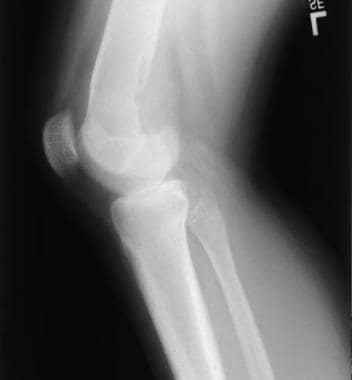
    • Elevation of the periosteum may appear as the characteristic Codman triangle. Extension of tumor through the periosteum may result in a so-called sunburst appearance (about 60% of patients).
    • The entire bone and adjacent joint should be imaged to assess for skip lesions and joint involvement.
    • Telangiectatic osteosarcomas are often cystic and can be mistaken for an aneurysmal bone cyst.
  • Chest radiography: Chest radiographs (posteroanterior and lateral views) should be obtained to evaluate for pulmonary metastases. If metastases are present and visible on chest images, this modality then can be used for follow-up of specific lesions.
  • CT scanning
    • Both a CT scan of the primary lesion and a high-resolution CT scan of the chest (at 3.75-mm to 7.5-mm intervals) should be obtained.
    • CT scanning of the primary lesion helps in delineating the location and extent of the tumor and is critical for surgical planning.
    • CT scanning of the chest is more sensitive than plain radiography for assessing pulmonary metastases. In the ideal situation, the chest CT scan should be obtained before biopsy to avoid ambiguity that can arise from postanesthesia atelectasis.
  • Magnetic resonance imaging
    • MRI of the primary lesion is the best method for assessing the extent of intramedullary disease.
    • MRI findings are best correlated with the extent of disease assessed at the time of definitive surgery.
    • MRI should include joint-to-joint imaging to rule out skip lesions.
  • Radionuclide bone scanning with technetium-99m diphosphonate
    • An evaluation for the presence of metastatic or multifocal disease with bone scanning is imperative.
    • Abnormal areas should subsequently be imaged using CT scanning or MRI.
  • 18F-Fluoro-deoxy-glucose positron emission tomography or thallium-201 scintigraphy
    • The use of these radionuclide studies for diagnostic and prognostic purposes in osteosarcoma is still under investigation.5
    • Initial published data suggest the results of these can be more predictive of the response to chemotherapy than MRI or CT findings6 and can detect disease missed by conventional imaging.7

Other Tests

  • Audiography: Hearing loss is an adverse effect of cisplatin.
  • Echocardiography or multiple-gated acquisition (MUGA) scanning: Cardiac function should be assessed before and at various intervals after treatment with doxorubicin (Adriamycin).

Procedures

  • An orthopedic surgeon should perform biopsy (see Surgical Care).
  • Resections of the primary lesion and of any pulmonary metastases are essential for cure. These should be performed by orthopedic and thoracic surgeons, respectively (see Surgical Care).
  • Presurgical (neoadjuvant) chemotherapy often aids resection by shrinking tumors and enables the assessment of histopathologic responsiveness of the tumor, a major predictor of the outcome.

Histologic Findings

Upon histologic examination of the tumor, 2 elements are important. The first important element, the type of the tumor, can be assessed by examining the biopsy specimen. The second important element, the response to treatment, can be assessed only by evaluating the tissue resected after chemotherapy.

In general, the characteristic feature of osteosarcoma is the presence of osteoid in the lesion, even at sites distant from bone (eg, the lung). Although osteoid is usually obvious, electron microscopy is occasionally required to visualize its formation. Stromal cells may be spindle shaped and atypical with irregularly shaped nuclei.

Numerous distinct histologic types of osteosarcoma are described. The conventional type is the most common in childhood and adolescence. This type has been subdivided on the basis of the predominant features of the cells (ie, osteoblastic, chondroblastic, fibroblastic types), although the subtypes are clinically indistinguishable. The telangiectatic type contains large blood-filled spaces and is common in adolescence and early adulthood.8 The parosteal type is usually located in the bony cortex, is easier to cure than the conventional type, and can be seen in childhood or adulthood. The low-grade periosteal type, which also arises from the cortex but usually encircles the bone, most often occurs in older patients who have a long history of symptoms, which reflects its indolent nature.

Staging

The purpose of staging tumors is to stratify risk groups. The conventional staging system used for other solid tumors is not appropriate for skeletal tumors because these tumors rarely involve lymph nodes or spread regionally. Rather, the staging system Enneking devised is based on grade, extramedullary spread, and metastases. These features are most important for nonmalignant skeletal tumors; most osteosarcomas are highly malignant. For osteosarcoma, the foremost initial question regarding staging is whether the tumor has metastasized.

Other features of the tumor, although technically not used in staging, may affect the prognosis. These include the site of primary tumor (mostly related to difficulty of obtaining a complete resection, such as with pelvic tumors),9 the histologic response to chemotherapy, and the cause of disease. Patients with a good histologic response before surgery, the definition of which is still debated (generally >90% or >95% necrosis), appear to have an improved prognosis.10 Those with only one metastasis appear to do better than those with multiple metastases.4 Those with lesions that arise from Paget disease have a particularly poor prognosis. Patients with isolated lesions of the jaw tend to do better and have a relatively low incidence of metastases.

Other features are being investigated for their prognostic significance. Examples include cellular expression of membrane-type matrix metalloproteinase type 1, Fas, CXCR4,11 Twist, microvessel density,12, 13 P-glycoprotein expression,14 and microarray signatures. Each of these features was prognostic in small series; however, none have been tested prospectively, and testing for them has not yet become standard of care. The presence of metastases and a histologic response remain the most important predictors of outcome. Serum markers lose their significance when they are considered in multivariate analysis.

The osteosarcoma staging system can be summarized as follows:

  • Stages
    • Stage I - Low-grade lesions
    • Stage II - High-grade lesions
    • Stage III - Metastatic disease
    • Substages
      • A - Intramedullary lesion
      • B - Local extramedullary spread
  • Site of primary
    • Distal extremity - Best prognosis
    • Distal femur - Intermediate prognosis
    • Axial skeleton - Worst prognosis


Medical Care

Before the use of chemotherapy, which began in the 1970s, osteosarcoma was primarily treated with surgical resection, usually amputation. Despite good local control of the disease, more than 80% of patients subsequently developed recurrent disease that typically manifests as pulmonary metastases. The high recurrence rate indicates that most patients have micrometastatic disease at the time of diagnosis. Therefore, the use of adjuvant (postoperative) systemic chemotherapy is critical for the treatment of patients with osteosarcoma.15, 16

Neoadjuvant (preoperative) chemotherapy not only facilitates subsequent surgical removal by shrinking the tumor but also provides oncologists with an important risk parameter. Patients who have a good histopathologic response to neoadjuvant chemotherapy (>95% tumor cell kill or necrosis) have a prognosis better than those whose tumors do not respond favorably. Therefore, an assessment of neoadjuvant tumor cell kill has been incorporated into current chemotherapy trials to provide risk-adapted treatment regimens to determine if dose-intensification can improve the survival of patients with a poor initial histologic response.

Osteosarcoma cells have a high level of resistance to radiotherapy; thus, this treatment modality is not incorporated into standard treatment regimens. Retrospective studies suggest it may be helpful in some cases, including in those with close or positive surgical margins17 or in the palliative setting. High doses, including those up to 80 Gy, are thought to be required to achieve some tumor kill. The bone seeking isotope, Samarium-153-EDTMP, may be helpful for palliation of metastases positive on bone scan findings, but this treatment requires hematopoietic stem cell rescue due to its hematologic toxicity.18

Surgical Care

The orthopedic surgeon is of paramount importance in the care of patients with osteosarcoma. However, surgery should be conducted only in collaboration with a pediatric oncologist familiar with and knowledgeable about ongoing clinical trials to facilitate optimal care. Patients with suspected osteosarcoma are often referred to the orthopedic surgeon first for diagnosis.

In addition, because osteosarcomas are not particularly responsive to radiotherapy, surgery is the only option for definitive tumor removal (ie, local control). In addition, prosthesis or bone stabilization may be required after surgical resection. Therefore, close involvement of the orthopedic surgeon at diagnosis and during and after therapy is critical.

  • Biopsy
    • Open biopsy is preferred because it avoids sampling error and provides adequate tissue for biologic studies. Other options include trephine biopsy, which is preferred for vertebral bodies and iliac crests. Fine-needle aspiration is not recommended.
    • Incision for an open biopsy should be carefully planned to avoid tumoral contamination of neurovascular structures and to allow for en bloc removal during eventual definitive surgery.
    • Regardless of the technique chosen, a frozen section should be examined to be certain that the tumor was sampled accurately. If possible, extraosseous components should be sampled rather than bone to decrease the risk of fracture.
    • Bone holes should be sealed with polymethacrylate, and extraosseous holes should sealed with absorbable gelatin sponge (Gelfoam) to decrease the risk of hematoma and tumoral spread.
    • Drains should be closed suction (to prevent infection) in line with the skin incision (to prevent tumor contamination in adjacent tissue).
  • Definitive resection
    • The primary aim of definitive resection is the patient's survival. As such, margins on all sides of the tumor must contain normal tissue (ie, wide margin).
    • The width of the margin is important only for the marrow; an adequate margin is thought to be 5-7 cm from the edge of the abnormality, as shown on MRI or bone scans.
    • Radical margins, defined as removal of the entire compartment involved (joint to joint for bone and origin to insertion for muscle), are not usually required to achieve a cure.
    • A marginal or intralesional margin may be functionally helpful as debulking therapy, but it is not locally curative.
    • Amputation may be the treatment of choice.
    • Patients usually prefer limb-salvage reconstruction (if possible) over amputation, but studies of late effects reveal that patients with amputations may have long-term quality of life equivalent to that of patients undergoing limb salvage. These data are largely based on patients who underwent limb-salvage decades ago; therefore, the effect of modern limb-salvage techniques on this assessment is not clear.
    • The reconstruction technique must be chosen on the basis of individual considerations, as described below.
      • Autologous bone grafting: Advantages include no rejection and a low rate of infection. This technique should be used only in skeletally mature patients because periosteal infusion inhibits epiphyseal growth.
      • Allografting: Graft healing and infection can be problematic with this technique, particularly during chemotherapy. Rejection can also occur.
      • Prosthetic: Prosthetic joints can be solitary or expandable. They are usually expensive, and their longevity is unknown.
      • Rotationplasty: This technique is suitable for tumors of the distal femur or proximal tibial when the knee cannot be spared and particularly for large tumors for which high amputation is the only alternative. Young or athletic patients may functionally benefit from this procedure. After tumoral resection, vessels are repaired or looped and kept in continuity. The distal portion of the leg is rotated 180° and reattached to the thigh at the proximal resected edge. The rotation allows the ankle to become a functional knee joint; the length of the leg should be adjusted to match the contralateral knee. The foot acts as the anchor for the prosthesis. Patients can learn to use the leg effectively.
  • Resection of pulmonary nodules
    • Metastatic lung nodules can be cured by means of complete surgical resection, most often wedge resection. Lobar resection or pneumonectomy is occasionally required to achieve clear margins. This procedure should be done at the time of primary tumor resection.
    • Although bilateral nodules can be resected by using a median sternotomy, surgical exposure is superior with a lateral thoracotomy. Therefore, staged bilateral thoracotomy procedures are recommended for bilateral disease (ie, 2 lateral thoracotomy procedures separated by a few weeks).
    • For osteosarcoma that recurs as only lung lesions more than 1 year after the patient completion therapy, surgical resection alone can be curative because the likelihood of metastases to other sites is low.10 If disease recurs sooner than 1 year after therapy, chemotherapy is warranted because the risk of other micrometastatic disease is high.

Consultations

As is usual for any child with cancer, consultations with an oncologist and with any subspecialist related to the specific clinical circumstances are strongly recommended. Social service professions, psychologist, dentists, dietitians, and child-life specialists are usually involved with patients and their families throughout the course of their treatment.

Diet

Patients receiving methotrexate should not be given folate supplementation or prophylaxis with trimethoprim-sulfamethoxazole (Bactrim). Diet is not otherwise restricted.

Activity

Restrictions on activity vary with the location of the tumor and on the type of surgical procedure required for treatment.


The chemotherapeutic drugs most active in osteosarcoma are doxorubicin, cisplatin, and high-dose methotrexate (for which a low dose is ineffective). Whether chemotherapy dose escalation can improve outcome in patients with a poor histologic response is the subject of an ongoing study in the United States and Europe. One report suggests that, although dose intensification increases the number of patients with a good histologic response, it does not change overall survival.19

In addition, other therapies are being tested, such as the following:20

  • Anthracycline escalation using a cardioprotectant21
  • Muramyl tripeptide phosphatidyl ethanolamine (MTP-PE)22 and other immune enhancers (eg interferon)
  • Monoclonal antibody against the Her2/neu antigen, which is overexpressed in some osteosarcomas

As usual, physicians caring for patients with osteosarcoma should consult a pediatric oncologist affiliated with a center that participates in national or international trials to determine both the current standard treatment protocol and whether an appropriate investigational study is open for patient accrual.

Drug Category: Antineoplastic agents

These agents disrupt DNA replication or cell division, thereby inhibiting tumor growth and promoting the death of tumor cells.

Drug NameDoxorubicin (Adriamycin, Rubex)
DescriptionMechanisms of action include DNA intercalation, topoisomerase-mediated DNA strand breaks, and oxidative damage by means of free-radical production.
Adult DoseVaries by protocol
Pediatric DoseVaries by protocol; protocol CCG-7921 used 25 mg/m2/d continuous IV infusion over 72 h, not to exceed 450 mg/m2
ContraindicationsDocumented hypersensitivity; severe heart failure, cardiomyopathy, impaired cardiac function; preexisting myelosuppression
InteractionsMay decrease phenytoin and digoxin plasma levels; phenobarbital may decrease plasma levels; cyclosporine may induce coma or seizures; mercaptopurine increases toxicity; cyclophosphamide increases cardiac toxicity
PregnancyD - Fetal risk shown in humans; use only if benefits outweigh risk to fetus
PrecautionsCardiotoxicity (may cause congestive heart failure when cumulative dose >450 mg/m2); other adverse effects include myelosuppression, nausea, diarrhea, alopecia, transient liver function abnormalities, hyperpigmentation of nail beds and dermal creases; tissue damage with extravasation

Drug NameCisplatin (Platinol, CDDP)
DescriptionMechanism of action is platination of DNA, mechanism analogous to alkylation leading to interstrand and intrastrand DNA crosslinks and inhibition of DNA replication.
Adult DoseVaries by protocol
Pediatric DoseVaries by protocol; protocol CCG-7921 used 120 mg/m2 IV infused over 4 h on day 1 of each chemotherapy cycle
ContraindicationsDocumented hypersensitivity; renal impairment; hearing impairment; myelosuppression
InteractionsMay potentiate ototoxicity of aminoglycosides; may increase nephrotoxicity of other drugs (eg, amphotericin B); loop diuretics increase risk of nephrotoxicity; increases toxicity of bleomycin
PregnancyD - Fetal risk shown in humans; use only if benefits outweigh risk to fetus
PrecautionsAdminister adequate hydration before and 24 h after cisplatin dosing to reduce risk of nephrotoxicity; myelosuppression, ototoxicity, and nausea and vomiting may occur

Drug NameMethotrexate (Folex PFS, high dose)
DescriptionFolate analog. Competitively inhibits dihydrofolate reductase, inhibiting DNA replication and RNA transcription; patients should receive adequate hydration and alkalinization to ensure effective drug clearance.
Adult DoseVaries by protocol
Pediatric Dose12 g/m2 IV infused over 4 h; not to exceed 20 g/dose
Protocol CCG-7921 administered high-dose methotrexate on days 21 and 28 of each chemotherapy cycle
ContraindicationsDocumented hypersensitivity; alcoholism; hepatic insufficiency; documented immunodeficiency syndromes; preexisting blood dyscrasias (eg, bone marrow hypoplasia, leukopenia, thrombocytopenia, significant anemia)
InteractionsCharcoal lowers levels; coadministration with etretinate may increase hepatotoxicity; folic acid or its derivatives contained in some vitamins may decrease response; coadministration with NSAIDs may be fatal; indomethacin and phenylbutazone can increase plasma levels; may decrease phenytoin serum levels; probenecid, salicylates, procarbazine, and sulfonamides may increase effects and toxicity; may increase plasma levels of thiopurines
PregnancyX - Contraindicated; benefit does not outweigh risk
PrecautionsCaution in ascites or pleural effusions, which can result in third spacing and delay clearance; caution in renal dysfunction (CrCl should be >60 mL/min/1.73 m2); caution in liver dysfunction; adverse effects include myelosuppression, mucositis, nausea, vomiting, diarrhea, drowsiness, blurred vision, encephalopathy, paresis, seizures, transient liver function abnormalities, alopecia, rashes, photosensitivity, depigmentation or hyperpigmentation of skin, interstitial pneumonitis, osteoporosis, fever, infertility, menstrual dysfunction

Drug NameIfosfamide (Ifex)
DescriptionDNA alkylator, leading to interstrand and intrastrand DNA crosslinks, DNA-protein crosslinks, and inhibition of DNA synthesis.
Adult DoseVaries by protocol
Pediatric DoseVaries by protocol; 1.8-3.6 mg/m2/d IV for 5 d each cycle (ie, total cumulative dose of 9-18 mg/m2 per cycle)
ContraindicationsDocumented hypersensitivity, severely depressed bone marrow function
InteractionsSubstrate of cytochrome P450 (CYP) 3A4; phenobarbital, phenytoin, chloral hydrate, and other drugs that induce with CYP activity, may increase ifosfamide clearance; coadministration with warfarin increases international normalized ratio (INR)
PregnancyC - Fetal risk revealed in studies in animals but not established or not studied in humans; may use if benefits outweigh risk to fetus
PrecautionsAdminister with mesna and extensive hydration to prevent hemorrhagic cystitis; causes myelosuppression, nausea, alopecia, and infertility

Drug Category: Antiemetic agents

Emesis is a clinically significant adverse effect of chemotherapeutic drugs, particularly the drugs used to treat osteosarcoma. Patients often require several antiemetics, and antiemetic regimens should be tailored for each patient. Commonly used antiemetics include serotonin receptor antagonists (eg, dolasetron, granisetron, ondansetron, tropisetron), corticosteroids (eg, dexamethasone), and dopamine receptor antagonists (eg, metoclopramide, prochlorperazine). The American Society of Clinical Oncology published evidence-based clinical practice guidelines for the use of antiemetics used for chemotherapy-induced nausea and vomiting.23

Drug NameOndansetron (Zofran)
DescriptionSelectively antagonizes serotonin 5-HT3 receptors.
Adult Dose0.15 mg/kg PO/IV q8h started 30 min before chemotherapy
Pediatric DoseAdminister as in adults
ContraindicationsDocumented hypersensitivity
InteractionsAlthough CYP inducers (barbiturates, rifampin, carbamazepine, and phenytoin) may change half-life and clearance, dosage adjustment not usually required
PregnancyC - Fetal risk revealed in studies in animals but not established or not studied in humans; may use if benefits outweigh risk to fetus
PrecautionsCaution in liver toxicity and history of anaphylaxis (use premedication)

Drug NameDexamethasone (Decadron)
DescriptionSeveral glucocorticoid and mineralocorticoid effects, including relief of emesis.
Adult Dose10 mg/m2 PO/IV/IM for 1 dose; followed by 5-10 mg/m2 PO/IV/IM q6h; not to exceed 20 mg/dose
Pediatric DoseAdminister as in adults
ContraindicationsDocumented hypersensitivity; active bacterial or fungal infection
InteractionsEffects decrease with coadministration of barbiturates, phenytoin and rifampin; dexamethasone decreases effect of salicylates and vaccines used for immunization
PregnancyC - Fetal risk revealed in studies in animals but not established or not studied in humans; may use if benefits outweigh risk to fetus
PrecautionsIncreases risk of several complications, including severe infections; monitor adrenal insufficiency when tapering; abrupt discontinuation of glucocorticoids may cause adrenal crisis; hyperglycemia, edema, osteonecrosis, myopathy, peptic ulcer disease, hypokalemia, osteoporosis, euphoria, psychosis, myasthenia gravis, growth suppression, and infections are possible complications of glucocorticoid use

Drug NameProchlorperazine (Compazine)
DescriptionSelectively antagonizes dopamine D2 receptors.
Adult Dose5-10 mg PO/IM tid/qid; not to exceed 40 mg/d
5-10 mg IV over 2 min; 25 mg PR bid
Pediatric Dose0.4 mg/kg/d PO/PR divided tid/qid; 0.1-0.15 mg/kg/dose IV/IM tid/qid
ContraindicationsDocumented hypersensitivity; bone marrow suppression; narrow-angle glaucoma; severe liver or cardiac disease
InteractionsCoadministration with other CNS depressants or anticonvulsants may cause additive effects; may cause hypotension with epinephrine
PregnancyC - Fetal risk revealed in studies in animals but not established or not studied in humans; may use if benefits outweigh risk to fetus
PrecautionsDrug-induced Parkinson syndrome or pseudoparkinsonism frequent, particularly in pediatric patients; akathisia most common extrapyramidal reaction in elderly; lowers seizure threshold; caution with history of seizures

Drug Category: Colony-stimulating factors

These agents act as hematopoietic growth factors that stimulate development of granulocytes. They are used to treat or prevent neutropenia when a patient is receiving myelosuppressive cancer chemotherapy and to reduce the period of neutropenia associated with bone marrow transplantation.

Drug NameFilgrastim (Neupogen)
DescriptionGranulocyte colony-stimulating factor (G-CSF) that activates and stimulates production, maturation, migration, and cytotoxicity of neutrophils. Shortens time to recovery of neutrophils after chemotherapy by stimulating bone marrow production of neutrophil precursors. Also stimulates granulocytic antibacterial functions.
Adult Dose5 mcg/kg/d SC beginning >24 h after last dose of chemotherapy
Pediatric DoseAdminister as in adults; discontinue when absolute neutrophil count (ANC) rises above a predetermined level, usually 1000-10,000/µL; must be discontinued at least 24 h before start of further chemotherapy
ContraindicationsDocumented hypersensitivity, hypersensitivity to Escherichia coli–derived proteins
InteractionsDo not use 12-24 h before or 24 h after administering cytotoxic chemotherapy because increases sensitivity of rapidly dividing myeloid cells to cytotoxic chemotherapy
PregnancyC - Fetal risk revealed in studies in animals but not established or not studied in humans; may use if benefits outweigh risk to fetus
PrecautionsAdverse effects include bone pain; osteoporosis; splenomegaly; exacerbation of preexisting skin disorders; hematuria or proteinuria; thrombocytopenia; elevated levels of uric acid, LDH, and alkaline phosphatase; fever; transient hypotension

Drug Category: Antidotes

These agents are used to manage poisoning and overdose, prevent toxic effects, or treat metabolic disorders in which toxic substances accrue. Mechanisms of action vary and include antagonism, toxin transformation, altered metabolism, chelation, and directed antibody responses.

Drug NameLeucovorin (Wellcovorin)
DescriptionAlso called citrovorum factor or folinic acid. Overrides folate antagonist (methotrexate) and protects against severe methotrexate-induced toxic effects. Discontinue when serum methotrexate level <10-7 mol/L.
Adult Dose10 mg/m2 PO/IV q6h; may increase dose to 100 mg/m2 and give up to q3h
Alternative: 1 g/d continuous IV infusion depending on serum methotrexate level
Pediatric DoseAdminister as in adults
ContraindicationsDocumented hypersensitivity; pernicious anemia
InteractionsDecreases effect of methotrexate, phenytoin, phenobarbital, and sulfamethoxazole and trimethoprim combinations; increases toxicity of fluorouracil
PregnancyC - Fetal risk revealed in studies in animals but not established or not studied in humans; may use if benefits outweigh risk to fetus
PrecautionsMay cause rash, pruritus, erythema

Drug NameDexrazoxane (Zinecard)
DescriptionPreventatively used as cardioprotectant to reduce incidence and severity of anthracycline cardiotoxicity; therefore, raises maximum tolerated dose. Exact mechanism unknown. Derivative of ethylenediaminetetraacetic acid (EDTA) and potent intracellular chelating agent. May interfere with iron-mediated free-radical generation that may be partly responsible for anthracycline-induced cardiomyopathy. Dose determined by the doxorubicin dose (ie, 10X doxorubicin dose).
Adult DoseAdminister ratio of 10:1 (dexrazoxane to doxorubicin) IV within 30 min before doxorubicin; not to exceed 1250 mg/m2
Pediatric DoseNot established
ContraindicationsDocumented hypersensitivity; nonanthracycline chemotherapy regimens
InteractionsNone reported
PregnancyC - Fetal risk revealed in studies in animals but not established or not studied in humans; may use if benefits outweigh risk to fetus
PrecautionsMyelosuppression, alopecia, nausea, vomiting, diarrhea

Drug NameMesna (Mesnex)
DescriptionInactivates acrolein and prevents urothelial toxicity without affecting cytostatic activity. Used as prophylactic detoxifying agent to inhibit hemorrhagic cystitis caused by ifosfamide and cyclophosphamide. In kidney, mesna disulfide reduced to free mesna, which has thiol groups that react with acrolein, the ifosfamide or cyclophosphamide metabolite considered responsible for urotoxicity.
Adult DoseDose depends on dose of ifosfamide or cyclophosphamide, typically 60-100% of antineoplastic agent used; may be administered as initial bolus then continuous IV infusion, or as intermittent IV infusions before and after chemotherapy regimen
Pediatric DoseAdminister as in adults
ContraindicationsDocumented hypersensitivity
InteractionsMay increase warfarin effect, adjust dose according to target INR
PregnancyB - Fetal risk not confirmed in studies in humans but has been shown in some studies in animals
PrecautionsMonitor morning urine samples for hematuria before ifosfamide or cyclophosphamide dose; common adverse effects include hypotension, headache, GI toxicity, and limb pain


Further Inpatient Care

  • Patients receiving chemotherapy generally require inpatient admission for drug administration and monitoring. In protocol CCG-7921, definitive surgery was performed after 2 cycles of induction chemotherapy. Four maintenance cycles were given beginning 2-3 weeks after surgery. Given the assumption of no therapeutic delays, the entire course of treatment lasted approximately 46 weeks.
  • If patients have fever and neutropenia, admission is required for intravenous antibiotics and monitoring.
  • Admission is required perioperatively for local-control procedures (eg, surgical resection, amputation), usually around week 10 of therapy. Resection of metastatic disease (eg, lung nodules) is usually performed at the same time.
  • Patients may require admission for a multitude of other medical problems during chemotherapy. Examples include varicella infection (for intravenous acyclovir and monitoring), mucositis (for pain control, usually with narcotics), dehydration, meningitis, constipation, fungal pneumonia, and cystitis, among others.

Further Outpatient Care

  • CBC count: Perform a CBC count twice each week for patients receiving G-CSF. Discontinue G-CSF when the ANC has reached a predetermined level (usually 1 or 5 X 10⁹ [1000 or 5000/µL]).
  • Blood chemistries: Monitoring blood chemistries, including monitoring with renal and liver function tests, is important for patients receiving parenteral nutrition or for those who have a history of organ toxicity (especially if nephrotoxic or hepatotoxic antibiotics or other drugs are continued).
  • Monitoring for recurrence: After completing chemotherapy, patients should continue to undergo regular blood workup and radiographic scanning on an outpatient basis, with the frequency decreasing over time. In general, these visits occur every 3 months for the first year, every 6 months for the second year and perhaps a third year, and yearly thereafter.
  • Long-term follow-up: Five years of longer after patients finish therapy, they are considered long-term survivors. They should be seen annually in a late-effects clinic and monitored with appropriate studies depending on their therapy and toxic effects. Visits may include hormonal, psychosocial, cardiologic, and neurologic evaluations.

In/Out Patient Meds

  • Trimethoprim-sulfamethoxazole: At some treatment centers, clinicians routinely prescribe prophylaxis against pneumocystic pneumonia; others do not.
  • Fluconazole: Systemic fungal prophylaxis is not necessary.
  • Clotrimazole: Prophylactic therapy for thrush may be discontinued when chemotherapy has been completed.
  • Chlorhexidine mouth rinse: Prophylaxis against gingivitis and other mouth infections may be discontinued when chemotherapy is completed.

Transfer

  • Pediatrician or general practitioner: Although the major therapy for cancer should take place at a center staffed by pediatric oncologists, the referring physicians should continue to play an important role in children's care throughout treatment. The referring physician can be critical in performing the first evaluation of an illness, particularly if the child lives far from the oncology center.
  • Orthopedic surgeon: The orthopedic surgeon is often the first subspecialist to evaluate the patient with a suspected bone tumor. The surgeon's involvement is not only critical to establishing the diagnosis with biopsy but also paramount for local control (amputation vs limb-salvage resection). In addition, the orthopedic surgeon should continue to follow up with patient to assess function of the limb and prosthesis.

Deterrence/Prevention

  • No preventive measures for childhood cancers are known.

Complications

  • Cardiomyopathy is primarily a result of anthracycline (doxorubicin) use. Patients should receive routine follow-up echocardiography studies after they complete therapy and periodically long-term
  • Secondary malignant neoplasms may arise as a result of chemotherapy, particularly with alkylating agents.
  • Infertility is a nearly universal effect of the high-dose alkylating agents used to treat osteosarcoma.
  • Hearing loss is common due to cisplatin and should be monitored carefully during treatment.24
  • Long-term quality-of-life measurements suggests patients with amputations do as well as those with limb-salvage.25

Prognosis

  • Patients with the periosteal type of osteosarcoma have a more favorable outcome. In an analysis of 119 patients, the overall survival was 83% at 10 years.26
  • The prognosis for patients with conventional high-grade osteosarcoma primarily depends on whether metastases are detectable at diagnosis. Patients who present with metastases or with multifocal disease have a poor prognosis, with long-term survival rates of less than 25%.
  • For patients with initially localized disease, the prognosis depends mainly on 2 variables: resectability and the response to chemotherapy. Those who have completely resectable disease and those whose tumors have an excellent histologic response to neoadjuvant chemotherapy have the best likelihood for a cure.
  • Before the 1970s, the 5-year survival rate of patients with nonmetastatic osteosarcoma was less than 20%, even with aggressive surgery (mostly amputations).
  • The fact that most relapses occurred at metastatic sites (primarily the lung) attests to the fact that most patients have undetectable metastatic disease at diagnosis (ie, micrometastatic disease).
  • With the introduction of postoperative (adjuvant) chemotherapy, survival rates began to improve.
  • According to data from the NCI SEER program, the 5-year survival rate from 1975-1984 was 49% and from 1985-1994 was 63%.1 For the latter period, female patients fared slightly better than male patients (5-year survival rates of 70% vs 59%).
  • Results of the most recent cooperative group trial conducted by the Children's Oncology Group suggest that the addition of ifosfamide to standard 3 drug regimen was not helpful, but that the addition of the immune-enhancing drug muramyl tripeptide increased 6-year overall survival from 70% to 78% for localized disease.22 The use of MTP-PE requires further investigation before becoming standard therapy.
  • Surgical resection of recurrent disease can achieve cure in about 25% of patients.27
  • Improving the survival rate and functional outcome and minimizing the short-term and long-term adverse effects remain goals of clinical trials for osteosarcoma.  
  • The major challenge is curing patients with unresectable metastatic disease.
    • Strategies currently under consideration include dose intensification (eg, anthracycline dose-escalation facilitated by dexrazoxane cardioprotection), immune modulators, monoclonal antibodies targeting tumor-cell antigens (eg, Her2/neu), and antiangiogenic agents that target components of the tumor vascular supply.
    • High-dose administration of the bone-seeking radioisotope samarium is also under investigation (with autologous stem-cell support) for safety and efficacy in metastatic or nonresectable osteosarcoma limited to bone.
    • Finally, the role of the emerging field of oncolytic viruses for the treatment of osteosarcoma has yet to be explored.

Patient Education

  • Chemotherapy: Parents and patients (if appropriate) must undergo formal education about chemotherapy to learn about the adverse effects of their medications. They must know what is expected to happen as a result of the therapy, and they should encouraged to call with any questions.
  • Central venous catheters: When patients have central venous catheters that exit the skin (eg, Hickman or Broviac catheters), the patient or the parents must learn to properly care for the line.
    • This care usually involves daily heparin flushes.
    • They must also know their limitations (eg, restriction from swimming).
    • Patients with subcutaneous catheters (eg, Mediport catheters) do not need to perform daily-care routines, but they should learn to apply a topical anesthetic (eg, lidocaine-prilocaine [EMLA] cream) at least 1 hour before an anticipated needle stick.


Medical/Legal Pitfalls

  • Mild symptoms from osteosarcoma are commonly ascribed to other causes, such as growing pains, arthritis, or antecedent trauma. Because the ability to remove the lesion and the functional result partly depend on the local extent of the disease, making the diagnosis as early as possible is imperative.
  • Whether metastatic disease represents a distinct tumor subtype is unclear; therefore, whether metastases in most cases can be prevented with early detection is also unclear.
  • Early detection and, most importantly, appropriate referral to an orthopedic surgeon and an oncologist should minimize medicolegal issues.


Media file 1:  Lateral plain radiograph of the knee reveals an osteosarcoma of the distal femur. The lesion is mainly posterior, with disruption and elevation of the periosteum (Codman triangle), and extends beyond the bone into the soft tissue.
Click to see larger pictureClick to see detailView Full Size Image
Media type:  Radiograph

Media file 2:  Anteroposterior plain radiograph of the same with distal femoral osteosarcoma as in Media file 1. The osteolytic lesion is apparent on the right side of the image.
Click to see larger pictureClick to see detailView Full Size Image
Media type:  Radiograph

Media file 3:  MRI of the same distal femoral osteosarcoma as in Media files 1-2; the uninvolved side is shown for comparison.
Click to see larger pictureClick to see detailView Full Size Image
Media type:  MRI

Media file 4:  Close-up MRI of the same distal femoral osteosarcoma as in Media files 1-3.
Click to see larger pictureClick to see detailView Full Size Image
Media type:  MRI


  1. Ries LAG, Smith MA, Gurney JG, et al. Cancer incidence and survival among children and adolescents: United States SEER Program 1975-1995. NIH publication No. 99-4649. Bethesda, Md. National Institutes of Health;. 1999;[Full Text].
  2. Longhi A, Pasini A, Cicognani A, et al. Height as a risk factor for osteosarcoma. J Pediatr Hematol Oncol. Jun 2005;27(6):314-8. [Medline].
  3. Bacci G, Longhi A, Ferrari S, et al. Prognostic significance of serum lactate dehydrogenase in osteosarcoma of the extremity: experience at Rizzoli on 1421 patients treated over the last 30 years. Tumori. Sep-Oct 2004;90(5):478-84. [Medline].
  4. Mialou V, Philip T, Kalifa C, et al. Metastatic osteosarcoma at diagnosis: prognostic factors and long-term outcome--the French pediatric experience. Cancer. Sep 1 2005;104(5):1100-9. [Medline].
  5. Ilhan IE, Vural G, Berberoglu S, Kapucuoglu N, Cila A, Eke S. Quantitative thallium-201 scintigraphy in childhood osteosarcoma: Comparison with technetuim-99m MDP and magnetic resonance imaging in the evaluation of chemotherapeutic response. Pediatr Hematol Oncol. Mar 2005;22(2):153-62. [Medline].
  6. McCarville MB, Christie R, Daw NC, Spunt SL, Kaste SC. PET/CT in the evaluation of childhood sarcomas. AJR Am J Roentgenol. Apr 2005;184(4):1293-304. [Medline].
  7. Volker T, Denecke T, Steffen I, et al. Positron emission tomorgraphy for staging of pediatric sarcoma patients: results of a prospective multicenter trial. J Clin Oncol. Dec 1 2007;25(34):5435-41.
  8. Pignatti G, Bacci G, Picci P, et al. Telangiectatic osteogenic sarcoma of the extremities. Results in 17 patients treated with neoadjuvant chemotherapy. Clin Orthop Relat Res. Sep 1991;99-106. [Medline].
  9. Saab R, Rao BN, Rodriguez-Galindo C, Billups CA, Fortenberry TN, Daw NC. Osteosarcoma of the pelvis in children and young adults: the St. Jude Children's Research Hospital experience. Cancer. Apr 1 2005;103(7):1468-74. [Medline].
  10. Briccoli A, Rocca M, Salone M, et al. Resection of recurrent pulmonary metastases in patients with osteosarcoma. Cancer. Oct 15 2005;104(8):1721-5. [Medline].
  11. Man TK, Chintagumpala M, Visvanathan J, et al. Expression profiles of osteosarcoma that can predict response to chemotherapy. Cancer Res. Sep 15 2005;65(18):8142-50. [Medline].
  12. Mikulic D, Ilic I, Cepulic M, et al. Tumor angiogenesis and outcome in osteosarcoma. Pediatr Hematol Oncol. Oct-Nov 2004;21(7):611-9. [Medline].
  13. Kreuter M, Bieker R, Bielack SS, et al. Prognostic relevance of increased angiogenesis in osteosarcoma. Clin Cancer Res. Dec 15 2004;10(24):8531-7. [Medline].
  14. Chan HS, Grogan TM, Haddad G, DeBoer G, Ling V. P-glycoprotein expression: critical determinant in the response to osteosarcoma chemotherapy. J Natl Cancer Inst. Nov 19 1997;89(22):1706-15. [Medline].
  15. Link MP, Goorin AM, Miser AW, et al. The effect of adjuvant chemotherapy on relapse-free survival in patients with osteosarcoma of the extremity. N Engl J Med. Jun 19 1986;314(25):1600-6. [Medline].
  16. Link MP, Goorin AM, Horowitz M, et al. Adjuvant chemotherapy of high-grade osteosarcoma of the extremity. Updated results of the Multi-Institutional Osteosarcoma Study. Clin Orthop Relat Res. Sep 1991;8-14. [Medline].
  17. DeLaney TF, Park L, Goldberg SI, et al. Radiotherapy for local control of osteosarcoma. Int J Radiat Oncol Biol Phys. Feb 1 2005;61(2):492-8. [Medline].
  18. Anderson PM, Wiseman GA, Dispenzieri A, et al. High-dose samarium-153 ethylene diamine tetramethylene phosphonate: low toxicity of skeletal irradiation in patients with osteosarcoma and bone metastases. J Clin Oncol. Jan 1 2002;20(1):189-96. [Medline].
  19. Lewis IJ, Nooij MA, Whelan J, et al. Improvement in histologic response but not survival in osteosarcoma patients treated with intensified chemotherapy: a randomized phase III trial of the European Osteosarcoma Intergroup. J Natl Cancer Inst. Jan 17 2007;99(2):112-28. [Medline].
  20. Nagarajan R, Clohisy D, Weigel B. New paradigms for therapy for osteosarcoma. Curr Oncol Rep. Nov 2005;7(6):410-4. [Medline].
  21. Paiva MG, Petrilli AS, Moises VA, Macedo CR, Tanaka C, Campos O. Cardioprotective effect of dexrazoxane during treatment with doxorubicin: a study using low-dose dobutamine stress echocardiography. Pediatr Blood Cancer. Dec 2005;45(7):902-8. [Medline].
  22. Meyers PA, Schwartz CL, Krailo MD, et al. Osteosarcoma: the addition of muramyl tripeptide to chemotherapy improves overall survival--a report from the Children's Oncology Group. J Clin Oncol. Feb 1 2008;26(4):633-8. [Medline].
  23. Gralla RJ, Osoba D, Kris MG, et al. Recommendations for the use of antiemetics: evidence-based, clinical practice guidelines. American Society of Clinical Oncology. J Clin Oncol. Sep 1999;17(9):2971-94. [Medline].
  24. Stohr W, Langer T, Kremers A, et al. Cisplatin-induced ototoxicity in osteosarcoma patients: a report from the late effects surveillance system. Cancer Invest. 2005;23(3):201-7. [Medline].
  25. Nagarajan R, Clohisy DR, Neglia JP, et al. Function and quality-of-life of survivors of pelvic and lower extremity osteosarcoma and Ewing's sarcoma: the Childhood Cancer Survivor Study. Br J Cancer. Nov 29 2004;91(11):1858-65. [Medline].
  26. Grimer RJ, Bielack S, Flege S, et al. Periosteal osteosarcoma--a European review of outcome. Eur J Cancer. Dec 2005;41(18):2806-11. [Medline].
  27. Bacci G, Briccoli A, Longhi A, Ferrari S, Mercuri M, Faggioli F, et al. Treatment and outcome of recurrent osteosarcoma: experience at Rizzoli in 235 patients initially treated with neoadjuvant chemotherapy. Acta Oncol. 2005;44(7):748-55. [Medline].
  28. Bacci G, Mercuri M, Longhi A, et al. Grade of chemotherapy-induced necrosis as a predictor of local and systemic control in 881 patients with non-metastatic osteosarcoma of the extremities treated with neoadjuvant chemotherapy in a single institution. Eur J Cancer. Sep 2005;41(14):2079-85. [Medline].
  29. Deutsch M, Tersak JM. Radiotherapy for symptomatic metastases to bone in children. Am J Clin Oncol. Apr 2004;27(2):128-31. [Medline].
  30. Laverdiere C, Hoang BH, Yang R, et al. Messenger RNA expression levels of CXCR4 correlate with metastatic behavior and outcome in patients with osteosarcoma. Clin Cancer Res. Apr 1 2005;11(7):2561-7. [Medline].
  31. Minegishi Y, Saito M, Morio T, et al. Human tyrosine kinase 2 deficiency reveals its requisite roles in multiple cytokine signals involved in innate and acquired immunity. Immunity. Nov 2006;25(5):745-55. [Medline].

Osteosarcoma excerpt

Article Last Updated: Aug 7, 2008