Continually Updated Clinical Reference
 
 
  All Sources     eMedicine     Medscape     Drug Reference     MEDLINE
 
eMedicine - Polyarteritis Nodosa : Article by

Quick Find
Authors & Editors
Introduction
Clinical
Differentials
Workup
Treatment
Medication
Follow-up
Miscellaneous
Multimedia
References

Related Articles
Anti-GBM Antibody Disease

Antiphospholipid Antibody Syndrome

Coronary Artery Anomalies

Cytomegalovirus Infection

Endocarditis, Bacterial

Endocarditis, Fungal

Goodpasture Syndrome

Hepatitis B

Hepatitis C

Infantile Polyarteritis Nodosa

Kawasaki Disease

Mixed Connective Tissue Disease

Sarcoidosis

Sjogren Syndrome

Systemic Lupus Erythematosus

Thrombasthenia

Thromboembolism

Vasculitis and Thrombophlebitis


Patient Education
Click here for patient education.


Author: Christine B Bernal, MD, Clinical Faculty, Faculty of Medicine and Surgery, University of Santo Tomas, Philippines; Head, Section of Pediatric Rheumatology, University of Santo Tomas Hospital, Philippines

Christine B Bernal is a member of the following medical societies: Philippine Medical Association

Coauthor(s): Muthukumar Vellaichamy, MD, FAAP, Clinical Assistant Professor, Department of Pediatrics, University of Kansas School of Medicine-Wichita, Wesley Medical Center; Barry L Myones, MD, Associate Professor, Departments of Pediatrics and Immunology, Pediatric Rheumatology Section, Baylor College of Medicine; Director of Research, Pediatric Rheumatology Center, Texas Children's Hospital

Editors: James M Oleske, MD, MPH, François-Xavier Bagnoud Professor of Pediatrics, Director, Division of Pulmonary, Allergy, Immunology and Infectious Diseases, Department of Pediatrics, New Jersey Medical School; Mary L Windle, PharmD, Adjunct Assistant Professor, University of Nebraska Medical Center College of Pharmacy, Pharmacy Editor, eMedicine.com, Inc; Thomas JA Lehman, MD, Clinical Professor of Pediatrics, Department of Pediatrics, Division of Pediatric Rheumatology, Weill-Cornell University; Chief, Hospital for Special Surgery; Daniel Rauch, MD, FAAP, Director, Pediatric Hospitalist Program, Associate Professor, Department of Pediatrics, New York University School of Medicine; Barry L Myones, MD, Associate Professor, Departments of Pediatrics and Immunology, Pediatric Rheumatology Section, Baylor College of Medicine; Director of Research, Pediatric Rheumatology Center, Texas Children's Hospital

Author and Editor Disclosure

Synonyms and related keywords: polyarteritis nodosa, PAN, periarteritis nodosa, PN, polyarteritis, periarteritis, necrotizing vasculitis, microscopic polyangiitis, MPA, arteritis nodosa, Kussmaul disease, Kussmaul's disease, small arteries, small-sized arteries, medium arteries, medium-sized arteries, hepatitis B, HB, hepatitis C, HC, vascular disease

Background

In 1866, Kussmaul and Meier first described polyarteritis nodosa (PAN), a disease of small-sized and medium-sized arteries. Although any organ can be affected, PAN most commonly involves the skin, joints, peripheral nerves, gastrointestinal (GI) tract, and kidney. Disease manifestations are diverse and complex, ranging from a benign cutaneous form to a severe disseminated form. PAN is also observed as a complication of hepatitis B (HB) and hepatitis C (HC) infection.

In the literature, PAN has often been described along with microscopic polyangiitis (MPA). The Chapel Hill consensus conference defines these 2 different disorders with differing prognoses. According to the new nomenclature, PAN causes necrotizing inflammation of medium-sized or small-sized arteries without glomerulonephritis or vasculitis in arterioles, capillaries, or venules. Conversely, MPA causes necrotizing vasculitis with few or no immune deposits affecting small vessels (capillaries, venules, arterioles). Necrotizing arteritis involving small-sized and medium-sized arteries may be present. Necrotizing glomerulonephritis and pulmonary capillaritis often occur in MPA (see Image 1, "Differential diagnosis of PAN and MPA").

This article concentrates on these 2 entities that, although rare in children, present similarly as in adults. The topics of Infantile Polyarteritis Nodosa and Kawasaki Disease are covered in separate articles of this journal in addition to the overview article on Vasculitis and Thrombophlebitis.

Pathophysiology

Pathogenesis

Immunopathogenetic mechanisms leading to vascular injury are incompletely understood and are probably heterogeneous. Some of the possible mechanisms follow.

Immune complexes

The origin of the immune complex is unknown. Various infections and superantigens have been implicated as causes of persistent antigenemia that subsequently leads to immune complex formation. The resultant immune complex activates the complement cascade, which activates and attracts neutrophils.

Antineutrophil cytoplasmic antibodies

Antineutrophil cytoplasmic antibodies (ANCA) appear to play a significant role in causing endothelial damage. However, ANCA are not present in all patients with PAN. In vitro, ANCA can activate neutrophils to adhere more to endothelial cells and to stimulate neutrophils that have been primed with tumor necrosis factor (TNF-a) to lyse-cultured endothelial cells. Two types of ANCA exist. Perinuclear ANCA (P-ANCA; antimyeloperoxidase) are often found in patients with microscopic polyarteritis or MPA. Cytoplasmic ANCA (C-ANCA; antiproteinase 3) have also been described in patients with PAN.

Adhesion molecules

Cytokine-induced expression of adhesion molecules (leukocyte function-associated antigen-1 [LFA-1], intercellular adhesion molecule-1 [ICAM-1], and endothelial-leukocyte adhesion molecule-1 [ELAM-1]) allows close contact between polymorphonuclear (PMN) and endothelial cells. The coexistence of cytokine-primed neutrophils, endothelium, and circulating ANCA permit ANCA to initiate a cascade of events leading to vasculitis.

Antiendothelial cell antibodies

Antiendothelial cell antibodies (AECA) are directed against surface endothelial antigens and have been proposed as a pathogenic factor in vasculitis. AECA are not disease specific; they are found both in autoimmune vasculitis and systemic vasculitis. AECA can cooperate in the endothelial injury by increasing endothelial adherence of granulocytes or monocytes through their Fc-gamma–receptor–mediated binding.

Cytokines

Cytokines are potentially involved in the pathogenesis of vasculitis. A marked increase in alpha interferon and interleukin (IL)-2 and a moderate increase in TNF-a and IL-1-b have been reported in persons with PAN. IL-1 and TNF-a enhance endothelial damage by activating endothelial and PMN cells. Serum basic fibroblast growth factor (bFGF) and vascular endothelial growth factor (VEGF) are angiogenic cytokines that have been shown to be elevated in patients with PAN.

Pathology

PAN causes transmural necrotizing inflammation of small-sized or medium-sized muscular arteries. Kidneys, heart, liver, GI tract, pancreas, testes, skeletal muscular system, central nervous system (CNS), and skin are involved. The lesions are segmental and may involve partial circumference only. The associated inflammation process may cause weakening of the arterial wall, aneurysmal dilatation, and localized rupture. This is perceived clinically as a nodule, which is also demonstrated by radiology. The area supplied by the involved vessels may slow impaired perfusion, leading to ulceration, infarct, or ischemic atrophy. Occasionally, the lesion may be excessively microscopic and produce no gross changes.

Frequency

United States

PAN is a rare condition. Incidence in the general population is 0.7 per 100,000 people, and prevalence is 6.3 per 100,000.

International

PAN is a rare condition worldwide. In the United Kingdom, annual incidence of MPA is 3.6 per million people; incidence of PAN is 2.4 per million people. In Kuwait, combined annual incidence is 45 per million people.

Mortality/Morbidity

The mortality rate can be as high as 20-30%, despite aggressive therapy.

Race

No racial predilection exists.

Sex

A slightly higher incidence is found in males. Male-to-female ratio is 1.6:1 to 2:1.

Age

PAN has been described in all age groups.

  • PAN is rarely found in children. Mean age of 9.05 +/- 3.57 years.
  • PAN predominantly affects individuals aged 40-60 years.


History

Nonspecific signs and symptoms are the hallmarks of polyarteritis nodosa (PAN). In 1990, the American College of Rheumatology (ACR) developed the criteria for the classification of PAN. The primary purpose of these guidelines was to allow for a more homogeneous patient population in research studies and treatment protocols.

The 1990 ACR criteria for the classification of PAN (traditional format) includes the following:

  • Weight loss of greater than 4 kg since illness began, not due to dieting or other factors
  • Livedo reticularis (ie, mottled reticular pattern) on the skin of portions of the extremities or torso
  • Testicular pain or tenderness that is not due to infection, trauma, or other causes
  • Diffuse myalgias (excluding shoulder and hip girdle) or weakness of muscles or tenderness of leg muscles
  • Development of mononeuropathy, multiple mononeuropathies, or polyneuropathy
  • Development of hypertension (with diastolic blood pressure >90 mm Hg)
  • Elevation of BUN (>40 mg/dL) or creatinine (>1.5 mg/dL) that is not due to dehydration or obstruction
  • Presence of HB surface antigen or antibody in serum
  • Arteriogram demonstrating aneurysms or occlusions of the visceral arteries that are not due to arteriosclerosis, fibromuscular dysplasia, or other noninflammatory causes
  • Biopsy of small-sized or medium-sized artery containing PMN cells - Histologic changes demonstrating the presence of granulocytes or granulocytes and mononuclear leukocytes in the artery wall

Note: For classification purposes, PAN is diagnosed in a patient PAN if at least 3 of these 10 criteria are present. The presence of any 3 or more criteria yields a sensitivity of 82.2% and a specificity of 86.6%.

Consider PAN whenever the following symptoms present independently or in combination:

  • General
    • Fever
    • Malaise
    • Weight loss
    • Anorexia
  • Organ specific
    • Central nervous: Peripheral (mononeuritis multiplex, cranial nerve palsy) and central (motor deficits, strokes, brain hemorrhages) symptoms are observed.
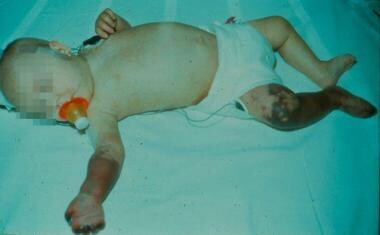
    • Skin: Vascular purpura, subcutaneous nodules, livedo reticularis, distal gangrene, and ischemic atrophy are symptoms of PAN.
    • Musculoskeletal: One half of patients with PAN have myalgia. The arthritis is an asymmetric, episodic, nondeforming polyarthritis, which predominantly affects the larger joints, especially in the lower extremities, early in the course of disease in 20% of patients. Later in the course of illness, a larger percentage of patients have a more involved polyarticular distribution.
    • Renal: Rapid renal failure as a consequence of multiple infarcts, renin dependent hypertension, nephritic syndrome, nephrotic syndrome, rapidly progressive glomerulonephritis (RPGN), and ureteral stenosis is a symptom of PAN. PAN seldom leads to renal failure. RPGN is more characteristic of MPA.
    • Gastrointestinal: GI symptoms of PAN are abdominal pain, digestive tract bleeding, bowel perforation, and malabsorption.
    • Cardiac and pulmonary: Cardiomegaly, pericarditis, coronary artery involvement leading to ischemia and infarction, pneumonopathy and infiltrates, and pleural effusions (PEs) are symptoms of PAN.
    • Reproductive: Orchitis is a symptom in males.
    • Ocular: Amblyopia and eye pain are symptoms of PAN.

Physical

  • General
    • Fever
    • Weight loss
  • Organ specific
    • Nervous system (as many as 26% of individuals with PAN, though this may represent referral patterns unique to the Hospital for Sick Children in the United Kingdom): Peripheral disease (mononeuritis multiplex, cranial nerve palsy, distal sensorimotor polyneuropathy) has been noted early in 50-70% of patients as a direct result of occlusion to the vasa vasorum. Central disease occurs late and includes motor deficits, strokes, brain hemorrhages, and diffuse encephalopathy.
    • Skin manifestations (occur in approximately 40% of individuals with PAN): Vascular purpura typically is papulopetechial but sometimes may be bullous or vesicular. Infiltration (induration) is not common; however, if present, infiltration is the ideal site for biopsy. Present in 15% of patients with PAN, subcutaneous nodules are transient and should undergo biopsy as soon as observed. Livedo reticularis is common. Distal gangrene may be observed as the consequence of ischemia.
    • Musculoskeletal: One half of patients complain of arthralgia or myalgia. In blind muscle biopsies, 30-50% reveal arteritis.
    • Renal (most frequently affected, 63% of individuals with PAN and/or MPA): In persons with classic PAN, vascular nephropathy is a common manifestation. Renal failure can occur because of multiple infarcts. RPGN is more characteristic of MPA. Hypertension develops from renal artery involvement. Ureteral involvement, which can be unilateral or bilateral, occurs because of periureteral vasculitis and secondary fibrosis. Intrarenal, perirenal, or retroperitoneal hemorrhage and/or hematoma result from the rupture of microaneurysms (less frequent in persons with MPA).
    • GI involvement (reported in 15% of individuals with PAN; however, involvement at autopsy found in 50% of patients): Abdominal pain can be the first symptom of GI vasculitis. Ischemia most often is in the small intestine; rarely is ischemia found in the colon or stomach. Digestive tract bleeding and bowel perforation can occur. PAN may present as malabsorption, pancreatitis, or vasculitis of the appendix or gall bladder. Liver involvement, such as infarction and hematoma, can exist in the absence of HB virus (HBV) infection. Poor prognostic indicators include relapse after surgery or medical treatment, malabsorption, and pancreatitis.
    • Cardiac (26% of individuals with PAN) and pulmonary (21% of individuals with PAN) involvement: Cardiomegaly, systolic dysfunction, tricuspid and mitral valve regurgitation, pericarditis, coronary artery involvement leading to ischemia and infarction, pneumonopathy and infiltrates, and PEs are signs of PAN. Congestive heart failure (CHF) may be present as an indication of coronary arteritis and hypertension. As many as 62% of individuals with PAN have been reported to have coronary artery involvement leading to ischemia and infarction. Cardiac abnormalities are present in 90% of such persons at autopsy.
    • Ocular manifestations: Retinal vasculitis, retinal detachment, and cotton wool spots (cytoid bodies) are signs of PAN.
    • Orchitis: Testicular biopsy reveals vasculitis in 25% of persons with PAN.
    • Clinical characteristics of HBV-related PAN: Malignant hypertension, renal infarction, and orchiepididymitis more often were associated with HBV infection.
  • Limited forms of PAN
    • Skin: Cutaneous PAN manifestations are well known. Lower extremities are involved most frequently with palpable purpura, painful nodes surrounded by livedo reticularis, and necrotic lesions. Histologic lesions are identical to those observed in persons with systemic PAN. The outcome is favorable, relapses are frequent, and systemic PAN may develop.
    • Other organs: Organs such as appendix, gallbladder, uterus, testes, and peripheral nervous system can be involved without systemic involvement.

Causes

  • Unknown in most cases
  • HBV
  • HC virus
  • HIV
  • Cytomegalovirus
  • Parvovirus B19
  • Human T-lymphotrophic virus
  • Streptococcus species infection


Anti-GBM Antibody Disease
Antiphospholipid Antibody Syndrome
Coronary Artery Anomalies
Cytomegalovirus Infection
Endocarditis, Bacterial
Endocarditis, Fungal
Goodpasture Syndrome
Hepatitis B
Hepatitis C
Infantile Polyarteritis Nodosa
Kawasaki Disease
Mixed Connective Tissue Disease
Sarcoidosis
Sjogren Syndrome
Systemic Lupus Erythematosus
Thrombasthenia
Thromboembolism
Vasculitis and Thrombophlebitis

Other Problems to be Considered

Churg-Strauss syndrome
Henoch-Schönlein purpura
Hypersensitive angitis
Dermatomyositis
Arteritis associated with familial Mediterranean fever
Cogan syndrome
Essential mixed cryoglobulinemia
Rheumatoid arthritis
Microscopic polyangiitis
Cholesterol embolization
Left atrial myxoma
Malignancy
Hairy cell leukemia
Amyloidosis
Amphetamine drug abuse
Sepsis


Lab Studies

  • Nonspecific inflammatory changes commonly observed in individuals with polyarteritis nodosa (PAN)
    • CBC may reveal normochromic anemia, polymorphonuclear leucocytosis, and thrombocytosis. Although it occurs in PAN, eosinophilia greater than 1.5 X 10⁹/L commonly accompanies pulmonary involvement in persons with MPA (14%), predominantly in Churg-Strauss syndrome (allergic angiitis and granulomatosis).
    • Erythrocyte sedimentation rate (ESR) is elevated (usually >60 mm/h) and follows disease activity.
    • C-reactive protein is increased.
    • Antivisceral epithelial cell antibody may be present.
    • Serum albumin (a reverse acute-phase reactant) may be decreased.
  • Organ involvement
    • Creatinine
    • Urinalysis
    • 24-hour urine collection: Increased protein loss is more characteristic of MPA than classic PAN.
    • Creatine phosphokinase
  • Etiology and pathogenesis
    • Antineutrophil cytoplasmic antibodies: Approximately 20% of patients with classic PAN are positive for P-ANCA. In patients with MPA, 40% are positive for C-ANCA (antiproteinase 3), 50% are positive for P-ANCA (antimyeloperoxidase), and 10% are negative for ANCA. This is compared with persons with Wegener granulomatosis, in which 75% are positive for C-ANCA, 20% are positive for P-ANCA, and 5% are negative for ANCA.
    • HB antigen, immunoglobulin M anti–HB core, anti–HC virus: HB surface antigen is present in 10-45% of patients with PAN, but results are mostly negative in persons with MPA.
    • Blood cultures
    • Antinuclear antibody: Antinuclear antibody is present in low titer in individuals with PAN (as many as one third of individuals with MPA).
    • Cryoglobulins: These are associated with rheumatoid factor and hypocomplementemia.
    • Serum complement: C3 and/or C4 levels are depressed in 25% of patients with PAN but may be elevated or within reference range in patients with MPA.
    • Rheumatoid factor: Rheumatoid factor is usually present in low titer in individuals with PAN but may occur in 40-50% of patients with MPA.
    • Antiphospholipid antibodies
    • Antiglomerular basement antibodies (differential for Goodpasture syndrome)
    • Angiotensin converting enzyme (differential for sarcoidosis)
    • Low titer circulating immune complexes
    • Increased platelet activating factor levels
    • Increased factor VIII-related antigen (von Willebrand factor antigen)

Imaging Studies

  • Chest radiography reveals interstitial infiltrates in patients with hypoxemia and respiratory distress.
  • Sinus radiography may be obtained to exclude a granulomatous vasculitis such as Wegener granulomatosis.
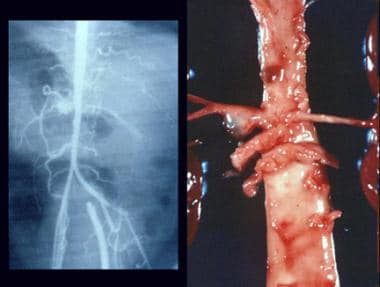
  • Consider arteriography when involved organs are not accessible. Angiographic abnormalities include the following:
    • Long segments of smooth arterial stenosis alternating with areas of normal or dilated arteries (fusiform or saccular aneurysm)
    • Smooth tapered occlusions
    • Thrombosis
    • Absence or nondominance of arterial plaques, irregularities, and ulcerations
    • Multiple intraparenchymal microaneurysms: These are considered pathognomonic. In patients with clinical PAN, 60% have aneurysms, and, in most cases, more than 10 aneurysms per patient are present.
  • Doppler studies reveal arterial narrowing and dilatations.

Other Tests

  • Electrocardiogram
  • Electromyography and/or nerve conduction studies

Procedures

  • A single biopsy procedure followed by angiography is calculated to have 85% sensitivity and 96% specificity.

Histologic Findings

Histopathologic examination demonstrates transmural inflammation of the arterial wall with a heavy infiltrate of polymorphs, eosinophils, and mononuclear cells. This inflammation frequently is accompanied by fibrinoid necrosis of the inner half of the vessel wall. Thrombus can be observed (see Images 2-4). The lesion can be segmental with normal arterial walls between diseased areas with a predilection for bifurcations. The acute inflammatory infiltrate disappears at a later stage and is replaced by fibrous thickening of the vessel wall. Later, only marked fibrotic thickening is noted. All stages of activity in different vessels or within the same vessel at a particular time are characteristic findings in PAN.


Medical Care

Steroids and immunosuppressive medications form the backbone of therapy. Choice of agents depends on severity of the disease. Severity and outcome of polyarteritis nodosa (PAN) has been demonstrated to be dependent on the following 5 factors, known as the 5-factor score (FFS):

  1. Proteinuria greater than1 g/d
  2. Renal insufficiency (creatinine >140 µmol/L)
  3. Cardiomyopathy
  4. GI manifestations
  5. CNS involvement

Although the idea that treatment should be chosen as a function of such criteria has not been demonstrated, these criteria probably should be considered in the therapeutic strategy. Patients without poor prognostic factors can be treated with prednisone alone. Cyclophosphamide can be administered as a second-line medication in the presence of persistent disease activity or relapse despite steroid therapy.

  • Steroids: When no bad prognostic factors are present (ie, FFS =0), prednisone can be administered as a single agent. As the patient's clinical status improves and the ESR returns to normal (usually within 1 mo), tapering of the prednisone dosage can begin. The schedule for tapering should be progressive. In the absence of relapses, steroids can be stopped after 9-12 months. For severe systemic disease, starting "pulse" methylprednisolone as 30 mg/kg (not to exceed 1 g) IV over 60 minutes repeated in 24-hour intervals for 1-3 days is prudent.
  • Cyclophosphamide is indicated for patients with poor prognostic factors (FFS >0).
    • Daily oral dosing remains the established therapy.
    • Intravenous route may provide a more rapid clinical response with less toxicity than the oral route. To date, studies of comparative efficacy have included too few patients to be conclusive in favor of either route.
    • If the initial therapy is with intravenous cyclophosphamide, initiate oral cyclophosphamide if intravenous pulse cyclophosphamide fails to control disease activity or in case of relapse within the first 6 months of treatment.
    • Intravenous pulse cyclophosphamide increasingly is being used to treat systemic vasculitis. Use intense hydration and mesna to prevent hemorrhagic cystitis during both oral and pulse cyclophosphamide.
    • Treatment duration with corticosteroids and cyclophosphamide usually does not exceed 1 year.
  • Plasma exchange is not recommended as a first-line therapy for individuals with PAN without HBV infection; however, plasma exchange is useful as a second-line treatment in PAN refractory to conventional therapy.
  • Considering the high frequency of renal involvement, consider all patients with MPA to have poor prognostic factors, and treat such patients with high-dose steroids and cyclophosphamide.
    • Cyclophosphamide pulse has been demonstrated as superior to azathioprine in inducing remission. Once remission is induced, azathioprine can be used for maintenance.
    • Plasma exchanges are useful for patients with renal failure (creatinine >500 µmol/L), patients dependent on dialysis, or patients with lung hemorrhage.
    • In patients with symptoms refractory to these treatments, intravenous immunoglobulin can be considered.
  • PAN with HB infection: In individuals with chronic HB infection, corticosteroids and immunosuppressive agents had deleterious effects and were demonstrated to enhance viral replication. Thus, combination therapy involving antiviral drugs and steroids is used in patients with HB infection.
    • Corticosteroids are used initially to rapidly control the most severe life-threatening manifestations of PAN, which are common during the first weeks of the disease; then, plasma exchanges are used to control the course of PAN.
    • Antiviral drugs used include vidarabine or interferon alpha-2b. In most patients, antiviral treatment can be stopped after 3 months.

Surgical Care

  • Surgery is necessary during diagnostic evaluation to perform biopsies.
  • Surgery is required therapeutically in patients with peripheral gangrene and acute abdomen.

Consultations

  • Consult with a nephrologist in the presence of renal involvement.
  • Consult with a surgeon for severe GI bleeding, bowel perforation, and vascular catastrophes.
  • Consult with a cardiologist for cardiac involvement in the form of atrioventricular block, pericarditis, and myocarditis.
  • Consult with a rheumatologist for short-term and long-term follow-up care.

Diet

No restriction is necessary except as indicated for patients with hypertension, cardiac failure, and renal failure. Low sodium intake is recommended during courses of high-dose steroids.

Activity

Activity is unrestricted, except in patients with joint and cardiac involvement, for whom appropriate activity restrictions apply.


Steroids and immunosuppressive drugs have been demonstrated to improve the survival rate. The 5-year survival rate improved from 10% to 55% with steroids as a monotherapy. Steroids can induce complete remission in many patients, but insidious progression to end-organ damage may result when activity is suppressed only partly. When cyclophosphamide was added to prednisone, the survival rate increased to 82%.

Drug Category: Glucocorticoids

These agents elicit anti-inflammatory properties and cause profound and varied metabolic effects. They modify the body's immune response to diverse stimuli.

Drug NamePrednisone (Deltasone, Orasone, Sterapred)
DescriptionMost commonly prescribed oral corticosteroid. Metabolized in liver to its active form, prednisolone. Relative to hydrocortisone, prednisone is approximately 4 times as potent as a glucocorticoid. Glucocorticoids are naturally occurring hormones that prevent or suppress inflammation and immune responses when administered at pharmacologic doses (decreased lymphocyte volume and activity, decreased PMN migration, decrease or reversal of capillary permeability). High doses, especially over periods >2-3 wk, suppress adrenal function.
Adult Dose1 mg/kg PO every am or in divided doses, not to exceed 80 mg/d; reduce weekly to 10 mg/d by 6 mo
Pediatric Dose1 mg/kg PO every am or in divided doses; preferable to start with high dose and taper as clinical condition improves and as ESR decreases
ContraindicationsDocumented hypersensitivity; serious infection except septic shock or tuberculous meningitis but including systemic fungal infection and varicella
InteractionsCoadministration with estrogens may decrease prednisone clearance; concurrent use with digoxin may cause digitalis toxicity secondary to hypokalemia; phenobarbital, phenytoin, and rifampin may increase metabolism of glucocorticoids (consider increasing maintenance dose); monitor for hypokalemia with coadministration of other drugs causing hypokalemia (eg, diuretics, amphotericin, anticoagulants, antidiabetic agents, cholinesterase inhibitors, neuromuscular blockers, NSAIDs, vaccines thyroid agents)
PregnancyC - Safety for use during pregnancy has not been established.
PrecautionsCarefully monitor patients on corticosteroids for infection and carefully evaluate in setting of fever with no obvious source; monitor patients for diabetes, osteoporosis, osteonecrosis, hypertension, glaucoma, cataract, altered mood, and gastritis; evaluate patients for occult infection, including TB and HIV, prior to starting corticosteroids; discontinuing suddenly in patients on long-term steroids, even in face of active infection; infection can cause disease flare, and sudden discontinuation of steroids may cause Addisonian crisis; carefully consider use of steroids in setting of active infection and discuss with physicians who have experience with this difficult clinical situation; consider alternate types of immunosuppression in patients who develop diabetes while on corticosteroids and taper steroids carefully; in interim, use of insulin may be required

Drug NameMethylprednisolone (Solumedrol)
DescriptionInitial management of PAN should include high doses of corticosteroids. Has been used widely as first-line agent in patients with severe PAN. Half-life is approximately 2 h, which contributes to decreased short-term and long-term adverse effects and complications. May be used at weekly or every-other-week intervals to facilitate rapid taper of daily oral steroids.
Adult Dose15-30 mg/kg IV over 60 min, not to exceed 1000 mg, repeated at 24-h intervals for 1-3 d
Pediatric DoseAdminister as in adults
ContraindicationsDocumented hypersensitivity; serious infection except septic shock or tuberculous meningitis but including systemic fungal infection and varicella
InteractionsCoadministration with estrogens may decrease prednisone clearance; concurrent use with digoxin may cause digitalis toxicity secondary to hypokalemia; phenobarbital, phenytoin, and rifampin may increase metabolism of glucocorticoids (consider increasing maintenance dose); monitor for hypokalemia with coadministration of diuretics; amphotericin, anticoagulants, antidiabetic agents, cholinesterase inhibitors, neuromuscular blockers, NSAIDs, vaccines, thyroid agents
PregnancyC - Safety for use during pregnancy has not been established.
PrecautionsAbdominal pain; acne vulgaris; amenorrhea; angioedema; anorexia; anxiety; appetite stimulation; avascular necrosis; bone fractures; depression; ecchymosis; emotional lability; euphoria; exophthalmos; fluid retention; growth inhibition; hirsutism; hypercholesterolemia; hyperglycemia; hypokalemia; immunosuppression; impaired wound healing; increased intracranial pressure; myopathy; striae; diverticulitis; hepatic disease; hypothyroidism; measles; myasthenia gravis; thromboembolic disease; vaccination; varicella
Monitor patients for infection and evaluate fever with no obvious source; monitor patients for diabetes, osteoporosis, osteonecrosis, hypertension, glaucoma, cataract, altered mood, and gastritis; evaluate patients for occult infection, including TB and HIV, prior to starting corticosteroids; discontinuing suddenly in patients on long-term steroids even in face of active infection; infection can cause disease flare; sudden discontinuation of steroids may cause Addisonian crisis; carefully consider use of steroids in setting of active infection and discuss with physicians who have experience with this difficult clinical situation; consider alternate types of immunosuppression in patients who develop diabetes while on corticosteroids and taper steroids carefully; in interim, use of insulin may be required

Drug Category: Immunosuppressive agents

Patients with immune dysregulation and autoimmunity often benefit from immunosuppression.

Drug NameCyclophosphamide (Cytoxan, Neosar)
DescriptionCell cycle phase nonspecific antineoplastic agent and immunosuppressant. Prodrug that requires activation by cytochrome P-450 system to be cytotoxic.
Chemically related to nitrogen mustards. As alkylating agent, mechanism of action of active metabolites may involve cross-linking of DNA and possible protein modification, which may interfere with growth of normal and neoplastic cells.
When cyclophosphamide is indicated for a FFS>0, consider pulse therapy over daily PO therapy because of rapid clinical response. Even though it increases acute adverse effects, fearsome long-term complications (eg, bladder cancer) are lesser issues. Low incidence of bladder cancer in pulse therapy has been linked to lower cumulative dose. Adjust dose and frequency to disease severity, renal function, hematologic profile, and response to previous therapies.
Adult Dose1-2 mg/kg/d PO, not to exceed 150 mg
>60 years: Lower dose by 25 mg
Can be administered as long as absolute lymphocytes are at least 300-500 and absolute neutrophil count is at least 1500-2000
IV pulse administration:
Initial doses: 0.5-2.5 g IV at intervals of 1 wk to 1 mo; therapy may be continued, not to exceed 3 mo, for purpose of maintenance therapy
Protocol of French Cooperative study group for PAN: Pulse dose: 0.6 g/m2 every mo for 1 y
Pediatric DoseAdminister as in adults
ContraindicationsDocumented hypersensitivity; severely depressed bone marrow function; breastfeeding; chickenpox; hemorrhagic cystitis; herpes infection; pregnancy; vaccination
InteractionsAllopurinol may increase risk of bleeding or infection and enhance myelosuppressive effects; may potentiate doxorubicin-induced cardiotoxicity; may reduce digoxin serum levels and antimicrobial effects of quinolones
Chloramphenicol may increase half-life while decreasing metabolite concentrations; may increase effect of anticoagulants; coadministration with high doses of phenobarbital may increase rate of metabolism and leukopenic activity; thiazide diuretics may prolong cyclophosphamide-induced leukopenia and neuromuscular blockade by inhibiting cholinesterase activity
Antithymocyte globulin; chloral hydrate; cimetidine; cocaine; corticosteroids; phenytoin; platelet inhibitors; salicylates; uricosuric agents; vaccines
PregnancyD - Unsafe in pregnancy
PrecautionsRegularly examine hematologic profile (particularly neutrophils and platelets) to monitor for hematopoietic suppression; regularly examine urine for RBCs, which may precede hemorrhagic cystitis; monitor closely for infection
Abdominal pain; alopecia; anemia; anorexia; asthenia; bladder carcinoma; gonadal suppression; hemorrhagic cystitis; leukopenia; nausea and/or vomiting; teratogenesis; thrombocytopenia

Drug NameAzathioprine (Imuran)
DescriptionOral and parenteral immunosuppressive agent that is chemical analog of endogenous purines (adenine, guanine, hypoxanthine) and is metabolized to 6-mercatopurine. Antagonizes purine metabolism and may inhibit synthesis of proteins, RNA, and DNA. May interfere with mitosis and cellular division.
Adult Dose1-2.5 mg/kg/d PO
Pediatric Dose1-3 mg/kg/d PO
ContraindicationsDocumented hypersensitivity; bone marrow suppression; breastfeeding; hepatic disease; infection; pregnancy; renal impairment
InteractionsToxicity increases with allopurinol; concurrent use with ACE inhibitors may induce severe leukopenia; may increase levels of methotrexate metabolites and decrease effects of anticoagulants, neuromuscular blockers, and cyclosporine; antineoplastic agents; carbamazepine; clozapine; immunosuppressives; vaccines
PregnancyD - Unsafe in pregnancy
PrecautionsAbdominal pain; alopecia; anemia; fever; infection; interstitial nephritis; leukopenia; malaise; myalgia; nausea and/or vomiting; stomatitis; thrombocytopenia Carefully monitor for renal toxicity and hepatotoxicity; use care in patients with liver or renal disease; decrease dose by 25-33% in patients receiving allopurinol and azathioprine

Drug Category: Antibiotics

Empiric antimicrobial therapy must be comprehensive and should cover all likely pathogens in clinical setting. Antibiotic selection should be guided by blood culture sensitivity whenever feasible.

Drug NameSulfamethoxazole and trimethoprim (Bactrim, Septra)
DescriptionDOC for prophylaxis of Pneumocystis carinii. Inhibits bacterial growth by inhibiting synthesis of dihydrofolic acid.
Adult Dose160 mg (based on trimethoprim component [ie, 1 double-strength tab]) PO bid administered 3 times/wk
Pediatric DoseDose based on trimethoprim component; 5-10 mg/kg/d or 150 mg/m2/d PO divided bid administered 3 times/wk, not to exceed 320 mg/d trimethoprim
ContraindicationsDocumented hypersensitivity; porphyria; megaloblastic anemia due to folate deficiency; infants <2 mo
InteractionsMay decrease clearance of warfarin or phenytoin; may displace methotrexate from protein binding sites, resulting in increased levels
PregnancyC - Safety for use during pregnancy has not been established.
PrecautionsDo not use during last trimester of pregnancy due to potential toxicity to newborn (eg, jaundice, hemolytic anemia, kernicterus); caution in G-6-PD deficiency (may cause hemolysis) and impaired renal or hepatic function; adjust dose in patients with renal impairment; discontinue at first appearance of skin rash or sign of adverse reaction; obtain CBCs frequently; discontinue therapy if significant hematologic changes occur; goiter, diuresis, and hypoglycemia may occur with sulfonamides


Further Inpatient Care

  • Because of maximal immunosuppression at the beginning of treatment, prevention of opportunistic infections, such as P carinii infection, may be necessary with oral trimethoprim-sulfamethoxazole.
  • ACE inhibitors can be used to control hypertension.
  • Unexplained abdominal pain may indicate silent bowel infarction.

Further Outpatient Care

  • Look for evidence of relapse by both physical examination and laboratory means.
  • Look for adverse effects of drugs.
  • Advise patients to avoid exposure to contagious disease.
  • Prevent opportunistic infections that may emerge during therapy.

In/Out Patient Meds

  • Continue or taper the steroids and immunosuppressive drugs according to the response.
  • Consider therapy to inhibit platelet aggregation.

Transfer

  • Transfer to a tertiary care center for patients who require renal replacement therapy.
  • Transfer to an emergency department if patients present with any of the following:
    • Respiratory distress
    • Acute abdomen
    • Disseminated infections
    • Acute CNS insults such as stroke or intracranial hemorrhages

Deterrence/Prevention

  • Avoid abrupt cessation of drugs, especially steroids.
  • Avoid exposure to contagious diseases.

Complications

  • Central nervous system
    • Multiple mononeuropathies
    • Strokes
    • Brain hemorrhages
  • Skin
    • Ischemia
    • Gangrene
    • Ulcers
  • Kidney
    • Renal failure
    • Hypertension
    • Renal or perirenal hematomas
    • Ureteral stenosis
  • Gastrointestinal
    • Digestive tract bleeding
    • Bowel perforation
    • Malabsorption
    • Pancreatitis
    • Appendicitis
    • Cholecystitis
    • Liver infarction and hematomas
  • Cardiac and pulmonary
    • CHF
    • Atrioventricular block
    • Hypertension
    • PE and pneumonopathy
  • Miscellaneous
    • Retinal detachment
    • Orchitis

Prognosis

  • Prognosis for individuals with polyarteritis nodosa (PAN) varies, and the mortality rate can be as high as 20-30% despite aggressive therapy.
  • The most frequent causes of death in individuals with PAN are GI hemorrhage and perforation, CHF, and infection.
  • Even with histologic evidence of effective control of inflammation, occlusion can result from fibrosis.
  • The 1-year survival rate for individuals with PAN who tested positively for HB surface antigen was 70%; the rate for individuals with PAN without infection was 85.


Medical/Legal Pitfalls

  • To avoid delay in diagnosis, consider vasculitis when a patient presents with multisystem involvement with persistent nonspecific signs and symptoms.
  • Instruct patients about the dangers of exposure to contagious diseases and adverse effects of the medications.


Media file 1:  Differential diagnosis of polyarteritis nodosa (PAN) and microscopic polyangiitis (MPA).
Click to see larger pictureClick to see detailView Full Size Image
Media type:  Graph

Media file 2:  Histopathology of kidney of individual with polyarteritis nodosa demonstrating transmural inflammation of the arterial wall with a heavy infiltrate of polymorphs, eosinophils, and mononuclear cells and fibrinoid necrosis of inner half of vessel wall.
Click to see larger pictureClick to see detailView Full Size Image
Media type:  Photo

Media file 3:  Histopathology of lung of individual with polyarteritis nodosa demonstrating arterial wall with a heavy infiltrate of polymorphs, eosinophils, and mononuclear cells and fibrinoid necrosis of vessel wall.
Click to see larger pictureClick to see detailView Full Size Image
Media type:  Photo

Media file 4:  Histopathology of kidney of individual with polyarteritis nodosa demonstrating transmural inflammation of the arterial wall with a heavy infiltrate of polymorphs, eosinophils, and mononuclear cells; fibrinoid necrosis of inner half of vessel wall; and thrombus.
Click to see larger pictureClick to see detailView Full Size Image
Media type:  Photo


  • Athreya BH. Vasculitis in children. Curr Opin Rheumatol. Sep 1996;8(5):477-84. [Medline].
  • Ball GV, Gay RM. Vasculitis. In: Koopman's Textbook of Arthritis and Allied Health Conditions. 14th ed., Lippincott, Williams, & Wilkins, Philadelphia. 2001:1655-95.
  • Conn DL. Polyarteritis. Rheum Dis Clin North Am. May 1990;16(2):341-62. [Medline].
  • Cuttica RJ. Vasculitis in children: a diagnostic challenge. Curr Probl Pediatr. Sep 1997;27(8):309-18. [Medline].
  • Dillon MJ. Childhood vasculitis. Lupus. 1998;7(4):259-65. [Medline].
  • Dillon MJ, Ansell BM. Vasculitis in children and adolescents. Rheum Dis Clin North Am. Nov 1995;21(4):1115-36. [Medline].
  • Gross WL. Antineutrophil cytoplasmic autoantibody testing in vasculitides. Rheum Dis Clin North Am. Nov 1995;21(4):987-1011. [Medline].
  • Guillevin L, Lhote F. Treatment of polyarteritis nodosa and microscopic polyangiitis. Arthritis Rheum. Dec 1998;41(12):2100-5. [Medline].
  • Guillevin L, Lhote F. Treatment of systemic vasculitides. Adv Nephrol Necker Hosp. 1999;29:35-52. [Medline].
  • Jennette JC, Falk RJ, Andrassy K, et al. Nomenclature of systemic vasculitides. Proposal of an international consensus conference. Arthritis Rheum. Feb 1994;37(2):187-92. [Medline].
  • Kikuchi K, Hoashi T, Kanazawa S, Tamaki K. Angiogenic cytokines in serum and cutaneous lesions of patients with polyarteritis nodosa. J Am Acad Dermatol. Jul 2005;53 (1):57-61. [Medline].
  • Langford CA. Treatment of polyarteritis nodosa, microscopic polyangiitis, and Churg- Strauss syndrome: where do we stand?. Arthritis Rheum. Mar 2001;44(3):508-12. [Medline].
  • Lhote F, Cohen P, Guillevin L. Polyarteritis nodosa, microscopic polyangiitis and Churg-Strauss syndrome. Lupus. 1998;7(4):238-58. [Medline].
  • Lie JT. Nomenclature and classification of vasculitis: plus ca change, plus c''est la meme chose. Arthritis Rheum. Feb 1994;37(2):181-6. [Medline].
  • Lightfoot RW Jr, Michel BA, Bloch DA, et al. The American College of Rheumatology 1990 criteria for the classification of polyarteritis nodosa. Arthritis Rheum. Aug 1990;33(8):1088-93. [Medline].
  • Ozen S, Anton J, Arisov N, et al. Juvenile Polyarteritis: results of a multicenter survey of 110 children. J Pediatr. Oct 2004;145 (4):517-22. [Medline].
  • Savage CO, Harper L, Adu D. Primary systemic vasculitis. Lancet. Feb 22 1997;349(9051):553-8. [Medline].

Polyarteritis Nodosa excerpt

Article Last Updated: Jun 14, 2006