Continually Updated Clinical Reference
 
 
  All Sources     eMedicine     Medscape     Drug Reference     MEDLINE
 
eMedicine - Q Fever : Article by

Quick Find
Authors & Editors
Introduction
Clinical
Differentials
Workup
Treatment
Medication
Follow-up
Miscellaneous
References

Related Articles
Chlamydial Infections

Ehrlichiosis

Endocarditis, Bacterial

Hepatitis B

Hepatitis C

Legionella Infection

Lyme Disease

Meningitis, Aseptic

Myocarditis, Nonviral

Pericarditis, Bacterial

Pneumonia

Rickettsial Infection

Rocky Mountain Spotted Fever

Tularemia


Patient Education
Bites and Stings Center

Ticks Overview

Ticks Symptoms

Ticks Treatment


Author: Alexandre F Migala, DO, Staff Physician, Department of Emergency Medicine, Denton Regional Medical Center

Alexandre F Migala is a member of the following medical societies: American Academy of Emergency Medicine, American College of Emergency Physicians, American Osteopathic Association, Association of Military Osteopathic Physicians and Surgeons, and Texas Medical Association

Coauthor(s): Leah Neumann, LP, Licensed Paramedic, Williamson County Emergency Serves, Georgetown, Texas

Editors: José Rafael Romero, MD, Director of Pediatric Infectious Diseases Fellowship Program, Associate Professor, Department of Pediatrics, Combined Division of Pediatric Infectious Diseases, Creighton University/University of Nebraska Medical Center; Mary L Windle, PharmD, Adjunct Assistant Professor, University of Nebraska Medical Center College of Pharmacy, Pharmacy Editor, eMedicine.com, Inc; Leslie L Barton, MD, Professor, Program Director, Department of Pediatrics, University of Arizona School of Medicine; Robert W Tolan Jr, MD, Chief of Allergy, Immunology and Infectious Diseases, The Children's Hospital at Saint Peter's University Hospital; Clinical Associate Professor of Pediatrics, Drexel University College of Medicine; Russell W Steele, MD, Professor and Vice Chairman, Department of Pediatrics, Head, Division of Infectious Diseases, Louisiana State University Health Sciences Center

Author and Editor Disclosure

Synonyms and related keywords: Q fever, Rickettsia, Coxiella burnetii, C burnetii, Rickettsiaceae, Q fever endocarditis, hepatitis, pneumonia, acute Q fever, myocarditis, pericarditis, chronic Q fever, osteomyelitis, septic arthritis, hepatomegaly, jaundice

Background

In 1937, Derrick first described Q fever after investigating a 1935 outbreak of a febrile illness among abattoir workers in Brisbane, Australia. The illness was named Q (for query) fever because the etiology of the new malady was so elusive. Burnet and Freeman isolated the organism from blood samples and identified it as a Rickettsia species in 1937. Although primarily disseminated as an aerosol via inhalation or ingestion, Cox and Davis identified vector transmission when the organism was isolated from ticks at Nine Mile Creek in Montana in 1938. As a result of this discovery, the causative organism subsequently became known as Coxiella burnetii.

Pathophysiology

Q fever is a ubiquitous zoonotic disease caused by C burnetii, with protean clinical manifestations not yet fully understood. C burnetii has a worldwide distribution from its reservoirs, which include mammals, birds, and ticks. The development of Q fever is strongly related to exposure to farm animals (primarily cattle, sheep, and goats) and particularly parturient animals (including cats and rabbits). In one reported case, an obstetrician developed symptoms of Q fever one week after delivering a child to a woman who had Q fever. A characteristic of infection with C burnetii is that only humans regularly express the disease.

C burnetii is a strict, intracellular, pleomorphic, gram-negative organism with an incubation period of 9-40 days; the average incubation period is 20 days. Q fever is primarily transmitted by (1) aerosolization from newborn animals, their placentas, and contaminated hides and fur; (2) ingestion of raw milk and goat cheese; (3) transfusions of blood products; (4) mother to offspring (ie, vertical) transmission; and (5) tick bites. A characteristic of infection with C burnetii is that only humans regularly express the disease.

Originally classified as a Rickettsiaceae because of its obligatory intracellular growth requirements, C burnetti has subsequently been reclassified. After DNA-DNA hybridization studies and genome sequencing identified that the organism more closely resembles the class Gamma Proteobacteria of the phylum Proteobacteria, C burnetti now sits as a monotypic species most closely related to the order Legionellales.

C burnetii possess a sporelike form that resists heat and dessiccation, permitting its persistence for months or years in harsh environments. Because of the characteristics of this small (0.2 x 0.7 microns) sporelike form, in addition to its high infectivity, as few as 1-10 organisms can cause infection. This feature promoted its development as an agent for biologic warfare. C burnetii has been mass produced and weaponized. It is classified as a category B agent because it lacks the capacity to cause mass fatalities while causing notable debilitation. The potential effect of an intentional release of 50 kg of C burnetii along a 2-km line upwind of a population of 500,000 is an estimated 150 deaths, 125,000 cases of acute illness, and 9000 cases of chronic illness.

Marrie explains that C burnetii can exist in different morphological forms.1 The small cell variant (SCV), which is similar to a sporelike structure, provides the ability to endure extreme environmental conditions, to persist on fomites for over a year, and to withstand disinfectants and extremes of temperature. The large cell variant (LCV) is able to persist within the acidified phagolysosomes of monocytes and macrophages. Marrie postulates that these create an impairment in the bacterial responses within the host, enabling the persistence of the illness in chronic cases.2

C burnetii
exists in 2 phases. The phase 1 form is virulent and has been isolated from naturally infected and laboratory-infected animals and humans. The phase 1 form is responsible for acute Q fever infections. The phase 2 form has been identified during transmission of C burnetii in immunoincompetent hosts, such as embryonated hen eggs or cell-culture systems.3 (Raoult, 2000). Variations between phase 1 and phase 2 appear to be correlated with changes in smooth or rough lipopolysaccharides.

During acute Q fever, immunoglobulin M (IgM) antibodies develop against phase 1 and phase 2 forms, whereas immunoglobulin G (IgG) antibodies develop only against the phase 2 form. In chronic Q fever, both IgG and immunoglobulin A (IgA) antibodies are formed against both phase 1 and phase 2 forms. The selective development of the antibodies against each of the 2 forms of C burnetii has become the basis for serologic testing for acute versus chronic Q fever.

C burnetii attaches to host macrophages by means of spectrin-binding proteins called ankyrin and is internalized into the cell, where it fuses with lysosomes to form phagolysosomes. The acidic environment of the phagolysosomes has little effect in defending the host against the invading organism, which multiplies and disseminates itself from this environment.

The immune response against C burnetii is both cell mediated and humeral, with cell-mediated immunity (CMI) appearing to be most important in fending off this organism. Individuals with certain conditions (eg, pregnancy, immunosuppression, heart-valve lesions, and vascular abnormalities) and impaired CMI are at increased risk for chronic Q fever.

Frequency

United States

Although C burnetii is present in the United States, the true incidence of Q fever is difficult to ascertain because it is not a reportable condition and because most American physicians either do not suspect the disease or lack serologic testing capabilities to make the diagnosis.

International

Q fever is present worldwide, except in New Zealand. The frequency ranges from 5% in urban areas to 30% in rural areas. The United Kingdom reports approximately 100 cases annually. Clinical presentations vary geographically as well, with pneumonia predominant in North America and hepatitis predominant in Europe. Q fever infection can frequently be asymptomatic or present as a flulike illness in its milder forms, resulting in an underrepresentation of the actual incidence.  Epidemiological serological testing of specimens from blood donors has discovered a higher incidence throughout Africa, ranging from 18-37%, whereas "at-risk" farmers in the United Kingdom demonstrated 29% seropositivity.

Mortality/Morbidity

  • Acute Q fever is generally a self-limited disease (in 38% of cases); more than one half of patients are asymptomatic, and only 2-4% require hospitalization. The mortality rate for symptomatic patients is less than 1%.
  • Chronic Q fever, which is practically synonymous with Q fever endocarditis, is more difficult to treat than acute Q fever. Mortality is almost universal if untreated, but the mortality rate is less than 10% with appropriate treatment.

Sex

Male individuals are affected more frequently than female individuals (ratio of 1.5-3.5:1). This difference is possibly attributable to increased occupational and recreational exposure (eg, on farms, in industry [abattoirs], in work as veterinarians, while hunting).

Age

Adults are affected more often than children; the average age of infected individuals is approximately 45-50 years. This age distribution may be because of increased exposure in industrial and farming activities.

  • During the largest outbreak in Switzerland, symptomatic Q fever was 5 times more likely to occur in those aged 15 years or older than those younger than 15 years, whereas a study in Greece indicated that the prevalence of clinical cases in children increased with age.4
  • Data from one study suggested an increasing incidence of hepatitis with young age and an increasing incidence of pneumonia with aging.


History

Q fever is a protean disease that lacks a distinct clinical presentation. Almost one half of patients are asymptomatic. Common presentations vary geographically. The primary factor leading to the identification of Q fever is a history of exposure, particularly occupational exposure, exposure to parturient animals, or tick bites.

  • Acute Q fever
    • General or systemic symptoms - Flulike syndrome, fever (abrupt onset, temperature up to 40°C), chills, headache (typically retrobulbar), and myalgias
    • Respiratory symptoms - Dry nonproductive cough, pleuritic chest pain, dyspnea, pneumonia (predominant in North America) (Crackles can be auscultated in 50% of cases.)
    • Cardiovascular symptoms - Dissociation between heart rate and temperature in one third of cases, potentially fatal myocarditis, pericarditis
    • GI symptoms - Nausea and vomiting, diarrhea (rare), hepatitis (predominant in Europe), abdominal pain (right upper quadrant)
    • Musculoskeletal symptoms - Myalgia (common), arthralgia (uncommon), osteomyelitis
    • Dermatologic symptoms - Maculopapular rash, diffuse punctiform pruritic rash, and rarely erythema nodosum
    • Neurologic symptoms - Headache (severe retrobulbar), meningismus (meningitis), encephalitis
  • Chronic Q fever
    • Chronic illness is defined as infection lasting longer than 6 months. Chronic Q fever occurs in approximately 1% of patients and classically manifests as endocarditis in patients with abnormal or prosthetic valves.
    • Endocarditis may cause fever, fatigue, rash, and/or dyspnea. Laboratory studies most commonly results in negative culture findings and seropositivity; culture positivity and seropositivity or culture negativity and seronegativity are relatively uncommon.
    • Vascular infections are chronic infections associated with a vascular aneurysm or prosthesis.
    • Osteoarticular infection may be characterized by septic arthritis, osteomyelitis, no associated host factors in children, and either immunocompromise or prosthetic joints in adults.
    • Chronic hepatitis is usually associated with endocarditis.

Physical

Specific physical findings may be absent in acute Q fever. When present, physical findings vary with the clinical presentation.

  • Acute Q fever
    • Hepatitis - Fever, malaise, abdominal pain (right upper quadrant), hepatomegaly, jaundice
    • Pneumonia - Fever, dry cough, pleuritic chest pain, dyspnea
    • Isolated fever (may be low grade but usually as high as 40°C)
    • Meningitis or encephalitis (rare, approximately 1%) - Severe headache, stiff neck, fever
  • Chronic Q fever - Endocarditis (vegetations, clubbing, embolization, rash, hepatosplenomegaly)

Causes

The causative organism for Q fever is C burnetii, a strict, intracellular, pleomorphic, gram-negative coccobacillus classified as a Legionellales species. The primary means of infection in Q fever are inhalation of aerosolized organisms during occupational exposure, exposure to parturient animals, and from tick bites. Current understanding of chronic Q fever indicates activation of a previously asymptomatic infection.

  • Highly infectious and extremely virulent organism, requiring a single organism to cause infection (phase 1 form)
  • Spore-forming organism, therefore highly resistant to inactivation
  • Primarily spread by aerosol, usually during parturient period when concentration of organism rises, but cases also identified in laboratory technicians
  • Spread by tick bites, usually to domesticated household and farm animals


Chlamydial Infections
Ehrlichiosis
Endocarditis, Bacterial
Hepatitis B
Hepatitis C
Legionella Infection
Lyme Disease
Meningitis, Aseptic
Myocarditis, Nonviral
Pericarditis, Bacterial
Pneumonia
Rickettsial Infection
Rocky Mountain Spotted Fever
Tularemia

Other Problems to be Considered

Pneumonia, viral
Pneumonia, mycoplasma
Granulomatous hepatitis
Osteoarticular infection
Tick-borne diseases, relapsing fever
Mediterranean fever
Arbovirus encephalitis


Lab Studies

  • Diagnosis relies on serologic analysis.
  • Findings in acute Q fever include the following:
    • WBC count is normal in 70-90% of patients and elevated in as many as 30%.
    • The platelet count reveals a transient thrombocytopenia (25%) followed by a reactive thrombocytosis during the convalescent period.
    • On liver function tests, transaminase levels are elevated 2-3 times the reference range in 70-85% of patients, but alkaline phosphatase elevations of 2-3 times the reference range are most consistently observed.
    • CSF evaluation reveals lymphocytosis with monocyte predominance, an elevated protein level, and a glucose level within the reference range. Gram stains are negative.
    • The erythrocyte sedimentation rate (ESR) is usually elevated (55 mm ± 30).
  • Findings in chronic Q fever include the following:
    • Serologic evaluation is the only means of diagnosis. Raoult recommends serologic testing 2 years following treatment in patients with valvulopathy after acute infection.5 A recent case report by Healy et al, recommended serial testing every 4 months for 2 years, with additional investigation in those with elevated phase 1 IgG titers greater than 800.6
    • Blood cultures are typically negative. Although possible, attempting to isolate the organism from blood is a dangerous practice. Cases of Q fever have developed in laboratory technicians.

Imaging Studies

  • Acute Q fever
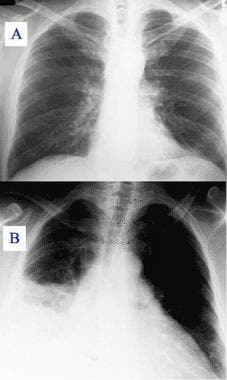
    • Findings on chest radiography may range from normal to multiple nonsystematized (without apparent pattern or distribution) opacities of both lungs, most consistent with an atypical pneumonia. The most common abnormalities on chest radiography are segmental or lobar opacities. Several rounded opacities are the hallmark of Q fever pneumonia, but they are uncommon. Pleural effusions are rare.
    • Sonography, primarily of the liver, frequently reveals granulomatous hepatitis, even in asymptomatic patients.
    • CT scanning is indicated to evaluate patients with neurologic symptoms.
    • Echocardiography is recommended to exclude underlying cardiac lesions. About 30-50% of patients with valvular lesions develop chronic endocarditis.
  • Chronic Q fever
    • ECG reveals valvular vegetation in fewer than 50% of patients. Other findings include valvular abscesses, valvular regurgitation, and prosthetic valve dehiscence.
    • Sonography, primarily of the liver, is indicated because chronic hepatomegaly is frequently associated with endocarditis.

Other Tests

Serologic studies to determine the presence of antibodies against C burnetii include the following:

  • Complement fixation test
    • Acute Q fever: The anti-IgG titer is at least 200, and anti-IgM titer level is at least 50.
    • Chronic Q fever: The anti-IgA titer for phase 1 is greater than 50, and anti-IgG titer for phase 1 is greater than 800.
  • Indirect immunofluorescent antibody (Study of choice)
    • Acute Q fever: IgM titers greater than 1:50 and IgG titers greater than 1:200 are considered diagnostic of acute infection. The anti-IgG titer for phase 2 is at least 1:16 during convalescence versus zero in the acute phase. A 4-fold increase may be observed in serum anti-IgG titers for phase 2 between the acute phase and the convalescent phase, and anti-IgM for phase 2 may be noted. Approximately 90% of individuals with have detectible antibodies by the third week.
    • Chronic Q fever: IgG titers greater than 1:1600 are usually present, although IgM may still be present. The anti-IgA titer for phase 1 is at least the phase 2 titer or the anti-IgG titer for phase 1 is as least the phase 2 titer.
  • Polymerase chain reaction
  • Enzyme-linked immunosorbent assay


Medical Care


  • Clinicians should maintain a sufficient level of suspicion about any patient with fever to exclude potentially life-threatening conditions and, thus, improve their diagnostic acumen.
  • Initiate appropriate antibiotic therapy. Although most cases of acute Q fever resolve spontaneously without sequelae, appropriate antimicrobial therapy diminishes risk of chronic Q fever.
  • Provide supportive care, including antipyretics, antitussives, and fluids.
  • As many as 60% of patients with Q fever are asymptomatic. The disease is self-limiting and spontaneously resolves within 2 weeks in 38% of the remaining patients.
  • Antibacterial therapy with a bactericidal agent for 18 months to life should eradicate any remaining C burnetii and prevent relapses in patients with endocarditis or vascular infection related to chronic Q fever.

Consultations

  • Consultation with an infectious diseases specialist is warranted, particularly in cases of suspected chronic Q fever.
  • Consult an internist for admission and management of patients who are immunocompromised, elderly, or who have endocarditis.
  • Consult a cardiologist or cardiothoracic surgeon for possible repair of valvular disease.

Diet

Patients should consider avoiding unpasteurized dairy products, particularly goat cheese.


Antimicrobial therapy is essential (though most cases of acute Q fever improve without intervention) to minimize risk of chronic Q fever. Prolonged antibiotic therapy is critical in managing chronic Q fever. Consultation with an infectious disease specialist is recommended to assist in the choice of antibiotics.

Drug Category: Antibiotics

Empiric antimicrobial therapy must be comprehensive and should cover all likely pathogens in the clinical setting.

Drug NameDoxycycline (Vibramycin, Doryx)
DescriptionInterferes with bacterial cell-wall synthesis during active multiplication, causing cell death with resultant bactericidal activity against susceptible bacteria.
Adult DoseAcute infection: 200 mg PO/IV immediately and 100 mg in 1 h, then 100 mg bid for 3 d; alternatively, 300 mg immediately and 300 mg in 1 h, followed by 100 mg PO/IV bid for 7 d
Chronic infection: Prolonged therapy for years; may be shortened to 18 mo with addition of hydroxychloroquine or rifampin
Pediatric Dose<8 years: Not recommended
>8 years: 2-5 mg/kg/d q12h; not to exceed 200 mg/d
ContraindicationsDocumented hypersensitivity; severe hepatic dysfunction
InteractionsAntacids containing aluminum, calcium, magnesium, iron, or bismuth subsalicylate may decrease doxycycline bioavailability; tetracycline may increase hypoprothrombinemic effects of anticoagulants; monitor prothrombin activity in patients concurrently taking both; coadministration of tetracycline may decrease pharmacologic effects of PO contraceptives, causing breakthrough bleeding and increased risk of pregnancy
PregnancyD - Fetal risk shown in humans; use only if benefits outweigh risk to fetus
PrecautionsConsult infectious disease specialist if considering use in children <8 y; avoid prolonged exposure to sunlight or tanning equipment because photosensitivity reaction may occur; use lower-than-usual doses in patients diagnosed with renal impairment; tetracycline use during tooth development (final half of pregnancy through 8 y) may cause permanent discoloration of teeth; never administer outdated tetracycline because degradation products of tetracycline are highly nephrotoxic and, on occasion, have produced a Fanconi-like syndrome

Drug NameTetracycline (Achromycin, Sumycin)
DescriptionTreats susceptible bacterial infections of both gram-positive and gram-negative organisms, as well as infections caused by species of Mycoplasma, Chlamydia, and Rickettsia species; inhibits bacterial protein synthesis by binding with 30S and possibly 50S ribosomal subunits of susceptible bacteria.
Adult Dose250-500 mg PO q6h
Mild-to-moderate infections: 500 mg PO bid or 250 mg PO qid for 7-14 d
Severe infections: 500 mg PO qid for 7-14 d
Pediatric Dose<8 years: Not recommended
>8 years: 10-20 mg/lb/d (25-50 mg/kg/d) PO divided qid
ContraindicationsDocumented hypersensitivity; severe hepatic dysfunction
InteractionsAntacids containing aluminum, calcium, magnesium, iron, or bismuth subsalicylate can decrease tetracycline bioavailability; tetracycline can increase hypoprothrombinemic effects of anticoagulants; monitor prothrombin activity in patients concurrently taking both; coadministration of tetracycline can decrease pharmacologic effects of PO contraceptives, causing breakthrough bleeding and increased risk of pregnancy
PregnancyD - Fetal risk shown in humans; use only if benefits outweigh risk to fetus
PrecautionsProlonged exposure to sunlight or tanning equipment can cause photosensitivity reaction; use lower-than-usual doses in patients with renal impairment; use of tetracycline during tooth development (last half of pregnancy through 8 y) can cause permanent discoloration of teeth; never administer outdated tetracycline because degradation products of tetracycline are highly nephrotoxic and can cause a Fanconilike syndrome

Drug NameChloramphenicol (Chloromycetin)
DescriptionBinds to 50S bacterial ribosomal subunits; inhibits bacterial growth by inhibiting protein synthesis. Effective against gram-negative and gram-positive bacteria. In severe cases, administer IV; for outpatients, PO.
Adult Dose500-750 mg PO/IV q6h; not to exceed 4 g/d
Pediatric Dose50 mg/d PO/IV divided qid
ContraindicationsDocumented hypersensitivity
InteractionsConcurrent administration with barbiturates may decrease serum levels, while barbiturate levels may increase, resulting in increased toxicity; clinical manifestations of hypoglycemia may occur when taken concurrently with sulfonylureas; coadministration with rifampin may reduce serum levels, presumably through hepatic enzyme induction; when taken concurrently, may increase effect of anticoagulants; serum hydantoin levels may be increased, possibly resulting in toxicity, and levels may increase or decrease
PregnancyC - Fetal risk revealed in studies in animals but not established or not studied in humans; may use if benefits outweigh risk to fetus
PrecautionsDo not use to treat trivial infections other than those indicated or as prophylaxis for bacterial infections; serious and fatal blood dyscrasias (eg, aplastic anemia, hypoplastic anemia, thrombocytopenia, granulocytopenia) can occur; evaluate baseline and periodic blood studies approximately q2d during therapy; discontinue on appearance of reticulocytopenia, leukopenia, thrombocytopenia, anemia, or any other attributable findings; recommended dose in impaired liver or kidney function may result in toxic levels; caution during pregnancy at term or during labor because of potential toxic effects on fetus (gray syndrome)

Drug NameCiprofloxacin (Cipro)
DescriptionQuinolones effective in treating Q fever alone or combined with doxycycline; consultation with infectious disease specialist recommended before use.
Adult Dose750 mg PO bid or 250-500 mg PO bid
Pediatric Dose<18 years: Not recommended
>18 years: Administer as in adults
ContraindicationsDocumented hypersensitivity
InteractionsAntacids, iron salts, and zinc salts may interfere with GI absorption of fluoroquinolones, decreasing serum levels; administer antacids 2-4 h before or after fluoroquinolone; cimetidine may interfere with metabolism of fluoroquinolones and reduce therapeutic effects of phenytoin; probenecid may significantly increase serum concentrations; may increase theophylline and caffeine concentrations, and duration of action may be prolonged; may increase nephrotoxic effects of cyclosporine; digoxin serum levels may increase when used concurrently (monitor digoxin levels); may increase effects of anticoagulants (monitor PT)
PregnancyC - Fetal risk revealed in studies in animals but not established or not studied in humans; may use if benefits outweigh risk to fetus
PrecautionsPatients with renal impairment may require dose adjustment; prolonged or repeated antibiotic therapy may result in bacterial or fungal overgrowth of nonsusceptible organisms that may result in secondary infections; take appropriate measures to prevent further complications

Drug NameOfloxacin (Floxin)
DescriptionQuinolones effective in treating Q fever alone or combined with doxycycline; consultation with infectious disease specialist recommended before use.
Adult Dose200-400 mg PO/IV q12h
Pediatric Dose<18 years: Not recommended
>18 years: Administer as in adults
ContraindicationsDocumented hypersensitivity
InteractionsAntacids, iron salts, and zinc salts may interfere with GI absorption of fluoroquinolones, decreasing serum levels; administer antacids 2-4 h before or after fluoroquinolone; cimetidine may interfere with metabolism of fluoroquinolones and reduce therapeutic effects of phenytoin; probenecid may significantly increase ofloxacin serum concentrations; fluoroquinolones may increase theophylline and caffeine concentrations, and duration of action may be prolonged; may increase nephrotoxic effects of cyclosporine; digoxin serum levels may be increased when used concurrently with fluoroquinolones (monitor digoxin levels); fluoroquinolones may increase effects of anticoagulants (monitor PT)
PregnancyC - Fetal risk revealed in studies in animals but not established or not studied in humans; may use if benefits outweigh risk to fetus
PrecautionsPatients with renal impairment may require dose adjustment; prolonged or repeated antibiotic therapy may result in bacterial or fungal overgrowth of nonsusceptible organisms that may result in secondary infections; take appropriate measures to prevent further complications

Drug NameHydroxychloroquine (Plaquenil)
DescriptionHydroxychloroquine sulfate 200 mg equivalent to 155 mg hydroxychloroquine base and 250 mg chloroquine phosphate.
Adult Dose400-600 mg PO qd, then taper to 200-400 mg PO qd
Pediatric Dose10 mg/kg (as base) PO initial dose, then 5 mg/kg (as base) PO qd
ContraindicationsDocumented hypersensitivity; psoriasis; retinal and visual field changes attributable to 4-aminoquinolones
InteractionsSerum levels increase with cimetidine; magnesium trisilicate may decrease absorption
PregnancyC - Fetal risk revealed in studies in animals but not established or not studied in humans; may use if benefits outweigh risk to fetus
PrecautionsCaution in hepatic disease, G-6-PD deficiency, psoriasis, and porphyria; not recommended for long-term use in children; perform ophthalmologic examinations q6mo; periodically test for muscle weakness

Drug NameRifampin (Rifadin, Rifadin IV, Rimactane)
DescriptionUsed to treat all forms of tuberculosis in combination with at least 1 other antituberculous drug. Inhibits RNA synthesis in bacteria by binding to beta subunit of DNA-dependent RNA polymerase, which blocks RNA transcription. Cross-resistance shown only with other rifamycins; combination therapy with doxycycline should be continued for chronic Q fever for at least 18 mo.
Adult Dose600 mg PO/IV qd
Pediatric Dose10-20 mg/kg/d PO/IV; not to exceed 600 mg/d
ContraindicationsDocumented hypersensitivity
InteractionsInduction of microsomal enzymes resulting from use may decrease therapeutic effects of acetaminophen, PO anticoagulants, barbiturates, benzodiazepines, beta-blockers, chloramphenicol, PO contraceptives, corticosteroids, mexiletine, cyclosporine, digitoxin, disopyramide, estrogens, hydantoins, methadone, clofibrate, quinidine, dapsone, tazobactam, sulfonylureas, theophyllines, tocainide, and digoxin; blood pressure may increase with concurrent enalapril; rifampin and isoniazid, when administered after halothane anesthesia, associated with hepatotoxicity and hepatic encephalopathy; combination of isoniazid and rifampin may increase rate of hepatotoxicity higher than with either alone (discontinue 1 or both agents if liver function altered)
PregnancyC - Fetal risk revealed in studies in animals but not established or not studied in humans; may use if benefits outweigh risk to fetus
PrecautionsObtain blood for baseline clinical chemistries and CBC before dosing; because may increase in liver disease, weigh benefits of use against risk of further liver damage; high-dose intermittent therapy associated with high incidence of thrombocytopenia (also noted after resumption of interrupted therapy); when continued or resumed after appearance of purpura, cerebral hemorrhage and death may occur

Drug Category: Antipyretics

Treatment of Q fever is symptomatic and supportive. Bed rest and mild analgesic-antipyretic therapy often help relieve lethargy, malaise, and fever associated with this disease.

Drug NameIbuprofen (Ibuprin, Advil, Motrin)
DescriptionUsually drug of choice (DOC) to treat mild-to-moderate headache unless contraindicated.
Adult Dose200-400 mg PO q4-6h; not to exceed 3.2 g/d
Pediatric Dose6 months to 12 years: 5-10 mg/kg/d PO divided tid/qid; start at low end of dosing range and uptitrate; not to exceed 2.4 g/d
>12 years: Administer as in adults
ContraindicationsDocumented hypersensitivity; peptic ulcer disease; recent GI bleeding or perforation; renal insufficiency; high risk of bleeding
InteractionsCoadministration with aspirin increases risk of serious NSAID-related adverse effects; probenecid may increase concentrations and possibly toxicity of NSAIDs; may decrease effect of hydralazine, captopril, and beta-blockers; may decrease diuretic effects of furosemide and thiazides; may increase PT when taking anticoagulants (instruct patients to watch for signs of bleeding); may increase risk of methotrexate toxicity; phenytoin levels may be increased when administered concurrently
PregnancyC - Fetal risk revealed in studies in animals but not established or not studied in humans; may use if benefits outweigh risk to fetus
PrecautionsCategory D in third trimester of pregnancy; caution in congestive heart failure, hypertension, and decreased renal and hepatic function; caution in anticoagulation abnormalities or during anticoagulant therapy

Drug NameAcetaminophen (Tylenol, Feverall, Tempra)
DescriptionDOC for treatment of pain in documented hypersensitivity to aspirin or NSAIDs and in GI disease or with PO anticoagulants. Reduces fever by directly acting on hypothalamic heat-regulating centers, increasing dissipation of body heat by vasodilation and sweating.
Adult Dose325-650 mg PO q4-8h while symptoms persist; not to exceed 4 g/d
Pediatric Dose10-15 mg/kg PO q4-6h; not to exceed 2.6 g/d
ContraindicationsDocumented hypersensitivity; known G-6-P deficiency
InteractionsRifampin can interact to reduce analgesic effects; conversely, barbiturates, carbamazepine, hydantoins, and isoniazid may increase hepatotoxicity
PregnancyB - Fetal risk not confirmed in studies in humans but has been shown in some studies in animals
PrecautionsHepatotoxicity possible in long-term alcoholism following various dose levels; severe or recurrent pain or high or continued fever may indicate serious illness; instruct patient to consult physician if pain persists >5 d or if redness or swelling present

Drug Category: Acetylsalicylic acids

These agents are effective in alleviating headaches, possibly because of their inhibition of prostaglandin synthesis.

Drug NameAspirin (Anacin, Ascriptin, Bayer Aspirin, Bufferin)
DescriptionUsed to treat mild to moderate pain and headache. Blocks prostaglandin synthetase action, which in turn inhibits prostaglandin synthesis preventing formation of platelet-aggregating thromboxane A2. Also acts on hypothalamus heat-regulating center to reduce fever.
Adult Dose325-650 mg PO q4-6h; not to exceed 4 g/d
Pediatric Dose10-15 mg/kg/dose PO q4-6h; not to exceed 60-80 mg/kg/d
ContraindicationsDocumented hypersensitivity; liver damage; hypoprothrombinemia; vitamin K deficiency; bleeding disorders; asthma; administration in children who have flu and are <16 y (because of association of aspirin with Reye syndrome)
InteractionsEffects may decrease with antacids and urinary alkalinizers; corticosteroids decrease salicylate serum levels; additive hypoprothrombinemic effects and increased bleeding time may occur with coadministration of anticoagulants; may antagonize uricosuric effects of probenecid and increase toxicity of phenytoin and valproic acid; doses >2 g/d may potentiate glucose-lowering effect of sulfonylurea drugs
PregnancyD - Fetal risk shown in humans; use only if benefits outweigh risk to fetus
PrecautionsCaution in chronic renal insufficiency; aspirin may transiently decrease renal function and aggravate chronic kidney diseases; avoid with severe anemia, history of blood coagulation defects, or use of anticoagulants

Drug Category: Antitussives and expectorants

Treatment of Q fever is symptomatic and supportive. Antitussives help relieve coughing associated with pneumonia, which is among the most common presenting symptoms.

Little data on the effectiveness of expectorants outside the test tube have been reported. The prototype antitussive, codeine, was successfully used in models of chronic and induced cough, but clinical data for upper respiratory infections are limited. Existing data report effectiveness somewhat equal to that of guaifenesin, dextromethorphan, or even placebo.

Drug NameGuaifenesin and dextromethorphan (Humibid DM)
DescriptionFor treatment of minor cough resulting from bronchial and throat irritation.
Adult Dose10 mL PO q4h
Pediatric Dose<2 years: Not recommended
2-6 years: 2.5 mL q4h
6-12 years: 5 mL q4h
ContraindicationsDocumented hypersensitivity
InteractionsNone reported
PregnancyC - Fetal risk revealed in studies in animals but not established or not studied in humans; may use if benefits outweigh risk to fetus
PrecautionsDo not administer for productive or persistent chronic cough due to emphysema

Drug NameBenzonatate (Tessalon Perles)
DescriptionSuppresses cough by anesthetizing stretch receptors located in respiratory passages, lungs, and pleura by dampening activity and reducing cough reflex. Used for symptomatic relief of cough.
Adult Dose100 mg PO tid; not to exceed 6 Perles daily; instruct patient not to chew
Pediatric Dose<10 years: Not recommended
>10 years: 100 mg PO tid
ContraindicationsDocumented hypersensitivity
InteractionsNo known drug interactions, but procaine (related compound in para-aminobenzoic anesthetics) interacts with hyaluronidase, increasing diffusion of anesthetic; coadministration with sulfonamides results in competitive inhibition and decreased antibacterial activity of sulfonamides; coadministration with neuromuscular blockers (eg, cisatracurium) enhances neuromuscular blocking activity; coadministration with succinylcholine results in prolonged effects of succinylcholine
PregnancyC - Fetal risk revealed in studies in animals but not established or not studied in humans; may use if benefits outweigh risk to fetus
PrecautionsSevere hypersensitivity reactions (including bronchospasm, laryngospasm, and cardiovascular collapse) reported, possibly related to local anesthesia from sucking or chewing Perle instead of swallowing it; severe reactions have required intervention with vasopressor agents and supportive measures; isolated instances of bizarre behavior, including mental confusion and visual hallucinations, reported in combination with other prescribed drugs; chemically related to para-aminobenzoic acid anesthetics; associated with adverse CNS effects, possibly related to previous sensitivity to related agents or interaction with concomitant medication

Drug NameGuaifenesin and codeine (Robitussin AC)
DescriptionUsed to treat minor cough resulting from bronchial and throat irritation.
Adult Dose5-10 mL PO q4-8h; not to exceed 60 mL/d
Pediatric Dose1-1.5 mg/kg/d (based on codeine component) PO divided qid
ContraindicationsDocumented hypersensitivity
InteractionsIncreases toxicity of CNS depressant drugs
PregnancyC - Fetal risk revealed in studies in animals but not established or not studied in humans; may use if benefits outweigh risk to fetus
PrecautionsDo not administer for productive or persistent chronic cough due to emphysema


Further Outpatient Care

  • Although not a reportable condition, physicians may consider notifying public health officials, depending on circumstances and potential risk of others developing Q fever.
  • Follow up with primary care provider to confirm complete recovery.
  • Patients with endocarditis or a history of valvular disease may require referral to a cardiologist or cardiothoracic surgeon for possible valve replacement.
  • Because of the risk of chronic infection, clinical and serologic follow-up for 2 years is recommended, particularly in individuals at risk.

Deterrence/Prevention

  • A commercial human Q fever vaccine (Q-Vax) is manufactured in Australia but is not available in the United States. An investigational vaccine is only available in the United States after consultation with the US Army Medical Research Institute of Infectious Diseases (USAMRIID) (Official mailing address: Commander USAMRIID, Attn: MCMR-UIZ-R, 1425 Porter Street, Frederick, MD 21702-5011).
  • Maintain appropriate precautions during periods of potential exposure, particularly around parturient and farm animals.
  • Take proper precautions to reduce possible tick exposure, including using permethrin, diethyltoluamide (DEET), and other repellents (see Tick-borne Diseases, Introduction).
  • Avoid consumption of unpasteurized milk or milk products.
  • Use only seronegative sheep in research facilities.
  • Postexposure prophylaxis for 5 days by using tetracycline or doxycycline is effective if initiated within 8-12 days of exposure. Treatment with tetracycline during the incubation period may delay but not prevent the onset of symptoms.
  • Isolation and decontamination with standard precautions are recommended for healthcare workers because person-to-person transmission is rare. Decontamination is accomplished with soap and water or after a 30-minute contact time with 5% quaternary ammonium compound (MicroChem plus; MicroChem, Newton, MA), 5% hydrogen peroxide, or 70% ethyl alcohol.

Complications

  • Meningoencephalitis
  • Endocarditis
  • Acute respiratory distress syndrome
  • Increased rate of abortions

Prognosis

  • Patients with acute Q fever have an excellent prognosis. The mortality rate is less than 1%, and morbidity is minimal with appropriate therapy.
  • Chronic Q fever requires prolonged antimicrobial therapy. Untreated endocarditis is almost universally fatal, though the mortality rate decreases to less than 10% with appropriate treatment. The overall mortality rate remains 10-25%.

Patient Education

  • Patient education focuses primarily on issues of avoidance and deterrence.
    • Avoid unpasteurized milk and dairy products.
    • Take precautions to avoid tick bites.
    • Avoid parturient animals.
    • Minimize occupational exposure.
  • For excellent patient education resources, visit eMedicine's Bites and Stings Center. Also, see eMedicine's patient education article Ticks.


Medical/Legal Pitfalls

  • Failure to consider the diagnosis eliminates any possibility of making the diagnosis
  • Failure to maintain an adequate level of clinical suspicion reduces the already poor detection rate for Q fever
  • Failure to maintain an epidemiologic approach with any cluster of clinical presentations, particularly atypical pneumonia or hepatitis


  1. Marrie TJ, Stein A, Janigan D, Raoult D. Route of infection determines the clinical manifestations of acute Q fever. J Infect Dis. Feb 1996;173(2):484-7. [Medline].
  2. Marrie TJ. Coxiela Burnetti (Q Fever). In: Mandell GL, Bennett JE, Dolin R, eds. Principles and Practice of Infectious Disease. 4th ed. New York, NY: Churchill Livingstone; 1995:1727-35.
  3. Raoult D, Tissot-Dupont H, Foucault C, et al. Q fever 1985-1998. Clinical and epidemiologic features of 1,383 infections. Medicine (Baltimore). Mar 2000;79(2):109-23. [Medline].
  4. Dupuis G, Petite J, Peter O, Vouilloz M. An important outbreak of human Q fever in a Swiss Alpine valley. Int J Epidemiol. Jun 1987;16(2):282-7. [Medline].
  5. Raoult D, Houpikian P, Tissot Dupont H, et al. Treatment of Q fever endocarditis: comparison of 2 regimens containing doxycycline and ofloxacin or hydroxychloroquine. Arch Intern Med. Jan 25 1999;159(2):167-73. [Medline].
  6. Healy B, Llewelyn M, Westmoreland D, Lloyd G, Brown N. The value of follow-up after acute Q fever infection. J Infect. Apr 2006;52(4):e109-12. [Medline].
  7. Bartlett JG. Questions about Q fever. Medicine (Baltimore). Mar 2000;79(2):124-5. [Medline].
  8. Caron F, Meurice JC, Ingrand P, et al. Acute Q fever pneumonia: a review of 80 hospitalized patients. Chest. Sep 1998;114(3):808-13. [Medline].
  9. Casolin A. Q fever in New South Wales Department of Agriculture workers. J Occup Environ Med. Apr 1999;41(4):273-8. [Medline].
  10. Cutler SJ; Bouzid M; Cutler RR. Q fever. J Infect. APR-2007;54(4):313-8. [Medline].
  11. Daya M, Nakamura Y. Pulmonary Disease from Biological Agents: Anthrax, Plague, Q Fever, and Tularemia. Critical Care Clinics. 2005;21:747-763. [Medline].
  12. Ellis ME, Smith CC, Moffat MA. Chronic or fatal Q-fever infection: a review of 16 patients seen in North-East Scotland (1967-80). Q J Med. Winter 1983;52(205):54-66. [Medline].
  13. Fergusson RJ, Shaw TR, Kitchin AH, et al. Subclinical chronic Q fever. Q J Med. Oct 1985;57(222):669-76. [Medline].
  14. Maurin M, Raoult D. Q fever. Clin Microbiol Rev. Oct 1999;12(4):518-53. [Medline].
  15. Osterbauer PJ, Dobbs MR. Neurobiological weapons. Neurol Clin. May 2005;23(2):599-621. [Medline].
  16. Raoult D, Marrie TJ, Mege JL. Natural history and pathophysiology of Q fever. The Lancet Infectious Diseases. 2005;5:219-226. [Medline].
  17. Sawyer LA, Fishbein DB, McDade JE. Q fever: current concepts. Rev Infect Dis. Sep-Oct 1987;9(5):935-46. [Medline].

Q Fever excerpt

Article Last Updated: Oct 16, 2007