Continually Updated Clinical Reference
 
 
  All Sources     eMedicine     Medscape     Drug Reference     MEDLINE
 
eMedicine - Wiskott-Aldrich Syndrome : Article by

Quick Find
Authors & Editors
Introduction
Clinical
Differentials
Workup
Treatment
Medication
Follow-up
Miscellaneous
Acknowledgments
Multimedia
References

Related Articles
Agammaglobulinemia

Atopic Dermatitis

Bruton Agammaglobulinemia

DiGeorge Syndrome

Histiocytosis

Severe Combined Immunodeficiency


Patient Education
Skin, Hair, and Nails Center

Eczema Overview

Eczema Causes

Eczema Symptoms

Eczema Treatment


Author: Robyn Siperstein, MD, Staff Physician, Department of Dermatology, University of Medicine and Dentistry of New Jersey, New Jersey Medical School

Coauthor(s): Robert A Schwartz, MD, MPH, Professor and Head of Dermatology, Professor of Medicine, Professor of Pediatrics, Professor of Pathology, Professor of Preventive Medicine and Community Health, UMDNJ-New Jersey Medical School

Editors: James M Oleske, MD, MPH, François-Xavier Bagnoud Professor of Pediatrics, Director, Division of Pulmonary, Allergy, Immunology and Infectious Diseases, Department of Pediatrics, New Jersey Medical School; Mary L Windle, PharmD, Adjunct Assistant Professor, University of Nebraska Medical Center College of Pharmacy, Pharmacy Editor, eMedicine.com, Inc; David J Valacer, MD, Consulting Staff, Hoffman La Roche Pharmaceuticals; David Pallares, MD, Clinical Assistant Professor, Department of Pediatrics, Division of Allergy and Immunology, University of Louisville; Mark Ballow, MD, Professor, Department of Pediatrics, State University of New York at Buffalo; Chief, Division of Allergy and Immunology, Women and Children's Hospital of Buffalo

Author and Editor Disclosure

Synonyms and related keywords: Wiskott-Aldrich syndrome, WAS, Wiskott-Aldrich-Huntley syndrome, eczema-thrombocytopenia syndrome, eczema-thrombocytopenia-diarrhea syndrome, eczema-thrombocytopenia immunodeficiency syndrome

Background

Wiskott-Aldrich syndrome (WAS) was first described by Wiskott in 1937 and further characterized by Aldrich in 1954. It is an X-linked recessive immunodeficiency disorder characterized by the triad of recurrent bacterial sinopulmonary infections, eczema (atopiclike dermatitis), and a bleeding diathesis caused by thrombocytopenia and platelet dysfunction. However, only 27% of patients with the syndrome have the classic triad. Almost 90% of patients have manifestations of thrombocytopenia at presentation. Other symptoms may include autoimmune phenomena and malignancies.

The gene for the WAS protein (WASP) is localized to Xp11.22-23 and consists of 12 exons that encode a 502–amino acid (53 kD) protein. About 300 mutations have been found throughout the gene and can include base pair substitutions, insertions, and deletions. WASP is a cytosolic protein expressed on all hematopoietic cell lineages and is essential for normal antibody function, T-cell responses, and platelet production. Further evidence for WASP importance is the nonrandom inactivation of the X chromosome in T cells, B cells, and myeloid cells of obligate carriers. WAS can occur in females when the X chromosome containing the functional allele is inactivated, although this is rare.

Pathophysiology

WASP is a key regulator of actin polymerization in hematopoietic cells. As a cytoskeletal regulator, it is necessary for induction of normal immunity.

In mice, WASP was found to be essential for NF-ATp activation, and for nuclear translocation of p-Erk, Elk1 phosphorylation, and c-fos gene expression in T cells. These defects in mutated forms of WASP are the likely etiology of defective IL-2 expression and T-cell proliferation in WAS.

WASP has several well-defined domains (pleckstrin, cofilin, verprolin, SH3) that are involved in signaling, cell locomotion, and immune synapse formation. In vitro studies with T cells, platelets, phagocytes, and dendritic cells of patients with WAS shows defects in the formation of microvilli, filopodia, phagocytic vacuoles, and podosomes respectively; these structures depend upon cytoskeletal reorganization of actin filaments.

Clot formation is interrupted by impaired formation of fibrin strands. WASP binds to calcium and integrin binding protein (CIB) on platelets. The complex of mutated WASP and CIB reduces alpha2-beta3–mediated cell adhesion and causes defective platelet aggregation, resulting in bleeding.

Frequency

United States

The estimated incidence of WAS in the United States is 1 in 250,000 live male births.

International

The frequency in the European population has been reported to be similar to that of the United States (1 in 250,000 live male births).

Mortality/Morbidity

Morbidity and mortality have gradually improved with better antibiotics, advances in blood banking, better supportive care, and the ability to successfully provide immune reconstitution by stem cell transplantation. Younger patients are more likely to die from bleeding, children are more likely to die from infection, and children and young adults die most often from malignancies. The average lifespan for patients who do not receive immune reconstitution is the second to third decade of life, although patients have survived into the fifth decade of life. Following major histocompatibility complex (MHC)–matched stem cell transplantation, the patient who escapes graft versus host disease (GVHD) usually has completely normal immune function and, therefore, has an excellent prognosis for normal survival.

Race

WAS has been reported in individuals of European, African, and Asian ancestry; however, Blacks and Asians are less likely to be affected.

Sex

More than 90% of affected patients are male, but females have been reported in the literature. Females typically have no family history. In some cases, females have been shown to have nonrandom inactivation of the X chromosome bearing the functional WAS allele.

Age

Age at presentation ranges from birth to 25 years. In one review, the average age of presentation was 21 months.

  • Male infants present at birth with petechiae and ecchymoses.
  • Infections usually begin in early infancy after maternal IgG is lost during the first 3 months of life. The frequency of infections usually increase with age. Patients are especially susceptible to encapsulated organisms.
  • Eczema develops during the first year of life and resembles classic atopic dermatitis.
  • Malignancies may occur in children but are more frequent in affected adults. Lymphomas occur in 26% of patients aged 20 years and older.


History

The characteristic triad of bleeding, eczema, and recurrent infections generally become evident during the first year of life.

  • The first clinical signs are petechiae and ecchymoses of the skin and oral mucosa and bloody diarrhea. Patients may have prolonged bleeding after circumcision or from the umbilical stump. CNS bleeding occurs in fewer than 2% of patients, but it may occur at birth, as well as later from minor trauma.
  • With the loss of maternally transported IgG, infants begin to have infections, most commonly otitis media, at 4-8 months. Pneumonia, sepsis, and meningitis are caused by polysaccharide-coated bacteria, predominantly Streptococcus pneumoniae, Haemophilus influenzae type b (HIB), and Staphylococcus aureus. Less commonly, gram-negative bacteria such as Klebsiella pneumoniae and Escherichia coli are etiologic agents for sepsis or meningitis. Viral infections may be unusually severe. Herpes simplex often causes mucocutaneous infections, and varicella-zoster virus may be life-threatening. Opportunistic infections such as Pneumocystis carinii have been reported, but these are rare. Fungal infections are usually restricted to mucocutaneous candidiasis.
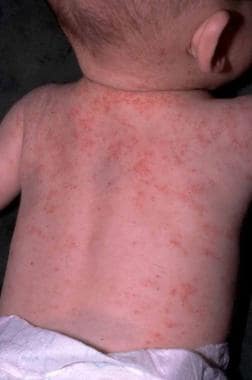
  • Eczema ranges from mild to severe, and patients usually present earlier than immunocompetent infants. Milk and other food allergies have been associated with eczema in WAS. Eczema may worsen in the presence of infection; it also follows the typical pattern of worsening in the winter. While the dermatitis often clinically mimics atopic dermatitis, it is generally more exfoliative. Conventional topical care with moisturizing creams and steroids has moderate benefit. Other atopic disorders, reactive airway disease (typically in toddlers), and allergic rhinitis (typically in school-aged children) are common.
  • Autoimmune disorders, particularly autoimmune hemolytic anemia (AIHA), can be observed in patients of any age. In some cases, infections seem to aggravate AIHA. Arthritis, nephritis, and immune thrombocytopenia and neutropenia are also increased in incidence.
  • Lymphomas and leukemias constitute the majority of malignancies, although various other malignancies are reported. Patients can present in mid childhood. The risk of malignancy seems to increase with age. The most common malignancy is non-Hodgkin lymphoma.

Physical

  • Infants with WAS should be identified by petechiae, ecchymoses, and epistaxis, which are characteristic. The presence of lower extremity ecchymoses in the infant who is not yet walking indicates a platelet abnormality, as well as bloody diarrhea in the absence of an infectious etiology. Other manifestations may include hematemesis, melena, and hematuria.
  • Eczema in patients with WAS is similar to that of atopic dermatitis, although it is often more exfoliative. The face, scalp, and flexural areas are most commonly involved. Secondary bacterial infections are common, as well as eczema herpeticum and molluscum.
  • Patients usually experience normal growth for the first several years of life, even with episodes of severe acute infections. The older infant often has a dramatically increased incidence of otitis media, although it responds appropriately to oral antibiotics.
  • Lymphadenopathy and splenomegaly are variably observed; they often seem appropriate for the presence of infection. Because they may be the presenting evidence for lymphoreticular malignancy, careful palpation and follow-up are essential.
  • Clinical signs of anemia, paleness, tachycardia, and even jaundice can be caused by blood loss or AIHA. Renal failure, presumably secondary to glomerulonephritis, should also be considered as a potential cause for anemia.

Causes

The X-linked form of WAS is caused by mutations in WASP at Xp11.23. Some females with WAS also have a mutation in the WASP gene, but this has not been established in all cases. Theoretically, female carriers of WASP mutations could have clinical illness if extreme lyonization occurs, but nonrandom X inactivation is characteristic for carriers.

  • Mutations can occur in any of the 12 exons of the WASP gene. Approximately one half of the reported mutations are single-base pair substitutions, often within CpG dinucleotide hot spots. Half of the mutations have been identified within the first 3 exons.
  • Milder disease has been reported for mutations in exons 1 and 2, but because exceptions clearly exist, genotype-phenotype correlations are not reliable.


Agammaglobulinemia
Atopic Dermatitis
Bruton Agammaglobulinemia
DiGeorge Syndrome
Histiocytosis
Severe Combined Immunodeficiency

Other Problems to be Considered

Physicians must distinguish between infants with bleeding and thrombocytopenia and infants with neonatal alloimmune thrombocytopenia. The presence of small platelets with mean platelet value (MPV) less than 6 fL characterizes WAS, whereas the other 2 disorders usually have large MPV because of the young age of the platelets. The MPV, however, is difficult to measure in the presence of profound thrombocytopenia (platelet count <10,000/dL).

X-linked thrombocytopenia (XLT) is a mild phenotype of WAS with mutations in WASP that confer thrombocytopenia, possibly eczema, but no significant immunologic deficit. Sites for the WASP mutations in XLT are somewhat different, so mutational analysis as well as clinical and laboratory data contribute to the final diagnosis of XLT versus WAS. Differentiating this phenotype is important because stem cell reconstitution is not appropriate therapy for this clinically mild nonfatal disease.

The differential diagnosis of generalized eczema in infants includes WAS, as well as atopic dermatitis, seborrheic dermatitis, SCID, Langerhans cell histiocytosis, seborrheic dermatitis, Omenn syndrome, and Ataxia-Telangiectasia (AT).

AT presents with symptoms of eczema and recurrent infections; however, in contrast to WAS, patients with AT have decreased levels of IgA and, often, IgE, and cerebellar ataxia is an early feature.

WAS sometimes is confused with Bruton agammaglobulinemia (X-linked agammaglobulinemia [XLA]) when the infant presents with recurrent otitis media, and when quantitative immunoglobulin levels show low IgG. XLA patients are unlikely to have bleeding related to thrombocytopenia. Typically, WAS shows low IgM and normal-to-high immunoglobulin A (IgA) whereas all immunoglobulin levels are undetectable in XLA. T- and B-cell population patterns also are characteristically different (normal CD19+ B cells and high CD4:CD8 ratios in WAS compared with absent CD19+ B cells and normal-to-elevated T cells in XLA).

X-linked hyperimmunoglobulin M (XHIM) syndrome clinically may resemble WAS, although bleeding manifestations are absent. Laboratory studies should distinguish between them. WAS has low IgM, high IgA, and high immunoglobulin E (IgE); XHIM has normal-to-high IgM, low IgA, and low IgE. The pattern of T-cell abnormalities also differs as follows: high CD4:CD8 because of low CD8 in WAS compared to a normal ratio with lymphopenia in XHIM.

Other T-cell disorders occur early in infancy but without bleeding manifestations. WAS and other T-cell disorders share an increased incidence of dermatitis. X-linked severe combined immunodeficiency (X-SCID) usually is clinically different because of the early presence of more significant opportunistic and viral infections. Fluorocytometric analysis of T- and B-cell populations is used to distinguish WAS from X-SCID and other forms of SCID such as MHC class II deficiency ("bare lymphocyte" syndrome).

See Table 1 in Severe Combined Immunodeficiency.


Lab Studies

  • Findings on CBC often support the diagnosis of WAS. MPV is a routine component of the automated CBC count. Platelets are less than 70,000/mL. MPV is less than 5.0 fL.
  • Always interpret quantitative immunoglobulin levels based on age-related reference range values. Classic WAS shows low IgM and IgG, with normal-to-high IgA and IgE. Young infants in particular, however, may not show classic immunoglobulin abnormalities because WAS shows attrition in immunologic functions.
  • Specific antibody defects are most likely in response to polysaccharide antigens. Therefore, isohemagglutinins, IgM directed against the ABO blood group antigens, typically are absent; isohemagglutinins are age-related and not detectable until infants are older than approximately 6 months. IgG directed against unconjugated pneumococcal antigens are determined postvaccination but are not produced by healthy children younger than 2 years. T-dependent antibody responses to tetanus, diphtheria, and conjugated HIB vaccines are variable in WAS. Immune attrition in antibody responses occurs in older patients.
  • Classic WAS shows anergy to delayed-type hypersensitivity (DTH) skin tests. Conventional antigens for DTH testing are tetanus, diphtheria, and Candida; however, immunocompetent infants must have been exposed to the antigen 4-6 weeks prior to testing in order for a positive response to be present. In vitro tests for T-cell function show normal responses in young patients with WAS using nonspecific mitogens such as phytohemagglutinin, concanavalin A, and pokeweed as the stimulus. Defects in T-cell responses are more consistent using allogeneic lymphocytes or periodate as the stimulus. As with humoral responses, WAS shows immune attrition of cell-mediated immunity over time.
  • Autoantibodies may be detected in AIHA, immune neutropenia, or immune thrombocytopenia (ITP). Such antibodies are the same as those observed in immunocompetent patients.
  • When a T-cell disorder is suspected, the Immune Deficiency Foundation has a consultative service for physicians. Laboratories in Seattle (the University of Washington), Boston (Children's Hospital), and New York City are funded to provide molecular analysis (Jeffrey Modell Foundation), or they can assist in contacting other research facilities.

Imaging Studies

  • Radiographs, particularly of the chest, are part of the assessment for new infections. CT and MRI studies usually are not part of WAS management unless stem cell reconstitution procedures have been performed and posttransplantation complications have developed.

Other Tests

  • Appropriate cultures and sensitivities are essential to manage acute infections. Blood cultures are especially important in splenectomized patients with WAS, but any WAS patient has increased risk for bacteremia with polysaccharide-coated bacteria.
  • Monitor renal function and hepatic function at regular intervals.
  • Workup to determine feasibility for stem cell transplantation requires MHC tests of the patient, parents, and siblings. Screen both the patient and potential donor for infectious agents, including human immunodeficiency virus (HIV), cytomegalovirus (CMV), and hepatitis viruses. Pulmonary, hepatic, and neurologic evaluations of the patient are required to assess chronic organ dysfunction.
  • Blinded food trials are the criterion standard for determination of food hypersensitivity. However, no adequately studied reports exist of the incidence of food sensitivity or the effect of food restriction on the eczematous dermatitis of WAS. The radioallergosorbent assay test (RAST) for food sensitivity is insensitive, and findings often do not correlate with clinical symptoms.

Procedures

  • No procedures are performed routinely.

Histologic Findings

Older patients with WAS show involution of lymphoid tissues, but depletion of lymphocytes is subtle in younger patients who show only poor development of the follicular areas. Lymphoid tissues of the gut usually are relatively normal. The thymus may be small but shows normal architecture, including Hassall corpuscles. T cells are remarkable for the lack of surface microvilli on which CD43 are expressed in normal lymphocytes. Specialized techniques can be used to detect poor filopodia formation in platelets and poor F-actin capping at phagocytic vacuoles in phagocytes.


Medical Care

Stem cell reconstitution is now first choice therapy for WAS. Potential sources for CD34+ stem cells include bone marrow, cord blood, and CD34+ peripheral cells mobilized by granulocyte colony-stimulating factor (G-CSF) treatment of the donor. Optimally, donor cells should match the patient at all 6 MHC sites because an incomplete match carries a higher risk for complications (particularly GVHD) in WAS compared to patients with most other primary immunodeficiency diseases. Matched related bone marrow transplantation from a sibling has been successful in almost 90% of WAS patients, with full T-cell, B-cell, and platelet engraftment. Because a WAS patient has some degree of cell-mediated immunity, the patient must receive a preparative regime of immunosuppressive therapy, typically cyclophosphamide, busulfan, and, possibly, total body irradiation, to allow donor cells to engraft. In utero transplantation is not an option because of the need for pretransplant immunosuppression.

  • Gene therapy is expected to become available in the future. It has been successful in X-linked SCID but has not yet been attempted in WAS. Studies in mice are promising. One study successfully transferred the WAS gene into hematopoietic stem cells, using the WAS promoter–containing lentiviral vector, combined with nonlethal irradiation. Although the WASP gene is cloned, its exact identity and function are not understood fully, leading to concern that overexpression of WASP could cause clinical illness.
  • Management of infection includes antibiotics and possibly intravenous immunoglobulin G (IVIG). The decision to use prophylactic antibiotics and/or IVIG is made case-by-case, based on incidence and severity of infection in the individual patient. Postsplenectomy, prophylactic antibiotics are mandatory, although the splenectomized patient remains at considerable risk for overwhelming sepsis in spite of prophylaxis. Immunizations are mandatory with conjugated polysaccharide HIB and pneumococcal vaccines and with the unconjugated meningococcal vaccines.
  • Postexposure prophylaxis for varicella is indicated. Varicella-zoster immune globulin (VZIG) is administered within 48 hours if possible, although it may be effective until 96 hours postexposure. Beyond that time, acyclovir is recommended during the incubation period. Patients with severe eczema are at risk for both disseminated varicella-zoster infection and eczema herpeticum. The appropriate treatment for both is oral acyclovir.
  • Manage acute bleeding with platelet transfusions and packed erythrocytes. All blood products should be leukocyte-free and screened to avoid transmission of CMV, in addition to regular screening for HIV and hepatitis viruses. Minimizing exposure to allogeneic cells in the patient for whom stem cell reconstitution is planned is important because such exposure increases graft rejection rates. Platelets have a shorter survival in WAS than in healthy individuals. Recurrent episodes of significant bleeding have been managed by splenectomy when immune reconstitution was not an option. Splenectomy is a controversial procedure because it increases the risk of infection with encapsulated organisms.
  • Treat eczema with conventional topical moisturizing creams and topical steroids. Milk and other potential food allergens may be eliminated from the diet on a trial basis to observe for improvement. Eczema often waxes and wanes with no apparent trigger, although some patients seem to improve during antibiotic therapy. Allergic rhinitis and asthma are treated in the same manner as in an immunocompetent individual. Eczema herpeticum is treated with oral acyclovir.
  • Manage AIHA and other autoimmune disorders as in immunocompetent individuals. Interestingly, high-dose IVIG is unlikely to have benefit in AIHA or ITP.

Surgical Care

Surgical intervention is likely to be necessary for complications of bleeding. If subdural hematoma formation occurs, the neurosurgeon must work closely with the clinical immunologist and the blood bank for an optimal outcome. Bleeding after any minor trauma may require surgical evacuation of hematomas or intervention to halt blood loss. Platelet and erythrocyte transfusions must be available immediately and maintained during and after surgery. Consider blood products cautiously when stem cell therapy is planned. Splenectomy is an option for patients in whom severe thrombocytopenia and frequent bleeding coexist and for whom stem cell reconstitution is not considered. However, splenectomy creates an additional risk for overwhelming fatal sepsis and leaves the patient at continued risk for the complication of malignancy.

Consultations

A hematologist and an oncologist are the most common consultations needed when AIHA, immune neutropenia, or lymphoreticular malignancies develop. Support from blood banking can be critical when active bleeding occurs.

  • Bone marrow transplantation teams now are an obligatory component of WAS management. Because the outcome of stem cell reconstitution is best in children younger than 2 years, early consultation is essential.
  • Unlike other primary immunodeficiencies, unusual infections are relatively rare in WAS.
  • Autoimmune disorders requiring consultation include arthritis (usually transient) and renal compromise.

Diet

Offer most patients a normal nutritious diet. In the presence of significant eczema, the physician may try eliminating common foods associated with allergy; although milk is the most likely culprit, nuts, eggs, and legumes also may be at fault.

Activity

Encourage normal levels of physical activities, with the notable exception of sports that risk CNS trauma because of the presence of thrombocytopenia. Toddlers should wear helmets, although this is difficult to enforce. Most patients can attend school or work under normal circumstances. Advise patients to avoid exposure to varicella.


Otitis media is treated with conventional first-line antibiotics (eg, amoxicillin, amoxicillin/clavulanate, cefuroxime axetil). Intramuscular injection of antibiotics is avoided because of the risk of excessive bleeding. The duration of antibiotic therapy should follow conventional recommendations for the specific infection being treated.

Most medical care is provided on an outpatient basis with the caveat that episodes of bacteremia and sepsis present higher risks for WAS patients, and signs and symptoms may be subtle because of an inadequate inflammatory response resulting from phagocytic and humoral immune defects.

Administration of tetanus and diphtheria toxoids and the acellular pertussis and conjugated HIB and pneumococcal vaccines is essential and usually results in a protective, although subnormal, antibody response. The attenuated varicella vaccine has been administered without complication. Live measles and poliovirus vaccines are contraindicated. Influenza and hepatitis vaccines should be safe, but experience in administering them to WAS patients is limited.

IVIG has been administered to selected patients with frequent bacterial infections.

Some patients may benefit from conventional inhaler therapies for reactive airway disease.

Replacement therapy with IVIG in patients with primary immune deficiencies

The consensus among clinical immunologists is that a dose of IVIG of 400-600 mg/kg/mo or a dose that maintains trough serum IgG levels greater than 500 mg/dL is desirable. Patients (XLA) with meningoencephalitis require much higher doses (1 g/kg) and perhaps intrathecal therapy. Measurement of preinfusion (trough) serum IgG levels every 3 months until a steady state is achieved and then every 6 months if the patient is stable may be helpful in adjusting the dose of IVIG to achieve adequate serum levels. For persons who have a high catabolism of infused IgG, more frequent infusions (eg, q2-3wk) of smaller doses may maintain the serum level in the reference range. The rate of elimination of IgG may be higher during a period of active infection; measuring serum IgG levels and adjusting to higher dosages or shorter intervals may be required.

For replacement therapy for patients with primary immune deficiency, all brands of IVIG are probably equivalent, although differences in viral inactivation processes exist (eg, solvent detergent versus pasteurization and liquid versus lyophilized). The choice of brands may be dependent on the hospital or home care formulary and the local availability and cost. The dose, manufacturer, and lot number should be recorded for each infusion in order to review for adverse events or other consequences.

Recording all side effects that occur during the infusion is crucial. Monitoring liver and renal function test results periodically, approximately 3-4 times yearly, is also recommended. The Food and Drug Administration (FDA) recommends that for patients at risk for renal failure (eg, preexisting renal insufficiency, diabetes, volume depletion, sepsis, paraproteinemia, age >65 y, use of nephrotoxic drugs), recommended doses should not be exceeded and infusion rates and concentrations should be the minimum levels that are practicable.

The initial treatment should be administered under the close supervision of experienced personnel. The risk of adverse reactions in the initial treatments is high, especially in patients with infections and those who form immune complexes. In patients with active infection, infusion rates may need to be slower and the dose halved (ie, 200-300 mg/kg), with the remaining dose administered the next day to achieve a full dose. Treatment should not be discontinued. After achieving reference range serum IgG levels, adverse reactions are uncommon unless patients have active infections.

With the new generation of IVIG products, adverse effects are much reduced. Adverse effects include tachycardia, chest tightness, back pain, arthralgia, myalgia, hypertension or hypotension, headache, pruritus, rash, and low-grade fever. More serious reactions are dyspnea, nausea, vomiting, circulatory collapse, and loss of consciousness. Patients with more profound immunodeficiency or patients with active infections have more severe reactions.

Anticomplementary activity of IgG aggregates in the IVIG and the formation of immune complexes are thought to be related to the adverse reactions. The formation of oligomeric or polymeric IgG complexes that interact with Fc receptors and trigger the release of inflammatory mediators is another cause. Most adverse reactions are rate related. Slowing the infusion rate or discontinuing therapy until symptoms subside may diminish the reaction. Pretreatment with ibuprofen (5-10 mg/kg q6-8h), acetaminophen (15 mg/kg per dose), diphenhydramine (1 mg/kg per dose), and/or hydrocortisone (6 mg/kg per dose, maximum 100 mg) 1 hour before the infusion may prevent adverse reactions. In some patients with a history of severe adverse effects, analgesics and antihistamines may be repeated.

Acute renal failure is a rare but significant complication of IVIG treatment. Reports suggest that IVIG products using sucrose as a stabilizer may be associated with a greater risk for this renal complication. Acute tubular necrosis, vacuolar degeneration, and osmotic nephrosis are suggestive of osmotic injury to the proximal renal tubules. The infusion rate for sucrose-containing IVIG should not exceed 3 mg sucrose per kg/min. Risk factors for this adverse reaction include preexisting renal insufficiency, diabetes mellitus, dehydration, age older than 65 years, sepsis, paraproteinemia, and concomitant use of nephrotoxic agents. For patients at increased risk, monitoring blood urea nitrogen and creatinine before starting the treatment and prior to each infusion is necessary. If renal function deteriorates, the product should be discontinued.

IgE antibodies to IgA have been reported to cause severe transfusion reactions in IgA-deficient patients. A few reports exist of true anaphylaxis in patients with selective IgA deficiency and common variable immunodeficiency who developed IgE antibodies to IgA after treatment with immunoglobulin. However, in actual experience this is very rare. In addition, this is not a problem for patients with XLA (Bruton disease) or SCID. Exercise caution in those IgA deficient patients ( <7 mg/dL) who need IVIG because of IgG subclass deficiencies. IVIG preparations with very low concentrations of contaminating IgA are advised (see the Table below).

Immune Globulin, Intravenous

Brand(Manufacturer) Manufacturing Process pH Additives* Parenteral Form and Final Concentrations IgA Content mcg/mL
Carimune NF
(ZLB Behring)
Kistler-Nitschmann fractionation; pH 4.0, nanofiltration 6.4-6.8 6% solution: 10% sucrose, <20 mg NaCl/g protein Lyophilized powder 3, 6, 9, 12% Trace
Flebogamma
(Grifols USA)
Cohn-Oncley fractionation, PEG precipitation, ion-exchange chromatography, pasteurization 5.1-6.0 Sucrose free, contains 5% D-sorbitol Liquid 5% <50
Gammagard Liquid 10%
(Baxter Bioscience)
Cohn-Oncleycold ethanolfractionation,cation and anion exchange chromatography,solvent detergent treated, nanofiltration, low pH incubation 4.6-5.1 0.25M glycine Ready-for-use Liquid 10% 37
Gammar-P IV
(ZLB Behring)
Cohn-Oncley fraction II/III;ultrafiltration; pasteurization 6.4-7.2 5% solution: 5% sucrose, 3% albumin, 0.5% NaCl Lyophilized powder 5% <20
Gamunex
(Talecris Biotherapeutics)
Cohn-Oncley fractionation, caprylate-chromatography purification, cloth and depth filtration, low pH incubation 4.0-4.5 Contains no sugar, contains glycine Liquid 10% 46
Iveegam EN
(Baxter Bioscience)
Cohn-Oncley fraction II/III; ultrafiltration; pasteurization 6.4-7.2 5% solution: 5% glucose, 0.3% NaCl Lyophilized powder 5% <10
Polygam S/D
Gammagard S/D
(Baxter Bioscience for the American Red Cross)
Cohn-Oncley cold ethanol fractionation,followed by ultracentrafiltration and ion exchangechromatography; solvent detergent treated 6.4-7.2 5% solution: 0.3% albumin, 2.25% glycine, 2% glucose Lyophilized powder 5%, 10% <1.6 (5% solution)
Octagam
(Octapharma USA)
Cohn-Oncley fraction II/III;ultrafiltration; low pH incubation; S/D treatment pasteurization 5.1-6.0 10% maltose Liquid 5% 200
Panglobulin
(Swiss Red Cross for the American Red Cross)
Kistler-Nitschmann fractionation; pH 4.0, trace pepsin, nanofiltration 6.6 Per gram of IgG: 1.67 g sucrose, <20 mg NaCl Lyophilized powder 3, 6, 9, 12% 720

*IVIG products containing sucrose are more often associated with renal dysfunction, acute renal failure, and osmotic nephrosis, particularly with preexisting risk factors (eg, history of renal insufficiency, diabetes mellitus, age >65 y, dehydration, sepsis, paraproteinemia, nephrotoxic drugs).

Contents of table are adapted from the following sources:

  1. Manufacturers' literature.
  2. Siegel J. The Product: All intravenous immunoglobulins are not equivalent. Pharmacotherapy. 2005; 25(11 Pt 2):78S-84S.
  3. Shah S. Pharmacy consideration for the use of IGIV therapy. Am J Health-Syst Pharm. 2005; 62(Suppl 3):S5-11.

Drug Category: Antibiotics

Amoxicillin, amoxicillin/clavulanate, and cefuroxime axetil are the PO drugs of choice for the common extracellular bacteria that cause sinopulmonary infections. Ceftriaxone administered intravenously is the first-line antibiotic for suspected bacteremia or sepsis and for pneumonia. It covers penicillin-resistant pneumococci. Intramuscular administration is avoided because of bleeding caused by thrombocytopenia. Nafcillin is chosen for invasive S aureus. Vancomycin is needed for penicillin-allergic patients and for treatment of methicillin-resistant S aureus. Vancomycin-resistant S aureus, GISA, may require fluoroquinolones, linezolid or Synercid.

Prophylactic antibiotics for patients with splenectomies are penicillin or amoxicillin; a macrolide can be used for penicillin-allergic patients.

Drug NameAmoxicillin (Trimox, Amoxil, Biomox)
DescriptionInterferes with synthesis of cell wall mucopeptides during active multiplication, resulting in bactericidal activity against susceptible bacteria.
Adult Dose500 mg PO tid
Prophylactic dose: 250 mg PO bid
Pediatric Dose60-120 mg/kg/d PO divided bid/tid
Prophylactic dose: 125-250 mg PO bid
ContraindicationsDocumented hypersensitivity
InteractionsReduces the efficacy of PO contraceptives
PregnancyB - Usually safe but benefits must outweigh the risks.
PrecautionsAdjust dose in renal impairment; may enhance chance of candidiasis

Drug NameAmoxicillin/clavulanate (Augmentin)
DescriptionDrug combination treats bacteria resistant to beta-lactam antibiotics.
For children > 3 mo, base dosing protocol on amoxicillin content. Because of different amoxicillin–clavulanic acid ratios in 250-mg tab (250/125) vs 250-mg tab (250/62.5), do not use 250-mg tab until child weighs >40 kg.
Adult Dose875 mg PO bid
Pediatric Dose<40 kilograms: 50 mg/kg/d PO divided bid
>40 kilograms: Administer as in adults
ContraindicationsDocumented hypersensitivity
InteractionsCoadministration with warfarin or heparin increases risk of bleeding
PregnancyB - Usually safe but benefits must outweigh the risks.
PrecautionsAdjust dose in renal impairment; may enhance chance of candidiasis

Drug NameCefuroxime axetil (Ceftin)
DescriptionSecond-generation cephalosporin maintains gram-positive activity that first-generation cephalosporins have. Adds activity against Proteus mirabilis, H influenzae, E coli, K pneumoniae, and Moraxella catarrhalis.
Adult Dose500 mg PO bid
Pediatric Dose30 mg/kg/d PO divided bid; not to exceed 1 g/d
ContraindicationsDocumented hypersensitivity
InteractionsDisulfiramlike reactions may occur when alcohol is consumed within 72 h after taking cefuroxime; may increase hypoprothrombinemic effects of anticoagulants; may increase nephrotoxicity in patient receiving potent diuretics such as loop diuretics; coadministration with aminoglycosides increase nephrotoxic potential
PregnancyB - Usually safe but benefits must outweigh the risks.
PrecautionsAdminister half dose if CrCl is 10-30 mL/min and one quarter dose if <10 mL/min

Drug NameCeftriaxone (Rocephin)
DescriptionThird-generation cephalosporin with broad-spectrum activity; efficacy against resistant organisms. Arrests bacterial growth by binding to one or more penicillin-binding proteins.
Adult Dose2 g IV q12h
Pediatric Dose100 mg/kg/d IV divided q12h
ContraindicationsDocumented hypersensitivity
InteractionsProbenecid may increase ceftriaxone levels; coadministration with ethacrynic acid, furosemide, and aminoglycosides may increase nephrotoxicity
PregnancyB - Usually safe but benefits must outweigh the risks.
PrecautionsAdjust dose in renal impairment; caution in breastfeeding women, patients <2 mo, and allergy to penicillin

Drug NameVancomycin (Lyphocin, Vancocin, Vancoled)
DescriptionPotent antibiotic directed against gram-positive organisms and active against Enterococcus species. Indicated for patients who cannot receive or who have not responded to penicillins and cephalosporins or who have infections with resistant staphylococci.
To avoid toxicity, current recommendation is to assay vancomycin trough levels after third dose drawn 0.5 h before next dosing. Use creatinine clearance to adjust dose in patients with renal impairment.
Adult Dose500 mg IV q6h
Pediatric Dose60 mg/kg/d IV divided q6h
ContraindicationsDocumented hypersensitivity
InteractionsErythema, histaminelike flushing, and anaphylactic reactions may occur when administered with anesthetic agents; when taken concurrently with aminoglycosides, risk of nephrotoxicity may increase above that with aminoglycoside monotherapy; effects in neuromuscular blockade may be enhanced when coadministered with nondepolarizing muscle relaxants
PregnancyC - Safety for use during pregnancy has not been established.
PrecautionsCaution in renal failure and neutropenia; red man syndrome is caused by too rapid IV infusion (dose administered over a few min) but is rare when dose is administered as 2-h administration or as PO or IP administration; red man syndrome is not an allergic reaction

Drug NameNafcillin (Nafcil, Unipen, Nallpen)
DescriptionDOC for acute pneumonia and deep-seated abscesses caused by S aureus.
Adult Dose1.5 g IV q4h
Pediatric Dose200 mg/kg/d IV divided q4h
ContraindicationsDocumented hypersensitivity
InteractionsAssociated with warfarin resistance when administered concurrently; effects may decrease with bacteriostatic action of tetracycline derivatives
PregnancyB - Usually safe but benefits must outweigh the risks.
PrecautionsAdjust dosage for renal compromise

Drug Category: Bronchodilators, inhaled

These agents are used to relieve bronchoconstriction and decrease the inflammatory response in the respiratory tree. Both pulmonary and nasal inhalers may be needed. Children 4 years and older may use inhalers effectively. Inhaler use is hampered in young children and others unable to understand the technique of administration and in older individuals unable to achieve a forceful inhalation. Adding a spacer is customary to improve coordination in children. Steroid inhalation is followed by rinsing the mouth to avoid thrush, and a spacer is highly recommended for use with steroid pressurized metered dose inhalers for all patients.

Drug NameAlbuterol (Proventil, Ventolin)
DescriptionRelaxes bronchial smooth muscle by action on beta2-receptors with little effect on cardiac muscle contractility.
Adult DoseInhalant: 2 inhalations q4-6h; not to exceed 12 inhalations per d
Nebulizer: Dilute 0.5-1 mL (2.5-5 mg) of 0.5% inhalation sol in 1-2.5 mL of sterile NS or water and administer via nebulizer q4-6h
Pediatric Dose<12 years (inhalant): 1-2 inhalations qid with tube spacer
>12 years (inhalant): Administer as in adults
<5 years (nebulizer): Dilute 0.25-0.5 mL (1.25-2.5 mg) of 0.5% inhalation sol in 1-2.5 mL of NS and administer q4-6h in equally divided doses
>5 years (nebulizer): Administer as in adults
ContraindicationsDocumented hypersensitivity
InteractionsBeta-adrenergic blockers antagonize effects; inhaled ipratropium may increase duration of bronchodilatation by albuterol; cardiovascular effects may increase with MAOIs, inhaled anesthetics, tricyclic antidepressants, and sympathomimetic agents
PregnancyC - Safety for use during pregnancy has not been established.
PrecautionsCaution in hyperthyroidism, diabetes mellitus, and cardiovascular disorders

Drug NameSalmeterol (Serevent)
DescriptionBy relaxing the smooth muscle fibers of the bronchioles it can relieve bronchospasms. Effect may also facilitate expectoration.
Adult Dose2 inhalations (42 mcg) bid (21 mcg per actuation)
Diskus powder inhalant: 1 inhalations (50 mcg) bid (50 mcg per actuation)
Pediatric Dose>4 years: 1 inhalation (50 mcg) bid at least 12h apart
>12 years: Administer as in adults
ContraindicationsDocumented hypersensitivity; angina; tachycardia; cardiac arrhythmias associated with tachycardia
InteractionsConcomitant use of beta-blockers may decrease bronchodilating and vasodilating effects of beta agonists such as salmeterol; concurrent administration with methyldopa may increase pressor response; coadministration with oxytocic drugs may result in severe hypotension; ECG changes and hypokalemia resulting from diuretics may worsen when coadministered with salmeterol
PregnancyC - Safety for use during pregnancy has not been established.
PrecautionsNot indicated to treat acute symptoms

Drug NameBeclomethasone (Beclovent, Vanceril)
DescriptionInhibits bronchoconstriction mechanisms and produces direct smooth muscle relaxation. May decrease number and activity of inflammatory cells, in turn decreasing airway hyperresponsiveness.
Some patients may require higher doses of inhaled beclomethasone.
Adult Dose2 inhalations (84 mcg) tid/qid; alternatively, 4 inhalations (168 mcg) bid
Pediatric Dose<6 years: Not established
6-12 years: 1-2 inhalations (42-84 mcg) tid/qid to response; alternatively, 4 inhalations (168 mcg) bid; not to exceed 10 inhalations (420 mcg) per d
ContraindicationsDocumented hypersensitivity; bronchospasm; status asthmaticus; other types of acute episodes of asthma
InteractionsCoadministration with ketoconazole may increase plasma levels, but this effect does not appear to be clinically significant
PregnancyC - Safety for use during pregnancy has not been established.
PrecautionsSuppression of the HPA or linear growth or Cushing syndrome may occur; caution with untreated systemic infections, ocular herpes simplex, or respiratory tuberculosis; rinse mouth after use to reduce likelihood of PO candidiasis; use with spacer

Drug NameFluticasone (Flovent)
DescriptionHas extremely potent vasoconstrictive and anti-inflammatory activity. Has a weak hypothalamic-pituitary-adrenocortical axis inhibitory potency when applied topically.
Some patients may require higher doses of inhaled fluticasone.
Adult Dose44 mcg per actuation, 2-6 inhalations per d; alternatively, 110 mcg per actuation, 2 inhalations per d
Pediatric DoseAdminister as in adults
ContraindicationsDocumented hypersensitivity; viral, fungal, and bacterial skin infections
InteractionsDrugs metabolized by CYP3A4 isoenzyme (eg, ketoconazole) might increase fluticasone concentrations
PregnancyC - Safety for use during pregnancy has not been established.
PrecautionsSuppression of HPA or linear growth or Cushing syndrome may occur; caution with untreated systemic infections, ocular herpes simplex, or respiratory tuberculosis; rinse mouth after use to reduce likelihood of PO candidiasis; use with spacer

Drug Category: Hyperimmune globulins

A limited number of immunoglobulin preparations have been developed to provide prophylaxis against specific microorganisms. For primary immunodeficiency diseases including WAS, VZIG has proven efficacy to prevent primary varicella when administered within 48-72 h postexposure. It may modify varicella when administered up to 96 h later.

Drug NameVaricella-zoster immune globulin (VZIG)
DescriptionContains IgG varicella-zoster antibodies. Provides passive immunization to exposed individuals at high risk of complications from varicella. Administration recommended within 48 h postexposure but may be efficacious up to 96 h postexposure.
Adult Dose625 U IM; not to exceed 2.5 mL per injection site
Pediatric Dose<10 kilograms: 125 U IM
10-20 kilograms: 250 U IM
20-30 kilograms: 375 U IM
30-40 kilograms: 500 U IM
>40 kilograms: 625 U IM
ContraindicationsDocumented hypersensitivity; thrombocytopenia is a relative contraindication so that platelet transfusions might need to be considered in selected WAS patients in whom the platelet count is <50,000/µL or active bleeding is present
InteractionsInterferes with active immunization with live viruses; however, MMR and OPV are contraindicated for WAS patients
Pregnancy
PrecautionsMust provide prolonged pressure at the IM injection site to optimize hemostasis; do not inject IV; may cause pain, redness, or swelling at injection site

Drug Category: Immunizations

Vaccines that contain viral components (not live viruses) should be administered to WAS patients because a protective antibody response often is obtained. Injection technique is critical because of the risk of bleeding and hematoma at the injection site. Live virus vaccines are contraindicated with the possible exception of VZV.

Drug NameVaccines
DescriptionDiphtheria and tetanus toxoids (DT or Td), acellular pertussis, conjugated HIB, conjugated pneumococcal vaccine, unconjugated meningococcal A and C, hepatitis B (HBV), and influenza. CDC/AAP recommendations undergo continuing reevaluation.
Adult DoseEach vaccine is administered in 0.5-mL doses IM at separate sites
Td is the adult dosage q10y
Conjugated HIB and pneumococcal may require 2 doses
HBV schedule is 1 mo later for second dose, 6 mo later for third dose
Pediatric DoseEach vaccine is administered in 0.5-mL doses IM at separate sites
DPT is the pediatric dosage; pertussis is administered until age 7 y; initial immune response requires a series of 3 administered 4-6 wks apart
HIB, pneumococcal, and HBV schedules are same as adult
Influenza initially requires 2 doses 1 mo apart before age 9 y; for ages 6 mo to 3 years, the dose is 0.25 mL
ContraindicationsDocumented hypersensitivity; patients with WAS should receive no live virus vaccines
InteractionsNone reported
PregnancyA - Safe in pregnancy
PrecautionsProlonged pressure at the injection site to stop bleeding is mandatory


Further Inpatient Care

  • In general, admit a WAS patient with bleeding or pulmonary infection because the extent of bleeding may be difficult to ascertain or bleeding may be difficult to control. Similarly, infections such as pneumonia may be accompanied by sepsis or require respiratory support; inpatient management usually is wise. Patient's risk for bleeding and the presence of any chronic illness complicate diagnosis and treatment of malignancies.

Further Outpatient Care

In/Out Patient Meds

Transfer

  • Because any primary immunodeficiency disease is associated with a great complexity of medical problems, most clinical immunologists strongly think an immunologist should manage these patients. High early mortality rates and a high rate of complications in WAS suggest frequent monitoring by a clinical immunologist is essential.
  • Transfers are most likely to a bone marrow transplantation unit for stem cell reconstitution. These units customarily provide social services and psychological support for the patient and family in addition to the requisite medical care.

Deterrence/Prevention

  • Families carrying known mutations in the WASP gene should have prenatal diagnosis using mutation analysis. Identifying an affected infant in utero allows consideration of caesarian delivery to avoid bleeding at birth. Most importantly, prenatal diagnosis allows consideration of early stem cell reconstitution and identification of a donor as early as possible.
  • A critical point to remember is that platelet count alone does not establish the diagnosis of WAS in all infants; MPV must be assessed. Immune functions may not show a classic pattern, making input from a clinical immunologist essential for accurate identification. In some cases, only determination of DNA mutational analysis allows discrimination among WAS, the more minor disorder of XLT, and a non-WASP diagnosis.

Complications

  • Complications from bleeding and infection now have decreased because of better recognition and prompt intervention. Most immune cytopenias can also be treated effectively.
  • Chronic renal disease has become better recognized and must be considered, especially in an older child or young adult with a history of hematuria accompanying acute (often viral) infections.
  • Malignancies respond poorly to conventional therapy, and bone marrow transplantation in the presence of malignancy has failed.
  • Complications from bone marrow and other stem cell reconstitution procedures are a significant problem. These complications, largely because of GVHD, include infections resulting from immune dysfunction related to GVHD, chronic dermatitis, chronic pulmonary disease, and neurologic impairment. GVHD-related disorders are well-recognized problems in WAS patients. Minor issues after successful reconstitution have included donor-transmitted allergic rhinitis and even such changes as obesity. These minor problems can cause significant emotional turmoil for both patient and donor.

Prognosis

  • About one fourth of patients who do not receive stem cell reconstitution die from bleeding, another fourth from malignancies, and the remaining 50% from infections. Average age of surviving WAS patients in 1994 was 11 years, whereas death during the 1960s occurred within 4 years. More recent studies show average age of survival to be around 15 years.
  • The outlook for successfully transplanted patients is much more optimistic; the first patient to receive complete immunologic reconstitution after a 1968 bone marrow transplantation still survives without immunologic or clinical abnormalities.

Patient Education

  • As with any patient who has an immune deficiency, the patient and family must seek immediate medical care at the slightest indication of an infection. This issue is critical for the splenectomized patient with WAS who has a high risk of dying from overwhelming postsplenectomy sepsis, usually caused by S pneumoniae infection. Bleeding (eg, epistaxis, into joints, progressive hematomas) must be recognized and treated. Patient and family must be made aware of the risk for complications, including specific autoimmune disorders and malignancies.
  • An important resource for education and support for patients and families with any primary immunodeficiency disease is the Immune Deficiency Foundation (some states have local chapters).

    Immune Deficiency Foundation
    25 W Chesapeake Ave, Suite 206
    Towson, MD 21204
    Consultation calls: 1-877-666-0866
    Web site: www.primaryimmune.org

  • The Jeffrey Modell Foundation also provides educational support and raises funds for research.

    The Jeffrey Modell Foundation
    747 3rd Avenue
    New York, NY 10017
    Phone: 1-800-JEFF-844
    Web site: www.jmfworld.org

  • For excellent patient education resources, visit eMedicine's Skin, Hair, and Nails Center. Also, see eMedicine's patient education article Eczema.


Medical/Legal Pitfalls

  • Failure to recognize or to assess accurately the severity of infection from bacteria such as pneumococci that can cause overwhelming sepsis, even in the presence of prophylactic antibiotics
  • Failure to ensure that adequate platelet and erythrocyte replacement is administered in the presence of bleeding
  • Failure to obtain informed consent when highly risky therapies such as stem cell reconstitution or splenectomy are recommended: Informed consent is particularly critical for stem cell transplantation because the risk for complications is greater than in other primary immunodeficiencies. The use of young siblings as donors for stem cell reconstitution, particularly of bone marrow, raises more complex ethical issues for informed consent. In some circumstances, the courts appoint an independent unrelated individual as the guardian for the sibling donor.

Special Concerns

  • Patients with WAS, particularly postsplenectomy, are at great risk for sepsis. Animal bites, especially from dogs, carry the risk of sepsis from organisms such as Ehrlichia, Babesia, and Pasteurella species.


The authors and editors of eMedicine gratefully acknowledge the contributions of previous author Ann O'Neill Shigeoka, MD to the development and writing of this article.


Media file 1:  This 10-month-old infant presented with bloody diarrhea at age 4 months followed by recurrent otitis. A maternal uncle had Wiskott-Aldrich Syndrome (WAS). Note the mild malar eczema and pretibial ecchymoses in this nonambulatory child. His diagnosis was confirmed by immunologic parameters, thrombocytopenia, and low platelet volume.
Click to see larger pictureClick to see detailView Full Size Image
Media type:  Photo

Media file 2:  This 1-year-old boy was hospitalized because of respiratory syncytial virus bronchiolitis but was noted to have eczema and petechiae (note arrow). His history was significant for a subdural hematoma for which trauma was denied; at that time the platelet count was 212,000. His diagnosis of Wiskott-Aldrich Syndrome (WAS) was confirmed by the detection of a missense mutation (Phe 128 Ser).
Click to see larger pictureClick to see detailView Full Size Image
Media type:  Photo


  • Cianferoni A, Massaad M, Feske S, et al. Defective nuclear translocation of nuclear factor of activated T cells and extracellular signal-regulated kinase underlies deficient IL-2 gene expression in Wiskott-Aldrich syndrome. J Allergy Clin Immunol. Dec 2005;116(6):1364-71. [Medline].
  • Dam T, Danelishvili L, Wu M, Bermudez LE. The fadD2 Gene Is Required for Efficient Mycobacterium avium Invasion of Mucosal Epithelial Cells. J Infect Dis. Apr 15 2006;193(8):1135-42. [Medline].
  • Derry JM, Ochs HD, Francke U. Isolation of a novel gene mutated in Wiskott-Aldrich syndrome [published erratum appears in Cell 1994 Dec 2;79(5):following 922]. Cell. Aug 26 1994;78(4):635-44. [Medline].
  • Derry JM, Kerns JA, Weinberg KI, et al. WASP gene mutations in Wiskott-Aldrich syndrome and X-linked thrombocytopenia. Hum Mol Genet. Jul 1995;4(7):1127-35. [Medline].
  • Dupre L, Marangoni F, Scaramuzza S, et al. Efficacy of gene therapy for Wiskott-Aldrich syndrome using a WAS promoter/cDNA-containing lentiviral vector and nonlethal irradiation. Hum Gene Ther. Mar 2006;17(3):303-13. [Medline].
  • Dupuis-Girod S, Medioni J, Haddad E, et al. Autoimmunity in Wiskott-Aldrich syndrome: risk factors, clinical features, and outcome in a single-center cohort of 55 patients. Pediatrics. May 2003;111(5 Pt 1):e622-7. [Medline][Full Text].
  • Eijkhout HW, van Der Meer JW, Kallenberg CG, et al. The effect of two different dosages of intravenous immunoglobulin on the incidence of recurrent infections in patients with primary hypogammaglobulinemia. A randomized, double-blind, multicenter crossover trial. Ann Intern Med. Aug 7 2001;135(3):165-74. [Medline][Full Text].
  • Imai K, Morio T, Zhu Y, et al. Clinical course of patients with WASP gene mutations. Blood. Jan 15 2004;103(2):456-64. [Medline][Full Text].
  • Kwan SP, Hagemann TL, Blaese RM, Rosen FS. A high-resolution map of genes, microsatellite markers, and new dinucleotide repeats from UBE1 to the GATA locus in the region Xp11.23. Genomics. Sep 1 1995;29(1):247-52. [Medline].
  • Lorenzi R, Brickell PM, Katz DR, et al. Wiskott-Aldrich syndrome protein is necessary for efficient IgG-mediated phagocytosis. Blood. May 1 2000;95(9):2943-6. [Medline][Full Text].
  • Mullen CA, Anderson KD, Blaese RM. Splenectomy and/or bone marrow transplantation in the management of the Wiskott-Aldrich syndrome: long-term follow-up of 62 cases. Blood. Nov 15 1993;82(10):2961-6. [Medline][Full Text].
  • Ochs HD, Rosen FS. The Wiskott-Aldrich syndrome. In: Ochs HD, Smith CIE, Puck J, eds. Primary Immunodeficiency Diseases: a Molecular and Genetic Approach. New York, NY:. Oxford University Press;1999:292-305.
  • Ochs HD, Thrasher AJ. The Wiskott-Aldrich syndrome. J Allergy Clin Immunol. Apr 2006;117(4):725-38.
  • Olivier A, Jeanson-Leh L, Bouma G, et al. A partial down-regulation of WASP is sufficient to inhibit podosome formation in dendritic cells. Mol Ther. Apr 2006;13(4):729-37. [Medline].
  • Perry GH, Spector BD, Schuman LM. The Wiskitt-Aldrich syndrome inthe United States and Canada. Journal of Pediatrics. 1980;97:72.
  • Rengan R, Ochs HD, Sweet LI, et al. Actin cytoskeletal function is spared, but apoptosis is increased, in WAS patient hematopoietic cells. Blood. Feb 15 2000;95(4):1283-92. [Medline][Full Text].
  • Samarin SN. WASP family proteins act between cytoskeleton and cellular signaling pathways. Biochemistry (Mosc). Dec 2005;70(12):1305-9. [Medline].
  • Sullivan KE, Mullen CA, Blaese RM, Winkelstein JA. A multiinstitutional survey of the Wiskott-Aldrich syndrome. J Pediatr. Dec 1994;125(6 Pt 1):876-85. [Medline].
  • Tsuboi S, Nonoyama S, Ochs HD. Wiskott-Aldrich syndrome protein is involved in alphaIIbbeta3-mediated cell adhesion. EMBO Rep. Mar 31 2006;[Medline].
  • Tsuji Y, Imai K, Kajiwara M, et al. Hematopoietic stem cell transplantation for 30 patients with primary immunodeficiency diseases: 20 years experience of a single team. Bone Marrow Transplant. Mar 2006;37(5):469-77. [Medline].
  • de Saint Basile G, Lagelouse RD, Lambert N, et al. Isolated X-linked thrombocytopenia in two unrelated families is associated with point mutations in the Wiskott-Aldrich syndrome protein gene. J Pediatr. Jul 1996;129(1):56-62. [Medline].

Wiskott-Aldrich Syndrome excerpt

Article Last Updated: Aug 10, 2006