You are in: eMedicine Specialties >
Pediatrics: General Medicine > Infectious Disease
Aphthous Ulcers
Article Last Updated: Dec 14, 2007
AUTHOR AND EDITOR INFORMATION
Section 1 of 10
Author: Michael C Plewa, MD, Research Coordinator, Consulting Staff, Department of Emergency Medicine, Lucas County Emergency Physicians, Inc, and Saint Vincent Mercy Medical Center
Michael C Plewa is a member of the following medical societies: Allegheny County Medical Society, American Academy of Emergency Medicine, American College of Emergency Physicians, American Medical Association, International Association for the Study of Pain, National Association of EMS Physicians, Physicians for Social Responsibility, and Society for Academic Emergency Medicine
Coauthor(s):
Brett J Earl, MD, Consulting Staff, Department of Emergency Medicine, Ogden Regional Medical Center and Davis Hospital and Medical Center;
Joseph E Dobson, MD, Saint Vincent Mercy Medical Center
Editors: Halim Hennes, MD, MS, Pediatric Emergency Medicine Research Director, Professor, Departments of Pediatrics and Emergency Medicine, Medical College of Wisconsin; Mary L Windle, PharmD, Adjunct Assistant Professor, University of Nebraska Medical Center College of Pharmacy, Pharmacy Editor, eMedicine.com, Inc; Wayne Wolfram, MD, MPH, Clinical Associate Professor, Departments of Pediatrics, Children's Hospital and University of Cincinnati; Paul D Petry, DO, FACOP, FAAP, Clinical Assistant Professor of Pediatrics, University of North Dakota, School of Medicine and Health Sciences; Consulting Staff, Altru Health System; Russell W Steele, MD, Professor and Vice Chairman, Department of Pediatrics, Head, Division of Infectious Diseases, Louisiana State University Health Sciences Center
Author and Editor Disclosure
Synonyms and related keywords:
aphthous ulcers, aphthous stomatitis, canker sores, mouth sores, mouth ulcers, recurrent aphthous ulcers, RAU, recurrent aphthous stomatitis, RAS, aphthae minor, ulcerative stomatitis, Sutton disease, Sutton's disease, minor aphthous ulcers, major aphthous ulcers, herpetiform ulcers, Helicobacter pylori, malabsorption, celiac disease, regional enteropathy, myalgia, arthralgia, inflammatory bowel disease, gluten-sensitive enteropathy, Behçet disease, systemic lupus erythematosus, HIV, AIDS, Crohn disease, cyclic neutropenia, mouth and genital ulcers with inflamed cartilage, MAGIC syndrome
Background
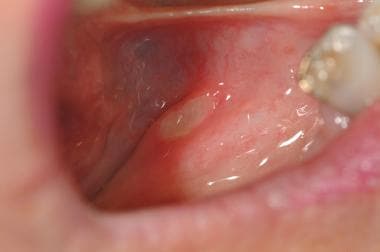
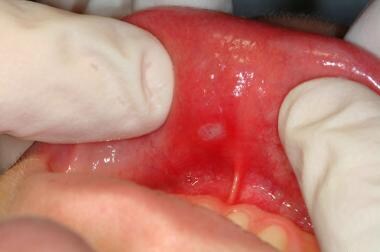
Commonly termed canker sores, aphthous ulcers, or aphthous stomatitis, have been the focus of study and research for many years, although the exact etiology of the lesions has yet to be identified. Categorized as an idiopathic disease, aphthous ulcers are frequently misdiagnosed, treated incorrectly, or simply ignored. Recurrent aphthous ulcer (RAU), or recurrent aphthous stomatitis (RAS), represents a chronic inflammatory disease characterized by painful oral ulcers recurring with varying frequency. Children with RAUs may reduce their oral food and fluid intake because of the associated pain and subsequently become dehydrated; therefore, aggressive therapy for the lesions can be important. RAUs may initially appear as erythematous indurated papules that erode to form sharply circumscribed necrotic ulcers with a gray, fibrinous exudate and an erythematous halo. The 3 categories of RAU lesions are as follows:
- Minor aphthous ulcers (80-85% of RAUs) are 1-10 mm in diameter and heal spontaneously in 7-10 days.
- Major aphthous ulcers (also called Sutton disease) constitute 10-15% of RAUs. These lesions are greater than 10 mm in diameter, take 10-30 days or more to heal, and may leave scars.
- Herpetiform ulcers (5-10% of RAUs) are multiple, clustered, 1- to 3-mm lesions that may coalesce into plaques. These usually heal in 7-10 days.
Pathophysiology
The pathophysiology of aphthous ulcers remains incompletely understood. The primary disorder appears to be the result of activation of the cell-mediated immune system. Early lesions show a cluster of macrophages and lymphocytes (predominantly cytotoxic and natural-killer T cells) at the preulcerative base, followed by formation of an ulcer with a neutrophilic base and an erythematous lymphocytic ring. Patients with RAUs have increased numbers of cytotoxic CD8+ cells and decreased numbers of helper CD4+ cells in peripheral blood.1 Lesions have elevated levels of interferon gamma, tumor necrosis factor-alpha, interleukin (IL)-2, IL-4, and IL-5; they have a functional deficit of IL-10. Some lesions have also had mast-cell activation and degranulation. In vitro cytotoxicity to oral keratinocyte targets is greater in patients with active RAUs than in control subjects or in patients with traumatic ulcers. As expected with this abnormal immunologic activity, corticosteroids are effective therapy. Aphthous ulcers may have abnormalities in cell communication and epithelial integrity. Lesions have increased expression of an adhesion molecule termed vascular cell adhesion molecule-1 (VCAM-1), E selectin, and keratinocyte intercellular adhesion molecule-1 (ICAM-1). Connexins (markers for the presence of gap junctions) are present in RAU-affected oral mucosa in amounts similar to those present in normal mucosal tissue. Experimental treatment with irsogladine maleate, which reinforces gap junctional intercellular communication, is effective. Helicobacter pylori may also be involved in aphthous ulcer formation.2 Factors predisposing patients to RAUs may include trauma, emotional stress, poor nutritional status, vitamin B12 deficiency, malabsorption, celiac disease, regional enteropathy, menstruation, food hypersensitivity, allergic reaction, and exposure to toxins (eg, nitrates in drinking water). Aphthous ulcers are more prevalent in nonsmokers and in smokers who quit but are diminished with nicotine replacement therapy.
Frequency
United States
Although RAUs are commonly believed to occur in approximately 20% of the general population, a study of medical and dental students revealed a prevalence of 31-66%.
International
The worldwide incidence is similar to that in the United States. Aphthous ulcers are found in all ethnic groups and geographic locations. The prevalence may be increased in affluent countries and socioeconomic classes.
Mortality/Morbidity
Aphthous ulcers are associated with local pain and discomfort. Symptoms usually last 2-10 days with minor and herpetiform ulcers and as long as 30 days with major ulcers. Most cases are self-limited and heal without sequelae in 7-14 days; however, major ulcers heal slowly (10-30 days or longer).
- Major aphthous ulcers have been known to leave substantial scars.
- The primary morbidity with any type of aphthous ulcer in the pediatric population is dehydration due to poor oral intake.
- Secondary bacterial infections are uncommon.
Race
Race does not appear to influence the frequency or severity of RAUs.
Sex
Aphthous ulcers may be slightly more common in female individuals than in male individuals. Outbreaks occur most frequently during ovulation or before menstruation, and remissions are common during pregnancy.
Age
RAUs begin in childhood or adolescence, with peak onset in persons aged 10-19 years. Frequency and severity diminish with age. Major aphthous ulcers may begin soon after puberty. Herpetiform RAUs tend to affect older persons.
History
The diagnosis of aphthous ulcers is primarily clinical. Patients typically describe a prodromal stage of a burning or pricking sensation of the oral mucosa 1-2 days before the ulcer appears. Patients with recurrent aphthous ulcers (RAUs) often mention precipitating factors, such as local trauma or food hypersensitivity.
- During the review of systems, infants and small children should be assessed for decreased feeding, weight, and urine output. Associated symptoms, such as those below, suggest other diagnoses.
- Fever
- Malaise
- Myalgias
- Arthralgias
- Headache
- Cough
- Nausea
- Vomiting
- Abdominal pain
- Diarrhea
- Sore throat
- Swollen or painful lymphadenopathy
- Rash
- Genital or conjunctival lesions
- Inquire about previous ulcers. The natural history of individual lesions is important because it is the benchmark against which treatment benefits are measured.
- Age at onset should be noted because major RAUs begin after puberty, and herpetiform ulcers are uncommon in children.
- The duration, location, and size of previous lesions should be noted, as well as the therapy received.
- Having patients keep an ulcer diary for 1-3 months may be useful.
- Ask the patient about medication use, chemotherapy, radiation therapy, vitamin supplementation, and recent dietary changes.
- Assess for a family history of the following:
- Review the patient's medical history. Consider Behçet disease; human immunodeficiency virus (HIV) infection or acquired immunodeficiency syndrome (AIDS); cancer; Crohn disease; immunocompromised state; cyclic neutropenia; mouth and genital ulcers with inflamed cartilage (MAGIC syndrome); and systemic lupus erythematous.
Physical
Aphthous ulcers occur on areas of the mouth in which the mucosa is nonkeratinized and loosely attached, particularly the buccal mucosa, the labial mucosa, the floor of the mouth, the ventral surface of the tongue, and the soft palate. Ulcers may appear as single or multiple lesions, and they are easily distinguished from primary or secondary viral infections, bacterial infections (eg, necrotizing ulcerative gingivitis), dermatologic conditions (lichen planus, cicatricial pemphigoid, pemphigus), and traumatic injuries (contusions, lacerations, burns) by the healthy appearance of adjacent tissues and the lack of distinguishing systemic features.
- Minor ulcers are seldom larger than 5 mm, but they can be as large as 1 cm. They may be single or multiple. The ulcers are round to oval, they are covered by a gray or yellowish and fibrinous surface, and they are surrounded by an erythematous border.
- Major RAUs can be 1-3 cm in diameter. They are deeper than minor ulcers and often have a raised, irregular, erythematous border. Patients with a history of major RAUs often have residual scarring in the oral mucosa from previous lesions.
- Herpetiform aphthous ulcers appear as small (seldom >3 mm in diameter), tightly clustered lesions. They typically number 2-10, but they may number as many as 100. They are not related to herpes simplex infections and do not present as or develop into vesicular lesions. The ulcers appear identical to minor aphthous ulcers with the exception of their small size, proximity to other lesions, and increased numbers. Confusion may arise if the lesions coalesce into a large lesion resembling major aphthous stomatitis.
- The rest of the mouth should appear normal. However, patients with halitosis and necrotic, exudative, or bleeding gums may be present with the following: (1) necrotizing ulcerative gingivostomatitis; (2) erythematous tonsils with periodic fever, aphthous pharyngitis, and adenopathy (PFAPA) syndrome; and (3) vesicular-ulcerative palatal lesions with coxsackieviral infection.
- Vital signs should be normal. Secondary bacterial infection, PFAPA syndrome, primary viral infection, or rheumatologic disorder may cause fever.
- Clinical evidence of dehydration may include decreased weight, tachycardia, hypotension, cool extremities, delayed capillary refill, depressed fontanelle, dry mucus membranes, decreased skin turgor, or decreased axillary moisture. Plotting the weight and height may reveal a trend toward the low percentiles for age; this finding suggests nutritional deficiency or malabsorption syndrome.
- Skin findings should be normal, but rash may be present with Behçet syndrome, erythema multiforme, hand-foot-and-mouth disease, herpes simplex infection, lichen planus, MAGIC syndrome, pemphigus, pemphigoid, Sweet syndrome, syphilis, systemic lupus erythematosus, varicella (chickenpox), or varicella zoster.
- The joints should be normal, but joints may be tender with effusion, erythema, or decreased range of motion in Reiter syndrome, systemic lupus erythematosus, or MAGIC syndrome.
- The eyes should be normal, but examination may reveal conjunctival lesions in patients with Behçet syndrome or cicatricial pemphigoid. Uveitis or iritis may be present with Reiter syndrome or Behçet syndrome.
- Cervical adenopathy should be minimal. Tender or markedly enlarged lymph nodes suggest PFAPA syndrome.
Causes
Precipitating factors include trauma, salivary gland dysfunction, stress, genetic predisposition, local infections, nutritional deficiencies, GI disorders, systemic disorders, food allergy or hypersensitivity, hormonal fluctuations, and chemical exposure.
- Trauma: Local injury, such as that caused by an accidental bite, dental injection, toothbrush bristle, or ingestion of sharp food, may precipitate aphthous ulcers in individuals who are susceptible. Traumatic piercing uncommonly occurs in keratinized mucosal epithelium, and RAUs are rare in keratinized mucosa.
- Stress: The role of psychological and physiologic stress as risk factors for aphthous ulcers is controversial. Individuals with aphthous ulcers have had higher-than-average anxiety scores and cortisol levels. Antidepressant therapy may be effective in some patients.
- Genetic predisposition: A family history of RAU is common, though familial penetrance has not been identified as a specific category. RAUs may be associated with human leukocyte antigen (HLA) haplotypes B51 (also common in Behçet syndrome), Cn7, A2, B12, and Dr5.
- Local infection: Several infectious agents have been identified in association with aphthous ulcer lesions, including human herpesvirus (HHV)-6, HHV-8, varicella zoster virus, human papilloma virus (HPV), cytomegalovirus (CMV), Epstein-Barr virus (EBV), herpes simplex virus (HSV)-1, HSV-2, Helicobacter species, and L-forms of streptococci. However, authorities generally agree that aphthous ulcers and RAU do not represent acute infections.
- Nutritional deficiencies: Deficiencies of iron; folic acid; zinc; and vitamins B-1, B-2, B-6, B-12, and C have all been implicated in RAU.
- GI disorders, such as regional enteropathy (Crohn disease), ulcerative colitis, and celiac disease (gluten-sensitive enteropathy), may result in aphthous ulcers. The ulcers may be the only presenting symptom or the only symptom that is evident for a number of years in patients with GI disorders; therefore, a high degree of suspicion should be maintained when patients present with RAUs.
- Systemic disorders: Disorders such as cyclic neutropenia, Reiter syndrome, Behçet disease, or HIV infection may result in aphthous ulcers.
- Food allergy and hypersensitivity: Flavoring agents, essential oils, benzoic acid, cinnamon, gluten, cow's milk, coffee, chocolate, potatoes, cheese, figs, nuts, citrus fruits, and certain spices have been implicated in some individuals with RAUs.
- Hormonal fluctuations: In some women, RAUs are associated with the menstrual cycle, with outbreaks most commonly occurring during ovulation or before menstruation. A diminished incidence of RAUs during pregnancy has been reported.
- Chemical exposures: High levels of nitrates in drinking water have been associated with aphthous ulcers. The nitrates may induce cytochrome b5 reductase activity. Sodium lauryl sulfate (SLS), a detergent commonly used in toothpaste, may be a trigger of aphthous ulceration in some individuals.3 Smoking and nicotine exposure do not increase, and actually may decrease, the risk of aphthous ulcers.
- Significant correlations have been shown between the severity of aphthous stomatitis and hygiene of the oral cavity. Good hygiene reduces not only the number of outbreaks but also the severity.
Arthritis, Conjunctivitis, Urethritis Syndrome
Crohn Disease
Herpes Simplex Virus Infection
Herpesvirus 6 Infection
Human Immunodeficiency Virus Infection
Sprue
Syphilis
Systemic Lupus Erythematosus
T-Cell Disorders
Varicella
Zoster
Other Problems to be Considered
Chemical burns Celiac disease Coxsackievirus infection (ie, hand-foot-and-mouth disease and herpangina) - Vesicular lesion and fever possible Cyclic neutropenia - Recurrent infections Food allergy/hypersensitivity Histoplasmosis Lichen planus - Wickham striae or characteristic rash MAGIC syndrome Necrotizing ulcerative gingivostomatitis (Vincent stomatitis, trench mouth) - Halitosis, gingival bleeding, exudate, or necrosis Pemphigus vulgaris PFAPA syndrome Squamous cell carcinoma - Painless persistent lesion in older persons Sutton disease (periadenitis mucosa necrotica recurrens) Sweet syndrome - Triad of neutropenia, fever, and rash Thiamine deficiency
Lab Studies
- The diagnosis is usually based on the history and clinical presentation. No laboratory procedures are available for definitive diagnosis.
- In patients with severe recurrent aphthous ulcers (RAUs), the clinical picture should guide laboratory testing. CBC count, a chemistry panel, and nutritional workup may be necessary.
- Patients with suspected malabsorption or a nutritional deficiency should undergo immediate screening. Consider screening in patients presenting with a history of RAUs lasting 6 months or longer.
- CBC counts are usually in the reference range in patients with RAUs. Findings of neutropenia suggest Sweet syndrome or cyclic neutropenia; findings of leukocytosis suggest PFAPA syndrome.
- Serum iron levels may be low with RAUs.
- If a patient is dehydrated and catabolic, urinalysis may reveal an elevated specific gravity and ketone levels. In small children, serum chemistry testing may be performed to exclude hypoglycemia and metabolic acidosis (low serum bicarbonate levels and elevated anion gap).
Imaging Studies
- No imaging studies are indicated.
Other Tests
- Histopathologic examination of biopsy specimens does not reveal unique findings and is rarely indicated, except to exclude other diagnoses, such as pemphigus, pemphigoid, carcinoma, and Behçet disease.
Medical Care
Most patients with minor or herpetiform aphthae should be treated empirically before extensive and costly studies are initiated. The primary goals of medical therapy are pain relief, maintenance of fluid and nutrition intake, early resolution, and prevention of recurrence.
- Early data indicate that treatment at onset may reduce symptoms or eliminate ulcer development. Initial studies of the use of 5% amlexanox paste at the onset of burning or pricking mucosal sensation 1-2 days before the ulcer appears can reduce the pain and severity.4, 5 More data are needed, but in patients with recurrent aphthous ulcers (RAUs) who seem to have a good understanding and recognition of their disease, this therapy may reduce the effects of the disease.
- If the ulcers are small and few, local anesthetics may suffice. Local agents are particularly useful when patients notice the symptoms while eating or drinking. Many patients will have already tried mild over-the-counter local anesthetics, such as those containing benzocaine. If not, local anesthetics can be suggested. In minor ulcers, 2% lidocaine gel applied as needed with a cotton-tipped applicator can be of great use, but it has caused toxicity in children. Some patients may obtain relief with diphenhydramine used as a swish-and-spit mouth rinse or applied locally with a cotton-tipped applicator as needed.
- Local injectable anesthetics may be needed in patients with more severe pain. Injectable anesthetics are effective, but relief is brief.
- Locally applied topical corticosteroids are used widely as a treatment option.
- High-potency corticosteroid gels, creams, or ointments (with or without adhesive bases) have proven successful in promoting healing and shortening the clinical course of RAUs, especially if applied in the prodromal stage or early in the development of the lesions. The gel form tends to adhere better to oral mucosa than creams or ointments do; therefore, the gel can be most effective. The effects of these preparations are limited when lesions are numerous or difficult to reach with the cotton applicator.
- A new mucoadhesive tablet, which releases citrus oil and magnesium salt, as well as topical penicillin G, have been somewhat effective in reducing pain and decreasing healing time, without adverse effects. Additional studies are needed to confirm the initial results and to directly correlate the indications and uses.
- Corticosteroids increase the risk of candidiasis and other secondary infections. The mixtures are applied to affected areas 2-4 times daily, with one application always occurring at bedtime. Applications continue until lesions subside and can be reinitiated at the prodromal stage of the next outbreak. Spray-based corticosteroids (eg, beclomethasone sprays) are an alternative to topical preparations when a large area must be covered. Topical preparations are preferred because they limit the amount of medication delivered and thus reduce systemic adverse effects.
- Patients have significantly benefitted from local injections of steroids in the submucosal tissue. For additional comfort, the site can be prepared with a topical anesthetic.
- When lesions are severe or numerous, local steroid delivery can be achieved with liquid preparations. The liquid is swished around the oral cavity for 2 minutes 3-4 times a day then expectorated.
- Patients in whom ulcers do not respond to local treatment may benefit from a short course of pulsed prednisone. Patients who arrive at this point in the treatment algorithm may require further screening to exclude additional diagnoses. If the patient's condition does not respond to a short burst of corticosteroids, prednisone should be continued until the lesions subside and then tapered.
- Thalidomide has been effective in unresponsive aphthous stomatitis and in Behçet syndrome. However, the indications and uses of such therapy are beyond the scope of this article, and adverse effects can be both problematic and clinically significant. The patient must be closely observed; therefore, use of this therapy stretches beyond the scope of practice of most primary care providers.
Surgical Care
Few patients are unresponsive to the local or systemic therapies described above; however, several other invasive and specialized treatments are available for patients with persistent or severe lesions.
- Laser therapy is perhaps one of the most intriguing treatments. Studies have shown that laser therapy of most aphthae immediately relieves pain, speeds healing, and reduces recurrences.6 Limitations include impracticality of the treatment. Lasers are expensive, and specialized training is required to operate them. Patients who have severe disease or frequent recurrences may benefit from referral to a laser treatment center or specialist.
- Twice-daily application of low-intensity ultrasound may have a modest beneficial effect on RAUs.7 However, as with laser treatment, ultrasound is neither cost effective nor practical for use by the common practitioner.
- Controversy continues to surround the application of silver nitrate. This therapy promotes changing the lesion to a burn. Some studies revealed decreased severity of pain;8 however, none have demonstrated shortened healing time. Additional and large studies are needed before this therapy can be recommended on a routine basis.
- One of the more controversial therapies involves removing biopsy specimens from lesions as a therapeutic modality. When biopsy is performed, the lesion is changed from an immune-mediated lesion to a traumatic lesion. Some believe that these traumatic lesions are less painful and heal faster than typical aphthous ulcers. Limited data support this practice, and it cannot be recommended.
Consultations
Consultation may be necessary if an additional disease is strongly suggested or found. Patients with severe disease may be referred to a laser specialist for evaluation and treatment.
Diet
Supplementation with vitamins, zinc, or iron may prevent recurrence in some individuals. Studies of lysine supplementation are preliminary and equivocal. A gluten-free diet is unlikely to improve RAUs unless the patient has celiac disease (gluten-sensitive enteropathy), which may be present in as many as 5% of patients in whom RAUs are initially diagnosed.
Local and systemic medications are used. As a general rule, topical therapy should be initiated first to avoid the adverse effects associated with systemic treatment. Many treatments are controversial, and the clinical data for many treatments are limited. Many treatment modalities are not discussed in this article.
Drug Category: Antihistamines
These drugs act by competitively inhibiting histamine at the H1 receptor. They prevent histamine responses in sensory nerve endings to relieve symptoms (eg, localized irritation, pain).
| Drug Name | Diphenhydramine elixir (Benadryl) |
| Description | First-line antihistamine for topical treatment of localized skin and mucus-membrane irritation. May be applied directly to ulcerated submucosal tissue. Relieves oral pain in some patients. |
| Adult Dose | Apply to affected area prn with cotton-tipped applicator or swish in mouth for 2 min and then expectorate |
| Pediatric Dose | Administer as in adults |
| Contraindications | Documented hypersensitivity |
| Interactions | None reported with topical application |
| Pregnancy | C - Fetal risk revealed in studies in animals but not established or not studied in humans; may use if benefits outweigh risk to fetus
|
| Precautions | May exacerbate angle-closure glaucoma, hyperthyroidism, peptic ulcer disease, and urinary tract obstruction (less likely with topical application than with oral form) |
Drug Category: Topical anesthetics
These drugs are used to relieve localized pain.
| Drug Name | Lidocaine (Xylocaine) |
| Description | Available as gel or viscous oral solution. Decreases permeability of neuronal membranes to sodium ions, inhibiting depolarization and blocking transmission of nerve impulses. Initial treatment of choice for small, sparse ulcers. Does not shorten healing time but may help patient to tolerate eating and drinking. Pain relief may be short, and frequent applications may be necessary. |
| Adult Dose | Apply to affected area prn with cotton-tipped applicator |
| Pediatric Dose | Administer as in adults |
| Contraindications | Documented hypersensitivity |
| Interactions | None reported |
| Pregnancy | B - Fetal risk not confirmed in studies in humans but has been shown in some studies in animals
|
| Precautions | External or mucous membrane use only; not for use in eyes; avoid swallowing to minimize potential for systemic toxicity |
Drug Category: Local anesthetics
These drugs are used to relieve localized pain.
| Drug Name | Lidocaine injectable solution (Xylocaine) |
| Description | Stabilizes neuronal membrane by inhibiting ionic fluxes required for initiation and conduction of impulses, effecting local anesthesia. May be useful in patients with severe pain who need immediate relief; relief brief. Concentration of 1% or 2% used for local anesthesia. |
| Adult Dose | Inject into submucosal tissue just beneath ulcers until membranes blanch; not to exceed 5 mg/kg/dose |
| Pediatric Dose | Administer as in adults |
| Contraindications | Documented hypersensitivity |
| Interactions | None reported |
| Pregnancy | B - Fetal risk not confirmed in studies in humans but has been shown in some studies in animals
|
| Precautions | External or mucous membrane use only; not for use in eyes; never use with epinephrine in ears, nose, fingers, penis, or toes |
Drug Category: Topical corticosteroids
These drugs decrease inflammation by suppressing migration of polymorphonuclear (PMN) leukocytes and reversing capillary permeability. Many factors, including the vehicle, the integrity of the mucosal barrier, the amount of friction from adjacent structures, and the amount of salivation determine the extent of mucocutaneous absorption. The medical profile for triamcinolone is outlined below; other medications with the same or similar profiles include betamethasone valerate 0.1% (Valisone), clobetasol propionate 0.05% cream or ointment (Temovate), halobetasol propionate 0.05% ointment (Ultravate), and fluocinonide 0.05% gel (Lidex).
A benzocaine preparation (Orabase) is sometimes added to the corticosteroid, but the practice remains controversial. Data suggest that the benzocaine preparation helps keep the steroid in prolonged contact with the mucosal surface; however, its addition dilutes the mixture, lessening steroid potency. To add the benzocaine preparation to any of these topical steroid prescriptions, simply mix the steroid preparation 1:1 with Orabase.
| Drug Name | Triamcinolone (Aristocort) |
| Description | Moderate-potency steroid; reduces pain and inflammation at ulcer sites. Close follow-up required to monitor for candidiasis and other secondary infections and adverse effects. Available in cream or ointment 0.1-0.5%. |
| Adult Dose | Apply to ulcer area tid; reduce frequency as lesions remit |
| Pediatric Dose | Administer as in adults |
| Contraindications | Documented hypersensitivity; fungal, viral, or bacterial skin infections; decreased mucosal circulation; not for use on face |
| Interactions | None reported |
| Pregnancy | C - Fetal risk revealed in studies in animals but not established or not studied in humans; may use if benefits outweigh risk to fetus
|
| Precautions | Prolonged use causes mucosal atrophy (limit to 2 wk); systemic absorption may cause Cushing syndrome, reversible hypothalamic-pituitary-axis suppression, hyperglycemia, and glycosuria; prolonged use, application over large surface areas, high-potency steroids, and occlusive dressings increase systemic absorption |
Drug Category: Local corticosteroid injections
These drugs decrease inflammation by suppressing migration of PMN leukocytes and by reversing capillary permeability. The medical profile for triamcinolone diacetate is outlined below. Other medications with the same or similar profiles include betamethasone sodium phosphate–betamethasone acetate 6 mg/mL (Celestone Soluspan).
| Drug Name | Triamcinolone diacetate 25 mg/mL (Aristocort-Intralesional) |
| Description | Local submucosal injections may substantially reduce pain and inflammation; premedication with topical anesthetic may reduce discomfort. |
| Adult Dose | 0.25-0.5 mL injected into submucosal tissue directly beneath ulcers; increase dose and distribution for large lesions |
| Pediatric Dose | Administer as in adults |
| Contraindications | Documented hypersensitivity |
| Interactions | Concurrent estrogens may decrease clearance; may increase digitalis toxicity due to steroid-induced hypokalemia; phenobarbital, phenytoin, or rifampin may increase metabolic rate (may need to increase maintenance dose); monitor patients taking diuretics for hypokalemia |
| Pregnancy | C - Fetal risk revealed in studies in animals but not established or not studied in humans; may use if benefits outweigh risk to fetus
|
| Precautions | Risk of candidiasis or other secondary infections lower with injectable preparations than with elixir; although localized injections produce few systemic adverse effects, patients are at risk for multiple complications, including severe infections, especially with HIV infection, AIDS, or other immunocompromised states; closely monitor for candidiasis and other secondary infections; abrupt discontinuation may cause adrenal crisis; other complications include hyperglycemia, edema, osteonecrosis, myopathy, peptic ulcer disease, hypokalemia, osteoporosis, euphoria, psychosis, myasthenia gravis, and growth suppression |
Drug Category: Topical corticosteroid elixirs
These drugs decrease inflammation by suppressing migration of PMN leukocytes and reversing capillary permeability. Many factors, including the vehicle, the integrity of the mucosal barrier, the amount of friction from adjacent structures, and the amount of salivation determine the extent of mucocutaneous absorption. This type of corticosteroid delivery is indicated when topical or local steroids are not effective, when the lesions are too numerous for practical application, or when the lesions are too difficult to reach with the cotton applicator.
| Drug Name | Dexamethasone elixir (Decadron) |
| Description | Liquid increases delivery of steroid dose to local area when lesions severe or numerous; typical concentration 0.5 mg/5 mL. Close follow-up required to monitor for candidiasis and other secondary infections and adverse effects. |
| Adult Dose | Swish 5 mL in mouth for 2 min tid/qid then expectorate; if no improvement, swish 5 mL for 2 min tid/qid then swallow |
| Pediatric Dose | Young children (unable to swish and expectorate): Not recommended Older children (able to swish and expectorate): Initially administer as in adults; if no improvement, swish 0.6 mg/kg in mouth for 2 min q6h then swallow |
| Contraindications | Documented hypersensitivity |
| Interactions | Concurrent estrogens may decrease clearance; may increase digitalis toxicity by inducing hypokalemia, especially in patients taking diuretics; phenobarbital, phenytoin, or rifampin may increase metabolic rate (may need to increase maintenance dose) |
| Pregnancy | C - Fetal risk revealed in studies in animals but not established or not studied in humans; may use if benefits outweigh risk to fetus
|
| Precautions | Increases risk for multiple complications, including severe infections, especially with HIV infection, AIDS, or other immunocompromised states; abrupt discontinuation may cause adrenal crisis; other complications include hyperglycemia, edema, osteonecrosis, myopathy, peptic ulcer disease, hypokalemia, osteoporosis, euphoria, psychosis, myasthenia gravis, and growth suppression; monitor patients taking diuretics for hypokalemia |
Drug Category: Antiallergic and anti-inflammatory agent
| Drug Name | Amlexanox (Aphthasol) |
| Description | Mechanism of action is unknown, but elicits antiallergic and anti-inflammatory activity. Available in 5 g tubes. One-fourth inch (about 0.5 cm) is approximately 100 mg of paste and contains 5 mg amlexanox. |
| Adult Dose | Apply 1/4 inch onto clean fingertip and dap onto each ulcer qid after oral hygiene pc and hs); wash hands after application |
| Pediatric Dose | Not established; limited data suggests to administer as in adults |
| Contraindications | Documented hypersensitivity |
| Interactions | None reported |
| Pregnancy | B - Fetal risk not confirmed in studies in humans but has been shown in some studies in animals
|
| Precautions | May cause transient stinging or burning pain at the site of application (2%), or contact mucositis, nausea or diarrhea (<1%) |
Drug Category: Systemic corticosteroids
The drugs decrease inflammation by suppressing migration of PMN leukocytes and reversing capillary permeability.
| Drug Name | Prednisone (Deltasone) |
| Description | Systemic corticosteroid for severe aphthae; inactive and must be metabolized to the active metabolite prednisolone. Close follow-up care and monitoring for candidiasis and other secondary infections and adverse reactions required. Available as elixir 5 mg/5 mL. |
| Adult Dose | 40-60 mg/d PO; short course initially, may be extended; taper if >5 d |
| Pediatric Dose | 4-5 mg/m2/d PO or 1-2 mg/kg/d PO; short course initially, may be extended; taper if >5 d |
| Contraindications | Documented hypersensitivity; viral, fungal, or tubercular infections; peptic ulcer disease; hepatic dysfunction; connective tissue infections |
| Interactions | Concurrent estrogens may decrease clearance; may increase digitalis toxicity by inducing hypokalemia, especially in patients taking diuretics; phenobarbital, phenytoin, or rifampin may increase metabolic rate (may need to increase maintenance dose) |
| Pregnancy | C - Fetal risk revealed in studies in animals but not established or not studied in humans; may use if benefits outweigh risk to fetus
|
| Precautions | Increases risk for multiple complications, including severe infections, especially in patients with HIV infection, AIDS, or other immunocompromised states; abrupt discontinuation may cause adrenal crisis; other complications include hyperglycemia, edema, osteonecrosis, myopathy, peptic ulcer disease, hypokalemia, osteoporosis, euphoria, psychosis, myasthenia gravis, and growth suppression; monitor patients taking diuretics for hypokalemia; prolonged use in children can suppress growth |
Drug Category: Controversial therapies
Controversial therapies include levamisole, colchicine, gamma-globulin, dapsone, estrogen replacement, thalidomide, MAOIs, lactic acid mouthwash, topical hyaluronic acid (0.2%), bee propolis, Alchemilla vulgaris (Lady's Mantle) extract in glycerine (Aphtarine), silver nitrate sticks, and tetracycline. Of these, only silver nitrate sticks and tetracycline are used with enough frequency and efficacy to be mentioned here. Silver nitrite sticks cause chemical cauterization. Research findings are split on whether this treatment, which changes the lesion from an ulcer to a burn injury, shortens or prolongs healing. All lesions must be anesthetized before cauterization. This treatment is particularly effective at relieving the pain associated with ulcers. Some evidence supports treatment with tetracycline, either as mouthwash or subantimicrobial dose (20 mg orally twice daily). Tetracycline or minocycline oral mouth rinse (ie, swish orally and swallow) decreases healing time and pain severity and duration. Whether this benefit is due to a direct antimicrobial effect or to an inhibitory effect on chemotaxis and chemotoxicity is not known.
| Drug Name | Tetracycline syrup (Sumycin) |
| Description | Decreases healing time and level and duration of discomfort from aphthae; mechanism of action unknown, but attributed to direct antimicrobial effect or inhibitory effect on chemotaxis and chemotoxicity. |
| Adult Dose | 250 mg/10 mL swish in mouth qid, then swallow; treat for 14 d |
| Pediatric Dose | <11 years: Not established >11 years: Administer as in adults |
| Contraindications | Documented hypersensitivity; severe hepatic dysfunction |
| Interactions | Can decrease effects of PO contraceptives, causing breakthrough bleeding and increasing risk of pregnancy; can increase hypoprothrombinemic effects of anticoagulants |
| Pregnancy | D - Fetal risk shown in humans; use only if benefits outweigh risk to fetus
|
| Precautions | Photosensitivity may occur with prolonged exposure to sunlight or tanning equipment; reduce dose in renal impairment; consider drug serum-level determinations with prolonged therapy; use during tooth development (last half of pregnancy through age 8 y) can permanently discolor teeth; Fanconi-like syndrome may occur with outdated tetracyclines |
Deterrence/Prevention
- Dietary supplementation with vitamins, zinc, or iron may prevent recurrence in some individuals. Studies of lysine supplementation are preliminary and equivocal. A gluten-free diet is unlikely to improve recurrent aphthous ulcers (RAUs) unless the patient has celiac disease (gluten-sensitive enteropathy), which may be present in as many as 5% of patients in whom RAU is initially diagnosed.
- Susceptible patients may benefit from avoiding toothpaste or mouthwash products containing SLS.
- Stress reduction may be useful, although evidence for this intervention is lacking.
- Although numerous reasons abound for convincing a pediatric patient to quit smoking or chewing tobacco, cessation does not have a beneficial effect on RAUs, which nicotine appears to prevent.
Complications
- Secondary bacterial infection is rare.
- Patients with major RAU can have clinically significant oral scarring.
- Painful lesions can cause interruption in eating and drinking, leading to dehydration and perhaps nutritional deficiencies.
- Patients with AIDS may have ulcerations that are resistant to topical steroid therapy. However, systemic steroids must be administered only with caution because of the possibility of adverse effects, especially the development of opportunistic infections.
Prognosis
- Herpetiform and minor RAUs have a self-limited course and tend to have few or no sequelae.
- Major RAUs can cause scarring, dehydration, and malnutrition; however, if recognized early and treated effectively, major RAUs can be well controlled, with minimal sequelae.
Patient Education
- General therapeutic measures for active ulcers include good oral hygiene, nonirritating gargles, and increased fluid intake.
- Cool bland beverages, such as milkshakes, are well tolerated. Patients should be advised to avoid salty or spicy foods.
- Although efficacy for RAU is unproven, stress control may benefit some patients.
- For excellent patient education resources, visit eMedicine's Teeth and Mouth Center. Also, see eMedicine's patient education article Canker Sores.
Medical/Legal Pitfalls
- Close follow-up care is important for all patients treated with oral corticosteroids, especially those with HIV infection or AIDS, to monitor for opportunistic infections.
- Late diagnosis of easily treatable nutritional deficiencies (eg, deficiency of hematinics) may be problematic.
- Death from dehydration or nutritional deficiency from aphthous ulceration is rare but preventable.
- Late diagnosis of neutrophil abnormalities (cyclic neutropenia, Sweet syndrome), Reiter syndrome, inflammatory bowel disease, gluten-sensitive enteropathy, HIV infection, or Behçet disease can be problematic.
- Late diagnosis of squamous cell carcinoma of the mouth can be problematic but is extremely rare in pediatric patients.
- Bachtiar EW, Cornain S, Siregar B, Raharjo TW. Decreased CD4+/CD8+ ratio in major type of recurrent aphthous ulcers: comparing major to minor types of ulcers. Asian Pac J Allergy Immunol. Jun-Sep 1998;16(2-3):75-9. [Medline].
- Birek C, Grandhi R, McNeill K, et al. Detection of Helicobacter pylori in oral aphthous ulcers. J Oral Pathol Med. May 1999;28(5):197-203. [Medline].
- Herlofson BB, Barkvoll P. Sodium lauryl sulfate and recurrent aphthous ulcers. A preliminary study. Acta Odontol Scand. Oct 1994;52(5):257-9. [Medline].
- Bell J. Amlexanox for the treatment of recurrent aphthous ulcers. Clin Drug Investig. 2005;25(9):555-66. [Medline].
- Binnie WH, Curro FA, Khandwala A, Van Inwegan RG. Amlexanox oral paste: a novel treatment that accelerates the healing of aphthous ulcers. Compend Contin Educ Dent. Nov 1997;18(11):1116-8, 1120-2, 1124 passim. [Medline].
- Bornstein MM, Suter VG, Stauffer E, Buser D. The CO2 laser in stomatology: part 2 [in French, German]. Schweiz Monatsschr Zahnmed. 2003;113(7):766-85. [Medline].
- Brice SL. Clinical evaluation of the use of low-intensity ultrasound in the treatment of recurrent aphthous stomatitis. Oral Surg Oral Med Oral Pathol Oral Radiol Endod. Jan 1997;83(1):14-20. [Medline].
- Alidaee MR, Taheri A, Mansoori P, Ghodsi SZ. Silver nitrate cautery in aphthous stomatitis: a randomized controlled trial. Br J Dermatol. Sep 2005;153(3):521-5. [Medline].
- Bazrafshani MR, Hajeer AH, Ollier WE, Thornhill MH. Polymorphisms in the IL-10 and IL-12 gene cluster and risk of developing recurrent aphthous stomatitis. Oral Dis. Nov 2003;9(6):287-91. [Medline].
- Buno IJ, Huff JC, Weston WL, et al. Elevated levels of interferon gamma, tumor necrosis factor alpha, interleukins 2, 4, and 5, but not interleukin 10, are present in recurrent aphthous stomatitis. Arch Dermatol. Jul 1998;134(7):827-31. [Medline].
- Chandrasekhar J, Liem AA, Cox NH, Paterson AW. Oxypentifylline in the management of recurrent aphthous oral ulcers: an open clinical trial. Oral Surg Oral Med Oral Pathol Oral Radiol Endod. May 1999;87(5):564-7. [Medline].
- Collier PM, Neill SM, Copeman PW. Topical 5-aminosalicylic acid: a treatment for aphthous ulcers. Br J Dermatol. Feb 1992;126(2):185-8. [Medline].
- de Asis ML, Bernstein LJ, Schliozberg J. Treatment of resistant oral aphthous ulcers in children with acquired immunodeficiency syndrome. J Pediatr. Oct 1995;127(4):663-5. [Medline].
- Ficarra G. Oral ulcers in HIV-infected patients: an update on epidemiology and diagnosis. Oral Dis. May 1997;3 Suppl 1:S183-9. [Medline].
- Field EA, Brookes V, Tyldesley WR. Recurrent aphthous ulceration in children--a review. Int J Paediatr Dent. Apr 1992;2(1):1-10. [Medline].
- Fridh G, Koch G. Effect of a mouth rinse containing amyloglucosidase and glucose oxidase on recurrent aphthous ulcers in children and adolescents. Swed Dent J. 1999;23(2-3):49-57. [Medline].
- Garnick JJ, Singh B, Winkley G. Effectiveness of a medicament containing silicon dioxide, aloe, and allantoin on aphthous stomatitis. Oral Surg Oral Med Oral Pathol Oral Radiol Endod. Nov 1998;86(5):550-6. [Medline].
- Ghodratnama F, Wray D, Bagg J. Detection of serum antibodies against cytomegalovirus, varicella zoster virus and human herpesvirus 6 in patients with recurrent aphthous stomatitis. J Oral Pathol Med. Jan 1999;28(1):12-5. [Medline].
- Gorsky M, Epstein J, Rabenstein S, Elishoov H, Yarom N. Topical minocycline and tetracycline rinses in treatment of recurrent aphthous stomatitis: a randomized cross-over study. Dermatol Online J. 2007;13(2):1. [Medline].
- Greer RO Jr, Lindenmuth JE, Juarez T, Khandwala A. A double-blind study of topically applied 5% amlexanox in the treatment of aphthous ulcers. J Oral Maxillofac Surg. Mar 1993;51(3):243-8; discussion 248-9. [Medline].
- Gupta SK, Gupta RC, Seth AK, et al. Epidemiological evaluation of recurrent stomatitis, nitrates in drinking water, and cytochrome b5 reductase activity. Am J Gastroenterol. Jul 1999;94(7):1808-12. [Medline].
- Haisraeli-Shalish M, Livneh A, Katz J, et al. Recurrent aphthous stomatitis and thiamine deficiency. Oral Surg Oral Med Oral Pathol Oral Radiol Endod. Dec 1996;82(6):634-6. [Medline].
- Healy CM, Thornhill MH. Induction of adhesion molecule expression on blood vessels and keratinocytes in recurrent oral ulceration. J Oral Pathol Med. Jan 1999;28(1):5-11. [Medline].
- Herlofson BB, Barkvoll P. The effect of two toothpaste detergents on the frequency of recurrent aphthous ulcers. Acta Odontol Scand. Jun 1996;54(3):150-3. [Medline].
- Hodosh M, Hodosh SH, Hodosh AJ. Treatment of aphthous stomatitis with saturated potassium nitrate/dimethyl isosorbide. Quintessence Int. Feb 2004;35(2):137-41. [Medline].
- Holbrook WP, Kristmundsdottir T, Loftsson T. Aqueous hydrocortisone mouthwash solution: clinical evaluation. Acta Odontol Scand. Jun 1998;56(3):157-60. [Medline].
- Hunter IP, Ferguson MM, Scully C, et al. Effects of dietary gluten elimination in patients with recurrent minor aphthous stomatitis and no detectable gluten enteropathy. Oral Surg Oral Med Oral Pathol. May 1993;75(5):595-8. [Medline].
- Jacobson JM, Greenspan JS, Spritzler J, et al. Thalidomide for the treatment of oral aphthous ulcers in patients with human immunodeficiency virus infection. National Institute of Allergy and Infectious Diseases AIDS Clinical Trials Group. N Engl J Med. May 22 1997;336(21):1487-93. [Medline].
- Jasmin JR, Muller-Giamarchi M, Jonesco-Benaiche N. Local treatment of minor aphthous ulceration in children. ASDC J Dent Child. Jan-Feb 1993;60(1):26-8. [Medline].
- Katz J, Langevitz P, Shemer J, et al. Prevention of recurrent aphthous stomatitis with colchicine: an open trial. J Am Acad Dermatol. Sep 1994;31(3 Pt 1):459-61. [Medline].
- Kerr AR, Drexel CA, Spielman AI. The efficacy and safety of 50 mg penicillin G potassium troches for recurrent aphthous ulcers. Oral Surg Oral Med Oral Pathol Oral Radiol Endod. Dec 2003;96(6):685-94. [Medline].
- Koridze Kh. Definition of risk of the aphthous stomatitis by hygienic indices [in Russian]. Georgian Med News. Apr 2005;25-8. [Medline].
- Lin SS, Chou MY, Ho CC, et al. Study of the viral infections and cytokines associated with recurrent aphthous ulceration. Microbes Infect. Apr 2005;7(4):635-44. [Medline].
- Mahdi AB, Coulter WA, Woolfson AD, Lamey PJ. Efficacy of bioadhesive patches in the treatment of recurrent aphthous stomatitis. J Oral Pathol Med. Sep 1996;25(8):416-9. [Medline].
- Mizrahi B, Golenser J, Wolnerman JS, Domb AJ. Adhesive tablet effective for treating canker sores in humans. J Pharm Sci. Dec 2004;93(12):2927-35. [Medline].
- Murray B, McGuinness N, Biagioni P, et al. A comparative study of the efficacy of Aphtheal in the management of recurrent minor aphthous ulceration. J Oral Pathol Med. Aug 2005;34(7):413-9. [Medline].
- Padeh S, Brezniak N, Zemer D, et al. Periodic fever, aphthous stomatitis, pharyngitis, and adenopathy syndrome: clinical characteristics and outcome. J Pediatr. Jul 1999;135(1):98-101. [Medline].
- Rattan J, Schneider M, Arber N, et al. Sucralfate suspension as a treatment of recurrent aphthous stomatitis. J Intern Med. Sep 1994;236(3):341-3. [Medline].
- Rhodus NL, Bereuter J. An evaluation of a chemical cautery agent and an anti-inflammatory ointment for the treatment of recurrent aphthous stomatitis: a pilot study. Quintessence Int. Dec 1998;29(12):769-73. [Medline].
- Rogers RS. Recurrent aphthous stomatitis: clinical characteristics and associated systemic disorders. Semin Cutan Med Surg. Dec 1997;16(4):278-83. [Medline].
- Samet N, Laurent C, Susarla SM, Samet-Rubinsteen N. The effect of bee propolis on recurrent aphthous stomatitis: a pilot study. Clin Oral Investig. Jun 2007;11(2):143-7. [Medline].
- Saxen MA, Ambrosius WT, Rehemtula al-KF AL, et al. Sustained relief of oral aphthous ulcer pain from topical diclofenac in hyaluronan: a randomized, double-blind clinical trial. Oral Surg Oral Med Oral Pathol Oral Radiol Endod. Oct 1997;84(4):356-61. [Medline].
- Scully C. Clinical practice. Aphthous ulceration. N Engl J Med. Jul 13 2006;355(2):165-72. [Medline].
- Sharon-Buller A, Sela M. CO2-laser treatment of ulcerative lesions. Oral Surg Oral Med Oral Pathol Oral Radiol Endod. Mar 2004;97(3):332-4. [Medline].
- Shrivastava R, John GW. Treatment of Aphthous Stomatitis with topical Alchemilla vulgaris in glycerine. Clin Drug Investig. 2006;26(10):567-73.
- Skaare AB, Herlofson BB, Barkvoll P. Mouthrinses containing triclosan reduce the incidence of recurrent aphthous ulcers (RAU). J Clin Periodontol. Aug 1996;23(8):778-81. [Medline].
- Thomas KT, Feder HM Jr, Lawton AR, Edwards KM. Periodic fever syndrome in children. J Pediatr. Jul 1999;135(1):15-21. [Medline].
- Ueta E, Osaki T, Yoneda K, et al. A clinical trial of Azelastine in recurrent aphthous ulceration, with an analysis of its actions on leukocytes. J Oral Pathol Med. Mar 1994;23(3):123-9. [Medline].
- Victoria JM, Correia-Silva Jde F, Pimenta FJ, et al. Serotonin transporter gene polymorphism (5-HTTLPR) in patients with recurrent aphthous stomatitis. J Oral Pathol Med. Sep 2005;34(8):494-7. [Medline].
- Vincent SD, Lilly GE. Clinical, historic, and therapeutic features of aphthous stomatitis. Literature review and open clinical trial employing steroids. Oral Surg Oral Med Oral Pathol. Jul 1992;74(1):79-86. [Medline].
- Wormser GP, Mack L, Lenox T, et al. Lack of effect of oral acyclovir on prevention of aphthous stomatitis. Otolaryngol Head Neck Surg. Jan 1988;98(1):14-7. [Medline].
- Wright EF. Clinical effectiveness of lysine in treating recurrent aphthous ulcers and herpes labialis. Gen Dent. Jan-Feb 1994;42(1):40-2; quiz 51-2. [Medline].
- Wu JJ, Huang DB, Pang KR, et al. Thalidomide: dermatological indications, mechanisms of action and side-effects. Br J Dermatol. Aug 2005;153(2):254-73. [Medline].
- Ylikontiola L, Sorsa T, Hayrinen-Immonen R, Salo T. Doxymycine-cyanoacrylate treatment of recurrent aphthous ulcers. Oral Surg Oral Med Oral Pathol Oral Radiol Endod. Mar 1997;83(3):329-33. [Medline].
Aphthous Ulcers excerpt Article Last Updated: Dec 14, 2007
|