You are in: eMedicine Specialties > Pediatrics: Cardiac Disease and Critical Care Medicine > Neonatology Neural Tube Defects in the Neonatal PeriodArticle Last Updated: Jun 20, 2006AUTHOR AND EDITOR INFORMATION
Author: Richard G Ellenbogen, BA, MD, Professor and ChairmanTheodore S. Roberts Endowed Chair in Pediatric NeurosurgeryDepartment of Neurological SurgeryThe University of Washington Richard G Ellenbogen is a member of the following medical societies: American College of Surgeons Editors: Shelley C Springer, MD, MBA, MSc, FAAP, JD LS-3, Assistant Clinical Professor, Department of Pediatrics, University of North Texas Science Center; Clinical Instructor, Department of Pediatrics, University of Wisconsin; Assistant Clinical Professor, Department of Pediatrics, Texas A & M University; Consulting Neonatologist, Pediatrix Medical Group, South Central Region; Mary L Windle, PharmD, Adjunct Assistant Professor, University of Nebraska Medical Center College of Pharmacy, Pharmacy Editor, eMedicine.com, Inc; Brian S Carter, MD, FAAP, Professor of Pediatrics, Department of Pediatrics, Division of Neonatology, Vanderbilt University School of Medicine; Co-director, Pediatric Advance Comfort Team, Vanderbilt Children's Hospital; Carol L Wagner, MD, Professor of Pediatrics, Medical University of South Carolina; Neil N Finer, MD, Professor, Department of Pediatrics, University of California at San Diego School of Medicine; Program Director, Division of Neonatology, University of California San Diego Medical Center Author and Editor Disclosure Synonyms and related keywords: neural tube defects, NTD, spina bifida, myelomeningocele, meningocele, spina bifida aperta, spina bifida cystica, spina bifida occulta, rachischisis, craniorachischisis, cranium bifida, encephalocele, anencephaly, lipomeningocele, lipomyelomeningocele, occult spinal disorder, dysraphism, embryologic induction disorder, Chiari malformation, CM INTRODUCTION
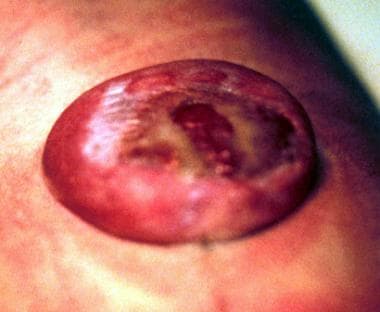
Congenital deformities involving the coverings of the nervous system are called neural tube defects (NTDs). NTDs vary in severity. The mildest form is spina bifida aperta, in which osseous fusion of one or more vertebral arches is lacking, without involvement of the underlying meninges or neural tissue. A slightly more severe form of spina bifida, which is discussed in detail in this article, is spina bifida cystica, or myelomeningocele, in which a saclike casing is filled with cerebrospinal fluid (CSF), spinal cord, and nerve roots that have herniated through a defect in the vertebral arches and dura (see Image 1). Anencephaly and rachischisis are extremely severe forms of NTD in which an extensive opening in the cranial and vertebral bone exists with an absence of variable amounts of the brain, spinal cord, nerve roots, and meninges. Anencephaly has been studied since antiquity, and an almost dizzying array of synonyms and classifications exists. For a more complete description of anencephaly, see the Bibliography for the seminal work written by Lemire, Beckwith, and Warkany in 1978. Malformations of the brain and spinal cord may result from genetic mutation or may be acquired deformities. Most malformations, especially those such as NTDs, occur early in embryogenesis and are likely the result of aberrant expression of a yet undefined developmental gene or family of genes. The nervous system develops in a precise temporal embryologic sequence; therefore, an interruption of one part of the developmental sequence often affects remaining development. The NTD discussed in this article is classified as an embryologic induction disorder. It results in failure to properly form both the mesoderm and neuroectoderm. The primary embryologic defect in all NTDs is failure of the neural tube to close, affecting neural and cutaneous ectodermal structures. The inciting event can be traced to days 17-30 of gestation. The precise etiology and the specific genes that may be involved during this abnormal neural ontogenesis have not yet been elucidated. These deformities are not only disorders of embryologic induction but also disorders of cellular migration and include the secondary mechanical complications that occur with an unprotected nervous system. Specifically, the amniotic fluid can have a caustic and destructive effect on the open neural structures. As described, the primary defect is a failure of the neural folds to fuse in the midline and form the neural tube, which is neuroectoderm. However, the subsequent defect is the maldevelopment of the mesoderm, which, in turn, forms the skeletal and muscular structures that cover the underlying neural structures. These NTD defects can be open (neural structures that communicate with the atmosphere) or closed (skin covered). They can be ventral or dorsal midline defects. PathologySpina bifida cystica The 2 major types of defects seen with spina bifida cystica are myelomeningoceles and meningoceles. Cervical and thoracic regions are the least common sites, and lumbar and lumbosacral regions are the most common sites for these lesions. Myelomeningocele is a condition in which the spinal cord and nerve roots herniate into a sac comprising the meninges. This sac protrudes through the bone and musculocutaneous defect. The spinal cord often ends in this sac in which it is splayed open, exposing the central canal. The splayed open neural structure is called the neural placode. This type of NTD is the subject of most of this article (see Image 1). Certain neurologic anomalies, such as hydrocephalus and Chiari II malformation (discussed later in this article), accompany myelomeningocele. In addition, myelomeningoceles have a higher incidence of associated intestinal, cardiac, and esophageal malformations, as well as renal and urogenital anomalies. Most neonates with myelomeningocele have orthopedic anomalies of their lower extremities and urogenital anomalies due to involvement of the sacral nerve roots. A meningocele is simply herniation of the meninges through the bony defect (spina bifida). The spinal cord and nerve roots do not herniate into this dorsal dural sac. These lesions are important to differentiate from myelomeningocele because their treatment and prognosis are so different from myelomeningocele. Neonates with a meningocele usually have normal findings upon physical examination and a covered (closed) dural sac. Neonates with meningocele do not have associated neurologic malformations such as hydrocephalus or Chiari II. A subtype of spina bifida is called lipomeningocele, or lipomyelomeningocele, which is a common form of NTD treated by pediatric neurosurgeons. These lesions have a lipomatous mass that herniates through the bony defect and attaches to the spinal cord, tethering the cord and often the associated nerve roots. The lipomyelomeningocele can envelop both dorsal and ventral nerve roots, only the dorsal nerve roots, or simply the filum terminale and conus medullaris. These lesions do not have associated hydrocephalus but have a more guarded prognosis than simple meningoceles. The surgical correction of these lesions is more complex, and the retethering rate, in which an additional surgery is required, is as high as 20% in some series. In a third, rare type of spina bifida cystica called myelocystocele, the spinal cord has a large terminal cystic dilatation resulting from hydromyelia. The posterior wall of the spinal cord often is attached to the skin (ectoderm) and is undifferentiated, thus giving rise to a large terminal skin-covered sac. The vast majority of the lesions are dorsal, although a small minority (approximately 0.5%) are ventral in location. The most common ventral variant is an anterior sacral meningocele, which most often is discovered in females as a pelvic mass. Spina bifida occulta In this group of NTDs, the meninges do not herniate through the bony defect. This lesion is covered by skin (ie, closed), therefore rendering the underlying neurologic involvement occult or hidden. These patients do not have associated hydrocephalus or Chiari II malformations. Often, a skin lesion such as a hairy patch, dermal sinus tract, dimple, hemangioma, or lipoma points to the underlying spina bifida and neurologic abnormality present in the thoracic, lumbar, or sacral region. Presence of these cutaneous stigmata above the gluteal fold signifies the presence of an occult spinal lesion. Dimples below the gluteal fold signify a benign, nonneurologic finding such as a pilonidal sinus. This is an important point for differentiating the lesions that have neurologic involvement from those that do not. An experienced pediatrician or surgeon should examine any neonate with cutaneous stigmata on the back around the gluteus. A good rule of thumb is that a lesion (eg, pit, tract) below the gluteal crease is often a pilonidal sinus and needs no further evaluation. Those tracts, pits, or lesions above the gluteal fold should be evaluated further. Lesions that are questionable can be scanned with ultrasound in a neonate or with MRI in an older child. The ultrasound or MRI delineates the presence or absence of a tethered cord or other spinal anomaly. Plain radiology can reveal a panoply of anomalies, such as fused vertebrae, midline defects, bony spurs, or abnormal laminae. An MRI often is useful in evaluating for a split cord malformation (ie, diastematomyelia), in which a bony spur splits the spinal cord, or a duplication of the spinal cord and nerve roots (diplomyelia). More commonly, the neurosurgeon is searching for tethering of the spinal cord by a sinus tract or thickened filum that can cause traction on the spinal cord with subsequent neurologic deficits as the child grows. A growing body of evidence indicates that the surgical repair of these lesions is more effective when performed prophylactically. Once the patient experiences a significant neurologic deficit, such as a neurogenic bladder or leg weakness, from these occult spinal lesions, the surgical remedy may not return the patient to the baseline neurologic status. Signs and symptoms of occult spinal disorders in children include the following:
Cranium bifida Several types of midline skull defects are classified under this term, ranging from simple, with minimal clinical significance, to serious life-threatening conditions. The most benign type of cranium bifidum occultum is the persistent parietal foramina or persistent wide fontanelle. The parietal foramina can be transmitted as an autosomal dominant trait via a gene located on the short arm of chromosome 11. The condition is sometimes called "Caitlin marks," after the family for which it was described. Both parietal foramina and a persistent anterior fontanelle are generally asymptomatic and a pediatric neurosurgeon may be asked to evaluate the child for skull fracture, craniosynostosis, or some other reason related to these findings. The best management is longitudinal observation, as these skull defects often close over time. Cranium bifidum, such as an encephalocele, is much more serious. Encephaloceles are theorized to occur when the anterior neuropore fails to close during days 26-28 of gestation. Incidence of this anomaly is 10% of the incidence of spina bifida cystica. In the United States, approximately 80% of lesions are found on the dorsal surface of the skull (see Image 5), with most near the occipital bone. In contradistinction, most encephaloceles in Asia are ventral and involve the frontal bone. In the Philippines and other Pacific Rim countries, incidence of anterior encephaloceles that present as hypertelorism, obstructed nares, anterior skull masses, and cleft palate, among other presentations, is high. In most lesions, the sac that has herniated through a midline skull defect is covered with epithelium. A small number of encephaloceles are associated with syndromes such as Meckel-Gruber syndrome. This syndrome is characterized by an occipital encephalocele that is associated with holoprosencephaly, orofacial clefts, microphthalmia, polycystic kidneys, and cardiac anomalies. This condition is autosomal recessive and has been mapped to chromosome bands 17q21-q24. In the United States, only about 30% of occipital encephaloceles contain cerebral cortex. The rest contain cerebellar tissue, dysplastic tissue with little normal function, glial tissue, or are simple meningeal sacs filled with CSF (as in cranial meningocele). An MRI is invaluable in planning a surgical approach. The surgeon needs to know the contents of the sac, which can be quite large. In addition, the surgeon needs to know the relationship of the major cerebral venous sinuses to the sac in order to plan a safe operative approach. Finally, the surgeon needs to know if the patient has hydrocephalus. Approximately 60% of these patients require placement of a ventricular peritoneal (VP) shunt after the removal of their encephaloceles. Children whose encephaloceles contain large quantities of cerebral cortex often become microcephalic and display significant subsequent developmental and learning disabilities. Anencephaly Anencephaly is the most severe form of NTD. Rachischisis and craniorachischisis, often used as synonyms, refer to a severe deformity in which an extensive defect in the craniovertebral bone causes the brain to be exposed to amniotic fluid. Neonates with anencephaly rarely survive more than a few hours or days. Historically, these children have been the subject of myths, folklore, and superstitions, and have been referred to as monsters based on their unusual and frightening appearance (see Images 6-7). More recently, scientists have studied this malformation because it serves as a paradigm of the other dysraphic states. The fetus has a partially destroyed brain, deformed forehead, and large ears and eyes with often relatively normal lower facial structures. Both genetic and environmental insults appear to be responsible for this outcome. The defect normally occurs after neural fold development at day 16 of gestation but before closure of the anterior neuropore at day 24-26 of gestation. A variety of teratogens have been implicated, including radiation, folic acid deficiency, drugs, and infections. Regardless, 3 basic defects occur in the developing fetus. The first is the defect in notochord development, which results in failure of the cephalic folds to fuse in the midline and make a normal neural tube. The next defect is failure of the mesoderm to develop; mutual induction of all 3 germ layers in a temporally related sequence fails to occur. Therefore, the calvarium and vertebrae (mesoderm) fail to form correctly, exposing the brain to further insult. Finally, this skull and dural defect permits the brain to be exposed to amniotic fluid, thus destroying the developing forebrain neural cells. Anencephaly is the most common major central nervous system (CNS) malformation in the Western world, and no neonates survive. It is seen 37 times more frequently in females than in males. The recurrence rate in families can be as high as 35%. The incidence is highest in Ireland, Scotland, Wales, Egypt, and New Zealand and lowest in Japan. EPIDEMIOLOGY
Several interesting characteristics in the epidemiology of neural tube defects are as follows:
A worldwide decline in NTD births has been recognized over the past 3 decades. For example, in the United States, New England has seen the incidence of spina bifida drop from 2.31 per 1000 births during the 1930s to 0.77 per 1000 births during the 1960s. Reasons for the dramatic drop are not completely clear; however, certain factors probably play a part. The decline in neonates with NTD paralleled the development of commonly used prenatal screening tests such as alpha-fetoprotein (AFP) and ultrasonography (US). Termination of pregnancy increased 50-fold in the British Isles after the introduction of prenatal screening. Termination of pregnancy probably accounted for a significant amount of the decline of NTD in the United States, as well. In Atlanta in the early 1990s, more than 30% of affected pregnancies were terminated based on prenatal test results. When epidemiologic analysis is complete, use of periconception folate in the United States will most likely impact the incidence of NTDs in the late part of the 20th century. In September of 1992, the US Public Health Service made the following strong recommendation: All women of childbearing age in the United States who are capable of becoming pregnant should consume 0.4 mg folic acid per day for the purpose of reducing the risk of having a pregnancy affected with spina bifida and other neural tube defects. Because the effects of high intakes are not well known, but include complicating the diagnosis of vitamin B-12 deficiency, care should be taken to keep total consumption less than 1 mg per day, except under the supervision of a physician. That statement and the abundance of scientific data available to the public have reinforced the observation that risk of delivering a child with an NTD decreases significantly with the ingestion of periconception folate. Incidence of NTDs such as anencephalus and spina bifida seems to be higher in people of Celtic descent, such as the Welsh, Irish, and Scotch. Their prevalence rate is significantly higher than incidence rate seen in persons of Anglo-Saxon or Norman origin. In the United States, the highest rates of NTD are found in Boston in people of Irish descent. In contradistinction, Africans, African Americans, and Asians seem to have very low incidence of NTD. Recurrence risk of giving birth to a second child with an NTD varies with incidence. Investigators found the risk of having an additional affected birth after an anencephalic or spina bifida birth to be approximately 10.4% in Belfast but only about 4.12% in London. The risk in the United States is 1-3%. The sex difference seems to be consistent in most studies. About 55-70% of NTDs occur in females. This female predominance is seen in both still and live births. EMBRYOLOGY
The human embryo passes through 23 stages of development after conception, each occupying approximately 2-3 days. Two different processes form the central nervous system. The first is primary neurulation, which refers to the formation of the neural structures into a tube, thereby forming the brain and spinal cord. Secondary neurulation refers to the formation of the lower spinal cord, which gives rise to the lumbar and sacral elements. The neural plate is formed at stage 8 (days 17-19), the neural fold occurs at stage 9 (days 19-21), and the fusion of the neural folds occurs at stage 10 (days 22-23). Any disruption during stages 8-10 (ie, when the neural plate begins its first fold and fuses to form the neural tube) can cause craniorachischisis, the most severe form of NTD. Stage 11 (days 23-26) is when the closure of the rostral neuropore occurs. Failure at this point results in anencephaly (see Images 6-7). Myelomeningocele is a result of disruption of Stage 12 (days 26-30), closure of the caudal neuropore. Beyond day 26, a disruption is unlikely to be able to cause an NTD such as myelomeningocele (see Image 1). Studies on mice embryos have provided some unifying theories for explaining the associated anomalies seen with neural tube defects. Associated defects include hydrocephalus and hindbrain malformations such as Chiari II malformation. McLone and Naidich, in 1992, proposed a unifying theory of neural tube defects that explains both the hindbrain anomalies and the spinal cord anomalies. According to these investigators, the initial event is a failure of the neural folds to close completely, leaving a dorsal defect or myeloschisis. This permits the CSF to leak from the ventricles through the central canal and into the amniotic fluid and causes collapse of the primitive ventricular system. Failure of the primitive ventricular system to increase in size and volume leads to both downward and upward herniation of the small cerebellum. In addition, the posterior fossa does not develop to its full size, and the neuroblasts do not migrate outward at a normal rate from the ventricles into the cortex. Therefore, the panoply of defects occurs from an initial inciting event. The precise genes (overexpressed or underexpressed) involved in this event have not been identified. The sonic hedgehog (Shh) gene has been identified in defects that cause hydrocephalus secondary to holoprosencephaly. This gene is believed to induce growth of the neural plate and helps close the neural tube by exerting a strong influence on the ventral and medial structure of the prosencephalon. The precise relationship of the Shh gene with neural tube defects is yet to be defined. Many mutant and gene-targeted mouse models can develop cranial and spinal NTDs. Recent studies seem to indicate that a single molecular signaling cascade, called the planar polarity pathway, is the cause of the NTD in the mutant murine model. Below is a table with the suspected embryologic event and result. Table 1. Human Central Nervous System Malformations
ETIOLOGY
Over the last century, teratogens implicated in the etiology of NTD in experimental animals and in humans include potato blight, hyperthermia, low economic status, antihistamine and sulfonamide use, nutritional deficiencies, vitamin deficiencies, and anticonvulsant use. Of all the suspected teratogens, carbamazepine, valproic acid, and folate deficiency have been most strongly tied to the development of NTD. In humans, carbamazepine and valproic acid have been definitively identified as teratogens. Valproic acid is a known folate antagonist and its association with NTD may be through that action. A woman taking valproic acid during pregnancy has an estimated risk of 1-2% of having a child with an NTD. Therefore, women taking antiepileptic drugs during pregnancy are advised to undergo routine prenatal screening with AFP. In the 1970s, Smithells first advanced the concept that nutrition may be related to the development of NTD. He noted that women with low erythrocyte folate and leukocyte ascorbic acid levels during the first trimester of pregnancy carried fetuses more commonly affected by NTDs than in controls. His early work led to 2 important randomized controlled studies on the use of periconception folate by British and Hungarian research groups. The Medical Research Council in Britain performed a prospective, randomized, double-blind, multicenter trial to determine if women who previously delivered children with NTDs could lower the recurrence rate with multivitamins or folate (4 mg/d). Thus, 1817 women who had a previous child with an NTD were compared with 1195 women who had children without NTD were randomized into four groups. One group received multivitamins, one group received folate, the third group received both, and the fourth group received neither. The study was terminated early when a significant protective effect was observed in the groups that received folic acid compared with the groups that did not. Multivitamins alone had no significant protective effect. Folic acid ingestion in the preconception period prevented an estimated 72% of predicted recurrent NTDs. The article with this conclusion was published in Lancet in 1991. Hungarian investigators performed a randomized, double-blind, multicenter trial of folic acid to determine if it exerted a protective effect for a first occurrence of NTD. One group of 2104 women received 0.8 mg of folic acid with their multivitamins, while the second group of 2052 women received no folic acid with their multivitamins. The folic acid group had no cases of NTD, while the non–folic-acid group had 6 cases. This finding, published in the New England Journal of Medicine in 1992, indicated that ingestion of preconception folic acid significantly decreased the first occurrence of NTD. For this reason, the US Public Health Service issued their strongly worded recommendation to women of childbearing age to take folic acid supplements. The precise mechanism by which folic acid is protective is unclear. Bjorkland hypothesized that folic acid provides the methyl group used for posttranslational methylation of arginine and histidine in the regulatory domains of the cytoskeleton, which is required for neural tissue differentiation. Despite compelling experimental evidence, as well as clear public health recommendations, Botto et al reported that, by 2005, the effectiveness of the educational campaign promoting the use of periconceptual folate had less than desired results. New cases of NTD, potentially preventable by ingestion of folate, continue to surface in 13 birth registries in Europe. He suggested the integration or fortification of folate into food could help prevent some of these cases. However, food fortification is neither the only, nor the simplest answer. The results of folic acid food fortification, reported by Canfield in 2005, reveal a modest but not overwhelming benefit in reducing the incidence of NTD birth defects. Thus, several important issues have been raised. Since only 50% or fewer of the pregnancies in the United States are planned, compliance with the request to ingest preconception folic acid is not always easy to achieve. The NTD occurs before day 26 postfertilization, often before many women have discovered their pregnancies. Thus, folic acid is not protective unless ingested in the periconception period. The precise minimal dose of folate required to be protective against an NTD has not been determined, which complicates the issue of routine food fortification. Furthermore, folic acid supplementation can mask a vitamin B-12 deficiency that can cause neurologic damage in the deficient individual. For these reasons, ingesting daily folic acid as a component of a multivitamin tablet has become the preferred recommendation for women who are of reproductive age. FETAL SURGERY FOR TREATMENT OF NEURAL TUBE DEFECTS
Over the past decade, fetal surgery for NTDs (specifically, myelomeningocele) has developed. Interest in this approach to the treatment of NTDs stems from a growing body of literature that supports the 2-hit hypothesis. Initially, most investigators believed that all the neurologic deficits seen in NTDs resulted from the neurulation defect that occurs during days 26-28 of gestation. However, some have suggested that, in addition to the neurulation embryologic defect, secondary damage occurs when exposed neural tissue is in contact with amniotic fluid. Thus, covering the neural placode with skin in utero theoretically could decrease the damage inflicted to the exposed neural structures by amniotic fluid. In addition, it has been suggested that the loss of CSF through the central canal can be halted by in utero closure of the neural placode, thereby reversing some of the potentially devastating neurologic sequelae of NTDs. The 2 neurologic sequelae of major concern are shunt-dependent hydrocephalus and hindbrain injury from progressive hindbrain herniation through the foramen magnum (Chiari II malformation). In 1999, Vanderbilt University researchers, led by pediatric neurosurgeon Noel Tulipan, MD, and obstetrician Joseph P. Bruner, MD, reported in JAMA their experience with in utero surgery for NTD over the previous decade. This was a single-institution nonrandomized, observational study conducted between 1990 and 1999. A cohort of 29 patients with isolated myelomeningocele underwent intrauterine repair of the NTD between 24 and 30 weeks of gestation. These patients were compared to 23 lesion-matched controls who underwent postnatal surgery. The main outcome measure was requirement for placement of a ventriculoperitoneal shunt for the treatment of hydrocephalus. Results of the study have been promising. NTD patients who underwent in utero surgery experienced a lower incidence of hydrocephalus than the control group (59% versus 91%). Also, a reduced incidence of hindbrain herniation was evident in the in utero group (38% versus 95%). One death occurred in the in utero group, as did an increased risk of oligohydramnios (48% versus 4%), and an earlier age of delivery by about 4 weeks. Regardless, the results have encouraged a group of investigators from both Vanderbilt and Children's Hospital of Pennsylvania (CHOP) to propose that a few select centers investigate whether this approach will yield durable results. (CHOP published their results in The Lancet in 1998). Since that proposal, the NIH has funded grants to study the efficacy of in utero surgery in this patient population. Currently, 3 centers are conducting this research: CHOP/University of Pennsylvania; Vanderbilt; and University of California, San Francisco. Specific questions to be answered are as follows:
These questions have yet to be answered, and only further long-term study that compares the experimental results to those of a historical cohort or contemporaneous controls can accurately answer these questions. Until then, this approach still is considered experimental. So far, the Vanderbilt center has performed over 100 in utero surgeries for NTD. DIAGNOSTIC DETECTION OF NEURAL TUBE DEFECTS AND ASSOCIATED NEUROLOGIC LESIONS
Presence of open NTDs can be detected with the measurement of AFP in the amniotic fluid or maternal bloodstream. AFP is the major serum protein in early embryonic life and is 90% of the total serum globulin in a fetus. It is believed to be involved in preventing fetal immune rejection and is first made in the yolk sac and then later in the gastrointestinal system and liver of the fetus. It goes from the fetal blood stream to the fetal urinary tract, where it is excreted into the maternal amniotic fluid. The AFP can also leak into the amniotic fluid from open NTDs such as anencephaly and myelomeningocele, in which the fetal blood stream is in direct contact with the amniotic fluid. The first step in prenatal screening is measuring the maternal serum AFP between 15 and 20 weeks of gestation. A patient-specific risk is then calculated based on gestational age and AFP level. For example, at 20 weeks of gestation, a maternal serum AFP concentration higher than 1,000 ng/mL would be indicative of an open NTD. Normal AFP concentration in the maternal serum is usually lower than 500 ng/mL. Detection of an NTD with fetal ultrasound in the hands of a skilled ultrasonographer usually is 98% specific. False-positive findings can result from multiple pregnancies or inaccurate fetal dating. However, closed NTDs can sometimes remain undetected, especially in cases of skin-covered lipomyelomeningoceles and meningoceles, in which the AFP also may be normal. These closed NTDs comprise about 10% or more of total NTDs discovered. A skilled ultrasonographer can detect these lesions with almost 95% sensitivity. A partial list of the fetal anomalies that are associated with an elevated AFP is as follows:
If the mother decides not to terminate a pregnancy in which the fetus is affected with an NTD, extensive counseling should ensue. Education is provided on optimal prenatal care and expectations once a child is born. If diagnosed early enough, a discussion of fetal surgery is warranted. Currently, this option is available at only 2 major centers: Vanderbilt Medical Center and University of Pennsylvania. Although this approach has not been proven scientifically advantageous, preliminary evidence suggests that this experimental approach has promise in decreasing resultant neurologic problems in the neonate. Long-term outcome data are currently lacking. If conventional delivery is chosen, the study by Shurtleff and his colleagues is important to note. Infants with NTD who were exposed to labor and vaginal delivery were more than two times more likely to have severe paralysis or motor deterioration than those delivered by cesarean section without labor. Although this remains a controversial point, most centers, such as that of the author, recommend a cesarean section prior to labor in mothers carrying a fetus with a myelomeningocele. EVALUATION AND TREATMENT: MEDICAL AND SURGICAL
Neurologic lesionsThe myelomeningocele is a saccular protrusion containing a neural placode bathed in CSF (see Image 1). The surface of the sac is covered by arachnoid but no dura or skin. The sac appears velvety red or yellow with thin fragile vessels embedded in the arachnoid. The nerve roots pass forward into the sac and the spinal cord remains tethered to the bony defect in the spine. In many cases, the spinal cord is attached to the superior aspect of the sac. The myelomeningocele has many other associated CNS anomalies that require attention. Table 2. Anomalies of the CNS Associated with Myelomeningocele
Chiari II malformation Symptoms of a Chiari II malformation can occur anytime after birth and very few patients require decompression after their first year of life for a symptomatic Chiari II malformation. The symptomatic Chiari II presentation can be as subtle as new hoarseness and pneumonia or as obvious as a progressive quadriparesis. A brain and cervical cord MRI in patients with myelomeningocele invariably demonstrates a Chiari II malformation with a herniated vermis and syringomyelia. The surgeon must first and foremost check to see if the VP shunt apparatus is functioning. Most of the time, a partial or complete obstruction of a VP shunt (based on a shunt tap or surgical exploration) is the etiology of the new brainstem findings. A shunt malfunction causes the hindbrain to herniate and compress the cord, thus causing many of the presenting symptoms. Timely repair of the shunt leads to a good outcome with reversal of most deficits. Hindbrain anomaliesPathophysiology of Chiari malformations (CMs) has fascinated neurosurgeons and provided a constant stream of literature for the past century on the presentation and presumed etiology. Although originally thought to be a rare neuroembryological disorder associated with NTD, CMs have been recognized with increased frequency in the past 5 decades, temporally associated with the widespread application of MRI. Another increase in patient referrals has occurred more recently with improved understanding of the rather wide spectrum of clinical presentation. In 1883, John Cleland published "Contribution to the study of spina bifida, encephalocele and anencephalus" in the Journal of Anatomy and Physiology. Cleland made several novel observations regarding hindbrain malformations on infant autopsy specimens. He described an elongated brainstem and cerebellar vermis, which protruded into the cervical canal in a full-term infant with spinal bifida and craniolacunae. Eight years later, Hans Chiari, professor of morbid anatomy at Charles University in Prague, published similar observations on congenital anomalies in the cerebellum and brain stem and commented on the a priori contributions of Cleland. Chiari further separated his patients into 3 different classifications of hindbrain abnormality; to ensure no confusion, the descriptions were accompanied by beautiful and detailed illustrations first in 1891, and then later in 1896. Many textbooks and papers still refer to these hindbrain malformations as Arnold-Chiari malformations. However, the name Arnold-Chiari malformation is not historically accurate. The relatively minor contribution of Arnold to the understanding of this malformation was a report in 1894, which consisted of a description of one infant with a teratoma and cerebellar herniation. It was really students of Arnold, namely Schwalbe and Gredieg, in 1907, who erroneously suggested the term Arnold-Chiari Malformation. Unfortunately, this 1907 article failed to correctly attribute the rather significant contributions of Cleland. The subsequent 93 years have not corrected this misnomer. Attempts to name this malformation, Cleland-Arnold-Chiari or Cleland-Chiari malformation have not succeeded. Therefore, for the remainder of this article, the author adheres to a more historically accurate term and refers to these hindbrain anomalies simply as Chiari malformations or CMs. The different CMs of the hindbrain were later classified as Chiari types I-III, terms that have been employed in a relatively consistent manner over the last century. These lesions are at the extreme ends of the spectrum, and patients with these anomalies are difficult to treat from a surgical perspective. Type I is described as downward herniation of the cerebellar tonsils through the foramen magnum. Type II malformation is herniation of the cerebellar vermis and brainstem below the foramen magnum. Type II malformation also has kinking of the cervicomedullary junction, an upward trajectory of the cervical nerve roots, and associated syringomyelia. The medulla often protrudes below the foramen magnum and into the spinal canal, compressing the cervical cord. The medulla then buckles dorsally and forms a "medullary kink." Also, the fourth ventricle often is below the foramen magnum, and the midbrain tectum forms a sharp corner on midsagittal MRI and looks like a beak. Type II malformations are the subject of this section. Type III malformation is essentially a posterior fossa encephalocele or a cranium bifidum with herniation of the cerebellum through the posterior fossa bone and is a more severe neural tube defect. The only deviation from the consistent terminology described above is the eponym Chiari type IV malformation. The Chiari type IV malformation consists of cerebellar hypoplasia, not herniation, and is no longer considered a Chiari malformation. Description and diagnostic studiesA CM II is downward displacement of the cerebellar vermis, fourth ventricle, and brainstem below the foramen magnum into the cervical canal (see Image 4). In recent years, the terms "hindbrain herniation,displacement,descent," and "ectopia" have been used synonymously in a wide range of posterior fossa conditions. From a historical point of view (prior to MRI), the diagnosis of CM II most often was made using autopsy, air or contrast myelogram, or CT/myelography. Thus, the diagnosis was made infrequently, although all patients with myelomeningocele were thought to have a CM II. Currently, radiological diagnosis is made using MRI. The crucial measurement in relation to descent of the hindbrain and vermis below the foramen magnum usually is assessed on sagittal section of MRI. The hindbrain or vermis displacement is measured from a straight line drawn between the basion to the opisthion of the foramen magnum. A perpendicular line dropped from the basion/opisthion line to the vermis tip is considered the extent of the herniated brain. Syringomyelia is a cavitation of the spinal cord whose walls are composed of glial tissue, whereas hydromyelia is a cavitation or dilatation of the central canal lined by ependyma. The author uses the term syringomyelia in this chapter, instead of the more descriptive term syringohydromyelia, to avoid generating scientific and semantic confusion. The association of CM II with syringomyelia varies from 80-90%, depending on the patient population studied. Syringomyelia, the common finding associated with CM, is derived from the Greek words, syrinx (meaning tube or pipe) and muelos (meaning marrow). Estienne, from France, first described the spinal cord cavitation called syringomyelia in human cadavers in 1546. In 1824, Charles Ollivier d'Angers provided the very descriptive name syringomyelia to the cylindrical dilatation of the spinal cord, which, in his illustrative case report, communicated with the fourth ventricle. In 1892, Abbe and Coley from New York performed a myelotomy to drain the syrinx cavity. This was the first recorded surgical procedure to treat syringomyelia. Hindbrain malformations are the leading cause of syringomyelia. This cavitation of the spinal cord usually is gradually progressive and can cause neurologic deterioration over time. The fluid in the syrinx is identical to the CSF found elsewhere in the subarachnoid space; therefore, theories based on aberrant CSF physiology are invoked to explain the relationship of syringomyelia in patients with CM II. Nevertheless, the pathophysiologic mechanisms that cause these 2 disorders are not well understood. Many excellent theories have been suggested; however, none have been conclusively proven or universally accepted. Examination of the spinal cord in many neonates with myelomeningocele reveals atrophic or poorly developed anterior horn cells, incomplete posterior horns, and small nerve roots. Initial examination The initial neurologic examination of a neonate born with a neural tube defect should focus on the neurologic sequelae of the NTD. Specifically, evaluate (1) site and level of the lesion, (2) motor and sensory level, (3) presence of associated hydrocephalus, (4) presence of associated symptomatic hindbrain herniation (eg, CM II), and (5) presence of associated orthopedic deformity. The lesion is first examined after the birth of a neonate. Myelomeningocele is a consequence of failed closure of the dorsal neural tube. Thus, the lesion appears as a red, raw neural plate structure devoid of dura and skin covering. The sac comprising arachnoid laced with thin, fragile vessels can be filled with CSF escaping from the central canal. A meningocele, in contradistinction, does not have neural tissue in the sac and usually has a nearly complete skin covering. Open neural tube defects should be immediately covered with a saline-moistened sponge to avoid rupture of the sac and drying of the exposed neural placode. Avoid using wet gauze, as the fibers can stick to the exposed tissue. The neonate is maintained and examined in the prone or lateral recumbent position. An IV is placed, and feedings are held until a full assessment can be completed. The neonate is treated with systemic antibiotics consisting of ampicillin at meningitic doses and gentamicin. Common neonatal organisms, such as group B streptococci, and nosocomial organisms must be prevented from entering the CSF, especially through a leaking myelomeningocele. The neonatologist, pediatric geneticist, pediatric neurosurgeon, and pediatric orthopedist should immediately evaluate the child. Possible cardiac abnormalities are evaluated with ultrasound. An initial ultrasound of the head to evaluate for hydrocephalus also may be performed. Urologic examination by ultrasound followed by a complete pediatric urologic evaluation may be performed initially or at a later date. Orthopedic evaluation is performed shortly before discharge, as up to 10% of neonates with an NTD may have hip dislocations. A higher motor level lesion, such as L3-L4, can predispose some children to hip dislocations due to the unopposed hip flexors. In addition, presence of a varus or valgus extremity disorder is documented. The pediatric neurosurgeon carefully evaluates the patient to assess the site and type of lesion, including assessment of lower extremity function. Evaluate the symmetry of the motor and sensory levels affected by the NTD. Flaccid paralysis below the L4 level may reveal a strong psoas, but not hip adduction, knee hyperextension, or foot inversion deformities. Flaccid paralysis of the foot with a weak gastrocnemius-soleus complex may result in foot dorsiflexion deformities. Attention to the anus helps to assess sacral nerve root function. Flaccid musculature in the S2-4 region often presents with a flat buttocks, absence of a well-developed gluteal cleft, and a patulous anus with no anal wink. The thoracic or lumbar region may have a large hump due to kyphosis or scoliosis of the spine; this can be so severe that it impedes the ability to place skin flaps over the NTD and may compromise the infant's respiratory function. Head ultrasound can be performed during the neonatal period to evaluate the extent of ventricular enlargement. Initially, the ventricles may be normal or only slightly enlarged. However, after the NTD is closed surgically, the ventricles often enlarge. Incidence of hydrocephalus associated with myelomeningocele ranges from 80-95%. In 2 studies performed in the 1980s and 1990s, approximately 85-90% of all patients with NTD required a VP shunt for progressive hydrocephalus. The highest incidence in shunt dependence occurs in thoracic lesions; the lowest incidence occurs in sacral lesions. The risk of shunt revision in this population may be no different from that of other children with shunts. Approximately 40-50% of all children with NTDs require shunt revision in the first year and approximately 10% every year after that. An MRI may reveal defects in cellular migration in the cerebral cortices. These include gray matter heterotopia, schizencephaly, gyral abnormalities, agenesis and thinning of the corpus callosum, abnormal thalami, and abnormal white matter findings. Meaningful surgical treatment of myelomeningocele was not undertaken until the invention of the shunt valve by Holter in the 1950s. Prior to that, closure of a myelomeningocele was possible, but the ensuing uncontrolled hydrocephalus decreased the chance of survival. In the 1980s, the US Department of Health and Human Services issued the Baby Doe directive, stating that medical and surgical treatment could not be withheld simply because a neonate is handicapped. Although the directive was struck down, the decision to operate on NTD in neonates was already an accepted practice in the United States. Furthermore, outcome studies by McClone, Shurtleff, and others presented a more positive outcome than had previously been thought for these children. Timing of myelomeningocele repairIn the 1960s, the birth of a patient with myelomeningocele was a neurosurgical emergency, and immediate closure of the defect was required. Studies have subsequently shown that closure within 48 hours is both safe and effective. A study by Charney et al comparing delayed closure (3-7 d) to immediate closure (<48 h) showed little difference in survival, ventriculitis, or worsening paralysis. The implications of this study were immense: surgeons could plan a deliberate but thorough evaluation of a neonate with an NTD. Parents would have time to ask questions and be acclimated to the intensive surgical therapy that was about to commence. In the author's Children's Hospital setting, a great deal of time is spent performing a detailed workup and counseling parents. Closure is performed on the next available elective operative time, usually within 72 hours after birth. Operative approachAny major procedure on a neonate with myelomeningocele must be performed in such a fashion as to avoid hypovolemia, hypothermia, and airway compromise. Operative techniques vary by institution but, in general, the goal is similar: to circumnavigate the neural placode without injuring any of the neural elements. Once that is completed, the neural placode is placed into the spinal canal. The next step entails the identification and dissection of the dura. The neural placode is covered by the dura by a watertight closure. If the dura is absent, as sometimes occurs, the muscle fascia is reflected off the muscle and used to create a watertight tube to enclose the neural placode. Skin closure is achieved by mobilizing the skin from the underlying paraspinal fascia in an avascular plane. The skin is then closed in layers, and an attempt is made to ensure little tension is placed on the wound. The skin may look somewhat pale immediately after closure, especially if the slightest bit of tension is present on the wound. Care is taken to avoid necrosis or ischemia of the skin flap. The skin closure is protected with a sterile dressing. Shunt placement during myelomeningocele closureApproximately 20% of all patients with myelomeningoceles have significant hydrocephalus at birth; another 60-70% of patients develop it after the myelomeningocele is closed. In select patients, placement of a shunt during the same operation for closure of a myelomeningocele is entirely reasonable. At the author's institution, patients who manifest ventriculomegaly after birth undergo shunt placement after myelomeningocele closure but while under the same anesthetic. Contemporaneous shunt placement not only decreases future anesthetic risk, but also decreases the chance of CSF leaking through the myelomeningocele closure. Treatment of Chiari II malformationsIn CM II, decompression of the posterior fossa and/or cervical cord, with its variable anatomy, is surgically challenging and requires an experienced surgeon. The torcular can come in low near the foramen magnum, the cerebellum often is adherent to the medulla, and there are many venous sinuses. Catastrophic blood loss is the major risk when a sinus is inadvertently opened. Prior to decompressing a CM II, ensure the shunt is functioning. CT scan findings can be misleading, as ventricles can remain small despite an obstruction in the shunt. Shunt tap or exploration is the most reliable test prior to embarking on a Chiari decompression. The main signs and symptoms of a CM II that requires decompression are those of brainstem compression. For example, neonates can have stridor, central apnea, dysphagia, quadriparesis, or failure to thrive. Patients may have subtle signs, such as worsening strabismus, nystagmus, myelopathy, or aspiration of unclear etiology. Symptomatic CM II is the leading cause of death in our patients with myelomeningocele. (Approximately 30% of children die that develop brainstem symptoms when <5 y.) Symptomatic deterioration from a Chiari II can constitute a neurosurgical emergency and, despite urgent decompression, children can die from hindbrain compression. Patients who fare the worst are those who have ventilatory difficulties shortly after birth. Autopsies on these clinically challenging patients often show brainstem anomalies, such as disorganized brainstem nuclei, as well as cortical and subcortical abnormalities. Signs and symptoms of problematic CM II in neonates include the following:
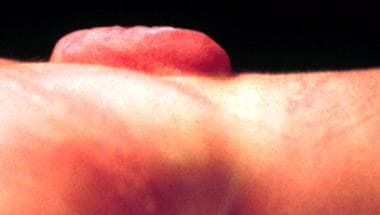
LipomyelomeningoceleAlthough this skin-covered NTD deserves an entire article of its own, a few salient points should be included here. The neonate often presents with a skin-covered mass above the buttocks (see Image 8). The natural history of these lesions consists of eventual neurologic deterioration. Appropriate prophylactic surgical treatment of these lesions can halt the progression of the neurologic deficits and improve neurologic function, and the risk of surgery in skilled hands is quite low. The surgical goal in treating these lesions is to detach the lipoma of the buttocks from the lipoma that emerges through the dura, fascia, and bony defect. The technique requires the surgeon to identify normal anatomy and travel down to the location where the lipoma pierces the dura and enters the spinal cord. Often with use of microsurgical technique and/or a carbon dioxide laser, the lipoma is disconnected from the spinal cord (see Image 9). All of the lipoma need not be removed. Take care to leave some lipoma on the cord in order to avoid injuring the underlying neural substrate. The filum terminale also is divided to further untether the cord. A patulous graft is then placed over the dural opening to establish a pool of CSF around the cord to help prevent retethering. For excellent patient education resources, visit eMedicine's Brain and Nervous System Center. Also, see eMedicine's patient education article Spina Bifida. OUTCOME AND PROGNOSIS OF CHILDREN WITH NEURAL TUBE DEFECTS
Major issues in evaluating the outcome of children with myelomeningocele are hydrocephalus, intellect, ambulation, continence, orthopedic problems, and employment and independent living status. Treatment of NTDs in neonates has evolved over the past half century. Historically, there was a period when neonates with NTDs were either left untreated or selectively treated. The natural history of neonates with NTDs left untreated is poor. Most died of meningitis, hydrocephalus, and sepsis. Laurence described a cohort of 290 children with spina bifida (mostly myelomeningoceles) left untreated in Wales during the 1950s and 1960s. Only 11% of those children lived past the first decade of life. Lorber and Salfield reported their results with selected treatment of neonates with myelomeningocele. More than 80% of the selected neonates lived, whereas 97% of the neonates denied treatment died in the first year of life. The tremendous ethical implications of selected neonatal treatment led to its abandonment. In the United States during the 1960s, most children with myelomeningocele were treated, which resulted in a higher survival rate (>80% for the first decade) than that in Great Britain. Recognized causes of death include shunt malfunction, seizure, infection, and uncontrolled brainstem symptoms from CM II and/or hydrocephalus. During the past 3 decades, aggressive treatment of neonates with myelomeningocele has been pursued in almost all pediatric centers in the United States. IntellectCognitive ability is, in part, influenced by hydrocephalus, CNS infections, and degree of impairment. In most series, 60-70% of the children with myelomeningocele had intelligence quotients (IQs) greater than 80; the others had IQs in the delayed or severely delayed range. In the McLone series, children who had CNS infections, such as ventriculitis, or shunt infections fared worse than those who did not. Children with myelomeningocele without hydrocephalus had an average IQ of 102; those with hydrocephalus had an average IQ of 95. However, the average IQ dropped to 73 when a CNS infection complicated the picture. Children with moderate physical impairments, in most series, have a better intellectual outcome than those with significant sensory levels and paraplegia. The reasons most likely are multifactorial. ContinenceOnly 10-15% of all children with myelomeningoceles are continent of urine. This issue often causes the children to be separated from their peers, which, in turn, leads to other neuropsychologic deficits. Despite the development of catheters and Crede manipulation (pushing on the pelvis over the bladder to engender urination), children with NTDs still experience a high rate of infection, vesicoureteral reflux, kidney failure, hydronephrosis, and obstruction. Clean intermittent catheterization (CIC) has led to a marked improvement of the lifestyles and lifespan of these children. CIC can make more than 75% of these children socially continent and significantly decreases the rate of urosepsis. As a result of CIC, urinary diversions are less commonly performed. Use of anticholinergic drugs combined with CIC has resulted in a better self-image and greater educational and vocational opportunities for children with NTDs. Bowel continence is achieved with a combination of medication, diet control, manual disimpaction, and enemas. Most patients with NTDs can be continent of stool with these measures. AmbulationThe ability to ambulate is influenced by the level of the neural lesion, hydrocephalus, pelvic anatomy, limb deformities, tethered cord, scoliosis, kyphosis, and syringomyelia; varying degrees of ambulation exist. Strong hip flexors, adductors, and quadriceps are required to be ambulatory. Some children can ambulate in the community, some only in the home, others can only stand but not walk, and the rest are wheelchair bound. However, many children with NTDs, such as lumbar myelomeningocele, lose their ability to ambulate as they get older. In general, patients with sacral lesions can ambulate, those with thoracic lesions cannot. Independent living, vocation, educationSteinbok noted that about 60% of children with NTDs attended normal classes, while 40% were in special classes or operated below their grade levels. Approximately 10-40% of children with myelomeningocele are probably employable at some level, depending on the individual's intellectual abilities, ambulation status, and environmental influences. Latex allergiesOver the past 2 decades, allergy to latex has been recognized in an increasing number of children with myelomeningocele. Up to 50% of children with myelomeningocele may be latex sensitive. This appears to be a result of a massive immunoglobulin E (IgE) response to the antigen in latex that is derived from the Heva brasiliensis plant. Patients with myelomeningocele should be treated from birth with latex precautions. Surgeons and health care providers should work with latex-free gloves and plastics so that they can avoid latex-induced anaphylaxis, which can be life threatening. Medications such as corticosteroids, diphenhydramine, bronchodilators, and epinephrine should be available as a precaution during surgery on these children. Late complicationsNeurosurgeons need to be wary of later-life neurologic deterioration in children and adults. The most common deterioration occurs from a tethered spinal cord. A routine MRI reveals a spinal cord that ends in the lumbar or sacral regions in almost all patients with myelomeningocele (see Image 3). This can be normal in many patients without any new neurologic complaints. Despite careful surgical closure of the original neural placode, approximately 20% or more of all patients with myelomeningocele require an untethering of their spinal cords later in life. They may present with gait difficulty, back pain, leg weakness, sensory loss, a new foot deformity, or simply a change in their urodynamic data or urinary continence. These patients require surgical exploration to free the neural placode and nerve roots from the dorsal surface of their dura. Patients with tethered cords on MRI but no new complaints do not require reexploration. Diastematomyelia can be diagnosed using MRI or CT/myelogram. An enlarging syringomyelia can be the result of a symptomatic CM II or retethering of the spinal cord. Many functional deteriorations result from progressive orthopedic deformities such as scoliosis, pelvic obliquity, and limb deformities. An orthopedic surgeon well versed in the care of patients with NTDs is required to execute a reasonable plan to repair or stabilize treatable disorders. In general, a multidisciplinary team consisting of neonatologist, pediatrician, pediatric neurosurgeon, pediatric urologist, pediatric orthopedic surgeon, physical therapist, nurse, nutritionist, psychologist, and teacher are required to direct the care of children with NTDs. MULTIMEDIA
REFERENCES
| ||||||||||||||||||||||||||||||||||||||||||||||||||||||||||||||||||||||||||||||||||||||||||||||||||||||||||||||