Continually Updated Clinical Reference
 
 
  All Sources     eMedicine     Medscape     Drug Reference     MEDLINE
 
eMedicine - Diphtheria : Article by

Quick Find
Authors & Editors
Introduction
Clinical
Differentials
Workup
Treatment
Medication
Follow-up
Miscellaneous
References

Related Articles
Epiglottitis

Herpes Simplex Virus Infection

Impetigo


Patient Education
Click here for patient education.


Author: Cem S Demirci, MD, Fellow in Endocrinology, Children's Hospital of Pittsburgh

Coauthor(s): Walid Abuhammour, MD, FAAP, Associate Professor of Pediatrics, Michigan State University; Director of Pediatric Infectious Disease, Department of Pediatrics, Hurley Medical Center

Editors: Ashir Kumar, MBBS, MD, FAAP, Professor, Department of Pediatrics and Human Development, College of Human Medicine, Michigan State University; Consulting Staff, Department of Pediatrics, EW Sparrow Hospital; Mary L Windle, PharmD, Adjunct Assistant Professor, University of Nebraska Medical Center College of Pharmacy, Pharmacy Editor, eMedicine.com, Inc; Joseph Domachowske, MD, Professor of Pediatrics, Microbiology and Immunology, Department of Pediatrics, Division of Infectious Diseases, State University of New York-Upstate Medical University; Robert W Tolan Jr, MD, Chief, Division of Allergy, Immunology and Infectious Diseases, The Children's Hospital at Saint Peter's University Hospital; Clinical Associate Professor of Pediatrics, Drexel University College of Medicine; Russell W Steele, MD, Head, Division of Pediatric Infectious Diseases, Ochsner Children's Health Center; Clinical Professor, Department of Pediatrics, Tulane University School of Medicine

Author and Editor Disclosure

Synonyms and related keywords: diphtheria, Corynebacterium diphtheriae, strangling angel of children, toxin-mediated disease, mitis diphtheria, gravis diphtheria, intermedius diphtheria, diphtheroids, coryneform bacteria, respiratory tract infection, thrombocytopenia, cardiomyopathy, tonsillar diphtheria, pharyngeal diphtheria, respiratory failure, circulatory collapse, laryngotracheobronchitis, respiratory tract obstruction, septicemia, rhinitis, impetigo

Background

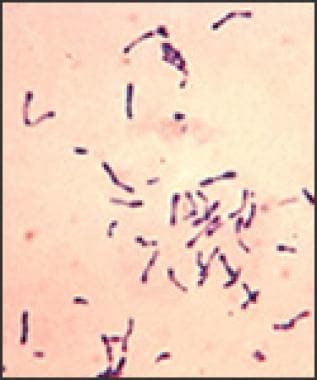
Diphtheria is an acute toxin-mediated disease caused by Corynebacterium diphtheriae. Nontoxigenic strains also cause disease, which is mostly cutaneous and usually mild. Three biotypes (ie, mitis, gravis, intermedius), each capable of causing diphtheria, are differentiated by colonial morphology, hemolysis, and fermentation reactions.

The "strangling angel of children," as diphtheria was once called, can be traced to the fourth-to-fifth century BC and was one of the most common causes of death among children in the prevaccine era. Klebs was the first to identify the organism in 1884, and Loeffler was first to cultivate the bacterium a year later. Roux and Yersin purified the toxin in 1889, and the antitoxin was invented shortly afterwards. In the 1920s, the toxoid was developed.

Unlike other diphtheroids (eg, coryneform bacteria), which are ubiquitous in nature, C diphtheriae is an exclusive inhabitant of human mucous membranes and skin. Spread primarily occurs via contact with airborne respiratory droplets, direct contact with respiratory secretions of symptomatic individuals, or contact with exudate from infected skin lesions. Asymptomatic respiratory carriers are important in transmission.

In the prevaccine era, diphtheria was a dreaded highly endemic childhood disease found in temperate climates. Despite a gradual decline in deaths in most industrialized countries in the early 20th century (associated with improving living standards), diphtheria remained one of the leading causes of death in children until widespread vaccination was implemented. In England and Wales, as recently as 1937-1938, diphtheria was second only to pneumonia among all causes of death in children, with an annual death rate of 32 per 100,000 in children younger than 15 years.

Superimposed on the high rates of endemic disease was a rough incidence periodicity that demonstrated peaks every several years. Epidemic waves were characterized by extremely high incidence in Spain in the early 1600s, New England in the 1730s, and Western Europe from 1850-1890. Deaths were sporadic.

The factors governing the periodicity of diphtheria outbreaks are not understood. In the United States, Canada, and many countries in Western Europe, the widespread use of diphtheria toxoid for childhood vaccination, beginning in the 1930s and 1940s, led to a rapid reduction in diphtheria incidence. However, in the 1930s, a gradual rise in diphtheria incidence to 200 cases per 100,000 in the prewar period occurred in Germany and several other central European countries with partially implemented vaccination programs. The onset of World War II in 1939 and the occupation by German troops of many Western European countries led to the last diphtheria pandemic in western industrialized countries.

Pathophysiology

Diphtheria organisms usually remain in the superficial layers of skin lesions or respiratory mucosa, inducing local inflammatory reaction. The organism's major virulence lies in its ability to produce the potent 62-kd polypeptide exotoxin, which inhibits protein synthesis and causes local tissue necrosis.

Diphtheriae toxin, which is secreted by toxigenic strains of C diphtheriae, is a single polypeptide of Mr 58,342. Toxigenic strains of C diphtheriae carry the tox structural gene found in lysogenic corynebacteriophages beta-tox+, gamma-tox+, and omega-tox+.

Highly toxic strains have 2 or 3 tox+ genes inserted into the genome. Expression of the gene is regulated by the bacterial host and is iron dependent. In the presence of low concentrations of iron, the gene regulator is inhibited, resulting in increased toxin production. Toxin is excreted from the bacterial cell and undergoes cleavage to form 2 chains, A and B, which are held together by an interchain disulfide bond between cysteine residues at positions 186 and 201. As toxin concentrations increase, the toxic effects extend beyond the local area because of distribution of the toxin by the circulation. Diphtheriae toxin does not have a specific target organ, but myocardium and peripheral nerves are most affected.

Within the first few days of respiratory tract infection, a dense necrotic coagulum of organisms, epithelial cells, fibrin, leukocytes, and erythrocytes forms, advances, and becomes a gray-brown adherent pseudomembrane. Removal is difficult and reveals a bleeding edematous submucosa. Paralysis of the palate and hypopharynx is an early local effect of the toxin. Toxin absorption can lead to necrosis of kidney tubules, thrombocytopenia, cardiomyopathy, and demyelination of nerves. Because cardiomyopathy and demyelination of nerves can occur 2-10 weeks after mucocutaneous infection, the pathophysiologic mechanism may be immunologically mediated in some patients.

In the classic description of diphtheria, the primary focus of infection is the tonsils or pharynx in more then 90% of patients; the nose and larynx are the next most common sites. After an average incubation period of 2-4 days, local signs and symptoms of inflammation develop. Fever is rarely higher than 39°C.

Frequency

United States

Diphtheria cases remain isolated, with the last outbreaks reported between 1972-1982. Diphtheria incidence continued to decline steadily throughout the vaccine era in the United States and Western Europe (after the immediate postwar period). Cases of clinical diphtheria became extremely uncommon after the 1970s. Residual indigenous cases have been concentrated among incompletely vaccinated or unvaccinated persons of low socioeconomic status.

International

Diphtheria is endemic in many parts of the world, including countries of the Caribbean and Latin America. During the last 10 years, large epidemics of diphtheria have occurred in the former Soviet Union, where diphtheria had been well controlled. The largest outbreak of diphtheria in the developed world occurred from 1990-1995 throughout the states of the former Soviet Union.1, 2 Since 1994, with the initiation of aggressive immunization efforts, the number of reported cases has decreased. Outbreaks also have been reported in Central Asia, Algeria, and Ecuador.

A feature of these epidemics concerns the age group; most cases have occurred in adolescents and adults, rather than in children. Protocols in all countries of the European Union call for at least 3 doses of diphtheria vaccine during the first 2 years of life. Vaccination in France, Greece, Ireland, Luxembourg, Portugal, and the United Kingdom begins at age 2 months; in Austria, Belgium, Finland, Germany, Italy, the Netherlands, Spain, and Sweden vaccination begins at age 3 months; and in Denmark, it begins at age 5 months. Consecutive injections are usually separated by 1-2 months, but 9 months elapse between the second and third doses in Denmark.

Booster doses are administered in most countries 1 year after the third injection, then approximately every 5 years. Childhood immunization stops at age 6 years in Belgium, Ireland, Italy, and Portugal; at age 10 years in the Netherlands and Sweden; at age 15 years in Greece and Luxembourg; at age 15-19 years in the United Kingdom; and at age 18-20 years in France. Adult immunity, with tetanus toxoid and a low dose of diphtheria vaccine (Td) every 10 years, is maintained systematically only in Austria, Finland, and Germany. The epidemic of diphtheria in the former Soviet Union led the World Health Organization (WHO) to recommend systematic immunization of travelers to these countries.

Mortality/Morbidity

Death due to mechanical airway obstruction or cardiac involvement with circulatory collapse occurs in at least 10% of patients with respiratory tract diphtheria. The mortality rate has not improved and was approximately 20% in the outbreak that occurred in the newly independent states of the Soviet Union during the early 1990s.

Prognosis depends on the virulence of the organism (with the gravis strain usually accounting for the most severe disease), the age and immunization status of the patient, the site of involvement, and the speed with which antitoxin is administered. For patients in whom disease is recognized on day 1 and therapy is promptly initiated, the mortality rate is approximately 1%. If appropriate treatment is withheld until day 4, the mortality rate rises to 20%.

Diphtheria was no longer considered to be a child killer until large epidemics in several Eastern European countries drew attention to this forgotten disease in the 1990s. Reports from developing countries suggest that different epidemiologic patterns of the disease occur in populations with different immunization histories. The outbreaks had high case fatality rates and a large proportion of patients with complications.

Race

No racial predilection is observed.

Sex

No difference has been described for acute infection; however, in surveys from around the world, lack of immunity was more pronounced in elderly women than in men.

Age

When diphtheria was endemic, it primarily affected children younger than 15 years; recently, the epidemiology has shifted to adults who lack natural exposure to toxigenic C diphtheriae in the vaccine era and those who have low rates of receiving booster injections. In the 27 sporadic cases of respiratory tract diphtheria reported in the United States in the 1980s, 70% occurred in persons older than 25 years.

Data from Europe are particularly noteworthy because the childhood immunization rate exceeds 95% in some countries (eg, Sweden), but approximately 20% of persons younger than 20 years and as many as 75% of persons older than 60 years lack the protective antibody. Other broad serosurveys have identified large subgroups of underimmunized individuals in the United States and other countries in which immunization is believed to be universal; these individuals would be at risk if the organism were introduced. In serosurveys in the United States and other developed countries with almost universal immunization during childhood, such as Sweden, Italy, and Denmark, 25% to more than 60% of adults lacked protective antitoxin levels, with particularly low levels found in elderly persons.


History

Severity of disease due to C diphtheriae depends on the site of infection, the immunization status of the patient, and the dissemination of toxin (which is influenced by administration of antitoxin). Initial infection usually is localized and is categorized by the site of involvement.

  • Tonsils and pharynx: Tonsillar and pharyngeal diphtheria are most common; symptoms begin with a sore throat, usually in the absence of systemic complaints. Fever, if it occurs, is usually lower than 102°F, and malaise, dysphagia, and headache are not prominent features.
    • In individuals with diphtheria infection who are not immune, membrane formation begins after the 2-day to 5-day incubation period and grows to involve the pharyngeal walls, tonsils, uvula, and soft palate. The membrane may extend to the larynx and trachea, causing airway obstruction and eventual suffocation.
    • Underlying tissue of the throat and neck becomes edematous, and lymphadenopathy develops. Marked edema of the neck may lead to a bull-neck appearance with a distinct collar of swelling; the patient throws the head back to relieve pressure on the throat and larynx. Erasure edema associated with pharyngeal diphtheria obliterates the angle of the jaw, the borders of the sternocleidomastoid muscle, and the medial border of the clavicles. Swallowing may be made difficult by unilateral or bilateral paralysis of the muscles of the palate.
    • If toxin production is unopposed by antitoxin and severe disease occurs, early localized signs and symptoms give way to circulatory collapse, respiratory failure, stupor, coma, and death.
  • Larynx: In a minority of patients, the larynx is the initial site of infection, with initial presenting symptoms similar to laryngotracheobronchitis from other causes. Initial hoarseness may progress to loss of voice and severe respiratory tract obstruction. Initially, nasal diphtheria may present as a common viral upper respiratory tract infection. A foul odor may develop. This form of diphtheria is most common in infants.
  • Skin: Cutaneous diphtheria may occur at one or more sites, usually localized to areas of previous mild trauma or bruising. It is more common in tropical climates, but outbreaks have occurred in the United States. Pain, tenderness, and erythema at the site of infection progress to ulceration with sharply defined borders and formation of a brownish gray membrane. Local disease may persist for weeks to months.
  • Other sites: Additional sites of infection have included the external ear, the eye (usually the palpebral conjunctivae), and the genital mucosa. Rare sporadic cases of endocarditis have been reported, usually due to nontoxigenic strains. Septicemia caused by C diphtheriae is rare but universally fatal.

Physical

Infection of the anterior nares (more common in infants) causes serosanguineous, purulent, erosive rhinitis with membrane formation. Shallow ulceration of the external nares and upper lip is characteristic. Mild pharyngeal infection is followed by unilateral or bilateral tonsillar membrane formation, which extends variably to affect the uvula, soft palate, posterior oropharynx, hypopharynx, and glottic areas. Underlying soft tissue edema and enlarged lymph nodes can cause a bull-neck appearance. The degree of local extension directly correlates with profound prostration, bull-neck appearance, and fatality from airway compromise or toxin-mediated complications. The leatherlike adherent membrane, extension beyond the faucial area, relative lack of fever, and dysphagia help differentiate diphtheria from exudative pharyngitis due to Streptococcus pyogenes and Epstein-Barr virus.

  • Classic cutaneous diphtheria is an indolent nonprogressive infection characterized by a superficial, ecphymic, nonhealing ulcer with a gray-brown membrane. Diphtheritic skin infections cannot always be differentiated from streptococcal or staphylococcal impetigo, and they frequently occur together. In most patients, underlying dermatoses, lacerations, burns, bites, or impetigo have become contaminated secondarily. Extremities are affected more often than the trunk or head. Pain, tenderness, erythema, and exudate are typical. Local hyperesthesia or hypesthesia is unusual. Respiratory tract colonization or symptomatic infection and toxic complications occur in a minority of patients with cutaneous diphtheria.
  • C diphtheriae occasionally causes mucocutaneous infections at other sites, such as the ear (otitis externa), eye (purulent and ulcerative conjunctivitis), and genital tract (purulent and ulcerative vulvovaginitis). Skin is the probable portal of entry, and almost all strains are nontoxigenic. Sporadic cases of pyogenic arthritis, mainly due to nontoxigenic strains, are reported in adults and children. Do not dismiss diphtheroids isolated from sterile body sites as contaminants without careful consideration of the clinical setting.
  • Toxic cardiopathy occurs in approximately 10-25% of patients with diphtheria and is responsible for 50-60% of deaths.
  • Neurologic complications parallel the extent of primary infection and are multiphasic in onset.

Causes

Among nonimmunized populations, diphtheria most often occurs during fall and winter, although summer outbreaks have occurred. Disease spreads more quickly and is more prevalent in poor socioeconomic conditions, where crowding occurs and immunization rates are low.

International travel could pose a risk to persons who are unvaccinated or inadequately vaccinated. The last case of fatal respiratory diphtheria in United States was reported in an unvaccinated Pennsylvania resident who had visited Haiti in October 2003.3


Epiglottitis
Herpes Simplex Virus Infection
Impetigo

Other Problems to be Considered

Vincent angina
Exudative pharyngitis due to Streptococcus pyogenes and Epstein-Barr virus
Mucositis
Infective phlebitis


Lab Studies

Diagnostic tests used to confirm infection combine isolation of C diphtheriae on cultures with toxigenicity testing.

  • Bacteriologic culturing is essential to confirm the diagnosis of diphtheria.
    • In all patients in whom diphtheria is suspected and in their close contacts, obtain specimens from the nose and throat (ie, nasopharyngeal and pharyngeal swab) for culture.
    • Obtain a clinical specimen for culture as soon as possible when diphtheria (at any location) is suspected, even if treatment with antibiotics has been initiated.
    • Obtain specimens from the membrane as well as from the nose and throat. If possible, swabs also should be taken from beneath the membrane.
    • Alert the laboratory to the suspicion of diphtheria because isolation of C diphtheriae requires special culture media containing tellurite. C diphtheriae may be grown on various selective media, including tellurite agar or specially enriched Loeffler, Hoyle, Mueller, or Tinsdale medium.
    • Isolation of C diphtheriae from close contacts may confirm the diagnosis, even if results of cultures on specimens taken from the patient are negative.
    • After C diphtheriae has been isolated, determine the biotype: gravis, mitis, or intermedius (substrain).
  • Toxigenicity testing is also performed.
    • Perform toxigenicity testing using the Elek test to determine if the C diphtheriae isolate produces toxin.
    • Toxigenicity tests are not readily available in many clinical microbiology laboratories; send isolates to a reference laboratory with personnel proficient in performing the tests. The state health department or Centers for Disease Control and Prevention (CDC) can provide information on laboratories that offer this test (few laboratory staffs have the capability to test antibody levels).
    • Measurement of the patient's serum antibodies to diphtheria toxin before administration of antitoxin may help assess the probability of the diagnosis of diphtheria.
    • If antibody levels are low, diphtheria cannot be excluded, but if levels are high, C diphtheriae is less likely to produce serious illness.

Other Tests

Although no other tests for diagnosing diphtheria are commercially available, the CDC can perform a polymerase chain reaction (PCR) test on clinical specimens to confirm infection with a toxigenic strain.

  • The PCR test can detect nonviable C diphtheriae organisms from specimens taken after antibiotic therapy has been initiated.
  • Contact the state health department to report a suspected case and to arrange laboratory testing.
  • Although PCR results for the diphtheria toxin, as performed by the CDC diphtheria laboratory, provide supportive evidence for the diagnosis, data are not yet sufficient for PCR results to be accepted as a criterion for laboratory confirmation.
  • At present, a diagnosis of diphtheria should be classified as probable in a patient with positive results to PCR testing but in whom the organism was not isolated, histopathologic diagnosis has not been made, and no epidemiologic link can be made to a patient with laboratory-confirmed diphtheria.
  • When collecting specimens for culture, obtain additional clinical specimens for PCR testing at the CDC. Because isolation of C diphtheriae is not always possible (many patients have already received antibiotics for several days by the time a diphtheria diagnosis is considered), the PCR test can provide additional supportive evidence for the diagnosis of diphtheria.
  • The PCR assay allows detection of the diphtheria toxin gene (TOX).
  • Clinical samples (swabs, pieces of membrane, biopsy tissue) can be transported to the CDC with cold packs in a sterile empty container or in silica gel sachets. For detailed information on specimen collection and shipping and to arrange PCR testing, the state health department may contact the CDC diphtheria laboratory at (404) 639-1730 or (404) 639-4057.
  • Send all isolates of C diphtheriae, from any body site (respiratory or cutaneous), whether toxigenic or nontoxigenic, to the CDC diphtheria laboratory for reference testing. Clinical specimens should be sent to the CDC diphtheria laboratory for PCR testing. To arrange for specimen shipment, contact the state health department.


Medical Care

Critical care needs and complications must be addressed. Mechanical ventilation may be inevitable because the combination of airway obstruction by the diphtheritic membrane and peripharyngeal edema pose a fatality risk in patients with diphtheria.

Specific antitoxin is the mainstay of therapy and should be administered on the basis of clinical diagnosis because it neutralizes free toxin only. Efficacy diminishes with elapsing time after the onset of mucocutaneous symptoms. Only an equine preparation is available in the United States from Connaught Laboratories (Swiftwater, Pennsylvania) or from the CDC.

Antitoxin is administered once at an empiric dose based on the degree of toxicity, site and size of the membrane, and duration of illness. Most authorities prefer the intravenous route, with infusion over 30-60 minutes. Antitoxin is probably of no value for local manifestations of cutaneous diphtheria, but its use is prudent because toxic sequelae can occur. Commercially available immunoglobulin preparations for intravenous use contain antibodies to diphtheria toxin; their use for therapy of diphtheria is not proved or approved. Antitoxin is not recommended for asymptomatic carriers.

When an asymptomatic carrier is identified, the following steps are taken:

  • Antimicrobial prophylaxis is administered for 7-10 days.
  • An age-appropriate preparation of diphtheria toxoid is immediately administered if the patient has not received a booster injection within 1 year.
  • Individuals are placed in strict isolation (respiratory tract colonization) or contact isolation (cutaneous colonization only) until at least 2 subsequent cultures taken 24 hours apart after cessation of therapy demonstrate negative results.
  • Repeat cultures are performed at a minimum of 2 weeks after completion of therapy in patients and carriers; if results are positive, an additional 10-day course of oral erythromycin should be administered and follow-up cultures performed.
  • Antimicrobial agents fail to eradicate carrier status in 100% of individuals.

Surgical Care

Otolaryngeal assessment is needed in patients with severe respiratory or neurologic complications or as part of critical care.

Consultations

  • Cardiologist: Elevation of serum aspartate aminotransferase concentrations closely parallels the severity of myonecrosis. In electrocardiographic tracings, a prolonged PR interval, changes in the ST-T wave, and single or progressive cardiac dysrhythmias can occur, such as first-degree, second-degree, and third-degree heart block, atrioventricular dissociation, and ventricular tachycardia. Toxic cardiomyopathy and myocarditis are also complications that need to be evaluated and monitored by a pediatric cardiologist.
  • Neurologist: Neurologic complications parallel the extent of primary infection and are multiphasic in onset.
    • Hypesthesia and local paralysis of the soft palate occur commonly. Weakness of the posterior pharyngeal, laryngeal, and facial nerves may follow, causing a nasal tone in the voice, difficulty in swallowing, and risk of death from aspiration.
    • Cranial neuropathies characteristically occur in the fifth week and lead to oculomotor and ciliary paralysis, which manifest as strabismus, blurred vision, or difficulty with accommodation.
    • Symmetric polyneuropathy begins within 10 days to 3 months after oropharyngeal infection and principally causes motor function deficit with diminished deep tendon reflexes.
    • Proximal muscle weakness of the extremities progressing distally and, more commonly, distal weakness progressing proximally are described. Clinical and cerebrospinal fluid (CSF) findings in distal weakness are indistinguishable from findings of polyneuropathy of Landry-Guillain-Barré syndrome. Paralysis of the diaphragm can ensue.


Drug Category: Antibiotic agents

Antimicrobial therapy is indicated to halt toxin production, treat localized infection, and prevent transmission of the organism to patient contacts. C diphtheriae is usually susceptible to various agents in vitro, including penicillin, erythromycin, clindamycin, rifampin, and tetracycline. Resistance to erythromycin is common in closed populations if the drug has been used broadly.

Penicillin and erythromycin are only recommended for treatment. Erythromycin is marginally superior to penicillin for eradication of nasopharyngeal infection. Antibiotic therapy is not a substitute for antitoxin therapy. Elimination of the organism should be documented by at least 2 successive cultures from the nose and throat (or skin) obtained 24 h apart after completion of therapy. Treatment with erythromycin is repeated if culture results remain positive.

Drug NamePenicillin G, aqueous crystalline (Pfizerpen)
DescriptionInterferes with synthesis of cell wall mucopeptide during active multiplication, resulting in bactericidal activity against susceptible microorganisms.
Adult DoseEliminate carrier state: 2-3 million U/d IV/IM divided q4-6h for 10-12 d
Pediatric DoseTreatment: 100,000-150,000 U/kg/d IV/IM divided qid for 14 d
Cutaneous diphtheria: 7-10 d has been administered
ContraindicationsDocumented hypersensitivity
InteractionsProbenecid can increase effects of penicillin; coadministration of tetracyclines can decrease effects of penicillin
PregnancyB - Fetal risk not confirmed in studies in humans but has been shown in some studies in animals
PrecautionsCaution in impaired renal function

Drug NamePenicillin G procaine
DescriptionLong-acting parenteral penicillin (IM only) to treat moderately severe infections caused by penicillin G–sensitive microorganisms.
Adult Dose600,000 U/d IM divided bid for 10 d
Pediatric DoseTreatment: 25,000-50,000 U/kg/d IM divided bid for 14 d
Cutaneous diphtheria: 7-10 d has been administered
ContraindicationsDocumented hypersensitivity
InteractionsIncreases risk of bleeding when administered concurrently with warfarin; ethacrynic acid, aspirin, indomethacin, and furosemide may compete with penicillin G for renal tubular secretion, increasing penicillin serum concentrations
PregnancyB - Fetal risk not confirmed in studies in humans but has been shown in some studies in animals
PrecautionsNever use IV route to administer penicillin G procaine

Drug NamePenicillin G benzathine (Bicillin L-A, Permapen)
DescriptionAdministered only IM. A tissue depot is created at the site of IM injection and slowly releases active drug into the systemic circulation. Penicillin serum concentrations are lower but more prolonged with the benzathine form than with the procaine form; serum levels of penicillin G are detected for as many as 30 d following administration.
Adult DoseProphylaxis: 1.2 million U IM single dose
Pediatric DoseProphylaxis:
<27 kg: 600,000 U IM single dose
>27 kg: Administer as in adults
ContraindicationsDocumented hypersensitivity
InteractionsProbenecid can increase penicillin effectiveness by decreasing clearance; coadministration with tetracyclines can decrease effectiveness of penicillin
PregnancyB - Fetal risk not confirmed in studies in humans but has been shown in some studies in animals
PrecautionsCaution in impaired renal function

Drug NameErythromycin (E.E.S., Ery-Tab)
DescriptionInhibits bacterial growth, possibly by blocking dissociation of peptidyl tRNA from ribosomes causing RNA-dependent protein synthesis to arrest.
Adult Dose250-500 mg PO qid
Pediatric Dose40-50 mg/kg/d PO/IV divided tid/qid; not to exceed 2 g/d; treatment is repeated if culture results are positive
Antimicrobial prophylaxis: 40-50 mg/kg/d PO for 7 d; not to exceed 2 g/d
ContraindicationsDocumented hypersensitivity; hepatic impairment
InteractionsPotent inhibitor of CYP450 3A4; coadministration may increase toxicity of theophylline, digoxin, carbamazepine, and cyclosporine; may potentiate anticoagulant effects of warfarin; coadministration with lovastatin and simvastatin increases risk of rhabdomyolysis
PregnancyB - Fetal risk not confirmed in studies in humans but has been shown in some studies in animals
PrecautionsCaution in liver disease; estolate formulation may cause cholestatic jaundice; adverse GI tract effects are common (administer doses pc); discontinue if nausea, vomiting, malaise, abdominal colic, or fever occur

Drug Category: Antipyretic agents

These agents inhibit central synthesis and release of prostaglandins that mediate the effect of endogenous pyrogens in the hypothalamus; thus, they promote the return of the set-point temperature to normal.

Drug NameIbuprofen (Advil, Motrin)
DescriptionOne of the few NSAIDs indicated for reduction of fever.
Adult Dose200-400 mg PO q4-6h while symptoms persist; not to exceed 3.2 g/d
Pediatric Dose10 mg/kg/dose PO q8h for pain and/or fever; not to exceed 2.4 g/d for older children
ContraindicationsDocumented hypersensitivity; peptic ulcer disease; recent GI tract bleeding or perforation; renal insufficiency; high risk of bleeding
InteractionsCoadministration with aspirin increases risk of inducing serious NSAID-related adverse effects; probenecid may increase concentrations and, possibly, toxicity of NSAIDs; may decrease effects of hydralazine, captopril, and beta-blockers; may decrease diuretic effects of furosemide and thiazides; may increase PT when taking anticoagulants (instruct patients to watch for signs of bleeding); may increase risk of methotrexate toxicity; phenytoin levels may be increased when administered concurrently
PregnancyB - Fetal risk not confirmed in studies in humans but has been shown in some studies in animals
PrecautionsCategory D in third trimester of pregnancy; caution in congestive heart failure, hypertension, and decreased renal and hepatic function; caution in anticoagulation abnormalities or during anticoagulant therapy

Drug NameAcetaminophen (Tylenol, FeverAll, Tempra)
DescriptionReduces fever by acting directly on hypothalamic heat-regulating centers, which increases dissipation of body heat via vasodilation and sweating.
Adult Dose325-650 mg PO q4-6h or 1000 mg tid/qid; not to exceed 4 g/d
Pediatric Dose15 mg/kg/dose PO q4-6h prn; not to exceed 2.6 g/d for older children
ContraindicationsDocumented hypersensitivity; G-6-P deficiency
InteractionsRifampin can reduce analgesic effect of acetaminophen; coadministration with barbiturates, carbamazepine, hydantoins, and isoniazid may increase hepatotoxicity
PregnancyB - Fetal risk not confirmed in studies in humans but has been shown in some studies in animals
PrecautionsHepatotoxicity possible in chronic alcoholism and overdose or chronic use of acetaminophen; severe or recurrent pain and high or continued fever may indicate serious illness; contained in many OTC products and combined use with OTC products may result in cumulative doses exceeding recommended maximum dose

Drug Category: Antitoxin

Antibodies are directed to a particular pathogen, usually in the form of antisera (from animal origin) or immunoglobulins. These agents are used for passive immunization resulting in immediate protection of short duration.

Antitoxin is the mainstay of therapy. It likely has no value in local manifestations of cutaneous diphtheria, but its use is prudent because toxic sequelae can occur, causing rapid deterioration of the patient. Follow with administration of appropriate diphtheria toxoid for active immunization during convalescence.

Drug NameDiphtheria antitoxin
DescriptionFor passive transient protection against or treatment of diphtheria infections. Neutralizes only free toxin.
Only an equine preparation is available in the United States from Connaught Laboratories (Swiftwater, Pa) or from the CDC. Appropriate antibiotic therapy should be administered simultaneously with the antitoxin. Not recommended for asymptomatic carriers.
Adult DosePharyngeal or laryngeal (<48 h): 20,000-40,000 U IV infused over 30-60 min
Nasopharyngeal: 40,000-60,000 U IV infused over 30-60 min
Extensive illness (>3 d) or brawny neck swelling: 80,000-120,000 U IV infused over 30-60 min
Pediatric DoseAdminister as in adults
ContraindicationsDocumented hypersensitivity; equine hypersensitivity
InteractionsNone reported
PregnancyC - Fetal risk revealed in studies in animals but not established or not studied in humans; may use if benefits outweigh risk to fetus
PrecautionsDue to presence of horse serum, agents for emergency treatment of anaphylaxis should be available; may cause erythema or urticaria at site of injection

Drug Category: Vaccines

Active immunization increases resistance to infection. Vaccines consist of microorganisms or cellular components that act as antigens. Administration of the vaccine stimulates the production of antibodies with specific protective properties.

Universal immunization is the only effective control measure. Diphtheria toxoid is typically combined with tetanus and acellular pertussis for children younger than 7 years. In children and adults, the immunization may be administered into deltoid or midlateral thigh muscles. In infants, the preferred site of administration is the midlateral thigh muscles. A specific formulation, Tdap, is recommended for adolescents and adults.4, 5

Drug NameDTaP (Tripedia, Daptacel, Infanrix)
DescriptionMay be administered into deltoid or midlateral thigh muscles in children and adults. In infants, preferred site of administration is the midlateral thigh muscles.
Adult Dose0.5 mL IM diphtheria and tetanus toxoids (Td) and dose according to previous vaccine history
Pediatric DosePrimary immunization series: 0.5 mL IM at ages 2, 4, 6, between 15-18 mo, and between 4-6 y
Catch up schedule for primary immunization for ages 7-18 years: 0.5 mL IM (administer Td) for 3 doses; allow 4 wk between doses 1 and 2, and 6 mo between doses 2 and 3; follow with booster dose 6 mo after third dose (may substitute Tdap for booster dose if age appropriate)
Adolescent booster dose (10-18 years): Tdap 0.5 mL IM once as a single dose
ContraindicationsDocumented hypersensitivity; history of neurologic symptoms or signs following DTaP administration
InteractionsPatients receiving immunosuppressants, including corticosteroids or radiation therapy, may remain susceptible despite immunization because of poor immune response; cimetidine may enhance or augment delayed-hypersensitivity responses to skin test antigens; avoid concurrent use with systemic chloramphenicol because it may impair amnestic response to tetanus toxoid; concurrent use of tetanus immunoglobulin may delay development of active immunity by several days (interaction is nevertheless clinically insignificant and does not preclude concurrent use); immunosuppressive drugs (eg, corticosteroids, antineoplastic agents) may decrease immune response (defer primary diphtheria immunization until immunosuppressive therapy is discontinued)
PregnancyC - Fetal risk revealed in studies in animals but not established or not studied in humans; may use if benefits outweigh risk to fetus
PrecautionsRoutine immunization of symptomatic and asymptomatic persons infected with HIV is recommended; may cause transient redness, swelling, or pain at site of injection; infrequently causes fever

Drug NameTdap (Adacel, Boostrix)
DescriptionTetanus toxoid, reduced diphtheria toxoid, and acellular pertussis vaccine. Promotes active immunity to diphtheria, tetanus, and pertussis by inducing production of specific neutralizing antibodies and antitoxins. Indicated for active booster immunization for tetanus, diphtheria, and pertussis prevention for persons aged 10-64 y (Adacel approved for ages 11-64 y, Boostrix approved for ages 10-18 y). Preferred vaccine for adolescents scheduled for booster.
Adult DoseOne-time alternative to Td in adults when pertussis component is also indicated: 0.5 mL IM once as a single dose into deltoid muscle; at least 5 y should elapse since last dose vaccine containing tetanus, diphtheria, and/or pertussis; booster with Td recommended q10y
>65 years: Not indicated
Pediatric Dose<10 years: Not indicated
10-18 years: Administer as in adults; preferred vaccine for adolescents scheduled for booster
ContraindicationsDocumented hypersensitivity; encephalopathy within 7 d following pertussis-containing vaccine; progressive neurologic disorder; uncontrolled epilepsy; progressive encephalopathy
InteractionsPatients receiving immunosuppressants, including corticosteroids or radiation therapy, may remain susceptible despite immunization because of a poor immune response
PregnancyC - Fetal risk revealed in studies in animals but not established or not studied in humans; may use if benefits outweigh risk to fetus
PrecautionsRoutine immunization of symptomatic and asymptomatic persons infected with HIV is recommended; may cause transient redness, swelling, or pain at injection site; infrequently causes fever; administer only if benefit outweighs risk to individuals with bleeding disorders (eg, hemophilia, thrombocytopenia) or in patients receiving anticoagulant therapy; caution upon fever, shock, persistent crying, Guillain-Barré syndrome, or seizures following previous DTP or DTaP vaccine (consider administering Td instead)


Further Outpatient Care

  • Promptly identify close contacts of patients in whom diphtheria is suspected. Tracing of the contacts should begin in the household and can usually be limited to household members and other persons with a history of habitual close contact with the patient.
  • For close contacts, irrespective of their immunization status, the following measures should be taken:
    • Surveillance for 7 days for evidence of disease
    • Culture for C diphtheriae
    • Antimicrobial prophylaxis with oral erythromycin (40-50 mg/kg/d for 7 d; not to exceed 2 g/d) or a single intramuscular injection of penicillin G benzathine (600,000 U for children who weigh <30 kg and 1.2 million U for children weighing >30 kg and adults)
  • Efficacy of antimicrobial prophylaxis is presumed but not proven. Obtain repeated pharyngeal cultures from contacts proven to be carriers at a minimum of 2 weeks after completion of therapy.
  • Asymptomatic, previously immunized, close contacts should receive a booster dose of a preparation containing diphtheria toxoid (DTaP, DT, Tdap, or Td, depending on age) if they have not received a booster dose of diphtheria toxoid within 5 years. Immunize children in need of the fourth dose.
  • In asymptomatic close contacts who are not fully immunized (defined as having received <3 doses of diphtheria toxoid) or in whom the immunization status is unknown, active immunization should be undertaken with DTaP, DT, or Td, depending on age.
  • Contacts who cannot be kept under surveillance should receive benzathine penicillin G (not erythromycin), because adherence to an oral regimen is less likely, and a dose of DTaP, DT, Tdap, or Td (depending on age and the person's immunization history).

Deterrence/Prevention

  • Serological surveys demonstrated that 20% to more than 50% of adolescents and adults lack immunity to diphtheria toxin in some areas of the United States, with particularly low levels among elderly persons. The only effective control measure against diphtheria is universal immunization with diphtheria toxoid throughout life to provide constant protective antitoxin levels and to reduce indigenous C diphtheriae. Although immunization does not preclude subsequent respiratory or cutaneous carriage of toxigenic C diphtheriae, it decreases local tissue spread, prevents toxic complications, diminishes transmission of the organism, and provides herd immunity when at least 70-80% of a population is immunized. Serum antitoxin concentration of 0.01 IU/mL is conventionally accepted as the minimum protective level, and 0.1 IU/mL provides a definitely protective level.
  • For all indications, diphtheria immunization is administered with tetanus toxoid–containing vaccines. Schedules for immunization against diphtheria are presented annually in the January edition of Pediatrics as a consensus of the American Academy of Pediatrics (AAP), CDC, and American Academy of Family Physicians.6 Also see the latest edition of the Red Book: Report of the Committee on Infectious Diseases.7
  • Travelers to countries with endemic or epidemic diphtheria should have their diphtheria immunization status reviewed and updated when necessary.

Complications

  • Demyelination of nervous tissue is seen in all fatal cases of diphtheria.
    • Frank paralysis occurs in 10-20% of patients and most often involves the muscles of the palate and the hypopharynx, beginning as early as the first 10 days of illness.
    • Difficulty swallowing and nasal speech are often the first indications of neurologic impairment.
    • Involvement of other cranial nerves, which may be delayed until as late as 7 weeks after infection, results in oculomotor paralysis and blurred vision. Diffuse, usually bilateral, motor function deficits resulting from involvement of the anterior horn cells of the spinal cord may be seen as late as 3 months after initial disease, with progression of weakness either from proximal-to-distal regions or, more commonly, from distal-to-proximal regions.
    • Involvement of the phrenic nerve may cause diaphragmatic paralysis at any time between the first and seventh weeks of illness.
    • Elevation of CSF protein levels can be seen and may lead to an erroneous diagnosis of Guillain-Barré syndrome.
    • Recovery from neurologic damage usually is complete in patients who survive.
  • Cardiac complications may arise during the first 10 days of illness or may be delayed until 2-3 weeks after onset, when pharyngeal disease is subsiding. Cardiac involvement is thought to be responsible for 50-60% of deaths associated with diphtheria.
    • The first sign of toxin-induced myocardiopathy is tachycardia disproportionate to the degree of fever.
    • Various dysrhythmias, including first-degree, second-degree, or third-degree heart block; atrioventricular dissociation; and ventricular tachycardia can develop, and congestive heart failure may be a consequence of myocardial inflammation.
    • Echocardiography may reveal dilated or hypertrophic cardiomyopathy.
    • In patients who survive, cardiac muscle regeneration and interstitial fibrosis lead to recovery of normal cardiac function, unless toxic damage has led to a permanent arrhythmia.
  • Airway obstruction by the diphtheritic membrane and peripharyngeal edema combine to pose a risk of death in patients with diphtheria.

Prognosis

  • For respiratory tract diphtheria, the fatality rate can be set at 10-15%. The prognosis depends on multiple factors, including the virulence of the organism, the patient's age and immunization status, the site of infection, and the timing of administration of the antitoxin. In most diphtheria-related deaths due to complications, mechanical obstruction and cardiac causes are important factors.

Patient Education

  • Addressing the crucial issue of universal immunization is the most effective guidance regarding education about diphtheria.


Special Concerns

  • Use of equine diphtheria antitoxin in unimmunized close contacts is not recommended because no evidence suggests that it provides additional benefit for contacts who have received antimicrobial prophylaxis and because of the 5-20% risk of allergic reactions to horse serum.


  1. Dittmann S, Wharton M, Vitek C, et al. Successful control of epidemic diphtheria in the states of the Former Union of Soviet Socialist Republics: lessons learned. J Infect Dis. Feb 2000;181 Suppl 1:S10-22. [Medline].
  2. Golaz A, Hardy IR, Strebel P, et al. Epidemic diphtheria in the Newly Independent States of the Former Soviet Union: implications for diphtheria control in the United States. J Infect Dis. Feb 2000;181 Suppl 1:S237-43. [Medline].
  3. Lurie P, Stafford H, Tran P. Fatal respiratory diphtheria in a U.S. traveler to Haiti--Pennsylvania, 2003. MMWR Morb Mortal Wkly Rep. Jan 9 2004;52(53):1285-6. [Medline].
  4. Kretsinger K, Broder KR, Cortese MM, et al. Preventing tetanus, diphtheria, and pertussis among adults: use of tetanus toxoid, reduced diphtheria toxoid and acellular pertussis vaccine recommendations of the Advisory Committee on Immunization Practices (ACIP) and recommendation of ACIP, supported by the Healthcare Infection Control Practices Advisory Committee (HICPAC), for use of Tdap among health-care personnel. MMWR Recomm Rep. Dec 15 2006;55:1-37. [Medline][Full Text].
  5. Murphy TV, Slade BA, Broder KR, et al. Prevention of pertussis, tetanus, and diphtheria among pregnant and postpartum women and their infants recommendations of the Advisory Committee on Immunization Practices (ACIP). MMWR Recomm Rep. May 30 2008;57:1-51. [Medline][Full Text].
  6. Broder KR, Cortese MM, Iskander JK, et al. Preventing tetanus, diphtheria, and pertussis among adolescents: use of tetanus toxoid, reduced diphtheria toxoid and acellular pertussis vaccines recommendations of the Advisory Committee on Immunization Practices (ACIP). MMWR Recomm Rep. Mar 24 2006;55(RR-3):1-34. [Medline][Full Text].
  7. AAP. Diphtheria. Committee on Infectious Disease. In: The Red Book. 26th ed. American Academy of Pediatrics; 2003:263-6.
  8. Chen RT, Broome CV, Weinstein RA, et al. Diphtheria in the United States, 1971-81. Am J Public Health. Dec 1985;75(12):1393-7. [Medline].
  9. Farizo KM, Strebel PM, Chen RT, et al. Fatal respiratory disease due to Corynebacterium diphtheriae: case report and review of guidelines for management, investigation, and control. Clin Infect Dis. Jan 1993;16(1):59-68. [Medline].
  10. Galazka A. The changing epidemiology of diphtheria in the vaccine era. J Infect Dis. Feb 2000;181 Suppl 1:S2-9. [Medline].
  11. Hodes HL. Diphtheria. Pediatr Clin North Am. May 1979;26(2):445-59. [Medline].
  12. Lewis LS, Hardy I, Strebel P, et al. Assessment of vaccination coverage among adults 30-49 years of age following a mass diphtheria vaccination campaign: Ukraine, April 1995. J Infect Dis. Feb 2000;181 Suppl 1:S232-6. [Medline].
  13. Long SS. Diphtheria. In: Behrman RE, Kliegman R, Jenson HB, eds. Nelson Textbook of Pediatrics. 16th ed. WB Saunders Co; 2000:817-20.
  14. Long SS, Pickering LK, Prober CG. Corynebacterium diphtheriae. In: Principles and Practice of Pediatric Infectious Diseases. Churchill Livingstone; 1997:861.
  15. Lubran MM. Bacterial toxins. Ann Clin Lab Sci. Jan-Feb 1988;18(1):58-71. [Medline].
  16. Mattos-Guaraldi AL, Moreira LO, Damasco PV. Diphtheria Remains a Threat to Health in the Developing World- An Overview. Mem Inst Oswaldo Cruz, Rio de Janeiro. 2003;98(8):987-93.
  17. McMillan JA, Feigin RD. Diphtheria. In: McMillan JA, Warshaw JB, DeAngelis CD, eds. Oski's Pediatrics: Principles and Practice. 3rd ed. Wolters Kluwer Co; 1999:961-4.
  18. Prospero E, Raffo M, Bagnoli M, et al. Diphtheria: epidemiological update and review of prevention and control strategies. Eur J Epidemiol. Jul 1997;13(5):527-34. [Medline].

Diphtheria excerpt

Article Last Updated: Jul 29, 2008