Practice Essentials
Presentation
History and examination
The history in patients with growth failure due to suspected growth hormone deficiency (GHD) should focus on the following issues:
-
Birth history: Birth size, neonatal hypoglycemia, and birth concerns
-
Height of parents
-
Timing of puberty in parents
-
Previous growth points
-
General health of child: Exclusion of chronic disease as the cause of short stature is imperative
-
Nutritional history: Malnutrition is the most common cause of short stature worldwide
Physical examination
The following physical examination items should be targeted:
-
Height and weight measurements: Accurate values are critical [1]
-
Growth chart to visualize weight and height trajectories over time to characterize the degree of growth failure
-
Proportionality of limbs and trunk
-
Midline defects
-
Pubertal status
-
Evidence of specific syndromes: Many syndromes include short stature, such as the following:
Of note, not all syndromes associated with short stature are due to GHD.
See Presentation for more detail.
Workup
Laboratory studies
Laboratory studies to assess causes of growth failure, including GHD, are as follows:
-
Thyroxine and thyroid-stimulating hormone: Hypothyroidism should be excluded as a cause of growth failure and short stature
-
Serum electrolytes: A low bicarbonate level may indicate renal tubular acidosis, which can result in growth failure, and abnormal electrolyte levels may indicate renal failure
-
Complete blood cell (CBC) count and erythrocyte sedimentation rate: These studies may be helpful if inflammatory bowel disease is suspected
-
Insulin-like growth factor 1 (IGF-1) and IGF-binding protein 3 (IGFBP-3): Markers of growth hormone (GH) secretion
-
Karyotype: Females with short stature or growth failure may have Turner syndrome, as physical stigmata may be subtle or nonexistent
-
Celiac panel: Celiac disease may present with growth failure without specific gastrointestinal (GI) complaints
Imaging studies
Bone age: A radiograph of the left hand and wrist is used to estimate skeletal maturation.
Magnetic resonance imaging (MRI): Patients diagnosed with GHD should undergo an MRI scan of the pituitary gland to exclude anatomic differences and organic etiology such as brain tumors. Approximately 15% of patients with GHD have an abnormality of the pituitary gland (eg, ectopic pituitary, empty sella).
Other tests
GH stimulation testing may be indicated in the setting of slow linear growth or growth failure in the setting of other clinical criteria.
See Workup for more detail.
Management
Medical care
Treatment with somatropin, or recombinant growth hormone, is indicated for GHD. There are daily and weekly formulations available.
Although growth hormone is normally secreted in a pulsatile fashion, a single daily or weekly injection of recombinant growth hormone provides physiologic replacement. For growth hormone replacement to be effective, other pituitary deficiencies should be treated. Response to growth hormone therapy is evident from increased height velocity.
See Treatment and Medication for more detail.
Patient education
Instruct patients and families regarding subcutaneous injection technique.

Background
Many European paintings, particularly those of the Spanish Court, portray people with extremely short stature who may have had growth hormone deficiency (GHD). During the 1800s, General Tom Thumb and his wife, Lavinia Warren, exploited their short stature as part of the Barnum and Bailey Circus. The couple may have had growth hormone deficiency, although such a diagnosis was not recognized until the early 1900s.
In the 1950s, growth hormone isolated from the pituitaries of humans and anthropoid apes was discovered to stimulate growth in children who had growth hormone deficiency. In the United States, human-derived growth hormone was produced and distributed by the National Institute of Health's (NIH’s) National Pituitary Agency. From 1958-1985, a limited supply of this cadaver-derived pituitary growth hormone was used to treat 8000 children who had growth hormone deficiency in the United States. The preparation was in short supply, resulting in lower-than-ideal dosing and frequent drug holidays. Potential recipients were required to participate in a research protocol; in order to ration the cadaveric growth hormone, the diagnosis of growth hormone deficiency required that the patient have a specific peak growth hormone level in response to provocative stimuli. This requirement gradually increased in response to a better supply of cadaveric growth hormone, starting at 5 ng/mL, then 7 ng/mL, and finally 10 ng/mL in the early 1980s.
In 1985, these preparations of cadaver-derived pituitary growth hormone were implicated in several cases of Creutzfeldt-Jakob disease (CJD), and the Food and Drug Administration (FDA) ceased distribution of the cadaver-derived growth hormone. In an analysis of patients treated with cadaver-derived growth hormone, Mills et al reported 26 subjects in the United States who died of CJD out of 7700 who had received cadaver-derived growth hormone. [2] As of 2013, there have been 29 cases reported in the United States and 226 deaths associated with cadaveric growth hormone worldwide. [3]
Simultaneously in 1985, recombinant DNA–produced human growth hormone became available, aiding the ability to halt the use of cadaveric-derived pituitary growth hormone. Related to the above worrisome outcomes, GH manufacturers implemented post-marketing surveillance registries to allow systematic monitoring for adverse effects. Though these registries are all now closed, they have demonstrated that rhGH is safe with few adverse effects during and immediately after therapy. [4, 5, 6, 7, 8, 9] Longer-term studies are described below.
Growth hormone deficiency may be isolated (isolated growth hormone deficiency) or associated with other pituitary deficiencies. The presence of multiple pituitary hormone deficiencies may be caused by genetic defects in pituitary development or by anatomic problems that may be congenital or acquired (eg, from tumor, trauma, radiation, infection).
Pathophysiology
Pituitary growth hormone secretion is stimulated by growth hormone–releasing hormone (GHRH) from the hypothalamus which may be stimulated by growth hormone–releasing peptides (GHRPs). Receptors for the GHRPs have been identified, and the natural ligand for these receptors has been determined to be ghrelin. Somatostatin secreted by the hypothalamus inhibits growth hormone secretion. When growth hormone pulses are secreted into the systemic circulation, insulin like growth factor 1 (IGF-1) is released, by the liver or at growth plates. Growth hormone binds to a specific growth hormone–binding protein (GHBP) and circulates. This GHBP is the extracellular portion of the growth hormone receptor. IGF-1 binds to one of several IGF-binding proteins (IGFBPs) and circulates almost entirely (>99%) in the bound state. IGFBP-3 accounts for most of the IGF-I binding and this binding protein directly depends on growth hormone.
Growth hormone deficiency may result from disruption of the growth hormone axis and may be congenital or acquired.
Although most instances of isolated growth hormone deficiency are idiopathic, specific etiologies may cause growth hormone deficiency associated with other pituitary deficiencies and may even be associated with sellar developmental defects. A mutation in a transcription factor (POUF-1, also known as PIT-1) is known to result in familial growth hormone deficiency. [10] In addition to growth hormone deficiency, affected individuals have demonstrated prolactin deficiencies and variable thyroid-stimulating hormone (TSH) deficiencies. Imaging of the pituitary gland usually reveals a hypoplastic or ectopic posterior pituitary.
Growth hormone deficiency associated with other pituitary deficiencies due to inactivating mutations of the PROP1 (Prophet of PIT-1) transcription factor gene has been reported. Patients with this mutation usually do not produce luteinizing hormone (LH) or follicle-stimulating hormone (FSH), and thus, do not spontaneously progress into puberty. They may also have TSH deficiency. Imaging of the pituitary gland of patients with PROP1 mutations may show either a small anterior pituitary or an intrapituitary mass.
Congenital growth hormone deficiency may be associated with an abnormal pituitary gland (seen on MRI) or may be part of a syndrome such as septooptic dysplasia (SOD) (de Morsier syndrome), which may include other pituitary deficiencies, optic nerve hypoplasia, and absence of the septum pellucidum; it occurs with an incidence of about 1 in 50,000 births. SOD may rarely be associated with a mutation in the gene for another transcription factor, HESX1. The early expressed protein OTX2 in the development of the anterior neuroectoderm regulates Hesx1 and POU1F1. Frameshift mutations in this transcription factor can lead to isolated GHD. Disruptions in SOX2/SOX3 transcription factors cause anterior pituitary malformation. Loss of LHX3/LHX4 function (LIM homeobox genes) is linked to pituitary cell phenotype differentiation and may also cause deficiencies. [11]
Acquired growth hormone deficiency may result from trauma, infection (eg, encephalitis, meningitis), cranial irradiation (somatotrophs appear to be the most radiation-sensitive cells in the pituitary), and other local or systemic insults or diseases (particularly histiocytosis).
Etiology
Most instances of growth hormone deficiency are idiopathic. Other causes include the following:
-
Organic causes
Brain tumors, especially craniopharyngioma
CNS surgery
CNS radiation
Anatomical abnormalities (eg, septooptic dysplasia, empty sella syndrome signified by ectopic bright spot on MRI)
-
Genetic causes
Epidemiology
United States statistics
A study of 80,000 children in Salt Lake City, Utah, reported that 555 children were below the third height percentile and had growth rates less than 5 cm/y; of these children, 33 had growth hormone deficiency, an incidence rate of 1 case per 3500 children. Of more than 20,000 children receiving growth hormone in the National Cooperative Growth Study (a database of patients receiving growth hormone therapy), approximately 25% of the patients with growth hormone deficiency had an organic etiology. These etiologies included the following [12, 13, 14] :
-
CNS tumor, including craniopharyngioma - 47%
-
CNS malformation - 15%
-
SOD - 14%
-
Leukemia - 9%
-
CNS radiation - 9%
-
CNS trauma - 3%
-
Histiocytosis - 2%
-
CNS infection - 1%
International statistics
The frequency of isolated growth hormone deficiency has been reported to range from 1 case per 1800 children in Sri Lanka (a probable overestimate due to liberal diagnostic criteria) to 1 case per 30,000 children in Newcastle, United Kingdom (a probable underestimate due to its reliance on referral rates to a growth clinic).
Race-, sex-, and age-related demographics
Race
Although no racial difference in the incidence of growth hormone deficiency is apparent, the rate at which patients receive growth hormone therapy appears to differ by race. Among nearly 9000 patients with idiopathic growth hormone deficiency in a large North American database of patients treated with growth hormone, 85% were White, 6% were Black, and 2% were of Asian descent. [12, 13, 14] An almost identical distribution is seen for patients with organic growth hormone deficiency. The racial difference may reflect a possible ascertainment bias, a notion supported by the observation that patients from other racial groups are shorter than their White counterparts at diagnosis.
A retrospective review was conducted at a large tertiary children’s hospital, focusing on evaluating GHD between 2012 and 2019, in which 7425 patients were identified. Among these patients, the racial distributions were as follows: 79 were non-Hispanic White (NHW), 11% were non-Hispanic Black (NHB), and 10% were Hispanic. Notably, GH stimulation testing rates varied across racial groups with higher frequency observed in NHW (14%) compared to NHB (11%) and Hispanic (9%). However, despite these differences in testing rates, treatment for those identified to have GHD was similar across all racial groups. The differences in the frequency of stimulation testing among racial groups raise concern for biased decision-making contributing to the disparity of treatment. [15]
Sex
The sex distribution of patients with idiopathic growth hormone deficiency in the National Cooperative Growth Study is 73% male and 27% female. [12, 13, 14] Among patients with organic growth hormone deficiency, in which no sex difference should be present, the ratio is 62% male to 38% female.
When growth hormone deficiency is diagnosed as part of SOD, sex distribution is nearly equal (male-to-female ratio is 1.3:1). Referral bias may explain this distribution (ie, greater concern for short stature in boys). This referral bias is absent when reasons other than stature result in diagnosis (eg, in patients with SOD). However, close examination of the Utah study data reveals twice the number of boys than girls in the group with heights less than the third height percentile and with growth rates less than 5 cm/y. [16] Furthermore, the group diagnosed with growth hormone deficiency had about 3 times the number of boys as girls. Given the approximately equal number of boys and girls in the Utah school system, the observed difference may not be due to referral bias.
Several studies have tried to determine the point at which gender bias is introduced. Cuttler et al published results of a survey of pediatric endocrinologists that growth hormone treatment was 1.3 times more commonly prescribed in boys than in girls. [17] Furthermore, one study examined an international database of children treated with growth hormone and found a predominance of males treated in Asia, the United States, Europe, Australia, and New Zealand, but not in the rest of the world. [18] The authors speculate that the bias may be introduced by parents and referring physicians and is a reflection of the culture in those countries in which the bias is observed. One retrospective study evaluating patients referred for short stature evaluation demonstrated that of 10,125 children referred for evaluation, only 35% were female. Furthermore, males underwent GH stimulation testing more frequently than females (13.1 vs 10.6%, P< .001); however, GH was prescribed similarly for sex when GHD was identified. [19]
Age
Although most cases of congenital growth hormone deficiency are thought to present at birth, diagnosis is often delayed until concern is raised about short stature. Diagnosis of growth hormone deficiency is often made during 2 broad age peaks. The first age peak occurs at 5 years, a time when children begin school, and the height of short children is probably compared with that of their peers. The second age peak occurs in girls aged 10-13 years and boys aged 12-16 years. This second peak possibly relates to the delay in growth acceleration related to puberty.
Growth hormone deficiency is a congenital disease regardless of when height deficit becomes clinically evident; children with growth hormone deficiency grow in disease-specific percentile channels, with a highly significantly reduced length and weight. This reveals that growth hormone is essential for adequate growth in infancy and early childhood. [20]
Prognosis
Since recombinant DNA–derived growth hormone became available, most children treated for growth hormone deficiency reach normal adult stature. Duration of therapy has the most consistent correlation with growth response to growth hormone. Initiate growth hormone therapy as early as possible and continue therapy through adolescence to ensure the best chance of achieving genetic height potential.
Morbidity/mortality
Mortality in children with GHD is largely due to other pituitary hormone deficiencies. [2] These children have an increased relative risk of death in adulthood from cardiovascular causes resulting from altered body composition and dyslipidemia.
Most morbidity in children with GH deficiency relates to short stature. The average adult height for untreated patients with severe isolated GH deficiency is 143 cm in men and 130 cm in women. Approximately 5% of children with GH deficiency also have episodes of hypoglycemia, particularly in infancy, which resolve with GH therapy.
Overall, GH has been shown to be a largely safe therapy when used at recommended doses. Adverse effects of GH have been documented in multiple registries. [4, 5, 6, 7, 8, 9] Local injection site reactions rarely lead to discontinuation. Headaches are the most reported side effect, especially in younger children with a history of craniopharyngioma. Adverse events such as edema or carpal tunnel syndrome are seen more often in adults than children, and they may be the result of fluid retention caused by GH. Adverse events seen particularly in children have included transient idiopathic intracranial hypertension (also known as pseudotumor cerebri), gynecomastia, and slipped capital femoral epiphysis. [4, 5, 6, 7, 8, 9]
There have been concerns about cancer associated with GH administration, and these concerns have stemmed from observations; in low risk patients, clinical evidence has not demonstrated increased risk of cancer or recurrence. [21] It is important to differentiate low risk patients with high risk patients. Acromegaly (a condition of GH excess) is known to be associated with an increased risk for colorectal cancer. Epidemiological studies have shown a relationship between tall stature and cancer risk, between insulin like growth factor I (IGF-I) levels and the risk of prostate cancer, and between breast cancer and high levels of free IGF-I. One study has suggested that there may be reason for concern because of cases of Hodgkins disease and colorectal cancer found in long-term follow up of patients who had received human-derived GH. Although the incidence of these diseases was greater than the population at large, it was not outside the confidence ranges.
Follow up of patients receiving human-derived GH in the United States has not shown such a correlation. There has been recent concern from analysis of data in French children who were treated with GH between 1985 and 1996, and then followed until 1996 (the SAGhE study). [22] A retrospective analysis of mortality in this population suggests the possibility of increased cardiovascular disease and bone tumors in adults who received GH as children. The cardiovascular disease was primarily attributed to subarachnoid or intracerebral hemorrhages. Overall cancer mortality rates were not higher than the general population, but bone tumor–related deaths were 5 times higher than expected. There appeared to be a dose relationship (risk was highest in patients receiving doses >50 mcg/d).
The study is flawed by not having a control group (data from those who took GH as children were compared to the population at large, which may not be an appropriate comparison). In addition, there was no apparent relationship with duration of GH therapy, which one would expect if the increase in mortality was truly related to GH therapy, suggesting that the increase in mortality in this group could be more likely related to other causes that co-exist with their stature concerns, rather than an effect of the GH itself.
Similar data from Sweden, The Netherlands, and Belgium [23] have shown no increase in mortality rates, and all of the deaths were attributable to accidents or suicide, further suggesting that the French data could be misleading. Clearly, what is most needed is long-term adult follow up of those patients who received GH as children, especially true as long acting GH agents become available and more widely used.
Adults with untreated GH deficiency have altered body composition (e.g., excess body fat, lower lean body mass), decreased bone mineralization, cardiovascular risk factors (in particular, altered blood lipids), and decreased exercise tolerance.
Complications
Although few patients experience adverse events from growth hormone therapy, the following complications have been recognized:
-
Carbohydrate metabolism: Growth hormone has an anti-insulin effect, and carbohydrate metabolism has been monitored in many clinical studies of growth hormone therapy. A review of large databases containing more than 35,000 patients on growth hormone and more than 75,000 patients with years of exposure indicates no greater incidence of type 1 diabetes than would be expected in the general population of age-matched children. One study of an increased incidence of type 2 diabetes in children undergoing growth hormone therapy with risk factors for diabetes suggests that growth hormone may cause earlier expression of this condition. [24]
-
Benign intracranial hypertension (pseudotumor cerebri): A clear association between intracranial hypertension and growth hormone therapy is observed. The incidence appears to be about 0.001 (21 cases reported out of 19,000 patients receiving growth hormone, or 50,000 patient-years). Usually, severe headache symptoms (occasionally with vomiting) develop during the first 4 months of therapy. The risk of this complication increased in children receiving growth hormone for chronic renal insufficiency. In most cases, cessation of growth hormone therapy resolved the intracranial hypertension; the growth hormone then could be restarted at a lower dose and slowly titrated back to the usual dose.
-
Fluid homeostasis: Growth hormone affects fluid homeostasis, which may lead to edema and even carpal tunnel syndrome. These problems are more common in adults receiving growth hormone. When these occurrences become sufficiently serious to require action, stopping the growth hormone provides resolution. Restarting the growth hormone at a lower dose and slowly titrating as tolerated is often effective.
-
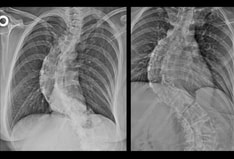
Skeletal and joint problems: Children receiving growth hormone therapy are more susceptible to slipped capital femoral epiphysis (SCFE). Yet children with growth hormone deficiency (GHD), hypothyroidism, or renal disease seem to have an increased risk for SCFE, even without growth hormone therapy. When a child receiving growth hormone therapy complains of hip or knee pain, a careful physical examination is vital, and if warranted, hip radiography. Scoliosis progression is another skeletal-related complication of growth hormone therapy. Scoliosis relates to the rapid growth that occurs with therapy and is not a direct effect of the growth hormone. Patients with scoliosis who are treated with growth hormone should be carefully monitored for progression.
-
Prepubertal gynecomastia: Although adolescent gynecomastia is common, prepubertal gynecomastia occurs less frequently. Such cases have been reported in association with growth hormone therapy, although whether the gynecomastia is related to the growth hormone is unclear. Prepubertal gynecomastia is a benign condition that resolves without sequelae.
-
Leukemia: No evidence suggests an association between growth hormone therapy and leukemia in otherwise healthy children. Several worldwide databases have been examined in response to sporadic reports of leukemia in patients undergoing growth hormone therapy. When patients with other risk factors (eg, previous history of leukemia, radiation, chemotherapy) are excluded, no increased risk of leukemia has been demonstrated.
Tables
Medication Name |
Age Approved |
Starting Dose |
Available Formulation |
Device |
Lonapegsomatropin (Skytrofa) |
1 year old & >11.5 kg |
0.24 mg/kg/dose |
3 mg, 3.6 mg, 4.3 mg, 5.2 mg, 6.3 mg, 7.6 mg, 9.1 mg, 11 mg, 13.3 mg |
Cartridge |
Somapacitan (Sogroya) |
30 months or older |
0.16 mg/kg/dose |
5 mg/1.5 mL (0.025 mg increments), 10 mg/1.5 mL (0.05 mg increments), 15 mg/1.5 mL (0.1 mg increments). |
Pen |
Somatrogon (Ngenla) |
3 years or older |
0.66 mg/kg/dose |
5 mg/1.5 mL (0.025 mg increments), 10 mg/1.5 mL (0.05 mg increments), 15 mg/1.5 mL (0.1 mg increments). |
Pen |

What would you like to print?
- Microbiome Alterations Link to Growth Hormone Deficiency
- Any Time Is a Good Time for Growth Hormone Shots
- The Role of Growth Hormone Mediators in Youth-Onset T2D
-
 Should All Newborns Be Screened for Congenital Hypothyroidism?
-
Endometrial Cancer Trends: Immunotherapy Insights and Research Priorities
-
Metastatic Endometrial Cancer: Hormonal Therapy Updates and Ways to Target and Treat ER+ Disease


 Understanding Growth Disorders: 7 Cases