Continually Updated Clinical Reference
 
 
  All Sources     eMedicine     Medscape     Drug Reference     MEDLINE
 
eMedicine - Herpes Simplex Virus Infection : Article by

Quick Find
Authors & Editors
Introduction
Clinical
Differentials
Workup
Treatment
Medication
Follow-up
Miscellaneous
Multimedia
References

Related Articles
Aphthous Ulcers

Cytomegalovirus Infection

Enteroviral Infections

Erythema Toxicum

Neonatal Sepsis

Sepsis

Varicella

Zoster


Patient Education
Sexually Transmitted Diseases Center

Genital Herpes Overview

Genital Herpes Causes

Genital Herpes Symptoms

Genital Herpes Treatment

Birth Control Overview

Birth Control FAQs


Author: Sherman Alter, MD, Associate Professor, Department of Pediatrics, Wright State University Boonshoft School of Medicine; Director, Division of Infectious Diseases, Director, Continuing Medical Education, Children's Medical Center of Dayton

Sherman Alter is a member of the following medical societies: American Academy of Pediatrics, American Society for Microbiology, Infectious Diseases Society of America, Pediatric Infectious Diseases Society, and Society for Healthcare Epidemiology of America

Editors: Leonard R Krilov, MD, Chief of Pediatric Infectious Diseases, Vice Chair, Department of Pediatrics, Professor of Pediatrics, Winthrop University Hospital; Mary L Windle, PharmD, Adjunct Assistant Professor, University of Nebraska Medical Center College of Pharmacy, Pharmacy Editor, eMedicine.com, Inc; Mark R Schleiss, MD, American Legion Chair of Pediatrics, Professor of Pediatrics, Division Director, Division of Infectious Diseases and Immunology, Department of Pediatrics, University of Minnesota School of Medicine; Robert W Tolan Jr, MD, Chief of Allergy, Immunology and Infectious Diseases, The Children's Hospital at Saint Peter's University Hospital; Clinical Associate Professor of Pediatrics, Drexel University College of Medicine; Russell W Steele, MD, Head, Division of Pediatric Infectious Diseases, Ochsner Children's Health Center; Clinical Professor, Department of Pediatrics, Tulane University School of Medicine

Author and Editor Disclosure

Synonyms and related keywords: HSV, herpes, Herpesvirus hominis, human herpesvirus, herpesvirus type 1, herpesvirus type 2, HSV-1, HSV-2, herpes catarrhalis, herpes facialis, herpes febrilis, herpes labialis, orolabial herpetic infection, Simplex virus, Simplexvirus, neonatal HSV infection, SEM HSV disease, herpetic whitlow, herpes gladiatorum, meningitis, encephalitis, erythema multiform, EM, acute herpetic pharyngotonsillitis, acute herpetic gingivostomatitis, genital herpes, Mollaret meningitis, keratoconjunctivitis, sexually transmitted disease, STD, genital HSV infections, neonatal HSV infection, orofacial infections, HSV encephalitis, disseminated HSV, odynophagia, orolabial vesicles, painful inguinal lymphadenopathy, aseptic meningitis syndrome, recurrent genital HSV, recurrent genital infections, transverse myelitis, HSV pneumonitis, HSV esophagitis, acute retinal necrosis, erythema multiforme, HSV keratoconjunctivitis, microphthalmos, retinal dysplasia, quadriplegia, microcephaly, recurrent HSV vesicular lesions, orolabial HSV infections, HSV pharyngotonsillitis, recurrent orolabial herpetic infection, HSV CNS disease, HSV-induced aseptic meningitis, HSV hepatitis, blepharitis, follicular conjunctivitis, uveitis, retinitis, punctate retinal lesions, congenital HSV infection

Background

Herpesvirus hominis, or herpes simplex virus (HSV), is one of the most common agents infecting humans of all ages. The virus occurs worldwide and produces a variety of illnesses, including mucocutaneous infections, infections of the CNS, and occasionally infections of the visceral organs. Infections in children can include neonatal disease, mucocutaneous infections during childhood and adolescence, and serious disease in individuals who are immunocompromised. Genital HSV infection in older adolescents and adults is a major public health problem, having markedly increased in prevalence in the last 3 decades. This increased prevalence of genital HSV infections poses major threats to newborns because most infections in neonates are acquired perinatally. Neonatal HSV infection is a disease with high morbidity and mortality rates.

Laboratory methods used to diagnose HSV infections have improved over time. The rapidity, sensitivity, and specificity of newer tools have improved the accuracy and timeliness of management and have enhanced our understanding of HSV infections.

HSV infections are among the few non-HIV viral infections that can be managed with antiviral therapy. Available antiviral chemotherapy can be used to prevent disease and recurrences, to shorten the clinical course, and to treat the infection.

Pathophysiology

HSVs tend to infect cells of ectodermal origin. After direct exposure to infectious material (ie, saliva, genital secretions), initial viral replication occurs at the entry site in the skin or mucous membrane.

The biologic properties of HSV that control the course of infection are neuroinvasiveness (the ability of the virus to invade the brain), its neurotoxicity (its ability to multiply and destroy the brain), and its latency (its ability to remain in a nonreplicating form in the dorsal root ganglia of the CNS).

After retrograde axonal flow from neurons at the viral point of entry and local replication, the viral genome becomes latent. No viral particles are produced during latency. In rare cases, the initial replication may lead to disease and life-threatening infection (eg, encephalitis).

After the initial nonspecific inflammatory response to primary infection, specific antibody response occurs in a few days, followed by a cellular immune response in the second or third week. In persons with cellular immune defects, primary HSV infection can result in life-threatening disseminated disease.

A stimulus (eg, physical or emotional stress, fever, ultraviolet light) reactivates the virus in the form of skin vesicles or mucosal ulcers, with symptoms less severe than those of the primary infection. Latent HSV can be reactivated from the trigeminal, sacral, and vagal ganglia.

Frequency

United States

Although the range of susceptible hosts for HSV infections is wide, humans are the primary hosts for infection. The epidemiology of HSV involves symptomatic and asymptomatic infection, with resultant transmission and maintenance of a large pool of individuals with latent infection. Continued spread of the infection is ensured by the vast reservoir of the virus, which can be transmitted through symptomatic recurrences and asymptomatic disease.

Beyond the neonatal period, most childhood HSV infections are caused by herpesvirus type 1 (HSV-1), which is transmitted primarily by contact with infected saliva. Herpesvirus type 2 (HSV-2) infections are usually sexually transmitted, and genital herpes infections are among the most common sexually transmitted diseases (STDs). As a reflection of the association of infection with sexual activity, many HSV-2 infections occur around puberty and early adolescence. In the United States, HSV-2 seroprevalence increases from about 20-30% in patients aged 15-29 years to 35-60% in patients aged 60 years. This change represents a 30% increase compared with data from 1976-1980.

The prevalence of HSV-2 infections has dramatically increased in recent years. The third National Health and Nutrition Examination Survey (1988-1994) found that 22% of the general US population older than 12 years had antibodies to HSV-2.1  In another survey of patients in a suburban primary care office, 25.5% of patients were seropositive for HSV-2. Approximately 500,000 primary infections occur each year.2

Factors that increase the frequency of HSV-2 infection in older adolescents and adults include sex (more women than men), race (more African Americans than whites), marital status (more divorced individuals than single or married individuals), and place of residence (more city residents than suburban residents).

Genital HSV infection in pregnant women is common; 20-30% of pregnant women have antibodies to HSV-2. Approximately 10% of pregnant women who are HSV-2 seronegative have a sexual partner who is HSV-2 seropositive and are, therefore, at risk of contracting a primary HSV-2 infection during pregnancy. Overall, approximately 2% of women acquire HSV during pregnancy. In pregnant women, the prevalence of HSV excretion from the genital tract at term is estimated to be 0.3-1.9%. Surveys of women of childbearing age in the late 1980s revealed HSV-2 antibodies in 35-60%

One study evaluated HSV seroprevalence in a group of pregnant women (n=626).3 The mean age of the women was 27 years, and the median number of lifetime sexual partners was 4. Seroprevalence to HSV-1 was 63%, whereas seroprevalence to HSV-2 was 22%. Infection with both HSV types was 13%. HSV seronegativity was noted in 28%. The prevalence of HSV antibodies differed by race and ethnicity, with nonHispanic white patients more likely to be seronegative compared with other racial and ethnic groups (40% vs 11%, P <.001). Increased numbers of lifetime sexual partners also correlated with higher rates of HSV seropositivity in these women. This study projected the rate of neonatal herpes to be 33 cases per 100,000 live births.

Importantly, as many as 90% of individuals with genital herpes do not know that they are infected. Virtually all of these individuals intermittently shed HSV from the genital tract, and some have mild, recurrent symptomatic disease. Most sexual transmission occurs during periods of subclinical reactivation among persons who do not know that they are infected. 

International

HSV is well distributed worldwide. The prevalence rate of genital herpes in developing countries is 2-74%, depending on the country. In some African countries that are experiencing HIV epidemics, HSV-2 infection is highly prevalent (>70%). Evidence suggests that genital HSV infection increases the risk of HIV infection and that persons infected with both viruses are more likely to transmit HIV infection.

Mortality/Morbidity

Most cases of infection with either HSV-1 or HSV-2 do not result in serious morbidity. Morbidity and mortality associated with HSV are discussed in Complications. Mortality associated with HSV is primarily related to perinatal infection, encephalitis, and infection in individuals who are immunocompromised.

  • At the time of vaginal delivery, the risk of HSV transmission from a mother with true primary HSV infection to her infant is approximately 50%. Women with primary infections at delivery are 10-30 times more likely than women with a recurrent infection to transmit the virus to their babies. Infants born to mothers with newly acquired infections who do not have primary infections in the presence of preexisting immunity caused by another viral infection (ie, first-episode non-primary) have a transmission risk of 25-30%. The neonatal HSV-infection rate is considered to be less than 2% when the mother has active infection caused by the shedding of HSV acquired before pregnancy or during gestation before the onset of labor (recurrent infection).
  • Approximately two thirds of women who acquire genital herpes during pregnancy have no symptoms. Of mothers who deliver an infant with HSV infection, 60-80% have no evidence of genital HSV infection at the time of delivery and have no history of previous genital infection in themselves or in their sexual partners. Of babies born to mothers with a primary infection near the time of delivery, 30-50% acquire the infection. Currently, neonatal HSV disease is estimated to occur in approximately 1 per 3000 deliveries.

Race

Although the risk of HSV infection is not related to race, infection rates in the United States vary with race because of various factors, such as racial and ethnic differences in the prevalences of poverty and low socioeconomic status, access to health care, sexual and health-related behavior, and illicit drug use.

  • By the age of 5 years, more than 35% of African American children are infected with HSV-1 versus 18% of white children. Through adolescence, the prevalence of antibodies to HSV-1 in African Americans is approximately twice the rate among whites. By age 40 years, HSV-1 seroprevalence is similar among African Americans and whites.
  • The prevalence of HSV-2 antibodies among African Americans is 3-4 times higher than that among whites. Seroprevalence among women of childbearing age in the late 1970s was estimated to be 50% for African Americans and 20% for whites. By the late 1980s, rates of infection had increased to approximately 60% for African Americans and 35% for whites. As shown in 2 nationwide surveys of HSV-2 seroprevalence in the last 2 decades, the cumulative lifetime incidence of HSV-2 reaches 25% in white women, 20% in white men, 80% in African American women, and 60% in African American men.
  • Studies have indicated that the seroprevalence of HSV-2 antibodies among Hispanics ranges from 17-22.3%.
  • Infants born to nonHispanic-white women may be at higher risk of HSV infections.  This is a result of a greater likelihood that these women are HSV-seronegative and at risk of acquiring a primary HSV-1 or HSV-2 infection in late pregnancy. 

Sex

Infection rates with HSV-1 tend to be similar in both sexes during early childhood. However, through adolescence, the prevalence of antibodies to HSV-1 is slightly higher among female individuals than among male individuals.

  • Rates of HSV-2 infection are higher in women than in men.
  • Nationwide surveys of HSV-2 seroprevalence during the last 2 decades have demonstrated cumulative lifetime incidences of 25% in white women and 80% in African American women. This compares with rates of 20% in white men and 60% in African American men.
  • See also the Race section above.

Age

Beyond the neonatal period, most childhood HSV infections are caused by HSV-1. The seroprevalence of HSV-1 antibodies increases with age, and its rate is 20% by age 5 years. No increase occurs until 20-40 years of age, when 40-60% of individuals are HSV-1 seropositive.

  • As a reflection of the association between infection and sexual activity, many HSV-2 infections occur around puberty and early adolescence. A progressive increase in HSV-2 infections occurs in all populations beginning in adolescence. In the United States, HSV-2 seroprevalence increases from approximately 20-30% in those aged 15-29 years to 35-60% in those aged 60 years.
  • Most neonatal infections are caused by HSV-2, but increasing proportions are being caused by HSV-1.
  • See also the Race section above.


History

Herpes simplex virus (HSV) may cause a myriad of clinical presentations. The course depends on the age of the patient, the immune status of the host, the site of infection, to person's previous immunity to autologous or heterologous viruses, and the antigenic type of the virus. Although variability in the clinical presentation of HSV infection is great, infection is generally asymptomatic.

HSV-1 infection is normally associated with orofacial infections and encephalitis, whereas HSV-2 usually causes genital infections and can be transmitted from an infected mother to her infant. Compared with latent infection, primary infection with either virus is typically associated with systemic signs, prolonged duration and increased severity of symptoms, and increased rates of complications. On reactivation, both viruses establish latent infections in sensory neurons and cause recurrent disease at or near the entry site into the body. HSV-1 and HSV-2 may cause similar infections.

  • Neonatal HSV infection
    • Infection with HSV limited to the skin, eye, or to mucous membranes historically accounts for about 20% of all neonatal HSV infections. With the introduction of early antiviral therapy, the frequency has increased to about 45%. Infants with skin, eye, and mucous-membrane (SEM) infections generally present at 10-12 days of age. Eye infection may cause conjunctival injection and a watery discharge. Although uncommon, vesicular lesions may be noted in the oropharynx. Many newborns with HSV-related SEM disease do not present with symptoms of systemic illness. SEM disease without treatment is associated with a high risk of progression to serious disease. Subtle CNS abnormalities have been observed after SEM disease, possibly because of reactivation of the virus during the first 6 months of life.
    • Disseminated disease now accounts for approximately 25% of HSV infections in newborns. The recognition and treatment of HSV SEM early has resulted in lower rates of progression to disseminated disease than in years past. Although most infected babies appear well at birth, the illness can appear within 24 hours. Most infants with disseminated HSV disease have symptoms of illness within the first week of life; however, symptoms may not arise until the second week (usually around 10-12 d of life).
      • Viremia associated with disseminated HSV disease results in spread of the virus to multiple organs. Manifestations of illness represent the organ systems involved (eg, CNS, lungs, GI tract, heart, kidneys).
      • Initial symptoms of infection may include irritability, poor feeding, respiratory distress, jaundice, seizure activity, and evidence of bleeding (GI hemorrhage, purpura).
      • Involvement of the CNS is common in infants with disseminated HSV infection. About 60-75% of infants with disseminated disease have infection in the CNS.
      • No more than 20% of children with disseminated disease develop the classic vesicular rash. In most cases, no rash is observed when symptoms begin.
    • Nearly one third of infants with neonatal HSV infection have encephalitis as the sole manifestation of disease. Patients usually present with symptoms or signs of illness at 16-19 days of life, but they occasionally present at 4-6 weeks.
      • Initial manifestations of encephalitis include lethargy, irritability, poor feeding, seizure activity (focal or generalized), tremors, fever or hypothermia, and bulging fontanelle.
      • Approximately 10-70% of babies CNS disease have associated skin vesicles at some point in the course of the disease.
      • Patients may have a history of lesions of the skin or eye that was previously unrecognized as being herpetic.
      • Approximately 40% of patients with HSV encephalitis never develop the characteristic rash.
  • Acute herpetic gingivostomatitis
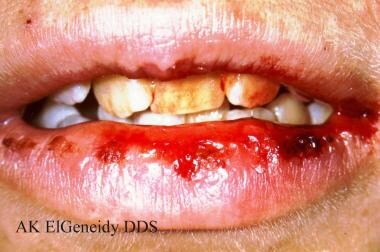
    • The most common clinical presentation of first-episode, primary HSV infection in children, usually aged 6 months to 5 years, is acute herpetic gingivostomatitis (see Image 1). Adolescent or adult infection may occur, but their overall clinical presentation usually resembles pharyngotonsillitis and is less severe than that of infants and children.
    • HSV is transmitted by means of infectious saliva from an adult or child. Both the viral titer in oral secretions and the risk of transmission are highest when active lesions are present. The incubation period is approximately 4 days and ranges from 2-12 days. Primary HSV infection of the oropharynx results in viral excretion from day 7 to day 23. Asymptomatic shedding has been documented in 2-9% of adults and in 5-8% of children.
    • Clinical features include the following:
      • Abrupt onset of illness
      • Fever (temperature of 102-104°F)
      • Listlessness or irritability
      • Inability to eat and/or drink
      • Gingivitis (with markedly swollen, erythematous, and occasionally bleeding gums)
      • Occasional episodes of increased drooling in infants due to pain on swallowing
      • Vesicular lesions on the tongue, buccal mucosa, and palate with extension, at times, to the lips and face (These may rupture and coalesce to form large, ulcerated areas.)
      • Tender submandibular or cervical adenopathy
    • The lesions can be quite painful and symptoms may persist for 10-14 days. Primary HSV infection of the oropharynx may be associated with viral shedding for as long as 23 days.
  • Acute herpetic pharyngotonsillitis
    • Primary HSV-1 infection of the oropharynx in adolescents and adults usually manifests as pharyngotonsillitis rather than gingivostomatitis.
    • Patients usually have fever, malaise, odynophagia, and headache.
    • Vesiculoulcerative lesions develop on the tonsils, with fewer than 10% of patients having associated orolabial vesicles.
    • Primary HSV-2 infection can have a presentation similar to this after orogenital contact, and it may occur concurrently with genital HSV infection.
  • Recurrent orolabial herpetic infection (herpes labialis)
    • Reactivation of HSV, predominantly HSV-1, is rarely associated with systemic signs and symptoms, and patients present with recurrent herpes labialis. A prodrome of localized pain, tingling, burning, or itching frequently herald recurrent orolabial lesions. This prodrome may occur 6-53 hours before the first vesicular lesions appear.
    • A vesicular rash in crops of 3-5 vesicles is noted, frequently arising near the vermillion border. On occasion, vesicles may be noted on other areas of the face or in the nares. Recurrent disease patterns greatly vary from person to person. However, specific triggers may be fairly predictable for individual patients, and the lesions tend to recur at the same site as the original lesions.
    • HSV-1 orolabial infections recur at a rate of approximately 0.1 episode per month or 1.2 per year. Recurrences are often associated with a variety of febrile illnesses, local trauma, sun exposure, and menstruation. Pain is most severe at the onset of infection and diminishes after 4-5 days.
  • Primary genital infections
    • The clinical presentations of genital infections with HSV-1 and HSV-2 may be similar. Recurrences are more common with HSV-2 infections than with HSV-1 infections (5 vs 1 per y). Individuals with HSV-2 infection generally have high rates of recurrence in the first and second years followed by a substantial decrease in subsequent years (median, 2 per y). About 25% of individuals have at least 1 recurrence in year 5. HSV-2 infection in an individual with previous HSV-1 infection may result in symptoms that are milder than before (fewer lesions, less pain, diminished risk of complications).
    • Adolescents and adults may have the classic vesicular rash or progressive lesions (pustules or painful ulcerative lesions). Lesions may persist for as long as 3 weeks.
    • Primary, first-episode genital infections are characterized by severe constitutional symptoms, including fever, malaise, myalgias, and occasional headache (most prominent in the first 3-4 d of the infection). New lesions are possible, and symptoms can persist for as long as 4-15 days. The median duration of viral shedding is approximately 12 days.
    • Painful inguinal lymphadenopathy, dysuria, and vaginal discharge are frequent complaints. On occasion, complications in both sexes include paresthesias of the legs and perineum. Urinary retention, more common in women than in men, may be reported. Symptoms associated with an aseptic meningitis syndrome can occur in rare cases.
    • Preexisting antibodies to HSV-1 have an ameliorating effect on the severity of disease caused by HSV-2. Previous orofacial infection with HSV-1 generally protects a person against infection with HSV-1 but not HSV-2.
    • Most primary genital HSV infections are asymptomatic, and 70-80% of seropositive individuals have no history of symptomatic genital herpes. Periodic subclinical recurrences with viral shedding make them sources of infection.
  • Recurrent genital infections
    • Recurrent genital HSV in the female adolescent or adult may cause vulvar irritation and/or ulcerating or vesicular lesions. Symptoms tend to be more severe in female patients than in male patients.
    • Recurrent genital HSV in male individuals may result in vesicular lesions on the shaft of the penis. Local symptoms of recurrence include pain, itching, and dysuria.
    • Clinical manifestations may last 8-10 days. Only 5-12% of people with recurrent HSV infection have constitutional symptoms. An estimated one third of individuals have more than 6 episodes of recurrent disease per year, one third have 2 per year, and the remainder have only rare recurrences. Of importance, HSV may recur (and can be transmitted) in the absence of symptoms.
  • HSV CNS infection
    • HSV encephalitis is the most common cause of severe sporadic CNS infection in the United States. One third of all cases of HSV encephalitis are believed to occur in the pediatric population.
      • HSV encephalitis may be a manifestation of primary or recurrent infection with the virus. However, many cases of encephalitis in children are thought to occur after primary infection with the virus.
      • The infection may have an insidious or an abrupt onset.
      • Most patients are febrile. Headache is an early symptom, and approximately 90% of patients have symptoms and signs that suggest a localized lesion in 1 or both temporal lobes.
      • Early behavioral changes, in the form of personality changes, hallucinations, and bizarre behavior, occur early in the course of the illness and may persist for as long as a week.
      • Seizures, often focal, occur in 40% of patients. Hemiparesis, aphasia, visual-field defects, and paresthesias may be prominent and reflect the area of neurologic involvement by the virus. These focal neurologic findings are usually of an acute presentation, with signs and symptoms lasting less than a week. Some patients rapidly progress from stupor to coma to death without having localizing neurologic symptoms.
    • Aseptic meningitis caused by HSV can occur after primary genital HSV-2 infection. Patients with HSV meningitis present with headache, fever, stiff neck, and photophobia. Symptoms usually begin 3-12 days after the onset of genital lesions. They reach maximum severity by 2-4 days into the illness, and gradually diminish over 2-3 days. In rare cases, HSV-1 or HSV-2 may cause viral meningitis without genital HSV involvement.
    • Dysfunction of the autonomic nervous system and transverse myelitis has been associated with genital HSV infection. Symptoms may include hyperesthesia or anesthesia of the lower back, perineum, or sacral region. Urinary retention and constipation are other associated symptoms.
    • CNS sequelae after CNS disease typically occur in untreated individuals.
    • Various behavioral syndromes have been reported in association with HSV-1 encephalitis, including hypomania, various degrees of amnesia, and the Klüver-Bucy syndrome.
  • Herpetic infection in immunocompromised hosts
    • Severe HSV infection in immunocompromised children is similar to that in adults. Infection usually represents reactivation of endogenous virus.
    • Symptoms of HSV infection in recipients of bone marrow transplants, immunosuppressed recipients of solid organ transplants, children with leukemia (especially those receiving chemotherapy and those who are neutropenic), children with HIV-1 infection, and individuals with severe burns depend on the site of involvement.
    • HSV infection typically begins in or around the mouth, with mouth sores progressing to malodorous and extremely painful ulcers. Patients with oral HSV may present with fever, odynophagia, drooling (in young children), and poor oral intake. Chronic ulcers sometimes persist for as long as a month. A similar painful syndrome may occur in the perianal or vaginal area of some patients.
    • HSV pneumonitis presents with cough, fever, and dyspnea.
    • HSV esophagitis may be asymptomatic, but it most commonly results in dysphagia, odynophagia, epigastric discomfort, and retrosternal pain.
    • Widespread dissemination of HSV may cause signs of specific organ dysfunction progressing to a picture of sepsis and death in approximately 90% of patients. The clinical picture is initially one of fever and skin or mucocutaneous infection, which disseminates instead of improves.
  • Other HSV infections
    • Patients with HSV infection of the finger, or herpetic whitlow (see Image 2), present with an acute onset of edema, erythema, and localized pain and tenderness in the finger. Associated fever and enlarged regional adenopathy are not uncommon.
    • Herpes gladiatorum results in painful HSV lesions, frequently with numerous cutaneous vesicles. Herpes gladiatorum can occur in wrestlers (see Image 5).
    • HSV infection of the eye, which causes a keratoconjunctivitis, manifests with an acute onset of pain, watery discharge, itching, blurred vision, lid swelling, and conjunctival injection. Fever and malaise may occur. Recurrent eye infection with HSV may be associated with findings at least as severe as those of the initial infection. Although rare, acute retinal necrosis caused by HSV can cause blindness.
    • Symptoms of meningitis can occur in approximately one fourth of patients with primary genital HSV infection, but they rarely need hospitalization. HSV-2 is the chief causative agent. However, in Mollaret meningitis, recurrent aseptic meningitis is typically recognized in some children and adolescents, but it is most frequently observed in adults. Low-grade fever, headache, and myalgias may occur with these episodes. Approximately 50% of patients have transitory neurologic symptoms of meningeal irritation. The disease usually spontaneously remits over days. The patient's medical history frequently reveals concurrent genital HSV infection with the episodes.
    • Some cases of erythema multiforme (EM) are believed to represent an allergic response to recurrent HSV infection. Approximately 15% to nearly all patients with EM, especially individuals with recurrent EM, provide a history of recurrent HSV infections before the characteristic skin lesions erupt. Most cases of EM occur 8-14 days after the onset of cold sores, and skin manifestations may last as long as 14-21 days.

Physical

  • Neonatal infection
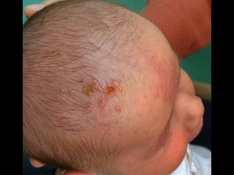
    • Vesicles occur in 90% of children with HSV SEM disease. Skin vesicles typically develop from an erythematous base and are 1-2 mm in diameter. New lesions form adjacent to old vesicles, coalescing into larger, irregular vesicles or, less commonly, bullae. Because of the viremia associated with the infection, the rash can spread to other cutaneous sites (see Image 4).
    • Tearing, discharge, and the characteristic dendritic lesions on fluorescein staining of the cornea characterize HSV keratoconjunctivitis in the newborn. In the absence of treatment, lesions progress to geographic ulcers. Ocular infection may be the only manifestation of HSV infection in the neonate. A localized eye infection associated with microphthalmos and retinal dysplasia suggests an intrauterine infection.
    • Localized infection of the oropharynx is unusual in the newborn. Only 10% of patients have HSV isolated from oropharyngeal secretions. Most likely, many children do not undergo extensive evaluation of the oropharynx to detect lesions associated with viral shedding.
    • Long-term neurologic abnormalities may be observed in children whose newborn HSV disease appeared localized to the SEM. In these children, severe abnormalities can include quadriplegia, microcephaly, and blindness. However, the incidence of these adverse events has decreased dramatically during the antiviral era. At present, fewer than 2% of acyclovir-treated HSV-infected babies with skin, eye, or mucous membrane infection have developmental delays after they recover.
    • HSV vesicular lesions may recur for months or years in some children infected with skin HSV infection as neonates. This pattern is particularly true when the infecting virus is HSV-2 and may occur whether antiviral therapy is administered. In only rare cases are neurologic abnormalities effectively treated in children.
  • Orolabial HSV infections
    • Primary herpetic gingivostomatitis results in vesicles and ulcers involving the hard and soft palate, gingiva, tongue, and lips. These lesions are initially vesicular, but rupture fairly rapidly leaving 1- to 3-mm, shallow, gray-white ulcers on erythematous bases. Fever with a body temperature as high as 104°F and cervical and/or submandibular adenopathy frequently occur. Infectious saliva may result in cutaneous lesions around the mouth and face (see Image 1).
    • Oral intake of fluids in young children may be poor because of severe, localized pain. Signs of dehydration may be evident.
    • Patients with HSV pharyngotonsillitis typically present with ulcers and exudates on the posterior pharynx, pillars, or both. Lesions may also be noted on the tongue, buccal mucosa, or gingiva. Fever may last 2-7 days. Cervical adenopathy is common.
  • Recurrent orolabial herpetic infection (herpes labialis)
  • A prodrome of pain, burning, tingling, or itching frequently herald recurrent oral HSV disease. The prodromal period lasts about 6 hours and is followed by the emergence of painful vesicals 24-48 hours later. Vesicles usually appear on the vermillion border of the lip.
  • Evaluation of the patient over time reveals an orderly progression of cutaneous findings. A few papules persist for 12-36 hours. They develop into vesicles for up to 48 hours, become pustular or ulcerative with formation of crusts within 72-96 hours, and heal over 8-10 days.
  • Adenopathy is uncommon with recurrent disease.
  • Primary genital infections
  • Primary genital herpes appears as macules and papules, followed by vesicles, pustules, and ulcers. Fever and localized inguinal adenopathy frequently are noted.
  • Systemic complications occur in both sexes, affecting as many as 70% of patients. Neurologic dysfunction may be detected, with paresthesias and dysesthesias in the perineum or lower extremities.
  • In women, vulvar lesions are frequently bilateral, and the cervix is regularly involved. Vesicles are observed in dry areas. However, in wet areas, the vesicles rapidly break down into ulcers. New lesions can occur during the course of recurrences.
  • The painful and tender lesions are associated with dysuria and may involve the buttocks, perineum, and vagina. Urinary retention with bladder distention may be observed in 10-15% of female patients.
  • As many as 25% of women with genital HSV have findings indicative of meningitis.
  • The number of lesions in both sexes is decreased after nonprimary initial genital infection or in an HSV-2 genital infection in an individual with previous immunity to a heterologous virus (HSV-1).
  • Recurrent genital infections
    • Vesicles (usually 3-5) superimposed on an erythematous base are the most common manifestations of primary genital HSV in the male adolescent or adult. These vesicles usually appear on the glans penis or shaft. Vesicular lesions may also be noted on the thigh, buttocks, or perineal area.
    • Recurrent HSV infection in women causes ulcerating vesicle lesions or merely irritation of the vulva.
    • The disease in both sexes lasts about 8-10 days.
    • HSV can be transmitted to sexual partners in the presence or absence of symptoms.
  • HSV CNS disease
    • Infection may begin with malaise, irritability, and nonspecific symptoms lasting 1-7 days.
    • Most patients present with a fairly acute onset of fever and focal neurologic signs, frequently seizures (especially temporal-lobe findings).
    • Signs of CNS involvement include dysphasia, personality changes and altered consciousness, ataxia, and autonomic dysfunction. Meningeal signs are uncommon. Symptoms of CNS involvement progress over the next 3-7 days to coma and death.
    • At times, the clinical picture of HSV encephalitis may be difficult to differentiate from that of other causes of acute encephalitis.
    • CNS involvement resulting from HSV-induced aseptic meningitis must be differentiated from cases of encephalitis. Usually, complications of HSV-2 genital infection, fever, and stiff neck occur shortly after genital lesions are noted. Seizures and focal neurologic deficits are uncommon. Infrequently, HSV meningitis may occur in the absence of genital disease.
  • HSV in the immunocompromised patient
    • Patients with primary immunodeficiencies, AIDS, malignancy, malnutrition, or burns and transplant recipients (eg, bone marrow, organs) receiving immunosuppressive therapy can have unusually severe HSV infections.
    • Severe orolabial infections may begin as typical HSV lesions in or around the mouth. Over several days, the papules and vesicles can progress to bullae, frequently with hemorrhagic fluid. These bullae then may evolve into large, chronic, bloody lesions that coalesce and erode into the subcutaneous tissue or deeper.
    • HSV infections in severe burns may convert second-degree burns to third-degree burns.
    • In some patients who are immunocompromised, HSV may infect an organ, frequently one contiguous to a body orifice. HSV esophagitis may cause fever in a patient who refuses to eat and who reports retrosternal discomfort and odynophagia.
    • Although uncommon in children who are immunocompromised, HSV pneumonitis may cause fever and rales in a patient with worsening respiratory distress.
    • When elevated levels of liver enzymes accompany fever and abdominal pain, HSV hepatitis must be included in the differential diagnosis.
    • Disseminated disease is the most severe form of HSV infection in patients who are immunocompromised. In a patient with fever and mucocutaneous HSV infection, the vesicular rash usually disseminates rather than heals. Large hemorrhagic vesicles and bullae may appear, and evidence of multiple organ dysfunction ensues. Even with antiviral therapy, about 90% of patients die.
  • Other HSV infections
    • Primary HSV infection of the eye may appear as blepharitis, follicular conjunctivitis, or keratoconjunctivitis. Signs may include corneal or conjunctival injection, watery discharge, lid swelling, and preauricular adenopathy.
    • Early corneal infection may involve tiny vesicles at the corneal margin. Eye findings may demonstrate stromal involvement, uveitis, and, in rare cases, retinitis. The last finding manifests as multiple, whitish yellow, punctate retinal lesions.
    • Direct viral damage to the eye or injury due to immunologic responses to the infection results in worsening disease in the eye, with recurrent infection. With recurrences, corneal ulcers extended and deepen. Scarring follows, and sight is impaired.
    • Patients with Mollaret meningitis may have fever, nuchal rigidity, and transitory neurologic findings that accompany meningeal irritation.

Causes

HSV is transmitted through close personal contact.

  • Genital HSV infection (with mainly HSV-2) can be transferred to a fetus (in rare cases) and result in a congenital HSV infection.
  • Newborns may acquire infection after exposure to infected secretions in the mother's genital tract.
  • HSV-1 is transmitted primarily by contact with infected saliva, whereas HSV-2 mainly is transmitted sexually.
  • In susceptible individuals, mucocutaneous infection follows inoculation of the virus into mucosal surfaces (oropharynx, cervix, conjunctiva) or through abraded or cracked skin.


Aphthous Ulcers
Cytomegalovirus Infection
Enteroviral Infections
Erythema Toxicum
Neonatal Sepsis
Sepsis
Varicella
Zoster


Lab Studies

  • A definitive diagnosis of herpes simplex virus (HSV) infection is best confirmed by isolating the virus in tissue cultures.
    • Obtain scrapings of skin vesicles and mucosal lesions and expeditiously transfer them in appropriate viral-transport media to a diagnostic virology laboratory. A cytopathic effect usually develops within 24-48 hours after inoculation of any specimens containing infectious virus. Culture sensitivity may be improved with low-speed centrifugation or ultracentrifugation of the sample directly onto monolayers in centrifuge tubes (shell vials). Immunofluorescent staining of infected tissue culture cells helps in quickly identifying HSV as being type 1 or 2.
    • A skin scraping of the lesion may reveal histologic appearances characteristic of herpesvirus infection, such as multinucleated giant cells and epithelial cells containing intranuclear inclusion bodies. Punch biopsy can provide optimal tissue for histologic diagnosis of a herpesvirus infection, particularly with atypical-appearing lesions.
    • A Tzanck preparation (see Procedures) may demonstrate the characteristic cytologic changes noted with herpesvirus infection. Cytologic examination has low sensitivity (approximately 60-70%).
  • Serologic diagnosis is of little clinical utility. Therapeutic decisions cannot be delayed until serologic results become available.
    • Serologic testing is of value only to determine past exposure to HSV. It may be helpful in demonstrating a primary seroconversion, particularly with HSV-1 in childhood.
    • Because of antibody cross-reactivity, HSV-1 and HSV-2 antibodies are not generally distinguishable unless a glycoprotein G antibody assay is used. Transplacental transfer of maternal HSV antibody renders interpretation in neonates difficult.
  • Polymerase chain reaction (PCR) is the preferred diagnostic method for HSV brain infection.
    • Evaluation of CSF specimens from patients with biopsy-proven HSV encephalitis and in those with other proven diseases has a sensitivity of greater than 95% at the time of clinical presentation and a specificity that approaches 100%. Overall sensitivities of PCR in neonatal HSV disease range from 75 to 100%, with overall specificities of 71-100%.
    • PCR results are positive early in the course of HSV encephalitis and remains positive during the first week of therapy. PCR may be used to detect asymptomatic shedding or HSV in skin lesions, but it is not a cost-efficient method.
    • HSV PCR results should be interpreted cautiously because neither the specificity nor the sensitivity of the analyses is 100%. In addition, performance of these tests may vary among laboratories. The results should be correlated with the clinical manifestations and the course of illness in determining their diagnostic significance.
  • Additional laboratory evaluations (eg, evaluation of CSF) are necessary in evaluating disseminated infection or infection involving single or multiple organ systems.
    • A slide prepared from scrapings of lesions may be examined for HSV antigens by using immunofluorescent microscopy. HSV type-specific monoclonal antibodies, which are available in commercial antibody staining kits, permit the identification and typing of isolates in tissue samples. Slides containing cells from suspected HSV lesions or specimens should be fixed with ethanol or methanol and immediately transported to the laboratory for analysis.
    • In patients with Mollaret meningitis, analysis of CSF reveals a mixed pleocytosis with neutrophils, lymphocytes, and endothelial cells (Mollaret cells). The CSF may have an increased gamma-globulin level. PCR of the CSF may demonstrate HSV-2.

Imaging Studies

  • In patients with HSV encephalitis, CT scans and MRIs typically demonstrate focal abnormalities, frequently in the temporal lobe, that may be associated with edema and contrast enhancement.
  • Imaging may be useful in providing information suggesting etiologies other than HSV. Some individuals have tumors or brain abscesses that may not be recognized immediately on CT scans. MRIs may improve diagnostic capabilities (see Image 6).

Other Tests

  • Electroencephalograms (EEGs) are valuable for patients with HSV encephalitis.
  • Periodic high-voltage spike-wave activity emanating from the temporal regions and slow wave complexes at 2- to 3-second intervals is highly suggestive of HSV brain infection.
  • Many physicians have started presumptive antiviral therapy on the basis of these EEG findings.

Procedures

  • The Tzanck preparation is useful for the cytologic identification of viruses in illnesses associated with vesicular exanthems caused by herpesviruses. The microscopist cannot differentiate infections caused by HSV-1, HSV-2, or varicella zoster virus.
    • An intact vesicle is aspirated with a sterile tuberculin syringe. This fluid may be submitted for viral isolation.
    • After the vesicle is aseptically unroofed, the base of the lesion is vigorously scraped with a scalpel or a wooden applicator.
    • The resultant material is placed on a slide, air dried, fixed, and stained, usually with Giemsa or Wright stain.
    • A positive result is the identification of typical giant cells or, uncommonly, Cowdry type A intranuclear inclusion bodies.
    • If the examiner is experienced, 40-80% of culture-positive specimens are recognized as positive by cytologic examination. Appropriate immunofluorescent antibody reagents facilitate the identification of different herpesviruses and some viruses other than herpesviruses.
  • Lumbar puncture (LP) with submission of CSF for the Gram staining, bacterial culture, and other analyses (eg, determination of cell counts, protein, and glucose levels) is essential when patients with encephalitis are evaluated.
    • Hemorrhagic CSF may be found in HSV encephalitis. LP is contraindicated in patients with marked increased intracranial pressure.
    • All patients with neonatal CNS HSV infection should undergo repeat LP at the end of intravenous (IV) acyclovir therapy to determine that the CSF specimen is negative for HSV on PCR testing by a reliable laboratory and to document end-of-therapy CSF indices.
  • Brain biopsy results were frequently used to diagnose HSV CNS disease and to exclude other potential pathologic processes. PCR is becoming the criterion standard for diagnosing HSV infection of the brain. However, if PCR results are negative in a patient who has symptoms and signs of HSV encephalitis, brain biopsy may be contemplated.

Histologic Findings

HSV tends to infect cells of ectodermal origin, entering through either the skin or mucous membranes. Infected cells swell with intracellular edema and degenerate. The nuclei of infected cells may undergo amitotic division, resulting in the formation of multinucleate giant cells. The nuclei of HSV-infected cells then demonstrate eosinophilic intranuclear inclusions and marginated nuclear chromatin. As cells manifest injury and as local inflammation progresses, intercellular edema develops and forms vesicles. Cutaneous vesicles may eventually be pustulated, dry, and crusted. Mucosal vesicles are transient and appear as shallow ulcers.


Medical Care

  • Specific medical therapy of herpes simplex virus (HSV) infections involves antiviral medications. The approach to therapy also may involve antipyretics for fever control and medications to alleviate associated pain.
  • Appropriate care for wounds is indicated, and therapy for bacterial infections is warranted in cases of secondary infection.
  • Aggressive inpatient and/or intensive medical care are needed in the management of neonatal HSV infections, HSV encephalitis, and herpetic infections in immunocompromised hosts.
  • In Mollaret meningitis, therapy is primarily symptomatic because symptoms and signs resolve over days. Prophylactic administration of acyclovir may prevent repeated attacks.
  • Therapy of EM generally addresses the dermatologic manifestations and not the viral infection. Suppression of recurrences with acyclovir prophylaxis may prevent recurrent EM in some patients.

Consultations

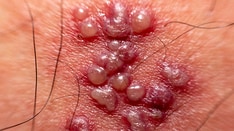
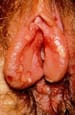
Consultation with physicians experienced in caring for seriously ill patients with infectious diseases is recommended for neonatal HSV infections, HSV encephalitis or disseminated disease, and HSV infection in patients who are immunocompromised. Such physicians may include neonatologists, critical care specialists, and infectious disease physicians. A consultation with an ophthalmologist is imperative in the management of HSV eye infections. For a child with genital HSV infection that is suspected to be a result of child abuse (see Image 3), consultation with social services and/or a physician experienced in managing child and/or sexual abuse is warranted.


Antiviral agents used to treat herpes simplex virus (HSV) infections are nucleoside analogs. Acyclovir is the antiviral most commonly used to treat HSV infections. Other oral medications include famciclovir, which is a prodrug that is converted to penciclovir, and valacyclovir, which is a prodrug that is converted to acyclovir. Oral therapy is effective for non–life-threatening HSV infections (eg, primary orolabial, genital). IV acyclovir is indicated for the treatment of encephalitis, any form of neonatal disease, severe infection in patients who are immunocompromised, and occasional cases of severe orolabial or genital disease. It is also useful in the suppression of recurrent genital HSV infections to diminish viral shedding and decrease rates of clinical recurrences.

Drug Category: Antiviral agents

Acyclovir, a synthetic acyclic purine nucleoside analog, is the standard treatment for HSV-1 and HSV-2 infections. Activation of the drug requires 3 phosphorylations. HSV thymidine kinase adds the first phosphate. Acyclovir binds 200-300 times more avidly to viral thymidine kinase than to host enzyme. After final cellular phosphorylation, the nucleoside triphosphate effectively inhibits DNA polymerase and acts as a DNA chain terminator. Precursors of acyclovir (ie, valacyclovir, famciclovir) have bioavailability better than that of their active metabolites (acyclovir and penciclovir, respectively).

Drug NameAcyclovir (Zovirax)
DescriptionInhibits activity of HSV-1 and HSV-2. Patients experience least pain and fastest resolution of cutaneous lesions with prompt start of therapy, usually within 48 h after rash onset. Selectively incorporated into infected cells. May prevent recurrent outbreaks. Long record of use with excellent safety profile.
Available as oral susp 200 mg/5 mL, tab, cap, injection, and topical formulation. Topical form does not appear to be effective in recurrent mucocutaneous or genital HSV infections and offers no advantage over oral form in treating primary genital HSV infections. For obese patients, calculate IV dose according to ideal body weight.
Adult DoseFirst episode of mucocutaneous HSV infection:
200 mg PO 5 times/d or 400 mg PO tid for 7-10 d or until clinical resolution occurs
Recurrent genital HSV infection: 800 mg PO 3 times/d for 2 d or 400 mg PO tid for 3-5 d
Chronic suppression: 400 mg PO bid (titrate dose as required); reevaluate after 1 y
Mucocutaneous HSV infection in immunocompromised patient: 5-10 mg/kg IV q8h for 7-14 d
Minor lesions: 200-400 mg PO 5 times/d for 10-14 d
HSV encephalitis: 10-15 mg/kg IV q8h for 14-21 d
Pediatric DoseHSV gingivostomatitis: 15 mg/kg PO 5 times/d for 7 d; or 600 mg/m2/dose PO 4 times/d for 10 d.
Severe disease: 5 mg/kg IV or 250 mg/m2 IV q8h for 5-7 d
First episode genital HSV infection: 200 mg PO 5 times/d for 7-10 d or 400 mg PO tid for 7-10 d
Severe disease: 5 mg/kg IV or 250 mg/m2 IV q8h for 5-7 d
Neonatal HSV infection (SEM, encephalitis, disseminated):
Preterm infant: 10 mg/kg IV q8h (extend dose interval to q12h in premature infant <34 wk)
Term infant: 20 mg/kg IV q8h for 14-21 d (21 d for encephalitis or disseminated)
HSV encephalitis: 10-15 mg/kg IV q8h for 14-21 d
Mucocutaneous HSV in immunocompromised states: 30 mg/kg/d IV divided q8h for 14-21 d
ContraindicationsDocumented hypersensitivity
InteractionsConcomitant use of zidovudine or probenecid prolongs half-life and can increase CNS toxicity
PregnancyB - Fetal risk not confirmed in studies in humans but has been shown in some studies in animals
PrecautionsCaution in renal failure (adjust dose); renal dysfunction (usually reversible) can occur during high-dose IV administration (primarily related to drug crystalluria); can minimize effect by using slow infusion rate; neurologic symptoms include lethargy, myoclonus, or seizures (<1%); appears to be dose-related phenomenon, with increased risk with azotemia

Drug NameValacyclovir (Valtrex)
DescriptionProdrug rapidly converted to active drug acyclovir. More expensive but more convenient dosing regimen and superior bioavailability than that of oral acyclovir. Use in adolescent HSV infection.
Adult DoseFirst episode oral mucocutaneous HSV infection: 2000 mg PO bid for 1 d
First episode genital mucocutaneous HSV infection: 1000 mg PO bid for 10 d
Recurrent genital HSV infection: 500 mg PO bid for 3 d
Chronic suppression: 1000 mg PO qd; in patients with <9 recurrences annually, may use 500 mg PO qd; increase to 1000 mg PO qd if breakthrough at lower dose occurs
Pediatric DoseNot established
Adolescents: Administer as in adults
ContraindicationsDocumented hypersensitivity
InteractionsProbenecid, zidovudine, or cimetidine coadministration prolongs half-life and increases CNS toxicity
PregnancyB - Fetal risk not confirmed in studies in humans but has been shown in some studies in animals
PrecautionsCaution in renal failure (adjust dose) and with coadministration of nephrotoxic drugs; associated with onset of hemolytic uremic syndrome

Drug NameFamciclovir (Famvir)
DescriptionTransformed in vivo to active nucleoside analogue penciclovir, which can effectively inhibit HSV DNA synthesis and/or replication. More expensive but more convenient dosing regimen than that of acyclovir. Use in adolescent HSV infection.
Adult DoseFirst episode mucocutaneous HSV infection: 250 mg PO tid for 7-10 d
Recurrent genital infection: 1000 mg PO bid for 1 d
Chronic suppression: 250 mg PO bid
Pediatric DoseNot established
Adolescents: Administer as in adults
ContraindicationsDocumented hypersensitivity
InteractionsCoadministration of probenecid or cimetidine may increase toxicity; increases bioavailability of digoxin
PregnancyB - Fetal risk not confirmed in studies in humans but has been shown in some studies in animals
PrecautionsCaution in renal failure (adjust dose) and with coadministration of nephrotoxic drugs

Drug NamePenciclovir (Denavir)
Description1% cream approved for treatment of recurrent orolabial HSV infection. Nucleotide derivative active in vitro against HSV-1 and HSV-2. Guanosine analog that inhibits viral DNA synthesis. Negligible systemic absorption after topical use. Repeated application of cream beginning shortly after onset of recurrent HSV symptoms and continued for 4 d shortens healing time to about 1 d. May also shorten duration of viral shedding. Not approved by the FDA for use in children.
Adult DoseApply and cover lesion immediately at first prodromal symptoms and q2h (during awake hours) for 4 d
Pediatric DoseNot FDA approved for children; limited data; administer as in adults
ContraindicationsDocumented hypersensitivity; previous adverse reaction to famciclovir
InteractionsNone reported
PregnancyB - Fetal risk not confirmed in studies in humans but has been shown in some studies in animals
PrecautionsMild erythema possible; do not apply to mucosal surfaces


Further Inpatient Care

  • Admission to the hospital is mandatory for select patients with herpes simplex virus (HSV) infections.
  • Criteria for admission are addressed below.
    • Recent recommendations indicate that all patients with neonatal CNS HSV infection should undergo repeat LP at the end of IV acyclovir therapy to determine that the CSF specimen is negative for HSV on PCR testing at a reliable laboratory and to document end-of-therapy CSF indices.
    • Many children with severe HSV gingivostomatitis have difficulty drinking fluids because of severe oropharyngeal discomfort. These children require hospitalization for IV fluids and pain control.
    • Infants with neonatal HSV infections may present with or develop serious disease, including HSV CNS infection and/or disseminated disease.
    • Patients with encephalitis may be very ill at presentation and need inpatient evaluation and intensive care.
    • HSV infection in patients who are immunocompromised requires aggressive inpatient management.

Further Outpatient Care

  • Adolescents with genital HSV infection may require ongoing care for recurrences of HSV infections (see Medication).
  • With effective antiviral therapy, an increasing number of newborns with HSV infection are surviving and require careful long-term follow-up care. These children should receive ongoing evaluations from specialists in areas including neurodevelopment, ophthalmology, and audiology.
  • Parents of a child with neonatal HSV infection often have considerable feelings of guilt. Parents often require interventional care. In this situation, support from the primary care physician can be of great value to the family.

In/Out Patient Meds

  • Recurrent genital HSV in adolescents may be an indication for long-term suppressive treatment with antiviral medications (see Medication).

Deterrence/Prevention

  • Genital HSV infections are among the most common STDs in the United States. A growing number of adolescents are infected with the virus. Prevention of sexual transmission of HSV is difficult because most transmission occurs during subclinical viral shedding. Avoiding contact with individuals excreting the virus in saliva or genital secretions is difficult because they are often asymptomatic.
    • Oral antiviral therapy started at the first symptom or sign of genital HSV disease reduces (but may not eliminate) the duration of lesions, symptoms, and viral shedding in persons with recurrent genital herpes.
    • Daily suppressive treatment with oral antiviral agents reduces the frequency of recurrences and viral shedding in persons with genital HSV infection. It also may improve psychosocial functioning.
    • Limited evidence indicates that condom use may decrease the risk of sexual transmission of HSV-2. Promote the use of condoms.
    • Patients with history of genital HSV infection may have been exposed to or are at risk of continued exposure to other STDs. Appropriate evaluation, counseling, and education are needed for all patients.
  • The transmission of HSV from mother to infant cannot be eliminated because of asymptomatic primary or recurrent genital infection. The high prevalence of HSV-2 infections in the United States means that women are at risk of acquiring new infections during pregnancy. One in 5 women is infected before pregnancy. Management to prevent transmission of the virus to newborns includes the following:
    • Reassure women with recurrent disease that risk of neonatal infection is low. The risk of asymptomatic reactivation is approximately 2%, and the attack rate in exposed infants is approximately 3%. The risk of infection is estimated to be 1 in 2000-5000 births.
    • Because laboratory methods cannot be used to detect asymptomatic shedding in a timely manner, perform cesarean delivery if a mother has signs or symptoms of primary or recurrent HSV disease at delivery. Because of the low risk of transmission, a vaginal delivery is appropriate in women with history of recurrent HSV disease who have no active clinical disease at delivery.
    • Observe infants delivered vaginally by mothers with active genital herpes. Within 24-48 hours and possibly later, obtain culture samples from the eye, oropharynx, and skin. Positive cultures should prompt further evaluation and consideration of therapy. However, these recommendations have not been proven in prospective studies. No information is available to support the administration of acyclovir to exposed infants without signs of infection. Careful clinical follow-up care of neonates and immediate institution of antiviral therapy if symptoms occur are appropriate.
    • In women with symptomatic genital herpes, antiviral suppressive treatment initiated at 36 weeks' gestation reduced both the rates of cesarean delivery due to HSV lesions and positive viral cultures or PCR tests and also reduced the time of delivery. However, data are insufficient to recommend antiviral suppressive therapy to pregnant women who are HSV-2 seropositive and asymptomatic.

Complications

  • Complications of cutaneous HSV infections in children and adolescents include eczema herpeticum in children with underlying atopic skin disease, herpetic whitlow of the fingers, and herpes gladiatorum in wrestlers (see History, Physical). Secondary bacterial infections can also occur.
  • HSV infection of the visceral organs results from viremia with dissemination to many organs. Although this disease is most common in the immunocompromised population, it can also occur in immunologically healthy individuals. Most cases reflect disseminated skin disease, though multiple organs may be involved. HSV hepatitis may be prominent. Disseminated infection can also result in esophagitis, pneumonitis, encephalitis, and adrenal necrosis. Leukopenia, thrombocytopenia, and disseminated intravascular coagulation are not uncommon.
  • Although the incidence of serious residua is decreasing during the era of effective antiviral therapy, long-term neurologic impairment may be encountered in children whose HSV infection appears localized to the skin, eye, and/or mouth as a neonate. Despite apparently normal findings on clinical examination during the newborn period, neurologic impairment (eg, quadriplegia, microcephaly, blindness) is noted in infants aged 6-12 months.
  • Newborns with HSV skin disease have recurrences for months to years, particularly with HSV-2 disease, even if antiviral therapy was administered. The role of suppressive oral antiviral therapy with acyclovir in prevention of these cutaneous HSV recurrences is an area of active investigation. Current data are insufficient to recommend routine use of antiviral suppressive therapy after neonatal HSV disease is managed.

Prognosis

  • HSV infections beyond the fetal and neonatal period are usually annoying but not life threatening.
  • HSV encephalitis is a serious disease that can result in clinically significant neurologic impairment or death. The mortality rate is approximately 70% in untreated patients and 19% in treated patients. Even after treatment, survivors have some neurologic impairment (impaired learning, dysnomia) noted through detailed clinical cognitive testing.
  • Even with antiviral therapy, neonatal HSV infection is associated with morbidity and mortality. Death typically does not occur after SEM disease is treated, but 12-month mortality rates approach 4% with neonatal CNS disease and 29% with disseminated disease. Among antivirally treated neonates, 98% of children with SEM disease, 31% of children with HSV-related CNS disease, and 83% of children with disseminated HSV disease develop normally 2 years after infection.
  • Genital HSV infection may not be life threatening, but it is an important cause of physical and psychological morbidity.
  • HSV is one of the most common causes of infectious blindness in the United States.

Patient Education

  • Because increasing rates of STDs, including HSV infections, are occurring in adolescents, offer patients regular and appropriate education in sexual health as well as in the diagnosis and treatment of their diseases. The presence of an STD should prompt assessment and potential treatment for other infections (eg, chlamydia, HIV infection, syphilis, hepatitis B).
  • Antiviral therapy may decrease the clinical manifestations of HSV disease but does not cure the infection.
  • Initiate antiviral therapy as soon as possible after signs and symptoms of disease are noted.
  • Daily maintenance treatment with oral antiviral agents reduces the frequency of HSV recurrences and viral shedding. Consider antiviral suppressive therapy in adolescents with frequent genital recurrences (6 or more per year).
  • Condom use may decrease the risk of the sexual transmission of HSV-2.
  • For excellent patient education resources, visit eMedicine's Sexually Transmitted Diseases Center. Also, see eMedicine's patient education articles Genital Herpes, Birth Control Overview, and Birth Control FAQs.


Medical/Legal Pitfalls

  • Failure to identify active vaginal herpes simplex virus (HSV) lesions in a mother at the time of labor to perform cesarean delivery and to decrease the risk of transmission to the newborn
  • Failure to refer patients with HSV genital infections and all sexual contacts for follow-up care
  • Failure to diagnose, treat, and arrange appropriate counseling for associated STDs
  • Failure to diagnose and aggressively treat disseminated HSV disease in a child or adolescent who is immunocompromised
  • Failure to diagnose a herpetic keratoconjunctivitis in a patient presenting with a red eye

Special Concerns

  • Pregnancy and HSV disease
  • Neonates and HSV disease
  • Immunocompromised patients with HSV disease


Media file 1:  Primary herpes simplex virus (HSV) gingivostomatitis in an infant is shown. This same patient also had concomitant herpes whitlow as shown in Image 2.
Click to see larger pictureClick to see detailView Full Size Image
Media type:  Photo

Media file 2:  Herpes whitlow in an infant.
Click to see larger pictureClick to see detailView Full Size Image
Media type:  Photo

Media file 3:  Cutaneous herpes simplex virus(HSV) lesions in a child in whom sexual abuse is suspected.
Click to see larger pictureClick to see detailView Full Size Image
Media type:  Photo

Media file 4:  Vesicular scalp lesions caused by herpes simplex virus (HSV) in a 7-day-old infant.
Click to see larger pictureClick to see detailView Full Size Image
Media type:  Photo

Media file 5:  Herpes gladiatorum in an adolescent wrestler.
Click to see larger pictureClick to see detailView Full Size Image
Media type:  Photo

Media file 6:  MRI shows abnormal signal intensity in the left temporal lobe of an 18-year-old man with herpes simplex virus (HSV) encephalitis.
Click to see larger pictureClick to see detailView Full Size Image
Media type:  MRI


  1. Armstrong GL, Schillinger J, Markowitz L, et al. Incidence of herpes simplex virus type 2 infection in the United States. Am J Epidemiol. May 1 2001;153(9):912-20. [Medline].
  2. Leone P, Fleming DT, Gilsenan AW, Li L, Justus S. Seroprevalence of herpes simplex virus-2 in suburban primary care offices in the United States. Sex Transm Dis. May 2004;31(5):311