Continually Updated Clinical Reference
 
 
  All Sources     eMedicine     Medscape     Drug Reference     MEDLINE
 
eMedicine - Pneumonia, Viral : Article by

Quick Find
Authors & Editors
Introduction
Differentials
Radiograph
CT SCAN
Intervention
Multimedia
References

Related Articles
Acute Respiratory Distress Syndrome

Alveolar Proteinosis

Asbestosis

Aspergillosis, Thoracic

Aspiration Pneumonia

Asthma

Atelectasis, Lobar

Blastomycosis, Thoracic

Bronchiectasis

Bronchiolitis Obliterans Organizing Pneumonia

Croup

Extrinsic Allergic Alveolitis

Histoplasmosis, Thoracic

Lung Cancer, Non-Small Cell

Lung Cancer, Small Cell

Lung, Carcinoid

Lung, Drug-Induced Disease

Lung, Metastases

Lung, Nontuberculous Mycobacterial Infections

Lung, Postprimary Tuberculosis

Lung, Primary Tuberculosis

Mesothelioma, Malignant

Pneumonia, Atypical Bacterial

Pneumonia, Neonatal

Pneumonia, Pneumocystis Carinii

Pneumonia, Typical Bacterial

Pulmonary Edema, Noncardiogenic

Radiation Pneumonitis

Sarcoidosis, Thoracic

Silicosis and Coal Worker Pneumoconiosis


Patient Education
Click here for patient education.


Author: Dan V Dinescu, MD, Fellow in Pulmonary Medicine, Department of Internal Medicine, Memorial Sloan Kettering Cancer Center

Dan V Dinescu is a member of the following medical societies: American College of Chest Physicians, American College of Physicians-American Society of Internal Medicine, American Medical Association, American Thoracic Society, Medical Society of the State of New York, and Society of Critical Care Medicine

Coauthor(s): Mark L Shapiro, MD, Chief, Department of Radiology, Englewood Hospital and Medical Center; Shakeel Amanullah, MD, Consulting Staff, Pulmonary, Critical Care, and Sleep Medicine, Clarian Arnett Health

Editors: Satinder P Singh, MD, Associate Professor of Radiology, Chief of Cardiopulmonary Radiology, Director of Cardiac CT, Director of Combined Cardiopulmonary and Abdominal Radiology, Department of Radiology, University of Alabama at Birmingham; Bernard D Coombs, MB, ChB, PhD, Consulting Staff, Department of Specialist Rehabilitation Services, Hutt Valley District Health Board, New Zealand; Eric J Stern, MD, Professor of Radiology, Adjunct Professor of Medicine, Adjunct Professor of Medical Education and Biomedical Informatics, University of Washington School of Medicine; Director of Thoracic Imaging, Harborview Medical Center; Associate Medical Staff, Seattle Cancer Care Alliance; Robert M Krasny, MD, Consulting Staff, Department of Radiology, The Angeles Clinic and Research Institute; Kavita Garg, MD, Professor, Department of Radiology, University of Colorado Health Sciences Center

Author and Editor Disclosure

Synonyms and related keywords: viral pneumonia, viral pneumonitis, adult respiratory distress syndrome, ARDS, atypical bacterial pneumonia, community-acquired pneumonia, CAP, nosocomial pneumonia, adenovirus pneumonia, arborvirus pneumonia, BK virus pneumonia, Bunyaviridae pneumonia, coronavirus pneumonia, coxsackievirus pneumonia, echovirus pneumonia, enterovirus 71 pneumonia, Hantavirus pneumonia, Influenza virus pneumonia, JK virus pneumonia, human immunodeficiency virus pneumonia, HIV pneumonia, human metapneumovirus pneumonia, HMPV pneumonia, human parainfluenza virus pneumonia, human PIV pneumonia, human lymphotropic virus type 1 pneumonia, HTLV1 pneumonia, measles virus pneumonia, ortomyxovirus pneumonia, paramyxovirus pneumonia, picornavirus pneumonia, polyomavirus pneumonia, respiratory syncytial virus pneumonia, RSV pneumonia, retrovirus pneumonia, rhinovirus pneumonia, rotavirus pneumonia, varicella-zoster virus pneumonia, VZV pneumonia, herpes simplex virus 1 pneumonia, HSV-1 pneumonia, herpes simplex virus 2 pneumonia, HSV-2pneumonia,humanherpesvirus 1 pneumonia, HHV-1 pneumonia, human herpesvirus 2 pneumonia, HHV-2 pneumonia, cytomegalovirus pneumonia, CMV pneumonia, Epstein-Barr virus pneumonia, EBV pneumonia, severe acute respiratory syndrome virus, SARS virus

Background

Viral pneumonia occurs due to aggression of the viral pathogens on the lung structures. Because of the clinical manifestations and the radiologic aspects, viral pneumonia was included in the broad category of atypical pneumonias. In this category, viral pneumonia and the other atypical bacterial pneumonias must be differentiated. This differentiation is sometimes difficult and should be based on clinical, radiologic, and microbiologic criteria.1 Clinical and radiologic data only suggest the diagnosis and can narrow the differential diagnosis. A precise etiologic diagnosis can be made only by performing virologic laboratory studies. Even in these conditions, some series yielded an unidentified causative microorganism in 50-80% of symptomatic patients. The likelihood of identifying a specific viral pathogen is greater in a symptomatic population than in an asymptomatic population (odds ratio, 30).

An accurate and early etiologic diagnosis is important because specific therapies are used against certain viruses.

Viral pneumonia can have different manifestations. Pneumonia in the otherwise healthy adult host (community-acquired pneumonia [CAP]) differs from nosocomial pneumonia or pneumonia in an immunocompromised host. The spectrum of clinical severity can vary from mild and self-limited disease (usually in the immunocompetent adult host) to severe compromise (in immunocompromised patients and those at the extremes of age) to those requiring mechanical ventilation, eg, for acute respiratory distress syndrome (ARDS).

Related eMedicine topics:
Pneumonia, Bacterial
Pneumonia, Community-Acquired
Nosocomial Pneumonia

Related Medscape topics:
Resource Center  Emerging and Reemerging Infectious Diseases
Resource Center  Mechanical Ventilation
Resource Center  Sepsis
CME  Type 2 Diabetes Linked to Higher Pneumonia-Related Mortality
CME  High-Dose Oral Amoxicillin Allows Home Treatment of Severe Pneumonia in Children
CME  Three Days of Antibiotics May Suffice for Treatment of Nonsevere Pneumonia in Children

Pathophysiology

Viral etiologic agents

Both DNA and RNA viruses are involved in the etiology of viral pneumonia. Some are well-known lung pathogens that produce common clinical and radiologic manifestations. Others are rarely involved as lung pathogens.

Etiologic viruses include various families, as follows:

  • Adenoviridae (adenoviruses)
  • Coronaviridae (coronaviruses)
  • Bunyaviridae (arboviruses) - Hantavirus
  • Orthomyxoviridae (orthomyxoviruses) - Influenza virus
  • Papovaviridae (polyomavirus) – JC virus, BK virus
  • Paramyxoviridae (paramyxoviruses) - Parainfluenza virus (PIV), respiratory syncytial virus (RSV), human metapneumovirus (HMPV), measles virus
  • Picornaviridae (picornaviruses) – Enteroviruses, coxsackievirus, echovirus, enterovirus 71, rhinovirus
  • Reoviridae (rotavirus)
  • Retroviridae (retroviruses)- Human immunodeficiency virus (HIV), human lymphotropic virus type 1 (HTLV-1)

Most of the members of Herpesviridae family are documented lung pathogens in hosts with compromised cell immunity and include the following:

Viral transmission

Transmission is mostly by the means of droplet spread in the proximity of the source case for viruses, such as influenza virus, PIV, RSV, measles virus, adenovirus, severe acute respiratory syndrome (SARS) virus, Hantavirus, and enterovirus.

For some viruses, other factors are involved: environmental factors (adenovirus, enterovirus, rhinovirus), direct contact with contaminated objects (VZV), transplantation of contaminated organs (CMV) or blood products (CMV), lower-respiratory aspiration of virus asymptomatically shed from the saliva (CMV, HSV), reactivation of a latent infection (HSV, CMV), hematogenous spread (CMV), or spread by healthcare personnel (SARS, measles, adenovirus, PIV, RSV).

Healthcare workers who work in critical care units are at high risk for nosocomial acquisition of the SARS coronavirus.

A number of viruses, including adenoviruses, influenza virus, measles virus, PIV, RSV, rhinoviruses, and VZV, are easily transmitted during hospital stays and cause nosocomial pneumonia. Adenoviruses, influenza viruses, PIV, and RSV account for 70% of nosocomial pneumonias due to viruses.

Viral agents that act against a sensitive host can produce viral pneumonia. After contamination, most respiratory viruses tend to multiply in the epithelium of the upper airway and secondarily infect the lung by means of airway secretions or hematogenous spread. Some viruses are mainly cytopathic, directly affecting the pneumocytes or the bronchial cells. For others, overexuberant secondary inflammation is the mainstay of the pathogenic process.

Pulmonary host defense

The pulmonary host defense is complex and includes several components: (1) mechanical barriers, (2) humoral immunity, (3) phagocytic cells, and (4) cell-mediated immunity.

Mechanical barriers are hairs from the nostrils that filter particles larger than 10 microns, mucociliary clearance, and sharp-angle branching of the central airways that helps the 5- to 10-micron particles to become impacted in the mucosa.

Humoral immunity is represented by mucosal immunoglobulin A (IgA), alveolar immunoglobulin M (IgM), and immunoglobulin G (IgG) present in transudates from the blood.

Phagocytic cells consist of polymorphonuclear (PMN) cells; alveolar, interstitial, and intravascular macrophages; and respiratory dendritic cells. Alveolar macrophages provide the first defense involved in internalizing and degrading the viral pathogens. They act as antigen-presenting and opsonin-producing cells.

Respiratory dendritic cells undergo maturation, activation, and early migration into the regional lymph nodes after the viral exposure. They act as antigen-presenting cells and are involved in the activation and differentiation of CD8+ T cells.

Cell-mediated immunity is the most important defense mechanism against the intracellular viral pathogens. This immunity is involved in antibody production, cytotoxic activity, and cytokine production. CD8+ memory or effector T cells tend to dominate the lymphocyte component of the virus-induced inflammatory component.

Experimental models showed that 30-90% of CD8+ T cells recovered from bronchoalveolar lavage (BAL) are virus specific at the peak of the primary response. Studies in transgenic mice infected with influenza viruses showed that the CD8+ T cells are not recruited in the lung during the viral infection. They are resting memory cells formed after a previous encounter with the antigen, or they are acutely activated T cells after a nonrespiratory infection that undergo early migration in the lung and that are maintained there by specific ligands.

A substantial number of peripheral CD8+ memory T cells reside in the lung after a viral infection.

A secondary infection induces extensive renewal of CD8+ T cells in both lymphoid nodes and lungs. This replacement takes place in the absence of substantial inflammation or a substantial effector-cell population in the lungs. Respiratory infection allows numerous T cells to enter the airways and may permanently alter the permeability of the lung and mediastinal lymph nodes to lymphocytes.

Frequency

United States

Viral pneumonia is reported in 13% of hospitalized elderly patients older than 65 years. A combination of viral and bacterial etiologies is reported in 13% of cases. The prevalence of viral pneumonia among the elderly justifies the association of routine influenza vaccination to the pneumococcal vaccination in this age group.

Adenovirus pneumonia

Adenovirus causes an estimated 10% of all childhood pneumonias.2 Serious lower respiratory tract infections are reported in military recruits, and 10-17% of these are due to adenoviral infection. Age <20 years and male sex increase the risk for seroconversion.

CMV pneumonia

CMV pneumonia is considered the most common life-threatening complication of bone marrow transplantation (BMT) and solid-organ transplantation. The rate of CMV pneumonia in BMT recipients is 10-50%, as reported in different studies. In patients receiving solid-organ transplants, CMV reactivation is reported in as many 70%, but only 20% develop clinically significant infections.

EBV pneumonia

Lung involvement secondary to EBV infections is more often reported in immunocompromised people than in others. In 25% of pediatric patients with HIV infection, EBV can cause lesions related to lymphocytic interstitial pneumonia or pulmonary lymphoid hyperplasia.3

Hantavirus pneumonia

Between 1993 and January 6, 2004, 358 cases of Hantavirus pulmonary syndrome (HPS) were reported in the United States. Of individuals with HPS, 61% are men and 39% are women, with a mean age of 37 years. Caucasian patients account for 77%, people of American Indian descent account for about 20%, and those of Hispanic descent account for 13%. Cases were reported in 31 states, including most of the western half of the country and some eastern states as well. HPS is also reported in South America and in Canada.

HMPV pneumonia

HMPV accounts for up to 10% of unexplained respiratory infections in children. Some authors report that HMPV can account for 30% of unidentified, suspected cases of viral pneumonia in transplant patients.

HMPV was originally described in 6- to 12-month-old infants from the Netherlands with respiratory infections. Evidence suggests that virtually all children in the Netherlands are exposed by the age of 5 years and that the virus has been circulating for more than 50 years in humans.

A Canadian series showed that symptomatic infections appear to cluster among the young (35% in those <5 y) or the elderly (46% in those >65 y). A 25-year follow-up study of pediatric patients with respiratory tract infection showed a 20% incidence of HMPV in infections of unknown etiology affecting the upper tract and a 12% incidence among all lower respiratory tract infections.

HSV pneumonia

HSV pneumonia develops mainly in immunocompromised patients. Its reported frequency varies according to the type of disease and the degree of immunocompromise. The rate of HSV pneumonia can be as high as 70-80% in hematopoietic stem-cell transplantation (HSCT) recipients not receiving prophylaxis, and it can be decreased to 5% with acyclovir prophylaxis.

Influenza-virus pneumonia

Influenza virus represents a common cause of pneumonia in the adult population, affecting 4-8% of healthy adults. Rates have been 10-20% during outbreaks and as high as 50% during epidemics. A Weekly Report: Influenza Summary Update from the US Centers for Disease Control and Prevention (CDC) provides current information about the frequency of influenza in the United States. Increased rates of influenza pneumonia are reported in immunosuppressed adults and children.

Measles-virus pneumonia

Although measles is almost eradicated in the Western hemisphere, with only 86 cases confirmed in the United States in 2000, measles-virus pneumonia is still a notable cause of mortality and morbidity in nonvaccinated children and immunocompromised adults.

In 1990, 6.5% of Americans with measles developed pneumonia. A study of 3220 US military recruits showed that 3.3% had measles-related pneumonia; most cases were secondary to bacterial superinfection. No deaths were reported among these otherwise healthy adults.

On the contrary, a follow-up study of Afghani children hospitalized for measles revealed an 85.4% rate of bronchopneumonia.

PIV pneumonia

After RSV, PIV is the second leading cause of lower respiratory tract infection in infants and young adults. About 15% of all PIV infections affect the lower respiratory tract. PIV-3 pneumonia is especially common in the spring.

PIV pneumonia causes 250,000 emergency visits annually, resulting in 70,000 admissions. Fully 18% of hospitalized children with respiratory tract infections in the United States have this disease.

Rates of PIV pneumonia are increased in immunocompromised pediatric groups, such as recipients of BMT, HSCT, lung transplantation, and solid-organ transplantation.

Rotavirus pneumonia

Rotavirus pneumonia is rare, and just a few cases have been reported. Upper respiratory tract infection secondary to rotavirus is common.

According to some authors, rhinovirus accounts for up to 30% cases of all virus-related pneumonia. Clinical studies show that rhinovirus is the second most frequently recognized agent associated with pneumonia and bronchiolitis in infants and young children. Rhinovirus infection is linked to asthma hospitalizations in both adults and children.

A study of 211 French children with rhinovirus infection revealed bronchiolitis or bronchitis in 25.6% and pneumonia in 6.2%, after cases of dual bacterial or viral infections were eliminated.

A study from the Netherlands showed that rhinoviruses cause 32% of all lower respiratory tract infections with an identified pathogen in the elderly (>60 y) symptomatic population. Rhinoviruses were identified more frequently than coronaviruses (17%) or influenza viruses (7%).

RSV pneumonia

RSV is the most common cause of lower respiratory tract infection in children and infants (<25% of children with pneumonia). RSV is the chief cause of hospitalization for these respiratory infections in children. In 1980, about 100,000 children were hospitalized in the United States because of RSV pneumonia. RSV pneumonia is responsible for an average of 80,000 pediatric hospitalizations and 500 deaths every year.4

RSV infection is secondary only to influenza in immunocompetent adults admitted to hospitals because of CAP (4.4% vs 5.4%). In institutionalized elderly patients with influenzalike illness, RSV pneumonia is as common as influenza pneumonia (21%), but its mortality rate is increased.

SARS-virus pneumonia

Before the SARS outbreaks occurred, coronaviruses commonly caused upper respiratory tract infections. A report from France showed pneumonia in 6.6% and bronchiolitis in 10% of all patients with SARS.

As of August 7, 2003, the World Health Organization (WHO) reported 8422 cases of SARS with 916 deaths and a mortality rate of 11%. A total of 1725 cases (20%) affected healthcare workers.

The WHO reported 73 cases in the United States, and the CDC reported 211 confirmed by means of SARS antibody tests.5 Only 2 cases appeared to be as a result of a secondary spread. No deaths resulted from suspected SARS in the United States. Only 3 patients required mechanical ventilation, and 31% of patients were admitted to an ICU for less than 24 hours.

A series of 262 patients from Hong Kong showed an inpatient mortality rate of 11.7% and an overall mortality rate of 12.3%. Other studies demonstrated a 13% case fatality rate for patients younger than 60 years and 43% for those aged 60 years or older. Data from Canada and Singapore confirmed the severity of the disease.

SARS seems to be far less common in children than in adults, with a rate of 5% of the pediatric population in Hong Kong as of May 2003.

VZV pneumonia

Pneumonia is the most common complication of VZV in healthy adults and the most common cause of hospital admissions among adults with varicella. In the United States, varicella pneumonia occurs with a frequency of 0.32-1.36 cases per 100,000 persons per year. Among Americans hospitalized because of varicella, 1.0-2.3 in 400 develop pneumonia.

In adults, the overall incidence of chickenpox is 5-50%, with rates of 9% in pregnant women and 4.28-12.0% in inpatients.6 Varicella and interstitial nodular infiltrates are found in about 16.3% of US Army personnel.

The reported frequency is higher in immunocompromised patients than in others.

International

See United States above.

Mortality/Morbidity

Adenovirus pneumonia

The CDC reported 2 fatal cases of probable adenoviral pneumonia in 2000.7

CMV pneumonia

Studies of CMV pneumonia in BMT recipients show a 31% mortality rate in treated patients and a decrease from previously reported rates of 56-100% in untreated patients. The mortality rate is reportedly 75% in untreated immunosuppressed persons.

Hantavirus pneumonia

About 38% of all reported cases resulted in death. During initial outbreaks, mortality rates are as high as 75% in previously healthy adults aged 20-40 years.8

Influenza-virus pneumonia

Morbidity and mortality rates related to influenza pneumonia in both the general population and in selected groups (eg, patients with chronic diseases, the elderly) are substantial. During the first week of 2004, 10.2% of all reported deaths were due to pneumonia and influenza, compared with the threshold of 8.1% for the same period.

Between 1972 and 1992, 426,000 deaths related to influenza pneumonia were reported in United States. Individuals 85 years or older were 16 times more likely than those aged 65-69 years to die from influenza.

Measles-virus pneumonia

The CDC reported 4 cases of measles pneumonia, with 2 fatalities, among HIV-infected children in 1986-1987.9 In children, mortality rates due to measles bronchopneumonia are high (28%). The rate is even higher in immunocompromised groups: 70% in those with cancer and 40% in those with AIDS. Investigators reported 10 fatalities secondary to measles pneumonia in 12 children with leukemia.

PIV pneumonia

The mortality rate is 15-30% in immunocompromised children (including those with HIV infection). The mortality rate can rise to 30-100% in children with PIV pneumonia after transplantation.

RSV pneumonia

RSV pneumonia is responsible for an average of 80,000 pediatric hospitalizations and 500 deaths every year. The mortality rate depends on the patient's immunologic status. In healthy children, the reported mortality rate is 0.5-1.7% and higher in immunosuppressed patients (<80-100% in untreated HSCT recipients vs 22% in treated control subjects).

SARS-virus pneumonia

No deaths have resulted from suspected SARS in the United States. A series of 262 patients from Hong Kong showed an inpatient mortality rate of 11.7% and an overall mortality rate of 12.3%. Other studies report a 13% case fatality rate for patients younger than 60 years and 43% for those aged 60 years or older.

Data from Canada and Singapore confirmed the severity of the disease. Approximately 82% of ICU patients developed ARDS, and reported mortality rates are high after a patient is admitted to the ICU: 34-37% at 28 days and up to 52% at 13 weeks. For intubated patients, the reported mortality rate is as high as 45%.

VZV pneumonia

The overall mortality in the general population has decreased from 19% (range, 10-30%) in 1960-1970 to 6%. In renal transplant patients, the mortality decreased from 53% in 1981-1990 to 22% in 1991-2000. The mortality rate is around 50% in intubated patients with acute respiratory failure. In patients with HIV, a mortality rate of 43% is reported, and in pregnant women, the mortality rate is about 41%.

Race

See Frequency above.

Sex

See Frequency above.

Age

See Frequency above.

Clinical Details

General clinical manifestations

In most cases, the clinical manifestations of viral pneumonia are nonspecific. During outbreaks with the usual respiratory viruses, the signs and symptoms can suggest the correct diagnosis in most cases.

In immunocompromised patients, recognition of the clinical picture of viral pneumonia, risk factors, and new changes in clinical parameters is important. All of these findings can indicate the need for further imaging or other diagnostic procedures to make an etiologic diagnosis and to start early treatment.

Specific clinical manifestations

Adenovirus pneumonia

The most common pneumonogenic strains of adenovirus are those in subgroup B (3, 7, 21), C (1, 2, 5), and E4. Subgroup B subtypes 11 and 35 have caused fatal neonatal pneumonia after the infection was acquired at birth.

Adenoviral pneumonia is more severe in infants than in older children. Pulmonary symptoms may be associated with lethargy, diarrhea, and vomiting. Young adults can develop ARDS (most commonly those infected with subgroup E type 4 and B type 7), especially under the conditions of fatigue and crowding. The disease usually starts with symptoms of upper respiratory tract infection.

BMT recipients can develop adenoviral pneumonia during the second phase of immunorecovery at 30-100 days after transplantation.

Long-term complications include obliterative bronchiolitis, which may be accompanied by traction bronchiectasis. More than 25% of children with adenovirus pneumonia develop bronchiectasis. Bacterial superinfection can occur. Adenoviral pneumonia can be fatal in children and in young adults.

CMV pneumonia

CMV pneumonia is usually mild in otherwise healthy individuals. It starts as a mononucleosislike syndrome (eg, malaise, fever, myalgias) with mild hepatitis and no lymphadenopathy or splenomegaly.

In immunocompromised people, the clinical picture may vary. Most commonly, asymptomatic shedding affects pulmonary secretions, blood, and urine, with no clinical significance and low mortality rates.

CMV syndrome manifests with self-limited fever and constitutional symptoms (fever, malaise, anorexia, myalgias, arthralgias, fatigue). CMV syndrome precedes CMV pneumonitis by 1-2 weeks and usually has a sudden onset, with respiratory complaints (cough, dyspnea, tachypnea), fever, an increased A-a gradient, and radiologic infiltrates. The duration is less than 2 weeks.

For BMT recipients, risk factors are pretreatment seropositivity, total-body irradiation, certain immunosuppressive treatment, severe acute or chronic graft-versus-host disease, underlying disease (acute lymphoblastic leukemia [ALL] or chronic lymphocytic leukemia [CLL]). Patients with primary CMV infection and allogenic HSCT are at increased risk for severe disease.

In HIV patients, the pathogenic significance of CMV is considered low, even in the condition of common identification of viruses in BAL and biopsy specimens. CMV pneumonia is found in HIV patients with a CD4 count of less than 200 cells/µL. CMV is thought to be a copathogen to Pneumocystis carinii and a cause of alveolar hemorrhage in HIV patients (due to thrombotic microangiopathy).

Clinical outcomes range from mild, self-limited illness to rapidly fatal infection with multiorgan involvement (retinitis, colitis, hepatitis). The mortality rate can be high.

CMV complicated by obstructive bronchiolitis in heart-lung and double-lung recipients affected 47% of 36 patients in a study in France. Risk factors were CMV seropositivity among donors and CMV pneumonia or CMV recurrence.

EBV pneumonia

Lung involvement secondary to EBV infection is rare and can occur as a complication of infectious mononucleosis. In healthy individuals, pulmonary manifestations, such as dyspnea and cough, are rare. Chronic interstitial lung disease is reported in immunocompetent patients.

In children with cystic fibrosis, EBV can cause deterioration in pulmonary function that lasts longer than 6 months after the infection is diagnosed.

In HIV patients, relatively few studies have been conducted to investigate EBV-related pulmonary disease. EBV seems to be related to the development of AIDS associated non-Hodgkin lymphoma. BAL fluid samples from 72 European patients with AIDS were positive for EBV in 5. The patients had fever and low PaO2, with no radiographic infiltrates, and recovery was the rule.

In BMT recipients, EBV-related lung manifestations are among widespread extrarenal manifestations of posttransplant lymphatic disease. A fulminant presentation soon after transplantation is associated with a dire prognosis. Young age and primary infection are risk factors. Patients with EBV infection are at subsequent risk for other viral lung superinfection (eg, severe RSV or Mycoplasma pneumoniae infection).

Enterovirus pneumonia

In 1998, enterovirus type 71 was reported to produce the largest epidemic in Taiwan. Several reports in children showed that CNS complications and/or pulmonary edema were the most serious manifestations (<29% of reported cases). All reported fatalities involved pulmonary edema and/or respiratory failure. Risk factors are age younger than 3 years and hyperglycemia.

Hantavirus pneumonia

The most recently identified Hantavirus, Sin Nombre virus (the sixth organism), frequently causes severe and fulminant pulmonary disease (HPS). The incubation period is 9-35 days. HPS evolves in 3 stages, with a prodrome, a cardiopulmonary stage, and a recovery stage. The syndrome begins as a nonspecific febrile illness followed by rapid progression to a shocklike state associated with increased pulmonary vascular permeability and ARDS.

Two types of pulmonary syndromes are described according to clinical and radiologic criteria: (1) a rapidly progressive, fulminant, and often fatal form with rapidly progressive alveolar pulmonary edema, airspace consolidation, and pleural effusions, and (2) a limited, less severe form associated with mild interstitial edema and minimal airspace disease.

HHV pneumonia

HHV 6 (A and B) and HHV 7 have a limited clinical significance and prevalence as lung pathogens. HHV 6 appears in healthy individuals or HIV-infected patients with a high CD4+ count, in whom it may result in further immunosuppression. HHV 8 is an important pathogen in HIV patients with a 200 CD4+ count of less than 200 cells/µL and has been associated with Kaposi sarcoma in the lungs, sometimes with alveolar hemorrhage.

HIV pneumonia

HIV pneumonitis usually manifests with several months of mild cough and dyspnea and bilateral infiltrates on chest radiograph. Transbronchial biopsy is usually required for diagnosis. The differential diagnosis includes Pneumocystis pneumonia.

HMPV pneumonia

As a human pathogen, HMPV may have been underestimated for a long time. In children and infants, HMPV was recently reported to be a notable cause of lower respiratory tract infections such as bronchiolitis (59%), croup (18%), asthma (14%), and pneumonia (8%).

In different studies, cough was reported in 90% of patients; dyspnea, in 83%; coryza, in 88%; and fever, in 52-92%. Among the physical signs, rales, wheezing, or stridor were found in one half of infected children. HMPV is an important cause of wheezing in children (9% in a 132 case series). Fever, cough, dyspnea, and sore throat are commonly described in adults. HMPV pneumonia is reported in HSCT recipients and tends to cause respiratory failure.

HSV pneumonia

HSV is not usually isolated from immunocompetent patients, not even from BAL fluid from HIV-infected patients. HSV pneumonia is usually severe in immunocompromised persons and appears mostly in patients with previous gingivostomatitis.

In BMT, the usual presentation of HSV pneumonitis consists of dyspnea, fever, cough, and hemoptysis with associated dysphagia, liver, and CNS involvement. HSV pneumonia in organ-transplant recipients is reported.

In ICU patients, HSV pneumonia manifests as an unexplained dyspnea or as a failure of weaning the patient from a ventilator.

Patients present with otherwise unexplained hypoxemia with normal or almost-normal chest radiographs, low-grade fever (50% <38°C), and an increased A-a gradient. One study showed that most ICU patients had been intubated (95%) or had undergone thoracic surgery (73%) at the time of diagnosis. Blood transfusions, use of corticosteroids and other immunosuppressants, local trauma, smoking, and burns are risk factors.

The rate of HSV pneumonia can be as high as 70-80% in HSCT recipients not receiving prophylaxis, and it can be decreased to 5% with acyclovir prophylaxis.

HTLV pneumonia

HTLV-1–related lung inflammatory disorders (eg, bronchopneumopathy associated with HTLV-1) encountered in HTLV-1 carriers include lymphocytic interstitial pneumonia, diffuse panbronchiolitis, bronchiectasis, and bullous lung disease.

Influenza-virus pneumonia

Influenza-virus pneumonia is the most common complication of influenza. Influenza A and influenza B produce clinically indistinguishable syndromes, whereas influenza C results in a minor illness, one rarely resulting in pneumonia.

Influenza pneumonia especially affects certain groups of patients: children with cystic fibrosis or transplants; adults with chronic diseases of the cardiovascular and respiratory systems, diabetes mellitus, renal diseases, hemoglobinopathies, or immunosuppression; residents of nursing homes or chronic care facilities; and healthy adults older than 65 years.

Three clinical forms of influenza pneumonia are described: (1) primary influenza pneumonia, (2) secondary bacterial pneumonia, and (3) mixed viral and bacterial pneumonia.

Primary influenza pneumonia manifests with persistent symptoms of cough, sore throat, headache, myalgia, and malaise for more than 3-5 days. The symptoms worsen with time, and new respiratory symptoms, such as dyspnea and cyanosis, appear. This form is the least common but the most severe in terms of pulmonary complications.

Secondary bacterial pneumonia is characterized by the relapse of high fever, cough with purulent sputum after initial improvement, and radiographic evidence of new pulmonary infiltrates. The most common pathogen is Streptococcus pneumoniae (48%), followed by Staphylococcus aureus,10 Haemophilus influenzae, and gram-negative pathogens.

Mixed viral and bacterial pneumonia is common and can manifest as a gradual progression of disease or as a transiently improving condition followed by a worsening one. Both bacterial pathogens and an influenza virus are isolated.

Measles-virus pneumonia

Persons at risk for measles-virus pneumonia are those with T-cell immunosuppression (eg, those taking steroids); BMT recipients; and those with HIV infection, lymphoma, leukemia, or EBV infection. Others at risk are children and the elderly, pregnant women, those with vitamin A deficiency, and persons not vaccinated or those in whom primary vaccination failed. The incubation period is 10-14 days.

Four types of measles-associated pneumonia are encountered.

The first, measles-virus pneumonitis, usually appears within a few days after the onset of rash. High levels of KL6 (a glycoprotein secreted by pneumocyte-2) are markers for interstitial pneumonia and are associated with a poor prognosis.

The second form, bacterial superinfection, usually develops several days after rash appears. This type manifests with cough, fever, purulent expectoration, tachycardia, and pleural pain.

Third, giant cell pneumonia typically develops before or with the peak of viral exanthema. In rare cases, it develops after 5 months or longer. Rash may be absent. Cough may persist for 1-2 weeks during recovery. Lung biopsy may be needed for final diagnosis.

Fourth, pneumonia of atypical measles is described in adults who were immunized as children with inactivated measles and who were reexposed to measles virus or live measles virus vaccine. The adults developed a potentially fatal illness, with increased fever (7-14 d after exposure), minimal or absent rashes, headache, arthralgias, hepatitis, interstitial or nodular infiltrates, hilar lymphadenopathy, and occasional pleural effusions.

Viral (mainly PIV) or bacterial (especially S pneumoniae) superinfections, tuberculosis reactivation, or subsequent apparition of bronchiectasis are complications of measles pneumonia.11

PIV pneumonia

Immunosuppression promotes the development of PIV pneumonia. Situations leading to immunosuppression include the following: BMT, solid-organ transplantation (with mild forms), severe combined immunodeficiency in children, or therapy with etanercept.

Clinical manifestations can range from mild upper respiratory tract infections (mainly in immunocompetent patients) to severe croup, bronchiolitis, or life-threatening pneumonia in the setting of immunosuppression. Incubation is 1-3 days.

PIV-1 and PIV-2 produce croup in children that initially manifests as an upper respiratory tract infection followed by a barking cough, dyspnea, stridor, and chest-wall retractions. PIV-2 infections tend to be milder than PIV-1 infections. PIV-4 causes mild upper respiratory tract infection in both adults and children.

PIV-3 is the main strain that causes pneumonia and bronchiolitis. The signs and symptoms are nonspecific, more prominent in children, and similar but milder than those of RSV pneumonia. They include fever, cough, coryza, dyspnea with rales, and wheezing.

PIV infection may appear as giant-cell pneumonia. This form is most frequent in immunocompromised patients (after BMT or umbilical-cord transfusion) and rarely associated with alveolar proteinosis. The mortality rate approaches 100% in children, with a better prognosis than this in adults.

PIV pneumonia may mimic other lung infections most commonly encountered in an immunocompromised host. Several clinical findings tend to distinguish PIV or RSV lung infection from CMV or other opportunistic forms of pneumonia: upper respiratory infection before lung infection, clinical and imaging evidence of sinusitis, and wheezing.

As many as one third of children with PIV infection can have bacterial superinfection. Even if long-term sequelae are uncommon, bronchiolitis obliterans organizing pneumonia is described after PIV infection.

Rhinovirus pneumonia

Rhinoviruses are a common cause of upper respiratory tract infection, but in rare cases they can trigger lower respiratory tract infections, too. Rhinoviruses commonly cause exacerbations of preexisting airway disease in those with asthma, chronic obstructive pulmonary disease (COPD),12 or cystic fibrosis.

Rhinovirus-induced lower respiratory infections in children include bronchiolitis or bronchitis (25.6%), pneumonia (6.2%), and acute episodes of asthma (5.7%). Among 211 French children hospitalized with rhinovirus infection, 29% had ARDS. In addition, 9% of children had an associated bacterial infection, and 9% had a dual viral involvement.

Rhinoviral infection can be complicated by S pneumoniae superinfection. This might be explained by increased adherence of this virus to epithelial tracheal cells after rhinoviral infection.

Rotavirus pneumonia

Rotavirus pneumonia is rare. In 1 study, rotaviruses were isolated in 27% of all tracheal aspirates from children with pneumonia. One case of fatal rotaviral pneumonitis occurred with myocarditis in a 2-year-old boy.

Two cases of fatal rotaviral pneumonitis were reported in adults. One patient was receiving long-term steroid therapy and developed rapidly progressive respiratory distress that evolved into severe respiratory failure not responsive to supportive measures. The other patient presented with massive pulmonary edema and pleural effusions.

RSV pneumonia

During their first RSV infection, 25-40% of infants and young children have signs or symptoms of bronchiolitis of pneumonia, and 0.5-2% require hospitalization. Most pediatric patients hospitalized for RSV infection are younger than 6 months.

A retrospective cohort study of 100 children with RSV revealed a 79% complication rate. Nearly 24% were considered serious, and 16% of children required mechanical ventilation. The authors concluded that RSV infections in children considerably lengthen their hospital stay and medical costs. In fact, hospital costs approach $1 billion annually in the United States. In addition, 20% of all patients are rehospitalized, and more than 40% develop asthma.

Although most RSV infections are upper respiratory tract infections, lower respiratory tract infections (eg, bronchiolitis, bronchospasm, pneumonia, acute respiratory failure in susceptible host) are also clinically significant.

Risk factors include age younger than 6 months, underlying lung disease (bronchopulmonary dysplasia or cystic fibrosis), and congenital heart disease in children with asthma. Institutionalized elderly and immunosuppressed patients (eg, those with severe combined immunodeficiency, leukemia, and/or transplant) are also at risk.

Patients with RSV pneumonia typically present with fever, nonproductive cough, otalgia, anorexia, and dyspnea. Wheezes, rales, and rhonchi are common physical findings.

RSV infections in adults are poorly characterized and rarely diagnosed. They are accompanied by long-lasting upper respiratory tract infections and are more commonly associated with a prolonged productive or bronchitic cough and wheezing than with other features. The findings tend to mimic the decompensated underlying cardiopulmonary disease rather than the acute viral disease.

Various studies reported RSV pneumonia in recipients of solid organ transplants or HSCTs. The clinical manifestations are usually severe, and supplemental oxygen and mechanical ventilation are required.

Severe cases of RSV giant-cell pneumonia have been reported in 4-10% of cases and also during concurrent viral infections with EBV, CMV, or adenovirus.

Complications of RSV pneumonia in children are a considerable burden on hospital costs. About 60% of the complications are respiratory and consist of respiratory failure, apnea, stridor, hemoptysis, infiltrates and/or atelectasis, hyperinflation, pneumothorax, or pleural effusions. About 15% of radiographs are described as normal in the children with complications. Prematurity and congenital diseases are risk factors for complications.

Transplantation-related pneumonia

In recipients of thoracic organ transplants, chest complications, though rare, may manifest as tracheobronchitis, localized viral pneumonia, or diffuse and bilateral pneumonic infiltrates involving mainly the lower lobes. These findings may develop secondary to bacterial pneumonia, bronchiolitis obliterans syndrome, or acute allograft rejection. Mild clinical manifestations occur in 64% of lung transplant recipients with lung infection due to influenza virus or PIV.

SARS-virus pneumonia

Abundant recent literature describes the manifestations of SARS. The causative agent is a novel coronavirus antigenically different from previous isolated coronaviruses.13 The incubation period is 2-7 days. Risk factors and prognostic factors reported in the literature vary. Age older than 60 years seems to be the most constantly identified risk factor.

Other risk factors are lactate dehydrogenase levels >3.8 µkat/L, low CD4+ and CD8+ counts at presentation, elevated creatine kinase levels, altered neutrophil count and urea level, and diabetes (relative risk, 3.1) or other comorbid conditions (COPD, cancer, cardiac disease; relative risk, 2.5).

The clinical evolution of SARS occurs in 2 phases. The prodrome phase consists of fever with nonspecific symptoms (malaise, headache, myalgias, chills, rigors). Diarrhea and mild respiratory symptoms may be associated. The respiratory phase starts after 3-7 days, with a nonproductive cough and dyspnea and rapidly progressive respiratory compromise necessitating mechanical ventilation.

Several clinical trials of adult SARS patients from Canada or Hong Kong reported similar manifestations: fever (99-100%), dyspnea (60-80%), cough (49-80%), malaise (70%), headache (30-70%), myalgia (20-50%), and chills (74%). One study reported infiltrates on chest radiographs in 100% of its patients.

Clinical manifestations of SARS in the United States are considerably milder than those in other parts of the world. Younger children develop a milder and shorter form of the disease (fever, cough) with a less aggressive course compared with that of teenagers and adults. Dyspnea (19%), malaise, and hypoxemia are also less common in children than in older people.

One study of 62 children with suspected or probable SARS in Toronto, Singapore, and Hong Kong found fever (temperature >38°C) in 100%, cough in 62.9%, rhinorrhea in 22.6%, myalgia in 17.7%, chills in 14.5%, and headache in 11.3%. Fever and cough were the most common clinical presentation in children younger than 10 years, whereas in older children, headache, myalgia, sore throat, chills, and/or rigors were common.

VZV pneumonia

Risk factors related to VZV pneumonia are smoking, pregnancy (third trimester), immunosuppression, and male sex. The presence of more than 100 spots during the skin eruption, prolonged fever, a history of contact with an index case, and chest symptoms at presentation are also reported risk factors.

The incubation period is 14-16 days. This may be prolonged to 28 days if the patient received immunoglobulin against VZV.

VZV pneumonia starts gradually within 1-6 days after the rash appears and manifests with fever, chest tightness, tachypnea, dyspnea, dry cough, cyanosis, and (in rare cases) pleuritic chest pain and hemoptysis. Physical examination reveals minimal findings, with rare rhonchi or wheezes. New chest symptoms are strongly associated with radiologic findings. VZV pneumonia can develop as a mild disease, or it can be severe and rapidly fatal, especially in immunocompromised individuals.

Temporary decreases in the forced expiratory volume in 1 second (FEV1) and/or forced vital capacity (FVC) or a permanent decrease in the lung transfer factor for carbon monoxide (TLCO) are reported in patients with VZV pneumonia. One case of VZV pneumonia complicated by a bacterial lung abscess in a child is reported.

Preferred Examination

In most circumstances, virologic tests are the mainstay of precise etiologic diagnosis.

Viral cultures are still the criterion standard for most viral pathogens, but they take a long time to complete. Therefore, methods faster than this have been introduced. Viral-antigen detection is one of the new tests, but the results are generally less sensitive and less specific than those of conventional cell cultures.

Viral nucleic material amplification, such as hybridizations, various polymerase chain reactions (PCRs),14 and serologic tests, can be used to follow the increase in specific serum antibodies and for diagnostic purposes.

Recent interest has focused on developing PCR-based tests with single, multiplex, and real-time readings. These tests have sensitivity better than that of cultures.

Nested PCR and reverse-transcriptase (RT) PCR are the most sensitive methods. They increase the detection rate of respiratory viruses in adults with hematologic cancers and pneumonia from 19% to 35%.

PCR is limited by the fact that the results cannot completely rule out contamination of the specimens. In some immunocompromised patients, who shed the virus for long periods, the diagnosis can be of little clinical significance. This limitation is overcome by using quantitative PCR, which shows the level of viral load; the findings can also help in differentiating active infection from contamination.


Acute Respiratory Distress Syndrome
Alveolar Proteinosis
Asbestosis
Aspergillosis, Thoracic
Aspiration Pneumonia
Asthma
Atelectasis, Lobar
Blastomycosis, Thoracic
Bronchiectasis
Bronchiolitis Obliterans Organizing Pneumonia
Croup
Extrinsic Allergic Alveolitis
Histoplasmosis, Thoracic
Lung Cancer, Non-Small Cell
Lung Cancer, Small Cell
Lung, Carcinoid
Lung, Drug-Induced Disease
Lung, Metastases
Lung, Nontuberculous Mycobacterial Infections
Lung, Postprimary Tuberculosis
Lung, Primary Tuberculosis
Mesothelioma, Malignant
Pneumonia, Atypical Bacterial
Pneumonia, Neonatal
Pneumonia, Pneumocystis Carinii
Pneumonia, Typical Bacterial
Pulmonary Edema, Noncardiogenic
Radiation Pneumonitis
Sarcoidosis, Thoracic
Silicosis and Coal Worker Pneumoconiosis


Findings

According to guidelines from the American Thoracic Society (ATS), posteroanterior (PA) chest radiographs should be obtained if pneumonia is suspected in adults. Lateral images should also be acquired if possible.

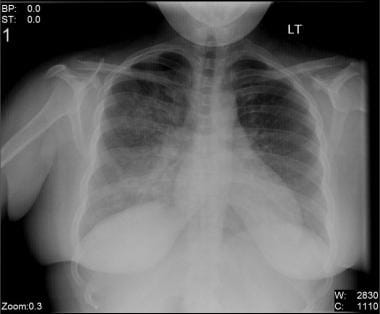
Radiologic findings of adult viral pneumonia are variable and overlapping. The correlation between pathologic and radiologic findings is good. Because the viruses are intracellular pathogens, most pathologic changes in the setting of viral pneumonia occur in the epithelium and adjacent interstitial tissue. According to the virulence and the rate of the development of infection, 2 types of pathologic reactions and radiologic aspects can be observed: (1) usual, long-standing, or insidious course of pneumonia; and (2) rapidly progressive or virulent pneumonia.

The usual form (long-standing or insidious course of pneumonia) is characterized by lymphatic infiltrates in the alveolar septa. These sometimes extend to the lung adjacent to the terminal and respiratory bronchioles or even throughout the lobule in rare cases. On radiologic studies, these findings appear as 4- to 10-mm, poorly defined nodules and patchy areas of peribronchial ground-glass opacity and airspace consolidation, with variable hyperinflation.15

The rapidly progressive or virulent pneumonia with diffuse alveolar hemorrhage extends to both the interstitium and the air space (with interstitial infiltrate, airspace hemorrhage, edema, fibrin, type 2 pneumocytes hyperplasia, hyaline membrane formation). The chest radiograph shows the rapid confluence of patchy, unilateral, or bilateral consolidations and ground-glass opacity or poorly defined centrilobular nodules.

Adenovirus pneumonia

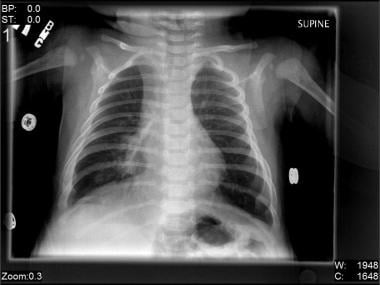
Pathologic findings of adenoviral pneumonia are represented by patchy areas of hemorrhagic consolidation evolving to necrosis and diffuse alveolar hemorrhage, necrotizing bronchiolitis with overinflation, and atelectasis.16 The usual radiographic findings are diffuse bilateral bronchopneumonia and severe overinflation. Lobar collapse and atelectasis is a frequent complication; right upper-lobe atelectasis is most common in infants, and left lower-lobe collapse is common in older children. Radiologic changes resolve in 2 weeks in uncomplicated cases.

About 53% of children with acute adenoviral pneumonia develop a form of chronic disease: bronchiectasis, obliterative bronchiolitis, interstitial fibrosis, or unilateral hyperlucent lung syndrome. Approximately 64% of complicated cases are described in children younger than 2 years.

One group described mainly lobar or segmental airspace consolidations in a study of 21 pediatric patients with adenoviral pneumonia. Typical findings of bronchial-wall thickening, hyperaeration, and patchy areas of atelectasis were seen in 2 patients. The consolidation was bilateral in 63%, and pleural effusions were present in 62%. Decreased WBC counts with lymphocytosis and antibiotic resistance may help in differentiating adenoviral pneumonia from bacterial pneumonia.

In lung transplant recipients, adenoviral pneumonia is most severe, with the highest rate of mortality compared with those of patients with other respiratory viruses. The radiologic findings were typically more severe than those found in RSV or PIV pneumonia. Changes consist of progressive homogeneous consolidations developing over days or weeks. Pleural effusions are seen in 20% of patients.

CMV pneumonia

The pathologic findings in CMV pneumonia differ according to the degree of the host's immunosuppression. In moderately immunocompromised transplant patients, the interstitial pneumonia, inflammatory or hemorrhagic nodules, organizing pneumonia, and severe necrotizing pneumonia are due to T-cell–mediated immune mechanism.

Patients with increased immunosuppression, such as those with AIDS, have a high density of CMV inclusion bodies.17 These are directly responsible for severe pneumonitis or diffuse alveolar damage. In recipients of solid-organ transplants, CMV pneumonia often appears normal or minimally abnormal on chest radiographs. In a series of lung transplant recipients with proven CMV pneumonitis, only one third of patients had abnormal radiographs. No deaths were recorded in the group with normal radiographs compared with the 18% mortality rate in the group with radiographic abnormalities.

When abnormal, chest radiographs reveal an interstitial pattern of disease, which is usually diffuse and which involves the bases. The interstitial pattern consists of accentuation of Kerley A and Kerley B lines or of diffuse, hazy, ground-glass opacities.

Relatively few reports note CMV pneumonia in immunocompetent hosts. Interstitial infiltrates were described in a few patients from a series of 34 immunocompetent patients.

Coxsackievirus pneumonia

In the few reported cases of coxsackievirus pneumonia, the radiographic pattern consists of fine perihilar infiltration. In the cases with pleurodynia, parenchymal consolidation in the lung bases may be observed.

EBV pneumonia

EBV lung involvement is characterized by mononuclear infiltrates in bronchovascular bundles and interlobular septa and also in alveolar exudates. Chest radiographic analysis in 59 cases of infectious mononucleosis revealed splenomegaly as the most common finding (47%), followed by hilar lymph node enlargement (13%), a diffuse reticular pattern indicating interstitial disease (5%), and bilateral or unilateral pleural effusions.

Pulmonary consolidation in infectious mononucleosis associated with interstitial pulmonary infiltrates is rare.

Echovirus pneumonia

Echovirus pneumonia has a pattern of increased bronchovascular markings and bilateral hilar lymph-node enlargement.

Hantavirus pneumonia

As with other viral etiologies, interstitial and airspace edema, interstitial lymphocyte infiltrates, epithelial necrosis, and vascular thrombosis are seen in hantavirus pneumonia. Particular aspects of hantaviral lesions are extensive cellular debris with destruction of type I cells and a predominance of type II pneumocytes, neutrophil infiltrates, and fibrosing alveolitis.

Chest radiographs show interstitial edema with or without progression to airspace disease, with a central or bibasilar distribution and common pleural effusions. Pulmonary capillary leak syndrome of hantaviral infection may be secondary to the associated renal failure.

HIV pneumonia

Fine reticular or reticulonodular infiltrates in the pulmonary interstitium and coarse reticulonodular infiltrates or opacities with superimposed patchy alveolar infiltrates have been described in patients with AIDS or AIDS-related complex (ARC) and biopsy-proven lymphocytic interstitial pneumonia. This disease is considered a benign reaction of bronchial-associated lymphatic tissue to HIV. Radiographic findings are stable throughout the course of the disease in 75% of patients.

One clinical study from France included 211 children (144 radiographs) with rhinovirus infection. The authors reported abnormal findings in 60%; these consisted of an interstitial pattern in two thirds and consolidation in one third. They did not describe atelectasis or bronchiolitis obliterans.

HSV pneumonia

HSV pneumonia is usually characterized by alveolar necrosis and proteinaceous exudates, with or without necrotizing bronchopneumonia. The focal infiltrates are thought to be the expression of aspirated secretions, and the diffuse bilateral infiltrates reflect hematogenous spread.

A study of 23 patients with HSV-1 pneumonia showed patchy segmental or subsegmental airspace opacities in 100% and a lobar distribution and ground-glass opacities in 48%. About 30% of patients had additional reticular opacities. The pattern was diffuse and multifocal in all, scattered in 82%, peripheral in 9%, and central in 4%. Pleural effusions were detected in 52%. The drawback of this study was that some of the bilateral consolidations might have been secondary to ARDS and not HSV infection.18

Another study of 17 patients with HSV pneumonia did not reveal a high correlation between ARDS and HSV pneumonia. The most consistent findings were bilateral opacities with an air space (3 of 14) or a mixed airspace and interstitial pattern (8 of 14). The pattern of opacities was bilateral and diffuse (12 of 14), and the extent was lobar (6 of 14), or it involved almost the entire lung (6 of 14). Pleural effusions (mostly moderate) were described in 8 patients, and atelectasis was found in 5. The presence of 2 normal chest radiographs in this series can be explained by the contamination of BAL samples obtained from the upper airways.

In neonates with HSV-2 infection contracted during delivery, progressive development from a normal chest radiograph to interstitial changes, airspace consolidation, and diffuse consolidation of both lungs is described.19 Interstitial disease is diffuse, usually bilateral, with granularity and linear and opaque strands in hilar and peribronchial areas. Diffuse alveolar infiltrates increase lung opacification without volume loss. Diffuse consolidation is the expression of pulmonary hemorrhage with necrotizing pneumonitis. Pleural effusions may be seen.

In a series of 42 patients with HSV pneumonia, all radiographs showed abnormalities: pulmonary infiltrates (93%), pleural effusions (29%), and atelectasis (12%).

In a series of 7 patients with HSV pneumonia after heart transplantation, 5 had diffuse bilateral changes, either mixed interstitial with an air space or interstitial and micronodular.

Influenza-virus pneumonia

Chest radiographic changes in influenza pneumonia range from mild interstitial prominence to poorly defined, 1- to 2-cm patchy areas of consolidation, to extensive airspace disease due to hemorrhagic pulmonary edema. Alveolar hemorrhage can be seen as small centrilobular nodules. Pleural effusion is rare and usually represents bacterial infection. Cavity formation suggests bacterial superinfection with Staphylococcus organisms.20

Radiographic findings in lung transplant recipients with influenza pneumonia are nonspecific, ranging from subtle heterogeneous and linear opacities to homogeneous lobar consolidation involving the lower lobes more than the upper lobes. Chest radiograph infiltrates are seen in 36% of infected patients. Patients with chest radiographic changes appear to have outcomes more severe than those of other patients.

Measles-virus pneumonia

Primary measles pneumonia results in mixed reticular opacities and airspace consolidation. Lymph node enlargement in the hilum can be seen in children. The pathologic basis for these findings is epithelial hyperplasia in bronchioles and peribronchial alveoli, multinucleated giant cells in the alveoli, and diffuse alveolar damage.21

Atypical measles pneumonia appears with spherical or segmental consolidation that clears rapidly. Hilar lymph node enlargement and pleural effusions are frequently associated.

Pneumonia due to bacterial superinfection is segmental in distribution, it affects 1 or both lower lobes, and it is frequently associated with atelectasis. The presence of a dense opacity is more suggestive of a bacterial etiology (88%) than a viral etiology (36%).

PIV pneumonia

Radiographic changes in PIV pneumonia are relatively nonspecific and consist of diffuse or focal accentuation of lung markings caused by peribronchial or peribronchiolar infiltration in the lower lobes.

The giant-cell pneumonia produced by PIV-3 may be complicated by alveolar proteinosis; 1 case is reported in a recipient of transplanted umbilical-cord blood. The radiologic aspect was nonspecific and consisted of bilateral patchy infiltrates.

RSV pneumonia

The radiologic pattern of RSV pneumonia is the expression of mucosal necrosis and interstitial inflammation associated with bronchial narrowing and occlusion and bronchial wall thickening. The typical radiologic appearance of RSV lower respiratory infection is not well defined yet. The typical findings are still considered nonspecific.

A 1974 study of 126 children with acute RSV lower respiratory infection showed typical features of collapse or airtrapping in small areas of consolidation. Airtrapping and peribronchitis was most common in infants younger than 6 months, whereas consolidation was most often seen after the age of 6 months. Atelectasis was a rare finding and was not correlated with age.22

Other authors showed that the variability of lung infiltration is correlated with the severity of infection. Atelectasis is more common in children with positive bacterial swabs than in others.

Lobar emphysema may be associated with RSV pneumonia.

A study of 128 chest radiographs of children with lower respiratory infection showed mainly lobar pneumonia, bronchopneumonia, or normal findings in infants younger than 6 months. Children older than this had mainly peribronchitis or interstitial pneumonia, as depicted on the chest images.

A study performed in Germany demonstrated 3 major radiologic findings in 108 cases of confirmed RSV lower respiratory infection: normal chest radiographic results (30%), central pneumonia (32%), and peribronchitis (26%). Other findings were emphysema (11%), pleural effusion (6%), bronchopneumonia (6%), atelectasis (5%), and pneumothorax (0.9%). Age-specific differences were not confirmed. Sensitive laboratory testing to confirm RSV infection and to rule out bacterial superinfection may explain the differences between this study and previous ones.

In adults, the radiographic aspect is frequently complicated by bacterial infection. In a study in Ohio, 40% patients had evidence of pneumonia or consolidation; in 35%, a lobar distribution was observed. Pleural effusions are seen in 5% of cases.

In lung transplant recipients, RSV and PIV pneumonias tend to be less symptomatic and without radiographic findings. Authors have described diffuse homogeneous consolidations in similar patients.

SARS-virus pneumonia

Extensive reports have been published about radiologic findings in SARS since the onset of the initial outbreaks in Asia and later in Canada in 2003. Pathologic changes of SARS consist of diffuse alveolar damage with a small amount of interstitial lymphocytic infiltrate. The early phase is characterized by pulmonary edema with hyaline membrane formation, and the organizing phase is characterized by cellular fibromyxoid organizing airspace exudates. These findings explain why most images of patients admitted with SARS infection are nonspecific and indistinguishable from those of other viral or bacterial bronchopneumonias.

The disease cannot be ruled out in patients with negative radiologic findings. Radiographic reexamination, dynamic observation, and digital radiography can be used to increase test sensitivity. Most authors emphasize the need for serial chest radiographs.

A study of 13 Canadian healthcare workers with probable SARS revealed 3 distinctive radiographic patterns.23, 24 The most common pattern (seen in 76.9% of cases) was focal peripheral airspace disease at presentation with gradual resolution. Some patients had normal radiographs initially: 15.4% later developed focal airspace disease, and 7.7% had round pneumonia, a rare finding confirmed with other studies. Bilateral disease was seen in 53.8% of patients, and unilateral involvement was seen in 46.2%. All patients had mid- and lower-lung airspace disease, and 46.2% had additional upper-lung infiltrates. No evidence of pleural thickening, effusion, lymphadenopathy, cavities, or clinically significant airway changes was found.

A retrospective study of 62 children with SARS from Canada, Singapore, and Hong Kong found normal chest radiographs in 35.5%.25 Prominent radiologic findings in the remaining children were areas of consolidation (ground-glass opacities or focal, lobar, or multifocal opacities; 45.2%), which were often peripheral and in the lower lobes. Peribronchial thickening was noted in 14.5%. Radiographic evidence of adenopathy was not seen. According to the authors, radiography has 2 major roles in SARS: The first is to depict pulmonary involvement in the suspected cases of SARS, and the second is to show radiologic changes characteristic of other bacterial or granulomatous diseases. Extensive pleural effusions, pneumothorax, pneumatocele, lung abscess, cavitation, and adenopathy are uncommon radiologic findings in SARS.26

VZV pneumonia

VZV invasion of the lungs causes swelling, proliferation of type II cells, endothelial damage in the small blood vessels, and desquamation of alveolar septal cells with alveolar septae mononuclear infiltration. Fibrinous exudate organizing in hyaline membranes and focal hemorrhagic necrosis are common.

After the patient recovers from initial disease, spherical nodules are seen. They consist of an outer, fibrous, lamellate capsule enclosing areas of hyalinized collagen or necrotic tissue, with variable degrees of calcification.

The radiographic pattern is scattered, ill-defined, 5- to 15-mm nodular opacities (acinar nodular pattern). These are confluent and fleeting and identical in immunocompetent and immunocompromised hosts. The nodules are seen in the lung periphery (bases), coalescing near the hila; these probably reflect contiguous spread from tracheobronchitis. Reticular markings, pleural effusions, and hilar adenopathy are rarely seen.

The radiographic manifestations usually appear 2-5 days after the rash does. They tend to clear in 3-5 days in mild disease and take up to several weeks or months to clear in widespread disease.

An apparently unique complication of acute VZV pneumonia consists of the late appearance (years after onset of pneumonia) of 2- to 3-mm dense calcifications, which are well defined, scattered, and predominant in the lower half of the lungs. The frequency of these calcifications is 1.7-2.0% in adults with previous VZV pneumonia.

Degree of Confidence

Several reports have suggested that the chest radiography cannot be used to differentiate nonbacterial pneumonia from bacterial pneumonia. The limited number of patients and microbiologic techniques used and the wide variation in descriptive radiologic terms limited the results, and no general conclusions can be drawn.

One group from Finland enrolled 215 children with CAP. Their results showed that 71% of children with alveolar (especially lobar) infiltrates, as shown on chest radiographs, had evidence of bacterial infection. One half of the children with interstitial infiltrates as the sole radiographic finding had bacterial infection. Therefore, interstitial infiltrates were not a reliable indication of viral pneumonia.27

Specific organism diagnosis of a viral pneumonia cannot be made on the basis of imaging features alone. The radiographic manifestations depend on the patient's immunologic status and preexisting or coexisting lung diseases. Many pathogens can have overlapping radiographic features, and not all physicians agree on the meaning of some descriptive terms. The imaging aspects should be integrated with clinical and epidemiologic data and confirmed by means of virology testing. Recognition of the radiologic findings helps in narrowing the differential diagnosis and in assessing the evolution of disease and complications.


Findings

Indications for CT

CT scanning

CT remains a useful adjunct to radiologic investigation of viral pneumonia. Some authors consider CT useful in differentiating diffuse interstitial lung disease from infectious conditions in ICU patients.28

In an immunocompetent host with pneumonia, CT is indicated only in complicated cases and in association with invasive procedures.29 CT is frequently appropriate for cases with normal, equivocal, or nonspecific radiographic findings.

High-resolution CT scanning

High-resolution CT (HRCT) can be used to guide diagnostic procedures such as BAL or transbronchial biopsy, and it is helpful in differentiating infectious disease from noninfectious acute parenchymal lung disease. However, HRCT has limited value in making a specific diagnosis.

In ICU patients, HRCT has not yet been evaluated as a diagnostic test for opportunistic infections in the ventilated patient with diffuse interstitial lung disease. In this setting, invasive procedures (eg, open lung biopsy) or semi-invasive procedures (eg, transbronchial lung biopsy or BAL) are required for establishing an etiologic diagnosis.

General findings on CT

CT findings in viral pneumonia are nonspecific and overlapping and consist of centrilobular nodules, ground-glass attenuations with a lobular distribution, segmental consolidation, and/or diffuse ground-glass attenuation with thickened interlobular septa. Similar to the radiographic findings, CT findings follow the appearance of pathologic lesions.

Centrilobular nodules

The centrilobular nodules (airspace nodules or acinar nodules) are 6-10 mm. They are best appreciated in early disease and best seen at the edge of the pathologic process, where consolidation is incomplete.

Some authors consider these centrilobular nodules the main CT feature that differentiates bacterial pneumonia from atypical pneumonia. These nodules are found in 64% of patients with atypical pneumonia and 77% with viral pneumonia, as opposed to 11-17% of those with bacterial pneumonia. Predominant nodular patterns were reported in M pneumoniae pneumonia (89%) and fungal pneumonia (65%).

Ground-glass attenuations

In viral pneumonia, the centrilobular nodules are typically associated with a background of diffuse ground-glass attenuation and/or reticulation. The ground-glass attenuations are nonspecific findings, defined as a localized increase in lung attenuation that allows visualization of vascular structures through the affected region. Viral pneumonia is commonly associated with nodules and focal or diffuse areas of airspace consolidation as well.

Specific findings on CT

Adenoviral pneumonia

Most reports of adenoviral pneumonia describe the late changes that appear after the initial pneumonia resolves. CT scans show pulmonary hyperinflation with nonhomogeneous air-trapping and variable degrees of bronchiectasis after the pneumonia resolves.30 Late pathologic changes consist of obliterating bronchiolitis induced by necrotizing bronchiolitis and bronchiectatic changes, absorption atelectasis, and follicular bronchiolitis.

CMV pneumonia

CT findings of CMV pneumonia are diverse and have been described in various patients. Findings in patients without AIDS include a mixed pattern of nodules, ground-glass attenuations, and consolidation31, 32; these seem to differ from findings in patients with AIDS, who have masslike lesions.33 One case report notes a cavitary lesion in an immunocompetent patient proven to have CMV pneumonia by means of BAL and lung biopsy.34

EBV pneumonia

The most common CT findings in EBV-associated lymphoproliferative disease of the lung are multiple nodules with peribronchial distribution.35, 36

HIV and HTLV pneumonia

In HIV-related lymphocytic interstitial pneumonia, CT scans may show areas of ground-glass attenuation, ill-defined nodules, and multiple cystic lesions.

Lymphocytic interstitial pneumonia is one of the lung complications of HTLV 1–associated bronchopneumopathy.

CT findings of multiple cystic lesions, small nodules, thickening of the interlobular septa, and peribronchial or peribronchiolar thickening have been described. These lesions are correlated with pathologic findings of infiltrates of mononuclear cells in peribronchial and alveolar interstitial tissue and with infiltrates of peribronchiolar T cells.

Other CT findings may include ground-glass attenuation, focal areas of consolidation, small nodules, and thin-walled cystic nodules. Multiple cysts are secondary to partial bronchiolar obstruction and produced by the lymphocytic infiltrate; these cysts are the most characteristic lesions of lymphocytic interstitial pneumonia.

HSV pneumonia

Approximately one third of patients with HSV-1 pneumonia have coexisting bacterial pneumonia. Therefore, the delineation of typical CT findings due to HSV-1 is problematic.37

Influenza-virus pneumonia

CT findings in influenza pneumonia include airspace consolidation or ground-glass attenuation with a lobular distribution. These aspects are considered to be the expression of hyaline membrane formation in the peribronchiolar alveoli.

Bilateral multifocal peribronchovascular or subpleural consolidations are reported in immunocompetent patients.

Measles-virus pneumonia

CT findings in measles virus pneumonia include diffuse alveolar damage that produces airspace and interstitial disease. The CT appearance is that of ground-glass attenuation, airspace consolidation, and small centrilobular nodules.

An analysis of CT scans in 4 patients with measles pneumonia revealed bronchial-wall thickening, centrilobular nodules in ground-glass attenuations, interstitial lesions (interlobular septal thickening, fissure thickening), pleural effusion, and lymphadenopathy. The marked centrilobular nodules in the ground-glass attenuations and interlobular septal thickening might be specific findings in measles virus pneumonia.

SARS-virus pneumonia

Even with chest radiography as the first imaging study, the early diagnosis of SARS is limited because of the increased likelihood of missing small, patchy, ground-glass attenuations or because of false-negative result. CT scanning has not yet been adopted as a screening tool.

HRCT is more sensitive than chest radiography, but its use is limited, especially during outbreaks, because of the highly infectious nature of the disease and because of cumbersome isolation and infection control measures. HRCT does seem to be useful for early diagnosis, especially for patients in whom SARS is highly suspected, such as close contacts or those with typical symptoms, and when radiographic findings are normal, subtle, or equivocal. HRCT may also be helpful in assessing complications.38, 39

An analysis of 27 confirmed cases from Hong Kong provided the best description of CT findings in SARS.40 Defined HRCT patterns, though nonspecific, were observed in different phases of SARS. During the first week, ground-glass attenuations (33.3%) occurred in clusters of round or wedge-shaped patterns, a crazy-paving pattern (37%), or a combination of both. A sharply defined line separated the diseased areas from the normal areas. Focal areas of subpleural sparing were noted. In this phase, 20-30% of patients had changes on HRCT, with normal chest radiographs.

In the subacute phase, thin or thick reticular lines developed in attenuations, producing a lattice effect. A marble aspect was seen in 18.5% of patients, and pleural effusions were seen in 25.9%.

If the disease progresses further, ground-glass attenuations tend to develop into consolidation (48%) and atelectasis (masslike organizing density). During this phase, the disease may be complicated by pneumomediastinum (25.9%) with coexisting subcutaneous emphysema and localized pneumothoraces. Changes in this phase are associated with architectural distortion, pleural thickness, and traction bronchiectasis.

During the recovery phase, most of the changes improve. Masslike shadows may persist and transform into fibrosis and scarring, with associated blebs and traction bronchiectasis. Chronic irreversible changes, such as honeycombing, are observed in 25.9% of patients. A bilateral scattered distribution is noted in 89%, with all-lobe involvement in 63%. No lymphadenopathy or cavitations are described.

Other retrospective studies from Hong Kong showed abnormal HRCT findings in all patients with symptoms and a high clinical suspicion of SARS, with or without initially normal radiographs. HRCT findings were similar to those previously described: ground-glass attenuations (68.4% of involved segments), pure consolidation (16.8%), or a combination of both (14.8%). Other findings were thickening of intralobular interstitium (32.3%), and interlobular septae (24.2%).

Almost one half of the patients had multifocal and/or bilateral involvement. The crazy-paving pattern was confirmed in only some florid cases. The lesions were smaller and the number of lobes involved were fewer in patients with normal chest radiographs than in others. Affected segments were predominantly in the lower lobes. CT scans confirmed that the lesions were mainly peripheral in the group with normal radiographs, as opposed to the mixed central and peripheral location in the group with abnormal chest radiographs.

A review of pediatric patients' findings in these series confirmed the observation of mild lesions, with the predominance of ground-glass attenuation and consolidation reported by other authors. The absence of cavitation, calcification, and lymphadenopathy in both adult and pediatric patients was consistent with other reports. Pleural effusions were not reported in all studies.

Even if CT is not routinely used to monitor the evolution of the disease and the response to treatment, some emphasize the usefulness of HRCT at 6 months. Late HRCT findings combined with clinical features are accurate in defining lung damage. About 60% of patients with dyspnea and reduced effort tolerance after discharge have evidence of fibrosis (parenchymal bands, traction bronchiectasis). These patients are relatively old and have worsened disease and changes and elevated peak lactate dehydrogenase levels. In this setting, HRCT can help in differentiating reversible ground-glass attenuation and irreversible fibrosis.

VZV pneumonia

A study in immunocompetent patients with VZV pneumonia revealed 5- to 10-mm nodules with or without surrounding ground-glass attenuation, patchy ground-glass attenuation, and coalescence of lesions. Patchy ground-glass attenuation and coalescing of ill-defined nodules were correlated with the consolidation shown on chest radiographs. Nodules depicted on CT resolved concomitantly with the skin lesions.

CT is indicated in immunocompetent patients with VZV pneumonia and equivocal radiographic findings or in patients requiring an evaluation of other combined or underlying pulmonary disease.

Degree of Confidence

CT is sensitive in showing differences in tissue attenuation and parenchymal changes associated with inflammation.

HRCT has limited value for making a specific diagnosis.

CT findings should be corroborated with epidemiologic and clinical data to narrow the differential diagnosis.


Special Concerns

  • Despite the reduction in maternal mortality rates, pneumonia during pregnancy remains a clinically significant problem.
    • Acute pneumonia secondary to a viral infection is common and often underdiagnosed.
    • Although the severity of bacterial pneumonia does not seem to be increased in pregnancy, viral pneumonia can have a serious clinical evolution.
    • Among the viral pathogens, influenza virus, VZV, and measles virus are reported as etiologic agents in severe lower respiratory tract infection.
    • The infection may result in acute respiratory decompensation; respiratory failure; and/or ARDS, which can lead to maternofetal hypoxia, preterm labor, multisystem organ failure, and even death.
  • Pregnant women seem to be at increased risk for influenza pneumonia.
  • During the influenza A pandemic in 1918-1919, the fatality rate was almost 50%.
  • VZV pneumonia is rare but potentially lethal.
    • Mortality rates are 35-40% in pregnant women compared with 10% in the general population.
    • VZV pneumonia develops in 3-5 days after the onset of varicella, with cough, pleuritic chest pain, dyspnea with tachypnea, and progressive respiratory compromise.
    • Chest radiographic findings are consistent with a nonspecific interstitial pneumonitis pattern with diffuse nodular infiltrates.
  • Measles virus can be a considerable cause of pneumonia in pregnant women. Further bacterial superinfection can complicate the clinical and radiologic picture.
  • Despite reports of a high mortality rate during outbreaks, no cases of maternal fatalities secondary to hantaviral pulmonary syndrome have been reported to date.


Media file 1:  Bilateral interstitial infiltrates in a 31-year-old patient with influenza pneumonia.
Click to see larger pictureClick to see detailView Full Size Image
Media type:  X-RAY

Media file 2:  Right-middle-lobe infiltrate in a 2-month-old boy with pneumonia due to respiratory syncytial virus (RSV).

Click to see larger pictureClick to see detailView Full Size Image
Media type:  X-RAY